 Chen Liu
Skip Ahead: My Hubei Hit List
Yellow Crane Tower? Honestly, skip it if you're short on time. I've guided first-timers through Hubei for over a decade, and the classic photo op rarely makes the “best” list — unless you enjoy waiting in a 40-minute elevator line. The real best places to visit in Hubei are spread across the province, from a Taoist mountain that feels untouched by time to a canyon where your phone battery dies because you never stop recording.
Foreign travelers often arrive with the same three problems: can't book tickets without a Chinese phone number, can't pay with a foreign card, and can't figure out which of four gates actually leads to the entrance. I've suffered through all of that so you don't have to.
Here's the bottom line: plan at least five days, reserve everything through Trip.com or official WeChat mini-programs, and never—ever—visit during the first week of October. Now, let's map out a route that actually works.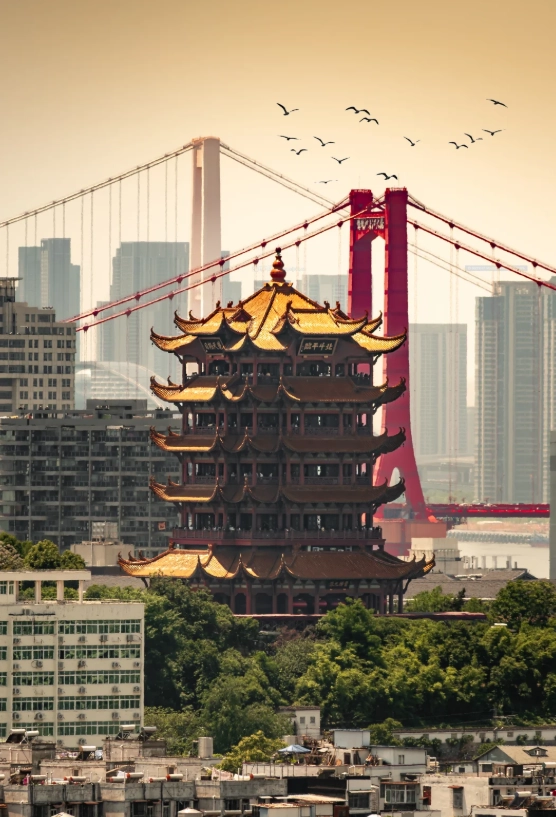
What Are the Best Places to Visit in Hubei? My Top 5
After years of dragging suitcases and cameras around this province, these five spots deliver the biggest bang for your travel yuan. They're not just pretty postcards — they're the ones where every dollar and minute pays off.
1. Wuhan: The Yangtze River & Yellow Crane Tower
Wuhan is the province's gateway, and the Yellow Crane Tower is its most famous symbol. But here's my honest take: the tower itself is beautiful, especially when it lights up at sunset, but the real win is the view from the top over the Yangtze River Bridge. Bring your passport for the ticket desk — it's about 80 RMB for adults, with half price for students under 24 and seniors over 60. You'll need to reserve a time slot, so book via Trip.com or the official WeChat mini-program at least a day ahead.
To get there, take Metro Line 5 to Sipu Men Huanghelou Station, Exit B, then walk about 600 meters up the hill. The station sign says “Sipu Men Huanghelou” but locals call it “Huanghelou”. Open hours change seasonally: 8:00 to 18:00 in summer, and closes at 17:00 in winter. Allow 90 minutes for the tower and terrace.
Insider Advice: Arrive at opening or after 16:00. At midday, tour buses line up at the main gate; I always direct my clients to the west ticket office near the Yellow Crane Tower Park gate — it's usually a 10-minute wait instead of 45.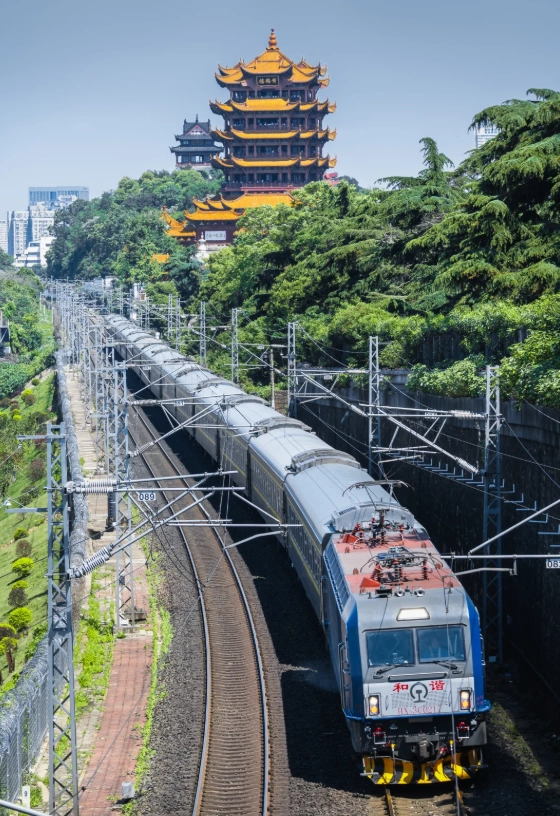
Pro Tip: Don't be fooled by the multi-level viewing decks. The top floor is always jammed, but the second-floor balcony gives you the same river view with way fewer elbows.
2. Three Gorges Dam: Engineering on a Scale You Can't Comprehend
If you're into infrastructure, or just want to feel very small against human ambition, the Three Gorges Dam is essential. It's the world's largest power station, and the sheer scale of it hits you differently than any skyscraper. The view from the observation deck at Tanziling (坛子岭) is the money shot.
The dam itself is free to visit, but you must register your passport online in advance. Book through the official “Three Gorges Dam” WeChat account or on Trip.com — they'll issue a ticket that lets you through the security check. The site is open from 8:30 to 17:00, with the last entry at 16:00. From Yichang city, take the #1 tourist bus from Yichang East Station (30 RMB), which runs hourly. The ride takes about 50 minutes to the tourist center; then you'll transfer to an internal shuttle.
My Reality Check: The dam is impressive, but the area around it is a bit of a theme park. Skip the paid “5D cinema” and head straight to the observation deck. Also, bring a hat — there's barely any shade.
3. Enshi Grand Canyon: Hubei's Natural Masterpiece
This is the one that makes seasoned travelers gasp. Enshi Grand Canyon is actually two connected spots: Yunlong Ground Fissure (云龙地缝) and Qixingzhai (七星寨). The fissure walk feels like you're inside a watery cathedral, carved by a river that still runs beneath your feet. The cable car ride up to Qixingzhai is as scenic as the summit views – which stretch across hundred-meter cliffs.
Tickets are pricey at about 200 RMB for the combined area, including the shuttle bus and cable car. You'll need your passport and a prior reservation, but Trip.com and Klook both sell these. Open from 8:00 to 16:30; I recommend doing the fissure first, then the cable car before noon to beat the light haze.
Getting there: From Enshi Railway Station, take the hotel shuttle or a taxi to the tourist center – about 40 minutes and 40-60 RMB. If you're coming from Wuhan, a high-speed train takes about 4 hours, so stay in Enshi town for a night.
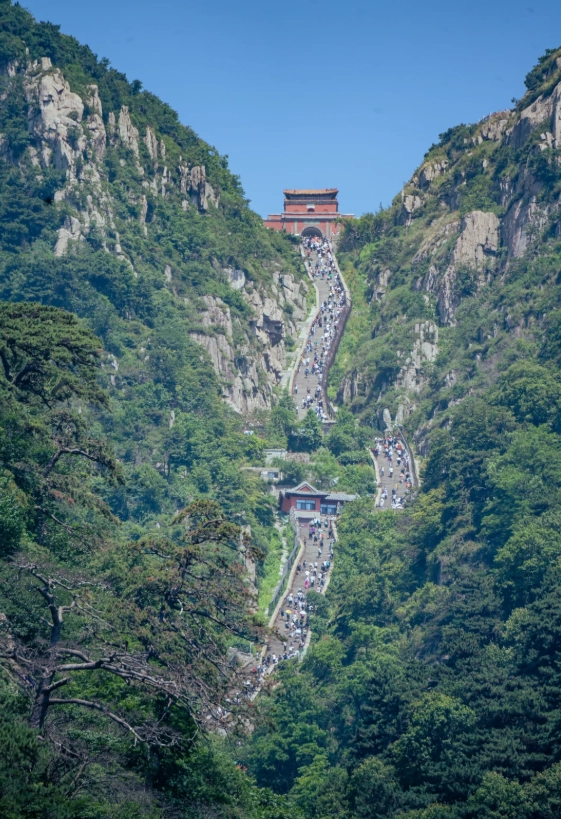
Warning: The stairs are relentless. You'll climb about 1,500 steps on the canyon route. Wear shoes with grip, and don't even think about bringing a stroller. There are no lockers, so try to pack light.
4. Wudang Mountains: Taoism in the Clouds
Tucked away in the northwest, Wudang is China's most sacred Taoist mountain – and a UNESCO World Heritage site (check out its official UNESCO page here). The purple clouds and ancient palaces are worth the trip alone, but the real magic is the quiet: you'll hear wind through pines and monks chanting, not traffic.
Admission is about 240 RMB for the mountain-area ticket, which includes the shuttle bus up to the cable car station. The cable car (extra 80 RMB one-way) runs from 8:00 to 17:00. I highly recommend staying at one of the simple guesthouses near the summit, just south of the Wudang Golden Hall, to catch sunrise – booking via Ctrip or a local phone call is fine. Without a stay, the standard loop takes a full day.
Getting to Wudang is easier than you'd think: take a high-speed train to Wudangshan Station (from Wuhan, about 3.5 hours), then hop on the express bus to the scenic area entrance (10 RMB, 15 minutes).
5. Shennongjia: A Sub-Alpine Escape
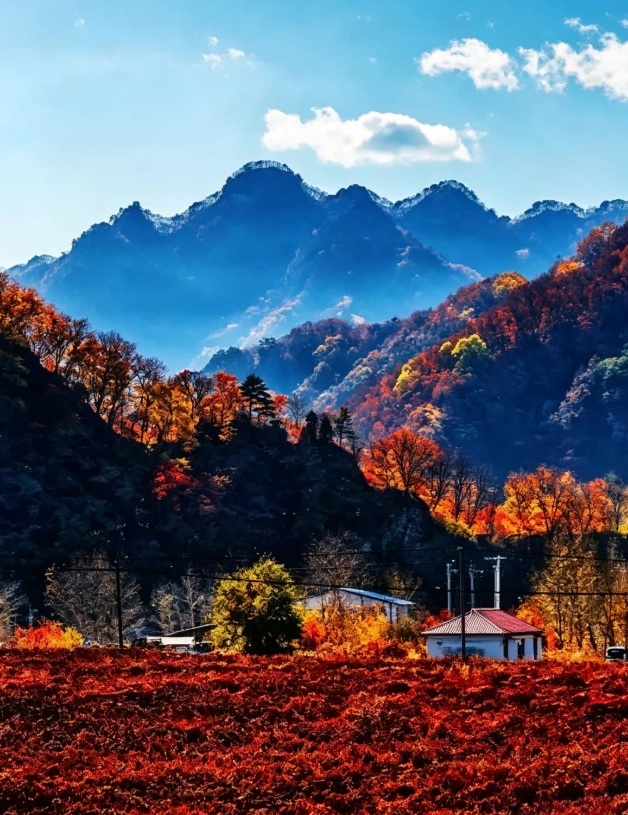
If you're visiting in July or August, your best bet for cool air and raw nature is Shennongjia, an UNESCO World Natural Heritage site (official listing). This high-altitude area offers wooden plank walks, misty forests, and a chance to spot golden monkeys. It's less about specific sights and more about the atmosphere – but the Dajiuhu (大九湖) wetland at dawn is a photographer's dream.
Admission to Shennongjia varies by scenic point, but a joint ticket (around 300 RMB) is the best value if you plan to see more than one area. You'll need to arrange transport within the park – private car hire is common, around 300 RMB per day for a driver. Booking through a hotel or travel desk is reliable. There's no direct train; fly into Shennongjia Hongping Airport, or take a train to Yichang East and then a 3-hour bus. Because of the elevation, temperatures can drop 10°C from Wuhan, so pack layers.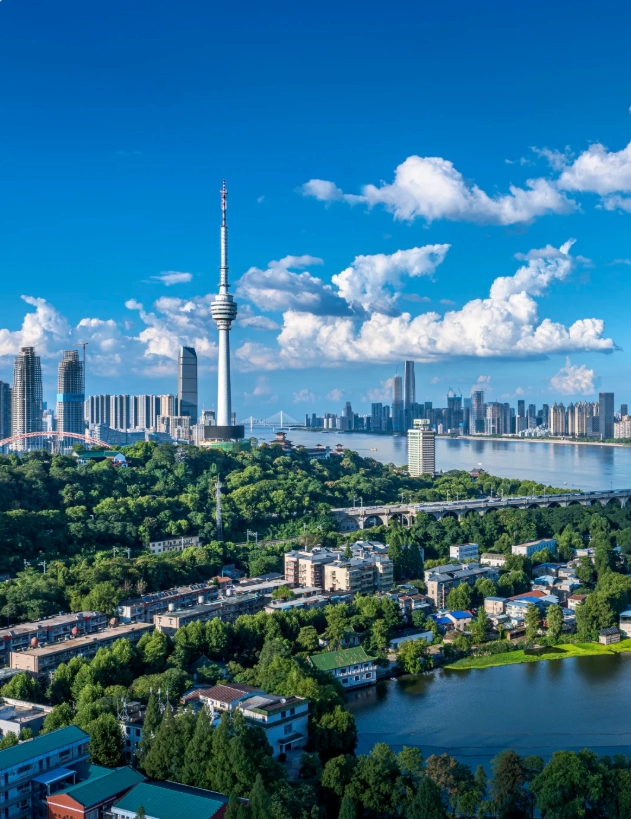
How to Plan Your Hubei Trip Around the Best Places
The best sequence is a loop from Wuhan, heading west to Yichang, then south to Enshi, and north for Wudang. Here's a realistic 5-day plan that hits the highlights without killing your feet.
The 5-Day Hubei Loop
Day 1: Wuhan – Start with the Yellow Crane Tower in the morning, then walk down to the Yangtze River Bridge for a panoramic view. In the evening, take a river cruise (from 100 RMB) to see the lights – the cruise docks are a short taxi from the tower.
Day 2: Yichang & Three Gorges Dam – Take an early high-speed train from Wuhan to Yichang (about 2 hours). Drop your bags at a hotel near Yichang East Station, then hit the dam. Return in time for the local specialty: Yichang's spicy “Crispy River Fish” at the night market near Bayi Road.
Day 3: Travel to Enshi – Train from Yichang East to Enshi takes about 1.5 hours. Spend the afternoon at the Enshi Grand Canyon, staying in Enshi town that night. If you're not a hiker, skip the canyon and visit the much easier Longli Ancient Town (30 minutes from the city).
Day 4: Head to Wudang – You'll need a full morning to get from Enshi to Wudangshan (train with a transfer in Yichang, about 4-5 hours total). Spend the evening in the mountain's hotel, then wake early for the sunrise at Golden Hall.
Day 5: Explore Wudang, then Return – Explore the monastery complex and the sword-fighting temples. If you have energy, take the cable car back down and a slow walk to the famous South Rock Palace. Then take an afternoon high-speed train back to Wuhan.
Off the beaten path: Swap Wudang for Shennongjia if you're into hiking and wildlife. Shennongjia's mountainous interior is a 3-hour bus ride from Yichang East, and it's best with a private driver. I'd only recommend this if you have 6+ days.
Need a mid-trip break? In Yichang, stop at the “Huanan Meiyuan” (三江) coffee street near the riverside – it's a local secret with good espresso and free Wi-Fi.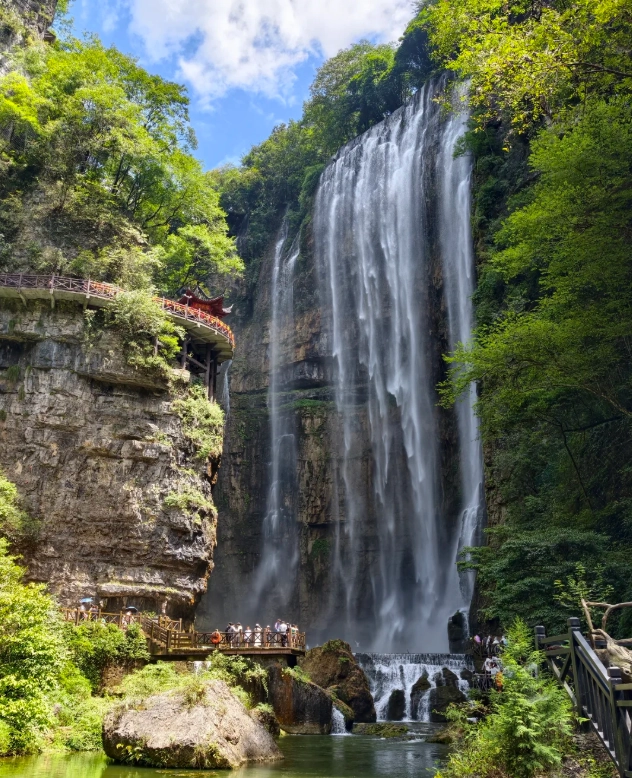
Practical Tips for Visiting Hubei's Best Places
Now for the logistics – because a blank face at the ticket counter is the fastest way to kill a travel high.
Payments: Always Use Alipay or WeChat Pay
China is almost cashless, and Hubei is no exception. Even at the Three Gorges Dam, they'll look confused if you hand over a banknote. The good news: you can link an international Visa or Mastercard to Alipay or WeChat Pay before you arrive. Do it at home, and you'll be golden. If you prefer cash, bring a bit as backup, but expect change to be rare.
Book Tickets Before You Go
Most top attractions require a timed entry – and your passport number. I've seen travelers turned away at Wudang because they tried to buy same-day on a Saturday. Use Trip.com or the official English pages of the scenic areas. The official railway site (12306) sells trains, and you can book Chinese train tickets on Trip.com too.
Navigation: Skip Google Maps
Google Maps is famously unreliable in China. Use Apple Maps (it uses local map data) or download the AMap Global app for walking routes and public transit. I also keep Baidu Translate on my home screen for menus and signs.
Language & Connectivity
You'll need a VPN before you land – if your phone doesn't have one, many Western websites and apps (including Google, WhatsApp, and often Trip.com) will struggle. Download an offline translation dictionary like Pleco, and have a hotel card with the Chinese address for taxis.
Respect the Seasons
Autumn (September to November) is the sweet spot for weather – mild and dry. Winter is cold, especially in Shennongjia, but the mountains are less crowded. Spring brings cherry blossoms to Wuhan, but also rain. Summer heat and crowds are brutal in the cities; escape to Enshi or Shennongjia for altitude relief.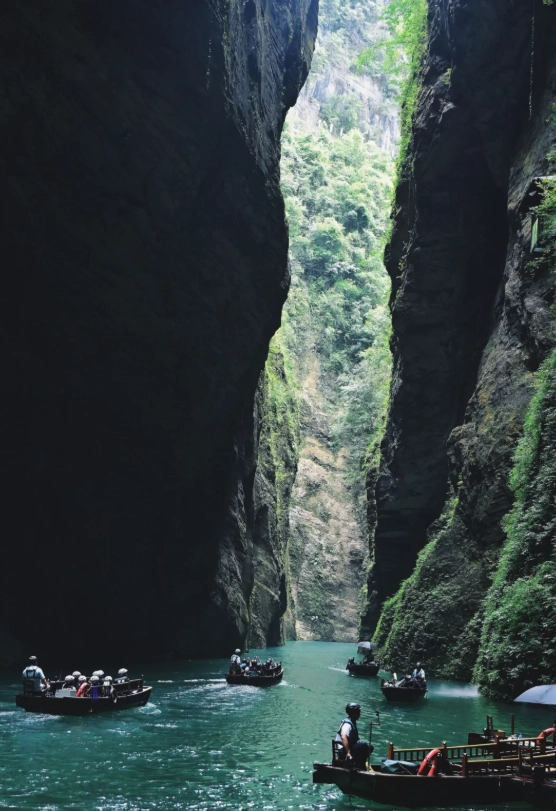





No comments yet.