 Hua Sun
What You'll Discover
I remember the first time I herded a group of confused tourists through the frozen streets of Harbin — many had no idea that Heilongjiang is the true heart of winter in China. That was before I learned to plan around the crowds. Trust me, Heilongjiang tourist attractions are not just about braving the cold. They're about hitting the right spot at the right hour, and knowing how to pay for things without pulling out a wad of cash that nobody will accept.
After years of guiding in this region, I've crafted this Heilongjiang travel guide from the ground up — it cuts through the online noise and gets straight to the logistics that matter. Whether you're here for the Ice Festival or the wild landscapes, this is my honest, insider take on what's actually worth your time and money.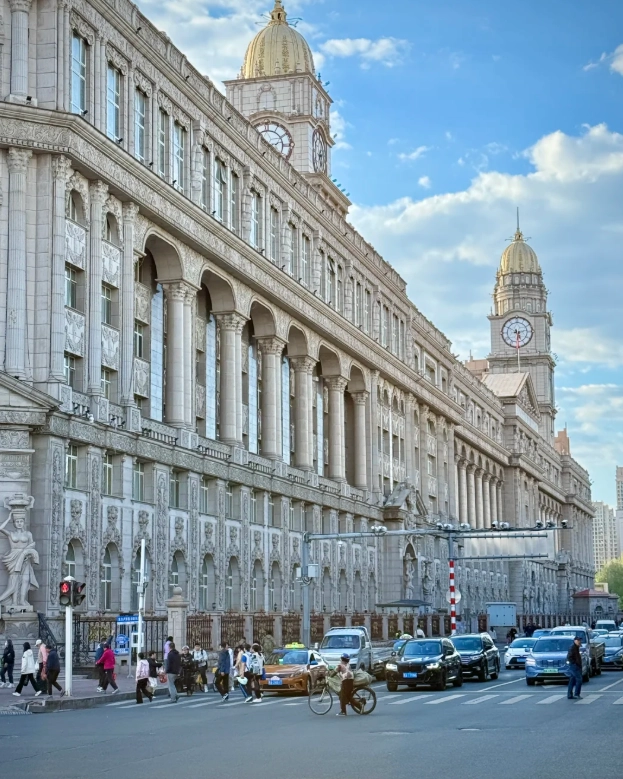
Why Are Heilongjiang Tourist Attractions Worth the Trek?
Heilongjiang is China's northernmost province, a land of bitter winters and surprisingly cool summers. It borders Russia, and you'll feel that influence in the architecture and food. For most foreign visitors, the appeal is the snow — and let's be real, the province turns into a magical ice kingdom from December to February. But there's more than just frozen fun. The province is also home to rare wildlife, volcanic geology, and a deep Russian-Chinese cultural blend.
Still, travel here comes with challenges. The cold stings beyond belief, especially if you're from a warm climate. More importantly, the infrastructure for foreign tourists is less polished than in Beijing or Shanghai. You'll need to prepare mentally for a place where few locals speak English and where mobile payment reigns supreme. That's exactly why my insider knowledge becomes invaluable.
Top Heilongjiang Tourist Attractions for First-Timers
Let's break down the must-see spots. Here are the top things to do in Heilongjiang, with the nitty-gritty details — tickets, hours, transport traps — so you don't lose time fumbling at ticket counters.
Harbin: The Ice City
Harbin is the capital and the epicenter of Heilongjiang tourism. Here's the thing: most foreign tourists only see the typical spots, but I'll show you how to dodge the worst crowds and make the most of your time.
The big three are the Ice and Snow World (冰雪大世界), Central Street (中央大街), and the Saint Sophia Cathedral (圣索菲亚教堂). Each one is incredible, but only if you go at the right time.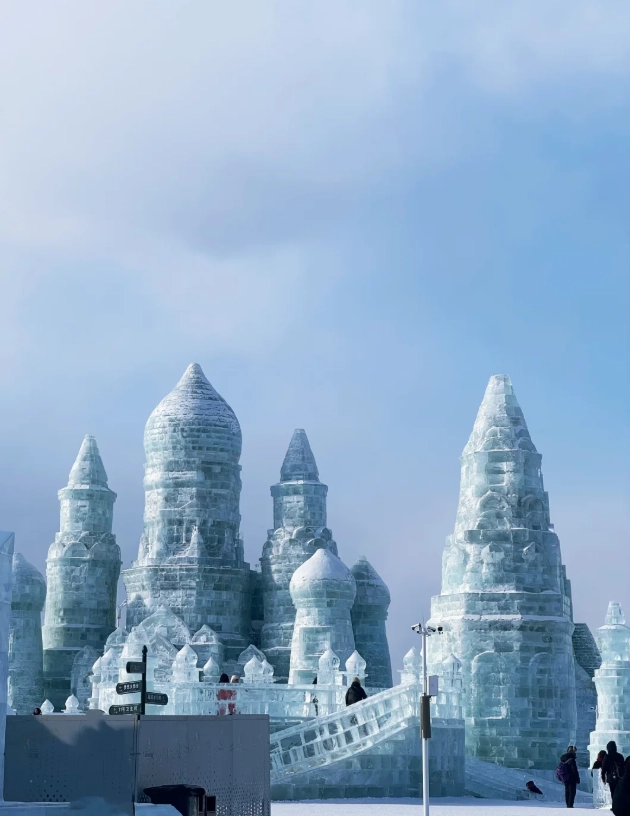
Take a look at the essential info in this table (prices and times are seasonal, so always verify on the official channels):
| Attraction | Address | Ticket Price (Approx.) | Opening Hours (Winter) | Best Time to Visit |
|---|---|---|---|---|
| Ice and Snow World | Songbei District, Harbin | ¥300-330 (adult) | 11:00-21:00 (usually) | After 15:00 to catch both day and night views |
| Central Street | Central Street, Daoli District | Free | Open all day | Early morning for photos, or late night for lights |
| Saint Sophia Cathedral | 1 Toulong Street, Daoli District | ¥20 | 08:30-17:00 (closed Mondays) | Morning before 10:00 |
Now, the tricks. The Ice and Snow World is spectacular, but it's also a giant freezer. I always tell my clients to wait until about three in the afternoon to enter — you'll see the ice sculptures in daylight, then watch them light up as the sun goes down. Also, the queues for popular slides can be brutal; head to the back areas first, where lines are shorter.
Central Street is your classic walking street with Russian-style buildings. It's usually packed. If you want a clean shot of the iconic texture, get there before 9 AM. And don't waste money on the overpriced ice cream at the entrance — wander a block south for the same treat at half the price.
Saint Sophia is an Orthodox cathedral that looks like it was teleported from Russia. It's stunning from the outside. The inside is a museum now, not a functioning church, so your entrance fee goes toward the architecture. The area around it is chaotic with taxis, so watch your wallet. If you're using a ride-hailing app, set the pickup point to the nearby coffee shop to avoid the traffic jam right in front.
Beyond the big three, add the Harbin Polarland if you travel with kids, and the Harbin Grand Theatre for some modern architecture eye candy. For a genuinely local experience, explore the old Jewish quarter near Tongjiang Street — it's a hidden gem that most tour groups skip.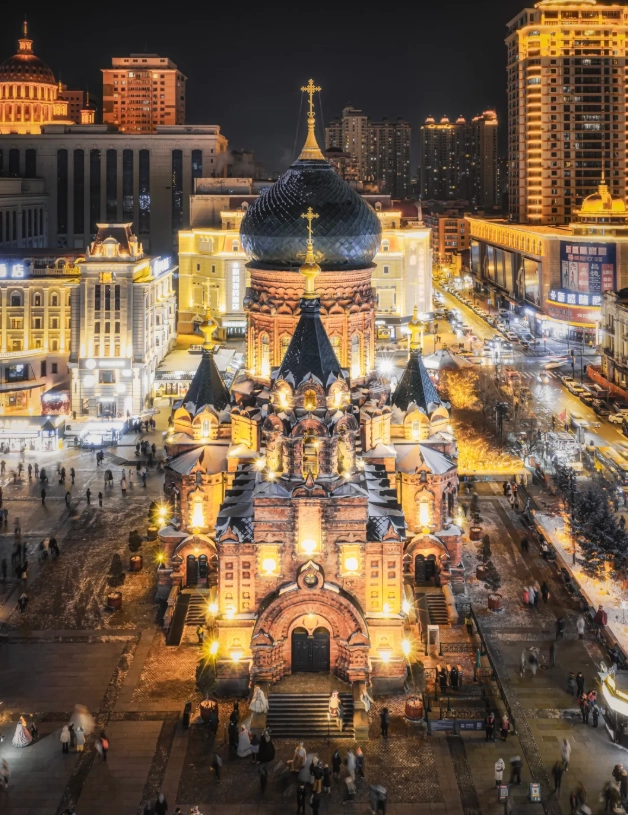
Snow Town (China Snow Town) in Mudanjiang
About a four-hour drive from Harbin, this village — officially called Snow Town National Forest Park (中国雪乡) — is the stuff of fairytales. Thick snow blankets the rooftops, and at night, the glowing lights make it look straight out of a Christmas movie. It's famous for a reason, but let me save you from the chaos.
Here's the catch: Snow Town has a terrible reputation for overcharging. The local government has tried to crack down, but you still need to be careful. Book your stay through a reputable platform like Trip.com or ask your hotel in Harbin to arrange it. If you handle it independently, always ask for the price list before you commit to anything.
Entry ticket is around ¥120 (varies seasonally). The park is open year-round but the snow is reliable from November to March. Plan at least one night there — the morning light on the snowy village is worth the early alarm. And trust me, the walk to the viewing platform behind the village gets you the best panoramic shot, with a fraction of the tourists.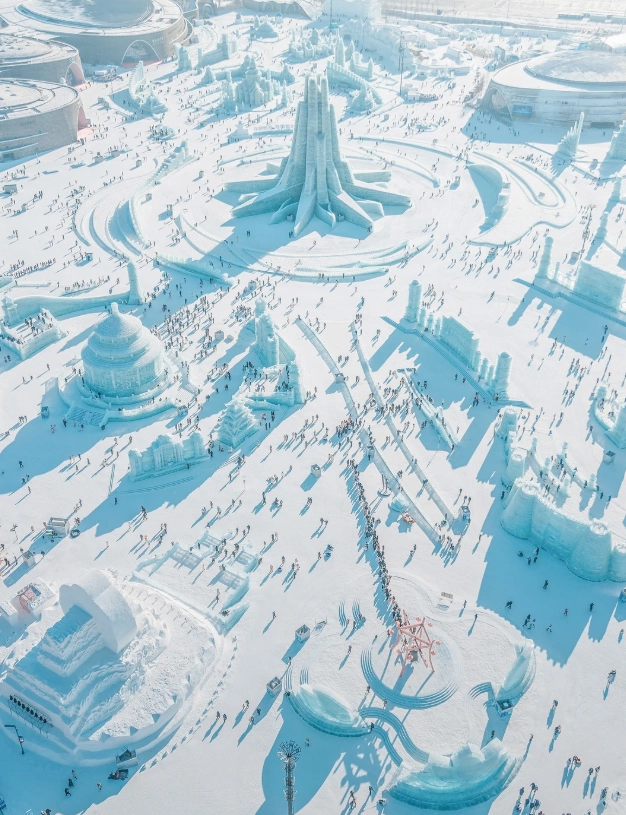
Zhalong Nature Reserve: A Birdwatcher's Paradise
Located near Qiqihar city, Zhalong Nature Reserve is the biggest breeding ground for red-crowned cranes in China. This is one of the most underrated Heilongjiang tourist attractions — it's a peaceful flatland of wetlands, and the cranes are majestic. The reserve has a captive breeding program, and they do scheduled crane-release flights that are mesmerizing to watch.
The reserve is about 45 minutes from Qiqihar train station, and you'll need to take a taxi (about ¥100 one way). Entry is roughly ¥80. The release flights happen daily at specific times — usually early morning and just before sunset, but ask the ticket office or check the official WeChat account because times vary. Bring binoculars, and pack warm layers because the wind bites here.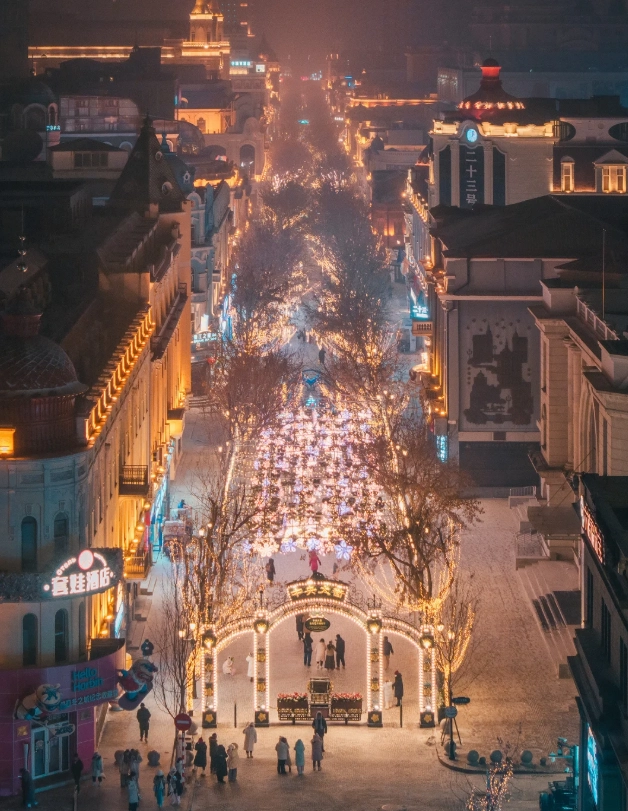
Wudalianchi Scenic Area: Volcanoes and Springs
If you're into geology, Wudalianchi is a UNESCO Global Geopark famous for its volcanic lakes, mineral springs, and lava formations. It's about a two-and-a-half-hour drive from Harbin, or you can take a train to Wudalianchi station and then a short bus. The park is gorgeous in any season, but summer offers lush green vistas and the famous cold mineral springs that locals believe are healing.
General admission is around ¥150, and you'll want a full day to explore the main craters. Don't miss the Yaoquan Mountain (药泉山) for a killer viewpoint over the volcanic landscape. The food scene here is also a treat — pickled vegetables, river fish, and the local mineral water that's naturally carbonated.
How to Plan a Smooth Heilongjiang Itinerary
Planning is everything in Heilongjiang, especially in winter when distances feel longer and daylight is short. I'll give you two outline plans — one for a quick 4-day dash, and one for a deep 7-day exploration. Let me know which fits your style.
4-Day Express Itinerary (Harbin Focused)
Day 1: Arrive in Harbin. Nail the Central Street and Saint Sophia in the morning. Take it easy — your body needs to acclimate to the cold. For lunch, go to Old Gardener's on Zhongyang Street for a warm bowl of crispy pork ribs with sauerkraut. In the late afternoon, head to the Ice and Snow World. Keep your visit light — it's cold, so you'll naturally speed through.
Day 2: Morning at the Siberian Tiger Park (another top attraction, about 16 km north of the city). Go before noon to see the tigers active and the feeding show. Afternoon, dive into the provincial museum (free, but bring your passport) to learn about local ethnic groups. Evening, catch the Russian-style dance show at the nearby “Oriental Moscow” restaurant — kitsch but fun.
Day 3: Take the high-speed train to Mudanjiang (about 2 hours, book via 12306). From there, grab a shuttle to Snow Town (2-3 hours). Spend the night in one of the local guesthouses. Be careful: the guesthouse heating can be inconsistent. Pack an extra fleece layer inside your sleeping bag.
Day 4: Capture the snowy village in the early morning light, then head back to Mudanjiang for your return train or flight home.
Extended 7-Day Itinerary (Adding Zhalong and Wudalianchi)
If you have a week, you can loop in the more remote spots. Here’s a quick schema:
Day 1-2: Same as above in Harbin.
Day 3: Overnight trip to Qiqihar to see Zhalong. Take the high-speed train from Harbin (1.5 hours), stay in a hotel near the reserve, and schedule the crane release for sunrise. This is a photographer’s dream.
Day 4: From Qiqihar, take a train south to Wudalianchi (about 3 hours). Spend the afternoon exploring the lava terraces.
Day 5: Full day at Wudalianchi, hiking and tasting the mineral water. Overnight at a resort near the springs.
Day 6: Train back to Harbin. Use the evening for last-minute souvenir shopping along Central Street.
Day 7: Fly out.
Always account for weather delays in winter. Snowstorms can cancel flights and trains. Build in a buffer day if you have a tight international connection.
Practical Tips: What Do Foreigners Need to Know Before Visiting Heilongjiang Attractions?
This is where I earn my money. China's digital ecosystem can be a maze for foreigners. Let's sort it out.
The Payment Trap
Most places in Heilongjiang, especially smaller food stalls and local shops, will NOT accept cash or foreign credit cards. Use Trip.com or another reliable travel platform to pre-book major tickets, but for small purchases, you'll need Alipay or WeChat Pay. Before you leave home, download both apps and link your international Visa or Mastercard. It's a 15-minute setup, but it will save you from awkwardly staring at a QR code with no way to scan it. I've seen too many tourists beg cash-only restaurants because they didn't set this up.
Navigating Without Google Maps
Google Maps goes haywire in China. It's simply not dependable for turn-by-turn directions. Use AMap (Gaode Maps) or Apple Maps for road navigation. Better yet, for public transit, install the Chinese app “AMap” and ask a local to switch the interface to English for you. It's awkward at first, but street-level directions are flawless.
The VPN and Translation Lifeline
You'll need a VPN to access Gmail, Instagram, or any site blocked behind the Great Firewall. Download one and test it before you land. For translation, Apple's built-in Translate works offline — download Simplified Chinese. Also, keep the app “Baodao” or “Pleco” for a comprehensive dictionary. But honestly, the simplest hack is to have your hotel business card in Chinese ready to show to taxi drivers.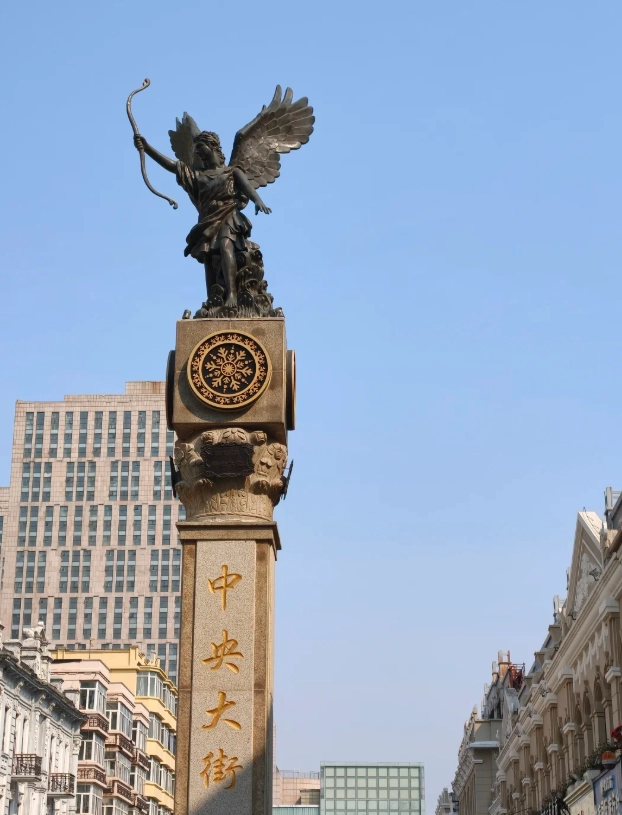
Booking and Passport Rules
Most major attractions in China now implement a real-name reservation system. You must present your passport to match the booking. If an official booking mini-program stumps you with Chinese characters, don't panic. Use Klook or Trip.com as a fallback for a small handling fee. Trust me, it beats wrestling with an app full of Chinese.
Travel Insurance and Emergency Numbers
Carry travel insurance that covers medical emergencies and delays. The cold can shock your system, and hospital bills abroad are no joke. For emergencies, dial 120 for an ambulance or 110 for police. Most mobile phones will connect even without a SIM card, but verify when you arrive.
FAQs About Heilongjiang Tourist Attractions
This content was fact-checked by the editorial team to ensure informational precision, based on verified public sources and firsthand experience.





No comments yet.