 Tao Xu
What's inside? Your quick guide to the guide.
Most travelers screw up Hunan. They land in Changsha, eat one bowl of noodles, and rush off to Zhangjiajie. Then they burn out. I know because I've seen it a hundred times as a tour guide. So, is Hunan worth visiting? Honestly, yes — but you need a game plan. Without one, you'll spend half your trip stuck in queues or paying tourist-trap prices. Let me show you exactly how to do it right.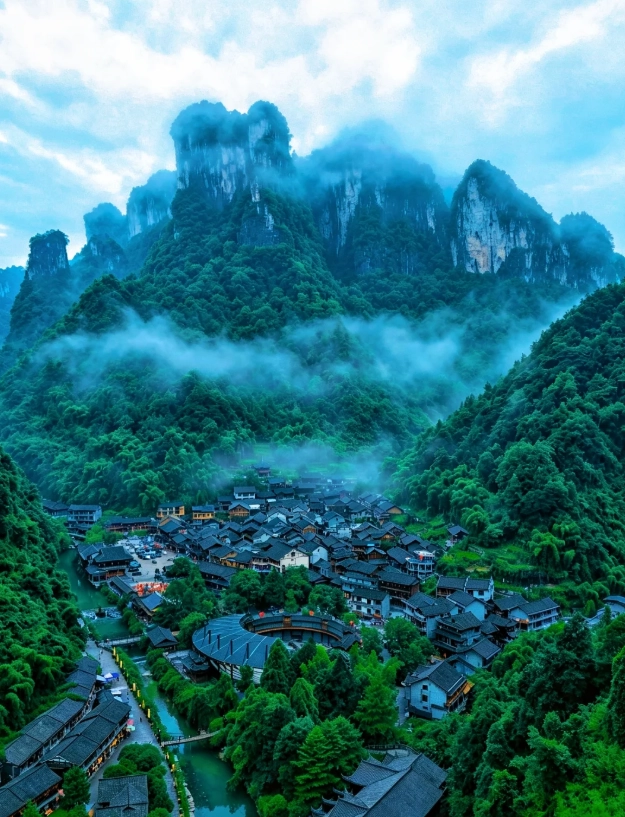
Why Is Hunan Worth Visiting? (My Honest Verdict)
Hunan often plays second fiddle to provinces like Yunnan or Sichuan. But that's a mistake. This place packs a punch. You get karst mountains, ancient towns, and some of the most intense food in China. I've brought my own parents here, and even they were stunned.
The Real Reason I Keep Coming Back
It's the variety. In a single week, you can hike through the floating peaks of Zhangjiajie, wander the lantern-lit streets of Fenghuang, and eat your way through Changsha's night food stalls. Name another province that offers that mix. You'll miss it if you only stay in places like Beijing or Shanghai.
The One Thing That Might Disappoint You
Here's the catch — Hunan is not for lazy travelers. In Zhangjiajie, you'll walk thousands of steps. Some cable cars and sightseeing buses have long queues, especially during Chinese holidays. The summer heat can also be brutal. But if you plan smart, you can avoid most of that.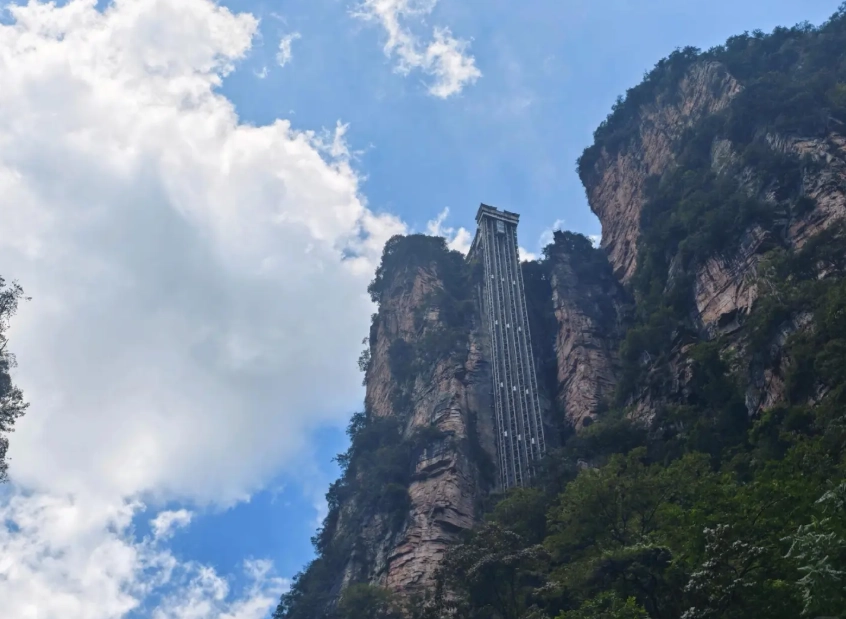
The Best Attractions in Hunan (You Can't Miss)
Let me walk you through the three unmissable spots. Each one is different, so try not to skip any if you have the time.
Zhangjiajie National Forest Park
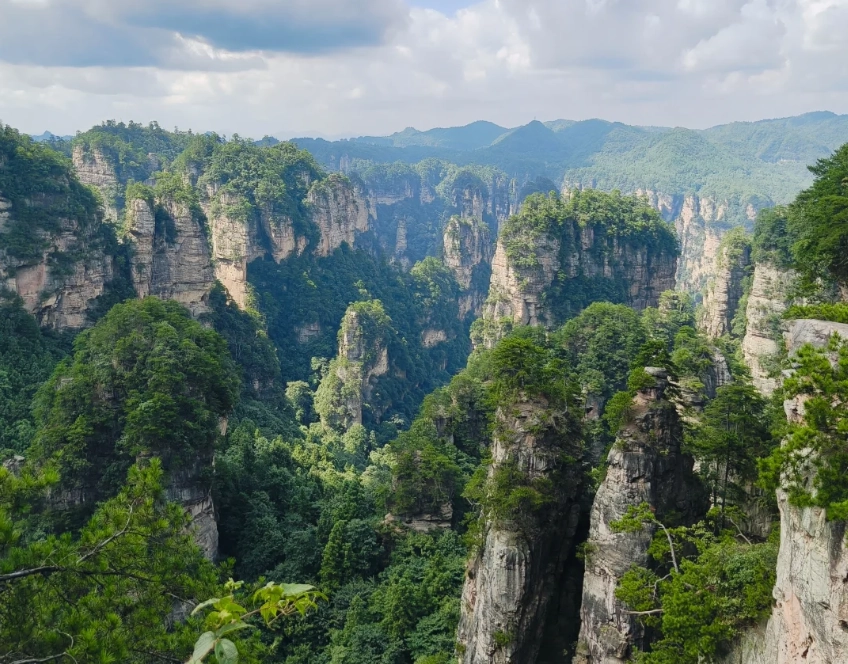
This is the main reason most people come to Hunan, and it lives up to the hype. Those towering sandstone pillars inspired the floating mountains in Avatar. The park is a UNESCO World Heritage site (check UNESCO for more), and it's massive — you need at least two full days to see the highlights. Entrance costs around 225 yuan (about $30), valid for four days, but check the official website for updates.
Don't just hit the main spots like Yuanjiajie and Tianzi Mountain. My advice: start at the Baihua Valley (or the less-crowded south gate) and venture to the quieter trails. If you only have one day, take the cable car up to Huangshizhai and walk the loop. Bring a rain jacket — the weather changes instantly.
Insider Advice: Skip the one-way sightseeing buses if you can walk the Golden Whip Stream. It's a flat, picturesque valley that takes 2-3 hours on foot, and you'll avoid the bus queues completely.
Fenghuang Ancient Town
Fenghuang feels like stepping into a Chinese watercolor painting. Stilted wooden houses line the Tuojiang River, and lanterns glow as night falls. The town is free to enter, but you'll pay for specific former residences and performances. It gets touristy, but there are still quiet alleys if you wander away from the main street.
I recommend spending one night here to see the town in the morning mist and under the evening lights. You can get a river-view room for around 200-400 yuan, but book way ahead on busy weekends.
Changsha City: A Modern Twist
Don't dismiss Changsha as just a transport hub; it's a city that knows how to eat and party. Orange Island (Juzhizhou) is free and offers a great walk, but the real star is the street food scene. Hit up the Food Street in the old town or the night market near Marina Bay. Will try the stinky tofu, even if your nose protests — trust me, it's delicious.
Also, don't miss the window of the Hunan Museum, which showcases a 2,000-year-old mummy. It's free but requires a reservation weeks in advance (use your passport).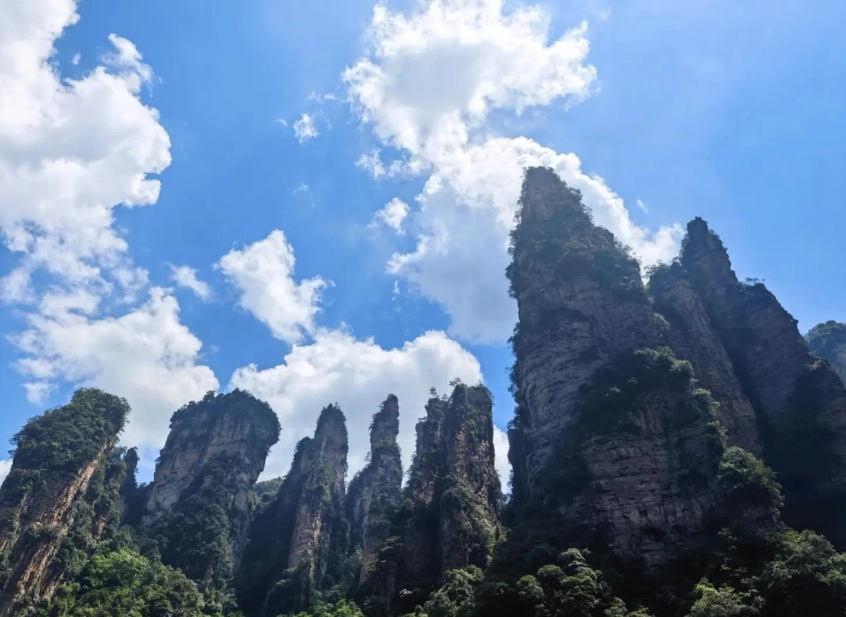
How to Plan Your Hunan Itinerary (Step by Step)
The biggest mistake I see travelers make is trying to pack Hunan into 3 days. That's barely enough for Zhangjiajie alone. Here's a balanced 7-day route that I personally use with my clients.
A 7-Day Hunan Route That Balances Everything
This itinerary assumes you arrive in Changsha and then move to Zhangjiajie, with a stop in Fenghuang.
- Day 1: Arrive in Changsha. Explore the city, eat at the night market. Sleep in Changsha.
- Day 2: Morning at Hunan Museum, afternoon at Orange Island. Evening train to Zhangjiajie (about 3 hours by high-speed rail). Sleep in Zhangjiajie.
- Day 3: Full day in Zhangjiajie — Tianmen Mountain (the glass walkway) or the National Forest Park. Sleep in Zhangjiajie.
- Day 4: Second full day in Zhangjiajie National Forest Park (Yuanjiajie and the Avatar spots). Sleep in Zhangjiajie.
- Day 5: Morning bus from Zhangjiajie to Fenghuang (about 3 hours). Afternoon in the old town. Sleep in Fenghuang.
- Day 6: Morning in Fenghuang, then return to Changsha (train via Jishou or Zhangjiajie). Sleep in Changsha.
- Day 7: Fly out of Changsha or extend to nearby places like Shaoshan.
You can adjust this if you have more time. If you only have 4 days, I'd cut Fenghuang and focus on Zhangjiajie plus Changsha.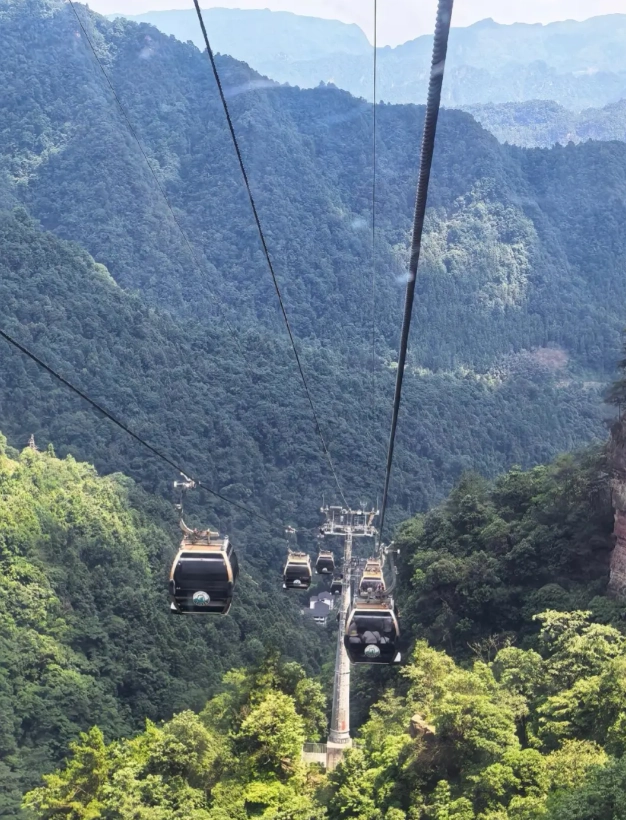
How to Skip the Crowds and Save Time
Here's the trick: always start your day before 8 a.m., and use the south gate of Zhangjiajie Forest Park to dodge the tour bus herds. The queues are brutal from 10 a.m. to 3 p.m. Also, book every attraction ticket in advance via Trip.com or official WeChat mini-programs — many require your passport number. Don't rely on buying at the gate; you might be turned away.
What to Eat in Hunan: A Foodie's Guide
Hunan cuisine is the soul of Chinese food for me — it's spicy, smoky, and unapologetically bold. If you love chili, you'll be in heaven. If not, you'll still find plenty of non-spicy options, but you'll miss the point of eating here. Let me guide you through the essentials.
The Soul of Hunan Food: Spice and Smoke
The key to Hunan food is not just heat — it's the fermented, smoky depth you get with ingredients. Unlike Sichuan's numbing spice, Hunan chili hits you straight. Try the smoked pork (lá ròu) cooked with garlic and peppers. It's the dish I always order when I'm homesick.
Must-Try Dishes and Where to Find Them
Start in Changsha, where the street food is legendary. Try the stinky tofu at "Wuyi Road night food stall," but be prepared for a pungent smell — it tastes way better than it smells. Also go for the rice noodles (mǐfěn) with a spicy beef broth. For a proper restaurant meal, I suggest trying "Chairman Mao's Red-Braised Pork" at any local restaurant that specializes in Hunan cuisine.
For a reliable spot in Changsha, look for "Tianjin Dumplings" (that's the name, though they serve everything) or "Xiangjiang Restaurant" — locals go there. Expect to pay around 50-80 yuan per person. Bring a friend; portions are huge.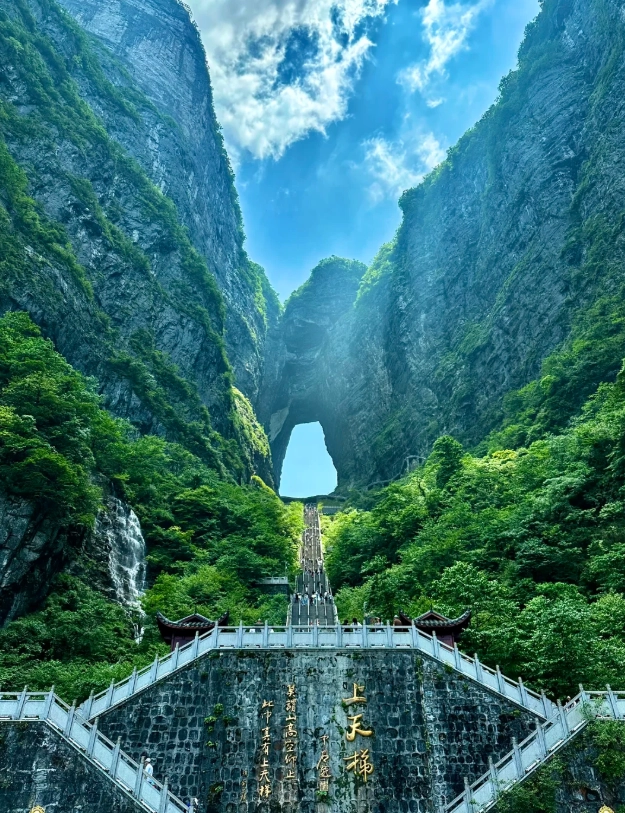
How to Get Around Hunan (Without Losing Your Mind)
Hunan is well-connected by high-speed rail, but you need to plan your movements carefully. Here's the practical breakdown.
Getting There: Flights, Trains, and Buses
Fly into Changsha Huanghua International Airport (CSX), which has flights from major Asian cities and some direct from Europe. It's about 40 minutes from downtown by taxi. For a more budget-friendly option, take the airport bus.
If you're already in China, the high-speed rail network is your friend. Trains run frequently from cities like Guangzhou, Shanghai, and Beijing. You can book tickets on the official 12306 website, but you'll need to verify your passport first. This is a step many foreigners skip, so do it early.
Getting Around: Trains, Taxis, and Apps
For intercity travel, high-speed rail is fastest. Between Changsha and Zhangjiajie, the train takes around 3 hours. From Zhangjiajie to Fenghuang, you can take a direct bus or a combined train-and-bus journey. Renting a car is possible but not recommended — the roads get twisty and traffic can be chaotic.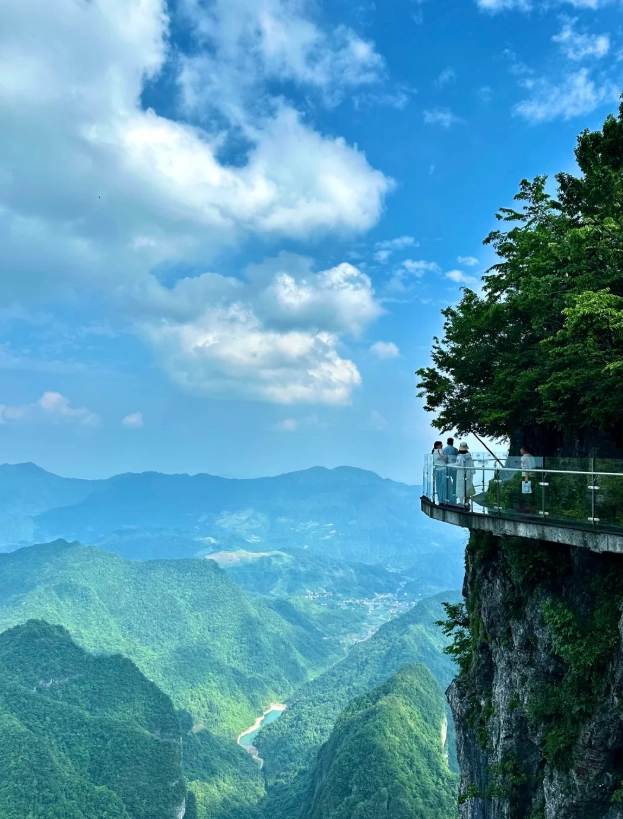
In cities, use ride-hailing apps like Didi, which have an English interface. Taxis are everywhere but can be a hassle if you don't speak Chinese. Always have your destination written in Chinese characters — show it to the driver.
| Route | Time | Cost (yuan) | Best Option |
|---|---|---|---|
| Changsha → Zhangjiajie | 3 hours (high-speed rail) | ~150 | Train |
| Zhangjiajie → Fenghuang | 3 hours (bus) | ~30 | Bus |
| Fenghuang → Changsha | 5-6 hours (train via Jishou) | ~100 | Train |
Is Hunan Worth Visiting for Foreigners? (Visa, Payments, and More)
In short, yes, but you need to prep for a few China-specific hurdles. Let me save you some headache.
Visa and Entry Requirements
Most foreign visitors need a visa to enter China. Check the latest requirements on the official National Immigration Administration website before you book anything. Apply at your nearest Chinese embassy or consulate well in advance. Also, remember to keep your passport with you when traveling — hotels and even some train ticket checks will ask for it.
Payment Methods and the Digital Wallet System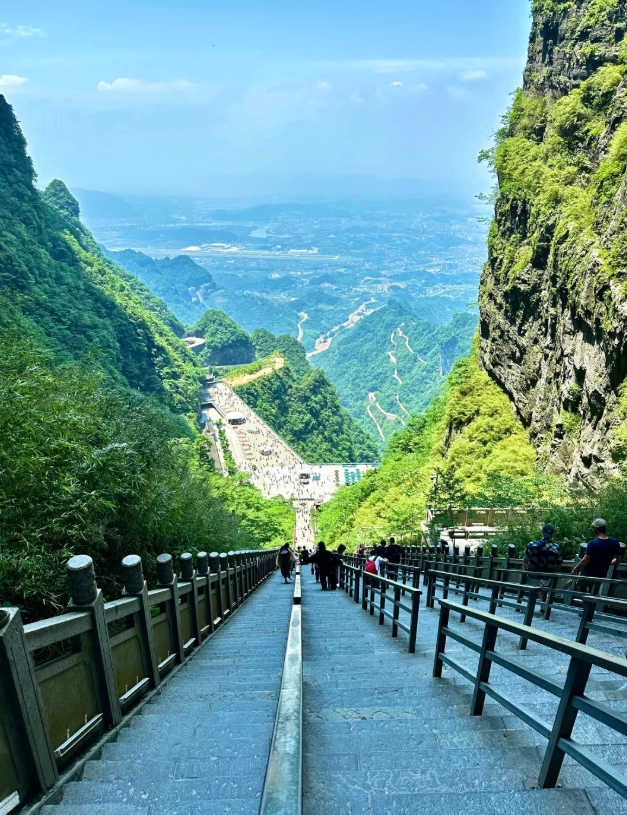
In China, cash is becoming rare. You'll need to set up Alipay or WeChat Pay and link your international credit card. This works for most transactions, but some small vendors still prefer mobile payments. Have a backup card and a little cash for emergencies. Apple Pay works in some places but not everywhere. My personal rule: keep at least 200 yuan in cash on you.
Yes, setting up mobile payments can be annoying, but it's unavoidable. Ask your hotel receptionist to help you download and verify Alipay if you get stuck.
Staying Connected: VPN, SIM Cards, and Translation Apps
Here's a critical tip: Google Maps, Gmail, and many Western websites are blocked in China. Install a reliable VPN on your phone and laptop before you arrive. For maps, use Amap (a Chinese maps app) which has an English version called "AMap Global." Alternatively, Apple Maps works using Chinese sources and is decent. Download an offline translation app like Baidu Translate or Microsoft Translator — you'll need it.
Common Mistakes to Avoid in Hunan (Insider Tips)
After years of guiding, I can predict most traveler mishaps. Here are my top warnings:
- Don't buy tickets at the gate. Many sites require reservation days in advance. Use official WeChat mini-programs or Trip.com.
- Don't under-estimate the weather. Zhangjiajie's highlands can be cold even in summer. Bring layers.
- Don't take the tour shop's "special" offers — they overcharge for tea or jade. Stick to sightseeing.
- Don't follow every restaurant review. Some "famous" spots are touristy and overpriced. Ask hotel staff for local favorites.
FAQs About Visiting Hunan
This content has been fact-checked to ensure informational precision.





No comments yet.