 Fang Wang
Here's Your Fast Lane Through This Guide
Standing at the foot of Mount Tai, I watched a traveler fumble with his international credit card at the ticket booth — it failed. He was stuck for ten minutes. That happened more times than I can count.
You see, Shandong tourist attractions have a unique set of challenges for foreign visitors. From payment apps to outdated guidebooks, most trip plans I see are built on pure guesswork.
Here’s the truth: with the right strategy, you can breeze through the must-see spots in Shandong without the chaos. The trick? Book tickets online, carry your passport, and avoid the typical midday crowds. Let me show you exactly how.
Why Shandong Deserves a Spot on Your Itinerary
Shandong is the cradle of Confucian philosophy and the home of China’s most sacred peak. If you’re interested in history, culture, or stunning landscapes, this province delivers all three.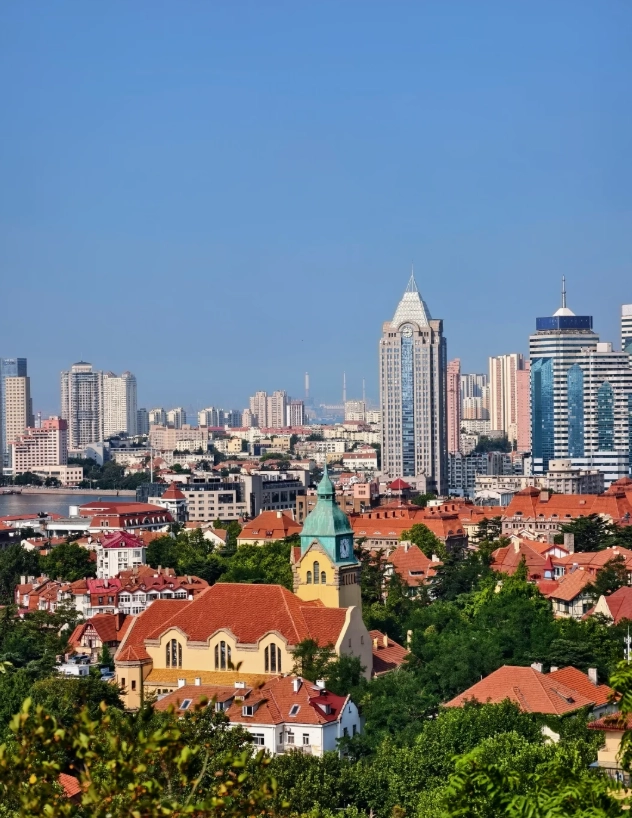
I always tell my clients to skip the crowded Beijing-to-Shanghai route. Shandong offers a more authentic slice of China — and far fewer international tourists. The UNESCO World Heritage listing for Mount Tai recognizes it as a place where natural beauty and human culture meet seamlessly. You can literally walk on stones that poets have climbed for thousands of years.
Beyond Tai Shan, Qufu is the birthplace of Confucius, and Jinan is known for its artesian springs. Then there’s Qingdao, a coastal city that feels like a slice of Bavaria with better weather. So when people ask me whether Shandong is worth it, my answer is always: are you kidding me?
Top Shandong Tourist Attractions You Can't Miss
1. Mount Tai (Tai Shan) — The Five Great Mountains
Mount Tai is the most important of China’s Five Great Mountains, and it’s a UNESCO dual heritage site. I’ve hiked it enough times to know that the experience changes you — and not just because of the 7,000 stone steps.
Here’s the practical stuff:
- Ticket price: Around 115 RMB for the main entrance, but check the official Mount Tai website for the latest. You’ll also need to add about 50 RMB for the shuttle bus if you don’t want to walk the initial stretch.
- Where to buy: WeChat mini-program (in Chinese) or Trip.com with your passport. Don’t rely on the ticket booth — they often run out of paper tickets during national holidays.
- Best time to go: Sunrise from the East Peak is legendary. I usually start climbing at 3:00 AM with a headlamp to beat the heat and the crowds. If that sounds brutal, take the cable car from Zhongtianmen to the top.
- Address: 泰山风景区, Tai'an City, Shandong. Get there by high-speed rail to Tai'an Station, then bus line K60 or a 40-yuan taxi to the Red Gate entrance.
- Opening hours: The Red Gate entrance typically opens at 8:00 AM and closes at 5:00 PM in winter, 6:00 PM in summer. The cable car runs from around 8:00 AM to 5:00 PM. Confirm current times before your visit.
One caveat: the temple at the top is amazing at 6:00 AM but gets claustrophobic after 10:00 AM. Pro Tip: hit the Jade Emperor Peak first, then work your way down. And never attempt the hike in flip-flops — I’ve seen too many blistered heels.
2. Qufu — Birthplace of Confucius
Qufu's "Three Confucian Sites" (Confucius Temple, Mansion, and Cemetery) are another UNESCO World Heritage site. It’s a pilgrimage spot for anyone interested in philosophy, education, or East Asian history.
- Ticket price: A combo ticket is about 140 RMB. It includes all three sites. You can also buy individual tickets if you're short on time.
- How to visit: Reserve via Trip.com or the WeChat official account. Bring your passport — it’s mandatory for entry.
- Layout: The temple is huge. I recommend renting an English audio guide (about 20 RMB) or hiring a certified guide near the gate. It makes the history come alive.
- Opening hours: Generally 8:00 AM to 5:00 PM, but it can close earlier in winter. Check at the visitor center.
Insider Advice: avoid the midday ceremony reenactments. They draw big crowds but offer little depth. Instead, wander into the back courtyards of the Confucius Temple — most tour groups speed through the front section. The cemetery, Kong Lin, is huge — take an electric cart for a few yuan if your knees aren’t what they used to be.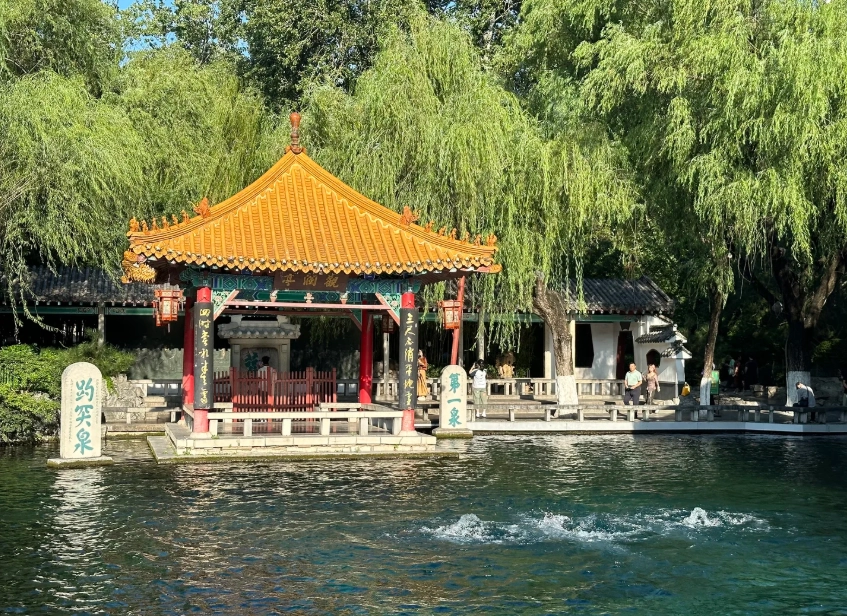
3. Jinan — City of Springs
Jinan is famous for its artesian springs — especially Baotu Spring (趵突泉), which has been praised by Chinese poets for centuries. The water is so clear you can see the ancient characters carved on the rocks below.
- Baotu Spring Park: 40 RMB entrance fee. It’s a small park; you’ll be done in 90 minutes. Walk to Daming Lake for free — it’s a peaceful spot to rent a paddle boat.
- Getting there: Take Line 1 of Jinan Metro to Baotu Spring East Station, exit at Gate C. Or just use a ride-hailing app — a ride from the city center costs about 15 RMB.
- Opening hours: Baotu Spring is open from 8:00 AM to 6:00 PM in summer and until 5:30 PM in winter. Daming Lake is open 24/7.
- Local trick: The spring water is drinkable at the old stone taps outside the park. Bring an empty bottle and taste the local mineral water. I do this every single time.
Don’t waste money on the motorboat tour at Daming Lake. The rowboats are cheaper and you can feel the spring water underneath.
4. Qingdao — Beaches and German Architecture
Qingdao is the perfect palate cleanser after all that history — a coastal city with beer, seafood, and a fairy-tale old town.
- Zhan Bridge (栈桥): Free and touristy, but the seagulls at sunset are a must-see. Go at 4:30 PM to catch the best light. For the best view of the city, climb the small hill at the end of the bridge — it’s free and tourists usually ignore it.
- Badaguan (八大关): A neighborhood with European and Chinese gardens. It’s basically an open-air museum. Rent a bike and get lost — the villas are Instagram gold.
- Tsingtao Beer: The Tsingtao Museum (56 RMB) is actually a fun 1-hour stop, with a free pint at the end. Book ahead to skip the queue. Opening hours: 8:30 AM to 5:00 PM.
- Transport: Qingdao’s airport is about 40 km from the city center. Take the Metro Line 8 to the main station for 8 RMB.
All of these Shandong tourist attractions require some planning, but they’re absolutely worth it. Now, let’s talk about how to stitch them into a coherent trip.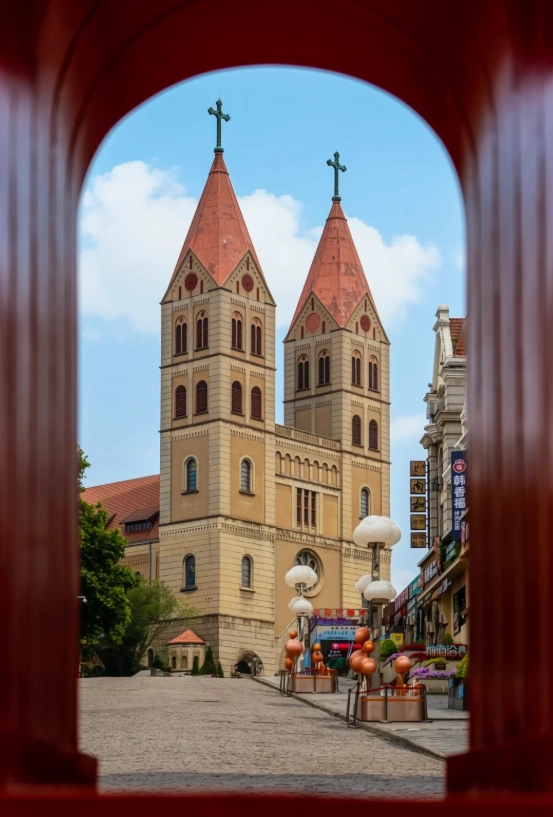
How to Plan Your Shandong Trip
A well-paced Shandong itinerary gives you time to absorb, not just rush. I recommend 5 days if you want to cover the four places above without sacrificing sleep.
Here’s a realistic day-by-day plan I’ve refined after leading dozens of foreign visitors:
- Day 1: Arrive in Jinan. Land in the morning, check into a hotel near Quancheng Road, and spend the afternoon at Baotu Spring and Daming Lake. Dinner at the local "pot sticker" stall on Furong Street.
- Day 2: High-speed rail to Tai’an. The train takes 30 minutes from Jinan. Start Mount Tai hike early — take the shuttle to Mid-Plain Gate to save energy. Stay overnight at a hotel at the summit if you want sunrise, or descend and sleep in Tai’an.
- Day 3: Train to Qufu. It’s 40 minutes from Tai’an to Qufu East Station. Spend the morning at the Confucius Temple and Mansion. Afternoon at the Cemetery. Take the evening train to Qingdao (about 2.5 hours).
- Day 4: Qingdao. Explore the Old Town and Badaguan. Have a seafood lunch at the nearby pier. Visit the Tsingtao Museum in the late afternoon when the crowds thin out.
- Day 5: Beach morning, then fly home. Hit the beach near the Navy Museum, or just relax before your flight.

Transportation Time & Costs
Here’s a quick comparison of the key legs. Use high-speed rail whenever possible — it’s reliable and stress-free.
| Route | High-Speed Rail | Approx. Travel Time | Approx. Cost (Second Class) |
|---|---|---|---|
| Jinan – Tai'an | Yes | 30 min | ~45 RMB |
| Tai'an – Qufu | Yes | 40 min | ~40 RMB |
| Qufu – Qingdao | Yes | 2.5 h | ~220 RMB |
Check timetables on 12306.cn (the official railway site) or use Trip.com. Note that train tickets open up 15 days in advance and sell out during national holidays.
How to Book Tickets for Shandong Tourist Attractions
Every major attraction in Shandong now requires real-name booking with your passport. If you show up without a reservation, you’ll be turned away — that’s a hard rule.
Here’s how to deal with it:
- Use Trip.com or Klook to book tickets for Mount Tai, Qufu, and Qingdao attractions. These platforms accept international Visa/Mastercard and will generate a QR code linked to your passport.
- For Jinan Baotu Spring, you can often buy at the gate during off-peak times, but it’s safer to book online via the "天下第一泉" WeChat mini-program. Ask your hotel receptionist for help if the Chinese is overwhelming. Yes, that’s a hassle even for me, but it’s doable.
- Always carry your physical passport — not a photocopy. The entry gates scan the passport’s barcode.
And here’s a money-saving hack: many attractions offer student discounts if you have an international student ID. But you must ask the ticket inspector or the ticket office in advance, because the discount isn’t always displayed online.
Payment in Shandong is heavily cashless. Alipay and WeChat Pay dominate. Most attractions, when they do accept cash, won’t give change. I always tell clients to set up Alipay before arriving — you can link a foreign Visa or Mastercard to it. If that fails, carry about 500 RMB in small notes as backup.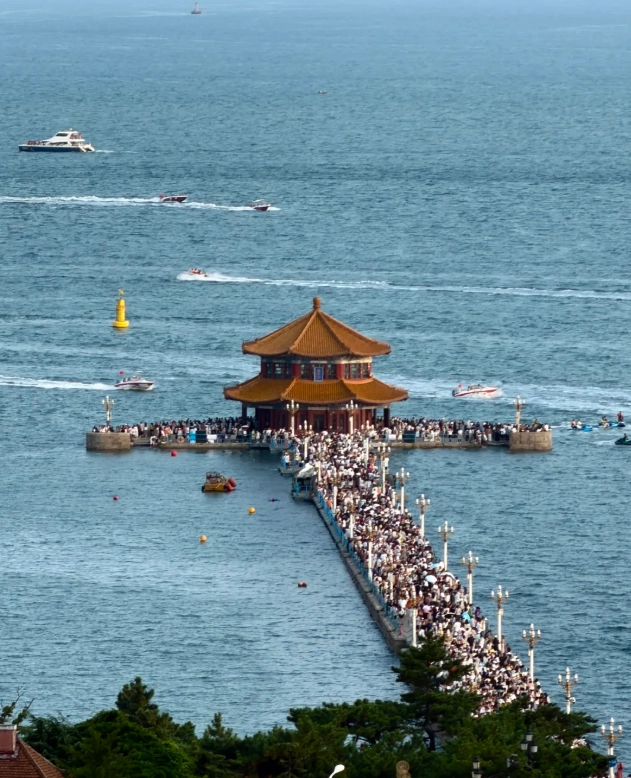
How to Get Around Shandong: Transport Hacks
Forget Google Maps — it doesn’t work in China. Use Apple Maps or download AMap (高德地图) in English mode. The latter is spot-on for public transit and driving.
Between cities, high-speed rail is your best friend. Inside cities, I always default to ride-hailing (Didi) — Uber doesn’t operate in China. You can link your international card in the Didi app, but it’s easier to set up Alipay and use the built-in ride-hailing feature.
Pro tip: taxis in Shandong are cheap compared to the US or Europe, but drivers rarely speak English. Show them the Chinese address on your phone — I’ve pre-loaded useful addresses in the tips below.
- Jinan: Metro Line 1 connects the station and the spring area. All signs have English.
- Tai'an: The bus from the station to Mount Tai is a bit convoluted — just take a Didi to "红门" (Red Gate) for about 30 RMB.
- Qufu: Everything is within walking distance around the old city. Use a shared bike for the cemetery.
- Qingdao: The metro system covers the tourist spots. Say "Zhan Qiao" for Zhan Bridge.
From experience, always pull up your destination’s Chinese address. I once spent 20 minutes trying to tell a taxi driver "Qufu Train Station" in my best Mandarin. He thought I meant a place 40 km away.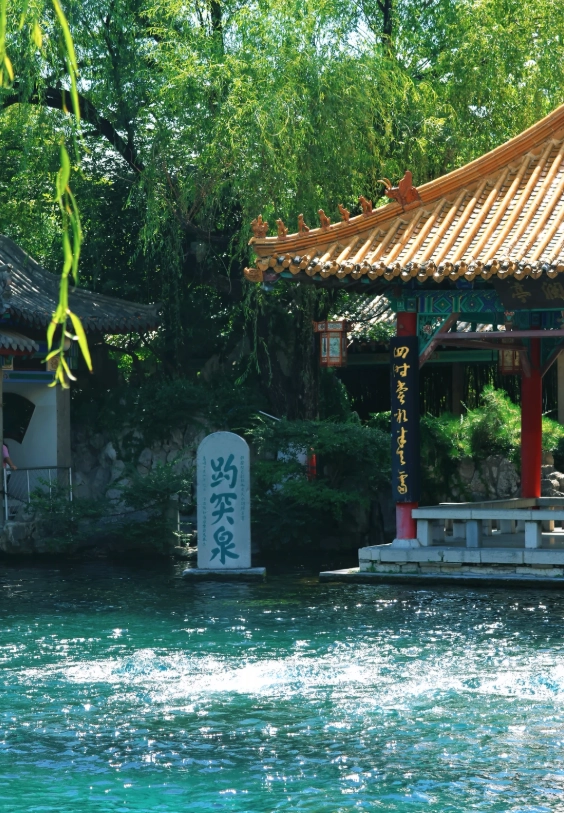
Your Top 5 Shandong Travel Questions, Answered
1. Can I buy Mount Tai tickets at the entrance with my credit card?
Not reliably. The entrance ticket office usually only accepts cash or Chinese mobile payments. If you show up without a booking, you’ll be stuck. Always buy online in advance with Trip.com and carry your passport for verification. I’ve seen too many travelers in tears at that ticket window.
2. Is it safe to visit Shandong as a solo traveler?
Absolutely. Shandong is one of the safest provinces I’ve ever traveled through. Violent crime is virtually nonexistent. The biggest risk is pickpocketing in crowded tourist spots — keep your phone in a zipped pocket. Also, always use official taxis; the unlicensed ones near train stations have a bad habit of overcharging.
3. What’s the best way to get from Jinan to Qufu?
High-speed rail from Jinan West to Qufu East takes around 40 minutes and costs about 80 RMB in second class. There are also direct buses, but they’re slower and less comfortable. I always take the train — it’s on time, and the stations have English signage.
4. Do I need a VPN for my phone in Shandong?
Yes. If you plan to use Google, WhatsApp, Instagram, or any Western app, you’ll need a reliable VPN installed before you arrive. I recommend using a paid service like ExpressVPN or NordVPN — the free ones usually fail to connect in China. Or just embrace the local apps, but you’ll likely still need VPN for some things.
5. What should I wear for hiking Mount Tai?
Dress in layers, even in summer. The summit is often 10–15 °C cooler than the base, and the wind can be biting. Bring a waterproof jacket, a good headlamp for pre-dawn hikes, and trail runners with real grip. The stone steps are slippery after rain. Also, buy a bottle of water at the base — prices double as you climb.
One last thing: I know the booking process sounds intimidating, but it’s actually just a series of small steps. Take it slowly, ask for help when you need it, and you’ll be fine. I’ve led retirees, families, and backpackers through Shandong, and they all managed to do it with a little patience.
Verified and fact-checked by the editorial team.







No comments yet.