 Hui Lin
Quick Navigation — tap to jump
I watched a traveler cry at the Great Wall once—not from awe, but heatstroke and a rushed schedule. He had three hours in Shanhaiguan and a train back to Beijing the same evening. He saw nothing. That mistake stuck with me. I've spent years leading weekend trips across Hebei, and I know exactly what to do in Hebei for a weekend without turning it into a marathon.
Most English-language guides recycle the same thin loop: go to Chengde, snap a photo, leave. They ignore the quiet naval heads that overlook the Bohai Sea, the ancient pagodas in Zhengding that make you feel like you've stepped into a Tang dynasty painting, and the street food that never makes it onto TripAdvisor. They also forget to warn you about the payment traps and the Chinese-only booking apps that can eat an entire morning.
Here is the short version: spend your first night in a mountain resort, your second on the Great Wall by the sea, and your third in an ancient county. All three are reachable from Beijing by high-speed rail in under 90 minutes. If you only have one night, skip the rest and head straight to Chengde. I've tested these routes for eleven years. Now let's dive into the details.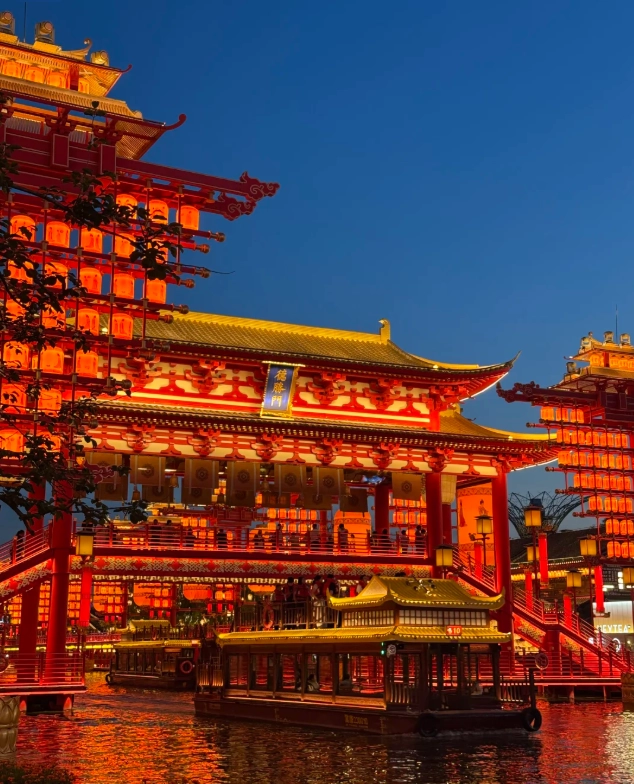
What to Do in Hebei for a Weekend: 3 Itineraries That Actually Work
Hebei is not just a buffer zone around Beijing. It's a compact province holding some of China's most meaningful history. The UNESCO-listed Mountain Resort of Chengde was where Qing emperors escaped the summer heat. The Great Wall at Shanhaiguan touches the sea. And Zhengding's temples are among the best preserved in the north. For a weekend, you want quality over quantity—and that, I'm afraid, means you cannot see all of it.
I always tell my clients to pick one primary destination and treat the rest as backup. This is not a checklist trip. The whole point of a Hebei weekend is to breathe, eat well, and return with a story that isn't 'we stood in another queue.'
How Do I Get to These Hebei Spots from Beijing?
The high-speed rail network makes every one of these destinations a no-brainer. You don't need a car, a driver, or a tour bus. Here's the quick comparison:
| Destination | High-Speed Rail Station | Travel Time from Beijing | Approx. 2nd Class Fare |
|---|---|---|---|
| Chengde | Chengde South Station | About 65 minutes | Around 90–120 CNY |
| Shanhaiguan | Shanhaiguan Station | About 120 minutes | Around 120–190 CNY |
| Zhengding | Zhengding Station (or Shijiazhuang East) | About 75 minutes | Around 80–110 CNY |
Fares fluctuate by train type and season, but the convenience is consistent. Book tickets through the official railway website 12306.cn or use the Trip.com app for an English-friendly interface.
One thing to note: Chinese train tickets are tied to your passport number. You'll need to present the same passport at the gate. Keep it handy, and don't lose the printed receipt if you buy from a machine. For the latest visa and entry rules, check the official National Immigration Administration website.
Once you exit the station, set your phone's GPS. Remember, Google Maps doesn't work well in China. I always tell my clients to download the AMap (Gaode) app with English mode, or simply use Apple Maps, which is surprisingly reliable here. For taxi drivers, showing the Chinese address on your screen is the fastest way to communicate.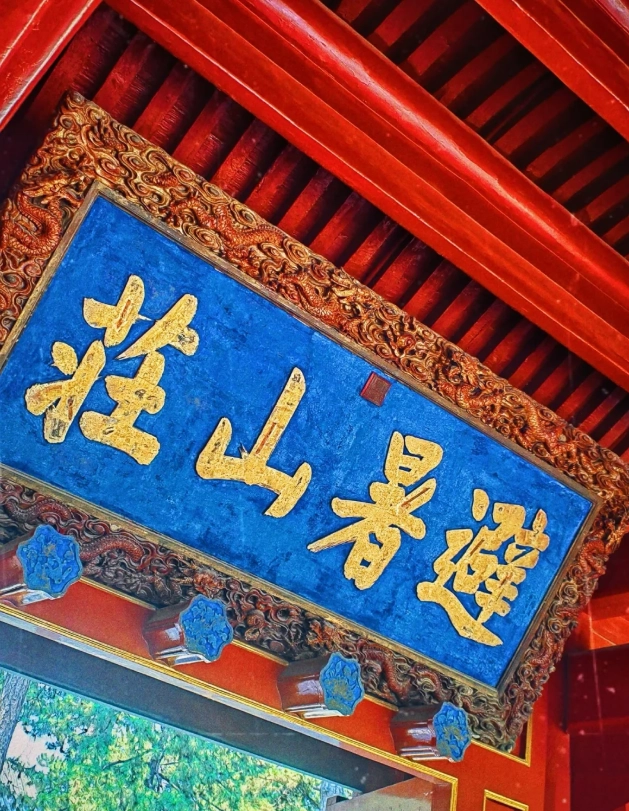
Itinerary #1: Chengde – The Classic Hebei Weekend Escape
Chengde feels like Beijing's leafy, older cousin. The star is the Mountain Resort, a massive imperial garden with lakes, grasslands, and a miniature replica of the Great Wall inside its borders. It's a UNESCO World Heritage site, and it's easy to see why—you could spend a whole day wandering its corners without repeating a view.
Getting to Chengde
From Beijing, take the high-speed train to Chengde South Station. Once you arrive, a taxi to the resort should cost about 20–30 CNY and take roughly 15 minutes. Avoid the touts at the exit who offer 'VIP' entry packages—they often just take you to the ticket office and charge you double.
Pro Tip: The resort's main entrance is on the south side, but I prefer the east gate. It opens at 8:00 and has much shorter lines. A taxi driver will know the 'Dongmen' (东门).
What to See in Chengde (and What to Skip)
Don't try to 'see everything' in the Mountain Resort. It's a 5.6 square-kilometer park. Prioritize the Zhengyang Gate, the Golden Hill, and the grassland area. If you're short on time, skip the Eight Outer Temples (Putuo Zongcheng) or simply admire them from the resort's viewpoint—you'll still get the photos without the extra ticket cost.
Most visitors miss the Rehe Hot Spring site near the resort's eastern edge—it's a relic from the Qing dynasty, and it's free. The water is long gone, but the stones and plaques are still there. Worth a five-minute detour.
Where to Eat in Chengde
Chengde isn't famous for luxury dining, but it's great for hearty northern Chinese food. On Nanliao Street, you'll find small family-run places serving lamb skewers and bowls of spicy tofu. I always stop at Chang'er Dumpling House (near the east gate of the resort) for their mutton and chive dumplings—a local favorite.
For something sweeter, try the Lao Chengde yogurt sold by street vendors. It's thick and slightly sour, a shock to the palate, but locals swear by it.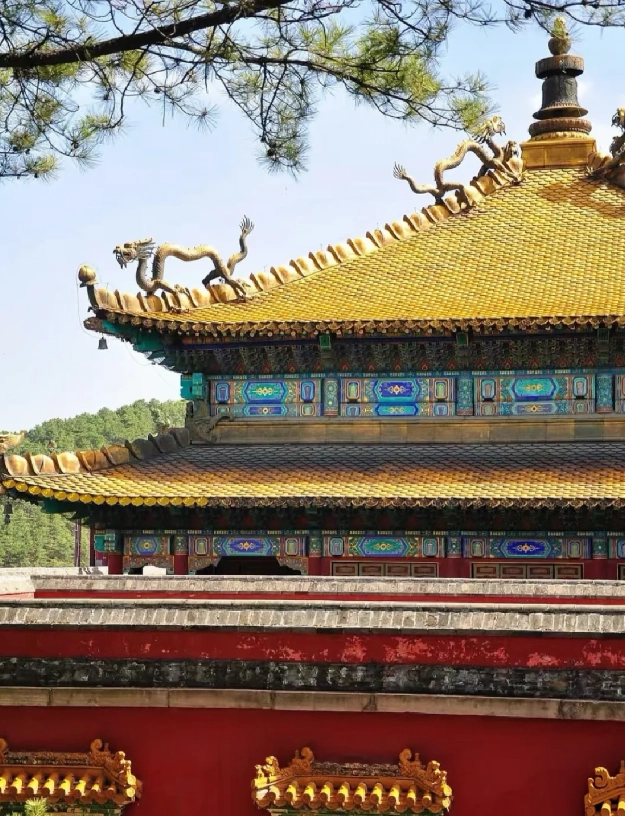
Where to Stay in Chengde
If you're staying overnight, look for places near the west side of the resort. The Chengde Mountain Resort International Hotel is the only one actually facing the forest, but its Wi-Fi can be spotty. For a budget-friendly option, there are guesthouses on Zhengyang Street offering clean rooms for about 150–300 CNY per night. They rarely have English signage, so show the Chinese name for your hotel to the taxi driver.
Chengde Weekend Costs
| Item | Price Range (CNY) | Notes |
|---|---|---|
| Mountain Resort entry | 90–130 | Peak off-season discount after 15:00 |
| Eight Outer Temples | 80–150 | Only if you have time; allows separate tickets |
| Taxi fare within city | 15–40 | Use Didi or local taxi meter |
| Dumpling meal for two | 60–100 | Cover soup and drinks |
Prices vary by season—expect higher costs in July and August. Always check official entrance signs before buying.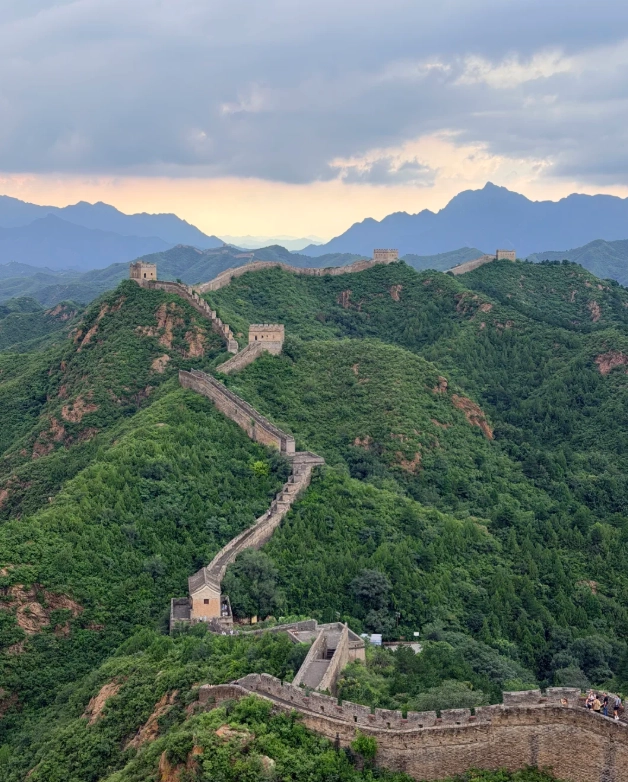
Itinerary #2: Shanhaiguan – A Hebei Weekend with Ocean Breeze
Shanhaiguan is for travelers who want their Great Wall fix with a side of sea salt. The 'Old Dragon Head' is where the Ming Great Wall famously meets the Bohai Sea. It's a cinematic spot, especially in the late afternoon when the light turns the water amber.
Getting to Shanhaiguan
Take the high-speed train from Beijing to Shanhaiguan Station—it takes about two hours. From the station, the city center is a 15-minute walk or a quick 10 CNY taxi ride to the Old Dragon Head scenic area. The site has two main entrances: one at the old city wall and one directly at the seaside. Use the seaside entrance if you want to start with the great wall head.
Must-See: Old Dragon Head and the First Pass
The First Pass Under Heaven ('Tianxia Diyi Guan') is a massive gate tower complex. You'll need a separate ticket for the tower and the Great Wall segment leading to the sea. It's not particularly strenuous—you can do it in two hours with plenty of photo stops. The view from the towers shows the wall snaking down to the sea, a feature unique in all of China.
Watch out for the selfie-stick vendors who follow you up the ramparts. It's fine to decline; they'll get the message.
Insider Advice: Skip the afternoon crowd by arriving before 09:00. The East City Wall parking lot is usually empty, and you'll get the wall almost to yourself. Also, bring a hat—there is no shade on the ramparts, and the sea breeze can be deceiving.
Food, Stay, and Pro Tips
In Shanhaiguan, don't expect innovative fusion cuisine—embrace the simplicity. Along Dongfeng Road, small restaurants serve noodles with egg and tomato, a classic northern comfort meal. For something more filling, look for Qinhuangdao-style stir-fried clams at the seaside market, but check the freshness by smelling first.
For overnight stays, the Holiday Inn Qinhuangdao Shanhaiguan offers reliable comfort, while budget travelers get clean dorm beds at the Shanhaiguan Youth Hostel in the old town. Prices range from 80 to 400 CNY per night.
And yes, you can use your credit card at the big hotels, but at smaller eateries, cash or Alipay/WeChat Pay is king.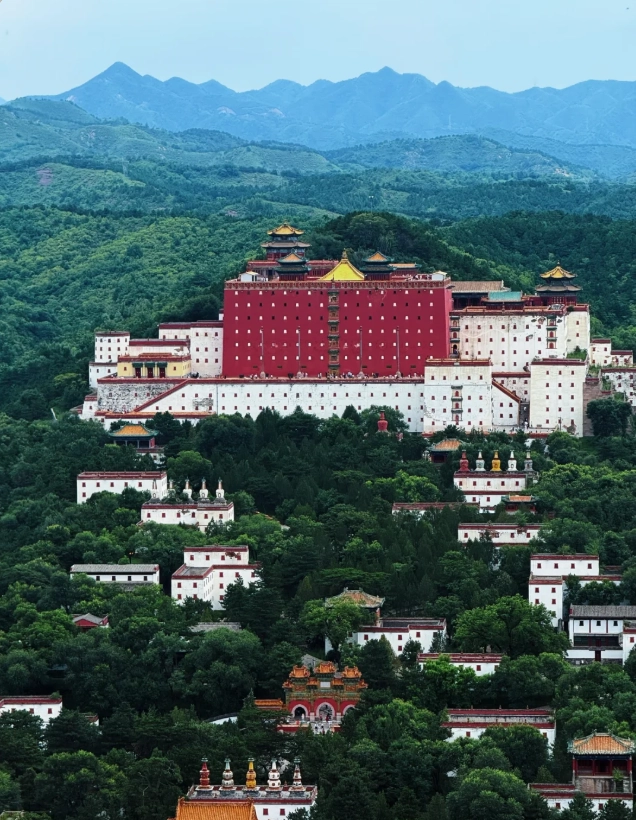
Itinerary #3: Zhengding – Hebei Weekend for Culture Lovers
Zhengding is a time capsule wrapped in red city walls. Located just south of Shijiazhuang, this small county is home to the Longxing Temple, one of the largest and best-preserved temple complexes in northern China. The surroundings feel astonishingly authentic—you'll see more monks than tourists.
Getting to Zhengding
From Beijing West Station, take the high-speed train to Zhengding Station (about 75 minutes). From the station, it's a 10-minute taxi ride to the old city (around 15 CNY). The county is compact, so walking is the best way to explore after you arrive.
Zhengding's Hidden Gems
The Longxing Temple complex is the main reason to come here. The giant bronze Buddha inside the Great Mercy Pavilion is over 21 meters tall—unexpected in such a small town. Admission to the temple is about 50 CNY. There's also the Kaiyuan Temple with its ancient pagoda and a less-crowded local feel.
After the temples, walk along Yan Zhao South Street (燕赵南大街), a restored pedestrian street that comes alive in the evening. Try the local specialty Zhengding pig's head meat (扒猪头) at a small stall—it's braised for hours and sliced thin, often served on flatbread. It's richer than you might expect, and delicious.
For a sweet ending, look for Manhan cake (满汉饼), a flaky pastry filled with date paste. You'll see them sold from carts near the southern gate.
Where to Eat and Sleep
Like many Chinese towns, accommodation in Zhengding is simple. The Zhengding Elite Hotel (near the old town) offers decent rooms for 200–400 CNY. For a more personal stay, you can rent a guesthouse within the old city for around 150 CNY a night—ask for a room with a window facing the pagoda.
And don't miss the night market at the foot of the city wall. I always bring my clients for a bowl of mapo tofu and a side of fried dough sticks from the same stall that has been there for decades.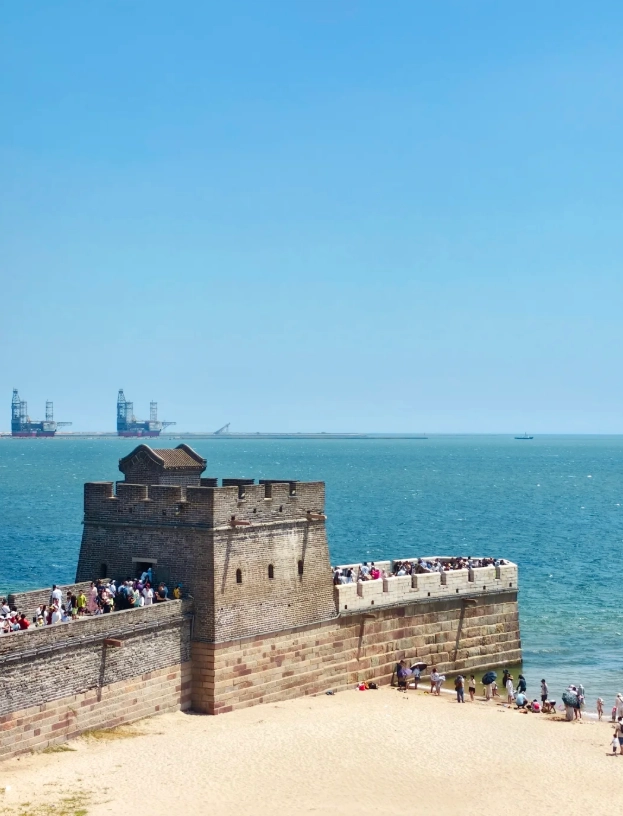
What Are the Hidden Costs of a Hebei Weekend Trip?
Budget for more than just tickets and hotels. The biggest hidden cost is transportation—not the train itself, but the last-mile connections. Taxi drivers may quote 'tourist prices' if they see you're foreign. Here's how to avoid it:
- Use ride-hailing apps like Didi (available in English) instead of street taxis. They show the fare upfront.
- Keep small change if you do take a taxi—drivers often claim to have no change.
- Pay attention to scenic area shuttle buses. They're usually cheap (10–20 CNY), but some tours press you into paying for unnecessary 'VIP' entry.
Also, many attractions now require online booking with a passport. This is where you might hit a snag: the official booking mini-programs are often only in Chinese. If you can't navigate them, use Trip.com or Klook to reserve in advance. They work well for foreign nationals.
Another sneaky cost: Wi-Fi. While most hotels and cafés offer free Wi-Fi, if you buy a local SIM card, you're committing to a month plan, not a weekend. Instead, download the maps and translation packs before you leave Beijing.
And don't forget to prepare a VPN before you come—many Western apps like Instagram and Google are blocked inside China. Set it up before your trip, or you'll be struggling to post any vacation photos.
FAQ: Your Hebei Weekend Questions Answered
Verified and fact-checked by the editorial team.





No comments yet.