 Ting Chen
Quick Navigation
I've guided travelers across China for nearly a decade, and honestly, Guizhou still gets my heart racing. But here's the thing: if you rock up without a plan, you'll be overwhelmed by the logistics and miss the magic.
So, is Guizhou worth visiting? After repeatedly booking trains, arguing with bus station touts, and pulling clients out of wrong queues, my answer is a confident yes—if you go in with the right strategy. This province is a kaleidoscope of karst mountains, minority cultures, and insane sour-and-spicy food that most tourists skip.
The golden rule? Pick one region and stay at least two nights. Don't try to do five counties in three days—you'll collapse. Below, I'm handing you the exact roadmap I use for my small groups, plus the mistakes I see foreigners make every single week.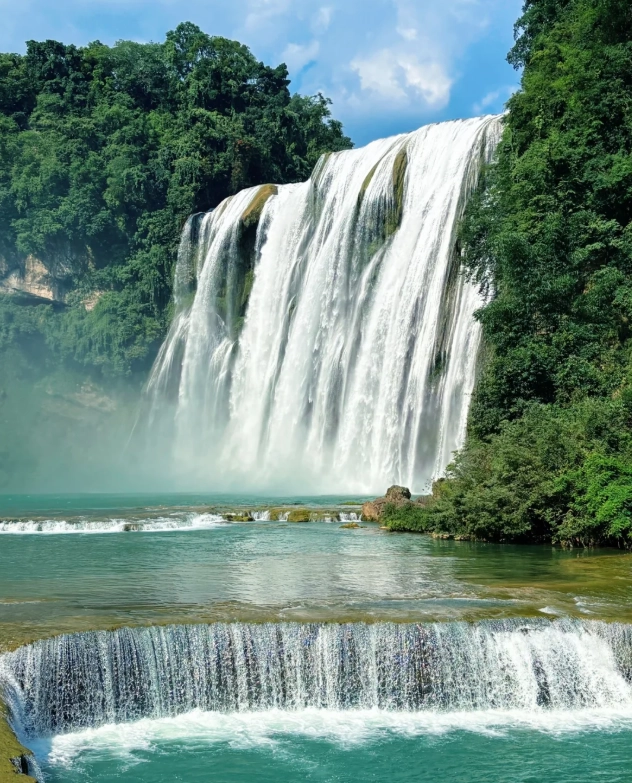
Why Guizhou Deserves a Spot on Your China Itinerary
Every time I bring a group here, they say the same thing: “Why did we wait so long?” Guizhou is China's best-kept secret. It's a breathtaking mix of lush mountains, stunning waterfalls, and lively ethnic minority villages that have managed to keep their traditions alive.
Unlike the hyper-commercialized hotspots in Yunnan or Sichuan, Guizhou feels raw. The infrastructure has exploded in recent years—high-speed trains now zip across the province—but the tourism crowd still hasn't caught up. That means you get world-class scenery without the shoulder-to-shoulder chaos.
For nature lovers and cultural explorers, Guizhou is a goldmine. It's home to the Huangguoshu Waterfall, the biggest waterfall in Asia (I've seen it at full flood—you'll get drenched even from the viewing platform). You'll also find remote Miao and Dong villages where women still wear silver headdresses and sing ancient ballads.
- It's budget-friendly compared to Beijing or Shanghai.
- The food is bold and unforgettable—sour and spicy, with lots of fresh herbs.
- You can experience authentic minority culture without a tour company gimmick.
But here's my honest warning: get the logistics right, or the frustration will burn you out. That's why I've written this guide.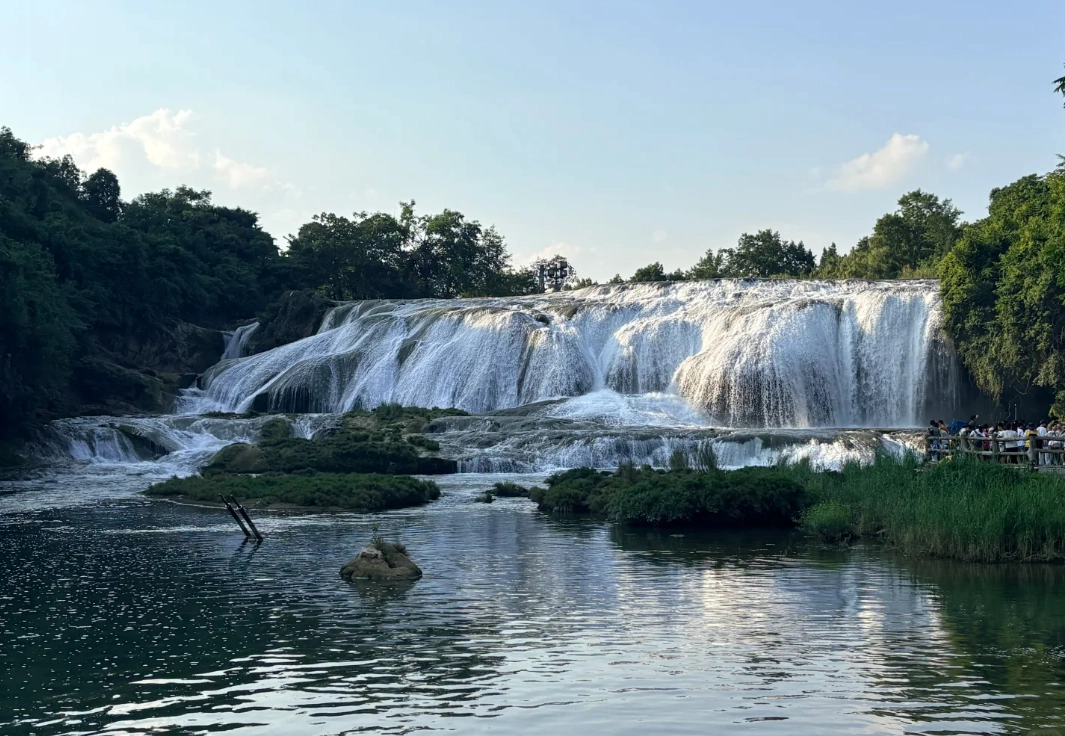
What Makes Guizhou Different from Other Chinese Provinces?
The quick answer is accessibility and authenticity. Guizhou is one of the few places in China where you can still feel genuinely off the beaten path, and yet it's connected by modern trains and highways.
Think of Yunnan—it's fantastic, but you'll be sharing every boardwalk with a hundred selfie sticks. Guizhou has that feeling from ten years ago. The Miao villages in Xijiang are touristy, sure, but a 20-minute hike up the hill gets you to an old village that hasn't changed in a century.
Geographically, Guizhou is a plateau with dramatic limestone peaks rising out of the mist. It's lush, green, and gives you this strange sensation of stepping into a Chinese watercolor painting. For photographers, it's a dream.
But unlike Tibet or Xinjiang, there's no complex permit process. Your regular China visa gets you in, and locals are incredibly welcoming—even with my ridiculously broken Chinese, I've had grandmothers drag me into their homes for tea.
The Best Time to Visit Guizhou (And When to Avoid It)
I always tell my clients to come between April and June, or September and November. The weather is mild, the rice terraces are either flooded (reflecting the sky) or golden, and you'll avoid the rainy season of July and August.
Winter (Dec-Feb) is actually not bad either, unless you're heading to the high-altitude Fanciang Mountain where it can dip below freezing. But the water levels at Huangguoshu are lower, so the waterfalls have less drama. Summer has lush greenery but also frequent rain showers—bring a poncho, because the mist from the falls will soak everything anyway.
Now, the biggest mistake I see: traveling during China's national holidays (Oct 1-7 and May 1-5). Domestics flood every scenic spot, and ticket queues can stretch for hours. If your schedule is flexible, always avoid these windows.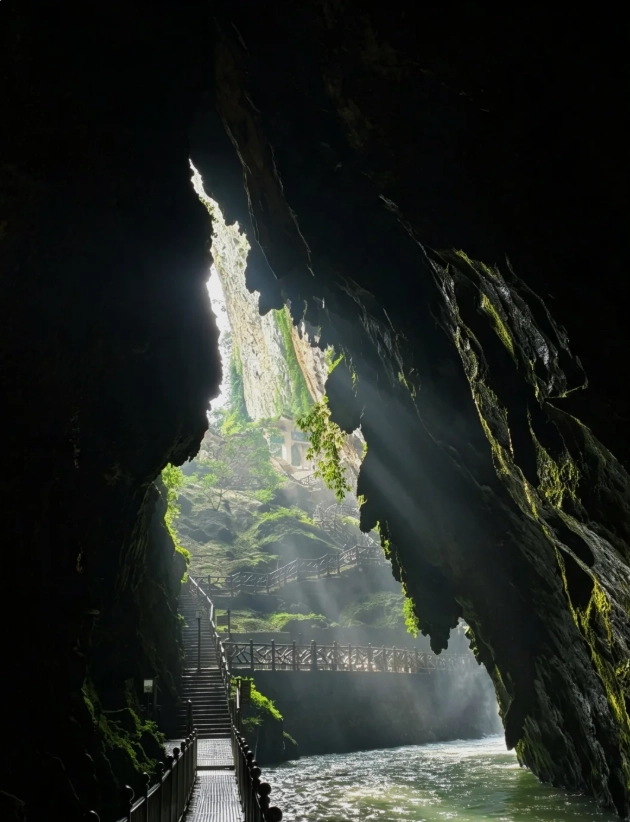
Pro Tip: For the best morning light at Huangguoshu Waterfall, arrive as soon as the park opens (usually 8:00 AM). By 10:00 AM the tour buses arrive—and so do the crowds.
Top Attractions in Guizhou: Honest Reviews from a Guide
I'm going to be brutally honest with you about what's worth your time and what's overhyped. Note that ticket prices here are approximate and always change—confirm on Trip.com or the official WeChat before you go.
1. Huangguoshu Waterfall (黄果树)
This is Guizhou's celebrity attraction, and honestly, it lives up to the hype. The waterfall drops about 78 meters into a swirl of mist that can soak you from 50 meters away. It's the only waterfall in Asia you can view from behind, inside a natural cave.
- Ticket: About 180 CNY in peak season, slightly less in low season. The scenic bus inside costs extra (about 50 CNY).
- Location: Anshun City, about 130 km from Guiyang.
- How to get there: Take a high-speed train from Guiyang North to Anshun West (around 30 minutes, check 12306.cn for times). From the station, take a bus or taxi to the scenic area (another 30–40 minutes). You'll need to show your passport at the ticket gate.
- Time needed: At least 4 hours. The site is spread out—waterfall, the “Hidden Waterfall” cave, and a small park.
- Best time: Right after the rainy season (August-September) for the max water flow. But honestly, it's impressive all year.
Don't be the tourist who takes a 30-second look and leaves. Walk the long path to the lower viewing platform, and do the cave walk—the view from behind the falls is unreal.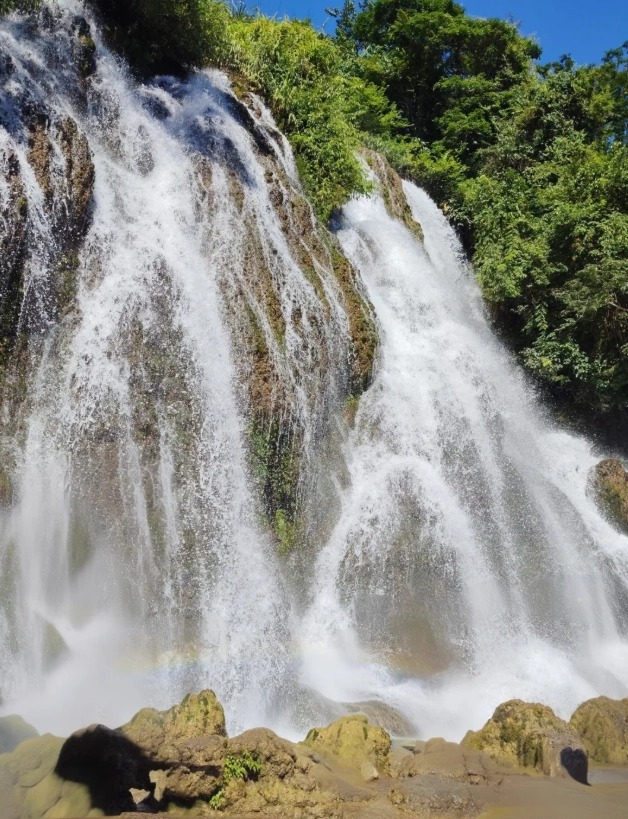
2. Xijiang Qianhu Miao Village (西江千户苗寨)
If you want to see the world's largest Miao village, it's here. Xijiang is a mountain nest of stilted wooden houses, lantern-lit alleys, and endless photo ops. But let's be real: it's been heavily commercialized. You'll find the same souvenir shops and restaurants catering to tour groups.
That said, the vibe is still lovely, especially at night when all the lights come on—it looks like a scene from Spirited Away.
- Ticket: Roughly 110 CNY, but I've seen it go up. The scenic sightseeing bus inside costs extra.
- Location: Near Kaili City, about 140 km east of Guiyang.
- How to get there: High-speed train from Guiyang North to Kaili South (approx 40 minutes), then a tourist bus to Xijiang (about 1 hour). The bus stops right at the main gate.
- Time needed: Overnight is strongly recommended—the village looks dead after 9 PM and alive again at sunrise.
- Best time: Stay overnight and wake up at 6 AM to see the morning mist roll through the valley without a single tour group in sight.
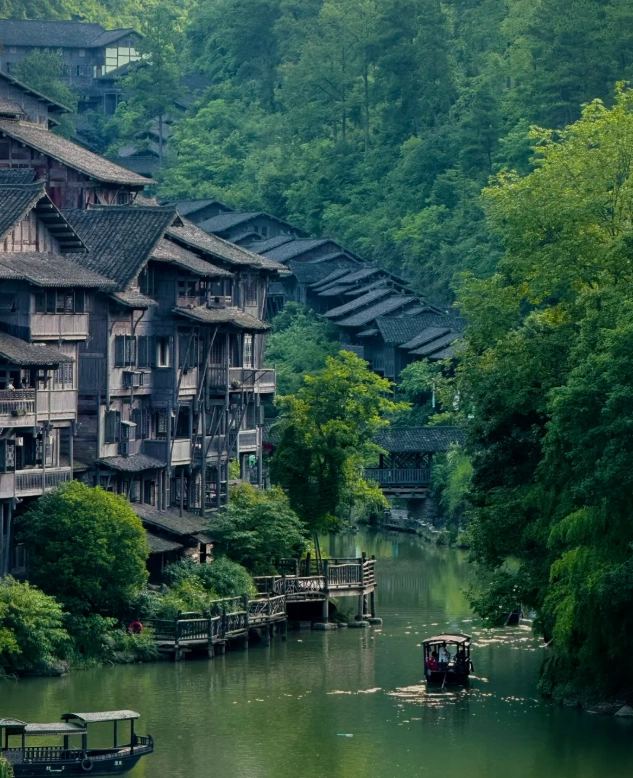
Pro Tip: Find a hotel with a balcony overlooking the village. You'll avoid paying for the observation deck (Kanyu Tai) and get your best photos—plus a private view of the sunrise.
3. Libo Xiaoqikong (荔波小七孔)
If you only do one nature spot, make it Xiaoqikong. This is Guizhou's version of a tropical jungle—turquoise pools, stone bridges, and lush rainforest. It's less crowded than Huangguoshu and feels more wild.
- Ticket: About 130 CNY, plus the scenic bus (40 CNY).
- Location: Libo County, about 180 km south of Guiyang.
- How to get there: There's a high-speed rail station in Libo (Libo Station) that connects to Guiyang in about 1 hour. Then take a taxi to the scenic area (around 30 minutes). Alternatively, you can join a tour bus from Guiyang.
- Time needed: Half a day. The park is long and linear—you can hike or take the bus between stops.
- Best time: Right after rain for the rich blue water color, but clear days are fine too.
This is the one place I'd never skip. The “Hidden Waterfall” here is less about size and more about the setting—it cascades into a perfect turquoise pool framed by mossy rocks.
4. Fanjingshan Mountain (梵净山)
A UNESCO World Heritage site, Fanjingshan is a sacred Buddhist mountain. The giant twin peaks jutting from the clouds are the main draw. It's a physical challenge—steep stone staircases and thin air at 2,570 meters—but the reward is a surreal view.
- Ticket: Around 120 CNY (subject to change), plus the shuttle bus and cable car fees (about 180 CNY round trip). You must book this in advance because visitor numbers are capped.
- Location: Tongren City, northeast Guizhou.
- How to get there: High-speed train from Guiyang to Tongren (around 1.5 hours), then a bus or taxi to the scenic area (about 1 hour).
- Time needed: Full day. The summit is often cloud-covered, so check the weather before climbing—I've seen people ascend and see nothing but white mist.
- Best time: Clear mornings are the most mystical. Crowds can be intense despite the cap, so book the earliest time slot.
Visiting a UNESCO World Heritage listing comes with stricter rules—be prepared to follow the designated paths and avoid bringing bulky luggage. It's a humbling experience.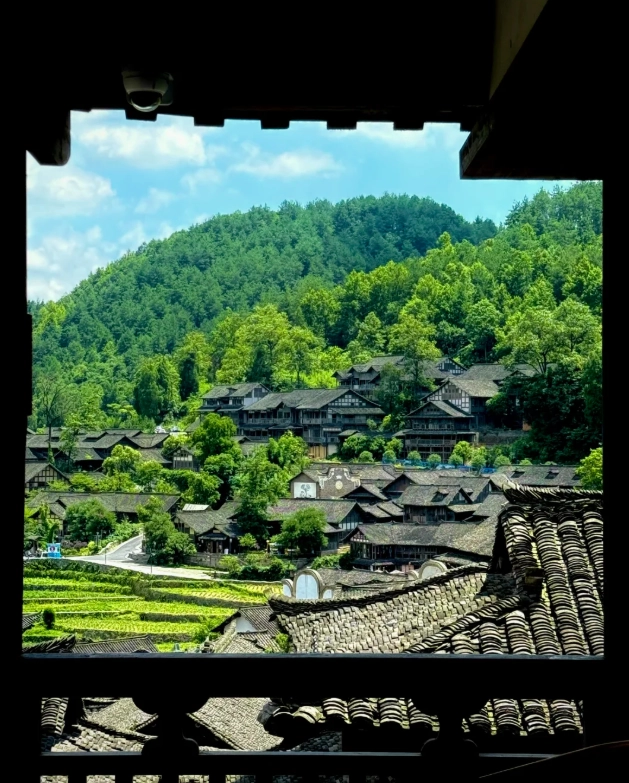
5. Jiaxiu Tower & Guiyang City (甲秀楼, 贵阳)
Guiyang is the provincial capital, and while it's not the star of the show, it's a great base for day trips. The Jiaxiu Tower stands on a bridge over the Nanming River—it's particularly beautiful in the evening when it lights up.
Guiyang also gives you the best food of the province in one place. For a traveler, spending a day here to adjust and eat is a smart move. It's not a must-see attraction, but it's a pleasant city to stroll around.
How to Plan a Realistic Guizhou Itinerary for Foreign Travelers
You can't see all of Guizhou in a week. But you can have an amazing week by focusing on two areas. Here's a proven route I use for my small-group tours—adjust based on your pace.
Day 1: Arrive in Guiyang
- Touch down at Guiyang Longdongbao Airport or arrive by train.
- Walk around the city center, see Jiaxiu Tower, and eat at a local sour fish hotpot place. I always recommend asking your hotel for one that locals frequent.
- Stay overnight in Guiyang.
Day 2: Side trip to Huangguoshu Waterfall
- Take the 8:00 AM high-speed train to Anshun West (30 minutes).
- Transfer to the scenic area by taxi or bus (40 minutes). Spend the morning at the falls.
- Return to Guiyang by late afternoon. You'll be tired but happy.
Day 3: Head to Xijiang Miao Village
- Take an early train from Guiyang North to Kaili South (40 minutes), then a bus to Xijiang (1 hour).
- Check into your village guesthouse and wander the back lanes for a few hours before dinner.
- Watch the village light up at sunset. Stay the night here.
Day 4: Explore Xijiang and return to Guiyang
- Wake up at 6:00 AM to catch the misty village scene. Have a local breakfast of rice noodles.
- You can hike to the small meadow above the village or visit a Miao museum.
- By noon, take the bus back to Kaili South and catch a train to Guiyang.
- Spend the evening in Guiyang, perhaps doing a street food night market.
Day 5: Fly to Libo or continue to Fanjingshan
- Now you have to choose. If you're into lush waters, fly or train to Libo for Xiaoqikong (stay overnight in Libo).
- If you prefer mountains, take a morning train to Tongren and visit Fanjingshan (stay in Tongren).
- From there, plan your onward journey to Chongqing or Hunan.
For a 7-day version, add both Libo and Fanjingshan, but be prepared for a lot of train time. In that case, I'd suggest flying into Libo from Guiyang (there are airports in both) to save time.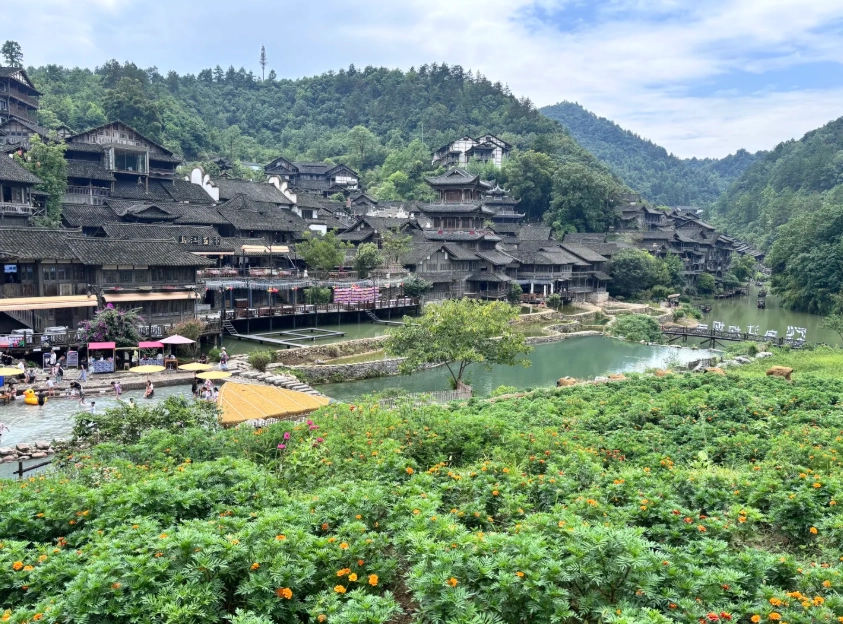
Pro Tip: Download the AMap (Gaode) app before you leave. Google Maps often glitches on detailed Chinese roads. AMap now has an English version, but even the Chinese one with GPS pins gets you where you need to go.
Is Guizhou Worth Visiting for Foodies? What You Must Eat
Oh, yes! Guizhou's cuisine will slap your taste buds in the best way possible. The signature flavors are sour (from fermented tomatoes and rice) and spicy (from fresh and dried chilies). It's a regional cuisine that's rare outside China, so eat like you'll never have it again.
Must-try dishes:
- Kai Li Suan Tang Yu (开胃酸汤鱼)—Sour soup fish. A fish simmered in a tangy, tomato-based broth, usually served in a wok over a burner. You dip the fish in a chili paste. Unforgettable.
- Chang Wang Noodle (肠旺面)—A Guiyang specialty with pig's blood cubes, noodles, and crispy chili flakes. The combination is richer than you'd expect.
- Sour Soup Hotpot (酸汤火锅)—Variety with many versions, all sour and spicy. Go to a restaurant with a crowded floor—that's a good sign.
- Silk Doll (丝娃娃)—Thin rice pancakes you fill with threads of vegetables and a spicy peanut sauce. Fun to assemble and perfect for a snack.
- Rice Tofu (米豆腐)—A wobbly, savory jelly served cold with chili oil and herbs. Great on a hot day.
Where to eat? In Guiyang, look for the old town area near Zhonghua Road. Just walk around and pick places with crowds of locals. At Xijiang, the restaurants inside the village are touristy but still decent—try the cured ham and local vegetable dishes.
As for payments, street food stalls usually accept WeChat Pay or Alipay, and many now accept cash too, but it's safer to have a payment app set up.
Where to Stay in Guizhou: Best Areas for First-Timers
Stay in Guiyang for at least one night, and choose a hotel near the central train station for convenience. The Zhongshan Park area is safe and walkable. For your first trip, I recommend staying in a well-known hotel chain like Hanting or 7 Days Inn—they have basic English and accept foreign passports reliably.
- Guiyang: Look near Hedong Road or Zhonghua Road. Expect to pay 250–500 CNY per night for a comfortable double room. There's a 24-hour KFC and half a dozen convenience stores in the area.
- Xijiang: Stay inside the old village if you can. The wooden stilt houses are charming but ask about soundproofing—the floorboards creak. Prices range from 150–400 CNY. Confirm that the guesthouse has a hot water heater (many do). I've had clients where the water took forever to warm up.
- Libo and Tongren: These smaller cities have decent business hotels near the stations. In Libo, pick a place near the scenic area entrance to avoid long taxi rides.
For fancy upgrades, there are a few boutique resorts in Huangguoshu area. But honestly, the budget options give you more money to spend on food and experiences.
Practical Tips for Foreign Tourists in Guizhou (Visas, Payments, Transport)
Visa: For most nationalities, you'll need an L (tourist) visa to enter China. The National Immigration Administration handles all visa extensions and border rules. Always carry your passport—hotels, trains, and scenic areas require it for registration.
Payments: China is a cashless society. I can't stress this enough: set up Alipay or WeChat Pay and link your international bank card before you travel. In Guizhou, many small shops and food stalls do not accept cash. That said, always carry about 200 CNY in cash for emergencies, but you'll rarely need it.
Transport: The easiest way to get around is the high-speed rail network. Book tickets through the official railway website or a third-party app like Trip.com. Tickets sell out fast on weekends—book at least a day in advance. For buses and taxis, use ride-hailing apps like Didi. Avoid accepting offers from random touts at train stations—they overcharge up to 3x.
Language: English is not widely spoken in Guizhou. If you're not Chinese, you'll need two things: a reliable VPN to access Google services (or just use Baidu and Amap), and a translation app. I've used Apple Translate and it works fine for restaurant menus.
Network and apps: Before you arrive, download Amap (for navigation), WeChat (for everything), and Qunar or Trip.com for booking. Also, download a Chinese translation pack on Google Translate—offline is a lifesaver when signal drops.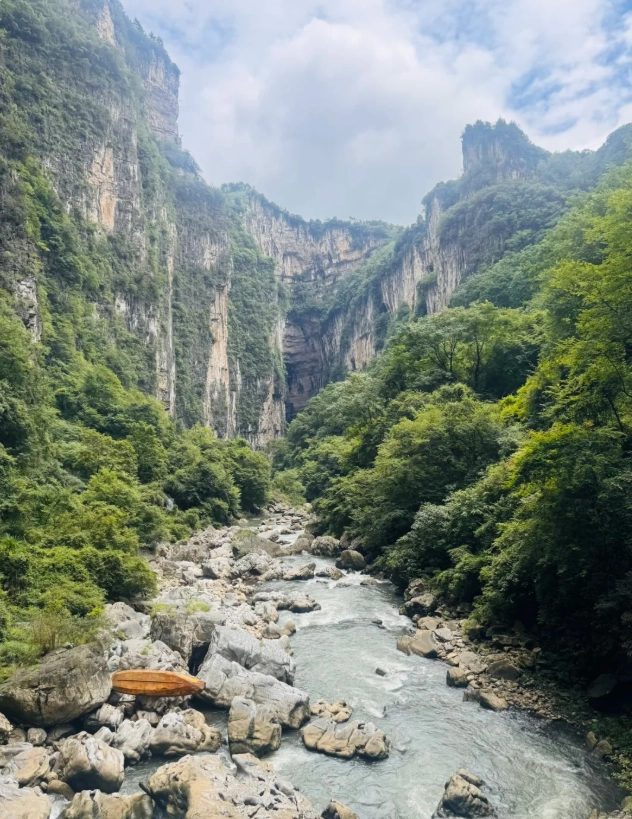
FAQ: Answering Your Burning Questions About Guizhou
Final Reality Check: Is Guizhou Worth Visiting for *You*?
If you're someone who loves nature, authentic cultural experiences, and food that leaves a memory, Guizhou is definitely worth visiting. It's not a place for luxury shopping or nightlife, unless you count noodle stands at 1 AM.
But if you're pressed for time (less than 4 days), hate walking, or expect English everywhere, you might find Guizhou frustrating. Give it at least a week, learn a few Chinese phrases, and be ready for adventure.
I've brought my family here, my friends, and hundreds of clients—and each time, the feedback is the same: it's one of the most underrated provinces in China. If you plan smart, it will leave you speechless.
Verified and fact-checked by the editorial team.







No comments yet.