 Lei Li
Quick Guide
Saturday morning in Hohhot. The air smells of lamb skewers and diesel. My group of six just landed from Hong Kong, and they're already asking about the grasslands. But here's the thing—most tourists make the same mistake: they try to do too much in 48 hours.
So, what to do in Inner Mongolia for a weekend? Skip the 3-day itineraries you see online—they'll leave you exhausted. The real challenge is choosing between the city's Buddhist history and the endless steppe, while dealing with payment systems that reject foreign cards.
Here's my short answer: base yourself in Hohhot, spend one full day on the nearest grassland (Huitengxile or Xilamuren), and dedicate the other to temples and food. Pre-book your grassland tour via Trip.com, not a street agency, to avoid being scammed. Now, let's dive into the details that actually matter for your weekend escape.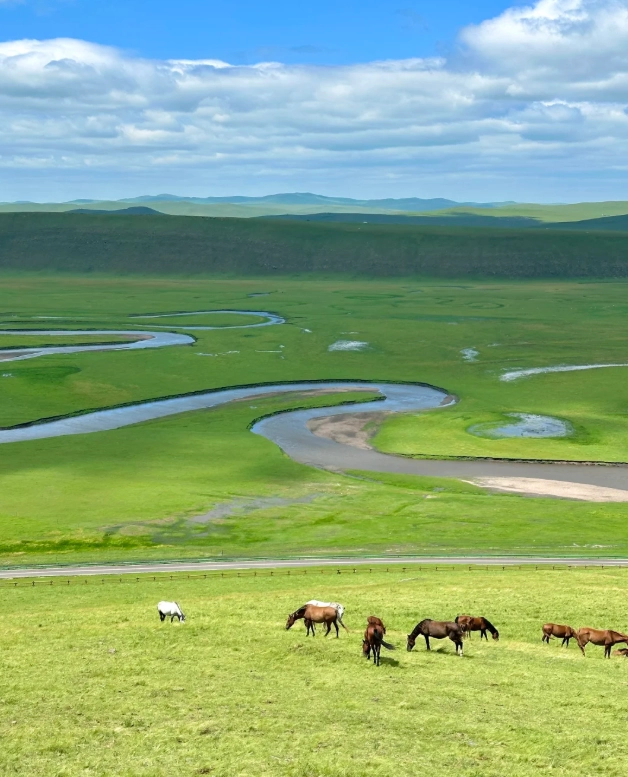
Why Choose Inner Mongolia for a Weekend Trip?
I know what you're thinking: Inner Mongolia is vast, and a weekend seems too short. But here's the secret—most of the best experiences are concentrated around Hohhot, the capital. You can fly in on Friday night, and by Saturday morning you're on the grasslands. The region isn't just for long expeditions; it's perfect for a quick cultural battery recharge. The blend of Mongolian nomad culture, Han Chinese history, and the surreal landscape of open steppe is unlike anywhere else in China. Plus, from Beijing, the high-speed train gets you there in just over two hours—shorter than many weekend getaways in the US or Europe.
But beware: don't fall into the trap of trying to visit far-flung attractions like the Hulunbuir grasslands or the Gobi Desert. They're breathtaking but impossible to reach in a weekend. Stick to the Hohhot region, and you'll have time to actually savor the experience rather than spending 16 hours on a bus.
How to Get to Hohhot and Reach the Grasslands
Getting to Hohhot is easy. Direct flights land at Hohhot Baita International Airport (HET), and the high-speed train from Beijing takes about 2.5 hours. I always use 12306.cn to book train tickets in advance—the English interface is clunky but functional. Just remember to use your passport number when purchasing. For flights, you can use Trip.com or Skyscanner to compare.
Once in the city, taxis are cheap (base fare around 8 RMB), but don't try to pay with a foreign credit card—drivers expect Alipay or WeChat Pay. For navigation, forget Google Maps; download AMap Global or use Apple Maps. I learned this the hard way when I nearly led a group into a construction site.
For the grasslands, you have two main options: Huitengxile and Xilamuren. Both offer horseback riding and yurt stays, but Huitengxile has the dramatic wind turbines and wildflowers in summer. I usually arrange a private driver through my hotel—it costs around 400 RMB for a day trip, and that includes waiting time. Negotiate before you get in the car.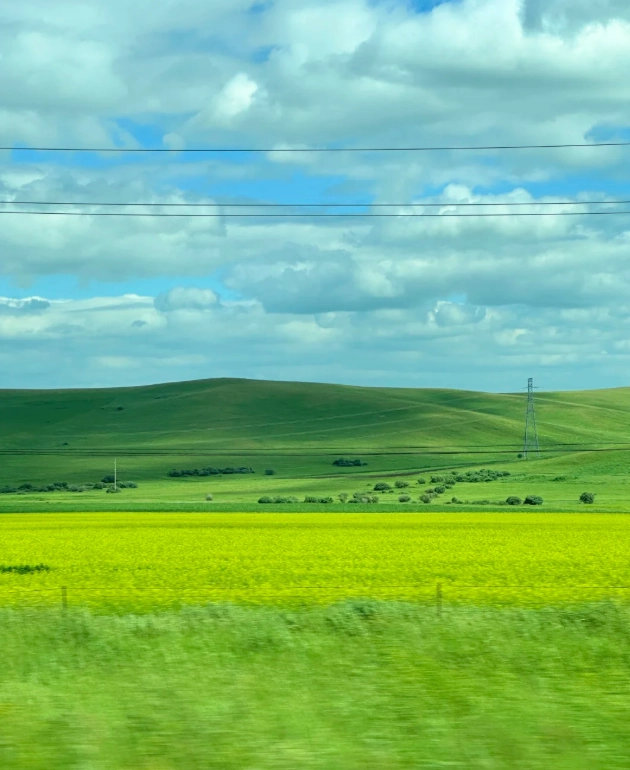
| Grassland | Drive Time | Highlights | Best For |
|---|---|---|---|
| Huitengxile | ~2 hours | Wind farms, wildflowers, higher altitude | Photographers |
| Xilamuren | ~1.5 hours | Closer, classic yurt stays | First-timers |
Where to Stay in Inner Mongolia for a Weekend
For a weekend, stay in the city center near the Drum Tower (鼓楼) or the Muslim Quarter (回民区). This location makes it easy to reach Dazhao Temple, the museum, and the food streets. Here are three picks for different budgets:
| Hotel | Area | Est. Price per Night | Best For |
|---|---|---|---|
| Grand Mercure Hohhot | City Center | 400–600 RMB | Comfort seekers |
| 7 Days Inn (near railway) | Near Railway Station | 150–200 RMB | Budget travelers |
| Yurt stay on Huitengxile | Grassland | 200–400 RMB | Experience |
I usually put my groups at the Grand Mercure because the front desk speaks some English and they have a great breakfast spread. If you're backpacking, the 7 Days Inn chain is reliable, though don't expect charm. For a true grassland night, book a yurt at Huitengxile—just bring earplugs, because the wind never sleeps.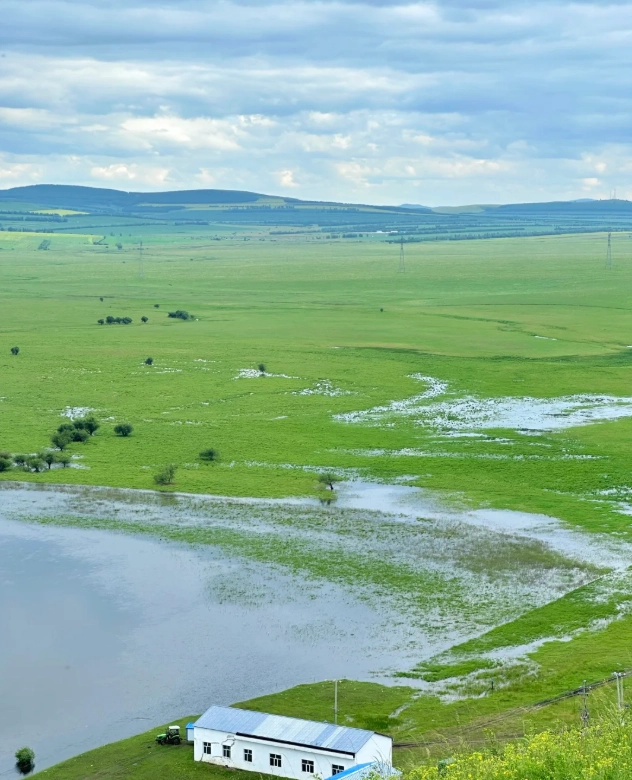
What to Do in Inner Mongolia for a Weekend: A 48-Hour Itinerary
Day 1: City Sights and Foodie Crawl
Start at Dazhao Temple (大召寺) at 9 AM. This is Hohhot's most important Buddhist temple, featuring a silver Buddha statue and exquisite murals. The entrance fee is 35 RMB, and it opens at 8 AM. Go early to avoid tour groups. You can buy tickets at the gate—no reservation needed, but have your passport ready.
From there, walk to the Five-Pagoda Temple (五塔寺), about 10 minutes away, with a 15 RMB entrance fee. It's a small but photogenic spot. By 11:30, you'll be hungry. Head to Gelidun (格日勒阿妈), a famous Mongolian restaurant near Dazhao Temple. Order the shou zhua rou (手把肉) and salty milk tea. The staff can help you figure out the menu—there are pictures.
After lunch, take a taxi to the Inner Mongolia Museum (内蒙古博物院). It's free but you must reserve in advance. The WeChat mini-program is in Chinese, so here's the workaround: ask your hotel to make the reservation for you, or book through Trip.com if they offer it. The museum's highlight is the dinosaur fossil exhibit and the display on Mongolian culture. I'd suggest spending two hours here.
At around 4 PM, stroll the Muslim Quarter (回民区). Food stalls start appearing, offering lamb skewers and naan. Grab a few skewers—they're about 3 RMB each. For dinner, if you're up for a hot pot, find a branch of Xiaofeiyang (小肥羊). The original chain is from nearby Baotou and has spread across China. It's a casual place with a good atmosphere.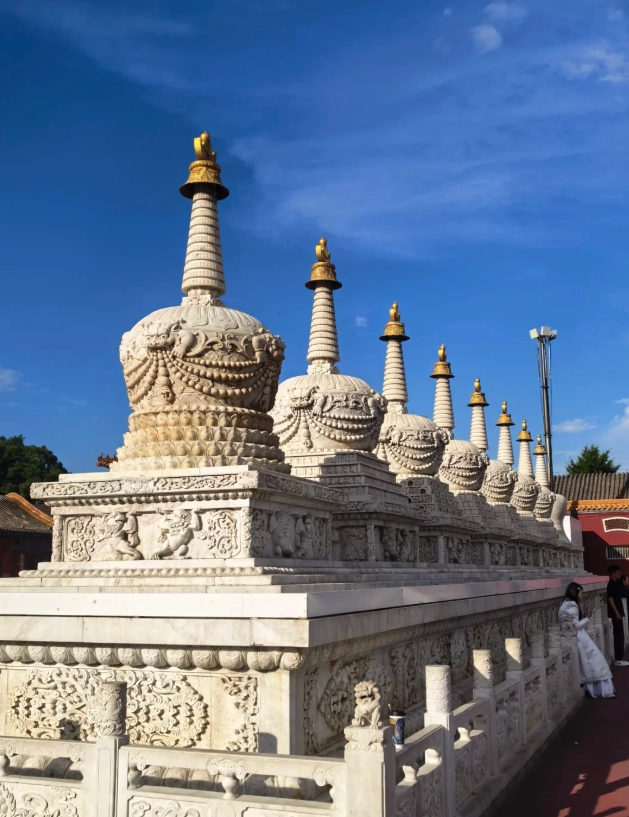
Day 2: Grassland Adventure (or Museum Plan B)
The night before, check the weather forecast. Grasslands turn into mud pits in heavy rain. If the weather is clear, leave Hohhot by 8 AM. A private driver will take about two hours to reach Huitengxile. Bring layers—the temperature at 2,100 meters elevation is often 10°C cooler than the city.
Once on the grassland, you'll be approached by locals offering horseback rides. Agree on a price in advance (usually 80–100 RMB for 30 minutes) and pay only after the ride. I always tell my clients to wear long pants—the horse hair can be irritating, and rubbing legs on the saddle will make you walk funny the next day.
For lunch, look for a yurt restaurant serving Mongolian dumplings (buuz) and yogurt. After lunch, take a short hike to a wind turbine viewpoint. The wind is strong—hold onto your hat. By 4 PM, start heading back to the city, giving you enough time for a relaxed dinner or a last-minute souvenir run at the airport.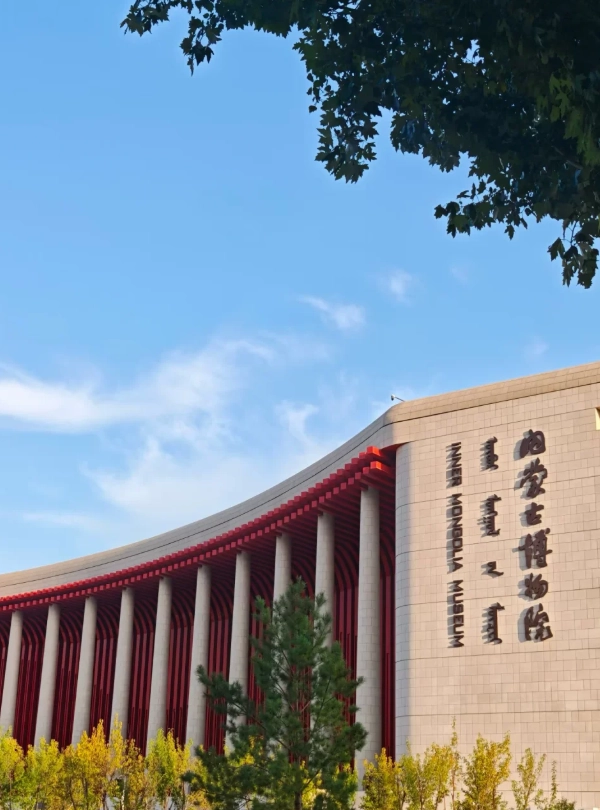
Pro Tip: If the weather turns bad, don't despair. Spend Day 2 at the Inner Mongolia Museum plus a hot spring bath at a local spa. It's a different but equally relaxing vibe.
What to Eat in Inner Mongolia: 5 Dishes You Can't Miss
1. Shou Zhua Rou (手把肉)
This is the quintessential Mongolian dish—boiled lamb ribs served with garlic. It's simple but incredibly savory. Try it at Gelidun (格日勒阿妈). Expect to pay around 58 RMB for a plate. The meat is slightly gamey and juicy; I always ask for the extra-fat pieces because they're the tastiest.
2. Mongolian Milk Tea (奶茶)
Salty, not sweet—this drink takes getting used to. It's made with milk, tea, and a pinch of salt, sometimes with millet or goat meat bits. It's the perfect companion to a heavy meat meal. At any restaurant, just order "nai cha" and you'll get a pot. It's usually cheap (10–20 RMB).
3. Grilled Lamb Skewers (烤羊肉串)
These are everywhere in the Muslim Quarter. Marinated lamb chunks, grilled over charcoal and dusted with cumin and chili powder. They cost about 3–5 RMB each. I always buy a handful and wander the streets—the best ones come from stalls that have been queuing with locals.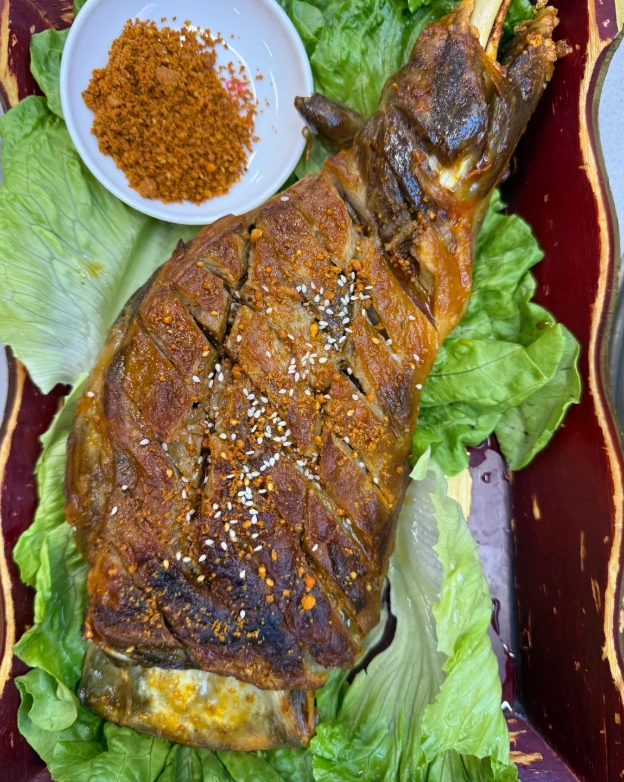
4. Mongolian Dumplings (Buuz, 包子)
Steamed mutton dumplings that are juicy and satisfying. You'll find them at both city restaurants and grassland yurts. A plate of six typically costs 30 RMB. They're similar to Chinese baozi but the filling is more gamey.
5. Fried Milk Skin (奶皮子)
This is a dessert—crispy on the outside, creamy inside. It's made from milk fat and sugar, a bit like a crispy cheesecake. Look for it in specialty shops near the temple. A small packet costs around 15 RMB. I recommend it to anyone with a sweet tooth.
For restaurant locations, search the Chinese names on AMap and you'll find branches easily. The names I've listed are the most common ones, and the app will show you a list of locations.
Payments, Apps & Other Insider Tips
Get Alipay and WeChat Pay set up before you arrive. These are as essential as your passport. Both apps allow you to link international credit cards (Visa, Mastercard) but you must complete identity verification from home. If you run into issues, some merchants accept cash, but it's getting rarer. I always carry 200 RMB in small bills as a backup.
Download AMap Global (or use Apple Maps with the Chinese map mode) for navigation, and a translation app like Apple Translate or Baidu Translate. Also, prepare a VPN for accessing Google services if needed—most free Wi-Fi networks block Facebook and Instagram.
For booking tours and tickets, Trip.com has an English interface and understands the local system. For train tickets, 12306.cn is the official source, though you may need to go through a third-party like TravelChinaGuide if it's too complicated.
Internet access in remote areas like grasslands can be spotty. Download offline maps in advance.
Insider Advice: Never hop into a taxi that doesn't use the meter. Always pre-book transfers through your hotel or use Didi (the Chinese Uber). The app has an English version, and it's safer and cheaper.
And don't forget your passport—many attractions require it for ticket purchases and reservations. Also, check the latest visa policies on the National Immigration Administration website before you travel.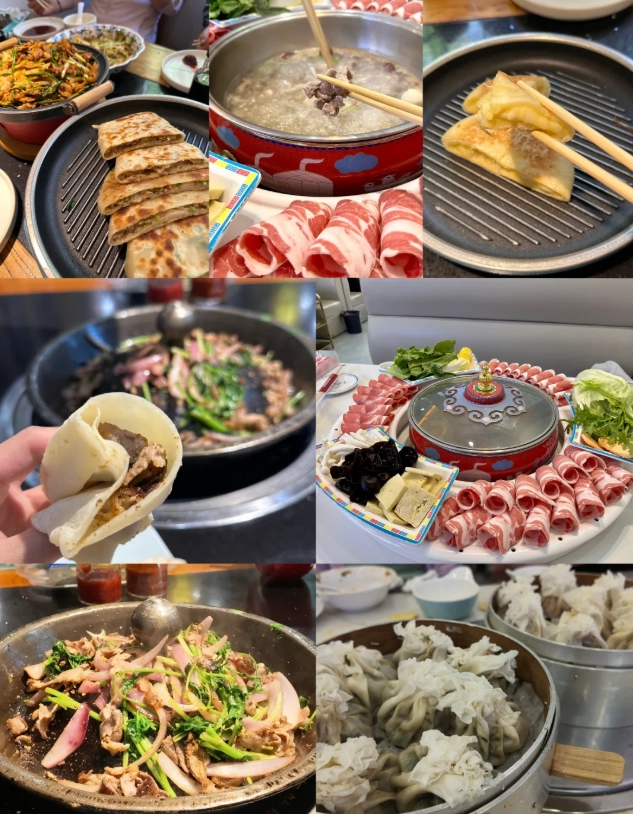
FAQ: Answering Your Questions About a Weekend in Inner Mongolia
Final Thoughts: Make Your 48 Hours Count
Inner Mongolia often surprises first-time visitors with its blend of history and raw nature. By focusing on the Hohhot area, you can experience both the city's cultural treasures and the iconic grasslands without running yourself ragged. Use the time-saving tips in this guide, keep your expectations realistic, and you'll leave with memories of warm hospitality, vast skies, and the taste of roasted lamb.





No comments yet.