 Hui Lin
Quick Jump to the Good Stuff
Sandwiched between Beijing and the sea, Hebei is the province most travelers rush through without a second thought. I've lost count of how many clients told me "I only planned 24 hours here" — and then begged for more after I showed them the hillside temples and the Great Wall crashing into the ocean.
Ask me about the top things to do in Hebei, and here's the honest truth: most online lists will send you on a marathon. Giant distances, confusing ticket kiosks, zero English signs — it drains you fast. You don't need that.
My rule after years of guiding: pick the right 7 experiences, go at the right hour, and you'll see more than most tour groups do in a week. That's exactly what you'll find below — plus the practical details that actually matter.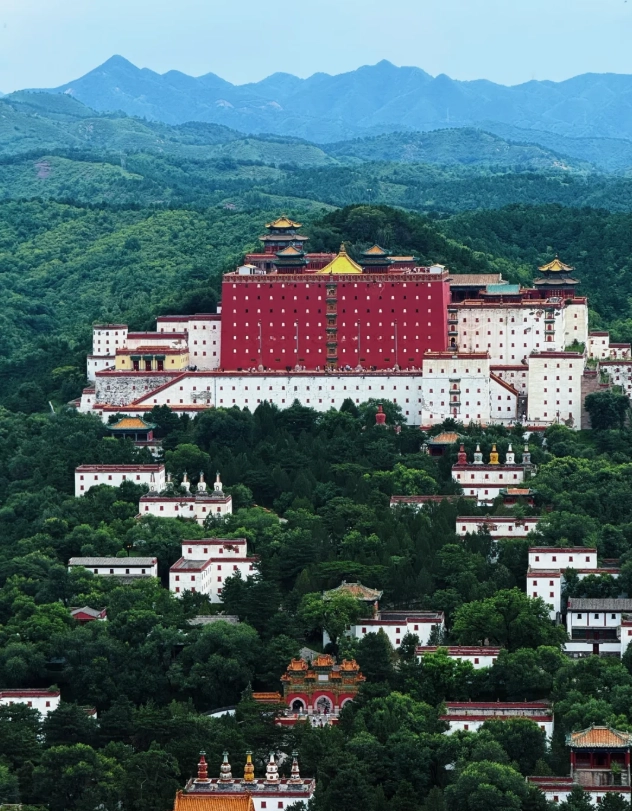
Why Hebei Deserves a Spot on Your China Itinerary
Most travelers treat Hebei as the place you fly over on the way to Beijing or Xi'an. Huge mistake. This is where the Qing emperors escaped the summer heat, where the Great Wall meets the sea, and where Chinese history's "off switch" never happened. Once you step off the high-speed rail, you'll find a China that feels more authentic — and far less crowded — than the tourist-packed capitals.
The province is a treasure chest of UNESCO sites, ancient bridges, and revolutionary landmarks. But the best part? You'll often feel like you've got the place to yourself. Let me walk you through the ones worth your time.
Top 7 Things to Do in Hebei: Unmissable Experiences
Here's the list I give my friends — not the typical guidebook fluff, but the places I personally take my clients when time is tight. Each one comes with the details you really need: how to get there, how to dodge the crowds, and what not to miss.
1. Chengde Mountain Resort: The Imperial Summer Retreat
The UNESCO-listed compound is over three centuries old and was the Qing emperors' private playground. You'll need at least 4–5 hours to do it justice. I always bring clients to the East Entrance, which is a direct taxi drop-off from the train station. The main ticket office often has a line by 9:30 a.m., so aim to arrive before 8:30 if you want to catch the morning mist over the lake.
- Address: Bishushanzhuang Road, Shuangqiao District, Chengde
- Ticket: Around 130 RMB for the combined ticket including the resort and nearby temples; individual tickets also available. You need your passport for the real-name system.
- Opening hours: Typically 8:00–17:30 (last entry 16:30). Check current hours at the gate or the official WeChat account — I've seen them adjust during holidays.
- Getting there: From Beijing, take the high-speed train from Beijing Chaoyang Station to Chengde South Station (about 1 hour). Then a taxi to the East Entrance costs around 20–25 RMB. If you're already in Chengde city, it's a 15-minute cab ride.
- Best time to visit: Weekday mornings before 9:00 a.m. The light is gorgeous, and tour buses don't roll in until later.
Inside, wander past the Jiangnan-style gardens and up to the golden roofs of the Puning Temple (a bit of a climb, but worth it). I always stop at the lakeside pavilion near the entrance — it's the perfect spot to watch locals doing tai chi at dawn.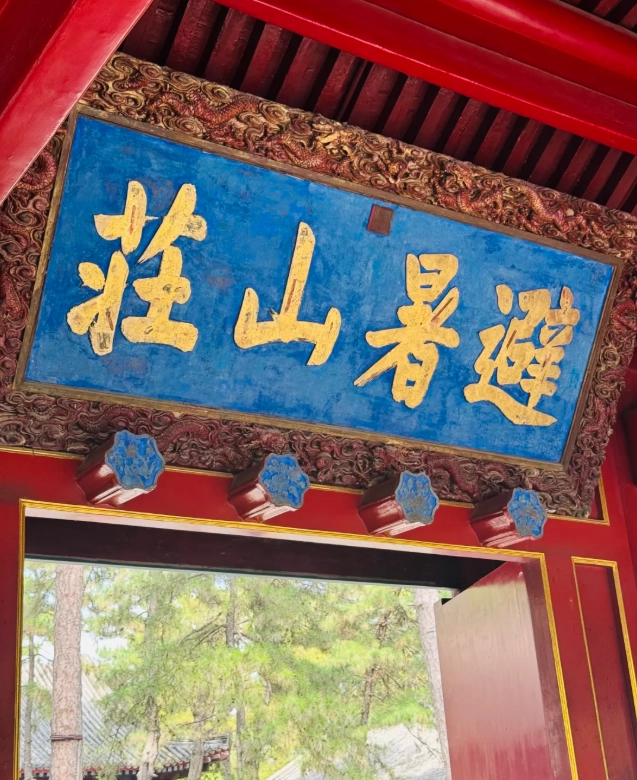
Pro tip: The “Mountain Resort” is actually a collection of palaces and temples spread over 5.6 square kilometers. Don't try to see every corner. Focus on the Zhenggong Palace and the Siyuan Garden, then head uphill for the panoramic view.
You can learn more about the site's global significance on the UNESCO World Heritage Centre page.
2. Shanhaiguan Pass & Old Dragon's Head
This is where the Great Wall literally crashes into the Bohai Sea. The old teahouse perched on the wall has been around since the Ming Dynasty, and the view of the waves beating against ancient bricks is like nothing else. It's a bit out of the way, but I promise it's a top thing to do in Hebei that you'll remember forever.
- Address: South of Shanhaiguan District, Qinhuangdao (Google Maps will get you close, but for precise directions, use Apple Maps or AMap Global)
- Ticket: The Old Dragon's Head (Lao Long Tou) costs around 60 RMB for the entrance to the wall and the sea part. The ancient town itself is free to enter.
- Opening hours: Usually 8:00–17:30 in peak season, closing earlier in winter. Last entry often is 30–60 minutes before closure.
- Getting there: Take a high-speed train from Beijing to Shanhaiguan Station (about 2 hours). From there, a taxi to the Old Dragon's Head is about 10 minutes and 15 RMB. Alternatively, the local bus No. 25 goes there but only stops at the town gate — you'll still need a short walk.
- Best time to visit: Late afternoon is magic — the sunlight turns the bricks a warm golden color, and the crowds thin out after about 3 p.m.
One mistake I see tourists make: jumping on a tricycle tour that insists on taking you to a "secret" part of the Wall. It's just a trap to sell you massages. Walk the 300 meters from the ticket area to the promenade — you'll get there in 5 minutes.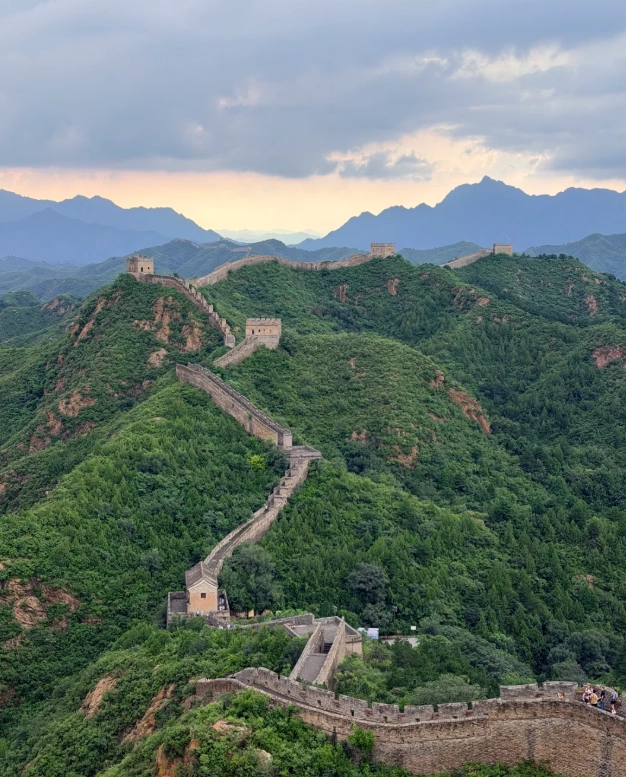
Insider advice: The entrance to the actual wall is a bit hard to find. After you buy your ticket, follow the path with the metal railings until you see a steep staircase. Go up, and the ocean will suddenly appear. That's the moment.
3. Beidaihe Beach: The Emperor's Seaside Retreat
If you need a break from ancient stones, this is where Beijingers flock on hot weekends to swim in the rocky, quiet bay. It's not the turquoise waters of Hainan, but it's a slice of local life and a great spot to unwind. The beach itself is free, which makes it a solid budget-friendly add to your Hebei itinerary.
- Address: Binhai Avenue, Beidaihe District, Qinhuangdao
- Ticket: Free access to the public beach. Optional motorized boat rides cost extra.
- Opening hours: Open 24/7, but the best times are early morning (before 8 a.m.) to avoid the crowds.
- Getting there: From Qinhuangdao's downtown, take bus No. 10 or 21 (about 40 minutes). From Shanhaiguan, it's about a 30-minute taxi ride (around 60 RMB).
- Best time to visit: June–September for swimming, but I actually prefer October — the summer crowds vanish and the sea breeze is mild.
Don't expect fine white sand — it's a mixture of pebbles and coarse sand. But there's a wide promenade perfect for an evening stroll, and street vendors sell fresh corn on the cob and grilled squid. Bring cash, as some of these stalls don't take cards or mobile payment.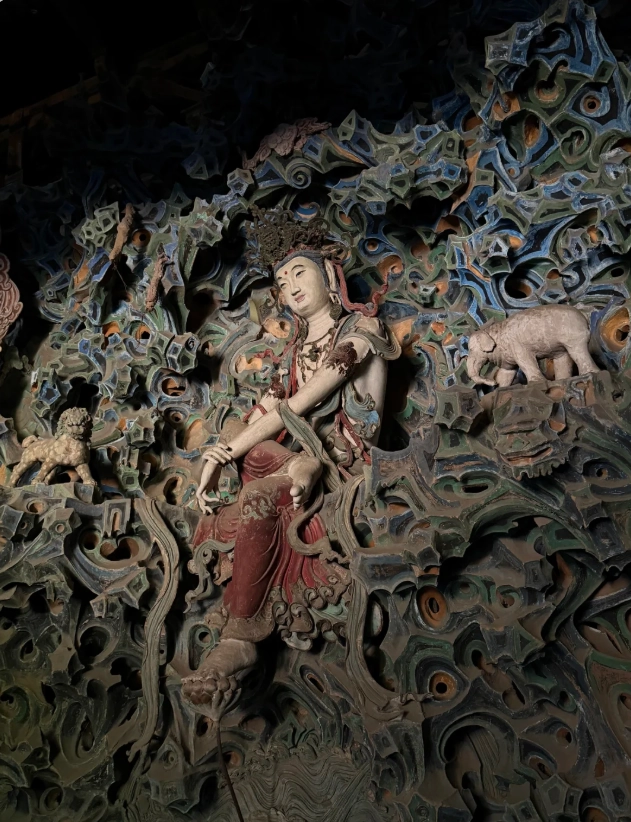
Pro tip: The "Happy Beidaihe" area near the beach is loaded with souvenir shops that mark up prices 3x. Skip them. If you want a local snack or a T-shirt, walk 100 meters inland to the residential streets.
4. Zhengding Ancient Town: A Hidden Architectural Gem
Often overlooked by foreign tourists, this small town near Shijiazhuang is a goldmine of ancient temples and pagodas. The highlight is Longxing Temple, which houses one of the tallest bronze statues of Guanyin in China — standing at 21.3 meters, it's an engineering wonder from the Song Dynasty. I've taken every photography-loving client here, and none were disappointed.
- Address: Zhengding County, Shijiazhuang Area (about 20 km north of downtown Shijiazhuang)
- Ticket: Longxing Temple costs around 50 RMB. The ancient town itself is free to enter.
- Opening hours: 8:30–17:30 (last entry 17:00). Check if the temple's main hall is open for restoration — I've seen it closed before, so ask your hotel to call ahead.
- Getting there: Take a high-speed train from your origin city to Shijiazhuang Station, then a taxi for about 30 minutes (50–60 RMB). You can also take bus No. 132 or 130 from Shijiazhuang Longgang Bus Station, but the taxi is much simpler for non-Chinese speakers.
- Best time to visit: Morning, as the temple courtyards get very sunny by noon. Plan to spend 2–3 hours here.
One detail that charmed me: the temple complex is still used for worship. You'll see locals lighting incense in the front hall while tourists photograph the back. It's a beautiful mix of old and new.
Insider advice: Right outside Longxing Temple's gate, there's a legendary donkey burger stall (donkey meat in the local style). It's not fancy, but it's the real deal. If you're brave, skip the restaurant and eat with locals.
5. Zhaozhou Bridge: The Ancient Stone Arch That Shocked Engineers
This is the oldest standing open-spandrel arch bridge in the world, built in 605 AD when Europe was still building with wood. It looks impossible — a graceful stone arc that's survived over 1400 years. My engineering friends have cried happy tears here. It's a quick stop, but it's an essential top thing to do in Hebei for history buffs.
- Address: Zhaozhou Bridge, Zhao County, Shijiazhuang
- Ticket: Around 40 RMB for the scenic area. You'll walk across the bridge and then a viewing platform for photos.
- Opening hours: 8:30–18:00 in summer, 8:30–17:00 in winter.
- Getting there: From Shijiazhuang, take a taxi (about 1 hour, roughly 100 RMB) or the local bus from Nanyang Bridge Station. The taxi makes it much easier for foreigners.
- Best time to visit: Anytime, but it's a small area — you'll finish in 1–1.5 hours. I'd pair it with Zhengding Ancient Town if you're based in Shijiazhuang.
Honestly, the surrounding park is a bit kitschy with modern cement additions. But the bridge itself stops you in your tracks. Bring a wide-angle lens.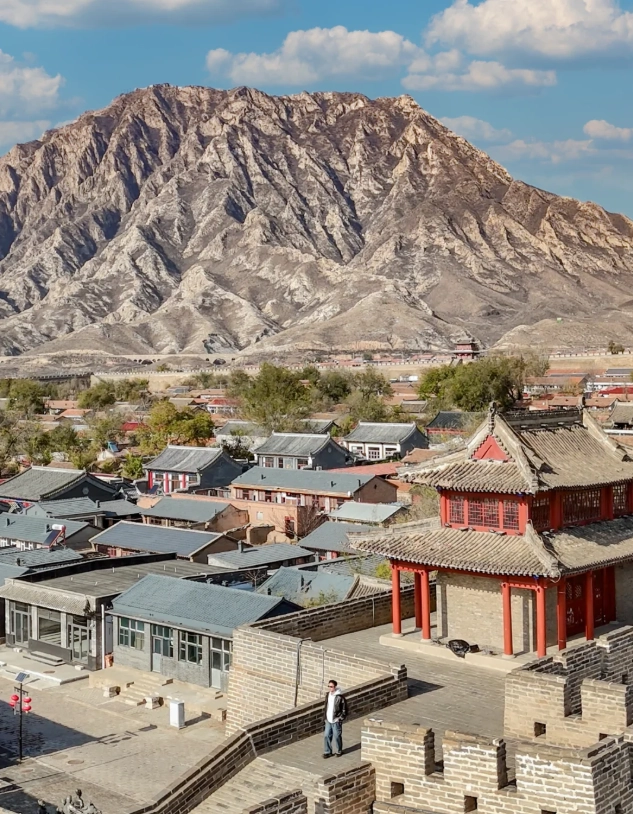
Pro tip: The official ticket doesn't include a guide. If you want to understand the bridge's hidden drainage system, there are free English audio guide machines — just bring your passport for the deposit.
6. Baiyangdian Lake: An Aquatic Labyrinth
This is China's largest freshwater lake in the North China Plain, known for its carpet of lotus flowers and maze of reeds. Locals say the lake has over 9,000 hectares of water and 39 pure villages. You explore by wooden boat, gliding past fishermen and floating eateries. It feels like entering another world.
- Address: Anxin County, Baoding (about 100 km from Beijing)
- Ticket: No entry fee for the lake, but boats cost about 100–200 RMB per hour depending on the route. Always negotiate the price before boarding.
- Opening hours: The dock operates from 8:00–18:00 in summer, shorter in winter.
- Getting there: Take the high-speed train to Baiyangdian Station (from Beijing approximately 1 hour, from Shijiazhuang about 2 hours). From the station, it's a 15-minute taxi ride to the main jetty.
- Best time to visit: April to October for the lotus season, but avoid Chinese National Day golden week (early October) — the lake becomes a traffic jam of boats.
The reed labyrinth can be disorienting. I've seen first-time visitors get genuinely lost. My advice: hire a boat with a local skipper who knows the channels — many boat operators are friendly but only speak Mandarin. Use a translation app for the price negotiation.
Insider advice: Try the boat's fresh carp dinner if you're there for lunch. The restaurant barges reel in their own fish — genuinely fresh, and the evening lanterns make it romantic.
7. Xibaipo: The Revolutionary Site Where New China Was Born
Not far from Shijiazhuang, this is where Mao Zedong and the CPC Central Committee were based just before they took Beijing. For foreign tourists, it's a fascinating look at China's revolutionary history. The buildings are preserved with period furniture, and the interpretive signs are in both Chinese and English. It's a humbling stop, and it's free.
- Address: Xibaipo Village, Pingshan County, Shijiazhuang
- Ticket: Free, but you must make a reservation with your passport. You can book via phone or through a local hotel, as the official WeChat mini-program is Chinese-only.
- Opening hours: 9:00–17:00 (closed Mondays, except national holidays).
- Getting there: From Shijiazhuang, take a taxi (about 1.5 hours, roughly 150 RMB) or the regular bus from the north bus station (about 2 hours). The taxi is worth the extra money for convenience.
- Best time to visit: Anytime, but avoid weekends when Chinese domestic tourists swarm in.
It's not a typical tourist attraction — there's no roller coaster or souvenir shop. You'll see black-and-white photos, old desks, and the simple rooms where history decisions were made. Give it 2 hours.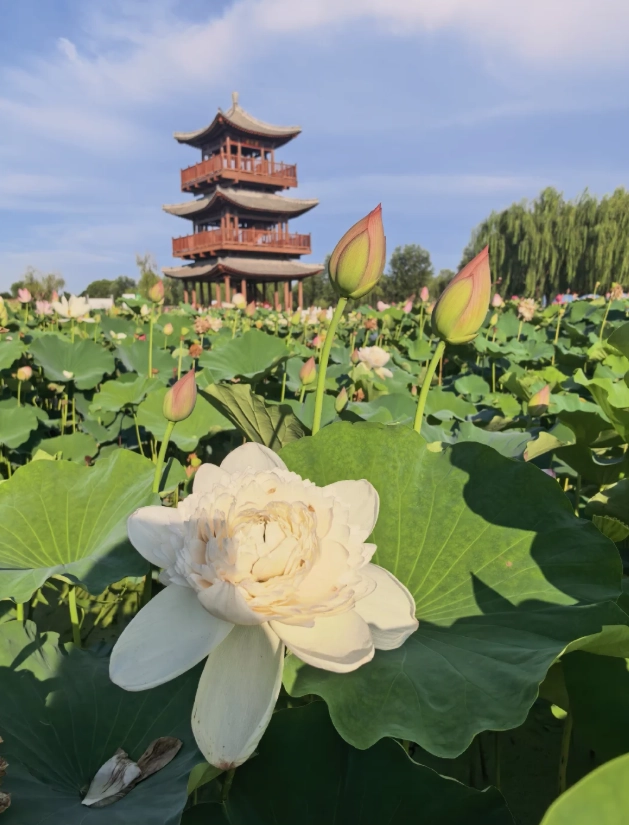
Pro tip: There's a nice traditional café in the adjacent Xibaipo Tourist Park. Good place to rest your legs before heading back to Shijiazhuang.
Quick Comparison Table
Here's a quick snapshot to help you plan your time and budget.
| Attraction | Ticket (approx.) | Time Needed | Best Visit Time |
|---|---|---|---|
| Chengde Mountain Resort | 130 RMB | 4–5 hours | Morning before 9am |
| Shanhaiguan Old Dragon's Head | 60 RMB | 2–3 hours | Late afternoon |
| Beidaihe Beach | Free | 2 hours | Early morning |
| Zhengding Longxing Temple | 50 RMB | 2–3 hours | Morning |
| Zhaozhou Bridge | 40 RMB | 1–1.5 hours | Anytime |
| Baiyangdian Lake | Boat 100–200 RMB | 3–4 hours | April–October |
| Xibaipo | Free (reserve) | 2 hours | Weekdays |
How to Get Around Hebei: Trains, Buses & Private Cars
Hebei's high-speed rail network is your best friend. It's fast, clean, and connects every major site to Beijing or Shijiazhuang. Book tickets on the official 12306 English website — it works with your passport. For super last-minute bookings, Trip.com is more user-friendly but adds a small fee.
Within cities, taxis are inexpensive but don't expect English. Always have your destination written in Chinese. For intercity hops, buses are the budget choice, but I'd only recommend them if you're comfortable reading bus station signs — otherwise, the rail is hassle-free.
Driving? Think twice. Renting a car in China requires an International Driver's Permit plus a Chinese translation, and Hebei's rural roads have potholes that will crack your alignment. Stick to trains and taxis.
Pro tip: Never rely on Google Maps for transit info in Hebei. Apple Maps works reasonably well, but the gold standard is AMap Global (gaode ditu) — it has an English interface and accurate real-time train/bus schedules.
What to Eat in Hebei: Must-Try Local Dishes
Forget Peking duck — Hebei has its own soul food that's more robust, hearty, and fiercely local. The undisputed king is lǘròu huǒshāo (驴肉火烧) — a crispy flatbread stuffed with savory braised donkey meat. It's the ultimate late-night snack. I always recommend the classic version from a street cart in Shijiazhuang's Beiguo Mall area — the meat is lean, slightly sweet, and the bread shatters with every bite.
Other must-eats:
- Shao bing (烧饼): Layer upon layer of flaky sesame flatbreads, best eaten warm. Look for the red-charred skin.
- Huabei-style beef noodles: Thick hand-pulled noodles in a beef broth, topped with chili oil and fresh cilantro. Find a shop with a big red pot in the window.
- Retorted duck (烤鸭): Not Peking duck, but Hebei's version served in Baoding — usually drier and spicier.
For dessert, try the guobaorou (锅包肉) — a crispy sweet-and-sour pork dish that's originally from the north but has adopted a Hebei twist. Most restaurants don't have English menus, so I recommend downloading the Meituan or Dianping app for photos and reviews.
Pro tip: Don't be offended when locals slurp loudly and put bowls to their mouths. It's a sign of enjoyment. And if you don't get along with donkey meat, just ask for beef — they're more than used to it.
Where to Stay in Hebei: Best Areas for Travelers
Base yourself strategically to avoid backtracking. Since Hebei is a vast province, your base will likely be either Shijiazhuang, Chengde, or Qinhuangdao, depending on your route.
| City | Hotels Nearby Attractions | Best For | Price Range (per night) |
|---|---|---|---|
| Shijiazhuang | Central business district, Zen Well area | Easy access to Zhengding, Zhaozhou Bridge, Xibaipo | ¥200–500 |
| Chengde | Near the Mountain Resort (east gate) | Imperial history and lake views | ¥200–800 |
| Qinhuangdao | Beidaihe beachfront (in summer) | Beach relaxation and Shanhaiguan day trip | ¥150–600 |
For luxury: The Shangri-La Hotel in Qinhuangdao (by the beach) or the Casa Grande in Chengde (near the resort). For mid-range: local chains like Jinjiang Inn are reliable and cheap. For hostels: a few international hostels have popped up in Chengde, but they're rare — don't rely on them.
Wi-Fi isn't always stable in rural guesthouses, so keep a portable hotspot as backup. And always confirm if your hotel accepts international credit cards — many level-3 hotels only accept UnionPay or mobile payments.
Practical Tips for Foreigners: Payments, VPN, and Booking
Mobile payment is non-negotiable. Even the noodle vendor takes Alipay QR codes. Set up Alipay with your international card before you arrive — it works with a foreign number and passport. WeChat Pay also works, but Alipay is still the most universally accepted in Hebei.
Carry 200–300 RMB in cash as a backup. Some small toilets, taxis, and lake boats might not accept digital payments smoothly.
VPN is your lifeline. You cannot access Google, Facebook, Instagram, WhatsApp, or most Western news sites without one. Download a reliable VPN (like ExpressVPN or NordVPN) before leaving your home country. It's legal for tourists to use a VPN, but speeds can be slow — be patient.
Book smarter, not harder. Most attractions require advanced reservations using your passport number. For foreign-friendly booking, Trip.com or Klook cover most Hebei sites. But for the real-time crowds, you can also ask your Hebei hotel's reception desk to call the attraction directly — they're usually happy to help.
Getting a visa: Check the latest entry policies on the National Immigration Administration website (English info available). Most travelers need an L (tourist) visa, but there's a 24-hour transit exception in some airports — don't rely on it for Hebei, as you'd likely pass through Beijing.
Language is the biggest barrier. Download Pleco or Apple Translate for offline Chinese, and always have your destinations written in Chinese to show taxi drivers.
Insider advice: When booking train tickets online, use the 12306 English site but set up your account at least a day in advance — the passport verification can take time.
FAQ: Quick Answers for Your Hebei Trip
This content has been fact-checked to ensure informational precision.





No comments yet.