 Hui Lin
Ever tired of the same Great Wall photo? Same. But two hours east of Beijing lies a Hebei that most foreign tourists skip — and honestly, that's their loss. I've been guiding travelers here for a decade, and the province keeps surprising me with imperial retreats, wild coastal walks, and dumplings that make you ignore your diet.
What to do in Hebei is not about ticking off crowded museums. It's about standing where the Great Wall meets the sea at Shanhaiguan, or wandering a 300-year-old summer palace in Chengde with no crowds at all.
Here's my blunt advice: skip the bus-tour package, spend at least two nights, and don't try to 'do' the whole province in a day. Now, let me show you the exact route I use with friends and paying clients alike.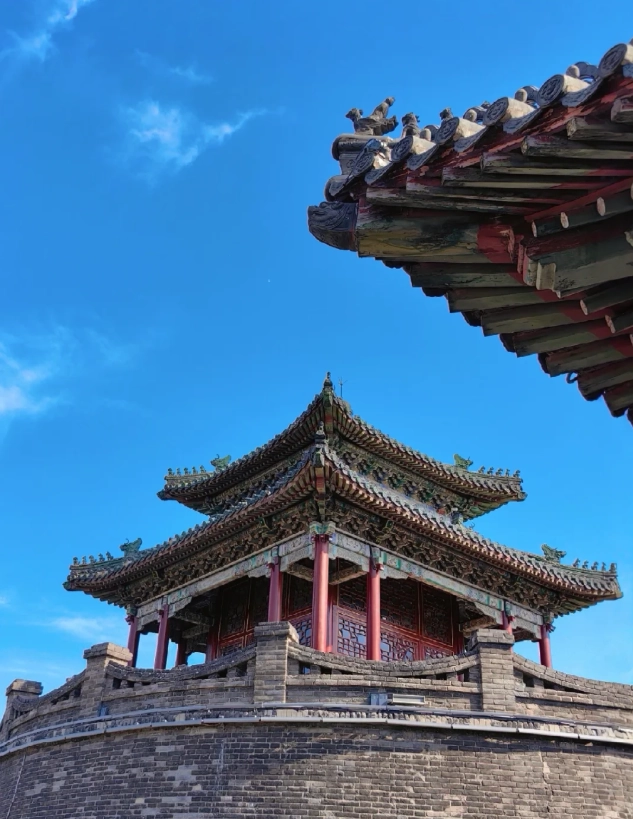
What This Guide Covers
Why Hebei Deserves More Than a Day Trip
Most foreign visitors use Hebei as a blur from a bus window on the way to the Great Wall. They miss the point entirely. Hebei is an essential layer of Chinese history — the Qing emperors escaped Beijing's summer heat here, the Great Wall starts its journey to the sea here, and the local food scene is wildly different from the capital's.
I remember my first trip to Chengde thinking it'd be a smaller version of the Forbidden City. I was wrong. The mountain resort is a landscape — a microcosm of the whole empire, with grasslands, forests, and lakes compressed into one park. The scale humbles you. And because it's a UNESCO World Heritage site (you can check the official listing on the UNESCO website), it gets plenty of Chinese tourists, but almost no foreigners. That's your window.
Then there's the coast. Shanhaiguan's Old Dragon Head is the spot where the Great Wall literally walks into the Bohai Sea. It's not a restored Disneyfied section — you can feel the salt wind on your face and see the crumbling towers if you walk away from the main gate. Way more atmospheric than Badaling.
Here's the catch: the province is huge. Trying to see Chengde and Qinhuangdao in a single day is a rookie mistake we've all made. I once had a client break down crying on the bus because she thought we'd be laughing on a beach by noon and instead were stuck in traffic. So, plan at least two nights. Your body will thank you.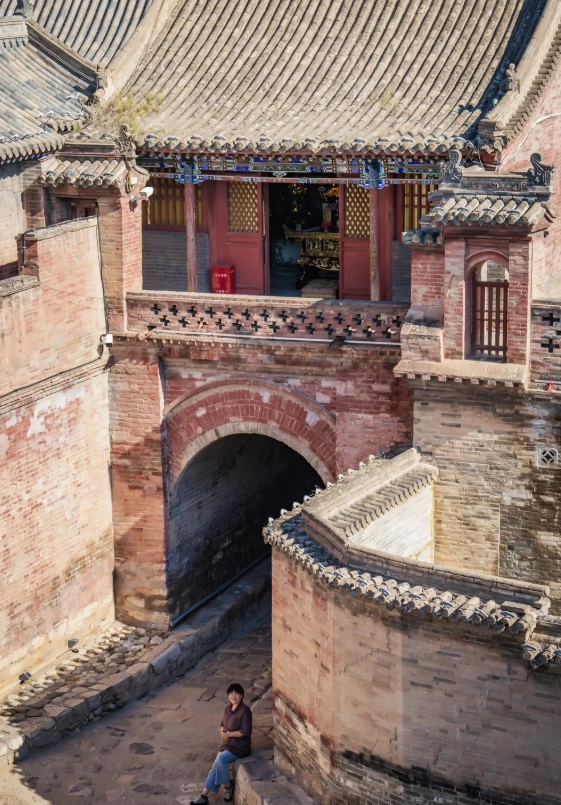
Top 5 Sights You Shouldn't Skip in Hebei
1. Chengde Mountain Resort (避暑山庄)
The largest imperial garden in China, this UNESCO site was the Qing dynasty's summer headquarters. You'll need at least half a day to explore the palace quarters, the lake area, and the rolling hills at the back. Entry tickets cost around 130 RMB in peak season (Apr–Oct) and 90 RMB in winter — confirm the exact price on the official ticket counter or via Trip.com. You can also buy on-site with your passport, but the lines can be brutal after 9am.
Here's the insider move: enter from the east gate, not the main south gate. The main gate is mobbed with tour groups all morning. The east entrance near the Qingchui Peak cable car is less crowded and drops you right next to the lakes. I once walked straight in with zero queue at 8:15am.
For the best photos, come in the late afternoon. The golden hour light over the lake with the temple in the background is what guidebook covers are made of. Bring mosquito repellent — the water areas attract them like crazy in summer.
Opening hours are 8:00–17:30 in summer, 8:30–17:00 in winter. Last entry is usually 60 minutes before close. The whole complex is huge, so wear comfortable shoes — you'll clock 15,000 steps without noticing.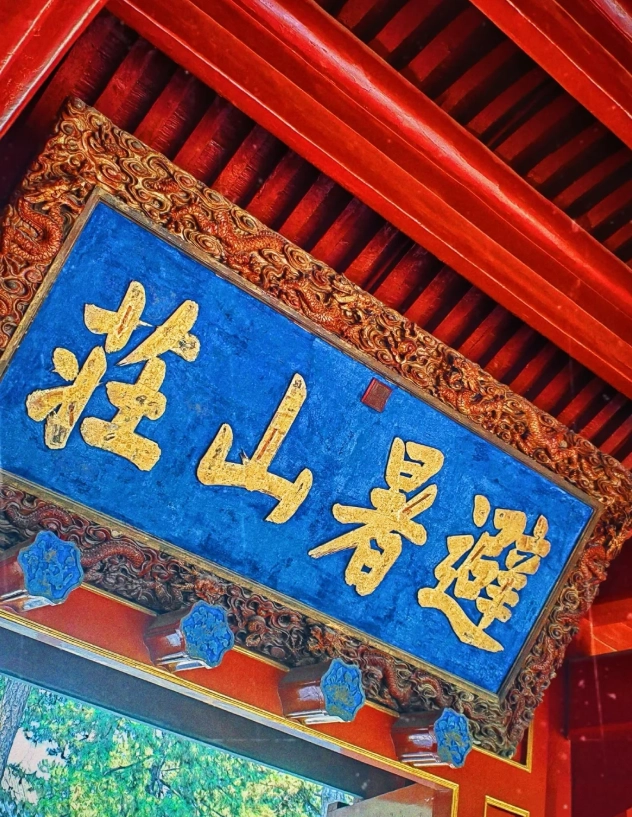
2. Shanhaiguan & Old Dragon Head (山海关·老龙头)
The Great Wall meets the sea here, and the “Old Dragon Head” is the literal end point. This is the only place in the world where you can stand on the Great Wall and stare at the ocean. The ticket is about 50 RMB, and you can buy it at the entrance with cash or WeChat Pay. I recommend going early — before 10am — to catch the morning light on the water and dodge the Chinese school trips.
Don't just stay at the main tourist plaza. Walk along the wall toward the watchtower at the end and look down at the rocks below. You'll see countless little crabs and sea snails. If you want a swim, head to the free beach right outside the park (the one near the parking lot) — locals swim there all summer.
One thing that drives me crazy: many visitors think Shanhaiguan is skippable because it's “just a wall.” They don't realize the old town around it has a 600-year-old residential neighborhood with original Ming dynasty streets. The “Shanhaiguan Ancient City” is free to enter, and the local snack street there sells peanut candy and fried squid that are legendary among Chinese travelers.
3. Beidaihe Beach (北戴河)
China's first summer resort town for foreigners — a sandy escape 3 hours from Beijing. This is where Mao Zedong used to retreat; now it's packed with Russian tourists and Chinese families. The beaches are free, but the really great sandy stretches near the Olympic Park are cleaner than the ones near the train station.
I have mixed feelings about Beidaihe. On a sunny Sunday in July, it's a human sardine can. But on a weekday morning, it's calm, and the seafood markets are incredibly fresh. If you're a trained swimmer, be careful: the tide here can be surprisingly strong. The lifeguard flags are always posted, but I've seen tourists ignore them.
Top tip: rent a bicycle from the south gate and ride along the coastal bike path. It's about 15 RMB per hour, and you'll see the old Russian villas from the 1920s. That's the best “up-close” Hebei experience in my book.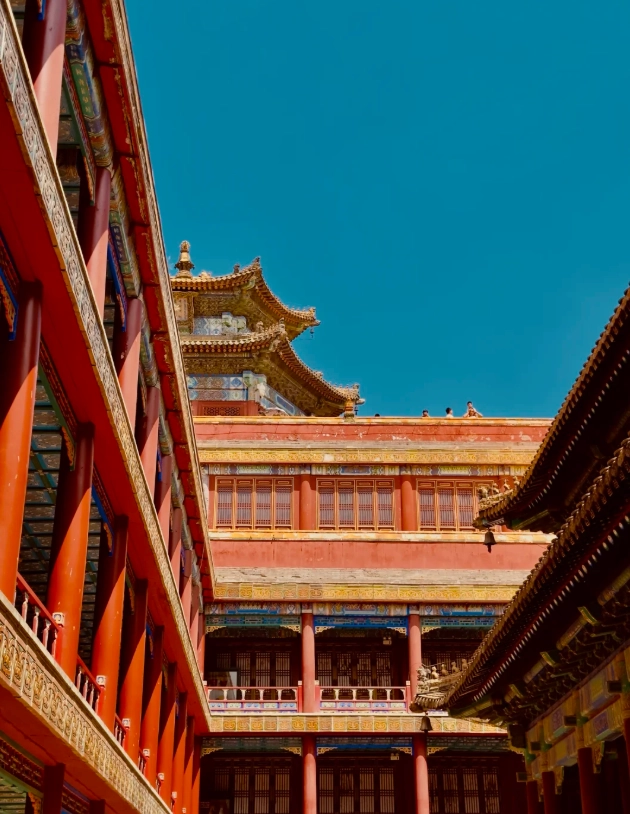
4. Zhengding Ancient Town (正定古城)
Home to one of China's most impressive iron Buddhas — the 21-meter tall statue at Longxing Temple. Zhengding is a 40-minute drive from Shijiazhuang, Hebei's capital and a major rail hub. The old town walls are from the Ming dynasty, and the main street is lined with restored buildings that make you feel like you're in a movie set.
Longxing Temple (隆兴寺) charges 60 RMB entry. Inside, the copper Buddha was cast in 971 AD and it's jaw-dropping — almost as tall as the temple itself. Even if you're not religious, the engineering is mind-blowing. Go in the late afternoon when the sunlight streams through the wooden doors and lights up the Buddha's face.
Zhengding is the perfect stop if you're in Shijiazhuang for a connecting flight. But honestly, unless you're a hardcore history buff, it's a optional add-on rather than a main event.
5. Baiyangdian Lake (白洋淀)
A wetland labyrinth where you'll take a small boat through narrow reeds, just like in a wuxia movie. This is seasonal — best from June to October when the lotus flowers bloom. The entrance is free, but the boat ride will cost you 200 RMB for a small craft that seats 6 people. Skip the motorboats; the hand-paddled ones are slower but way more peaceful.
There were so many plastic bottles floating around the first time I visited that I almost told my clients to skip it. But the sunset from the middle of the reeds is pure magic. If you're tight on time, I'd leave this for a long weekend, not a first visit to Hebei.
How to Plan a 48-Hour Hebei Itinerary
This is my standard route for first-timers: Day 1 in Beijing → Chengde, Day 2 back via Qinhuangdao. It's a bit aggressive, but doable if you start early.
Let's break it down.
Day 1: Beijing to Chengde
Catch the bullet train from Beijing Chaoyang Station to Chengde South Station. The fastest trains take 1 hour 25 minutes, and you'll pay around 95 RMB for a second-class seat. Book through 12306.cn (the official China Railway site) or Trip.com if you want English support.
Once you arrive, grab a taxi to the Mountain Resort — it's about 20 minutes and 25 RMB. Store your luggage at the entrance (there's a paid locker service next to the east gate). Spend four hours exploring the resort. For lunch, walk to the nearby local street and look for “Din Tai Fung” style dumpling joints — but even better, find the youpo chunbing (油泼春饼) shop on Wenhua Street; it's a local favorite.
In the afternoon, hike up to Putuo Zongcheng Temple (普陀宗乘之庙) — the “Little Potala Palace” — which is just a 15-minute walk from the resort's east gate. The red-and-white walls are a photographer's dream. Entry is 80 RMB. After that, catch the sunset at the Qingchui Peak lookout (磬锤峰) if you have energy.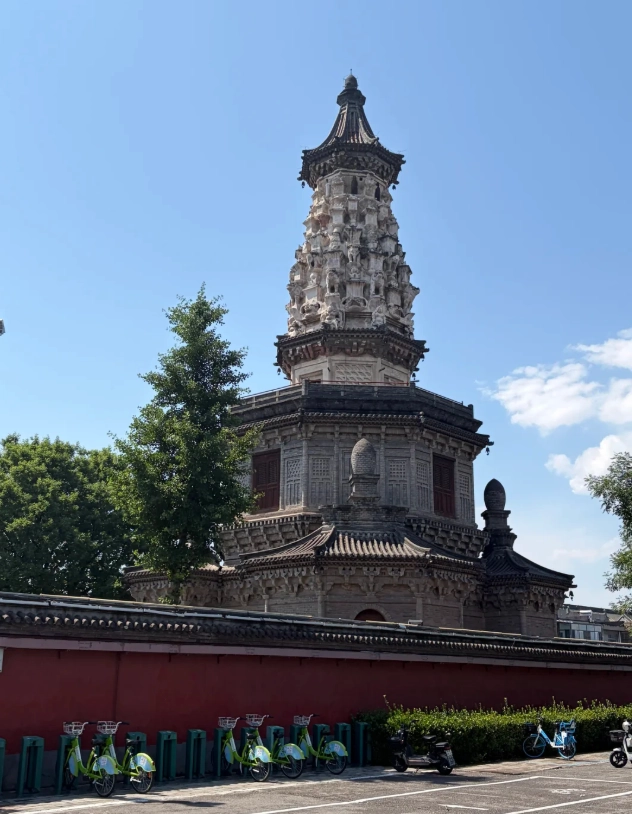
Pro Tip: Don't stay in Chengde's old town if you value quiet. Most hotels are near the train station. I always recommend the Gongyi Hotel (公益酒店) — it's basic but has clean beds and the staff are used to tourists. Price range: 200–350 RMB per night.
Day 2: Chengde to Shanhaiguan / Beidaihe
Wake up at 6am and grab a high-speed train from Chengde South to Shanhaiguan Station. There's a direct train at 7:42 (check the schedule on 12306) that takes about 2 hours. If you miss it, you can go back to Beijing and transfer, but that wastes 3 hours.
At Shanhaiguan, take a taxi (20–30 RMB) to the Old Dragon Head. Spend 2 hours there. Then, if you want beach time, take another taxi to Beidaihe — it's 30 minutes along the coast highway. You'll have about 4 hours of daylight left. Rent the bike, have a seafood lunch at one of the waterfront restaurants, and then catch a late train from Beidaihe station back to Beijing. There's a train at 17:42 that gets you to Beijing around 19:30.
This itinerary clocks in at about 3.5 hours of train time and 8 hours of sightseeing. If the weather's rainy, drop Baiyangdian and just do the aquarium at Beidaihe (it's indoor and kids love it).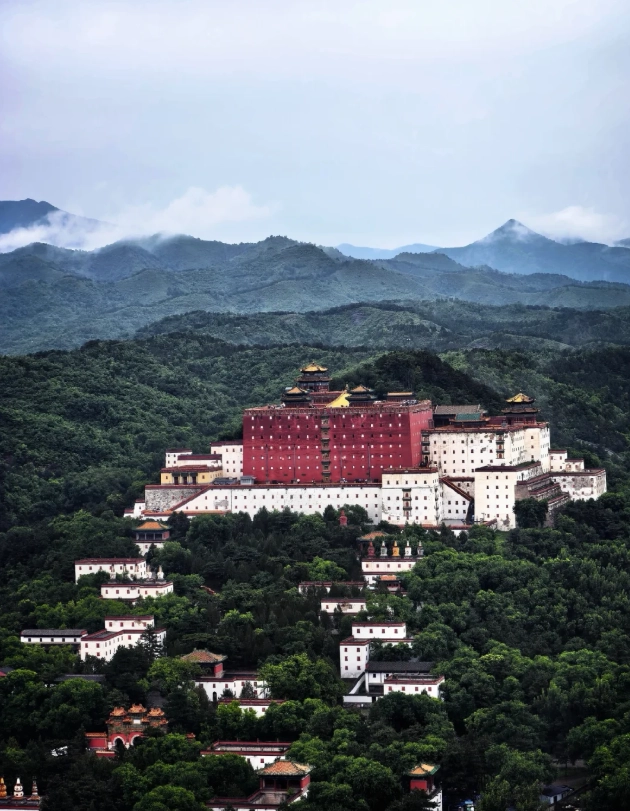
Where to Eat Like a Local in Hebei
Hebei food isn't as polished as Cantonese or as spicy as Sichuan, but it's the food of the Chinese imperial heartland — hearty, wheat-based, and full of surprises.
- Donkey meat sandwich (驴肉火烧) — originated in Baoding, these are flaky bread pockets filled with savory braised donkey. The taste is like cross between beef and pork, with a subtle gamey note. Try the one at “Wang Po Donkey” (王婆驴肉) in Shijiazhuang — address: 4 East Zhongshan Road, it's a local chain. A sandwich costs 12–15 RMB.
- Chengde eight bowls (承德八大碗) — an imperial banquet tradition served in small red bowls. The portions are tiny, but you get to taste a bit of everything: pork meatballs, braised fish, and pickled vegetables. Ask any hotel restaurant in Chengde to show you the “babow” menu.
- Bohai Sea seafood — head to Beidaihe's seafood market if you want to pick live crabs, prawns, and clams. Restaurants will cook them for a fee (usually 20 RMB per plate). I always buy a kilo of mantis shrimp and have them steamed with ginger and garlic. That meal costs under 100 RMB.
Pro Tip: Avoid any restaurant that shows a menu in English and has a photo of a “Chinese Hamburger.” That's a sign of a tourist trap. Walk 100 meters away and look for the place where workers are eating — that's where the locals go.
Where to Stay: Base in Chengde or Qinhuangdao?
You'll need two different bases if you're following my itinerary. In Chengde, stay near the train station for easy pickup. In Qinhuangdao, stay in Beidaihe rather than Shanhaiguan — more food options and easier train access to Beijing.
| Hotel / Area | Distance to Main Attraction | Est. Price (Night) | Best For |
|---|---|---|---|
| Chengde: Gongyi Hotel (公益酒店) | 10-min walk to resort east gate | 250–400 RMB | Budget travelers who want local vibe |
| Chengde: Shangshan Hotel (尚山酒店) | 5-min taxi to resort, 20 min from station | 500–800 RMB | Couples wanting better views |
| Beidaihe: Liangguang Hotel (良光酒店) | Beach across the street, 15 min walk to food street | 180–300 RMB | Families, easy access to sand |
| Beidaihe: Vista Ocean Hotel (海景酒店) | Private beach access, 30 min to Old Dragon Head | 600–1000 RMB | Luxury travelers |
Quick note: “Wi-Fi” is generally decent in hotels, but cellular data is another story. If you need a stable connection, buy a local SIM card at the Beijing airport — this saved my clients many times. Also, hotel front desks might not have staff who speak English. Save a screenshot of your hotel name in Chinese characters to show taxi drivers.
What to Know About Transport and Payment in Hebei
The easiest way to get around is the high-speed rail network. Trains are punctual and stations are modern. For shorter hops, use the local taxi app “DiDi” — it's the Uber of China and has an English version. Just make sure you enter the destination in Chinese or show the driver a printed map.
Now for the pain point: cash is a no-go in most Hebei restaurants and even at some tourist stalls. You'll need to set up Alipay or WeChat Pay with your foreign credit card before you arrive. Here's how: download the app, add your Visa/Mastercard, and verify with your passport. This is not optional — I've seen travelers get stuck trying to buy a bottle of water because the vendor didn't accept cash.
For navigation, forget Google Maps — it's inaccurate in China. Instead, use Apple Maps (it uses auto navigation via Gaode) or AMap (高德地图) which has an English version called “AMap Global.” I always tell my clients to download it before landing.
Be aware of endless security checks at train stations. Bring your passport everywhere — you'll need it for every ticket and sometimes for random police checks.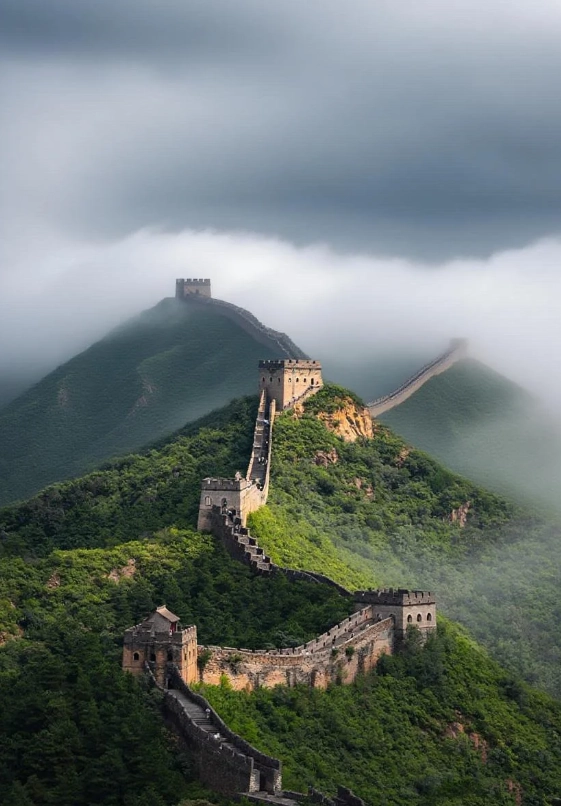
FAQ: Your Hebei Questions Answered
Verified and fact-checked by the editorial team.





No comments yet.