 Chen Liu
Sticky heat. Coconut trees. And the smell of ocean salt mixed with sleepless night markets — Haikou hits you differently from mainland China. I've spent years guiding travelers across the country, and Haikou is the city I send people to when they want a real tropical escape without the chaos of Sanya.
So, is Haikou worth visiting? If you're asking whether this city deserves a spot on your China itinerary, the answer is yes — but only if you know what you're doing. Most overseas visitors skip straight to Sanya, and that's a mistake. Haikou gives you a raw, authentic slice of Hainan with better food, cheaper hotels, and far fewer tour buses.
Is Haikou Worth Visiting? My Verdict as a Long-Time Guide
Here is the catch: Haikou isn't a place you fly to for five-star resort pools. It's a working city with worn-down colonial streets, buzzing local markets, and beaches that get packed with picnicking families on weekends. But that's exactly why I love it. You get to see how Hainan locals actually live — and taste some of the best food on the island.
What Haikou Does Better Than Sanya
First, the food. Haikou is known for its longchang rice noodles, a signature dish you'll miss if you only stay in Sanya. Second, the old town — Qilou Old Street is a living museum of arcaded buildings with no entrance fee. Third, the pace. Haikou is slower, more laid-back. If you're exhausted by the big city grind, Haikou is the reset button.
When to Skip Haikou (Yes, There are Times)
If your only goal is white-sand beaches and snorkeling, Sanya is better. Also, Haikou is brutally humid in August. During typhoon season (July to October), outdoor plans often wash out. I've been stuck in Haikou during a typhoon warning, and it's not fun. So plan around the weather.
The Best Things to Do in Haikou — Top Picks from a Local Guide
Ride Along the Century Bridge
Head to the park underneath the bridge at sunset. The view of Haikou's skyline and the sea is free and beautiful. I like to bring clients here after dinner for a short stroll. The bridge itself is also walkable — but be careful with the traffic.
Explore Qilou Old Street
This is the #1 attraction in Haikou. The arcaded streets are full of small shops selling everything from dried seafood to handmade shoes. Start at the Clock Tower, then wander into Bo'ai Road. The side alleys hide traditional coffee shops where locals sip the famous Hainan coffee. Keep your phone ready for photos.
Hike Volcano Cluster Global Geopark
About 15 km west of Haikou, this geopark offers a look at ancient volcanic craters. The entrance is around 60 RMB. The steps are steep, and there's little shade, so wear proper shoes. The highlight is a walkable lava tunnel. It's a half-day trip — plan to go in the morning before it gets too hot. Booking through the official WeChat mini-program is a pain — even I struggle. Use Trip.com instead.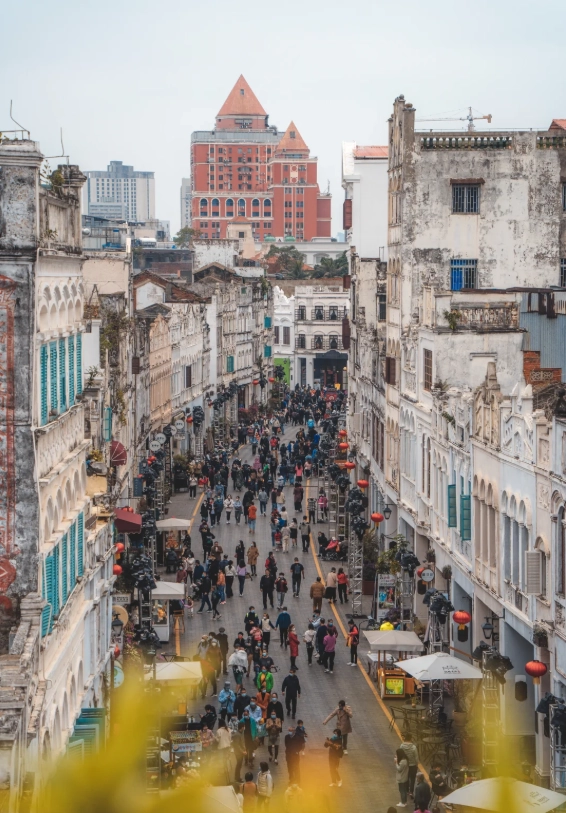
Relax at Holiday Beach
Holiday Beach is the city's main beach, but don't expect Virgin Islands turquoise water. Still, it's a great place to watch locals and enjoy ocean views. There are showers and a few seafood restaurants on the promenade. Visit on a weekday to avoid the crowds.
How to Get to Haikou and Get Around
Haikou Meilan International Airport is well-connected. Take the high-speed railway from the airport station to Haikou East Railway Station — it costs about 10 RMB and takes 20 minutes. Then use the local metro or Didi (the Chinese Uber) to your hotel. For long-distance travel, you can book train tickets on the official China Railway website (www.12306.cn) or via Trip.com.
Getting Around the City
Didi is the most reliable way to get around. I've used it hundreds of times with my clients, and it's easy to set up an account with your passport. For navigation, do not use Google Maps — it won't work properly in China. Use Apple Maps or AMap Global in English. You can also rent an e-scooter for short trips, but that's an adventure best left to locals.
Where to Eat in Haikou — Local Favorites
Breakfast: Longchang Rice Noodles
Start your day with a bowl of longchang rice noodles. Look for stores near People's Park. The noodles are thin, served in a rich gravy with pickled vegetables and peanuts. It costs around 12 RMB. My recommendation: tell the vendor 'bu yao la' if you don't handle spicy well.
Seafood: Haikou People's Bridge Night Market
The night market at the intersection of Binhai Road and Renmin Road is a foodie paradise. Grilled oysters, clams, and shrimp are the stars. Oysters are about 30 RMB for a dozen. It gets busy from 7 p.m., so come early or be prepared to wait. Many stalls accept Alipay, but it's wise to carry 50 RMB in cash for backup.
Dessert: Mango Coconut Ice Cream
In Hainan, mango is king. Try a bowl of 'mango shaved ice' or coconut ice cream at a local dessert shop. There's a famous little shop on Jiefang West Road called 'Coconut Story'. It's informal, but the flavors are fantastic. A serving costs 15-20 RMB.
Where to Stay in Haikou — Options for Every Budget
| Area | Vibe | Price (per night) | Best For |
|---|---|---|---|
| Qilou Old Street | Historic, lively | 200-400 RMB | Budget travelers, photographers |
| Guomao (CBD) | Modern, convenient | 400-800 RMB | Business travelers, families |
| Holiday Beach | Leisure, seaside | 600-1500 RMB | Couples, beach relaxation |
Guomao Business District
I always recommend this area for first-timers. You get reliable Wi-Fi, comfortable beds, and many hotels have English-speaking staff. The Grand Metropark Hotel is a common choice, but there are many others. It's a 20-minute walk to Qilou Old Street, and the metro is nearby.
Old Town Guesthouses
For more character, stay in a converted arcade building. These guesthouses have high ceilings and retro charm, but they often lack elevators. If you have mobility issues, choose Guomao instead. Some guesthouses have roof terraces with sunset views — ask for one at the front desk.
Budget Hostels
There are hostels near the port that rent dorm beds for around 60 RMB. They're basic but social. You can meet other travelers, which is great if you explore alone. Book through Hostelworld or Booking.com because domestic booking apps may require a Chinese phone number.
Practical Tips for Foreign Visitors to Haikou
Payment and Mobile Apps
Cash is accepted in very few places these days. Most foreigners rely on Alipay or WeChat Pay linked to an international card. Set up Alipay before you fly, add your card, and you'll be fine. Visa and Mastercard are accepted in hotels and some restaurants, but the night market and smaller eateries are cashless. Always keep 100-200 RMB emergency cash.
Pro Tip: If your Alipay isn't working, ask any local to 'pay for you' and give them cash. I've done this multiple times for guests, and it takes seconds. Every shop owner is happy to help.
Transportation and Navigation
Download Didi and set it to English. It's available in China's App Store. For walking directions, use AMap Global. The interface is in English, and it works well for public transport. Learn a few key Chinese phrases: 'Left' and 'right' can help, but translators help too.
Language and Connectivity
You need a VPN to access Google services, WhatsApp, Facebook, Instagram. Set it up before you arrive. For translation, use Apple's Translate app or Baidu Translate. Many taxi drivers respond to the Chinese text produced by these apps. Also, download an offline map of Haikou just in case.
FAQ: Is Haikou Worth Visiting? Your Top Questions Answered
Verified and fact-checked by the editorial team.








No comments yet.