 Ting Chen
Quick navigation
Every first-time visitor to Guizhou makes the same mistake: they try to squeeze Huangguoshu, Fanjingshan, and Xijiang into three impossible days. That's not a trip. That's a punishment.
I'm not saying this to scare you. I've spent years bouncing between the best places to visit in Guizhou, and I've watched too many travelers arrive with blistered feet and a broken itinerary. The real problem isn't the distances — it's the hidden logistics: bus times, weather windows, ticket systems that require a Chinese phone number, and a trail that turns into a foggy maze after 2pm.
Here is the one thing you must know before booking anything: book Fanjingshan at least 3 days ahead (passport required), and treat the 7 places below as a menu, not a checklist. Now, let me walk you through them.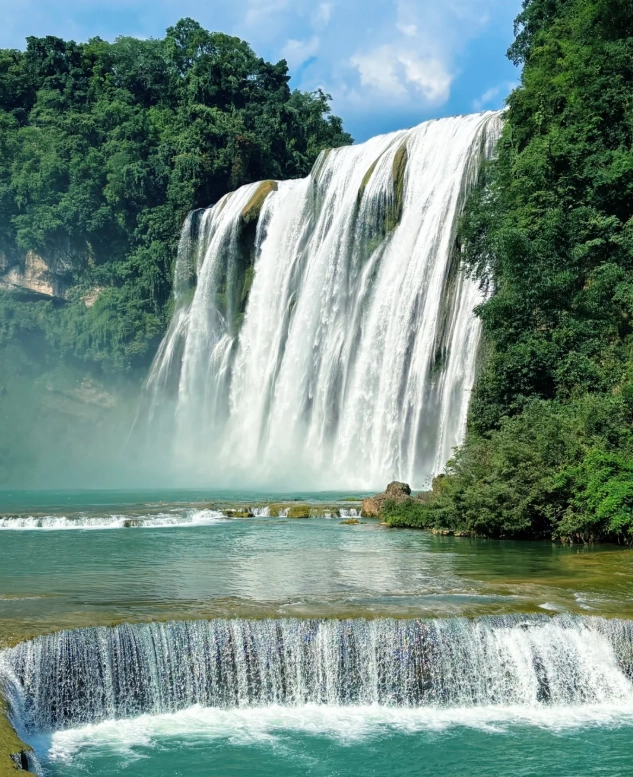
The fast answer for first-timers
If your brain is already overwhelmed, here's the short version: I'd rank them like this.
| Destination | Entry Fee (approx.) | Ideal Time | Best For |
|---|---|---|---|
| Huangguoshu Waterfall | ¥160 (incl. sightseeing bus) | 4–5 hours | Waterfall power |
| Fanjingshan | ¥120 (plus cable car) | Full day | Hiking and temple views |
| Xijiang Qianhu Miao Village | ¥90 | Half day to overnight | Photogenic Miao culture |
| Zhenyuan Ancient Town | Free entry | Half day | Slow riverside walks |
| Libo Xiaoqikong | ¥120 | Full day | Emerald pools and karst |
| Longgong Cave | ¥100 | 2–3 hours | Underground boat ride |
| Guiyang City | From ¥10 (parks) | 1–2 days | Food and transport hub |
All these fees are ballpark figures. Guizhou's state parks update prices with little notice, and many spots combine separate entry tickets. Always carry your passport and book through a trusted English-friendly platform like Trip.com, or ask your hotel to help translate the WeChat mini-program. The table gives you a realistic budget for each place.
What to know before visiting Guizhou
Payment: assume cash is not king
Your international Visa or Mastercard will mostly fail at ticket booths. Alipay and WeChat Pay are the default — both accept foreign cards if you set them up before arrival. Carry about ¥200 in cash as backup for small snacks and the occasional ¥1 public toilet fee. I always tell my clients to set up both payment apps at home while they have Wi-Fi and a passport handy.
Navigation: forget Google Maps
Google Maps gives you wrong directions in China. Use Apple Maps for English, or download AMap (高德地图) and switch it to English if possible. In the mountains, I prefer showing the driver the Chinese hotel name on my phone screen. It saves endless arguing.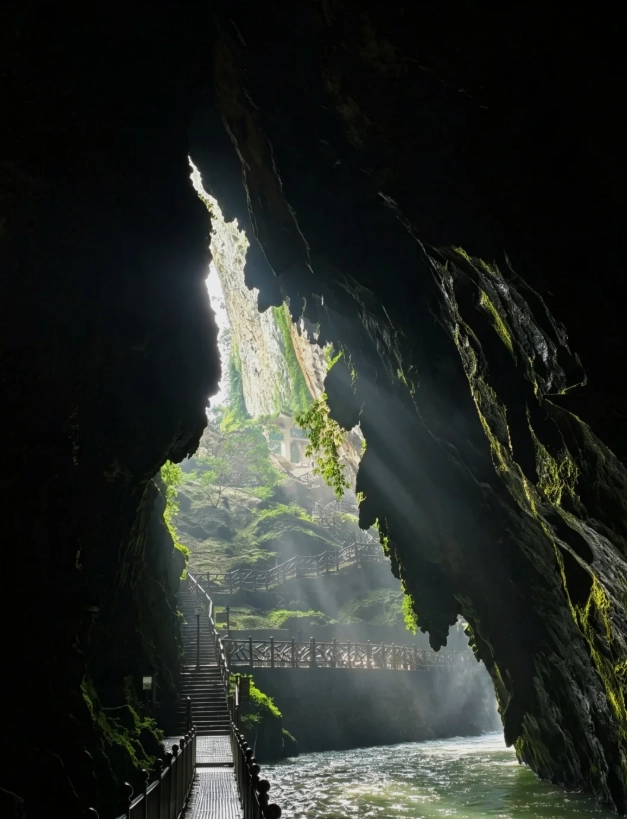
Tickets, real-name registration, and your passport
Every major attraction in Guizhou requires real-name booking with your passport. The easiest path for an English speaker is to book through Trip.com or Klook. The official WeChat mini-programs are usually cheaper but entirely in Chinese. I have watched foreigners hold up the line because they tried to pay with a card at the ticket window. Do not be that tourist.
Before you fly, also verify the latest visa rules on the National Immigration Administration official website. Policies change often, and a routine check saves you from airport panic.
VPN and translation
Google, WhatsApp, Instagram, and almost every Western social app are blocked in China. Install a reliable VPN before you arrive. I also recommend downloading Apple Translate or Baidu Translate with the Chinese pack for offline use. That little bit of preparation turns emergencies into minor problems.
The 7 best places to visit in Guizhou
Each spot on this list works as a standalone trip or a piece of a longer route. Here is how I would spend my time, based on hundreds of days in the province.
Top 1: Huangguoshu Waterfall
Standing on the viewing platform feels like getting hit by a warm rainstorm. The waterfall drops 77 meters, and the spray reaches you 200 meters away. This is the largest waterfall in Asia, and it earns every bit of its fame.
Getting there: From Guiyang North Station take a high-speed train to Anshun West (about 30 minutes). Then catch a local bus or DiDi to the Huangguoshu Visitor Center — allow 40 minutes. Signs are clear even if your Chinese is zero.
Entry costs around ¥160, including the sightseeing bus between the three sub-spots. Your passport must match the ticket, so book ahead with Trip.com or get your hotel in Guiyang to help you on WeChat.
I always tell my clients: get inside before 9am. Tour groups flood in from 10:30, and the walkways clamp shut. In summer, the road below the Water Curtain Cave gets soaked — grab a ¥5 plastic poncho from the store near the entrance, not from the mob of vendors at the gate.
Pro Tip: Most tourists board the shuttle to the last stop and miss the middle stretch. Walk the flat 2km trail from the Glass Bridge parking area to the main drop. You will see the waterfall from underneath with almost no one around.
If you plan to do Longgong Cave on the same day, do Longgong first. It takes less physical energy, and Huangguoshu deserves your legs when they are fresh.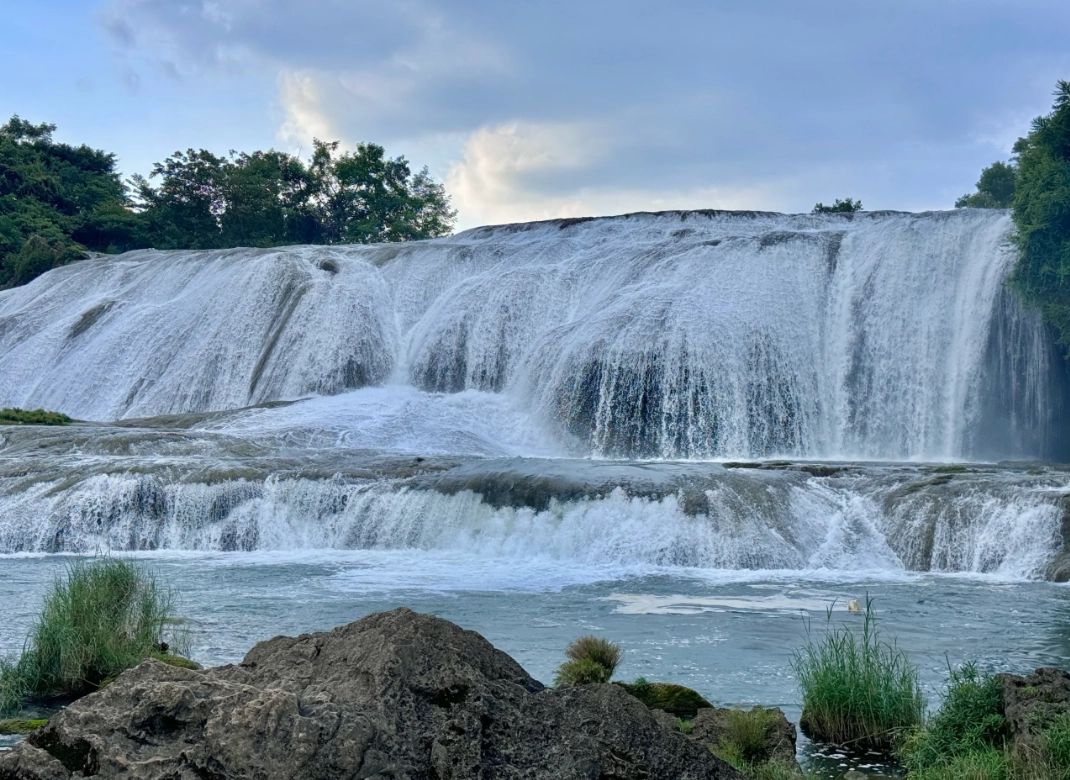
Top 2: Fanjingshan
Fanjingshan is a UNESCO World Heritage site — the natural pyramid of Mount Fanjing. It is the highest peak of the Wuling Mountains, but for me the best part is the silence between the Buddhist temples perched on the summit.
The climb starts near Tongren. You need two things: a strong pair of knees and a pre-booked ticket. The park caps daily numbers, so I book at least 48 hours ahead using the official WeChat or Trip.com. Entry is about ¥120, and the cable car adds another ¥100 each way.
Getting here: high-speed train from Guiyang to Tongren South (about 1.5 hours), then a private shuttle or taxi for the remaining hour. The last 3km of switchbacks will make you queasy if you sit in the back. Be careful.
The summit splits into two peaks, with a temple on top. The narrow ridge between them is called the Sky Walk, and it is terrifying and glorious at the same time. I have hiked it in fog where I could not see my own boots. If the weather app calls for rain or thunder, change your plan. The park closes the inner trails, and you are left with a wet mountain and no view.
Insider detail: take the cable car up, then walk down if your knees allow. The walk takes about 2 hours and passes mossy forest that smells like wet stone. You might see a golden monkey, although honestly I see more monkeys near Macaque Rock at the entrance than anywhere else.
Fanjingshan sits at 2,570 meters above sea level. Even in summer bring a fleece; the summit can hover around 10°C.
For a deeper read, the UNESCO World Heritage Centre describes why this remote karst peak is globally important.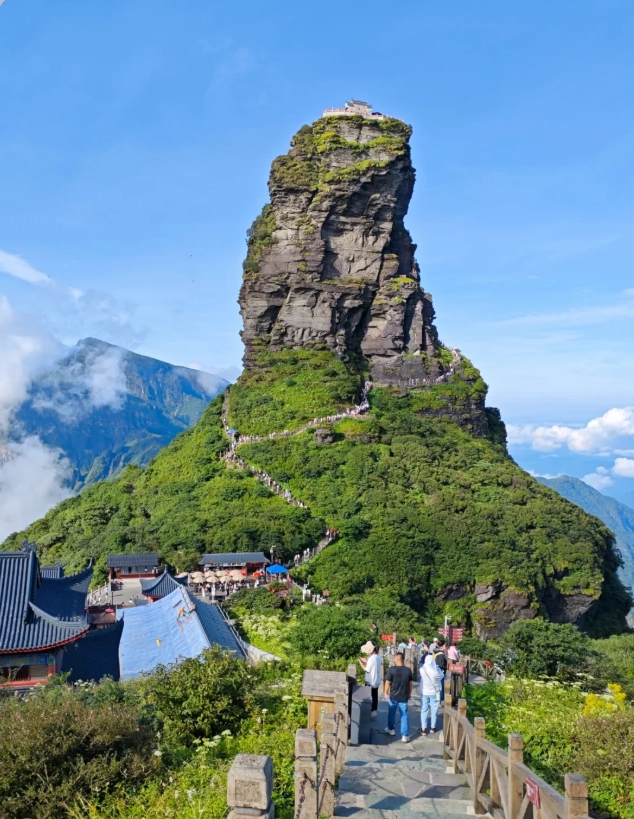
Top 3: Xijiang Qianhu Miao Village
Xijiang Qianhu Miao Village is one of the largest Miao communities in China, and the night view from the observation deck is the postcard image of Guizhou. Thousands of dark wooden roofs glow with warm lanterns. It is beautiful. It is also a tourist stage — and that is fine if you know what to expect.
Expect an entry ticket around ¥90, with a sightseeing bus ride to the entrance. Photographers will love the lake reflection at dawn, but you need to stay overnight. Day-trippers are gone by 6pm, and the village returns to something quieter.
Getting there: from Kaili, take a bus or minibus to the village gate, about 1 hour. From Guiyang, it is a longer 3-hour drive, so many visitors base themselves in Kaili or make it a stop on the way to Zhenyuan. The village is not wheelchair-friendly; steep stone stairs are the only way in many parts.
I always tell clients to skip the staged song-and-dance performance if time is short. Instead, walk up the east side after dinner when the tour groups have left. You will pass residents cooking on wood stoves and hear Miao songs from open windows. That quiet is more moving than any stage show.
One honest warning: craft shops sell the same mass-produced items as every Chinese tourist town. Do not buy silver jewelry here — much of it is not local silver. Taste the sour fish soup, though. The fermented tomato broth is a proper Miao specialty.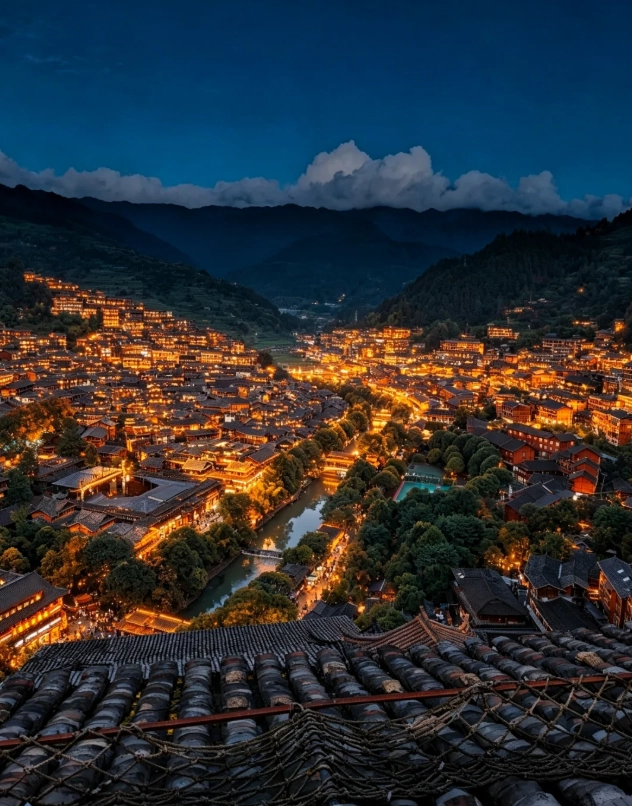
Top 4: Zhenyuan Ancient Town
Zhenyuan Ancient Town is my resting spot — a 2,000-year-old town squeezed between green hills and the Wuyang River. There is no jaw-dropping sight; the beauty is in the stilt houses, the stone lanes, and the ferry that crosses the river every few minutes.
Entering the old town is free. You pay only for specific attractions like Qinglong Cave (a temple complex on a cliff) or a boat ride. A ferry crossing costs about ¥2, and you will use it more than you expect.
Getting there: a direct bus from Guiyang's East Station takes about 3 hours, or check 12306.cn for train options between Guiyang and Zhenyuan. The old town is walkable; one night here is enough.
I recommend staying in a riverside guesthouse and asking for a room facing east. The sun on the water at 7am, before the town wakes up, is worth every penny.
There is a reason local guides call it 'the poor man's Phoenix'. You get the classic stilt-house scene without the crowds of Hunan's Phoenix Town. Yes, it is less polished, but that is why I send clients here.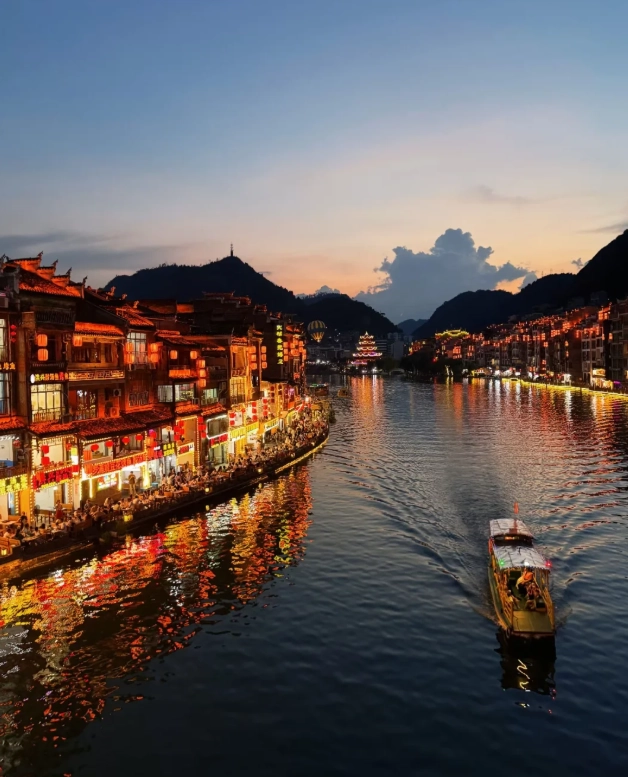
Top 5: Libo Xiaoqikong
Xiaoqikong, or 'Seven Arch Bridge', is the postcard of Guizhou — the water is so green it looks Photoshopped. This is part of the South China Karst UNESCO property, and the walk between the stone bridge and the karst forest is one of the most photogenic trails in the country.
Entry is roughly ¥120. The sightseeing shuttle inside costs extra. Bring a rain jacket — the trail runs beside waterfalls, and you will get mist.
Getting there: Libo sits between Guiyang and Guilin, which makes it a smart stop on a southern China route. The nearest high-speed station is Libo East, about 40 minutes from Guiyang, then a bus or taxi to the park for about 30 minutes. I love this park because it is not as crowded as Huangguoshu, except on weekends. Go on a weekday if you can.
Do not make the same mistake I made the first time: take the shuttle to the last stop, then hike downhill from the Seven Arch Bridge to Dragon Lake. Less climbing, same beauty.
Pro Tip: The park is huge. Budget at least 5 hours — the average person walks about 15km. The elevation change is not huge, but wet wooden steps get slippery. Waterproof boots are non-negotiable.
Top 6: Longgong Cave
Longgong Cave is a limestone cave you tour partly by boat. Floating through a dark chamber lit by colored lights feels like an amusement park ride, but the geological scale is real. The cave sits about 30 kilometers from Huangguoshu, which is why the two often share a day.
Entry is about ¥100, including the first boat ride. The cave is open year-round, but the underground river is fullest after rain.
Honest opinion: if you have only 7 days in Guizhou, I would drop Longgong to save energy. If you have more, combine it with Huangguoshu because they are so close. You will not need more than 3 hours.
Getting there: there is no direct bus from Anshun, but a DiDi from Huangguoshu costs around ¥50 and takes half an hour. Share it with other tourists from your hotel. The cave path involves multiple stairs; it is not suitable for wheelchair users.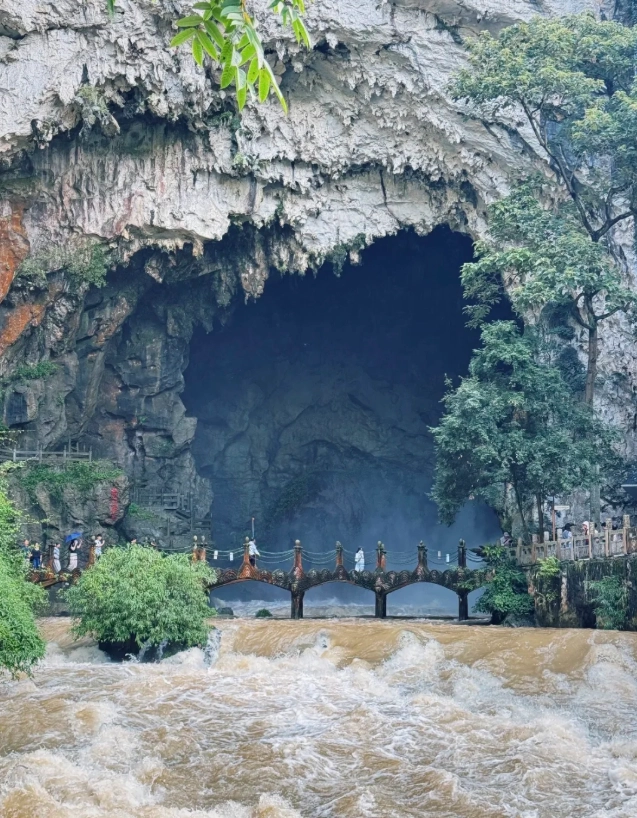
Top 7: Guiyang City
Guiyang is the capital that everyone tells you to skip — and they are wrong. Take one day to eat, wander, and recover. The city sits at 1,100 meters altitude, which gives it a spring-like feel in summer. Locals call it the 'Cool Capital of China', and it is genuinely comfortable in July.
Top things in the city: Jiaxiu Tower, the night market on Erqi Road, and a slow walk along the Nanming River. Tickets for Jiaxiu Tower are around ¥10. The night market is free to wander, and you can eat like a king for ¥40.
Getting there: Guiyang is the main transport hub, with direct high-speed trains to Anshun, Kaili, Tongren, and Libo. If you are flying in, your first move will probably be to Guiyang North Station to catch a train onward.
My favorite bite in Guiyang is the sour fish soup (酸汤鱼), a Miao-Han fusion dish that is aggressively sour, spicy, and addictive. Search '老凯里酸汤鱼' on AMap and you will find a branch near the city center. Tell the waiter you want it 'less spicy' — even the mild version will burn.
One reality check: Guiyang's sidewalks are often under construction. Be ready to step into the road for a block. It is annoying, but the street food makes up for it.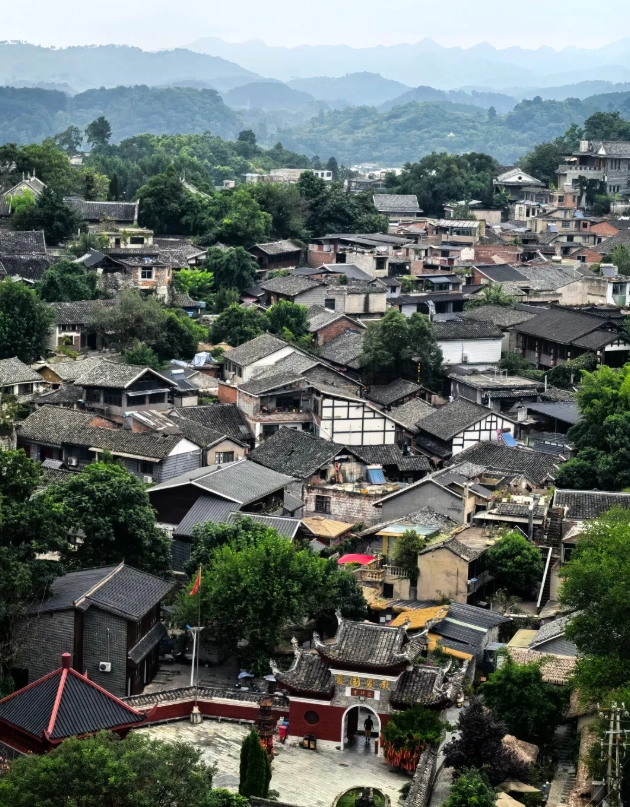
How to turn these 7 spots into a smart itinerary
Here is the big-picture loop I use with friends and family: Guiyang → Anshun (Huangguoshu + Longgong) → Guiyang → Libo → Kaili (Xijiang) → Zhenyuan → Fanjingshan → Guiyang.
That looks like backtracking, but the high-speed rail network funnels everything through Guiyang. Do not try to drive directly from Anshun to Libo unless you have a full day and a strong stomach. The train connections are faster and more comfortable.
An 8-day version: Day 1 arrive in Guiyang and eat well. Day 2 train to Anshun, play at Huangguoshu, sleep in Anshun. Day 3 morning at Longgong Cave, afternoon train back to Guiyang, then continue to Libo (train). Day 4 explore Libo Xiaoqikong. Day 5 train to Kaili, then shuttle to Xijiang Miao Village. Day 6 travel to Zhenyuan, sleep there. Day 7 go to Fanjingshan, return to Guiyang in the evening. Day 8 leave.
If you only have 5 days, drop Longgong and Guiyang city entirely. Spend those extra hours in Libo and Fanjingshan.
For every long-distance train leg, use the official 12306.cn website to check the schedule. Book high-speed rail at least 24 hours ahead during weekends.
Quick questions travelers ask about Guizhou
Editorial note
Verified and fact-checked by the editorial team to ensure informational precision.





No comments yet.