 Qiang Huang
Quick Look at What's Inside
- Why These Are the Best Places to Visit in Fujian
- How to Plan Your Fujian Trip Without the Stress
- Top Attractions in Fujian You Can't Miss
- What Is the Smartest Way to Get Around Fujian?
- Where to Stay in Fujian: A Quick Comparison
- What to Eat in Fujian: A Local's Palate
- Insider Tips to Save Money and Beat the Crowds in Fujian
- FAQ: Your Fujian Trip Questions Answered
Stop scrolling through generic listicles. I'll cut straight to the chase. After hundreds of trips with travelers from all over the world, these are the places I'd actually take my own friends to in Fujian. The secret? Skip the crowded buses, go early, and let the locals point you to the good stuff.
Forget trying to see every temple and mountain. Fujian rewards slow travelers. In this guide, you'll get my honest picks for the best places to visit in Fujian — plus the exact pitfalls I've watched tourists stumble into, from overpriced ferry tickets to missing the last train out of the tulou.
Here's the bottom line up front: the best places to visit in Fujian aren't all in one guidebook. They're in the old lanes of Quanzhou, the misty peaks of Wuyi, and the creaky wooden floors of thousand-year-old earth buildings. Block out at least a week, and you'll thank me later.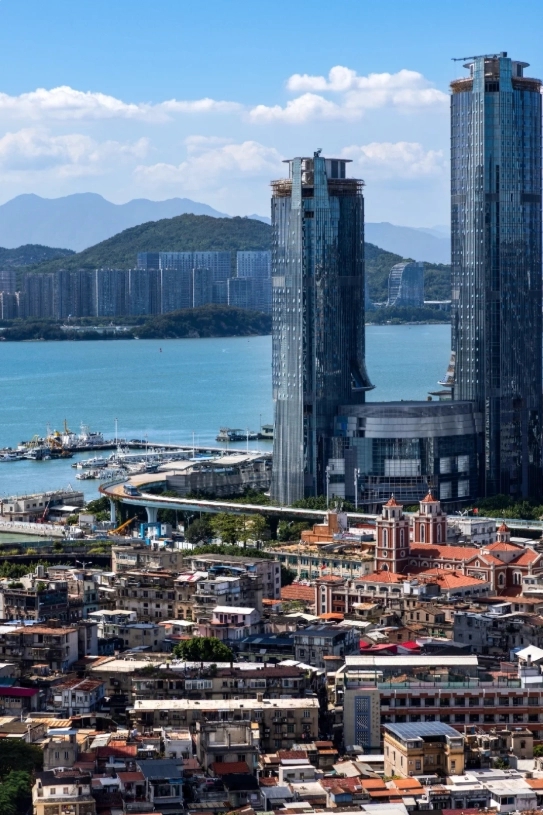
Why These Are the Best Places to Visit in Fujian
Fujian is one of China's most underrated provinces. It has 3,700 kilometers of coastline, the highest sea cliffs on the mainland, ancient Hakka villages recognized by UNESCO, and one of the most authentic local food scenes I know. But what really makes it stand out is the pace of life — things move slower here, and that's a good thing.
I've brought groups into Xiamen's old town at 7 a.m. when the street vendors are still wiping down their stalls, and the air smells like peanut soup and sea salt. That's the Fujian I want you to see, not the packed tourist version.
How to Plan Your Fujian Trip Without the Stress
Before we dive into destinations, let's sort out the logistics. A little prep saves you from a headache you don't need.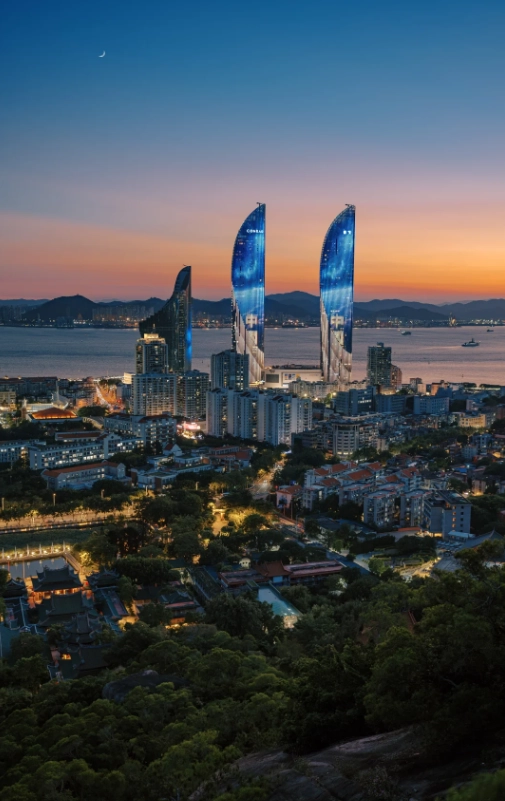
Visa and Entry Requirements
Most foreign visitors to China need a visa, and Fujian is no exception. The good news is that many countries now have visa-free transit policies. For the latest, always check the official info from the National Immigration Administration. I always tell my clients to carry their passport at all times — you'll need it for every hotel check-in and most attraction bookings.
Getting Money and Payment Apps Ready
This is the part that usually shocks new China travelers: cash and credit cards are almost useless for everyday transactions. You'll need Alipay or WeChat Pay, and they need to be linked to your international bank card. Do this before you land — I've seen travelers spend their first hour in a convenience store trying to pay with a credit card while the cashier just shakes her head. Download Alipay, add your card, and you're set for 90% of purchases.
Booking Train Tickets and Attractions
High-speed rail connects all the major spots in Fujian. For train tickets, use the official 12306 website (it has an English version) or platforms like Trip.com. For attractions like Gulangyu ferry or Wuyi Mountain, booking in advance is essential, especially during Chinese holidays. Many attractions require passport-linked tickets. My pro tip: buy via Trip.com or Klook if you find the Chinese booking apps overwhelming. The small service fee is worth peace of mind.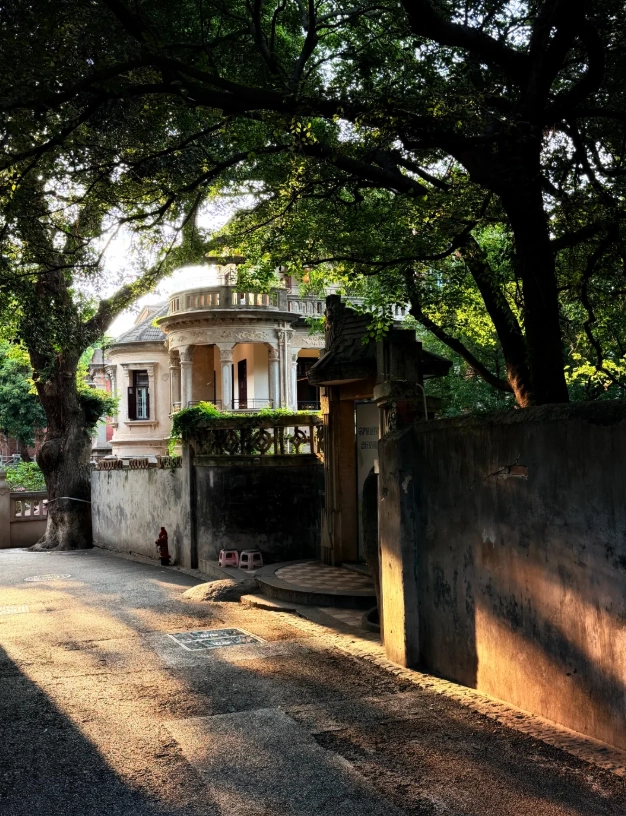
Top Attractions in Fujian You Can't Miss
Here's a quick reference table of the five highlights I talk about most. Use it to compare, then read on for the details that actually make your trip smoother.
| Attraction | Adult Ticket | Hours | Best Time to Visit | Suggested Time |
|---|---|---|---|---|
| Xiamen City | Free | 24/7 | Early morning or sunset | 2-3 days |
| Gulangyu Island | Ferry ~35 RMB round trip | Ferries 7:00-18:30 | Take the first ferry | Half-day |
| Fujian Tulou | ~90-100 RMB | 8:00-17:30 | Weekday mornings | 1 day |
| Mount Wuyi | ~395 RMB combo | 6:30-17:00 | Spring and autumn | 2 days |
| Quanzhou Old Town | Mostly free | Various | Mornings | 1 day |
Note: Prices and hours change seasonally. Always confirm on official channels before you go.
Xiamen City: Where Urban Energy Meets the Sea
Xiamen is my usual starting point for Fujian itineraries. It's clean, walkable, and has a coastline that looks straight out of a postcard. The real charm is in the small lanes around Zhongshan Road, where you'll find century-old architecture and little snack stalls that haven't changed in decades.
I always bring clients to the Round-the-City Island Road (Huandao Lu) for a sunset walk. It's a 43-kilometer stretch with a designated bike path. Grab a shared bike, ride from the university to the Pearl Beach, and you'll see why locals call this their living room. Avoid the midday heat — the UV here sneaks up on you.
Getting to the old town is easy. Take Metro Line 1 to Zhenhai Road Station, exit at Gate C, and walk south for about 8 minutes. You'll pass the famous Muslim street snack area before hitting Zhongshan Road. If you need to show your passport for a hostel booking, keep it handy.
Gulangyu Island: A Car-Free Escape (But Book That Ferry)
Gulangyu is a tiny island off Xiamen that's a UNESCO World Heritage site. Cars are banned, so the island feels frozen in the 1920s — shady alleys, colonial villas, and 200-year-old banyan trees. The downside? It's one of China's most popular weekend escapes, so it gets absolutely crammed.
The only way in is by ferry from Dongdu International Cruise Terminal (for foreigners) or from the Zhongshan Road ferry terminal (for locals). Yes, there's a difference. Foreigners usually need to go to Dongdu. I once saw a couple wait an hour in the local queue, only to be turned away — that mistake burned 2 hours of their day.
Buy your ferry ticket online at least a day ahead if you can. The ticket includes a return trip; don't lose it. On the island, skip the crowded Sunlight Rock viewpoint and instead walk toward the back side near Gangzihou Beach — that's where the peace is. Carry water, because island prices are double.
Fujian Tulou: Step Into a Living Fairy Tale
The Fujian Tulou are massive communal homes built by the Hakka people — some are over 700 years old and still inhabited. They're circular or square, with dozens of rooms built around a central courtyard. The most famous clusters are in Nanjing County and Yongding County, both reachable from Xiamen or Fuzhou.
Here's where many guides go generic. My advice: stay overnight at a tulou homestay. Yes, the bathrooms are basic, but you'll have the courtyards to yourself after the day-trip buses leave at 4 p.m. I'm talking about sitting in a 600-year-old wooden balcony with a cup of oolong, watching the sun hit the rooftops. That's a memory.
If you only have a day, choose one cluster — do not try to see both Nanjing and Yongding in the same day. You'll spend 5 hours in a bus. The best-preserved cluster is Tianluokeng (Nanjing), often called the "Four Dishes and One Soup" for its layout. Tickets are around 90 RMB; remember to bring your passport.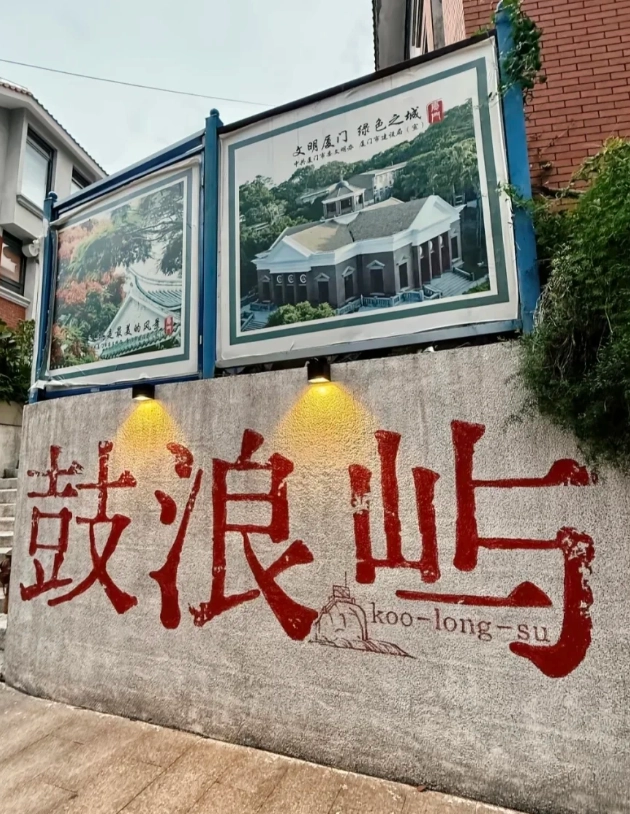
Mount Wuyi: Nature's Masterpiece (and a Stiff Climb)
Mount Wuyi, a UNESCO World Heritage site, is not as touristy as Huangshan or Zhangjiajie, but it's just as jaw-dropping. The highlight for me is the Nine-Bend River Bamboo Raft Ride — a 2-hour float through sheer cliffs and tea plantations. It's calm, and the boatmen tell silly puns in Chinese. Tip the boatman at least 20 RMB and he'll slow down at the best photo spots.
The "Heavenly Tour" hiking trail to the top of Tianyou Peak is steep — 1,500 steps. I've seen athletes winded, so pace yourself. There's a less known route starting from the Wuyi Palace which winds up more gradually. I usually take my older clients that way. The entrance combo ticket (used to be ~395 RMB) includes the shuttle buses and the raft ride, but you must reserve a spot for the raft — slots fill up weeks ahead during spring. Check the official booking app or have your hotel help you.
Plan two nights here. One full day for the river raft and one for the hiking. The nearest airport is just a short flight from Shanghai, but you can also take the high-speed rail to Wuyishan North Station and grab a bus.
Quanzhou: The Maritime Silk Road's Sleeping Giant
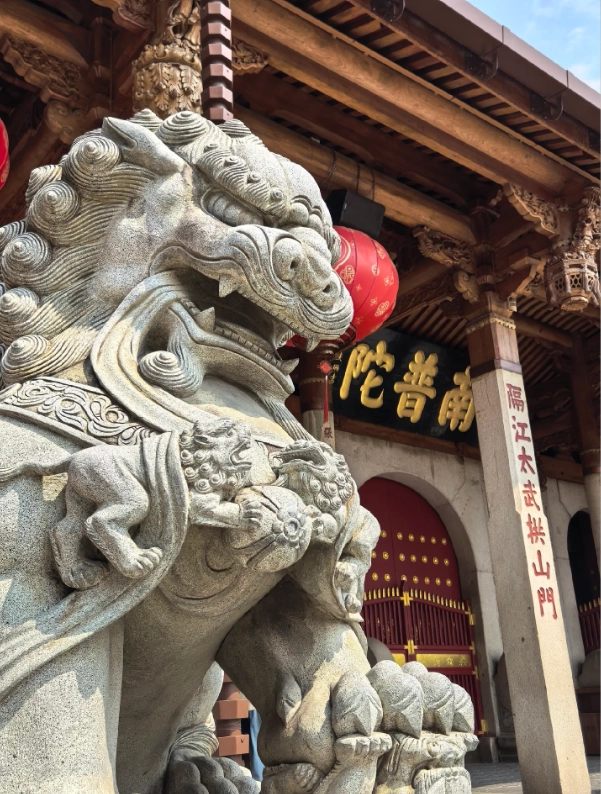
Quanzhou is often skipped, but it's a historical treasure. In the 14th century, this was one of the busiest ports in the world — Marco Polo called it "Alexandria of the East." Today, you'll find a stunning mix of temples: Buddhist, Taoist, Confucian, and Islamic — all standing within a few streets of each other.
The highlight is the Qingjing Mosque, built in 1009, and the adjacent Confucian Temple. Both are free and peaceful. I love walking the old Wudian City area, where local old-timers play chess on stone tables. It's a photographer's dream, but be polite — ask permission before taking portrait shots.
Getting to Quanzhou from Xiamen is a 1.5-hour high-speed rail ride. Make it a day trip, or combine with a stop at the Chongwu Ancient City (an old stone fortress with a beach). Eat at the local night market for xiaochi (small bites) — the oyster omelet and mifen are worth the trip.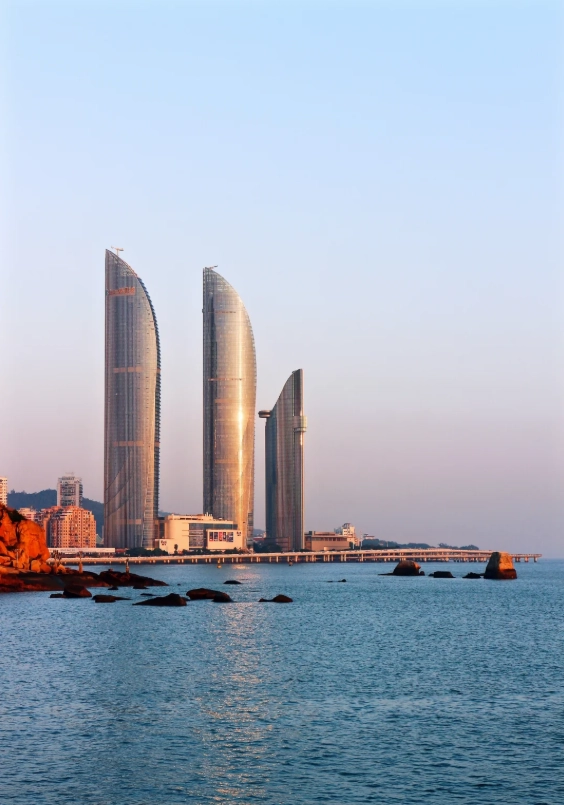
What Is the Smartest Way to Get Around Fujian?
Fujian's high-speed rail is the backbone of any good itinerary. It connects Xiamen, Fuzhou, Quanzhou, and Chongwu quickly. Here's my usual recommendation based on distance and your budget:
| Route | Fastest Option | Travel Time | Approx. Cost (Second Class) |
|---|---|---|---|
| Xiamen to Quanzhou | High-speed rail | 35 min | ~80 RMB |
| Xiamen to Fuzhou | High-speed rail | 1.5 hrs | ~120 RMB |
| Xiamen to Wuyishan | High-speed rail | 3 hrs | ~250 RMB |
| Xiamen to Tulou (Nanjing) | Bus or private car | 3 hrs | ~50 RMB bus |
For remote areas like Tulou or mountain villages, renting a private car with a driver for the day is the most flexible. Expect to pay around 500-700 RMB for an 8-hour hire from Xiamen — more if you cross into other cities. I usually split this among 3-4 people to make it comfortable.
Driving yourself is possible but not recommended for non-Chinese speakers — the signage is bilingual in larger cities but sparse in rural areas. I've seen tourists take 3 wrong turns just trying to leave the airport.
Where to Stay in Fujian: A Quick Comparison
Choose your base wisely. The best area in Xiamen for tourists is around the Zhongshan Road Pedestrian Street or near Zengcuo'an Village (a seaside artsy village). For Wuyi, stay in Wuyishan City near the scenic area. The table below compares typical options:
| Area | Style | Approx. Price Ranges | Best For |
|---|---|---|---|
| Zengcuo'an, Xiamen | Hostels & boutique guesthouses | 150-400 RMB/night | Backpackers, couples |
| Zhongshan Road, Xiamen | Mid-range hotels | 300-800 RMB/night | First-timers, families |
| Wuyishan Scenic Area | Resorts & local inns | 250-1000+ RMB/night | Hikers, luxury seekers |
| Nanjing Tulou | Homestays inside the earth buildings | 50-200 RMB/night per bed | Cultural immersion |
Two things to check before booking: is there an elevator? (many old buildings don't have one), and does the property have a stable Wi-Fi? I always message the hotel before booking to confirm Wi-Fi strength and how many floors the room is on. Also, look for places that speak some English — they'll help you with booking taxis and tickets.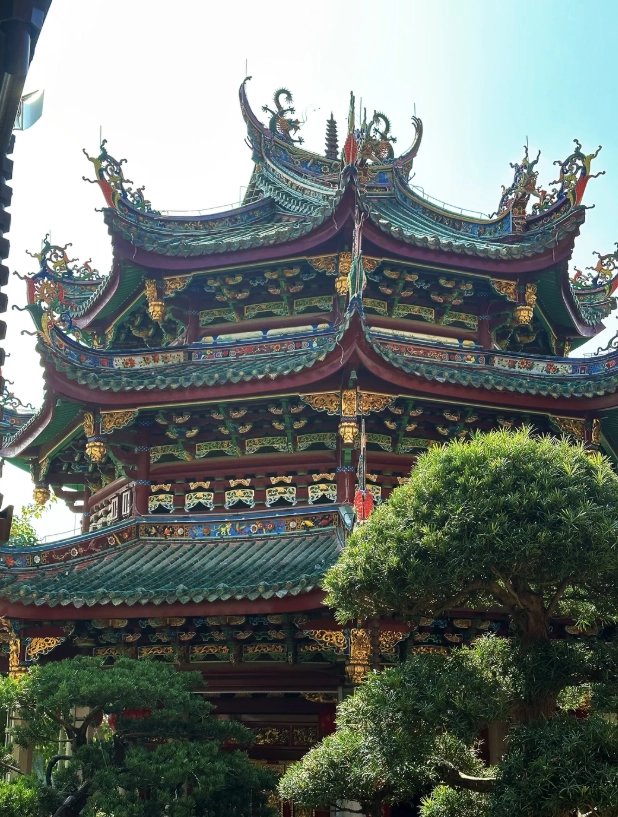
What to Eat in Fujian: A Local's Palate
Fujian food is all about umami and fresh ingredients. The local seafood is incredible, but don't miss these:
- Oyster Omelet (蚵仔煎) — savory, gooey, and perfect with a squeeze of citrus. Find it at any street stall in Xiamen.
- Buddha Jumps Over the Wall — a rich, complex soup with dozens of ingredients. Try it in Fuzhou, not the touristy versions.
- Peanut Soup — a sweet, thick soup that's a breakfast staple in Xiamen.
- Shacha Noodles — dipped in a spicy-sweet satay gravy, from the southern Fujian region.
- Fujian Vermicelli — a light, silky noodle soup with seafood.
For a restaurant recommendation in Xiamen, head to Huang Zehe Peanut Soup on Zhongshan Road. It's a 100-year-old brand. The peanut soup is around 10 RMB a bowl. I always order an extra one to take away — you'll thank me.
Be aware that many small eateries have menus only in Chinese. Use Google Translate camera mode to snap the menu. And cash is sometimes faster, but you can almost always use WeChat Pay. For fine dining, save Yi Jiu Yi (1919) in Fuzhou for your last night — it's a Michelin-starred restaurant showcasing Fujian cuisine. Book a week ahead.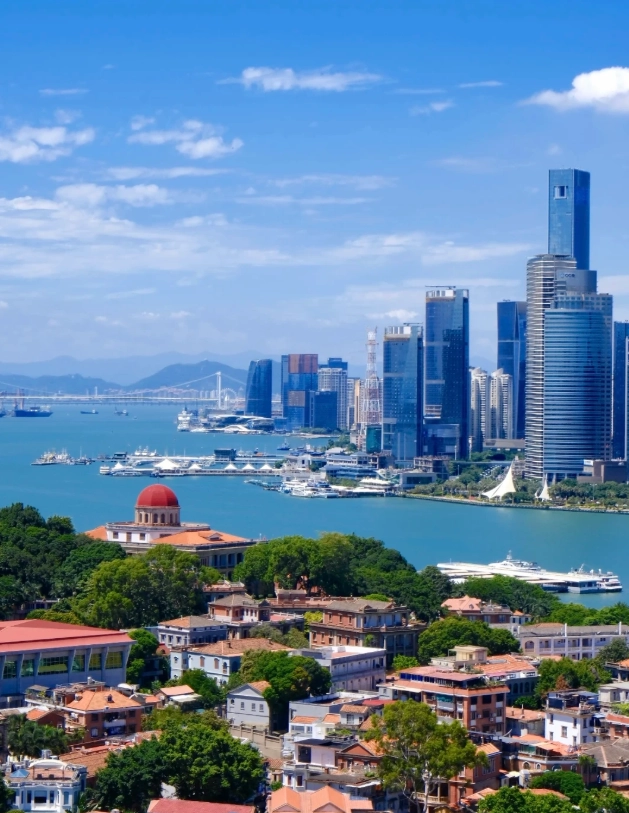
Insider Tips to Save Money and Beat the Crowds in Fujian
Here are a few things I tell every group before they set off:
Pro Tip: Go to the Chinese police station in your first city and register your stay if you're staying at a homestay. It's legally required, and it'll save you problems at the airport when you leave.
Also, accept that Google Maps is blocked. Use Apple Maps or the AMap Global app. I know it's strange saying that, but these are what actually work. Download your offline maps of Fujian before you get into the countryside.
For the ferry to Gulangyu, buy your ticket 24 hours in advance from the official app or Trip.com. On holidays, tickets sell out days ahead. If you arrive late, you can still walk around the island at night, but the ferries stop at 18:30 — I've had to rush a couple back before the last boat.
The Tulou area is 2-3 hours from Xiamen. It's tempting to squeeze it into a half-day trip, but don't. There is no short path from the bus stop to the actual buildings — you'll walk at least 30 minutes on uneven paths. Stay at least one night to see the sunrise over the rice terraces.
FAQ: Your Fujian Trip Questions Answered
This content has been fact-checked to ensure informational precision.






No comments yet.