 Hui Lin
Quick Guide to Inner Mongolia's Highlights
- Why Inner Mongolia Deserves Your Attention
- 1. Hulunbuir Grassland
- 2. Singing Sand Bay
- 3. Mausoleum of Genghis Khan
- 4. Arshan National Forest Park
- 5. Dazhao Temple
- 6. Manzhouli Border Town
- 7. Ejina Populus Euphratica Forest
- How to Get Around Inner Mongolia
- Practical Travel Tips for Foreigners
- FAQs About Inner Mongolia
You've seen the photos. Endless green under a blue sky. But as I watched tourists pile off the bus at Hulunbuir last summer, I knew most would miss the real magic. The best spot isn't where the tour groups stop. It's a short walk past the restrooms—trust me, I've guided dozens of travelers there. This guide cuts through the noise and shows you exactly what to see, how to avoid the crowds, and how to handle the tricky part of traveling in China: payments, apps, and language barriers.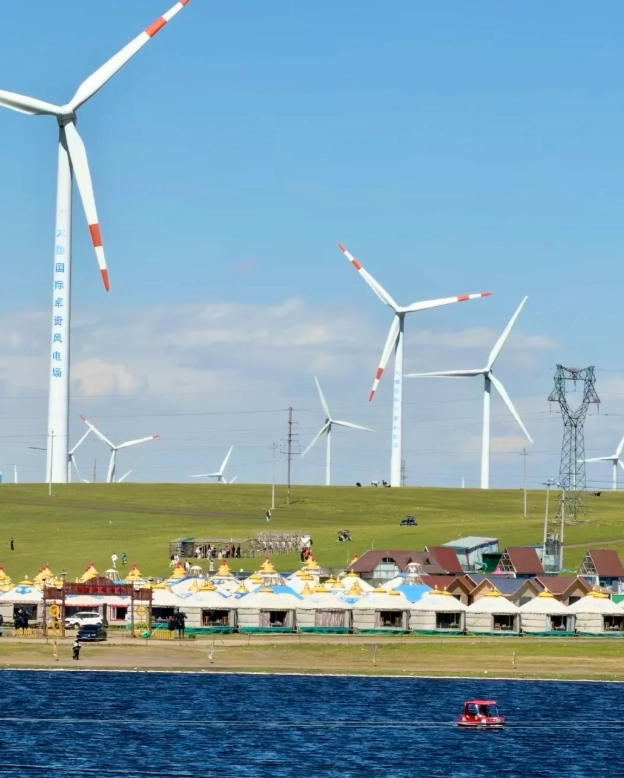
Why Inner Mongolia Deserves Your Attention
If you think China is all about skyscrapers and ancient temples, wait until you stand in the middle of a grassland that stretches to the horizon. Inner Mongolia is China's grand expanse of nature—rolling pastures, vast deserts, and a rich nomadic culture that thrives alongside modernity. I've spent years guiding visitors here, and every time they leave with the same awe. It's not just a destination; it's a feeling of freedom you won't find anywhere else in China.
But here's the catch: planning a trip here can be overwhelming. Distances are huge, public transport is sparse, and most information online is either in Chinese or painfully outdated. That's why I've put together this practical guide—to save you from the headaches I've seen too many travelers face.
1. Hulunbuir Grassland: The Crown Jewel
When most people say "must see in Inner Mongolia," they mean Hulunbuir. It's the ultimate example of China's wild beauty—waves of green that roll into the horizon, dotted with yurts and grazing horses. I've been here at least twenty times, and it never gets old.
How to Get There
Fly into Hailar Airport (HLD) in Hulunbuir city. From the airport, it's a 30-minute drive to the main grassland area. I always advise hiring a driver for the day—you can find one at the airport for around 500-800 RMB, but negotiate hard. Alternatively, book a local tour via an English-friendly platform like Trip.com; it's pricier but saves you the hassle.
Key Spots and Timing
Most tourists head straight to the Moli River scenic area, but I prefer the lesser-known Moergele River viewpoint. It's quieter, and the sunrise there is pure gold. Arrive before 10:00 AM to avoid the tour buses. The afternoon light is harsh, so bring sunscreen—I've seen too many sunburned travelers who underestimated the high altitude.
Insider Advice: Don't ride the horses at the main tourist stalls. Instead, ask your driver to take you to a family-run nomad camp a bit further inland. It's more authentic, cheaper (around 100 RMB for a half-hour ride), and you'll get a real taste of Mongolian hospitality.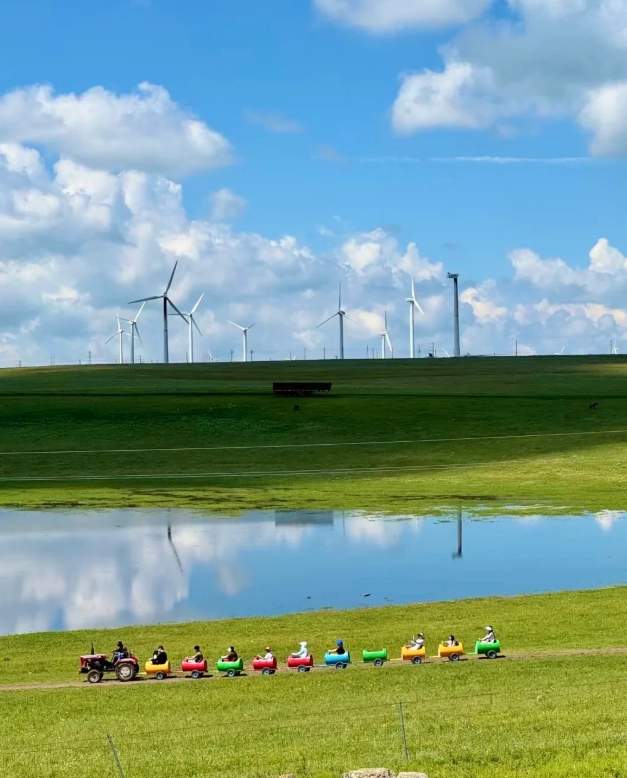
2. Singing Sand Bay: A Desert That Sings
Just outside the city of Ordos, Singing Sand Bay (Xiangshawan) is a surreal desert experience. The sand here makes a humming sound when you slide down—hence the name. It's a geological oddity that feels almost magical, especially when the wind picks up.
Practical Information
The scenic area has a large resort complex. Entrance tickets are around 80-120 RMB, but you'll likely want the combo package that includes camel rides and sand sledding (approx. 250 RMB). As of my last visit, you can buy tickets on-site or via WeChat, but the on-site queues can be long—book ahead on Trip.com to skip the line. Remember to bring your passport for verification.
Pro Tip: The desert is scorching between 12 PM and 3 PM. Arrive at 4 PM when the sand has cooled down and the light turns golden. You'll have the dunes almost to yourself for that money shot.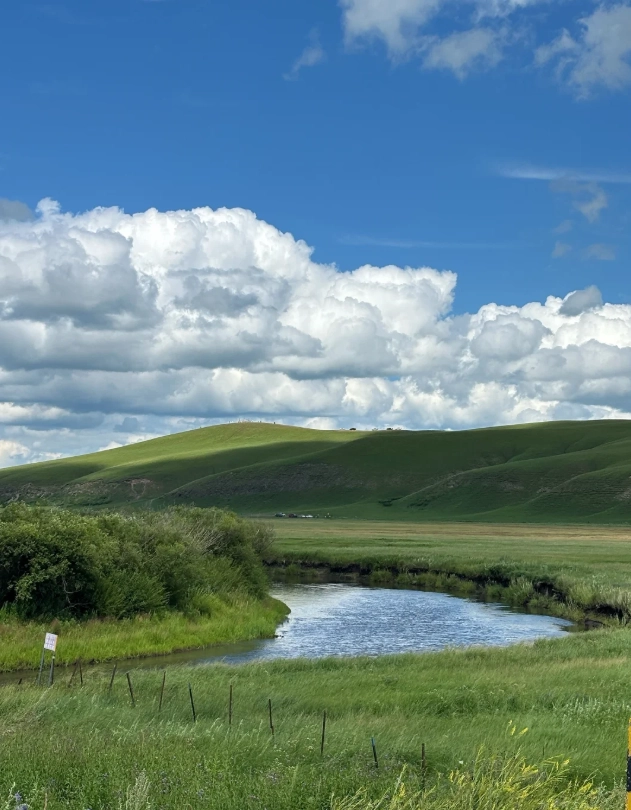
3. Mausoleum of Genghis Khan: A Pilgrimage to History
Genghis Khan may have been buried in secret, but his mausoleum in Ordos is a sacred site passed down through generations. It's not just a tomb—it's a palace complex honoring the Mongol Empire's founder. I've brought history buffs here, and even the most skeptical were moved by the solemnity.
What to Expect
The complex includes several halls with murals and artifacts. Entrance is about 80 RMB. Allow at least 2 hours. The site is open from 8:00 AM to 5:30 PM in summer, but it's wise to verify current hours on the official channel. Given its importance, the UNESCO heritage listing is not active, but the government protects it as a key cultural site. For visa-related travel rules, check the National Immigration Administration before you go.
Getting There
It's a 30-minute drive from Ordos city center. Taxis are easy, but I recommend hiring a car for the day to combine with Singing Sand Bay—they're on opposite sides of the city, so plan your route carefully to avoid backtracking.
4. Arshan National Forest Park: Volcanic Wonders
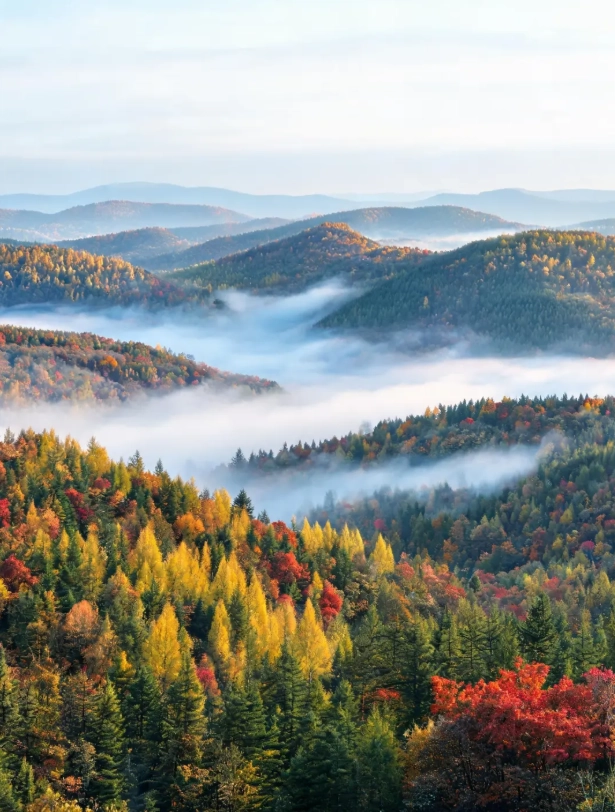
Most people skip Arshan, but that's a mistake. Nestled in the Greater Khingan Mountains, this park is a lush wonderland of volcanic lakes, hot springs, and dense pine forests. It's especially stunning in autumn when the larches turn gold, but it's beautiful year-round.
Highlights
The Tianchi (Heavenly Lake) is a crater lake that's crystal clear. Unlike other tourist spots, you can hike around it without a crowd. The park is huge—you'll need a full day. Entrance is about 200 RMB (including shuttle buses). I'd suggest staying overnight in the nearby town of Arshan; the hotels are basic but clean, and you'll have access to the park gates early.
Insider Advice: The shuttle bus stops at major viewpoints, but the real hidden gem is the Duo Quan River trail. It's a 2-hour hike that most tourists don't bother with because it's not on the main map. Ask a ranger for directions—they'll point you to the trailhead near the third bus stop.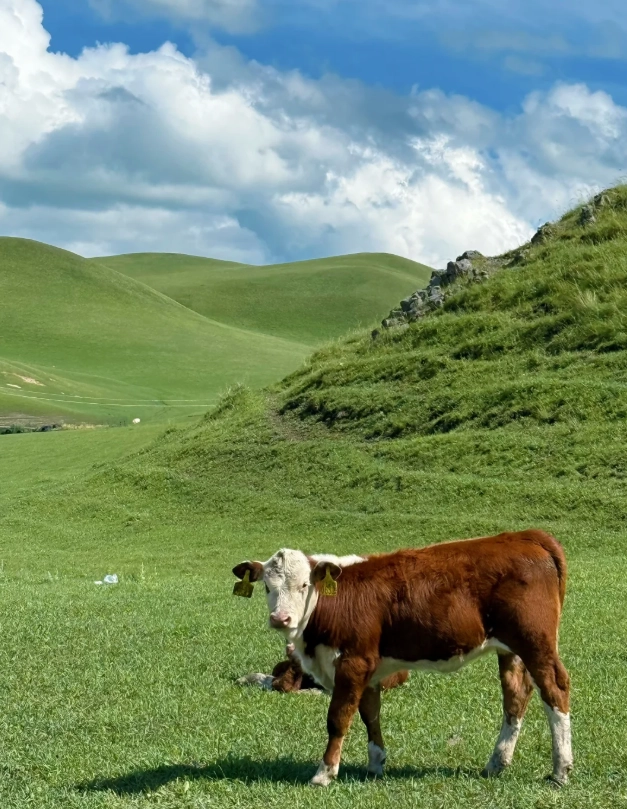
5. Dazhao Temple: A Slice of Tibetan Buddhism
In Hohhot, the provincial capital, Dazhao Temple is a must-see for culture lovers. This 400-year-old Tibetan Buddhist temple is the largest and best-preserved in the region. The silver Buddha statue inside is stunning, and the murals are intricate.
Visitor Info
Admission is 30 RMB. It's open from 8:30 AM to 6:00 PM, but the best time to visit is early morning before the tour groups arrive. The building is compact—you'll be done in about an hour. Interestingly, the temple has a fascinating mixture of Han and Tibetan styles, which reflects the region's multicultural heritage.
Combine it with a stroll around the adjacent Wuliang Temple, and then wander through the surrounding Muslim quarter for a quick lunch. I always bring clients to the small noodle shop next to the temple gates—their hand-pulled noodles are a perfect comfort food after walking.
6. Manzhouli: A Russian-Influenced Border Town
Manzhouli sits at the border with Russia, and it feels like stepping into a different world. Neon-lit Russian-style buildings, huge markets selling Soviet-era knickknacks, and a lively nightlife make this a unique stop. It's a testament to the region's cross-border trade history.
Must-Do Activities
Walk the famous Matryoshka Square, host to the largest set of Russian nesting dolls in the world. Then head to the border gate—you can even see the Russian town of Zabaikalsk from the viewing platform. For foodie travelers, Russian restaurants here serve authentic borscht and pelmeni. I recommend trying the smoked fish from a local vendor near the square.
Getting to Manzhouli is easy: direct trains run from Hohhot (13 hours) and Harbin (3 hours). Booking tickets in advance on 12306.cn is essential, as the route can sell out during peak season.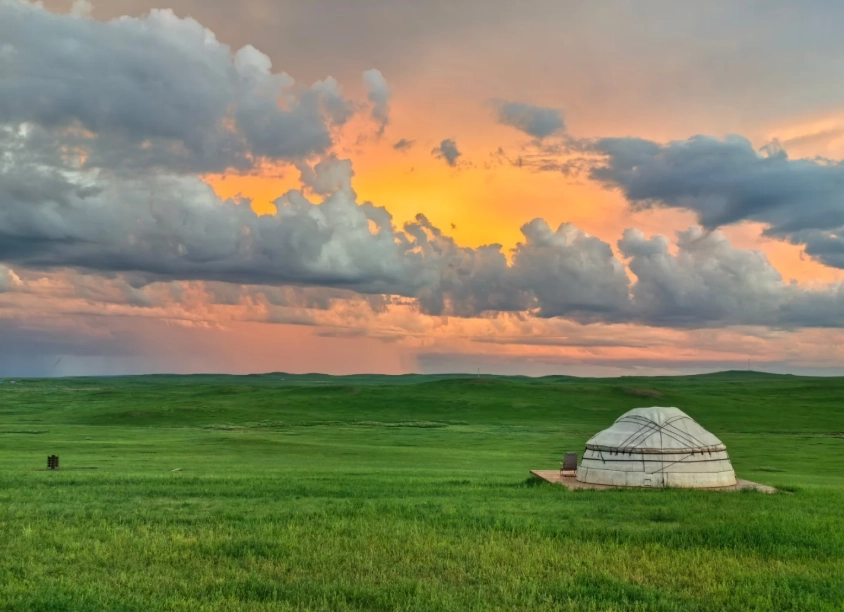
7. Ejina Populus Euphratica Forest: A Golden Dream
Last but not least, the Ejina Populus Euphratica Forest is a seasonal wonder. These trees turn a brilliant gold in autumn, creating a landscape straight out of a fairytale. The best time is the last two weeks of October; outside that window, it's just a forest.
When to Go
Planned your trip between October 15th and 25th? Then this is non-negotiable. The forest is a UNESCO site? Not yet, but it's a protected ecological area. Entrance is around 200 RMB, and you'll need a whole day to explore the four distinct zones. The shuttle buses inside can get crowded, so start early—I'm talking 7 AM. The morning mist over the golden trees is worth the early wake-up call.
Getting to Ejina is a challenge: there's a small airport (EJN) with direct flights from Xi'an and Hohhot in season. Alternatively, take an overnight bus from Jiuquan. It's remote, but believe me, the photos you'll take are permanent bragging rights.
How to Get Around Inner Mongolia
Inner Mongolia is huge, and internal flights are your best friend. The major airports are in Hohhot, Baotou, Ordos, Hailar, and Manzhouli. For short hops, high-speed trains connect Hohhot with Baotou and Ordos, but for everything else, I stick to flights to maximize sightseeing time.
For local transport, taxis are cheap and abundant in cities. Remember to have addresses written in Chinese—show them to the driver or your AI translation app. Here's a quick comparison:
| Route | Best Option | Time | Cost (Approx) |
|---|---|---|---|
| Hohhot to Baotou | High-speed train | 40 min | 36 RMB |
| Hohhot to Ordos | High-speed train | 1 hr | 60 RMB |
| Hohhot to Hailar (Hulunbuir) | Flight | 1.5 hr | 800-1200 RMB |
| Ordos to Genghis Khan Mausoleum | Taxi | 30 min | 50-80 RMB |
If you plan to travel across regions, consider a private driver for 3-4 days—it costs around 1500 RMB per day but gives you ultimate flexibility. I've seen travelers struggle with buses and transfers, and it eats up precious vacation hours.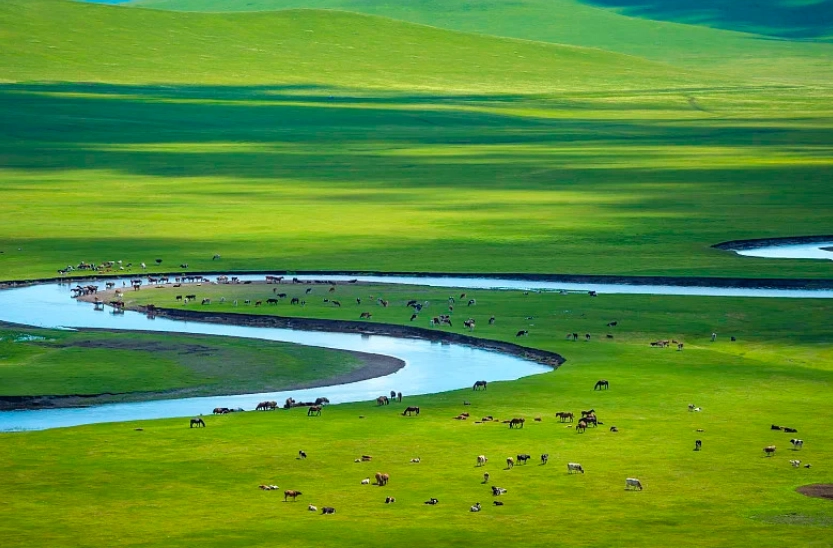
Practical Travel Tips for Foreigners
Now, let me save you some trouble. Here are the truths I wish every visitor knew before arriving:
- Payments: Alipay and WeChat Pay are everywhere. Physical credit cards are rarely accepted outside top-tier hotels. Before you arrive, set up Alipay with your international card and add your passport ID. Have some cash as backup—the Bank of China ATMs usually accept foreign cards.
- Apps: Google Maps won't work reliably here. Download Apple Maps (uses national data) or AMap Global. For translation, use Apple Translate or Baidu Translate. For trains, the official 12306 app has an English interface. For booking attractions, Trip.com or Klook are your allies.
- VPN: Great Firewall is real. If you rely on Gmail, WhatsApp, or Google, set up a reliable VPN before you fly. Otherwise, your trip will be full of offline moments.
- Language Barrier: English is not widely spoken outside tourist hubs. Always have your destinations written in Chinese. Carry a power bank—you'll be using your phone a lot.
- Bathrooms: This is a big one. Many public restrooms in rural areas are squat toilets, often without paper. Always carry tissues and hand sanitizer. I bring a small pack of wipes everywhere.
One thing that surprises most visitors is the cold. Even in summer, nighttime temperatures can dip drastically, especially in grasslands and deserts. Pack a warm jacket. I've seen tourists shivering in shorts at sunset.
For booking flights and hotels, I recommend checking China's official tourism network for extra reliability. The China National Tourist Office sometimes has useful updates.
FAQs About Must See in Inner Mongolia
This content has been fact-checked to ensure informational precision.





No comments yet.