 Hong Ma
Night Escape Map
- Gansu at Night: Stroll Along the Yellow River in Lanzhou
- Gansu at Night: Eat Your Way Through Lanzhou's Night Markets
- Gansu at Night: Take a Cruise to See the Yellow River Light Show
- Gansu at Night: Dive into Dunhuang's Shazhou Night Market
- Gansu at Night: Experience Desert Camping and Star Gazing in Dunhuang
- Gansu at Night: Taste Zhangye's Spicy Street Food
- Gansu at Night: Soak in the Peaceful Ambiance of Xiahe
- FAQ: Your Questions About Gansu at Night
Let me guess — you've booked a trip to Gansu for the history and the landscapes, but no one told you that when the sun dips below the Yellow River, a whole different side of the province wakes up. I've been leading small groups through here for over a decade, and I still get goosebumps watching the lights of Lanzhou's bridges reflect on the water. But here's the catch: without local knowledge, you'll waste time fumbling with payment apps or end up in a tourist trap that charges triple for a bowl of noodles. So, take my hand — I'll show you exactly how to enjoy Gansu after dark, from bustling night markets to silent desert skies, without the rookie mistakes.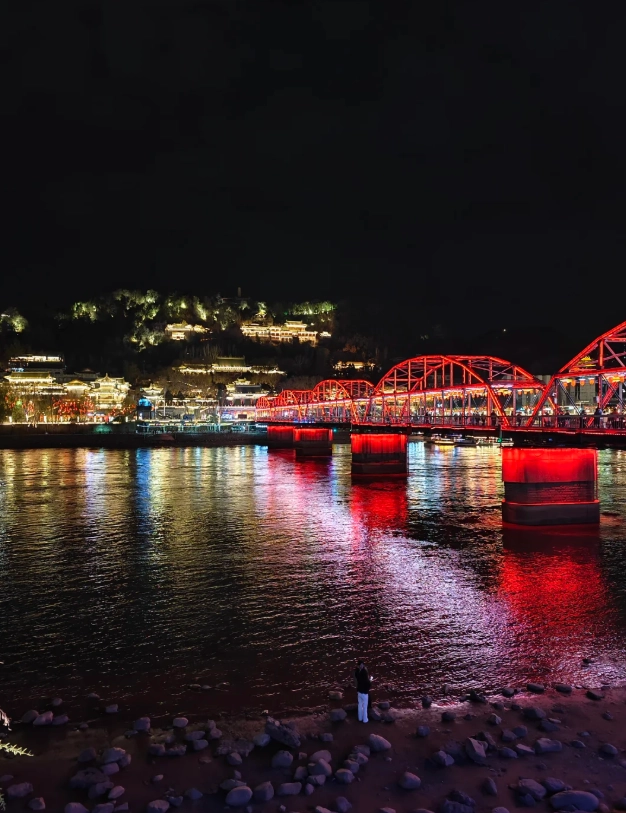
Gansu at Night: Stroll Along the Yellow River in Lanzhou
The most dramatic city skyline in northwest China unfolds at dusk along the Yellow River. Start your evening at the iconic Zhongshan Bridge (also called the Sun Yat-sen Bridge), built in 1909. After sunset, the bridge lights up in gold and blue, and the river becomes a mirror. Walk across the bridge — it takes about 15 minutes at a leisurely pace — and make sure to look westward toward the White Pagoda Hill, which is beautifully lit.
How to get there: Take Metro Line 1 to Xiguoyuan Station, leave from Exit A, and walk north for 8 minutes. In Amap (GaoDe Maps), search for “Zhongshan Bridge” or use the English name “Zhongshan Bridge Lanzhou.” Taxis from the city center cost around 10 RMB if traffic isn't heavy.
Pro Tip: Come at 8:30 PM, right after the evening floodlights turn on but before the 10 PM crowds. I've found the bridge is emptiest between 8:30 and 9:30 — perfect for photos without strangers in your frame.
The riverside promenade (Binhe Road) stretches for miles. You can rent a bicycle from one of the public bike stands, but note that bike parking can be tricky. If you're not into riding, just wander along the pedestrian path — you'll pass outdoor karaoke corners, dancers, and locals selling tea on the grass. It's a slice of Lanzhou life you won't find in any guidebook. Budget at least an hour here.
Gansu at Night: Eat Your Way Through Lanzhou's Night Markets
No visit to Lanzhou at night is complete without hitting the street-food stalls. The most famous is Zhengnin Lu Night Market (正宁路夜市), a narrow lane packed with vendors grilling lamb skewers, frying flatbreads, and simmering the city's legendary milk-egg-rougan (a sweet, warming dessert drink). The market gets chaotic by 7 PM, so be prepared to rub shoulders with locals.
| Night Market | Opening Hours | Must-Try | Price Range | Best For |
|---|---|---|---|---|
| Zhengning Lu Night Market | 6 PM – 2 AM | Lamb skewers, milk-egg-rougan, stir-fried noodles | 20–80 RMB per person | First-timers wanting variety |
| South Gate Night Market | 5 PM – 1 AM | Barbecue, roasted sweet potatoes, hand-pulled noodles | 15–60 RMB per person | Locals, cheaper prices |
My personal ritual: I always stop at stall #57 (the legendary one draped with red lanterns) for a cup of milk-egg-rougan. The vendor has been there for decades, and his version is less sweet, more milky. Don't be shy to point at what you want — most stall owners don't speak English, but they're used to foreigners. Bring small bills or use Alipay/WeChat; cash is accepted but change may be short.
Here's a pain point many tourists miss: international credit cards won't work at street stalls. You'll need Alipay or WeChat Pay tied to your foreign card. If you haven't sorted that yet, download Alipay and add your Visa/Mastercard before you leave for China — it takes 5 minutes. For a backup, carry 200 RMB in cash for emergencies.
Gansu at Night: Take a Cruise to See the Yellow River Light Show
For a magical perspective of Lanzhou's illuminated skyline, hop aboard a river cruise. Several operators run night trips along the Yellow River, passing under bridges lit in neon colors. The boats depart from the dock near the Zhongshan Bridge — you'll see the ticket booth about 100 meters east of the bridge on the south bank.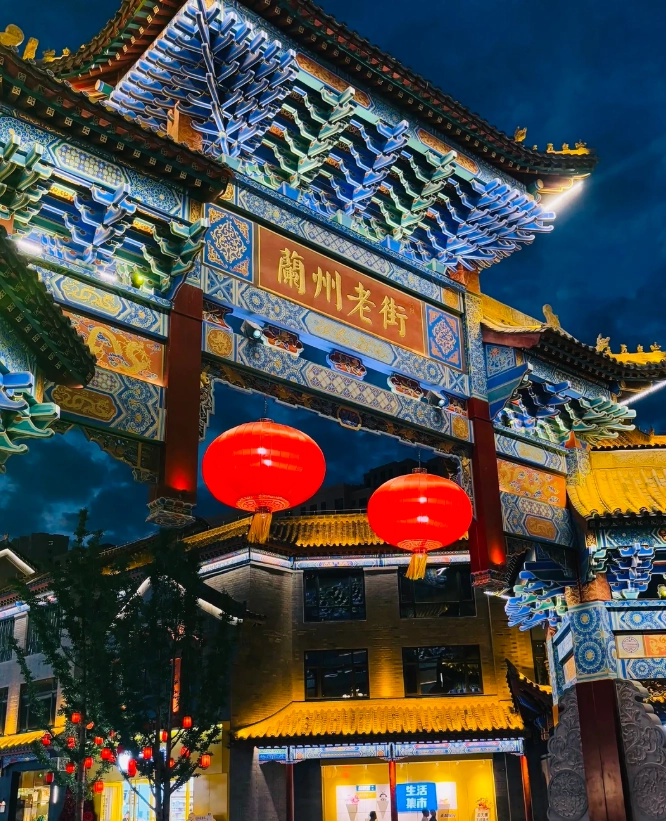
Ticket details: Prices vary, but expect to pay around 100 RMB per adult for a 45–60 minute round trip. Children under 1.2 meters get discounts. Tickets must be bought in person — no online reservations for most operators — but you can avoid queues by arriving 30 minutes before departure. Bring your passport for the ticket purchase; it's required by the security check.
When to go: The light show is most impressive at 9:00 PM, when all bridges and riverside buildings are fully lit. Trips run from 7:30 PM to 10:00 PM nightly, but departures are weather-dependent. If it's raining or windy, confirm with the dock before buying a ticket.
Pro Tip: Sit on the left side of the boat going out (south side on the return) for the best view of the Zhongshan Bridge and the water reflection. I learned this after a hundred rides — the right side gets blocked by the boat's engine housing.
After the cruise, you can walk back along the river path. Taxis are plentiful outside the dock area; a ride to downtown costs about 15 RMB. Don't fall for drivers who quote 50 — insist on the meter or use ride-hailing apps like Didi (the Chinese Uber).
Gansu at Night: Dive into Dunhuang's Shazhou Night Market
Dunhuang's Shazhou Night Market (沙洲夜市) is a sensory overload in the best way. Unlike Lanzhou's hardcore street-food vibe, Shazhou has a mix of food stalls, souvenir stalls, and even calligraphy artists. It's a showcase of Silk Road culture, and it's compact — perfect for a two-hour evening stroll.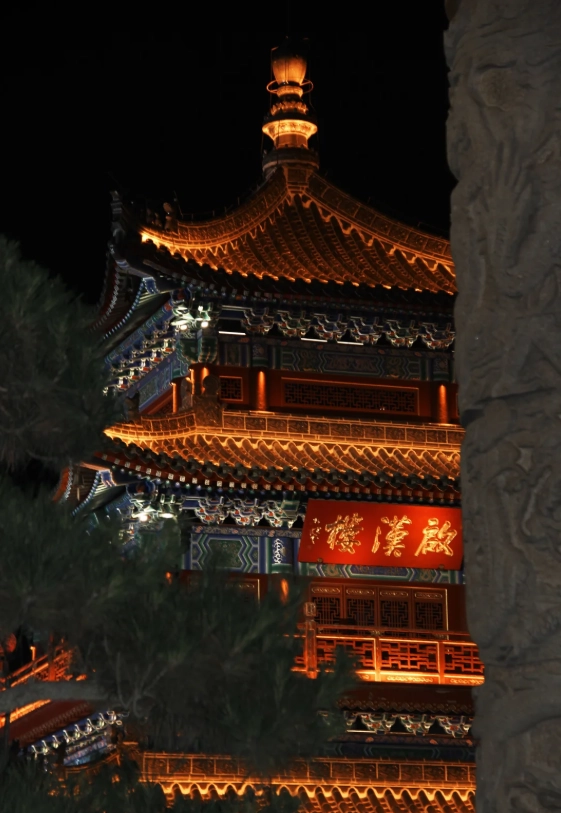
Opening hours: Officially from 7 PM to midnight, but many stalls stay open until 1 AM during peak season. The crowd peaks between 9 and 10 PM. For a more relaxed experience, come at 7:30 PM, when the lanterns are new on and the air is cooler.
What to try: You'll find local specialties like donkey meat noodles (luxi mian), apricot peel water, and grilled desert fish. For dessert, try the yogurt topped with nuts and dried fruits. Prices are tourist-friendly but still reasonable: a full meal costs 30–60 RMB per person.
One thing that surprises many tourists: the market accepts WeChat Pay and Alipay, but some vendors only take cash. Come with a mix. Also, if you plan to buy souvenirs, don't accept the first price — polite bargaining is expected, and you can usually get 20–30% off.
From the market, it's a 10-minute taxi ride back to most hotels in Dunhuang city. Use Didi; taxis on the street may overcharge tourists. Always insist on the meter.
Gansu at Night: Experience Desert Camping and Star Gazing in Dunhuang
If you're visiting Dunhuang, the single most memorable night activity is sleeping under the stars in the Gobi Desert. Various campsites operate near the Mingsha Mountain (Echoing Sand Mountain) dunes, offering tents, bonfires, and stargazing trips. Most tours start at sunset and include dinner, camel rides, and a campfire gathering.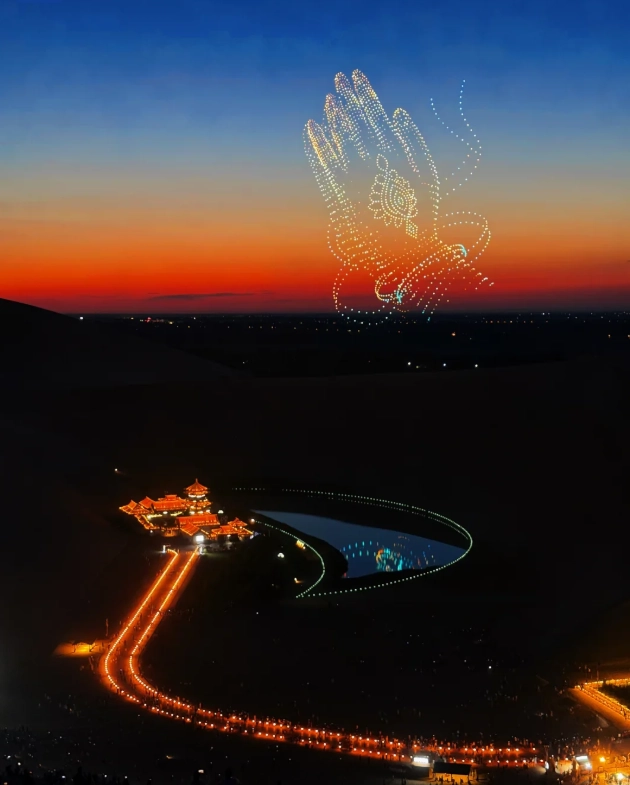
What to expect: After dark, you'll drive 10 minutes outside the city to a desert camp. The guides set up low tables with cushions on the sand, and you'll eat a laid-back barbecue dinner. Around 10 PM, the sky turns pitch-black, and the Milky Way becomes visible — especially between April and October. Camps usually have telescopes for guests.
Cost and booking: Prices range from 280 to 500 RMB per person depending on whether you stay overnight in a tent (including breakfast) or just the night activity. Use Trip.com or Klook to book in advance; walk-up spots may be available in low season but are risky in summer. You must bring your passport for registration — camps are required to report guests to local authorities.
What to pack: Even in summer, desert nights get chilly after midnight. Pack a jacket, a warm sweater, and closed-toe shoes to avoid sand issues. Also, bring a power bank — there's no electricity at most camps for phone charging.
Insider Advice: The popular “Star Party” at the foot of the dunes is now overrun. Instead, book a camp that takes you deeper into the desert on a 4x4 — it costs a little more (around 380 RMB) but you'll escape the light pollution from the city. I brought a group there last autumn and we saw shooting stars every single night.
After the star gazing, you'll be driven back to Dunhuang city center around midnight. Make sure to use a licensed camp that offers transportation; you don't want to be stranded on a sand dune with a helpless phone signal.
Gansu at Night: Taste Zhangye's Spicy Street Food
Zhangye is famous for its rainbow rock formations, but the night scene is a hidden gem. The Ganzhou Night Market (甘州夜市) is where locals go for supper after a day at the Danxia National Geopark. It's smaller and less touristy than Lanzhou's markets, but it packs a punch with its spicy specialties.
Must-try dishes: Zhangye is known for gengmei (a thick, savory fish soup), feiniangpi (cold spicy bean jelly), and the intriguing shaomai dumplings. For the brave, there's also donkey meat, a local delicacy. Prices are remarkably low: you’ll spend 15–40 RMB for a satisfying meal.
Practical details: The market operates from 5:30 PM to midnight. It's located on Qingnian East Street, about a 10-minute walk from Zhangye Railway Station. My favorite stall is at the northern end of the market — look for the one with red stools and a queue of students. They make a phenomenal spicy oil noodle dish.
Watch out: Some vendors assume tourists don't like spice and hold back the chili. If you want the real local heat, say “jia la” (add chili) and smile. Also, drinks here are limited to sugary sodas; if you want tea, bring your own Thermos or buy a cup from a breakfast stall that may also run in the evening.
From Zhangye, most travelers head to Jiayuguan or Dunhuang the next day. The night market is a perfect quick stop if you arrive in the late afternoon and want to stretch your legs.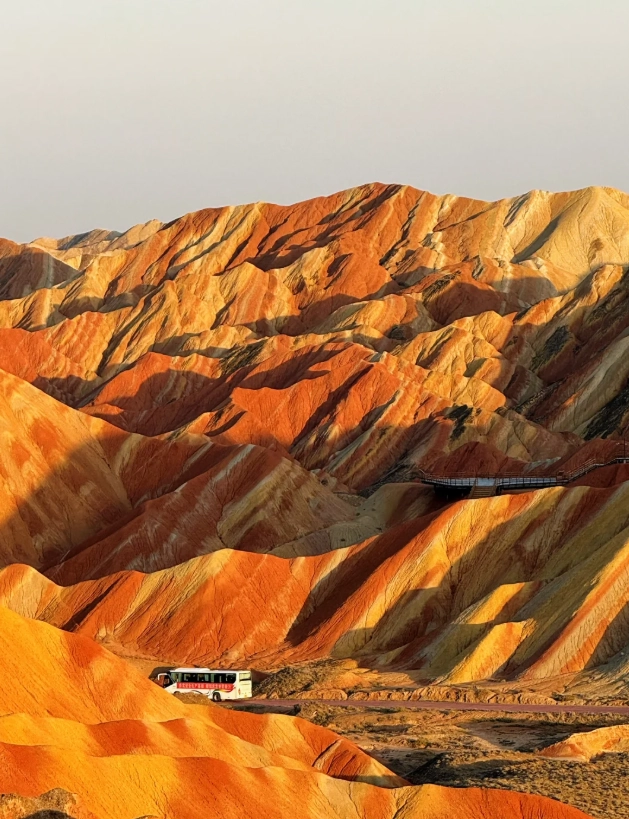
Gansu at Night: Soak in the Peaceful Ambiance of Xiahe
If you're heading to the Tibetan areas of Gansu, Xiahe's evening atmosphere offers a completely different kind of beauty. This small town sits at 2,900 meters and is dominated by the Labrang Monastery, the largest Tibetan Buddhist monastery outside Tibet. At night, the temple complex is closed, but the village around it becomes quiet and spiritual.
What to do: Walk along the main street that circles the monastery's prayer wheels. Locals — including young monks — do koras (circumambulation) at dusk, spinning the bright golden prayer wheels. It's a moving experience if you approach respectfully. Bring a flashlight because some sections are unlit, and watch your step on the uneven stones.
Best time: From 8:00 to 9:30 PM, just after the final prayer session ends. The crowds thin out, and you might hear chanting drifting from the monastery. There’s no entrance fee for the outside circuit, but you'll need to stay on the public path.
Getting around: Xiahe is tiny — everything is walkable. Your hotel can arrange taxis for day trips, but at night, you'll likely be on foot. The altitude can cause breathlessness, so take it slow. Bring cash; many small guesthouses and restaurants don't have card terminals, though Alipay is widely accepted.
Insider Advice: Don't attempt to photograph the monks without permission. It's considered intrusive and can make locals defensive. Instead, sit on the benches near the monastery entrance and simply observe. After a week in Gansu's crowded cities, this serene evening will be the one you remember.
If you're not staying overnight in Xiahe, plan your departure before 7 PM — buses and cars to Lanzhou or Hezuo don't run late, and driving on the mountain roads after dark is risky for first-timers.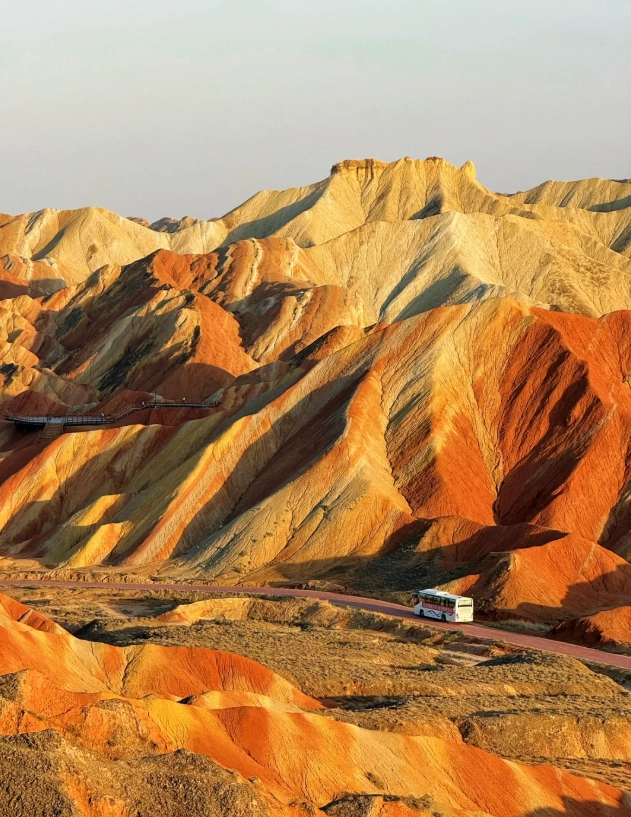
FAQ: Your Questions About Gansu at Night
Before you pack, one more piece of advice: download Amap (GaoDe Maps) or Apple Maps — Google Maps is unreliable in China and may not show updated routes. For high-speed train tickets, use the official China Railway site (www.12306.cn) or Trip.com with your passport. Visa policies change, so always check with the National Immigration Administration for the latest entry requirements. And when visiting the Mogao Caves in Dunhuang, remember that the site is a UNESCO World Heritage treasure — respect the strict photography rules. This content has been fact-checked to ensure informational precision.





No comments yet.