 Hui Lin
Quick Guide
- Why Free Things to Do in Inner Mongolia Should Be on Your Itinerary?
- 10 Free Things to Do in Inner Mongolia You Shouldn't Miss
- How to Find Free Things to Do in Inner Mongolia Without Getting Scammed?
- Insider Tips for Making the Most of Free Things to Do in Inner Mongolia
- Frequently Asked Questions: Free Things to Do in Inner Mongolia
Stuck in a tour bus with a guide who's more interested in commissions than culture? I've been there. But here's the truth: free things to do in Inner Mongolia are not just budget hacks—they're the best way to connect with the land. After a decade of guiding visitors across the steppe, I can tell you this—some of the most authentic moments happen exactly where the price tag is zero. Let me show you how to see the real Inner Mongolia without opening your wallet. The key is knowing where to look: free museums, vast grasslands, and local parks that even Chinese tourists overlook. In this guide, I'll share the exact places I take my friends when they visit, plus the traps to avoid.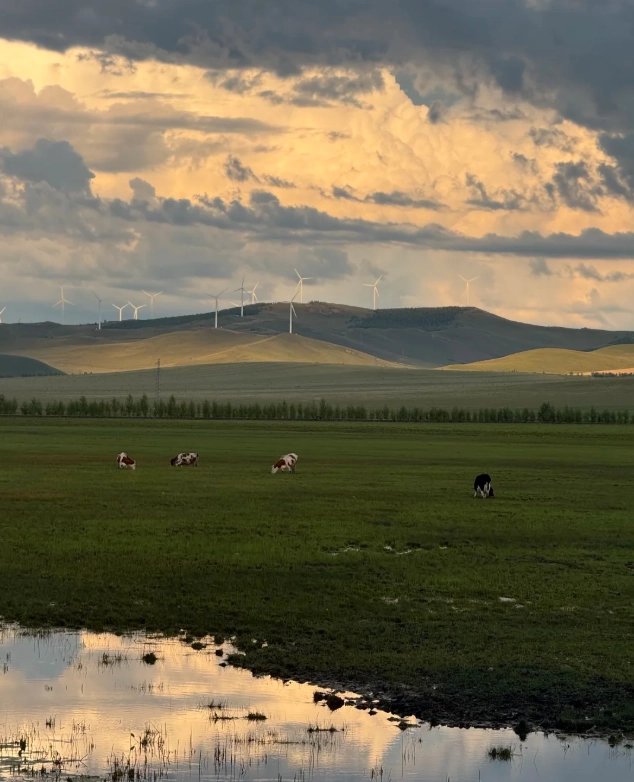
Why Free Things to Do in Inner Mongolia Should Be on Your Itinerary?
Let's be honest—traveling in China can drain your wallet faster than a horse can run. But Inner Mongolia's soul isn't locked inside ticketed scenic zones. It's in the wind rippling through grass that stretches to the horizon, in the laughter of aunties dancing in a city park, and in the dusty corridors of a free museum that tells the story of Genghis Khan without charging a yuan.
My first year here, I wasted money on a paid grassland tour. The grass was yellow, the stage show was cheesy, and the forced "Mongolian feast" cost me a fortune. The next day, an old herdsman waved me over to his private pasture—completely free. He offered me salty milk tea and told me stories under a sky full of stars. That experience taught me the real Mongolia isn't for sale.
Free attractions also keep you away from the cookie-cutter tourist trail. You'll find yourself in places where locals actually live, not where tour buses stop. And honestly, many paid sites in Inner Mongolia are overpriced for what they offer. The paid section of Hulun Lake? The free side has the same water, same birds, no entrance fee.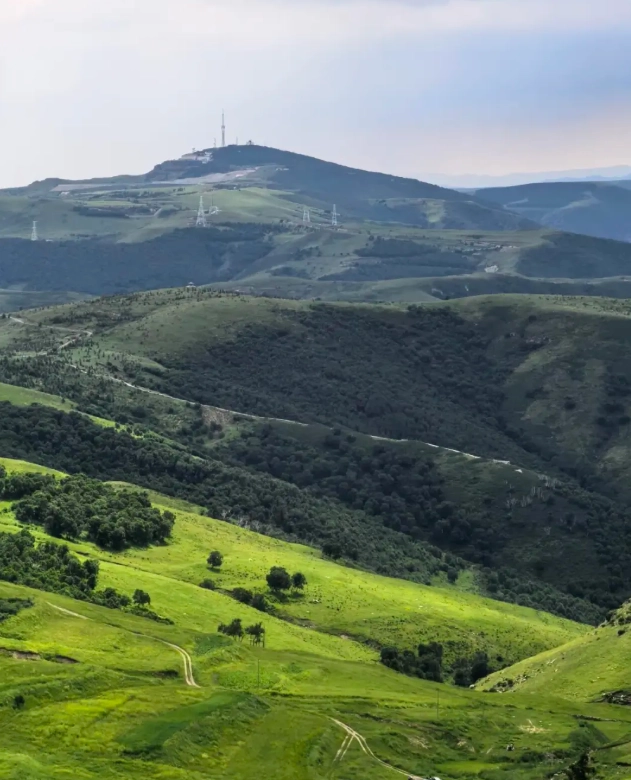
Insider Advice: Free doesn't mean low quality. It means you're being smart with your money while getting the authentic experience.
10 Free Things to Do in Inner Mongolia You Shouldn't Miss
Here are the exact spots I take friends and clients on a shoestring budget. Remember to always carry your passport—you'll need it for bookings and security checks at some sites.
| # | Attraction | City | Free Entry | Best Time |
|---|---|---|---|---|
| 1 | Inner Mongolia Museum | Hohhot | Yes (passport required) | Morning |
| 2 | Huitengxile Grassland | Ulanqab | Yes | June–September |
| 3 | Saihantala Park | Baotou | Yes | Early morning |
| 4 | Dazhao Temple Square | Hohhot | Yes (temple itself costs ¥80) | Evening |
| 5 | Xilamuren Grassland | Baotou | Yes | Sunset |
| 6 | Manduhai Park | Hohhot | Yes | Sunday morning |
| 7 | Hulun Lake | Hulunbuir | Yes (eastern free section) | May (bird migration) |
| 8 | Ordos Museum | Ordos | Yes | Weekdays |
| 9 | Inner Mongolia Art Museum | Hohhot | Yes | Afternoon |
| 10 | Manzhouli Zhongsu Street | Manzhouli | Yes | Night |
1. Inner Mongolia Museum — Where 100 Million Years of History Meet Free Entry
The flagship museum in Hohhot is a treasure trove of dinosaur fossils, Mongolian armor, and the world's largest Mongol-era archaeology exhibit. And it's completely free for everyone, including foreigners with a passport.
Address: 27 Xinhua Street, Xincheng District, Hohhot
Hours: Tue–Sun, 09:00–17:00 (last entry 16:00), closed Mondays
Getting there: Metro Line 1 to "Inner Mongolia Museum" station, exit B. Walk 200m. Or take bus 2, 3, 16, 27, 52, 66 or 72 to the stop.
Reservation: You must register with your passport. The official WeChat mini-program (内蒙古博物院) is all in Chinese, but the staff at the hotel can help. Alternatively, book via Trip.com up to 3 days ahead. I always book the morning slot—it's the quietest.
Don't miss the ancient Mongolian tomb exhibits on the second floor. The sheer craftsmanship will give you chills.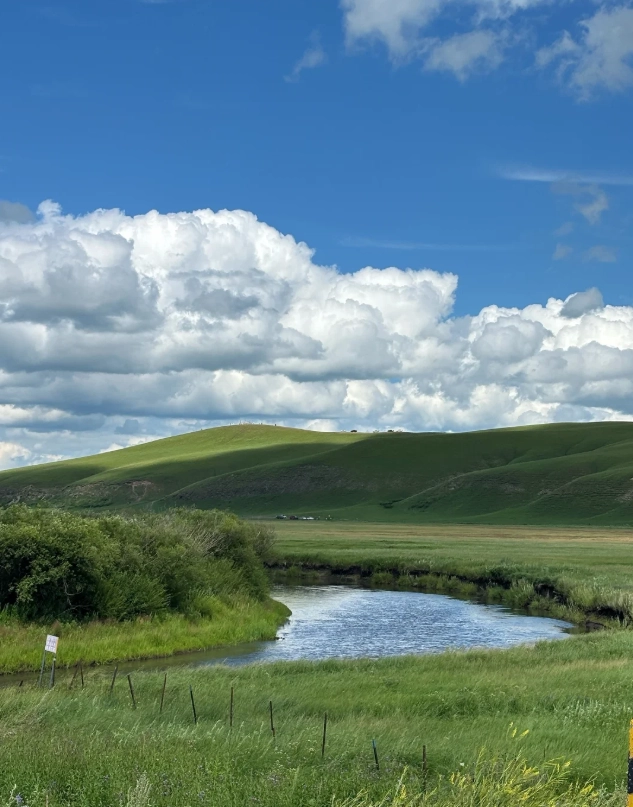
2. Huitengxile Grassland — Hiking the Green Ocean
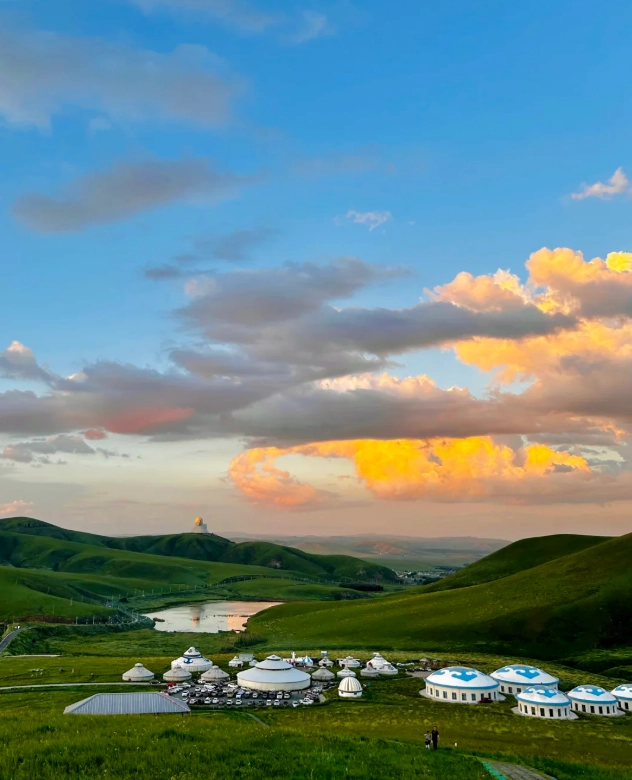
This vast alpine grassland sits at 2,100m altitude and is one of the few places in Inner Mongolia where you can walk endlessly without hitting a ticket booth. The wooden boardwalks and walking trails are free. Local herdsmen may offer horseback rides—they're not pushy, but a polite "no thanks" works.
Location: Chahar Right Middle Banner, Ulanqab City. On Google Maps, search "Huitengxile Grassland".
Access: From Hohhot, rent a car (about 2.5 hours, ¥200+ fuel) or take a long-distance bus to Ulanqab, then taxi. There's no gate—just park at the free lot near the wind farm.
Best time: June to September, especially at dawn when the mist rolls over the hills. Bring a windbreaker—it's chilly even in summer. I've seen too many shivering tourists.
3. Saihantala Park — An Urban Prairie in Baotou
This is the largest urban grassland in Asia, right in the middle of Baotou. The 20km bike path and wetland trails are entirely free. You might spot herons, rabbits, and even small foxes.
Address: East end of Jianshe Road, Qingshan District, Baotou.
Open: All day, free.
Getting there: Bus 2, 15, 20, or 27 to "Saihantala Park" stop. Or take Didi from city center (~¥15).
Insider move: Rent a bike at the south gate (¥20/hour) and ride to the northern loop—it's the least crowded and has the best bird watching. A local granny taught me that trick.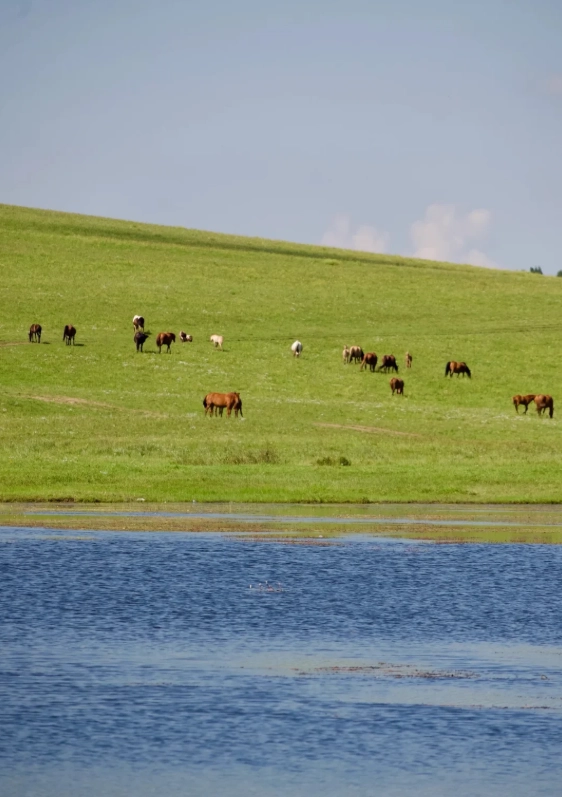
4. Dazhao Temple Square — Old Hohhot Without the Ticket
The temple itself costs ¥80, but the square in front is free and pulsing with daily life. Watch elders play chess, browse local street food stalls (the smell of roasted lamb is intoxicating), and admire the Tibetan-style facade.
Location: South of Tongdao Street, Yuquan District, Hohhot.
Getting there: Bus 6, 42, or 52 to "Dazhao Temple" station.
Free activity: Join the morning dancers at 8am—the grandma's group is the most welcoming. I always bring clients here for a taste of local culture before any paid attraction.
5. Xilamuren Grassland — The Steppe After the Tour Groups Leave
If you're on a budget, skip the premium grassland parks and come here. The grassland itself is free; you only pay for yurt stays or horseback riding. At sunset, after the day-trippers leave, it feels like the whole world belongs to you.
Location: South of Darhan Muming'an Joint Banner, Baotou City. About 1.5 hours from Baotou.
Transport: No public transport. Join a day tour (¥100–150) or hire a driver for the day. Explain clearly you only want the free viewing areas—some drivers will try to take you to paid spots.
Pro tip: Bring your own snacks and a blanket. There are few facilities, but the lack of commercialization is the charm.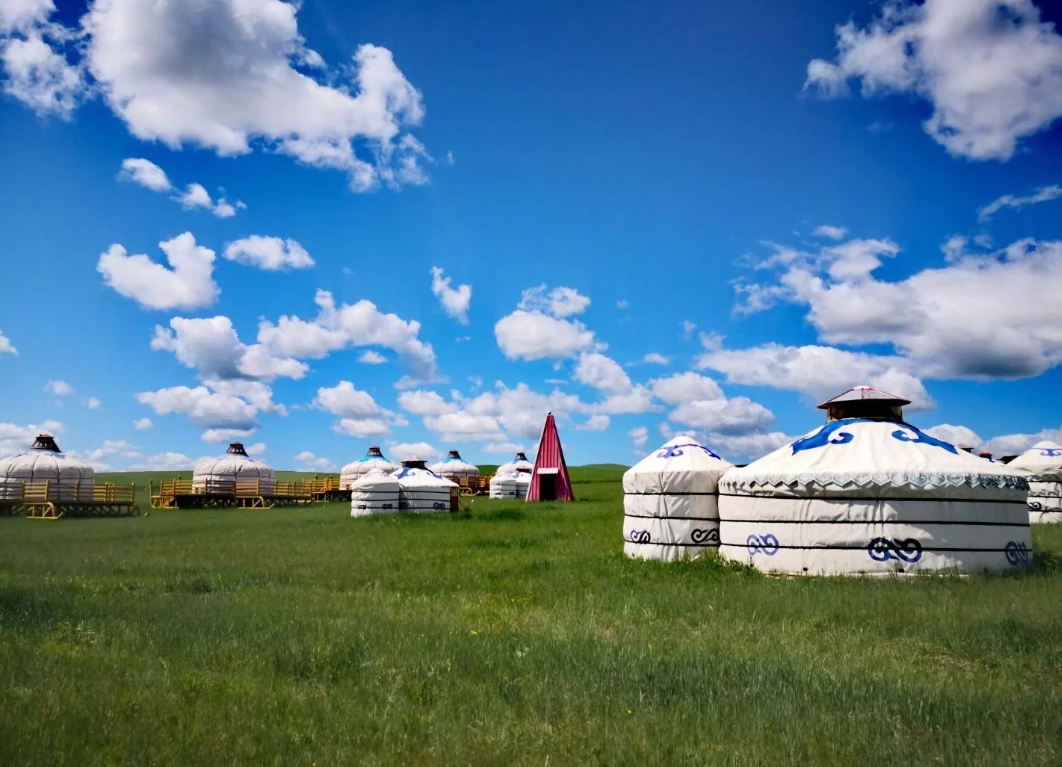
6. Manduhai Park — Hohhot's Green Living Room
This city park is where locals come to dance, practice calligraphy on the pavement, and feed pigeons. The lake and pagoda are free to visit. It's a peaceful break from the city noise.
Address: Manduhai East Road, Saihan District, Hohhot.
Open: 24 hours.
Getting there: Bus 21 or 34 to "Manduhai Park" station.
Best time: Sunday morning—there's a lively song circle under the big tree. I've joined them twice; they'll warmly welcome you even if you can't sing.
7. Hulun Lake — Spot Birds Without a Ticket
The largest freshwater lake in northern China, Hulun Lake has a public area on the eastern shore that's completely free. The western side is a paid scenic zone, but it's overpriced. The free section offers similar views, especially at sunrise.
Location: Southwest of Hulunbuir city, near the village of Gongjin.
Access: From Manzhouli, rent a car for about 1.5 hours. Follow signs to "Hulun Lake"—the free entrance is clearly marked. Don't fall for local touts offering "special entries".
Best time: May, when thousands of migratory swans stop here. Bring binoculars—they stay far from shore.
8. Ordos Museum — Futuristic Architecture and Free History
This sand-dune-shaped building looks like a spaceship landed in the desert. The main exhibits are free, covering the region's Paleolithic past and its dinosaur fossils.
Address: No. 1 Culture and Art Street, Kangbashi District, Ordos.
Hours: Tue–Sun, 09:00–17:00; closed Mon.
Getting there: From Ordos Railway Station, take bus 101 to the "Museum" stop. Or Didi about ¥15.
Must see: The ground-floor gallery on Ordos bronzes—more intricate than anything you'll see in a paid museum.
9. Inner Mongolia Art Museum — A Quiet Brush with Culture
Often overlooked by tourists, this museum showcases contemporary Mongolian painters and crafts. Admission is free, and the gallery itself is a work of art—bright, airy, and never crowded.
Address: 92 East Xinhua Street, Huimin District, Hohhot (near Inner Mongolia University).
Hours: Tue–Sun, 09:30–16:30; closed Mon.
Getting there: Bus 1, 12, or 27 to "Museum of Art" stop.
Insider note: The calligraphy section on the 3rd floor has works that took years to complete. I once spent two hours there without noticing the time.
10. Manzhouli Zhongsu Street — Stroll the Border Town for Free
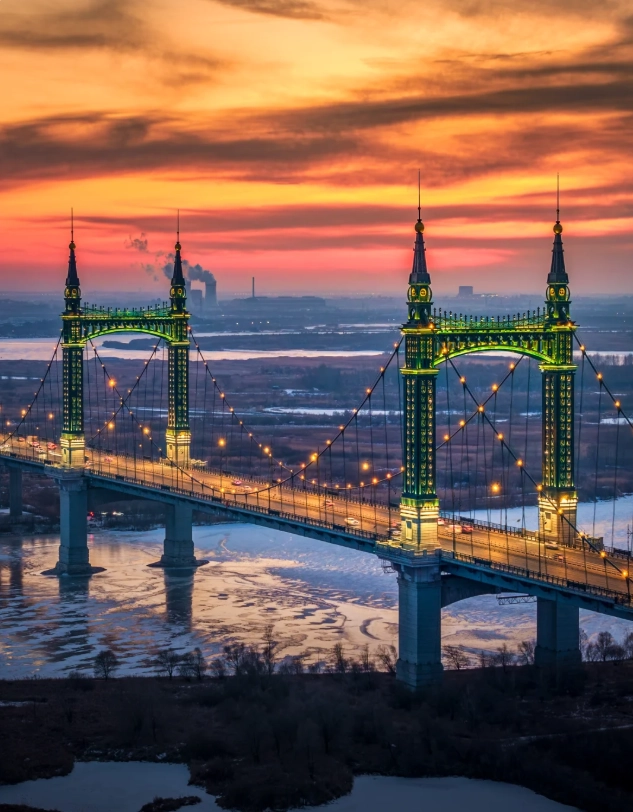
This pedestrian street in Manzhouli is a colorful mix of Russian and Chinese cultures. The buildings are lit up like a fairy tale at night, and walking through is completely free. Street musicians often play Russian songs.
Location: Zhongsu Street, Manzhouli City center.
Getting there: From Manzhouli Railway Station, walk 15 minutes or take bus 6, 9 to the stop.
Best time: After 7pm when the neon lights switch on. Grab a cheap Russian-style ice cream from a local vendor—it's a great photo prop.
How to Find Free Things to Do in Inner Mongolia Without Getting Scammed?
Scams exist wherever tourists have money. Here's how to keep your wallet safe while exploring free attractions.
- Don't trust "free ride" offers: Taxi drivers may offer to take you to a "free" grassland but end up at a paid resort where they get a commission. Always say your destination is the public entrance.
- Check official signs: In China, genuine free attractions have an official sign in Chinese and often English. If something feels off, ask to see the admission notice.
- Use map apps carefully: Google Maps is unreliable in China. Use Apple Maps for navigation, or download AMap (高德地图) with its English interface. I personally use AMap for everything—it shows real-time bus arrivals.
- Be wary of "temporary fees": At places like Hulun Lake, locals may try to collect a "cleaning fee" at unofficial entrances. The real free path has no such fees. If in doubt, head back to the main road and look for a proper sign.
For visa and immigration rules, always check the National Immigration Administration website—not random blog posts. And for intercity trains, use the official China Railway site, which has an English version if you change the language in the top right.
Insider Tips for Making the Most of Free Things to Do in Inner Mongolia
These are the little things I've learned from years of heading out every week with guests.
- Pack a picnic: Many free spots like Manduhai Park or Xilamuren Grassland have no restaurants. Bring bread, local cheese, and fruit—it saves money and lets you stay longer.
- Use daytime hours wisely: Most museums are free but close early (around 5pm). Do museums in the morning, then head outdoors when the heat softens.
- Download translation apps: At free sites, minimal English is spoken. I recommend Apple Translate (works offline) or Baidu Translate for Chinese-specific phrases. Always have the Chinese name of your destination written down to show taxi drivers.
- Mind the weather: Inner Mongolia has extreme temperatures. Afternoon thunderstorms are common in summer—carry a rain shell. In winter, many free spots are freezing, but the parks are still open and you'll have them to yourself.
| Free Spot | Paid Alternative | Why Free Wins |
|---|---|---|
| Huitengxile Grassland | Gegentala Grassland (¥100) | Endless space, no crowds |
| Saihantala Park | Kubuqi Desert (¥120) | Local vibe, easier access |
| Hulun Lake (free side) | Hulun Lake scenic area (¥50) | Same lake view, zero cost |
Pro Tip: If you're visiting a farmer's yurt, it's polite to buy a cup of milk tea (about ¥10) even if you're just looking around. They don't expect it, but it's a nice gesture that opens up genuine conversation.
Frequently Asked Questions: Free Things to Do in Inner Mongolia
Verified and fact-checked by the editorial team.





No comments yet.