 Chen Liu
Jump to the Good Stuff
Let me set the scene. I'm standing at Changsha's Wuyi Square at 7 AM, holding a coffee from a hole-in-the-wall shop, and a tired couple from Berlin is staring at me like I've lost my mind. 'We only have two days in Hunan,' they said. And I get it — planning a weekend in Hunan feels like trying to drink a river through a straw. The province is massive. You've got fiery food cities, fairy-tale mountains, and ancient towns draped in mist. But here's the deal: with the right strategy, 48 hours is enough to taste the real Hunan. No, you won't see everything. But you'll see the best.
Why Should Hunan Be Your Next Weekend Destination?
Hunan is the only province in China where you can jump from a futuristic metropolis to a UNESCO Listed karst mountain range in under three hours by high-speed rail. The capital, Changsha, is a food paradise with a 2,000-year old history, while Zhangjiajie offers those pillar-shaped mountains you've seen in Avatar, and Fenghuang is a riverside town that looks like a Chinese watercolor painting. The best part? Most foreigners skip it, so you won't be swarmed with tourists like in Beijing or Shanghai. In a weekend, you can pick one or two of these destinations and get a genuine taste of central China.
But let's be honest: choosing what to do in Hunan for a weekend is a hard decision. So I've broken it down into three time-tested itineraries. Each option uses high-speed rail as the backbone, because that's the only realistic way to cover this huge province.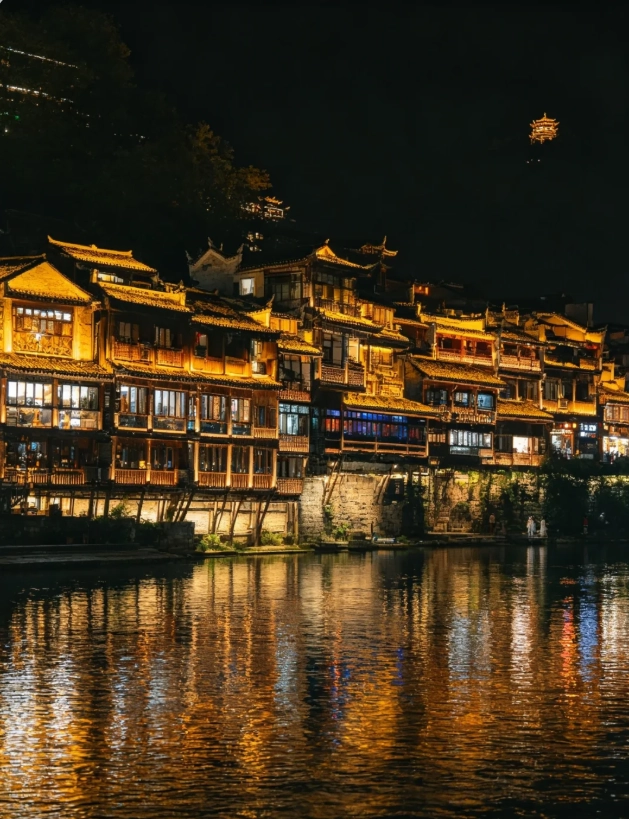
What Can You Do in Hunan for a Weekend? Three Realistic Options
Below is my quick comparison table for your 48-hour adventure. Use it to decide which flavor of Hunan matches your travel style.
| Option | Best For | Base City | Travel Time (from Changsha) | Budget Level (Daily) |
|---|---|---|---|---|
| Changsha City Break | Foodies, history lovers | Changsha | No travel needed | $50-80 |
| Zhangjiajie Nature Escape | Hikers, photographers | Zhangjiajie | 3 hr by train | $80-120 |
| Fenghuang Ancient Town | Couples, culture seekers | Fenghuang | 1.5 hr by train + 1 hr bus | $40-70 |
Option A: Urban Weekend in Changsha
This is my go-to recommendation for first-timers who want a perfect introduction to Hunan's food and history without any rushed logistics. Changsha is compact, cheap, and has enough to fill two full days.
Day 1: History and Ancient Streets
Start your morning at Yuelu Mountain. I always tell my clients to enter through the east gate, which is a short 5-minute walk from Yingwanzhen Metro Station (Exit 3). The mountain is free to hike, but the Yuelu Academy at its foot charges 50 RMB — worth every yuan. It's one of China's four great academies, with scriptural stone tablets and ginkgo trees that date back to the Song Dynasty. Plan to spend 2-3 hours here. Insider tip: come before 10 AM, because the tour groups arrive around 11 and the narrow stone paths become a traffic jam.
Take the subway back to downtown and head to Taiping Street for lunch. This restored Qing-era street is stuffed with snack stalls and souvenir shops. Try the baili huangniu (spicy grilled beef) and fried stinky tofu — yes, it smells, but it tastes amazing. A quick and tasty meal will cost about 30 RMB.
In the afternoon, cross the river by subway Line 2 to Orange Island (Juzizhou). The island is famous for the massive standing statue of Mao Zedong at its southern tip. It's free to enter, but I recommend the sightseeing bus for 20 RMB because the island is 5 km long and walking it in summer is brutal. The best photo of the statue happens around 4 PM, when the sunlight falls on its face.
Day 2: Museums and Food Crawl
Dedicate your morning to the Hunan Provincial Museum. The star attraction here is the 2,100-year-old Mawangdui Han dynasty tomb artifacts, including the perfectly preserved body of Lady Dai. Entry is free, but you absolutely must book in advance — on the official WeChat mini-program or ask your hotel to do it. The museum is closed on Mondays, so plan accordingly.
For lunch, walk to Yuancun Xiaoyuan, a trendy area filled with small restaurants. My favorite is Chef Mao's (Mao Jia Caiguan) — a modern chain serving Hunan's most iconic dish: red-braised pork (sao rou). Not to be confused with Mao Zedong's favorite dish, this one is melt-in-your-mouth fatty pork with chestnuts. Two famous local dishes, plus rice and soup, cost about 100 RMB for two people.
Your last afternoon? Explore Jiefang West Road. This street has a vivid nightlife scene — teahouses, music bars, and street food vendors. It's a perfect spot to taste local craft beer and to snack on crayfish (3 RMB each) at the lively riverside night market.
Option B: Mountain Weekend in Zhangjiajie
If you want to wake up to a scene straight out of a fantasy film, this is the option. But be ready for a physically demanding two days. Zhangjiajie isn't just one spot — it's a massive national forest park with three main sections, plus a separate Tianmen Mountain. To make the most of a weekend, you need to prioritize.
Getting There
Take the high-speed train from Changsha South Railway Station to Zhangjiajie West (about 2.5-3 hours). Book tickets on Trip.com or using the official 12306 website. You'll need your passport to purchase. Once you arrive, take a taxi or a Didi to your hotel near the national forest park entrance. Prepare 20-30 minutes for this ride.
Day 1: The Main Park
Enter the park at the Wulingyuan Ticket Station at 8 AM. The ticket costs 228 RMB for a 4-day pass, including eco-friendly shuttle buses inside. Follow the classic route: take the Bailong Elevator — the world's tallest, with 335 meters of glass — up to Yuanjiajie. From there, walk along the mountain paths to see the 'Avatar Hallelujah Mountain'. It's impressive, but the real crowd-thinner is the area around Yangjiajie, where the paths are quieter. Expect to walk 4-5 hours in the park.
Eat lunch inside the park at one of the temporary stalls — they serve simple noodles and rice dishes for about 30-40 RMB. At around 3 PM, descend and return to the east gate. I strongly recommend not attempting to see the Golden Whip Stream (a 7 km valley hike) on the same day; your legs will hate you.
The stunning pillar mountains of the Wulingyuan scenic area are a UNESCO World Heritage Site, recognized by the UNESCO World Heritage Centre.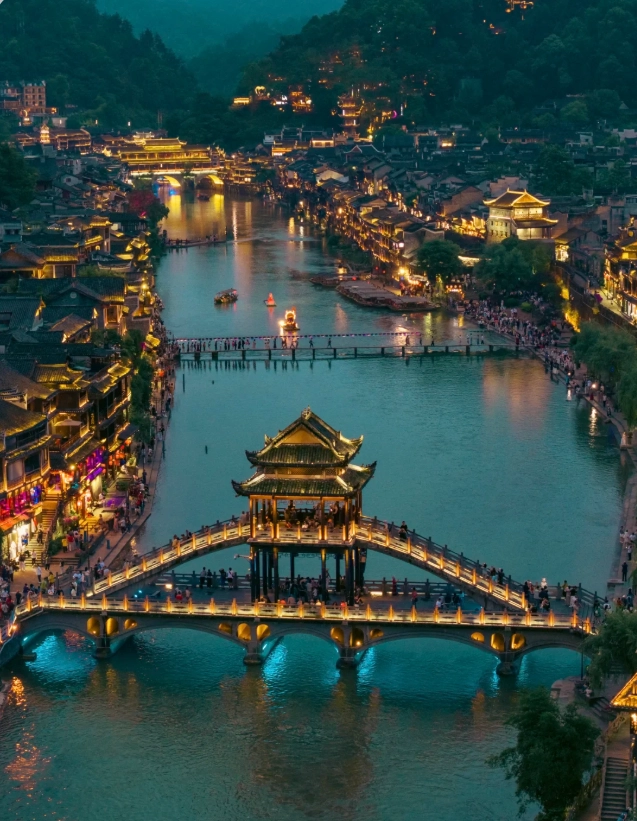
Day 2: Tianmen Mountain
Start early again. Tianmen Mountain is close to the city, so arrive at the cable car station by 8 AM. The combo ticket for cable car and mountain entry is around 258 RMB. The ride over vertical cliffs is hair-raising. Once on top, you'll face the legendary 'Heaven's Staircase' — a 999-step climb to the famous cave. It's a workout, but the views over Shizhuang are surreal. A more serene path leads you to the glass walkway, which costs a small extra fee. Leave enough time to return to the city for your train; the mountain is under 20 km from the station.
If you have any spare time, save it for Zhangjiajie Grand Canyon with its glass bridge? Skip it if you're scared of heights — the glass walkway on Tianmen is enough for me.
Option C: Ancient Town Weekend in Fenghuang
This is the most romantic, laid-back option. Swap hiking boots for sandals and prepare to photograph lantern-lit alleys along a very photogenic river.
Arrival
From Changsha, take the high-speed rail to Huaihua South Station (about 2 hours) or to Jishou East Station (about 1.5 hours), then take a bus or taxi to Fenghuang. On some routes, you can also take a direct train to Fenghuang station, which opened recently. The bus from Huaihua to Fenghuang takes about an hour and costs 40 RMB.
Day 1: The Old Town
Once you've dropped your bags at a hotel, wander the old town along the Tuojiang River. The town itself is free to enter. You'll see stilted houses, bridges with canopies, and elderly women washing vegetables in the river. Wait for sunset — the entire riverside lights up with red lanterns, and that's when the town becomes truly magical.
For dinner, go to Wanming Tower area and find a riverside restaurant. Order the 'Phoenix ginger candy' for dessert, a local specialty, and try the river snail with perilla leaves. A meal for two with drinks costs around 120 RMB.
Day 2: Beyond the Crowds
Wake up at sunrise to see the town without the day-trippers. Stroll up to the Rainbow Bridge and take that iconic postcard shot. Then, take a small boat ride on the upper reaches of the river — it's a quieter stretch. Around 10 AM, the tour groups return, so it's the perfect time to visit the Fenghuang Folk Custom Garden or the old city wall. By afternoon, head back to the transport hub to catch your return train.
Important note: Fenghuang is a popular weekend spot among Chinese tourists, so avoid booking your trip during national holidays if you can. Accommodation on the riverside can be expensive (200-400 RMB/night), but you can save by staying one street back.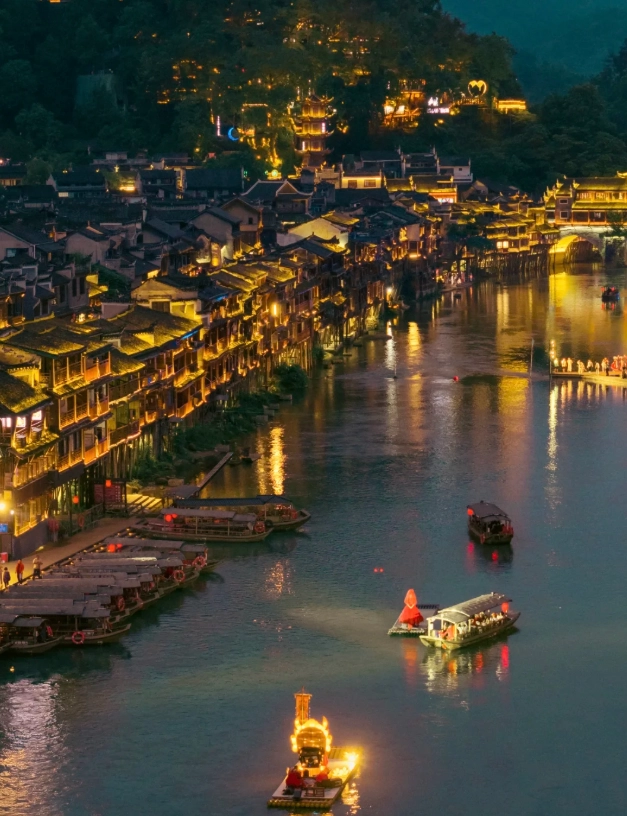
How Do You Plan a Hunan Weekend? Transportation & Booking
High-speed rail is the only mode of transport that makes a weekend in Hunan possible. The province operates one of the densest rail grids in China, and almost every attraction above is within a short taxi ride from a high-speed rail station.
Before booking anything, confirm your visa status with the National Immigration Administration.
Buying Train Tickets
You can buy tickets directly from the official 12306 website, but the mobile app is Chinese-only. For a smoother experience, use third-party platforms like Trip.com or Klook. You'll need your passport number for booking. Once on board, keep your passport ready — staff conduct random checks.
Getting Around Cities
In Changsha, the Metro system has two lines and is cheap (2-6 RMB). For the airport, take the Maglev express from Changsha South Railway Station. In Zhangjiajie, taxis are not metered, so always negotiate the fare first or use Didi (the Chinese Uber) app with English support. Didi is your best friend in every Chinese city.
Booking Tickets for Attractions
Most museums and national parks require a booking that is linked to your passport. For the Hunan Provincial Museum, use the official WeChat mini-program — but if you can't navigate the Chinese interface, ask your hotel receptionist. They're usually happy to help. Alternatively, check if the attraction is available on Trip.com or Klook. For scenic areas like Zhangjiajie, you can buy at the gate, but you may face a queue. I prefer booking online in the off-season; during public holidays, it's essential.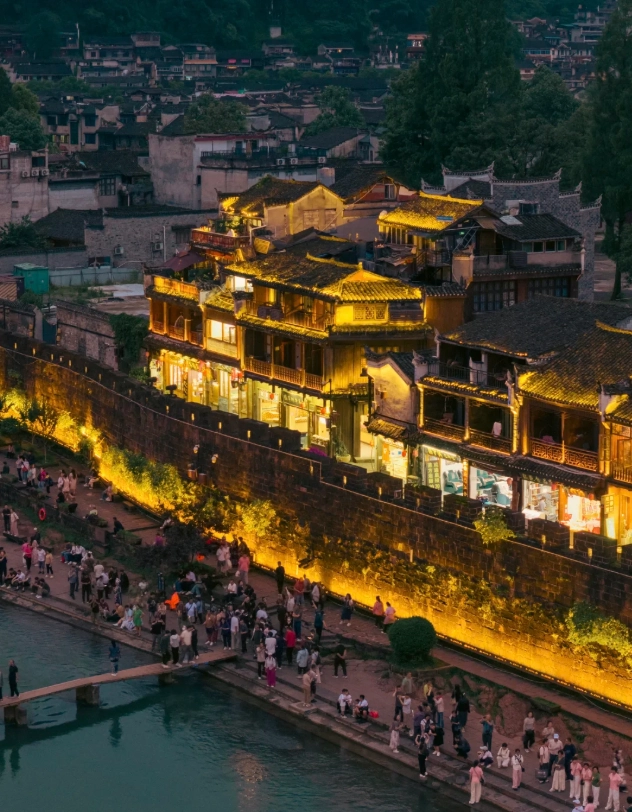
What to Eat in Hunan for a Weekend: A Local's Food Guide
Hunan food is unapologetically spicy and sour — a combination that wakes up your entire digestive system. If you're not used to heat, order with caution and always ask for 'bu la' (not spicy) at least for one dish.
Stinky Tofu (Chou Doufu) — Most tourists see this as a dare. It's deep-fried fermented tofu with a pungent smell and a crispy crust. The best I've had is in Changsha's Taiping Street at a stall called Lou's (a tiny place with a long queue). Do not confuse the snack with the dish served in restaurants.
Spicy Crayfish (Da Xia) — In summer, locals pick up 20-30 crayfish with friends, eating them with their hands. The seasoning includes dried chilies, garlic, and Chinese pepper. I recommend going to the Zhijiacun food street in Changsha — the smell of grilling seafood will make you weak.
Yuan Village Pork — A homestyle stir-fry that's one of the best examples of Hunan's 'dry pot' technique. The dish is aromatic, with a slightly smoky flavor from the wok. Great with steamed rice.
Dessert: Bingfen — a crystal-clear jelly served with sugar, red beans and fruit. It's the perfect fiery-food antidote.
For a sit-down meal, look for any restaurant labeled with the 'Crazy' snack chain (Guixing restaurant). They offer an English picture menu and reasonable prices. My personal rule: if the restaurant is full with locals at 12:30 PM, you've found the spot.
Essential Tips for Foreigners in Hunan
Navigating transportation, payments, and internet can be the biggest pain points. Here's how to smooth it out.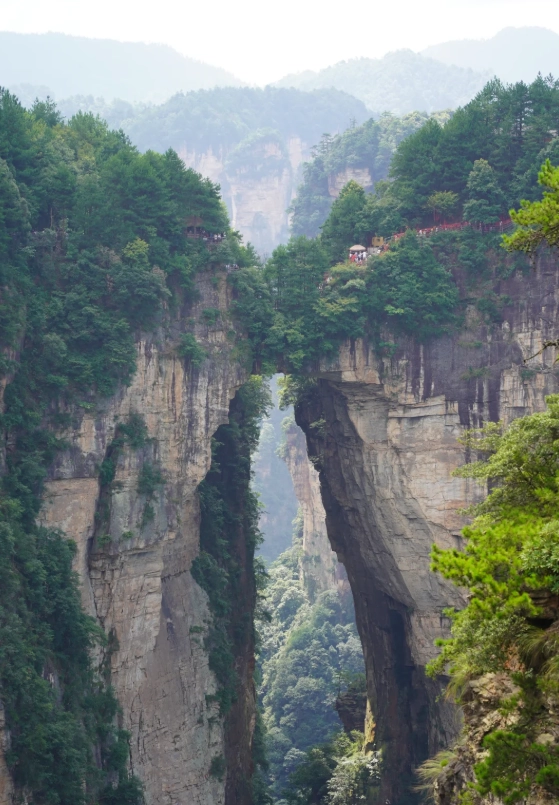
Payments
Most places — including the snack stalls, taxis, and even museums — live in a cashless world. Set up Alipay or WeChat Pay with an international credit card before you arrive. If you land in China without this setup, you'll struggle. The good news: both apps support international cards and will let you pay in local currency. Cash is accepted at major train stations, but many street vendors won't have change.
Maps and Navigation
Google Maps is blocked and unreliable. Download Apple Maps (which works with a GPS) or, better, download the 'AMap Global' (Gaode Ditu in English) app. It's my navigation go-to for all Chinese cities. Always have the Chinese name and address handy to show taxi drivers — I'll bet that little piece of paper saves you thirty minutes of miscommunication.
VPN and Connectivity
To use Google services or even a normal email app, you'll need a reliable VPN installed on your phone before you arrive. Cellular data (SIM cards) are cheap at the airport — China Mobile/China Unicom offer tourist packages for around 100 RMB. The eSIM options now work well too.
Health & Safety
I've never once felt unsafe in Hunan, even late at night. Still, keep an eye on your belongings in crowded tourist spots, like every city. Tap water is not potable; drink bottled water or boil it.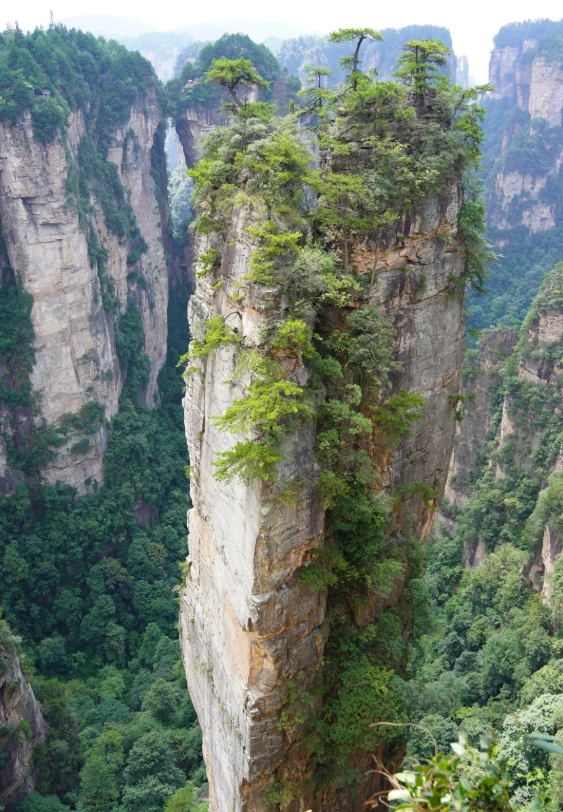
Frequently Asked Questions
This content has been fact-checked to ensure informational precision and is intended for general guidance. Always confirm current opening hours, ticket prices, and travel policies before your trip.






No comments yet.