 Hui Lin
Ask yourself this: Do you want to see the real Mongolia without crossing a border? Last July, I picked up a couple from Texas at Hohhot airport. They'd just spent 20 hours in transit and looked shell-shocked. Thirty minutes later, they were sipping warm milk tea and planning an impromptu grassland detour. That's the kind of magic Inner Mongolia delivers—if you know where to go.
So, is Inner Mongolia worth visiting? Absolutely—but not for the reasons you might think. It's not just about the endless grassy plains. It's a region of stark deserts, ancient history, and a culture that feels both familiar and foreign. Here's my honest take after guiding dozens of trips here.
Plan to visit in early June or late September. You'll dodge peak-season crowds, enjoy mild weather, and pay nearly half the summer prices. That's my insider secret—book around those windows and you'll have a completely different experience.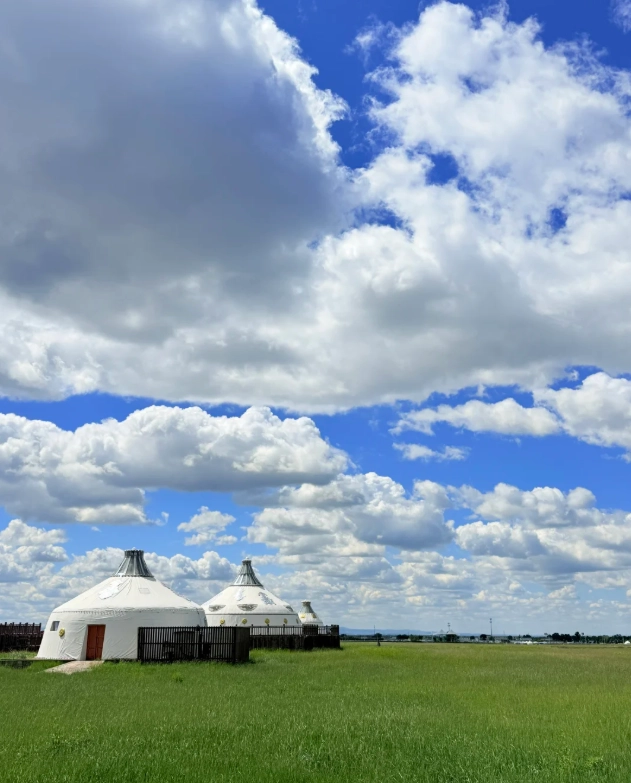
Quick Navigation
- What Makes Inner Mongolia Truly Special?
- When Is the Best Time to Visit Inner Mongolia?
- Top 6 Places You Can't Miss in Inner Mongolia
- How to Get Around Inner Mongolia: Transport Made Easy
- Where to Stay in Inner Mongolia: Proven Hotel Picks
- What to Eat in Inner Mongolia: A Local Food Guide
- A 5-Day Inner Mongolia Itinerary That Actually Works
- How to Plan an Inner Mongolia Trip on a Budget
- Is Inner Mongolia Safe? Honest Answers for Tourists
- FAQ: Your Inner Mongolia Travel Questions Answered
What Makes Inner Mongolia Truly Special?
Inner Mongolia offers a rare blend of untouched nature and nomadic culture that you simply can't find elsewhere in China. I've watched travelers tear up at the sight of the Hulunbuir grasslands stretching to the horizon—there's a primal beauty that hits you in the chest. But it's not just the scenery. It's the experience of staying in a Mongolian yurt, eating hand-cooked lamb, and listening to the wind whistle across the plains.
The Grasslands: More Than Meets the Eye
The vast grasslands are the soul of the region. Hulunbuir, in the northeast, is the most famous, and for good reason. The grass is thicker, greener, and the rolling hills look like they're straight out of a movie. I always take my clients to a family-run camp near the Moer'gele River, about an hour from Hailar. Here, you can ride horses, try archery, and join a bonfire party at night. It's a totally immersive experience, far from the touristy spots.
The Desert: A Land of Contrast
In the southwest, the Gobi Desert offers a completely different vibe. Hike the golden dunes of Kubuqi Desert—the seventh-largest in China—and you'll feel like you've landed on another planet. The interplay of light and shadow at sunset is a photographer's dream. I always tell my clients: don't skip the desert just because you came for the grass. The contrast is what makes this region so unique.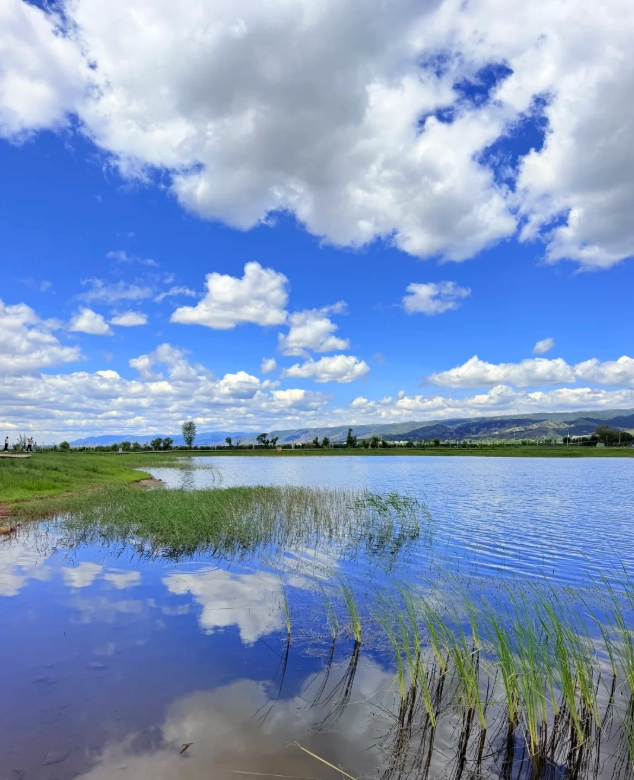
Cultural Depth: Beyond the Nomadic Stereotype
Many travelers forget that Inner Mongolia has a deep imperial history. The Yuan Dynasty, founded by Kublai Khan, had its summer capital here at Xanadu (Shangdu). The archaeological site, now a UNESCO World Heritage Site, is often overlooked. Walking through the ruins with a local guide made me understand the region's significance in ways no textbook could. You'll see the fusion of Mongolian and Han cultures in everything—from architecture to food.
Personally, I've had moments here that changed how I view travel. Once, after a rainstorm, the entire grassland glistened under a double rainbow. My group—a mix of Americans and Europeans—stood in awe for five minutes, not a single phone raised. That's the kind of pause Inner Mongolia forces you into.
When Is the Best Time to Visit Inner Mongolia?
The sweet spots are June and September—specifically early June and late September. July and August bring the peak tourist season, higher prices, and sometimes rain. May and October are cold, and winter is fiercely brutal (think -20°C). But if you're into unique experiences, winter has its charms—like seeing glaciers and freezing lakes, though it's not for the faint of heart.
| Time | Weather | Crowds | Price | What to Expect |
|---|---|---|---|---|
| May | Cool, windy | Low | Moderate | Grass just starting to grow, some camps closed |
| June | Mild, 15-25°C | Medium | Reasonable | Golden grasslands, best value |
| July | Warm, 20-28°C | High | High | Peak greenery, but crowded and pricey |
| August | Warm, evening rain | Very high | High | Lottery of weather, tourist traps |
| September | Mild, 10-20°C | Medium | Reasonable | Autumn hues, crisp air |
| October | Cold, 0-10°C | Low | Low | Some services close, golden larches |
My rule of thumb: if you want the lush emerald look, go in June before the summer rush. If you prefer golden-brown landscapes, late September is magical. Just avoid the Chinese national holidays (first week of October, and early May) when everything is packed with domestic tourists.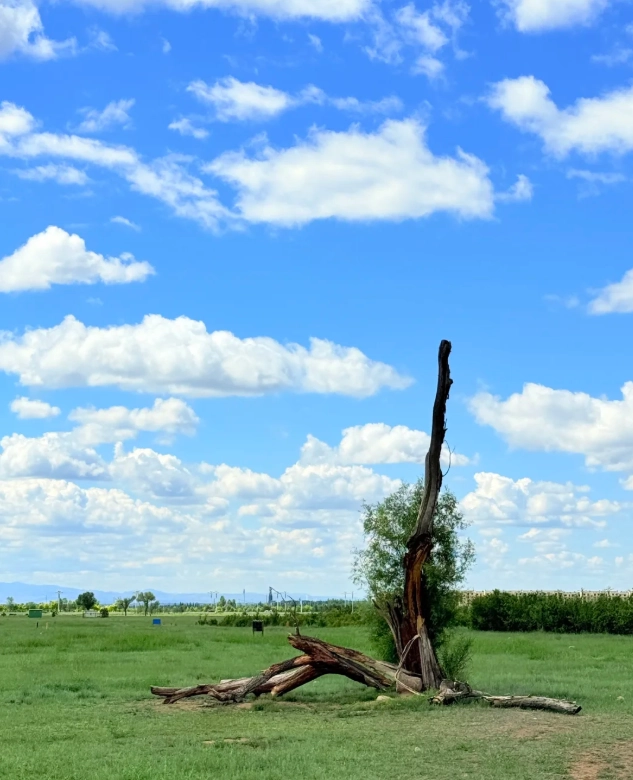
Top 6 Places You Can't Miss in Inner Mongolia
These are the spots I take every guest to—they've never missed. Each offers a distinct slice of Inner Mongolia, from pristine nature to historical depth.
1. Hulunbuir Grassland (呼伦贝尔草原)
This is the quintessential Mongolian steppe. I usually drive through the area between Hailar and Manzhouli. The expanse is so vast that even in high season, you can find solitude. Entry to the grassland itself is free, but specific scenic spots like Jinzhanghan (Golden Horde) charge around 30 RMB. For the best experience, stay overnight at a nomadic family's yurt camp. I recommend the Moer'gele River area for its pristine beauty. Just beware—some camps near Ergun charge exorbitant fees for riding; ask locals for the going rate, usually 50-100 RMB per hour.
2. Ergun Wetland (额尔古纳湿地)
Asia's largest wetland boasts breathtaking views from the observation deck. The boardwalk winds through lush grass and gives you a panorama of the river meandering through the valley. Go early in the morning to catch the mist. Ticket is about 60 RMB, plus a shuttle bus. It's a bit touristy, but the view is worth it.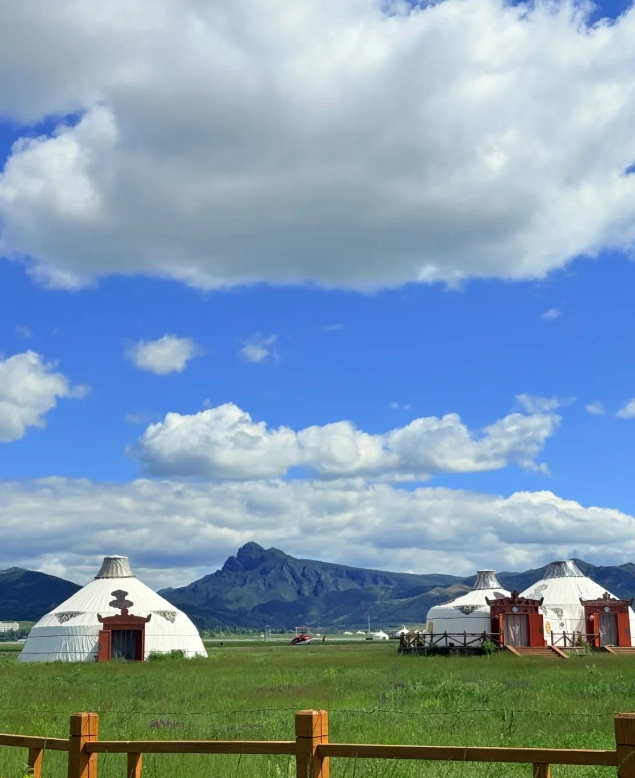
3. Shiwei (室韦)
A small Russian-influenced town near the border with Russia. The wooden houses painted in pastel colors feel like a different world. I love stopping here for a home-cooked meal at a local family, where you'll find a mix of Chinese and Russian cuisine. Try the homemade berry wine. It's a cultural gem often missed by rushed tours.
4. Xiangshawan (响沙湾) Desert
Also known as 'Singing Sands Gobi,' this desert resort in Kubuqi offers camel rides, sandboarding, and a zip line. The sand actually emits a hum when you slide down—hence the name. Tickets are around 120 RMB, with activities costing extra. I recommend going in the late afternoon to avoid the scorching heat. The sunset colors are unreal.
5. Genghis Khan's Mausoleum (成吉思汗陵)
Located near Ordos, this is a memorial site rather than the actual tomb (which remains unknown). For history buffs, it offers insight into the life of the Great Khan. The architecture is striking—majestic Mongolian domes. Allow two hours. Tickets are about 80 RMB, and a guide is essential to understand the significance.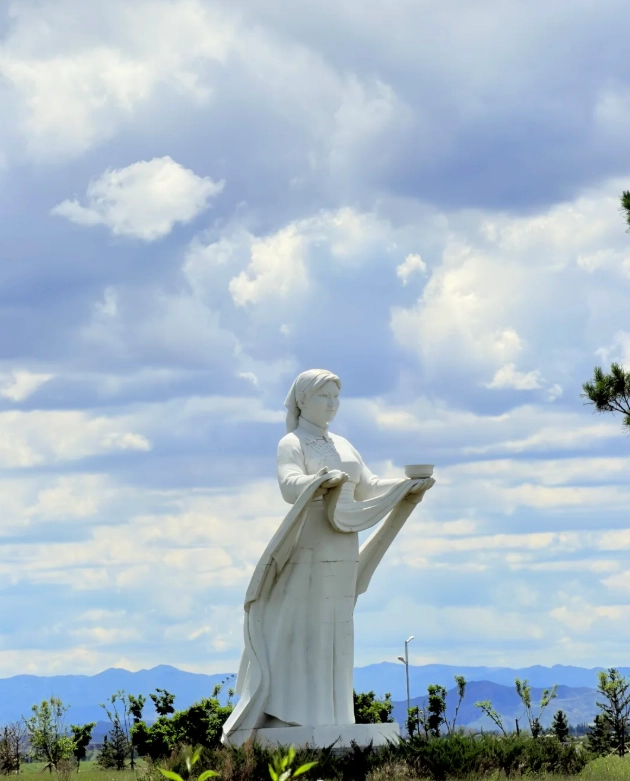
6. Xanadu (元上都遗址)
This UNESCO World Heritage Site at Zhenglan Banner marks the summer capital of the Yuan Dynasty, designed by Kublai Khan. The ruins are vast—you can still see the outlines of the imperial city and the palace foundation. It's less commercialized than other sites; you'll also find a small museum. Entry is free, but you need a passport to register. The isolation adds to the mystery. Take a translator app because there's little English info.
Here's the thing—don't try to see all six in one trip unless you have two weeks. Focus on one region: Hulunbuir for nature or the Hohhot-Ordos loop for desert and history.
How to Get Around Inner Mongolia: Transport Made Easy
Think of Inner Mongolia as a giant rectangle—the east has grasslands, the west has desert, and direct routes are far apart. A common mistake is trying to do both in a short time. The distance from Hohhot (central) to Hailar (east) is over 1,500 km—a two-hour flight or a 24-hour train.
By Air
Flights connect Hohhot, Hailar, Ordos, and Baotou. From Beijing, you can fly to Hailar (2 hours) or take a high-speed train to Hohhot (about 2.5 hours). I always tell, my clients to book flights through Trip.com or the airlines directly, as regional airlines like Tianjin Airlines offer good deals.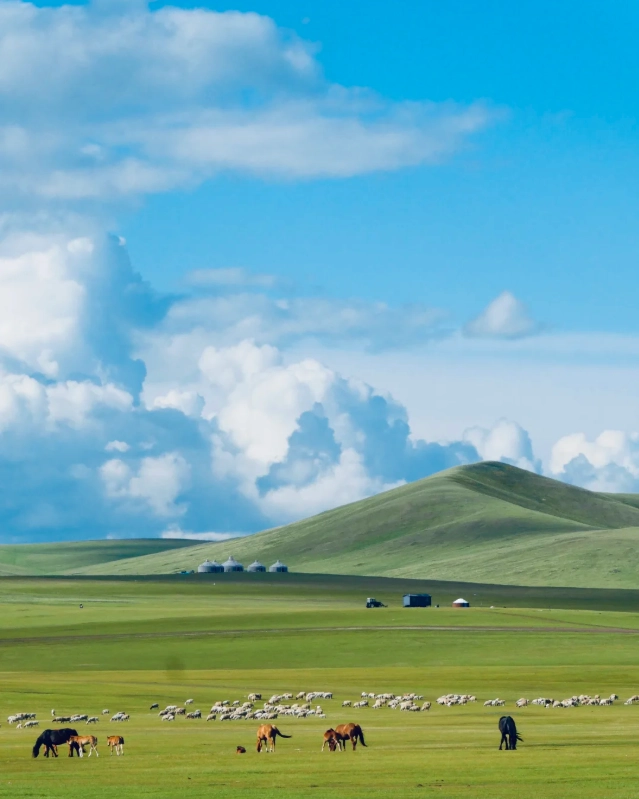
By Train
High-speed trains operate mainly around the central region. The Beijing-Hohhot route is convenient. For long distances, overnight trains are practical—you save a night's hotel, and it's an adventure. Book via China Railway's official portal (China Railway 12306), which has an English version. Be prepared to verify your passport number when collecting tickets.
By Car or Tour
For the grasslands, renting a car with a driver is the most flexible way. Many drivers can be found near Hailar airport; expect to pay 600-800 RMB per day with a minimum of 3 days. It sounds pricey, but it includes all the hidden stops. Public buses are unreliable for rural areas—I tried once and ended up stranded for hours.
Pro Tip: Do not rely on Google Maps—it's blocked and often inaccurate in China. Download 'AMap Global' (Gaode) which works in English and offers multilingual search. Always ask for the address in Chinese to show taxi drivers.
Where to Stay in Inner Mongolia: Proven Hotel Picks
The best stays mix convenience with authenticity, depending on where you are. Here's what works:
| Area | Accommodation Type | Est. Price | Best For |
|---|---|---|---|
| Hohhot | Business hotels near Wanda Plaza (e.g., Holiday Inn Express) | 300-500 RMB | Travelers wanting modern amenities |
| Hulunbuir | Family-run yurt camps | 150-300 RMB | Nature lovers, yurt experience |
| Ordos | Desert resorts (e.g., Xiangshawan Hotel) | 400-800 RMB | Desert activities, luxury |
| General | Budget guesthouses | 80-150 RMB | Backpackers, basic needs |
In Hohhot, I always recommend staying near Xincheng District—you're close to the night market and metro lines. The Holiday Inn Express on Zhongshan Road is a favorite; it has reliable Wi-Fi, English-speaking staff, and an elevator (you'd be surprised—many budget hotels in China don't). For yurts, don't expect luxury—they're basic with shared bathrooms. But the 'glamping' version at places like 'Hulunbuir Manzhouli Border Hotel' costs more (400 RMB) but includes private bath and a view of the border river.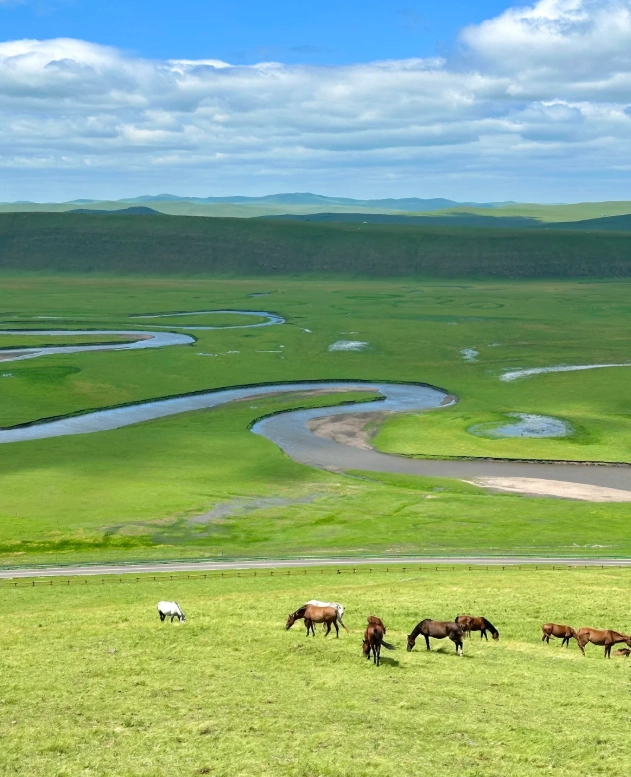
When booking, use apps like Meituan or Trip.com. Many small guesthouses won't appear on international sites, so I recommend asking a Chinese friend to book via Ctrip (the Chinese version). Payment must be through Alipay or WeChat Pay—not credit cards. If you don't have these set up yet, you'll need to use cash or ask someone to pay for you.
What to Eat in Inner Mongolia: A Local Food Guide
Inner Mongolia's cuisine is hearty, meat-centric, and best enjoyed in the open air. Here are my absolute must-tries:
- Hand-grabbed lamb (手把肉) — Boiled lamb chunks, eating with your hands. The flavor is pure and honestly, a bit gamey. My go-to spot in Hohhot is 'Boled' restaurant on Jinshan Street (20 mins from city center). A plate costs around 80 RMB, and it's enough for two. They have picture menus—great if you don't read Chinese.
- Roast whole lamb (烤全羊) — The grand Mongolian feast. Skip it unless you're in a group of 6+. Most yurt camps offer it for 1,200-1,500 RMB. It's a ceremony— you'll get a white ribbon tied on your forehead and a toast odjig. My tip: ask for the skin to be extra crispy.
- Milk tea (奶茶) — This is a savory, salty drink made with milk and tea, sometimes with dried lamb or millet. It's an acquired taste. Try 'Xilamuren' brand packets as a souvenir.
- Milk products — Dried cheese, yogurt, and milk tofu. Sweet or sour. I always pick up some milk tofu at the weekend market in Hohhot—cheap and authentic.
- Buuz (包子) — Mongolian steamed buns filled with mutton. A quick breakfast for 10 RMB each.
When it comes to payment, small stalls often prefer cash, but most sit-down restaurants accept mobile payments. International credit cards rarely work, so carrying 200 RMB in cash as backup is a must. Also, be aware that most places don't have English menus—use your translation app or point at other people's food. I've done that many times!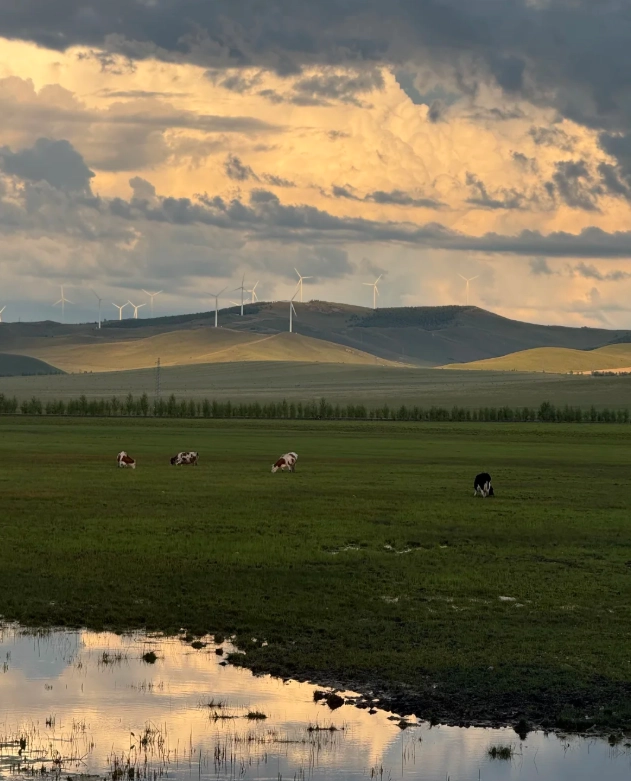
A 5-Day Inner Mongolia Itinerary That Actually Works
This plan focuses on the eastern grassland loop, which is the easiest to execute and the most rewarding for first-timers.
Day 1: Arrive in Hailar
Take a morning flight to Hailar (from Beijing, about 2 hours). Book a driver to pick you up. Take it easy—visit the Hailar National Forest Park, a serene spot with wooden boardwalks. Stay in a hotel downtown to recover from jet lag. Dinner at a local hotpot place (try 'Suhong' on Central Street).
Day 2: Drive to Hulunbuir Grassland
Drive 2.5 hours to the Moer'gele River area (via S201 highway). Stop at the famous 'Moli Farm' for a photo stop. Arrive at your yurt camp by noon. Have a traditional lunch of hand-grabbed lamb and dumplings. Spend the afternoon riding a horse (negotiate 50-100 RMB for 1 hour). Watch sunset on the hills—don't miss this. Overnight in the yurt camp.
Day 3: Morning hike and drive to Ergun
Wake up early to see the mist over the river. After breakfast, paddle a small boat on the river (30 RMB). Then drive 2 hours to Ergun Wetland. Take the shuttle and walk the boardwalk—it takes 2 hours. Check into a guesthouse in Ergun town. Try the Russian-style 'mish' (honey cake) at a local café.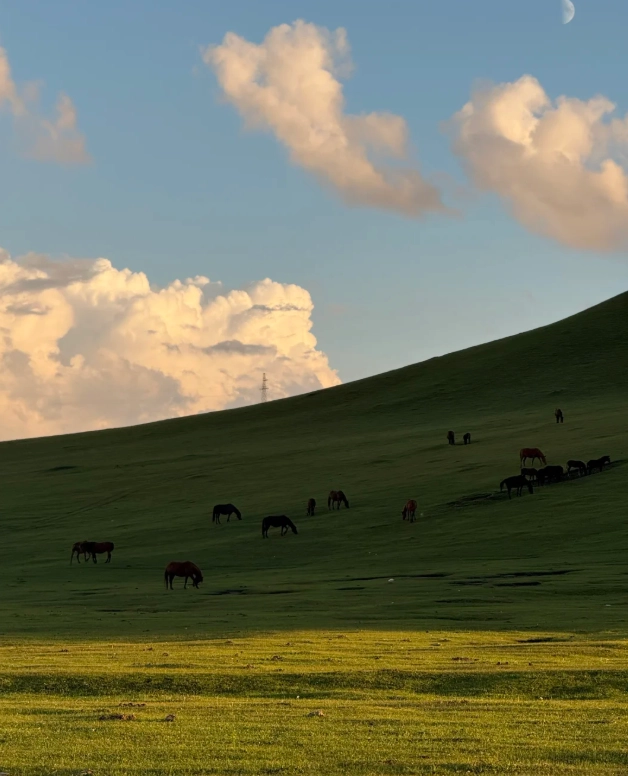
Day 4: Shiwei and the border
Drive 1.5 hours to Shiwei. Walk the border fence area and feel the presence of Russia just across the Argun River. Have a Russian lunch—borscht and blinis. Return to Ergun or stay in Shiwei overnight if you have room. Many travelers say Shiwei's sunset is the best of the trip.
Day 5: Return to Hailar and depart
Take the scenic highway via Enhe Russia-nese village—stop for photos of the wooden churches. Get to Hailar 3 hours before your flight. If time permits, quick visit to the Hailar Museum. Fly out.
Insider Advice: This itinerary has built-in buffer time. If you're feeling energetic, add a day trip to the famous 'Genhe Wetland' on Day 4. But don't overstuff—the point is to soak in the vastness.
How to Plan an Inner Mongolia Trip on a Budget
You can do this trip for as little as 1,500 RMB per person—if you skip the fancy yurts and private drivers. Here's the real breakdown:
| Expense | Budget Option | Comfort Option |
|---|---|---|
| Flights (Beijing-Hailar roundtrip) | 1,200 - 1,500 RMB | 1,800 - 2,500 RMB |
| Accommodation (4 nights) | 120 RMB each (dorm) | 400 RMB (mid-range hotel) |
| Transport (between sights) | Public buses / Hitchhiking | Private driver (600/day) |
| Food | 100-150 RMB/day (street food & simple meals) | 200-300 RMB/day (restaurants) |
| Activities | Free sightseeing, walk | Horse riding, desert tours |
To save money, I always suggest going in a group of 4 and sharing a car. That cuts transportation costs by up to 60%. Book your flights early—Chinese budget carriers like Spring Airlines often have deals around 600 RMB each way. Avoid the summer holiday season (July-early August) entirely if you're on a shoestring.
One unexpected expense: entrance fees add up. The wetland (60 RMB), desert (120 RMB), and mausoleum (80 RMB) are the big ones. But you can skip the desert if your budget is tight—I've seen people just from the highway, and honestly, it's 80% of the experience.
Is Inner Mongolia Safe? Honest Answers for Tourists
Yes, Inner Mongolia is one of the safest regions I've ever traveled in—but there are a few local quirks. The crime rate is extremely low, and the locals, especially in rural areas, are incredibly hospitable. However, as a foreigner, you'll attract attention. That's not a bad thing—usually you'll be invited to share a meal. Still, keep these in mind:
- Emergency numbers: Dial 110 for police, 120 for medical.
- Scams: At famous landmarks, some taxi drivers may overcharge. Always agree on a price before getting in or use ride-hailing apps like DiDi.
- Wild animals: In grassland areas, there are herding dogs. Stay calm and don't run. If a dog approaches, stand still and let it sniff you.
- Weather risks: In summer, sudden thunderstorms can occur. Carry a light rain jacket. In winter, hypothermia is a risk if you're not prepared—stay indoors unless you're experienced.
One more thing: the altitude in some places like Hohhot is 1,000-1,500m, which is not high enough to cause altitude sickness for most. But don't overexert on your first day.
FAQ: Your Inner Mongolia Travel Questions Answered
Verified and fact-checked by the editorial team.





No comments yet.