 Hui Lin
What You'll Find Here
I've been guiding travelers through China's visa maze for over a decade. And I can't count how many times I've met someone at the airport, panicking, because they thought they could just show up and get a visa on arrival. Spoiler alert: for most nationalities, that's not how it works. But there are legitimate ways to get a visa at the border — you just need to know the exact rules, the right ports, and which countries qualify.
Let me save you the stress. Here is the honest, no-fluff breakdown of China's visa-on-arrival policy (officially called a "port visa" or "L visa issued at the port"), which nationalities can use it, and exactly how to pull it off without getting denied.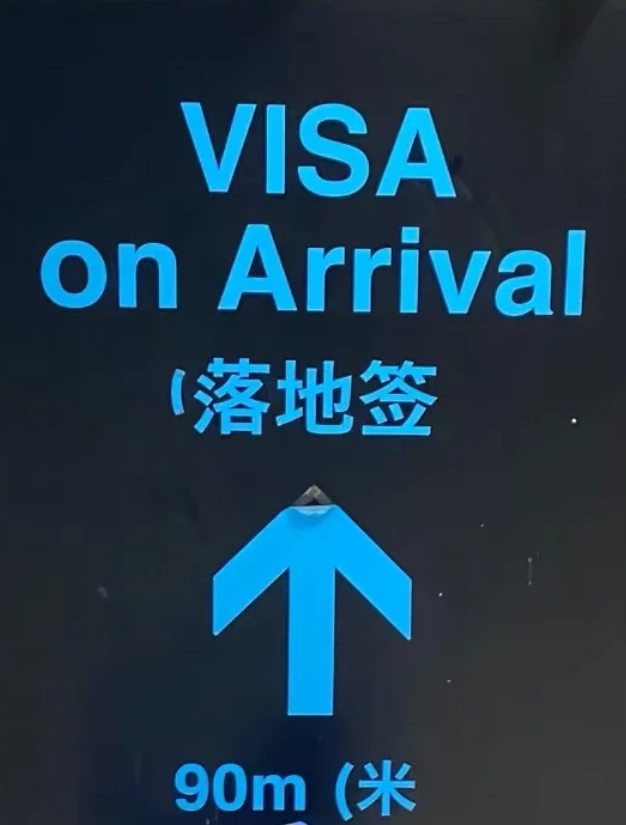
What Exactly Is China's Visa on Arrival?
China does offer a port visa (kǒu'àn qiānzhèng), which is technically a visa on arrival. But it's not like Thailand or Cambodia where anyone can just queue up. It's a conditional visa issued at select ports of entry for specific purposes — mainly emergency, humanitarian, or urgent business reasons. Tourists can't walk in and get one unless they meet very narrow criteria.
Key point: You must already have an approval letter (visa notification) from a Chinese host or inviting entity before you travel. Without that, the port won't issue you anything. The application is filed by your host in China to the local public security bureau, and once approved, you get a notice number to present at the port.
There is also a 24-hour transit policy, 144-hour transit for many cities, and visa-free entry for groups to certain regions (like Hainan, Hong Kong/Macau tours, etc.) – but those are not visa on arrival; they are visa exemptions. I'll clarify the difference later.
Which Countries Can Get a Visa on Arrival in China?
Officially, China's port visa is available to all nationalities in principle, but only under specific circumstances (emergency or business with pre-approval). However, there is a short list of countries whose citizens can obtain a port visa for tourism as part of a group tour arrangement. Let me break it down by category.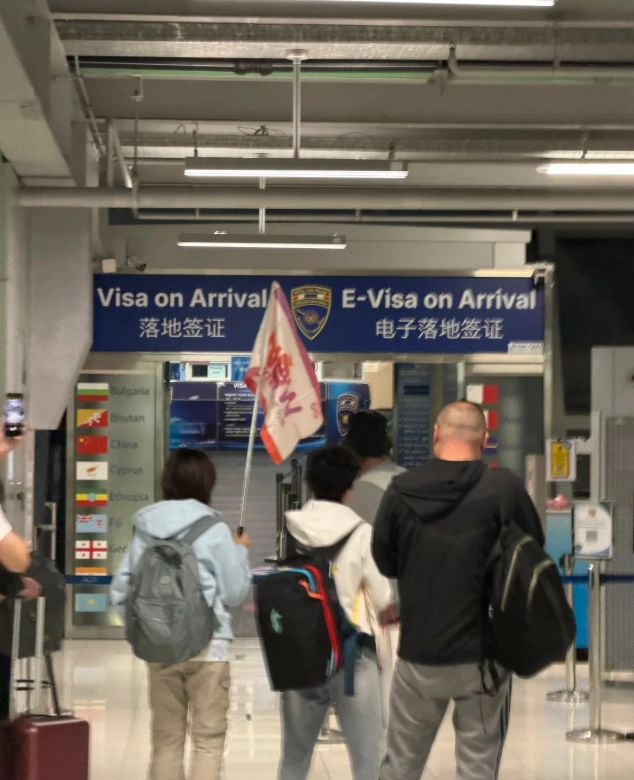
1. Port Visa for Emergency / Business (All Nationalities, With Pre-Approval)
Any foreign passport holder can apply for a port visa if they have an emergency (e.g., urgent family visit, funerals, critical business negotiations). The process:
- Your Chinese host applies to the local Exit-Entry Administration Bureau in China.
- You receive a Visa Notification Letter (also called port visa approval).
- You present this letter at a designated port (airport, land border, or seaport) and pay the fee to get the visa stamped on arrival.
In practice, I've seen this work for citizens of the US, UK, Canada, Australia, most European countries, and many others — if the paperwork is done in advance. But it's not a spontaneous drop-in.
2. Group Tour Port Visa (Limited Nationalities)
China allows group visa on arrival for tour groups organized by authorized Chinese travel agencies. The eligible countries are primarily those where China has a special agreement. According to the latest regulations, citizens from the following countries can join a group tour and get a visa on arrival at certain ports:
| Country | Notes |
|---|---|
| Russia | Group tours to specific regions (e.g., Heilongjiang, Inner Mongolia) |
| Mongolia | Organized tours via land ports |
| Kazakhstan | Group visa at certain border crossings |
| Kyrgyzstan | Same as above |
| Vietnam | Group tours via land ports in Guangxi and Yunnan |
| Laos | Group tours via Mohan port in Yunnan |
| Myanmar | Limited group tour arrangements |
| Nepal | Group tours via Tibet (must have Tibet permit) |
| India | Group tours under certain bilateral agreements |
| Pakistan | Group visa for specific border trade/tour |
This list can vary slightly. Always confirm with your travel agency. For most Western passport holders, group tour visa on arrival is not available; you need a standard tourist visa (L visa) before traveling.
3. Special Cases: APEC Business Travel Card
If you hold an APEC Business Travel Card (ABTC), you can enter China visa-free for up to 60 days. This is not a visa on arrival but a visa exemption. Eligible economies include Australia, Brunei, Chile, Chinese Taipei (Taiwan), Hong Kong (China), Indonesia, Japan, Korea, Malaysia, Mexico, New Zealand, Papua New Guinea, Peru, Philippines, Russia, Singapore, Thailand, and Vietnam. Check if your economy is included.
How to Apply for a China Port Visa (Step by Step)
Let's say you qualify for a port visa (emergency or group tour). Here's the exact process I guide my clients through:
- Get a Chinese host: For emergency visas, you need an individual or organization in China to sponsor you. For group tours, the travel agency acts as the host.
- Host submits application: The host goes to the local Public Security Bureau (PSB) Exit-Entry Administration and applies for a “Port Visa Approval”. They'll need your passport copy, itinerary, and reason for visit.
- Receive visa notification number: Once approved, you'll get a notification number (usually via email or fax). This is your golden ticket.
- Travel to a designated port: Only certain ports issue visas on arrival. Major international airports like Beijing Capital (PEK), Shanghai Pudong (PVG), Guangzhou Baiyun (CAN), Chengdu Tianfu (TFU), and some land ports (e.g., Shenzhen, Zhuhai) are authorized. But not all ports. Check with your host or the Chinese embassy beforehand.
- At the port counter: Present your passport, visa notification number, and a completed visa application form (available on site). Pay the fee (varies by nationality and visa type, typically $30-$150 USD). Get your photo taken. Wait 10-30 minutes (sometimes longer). Receive your visa sticker on arrival.
Payment warning: Most port visa counters only accept cash (Chinese yuan). International credit cards are rarely accepted. Some counters with WeChat/Alipay kiosks may work, but don't rely on it. Bring enough RMB.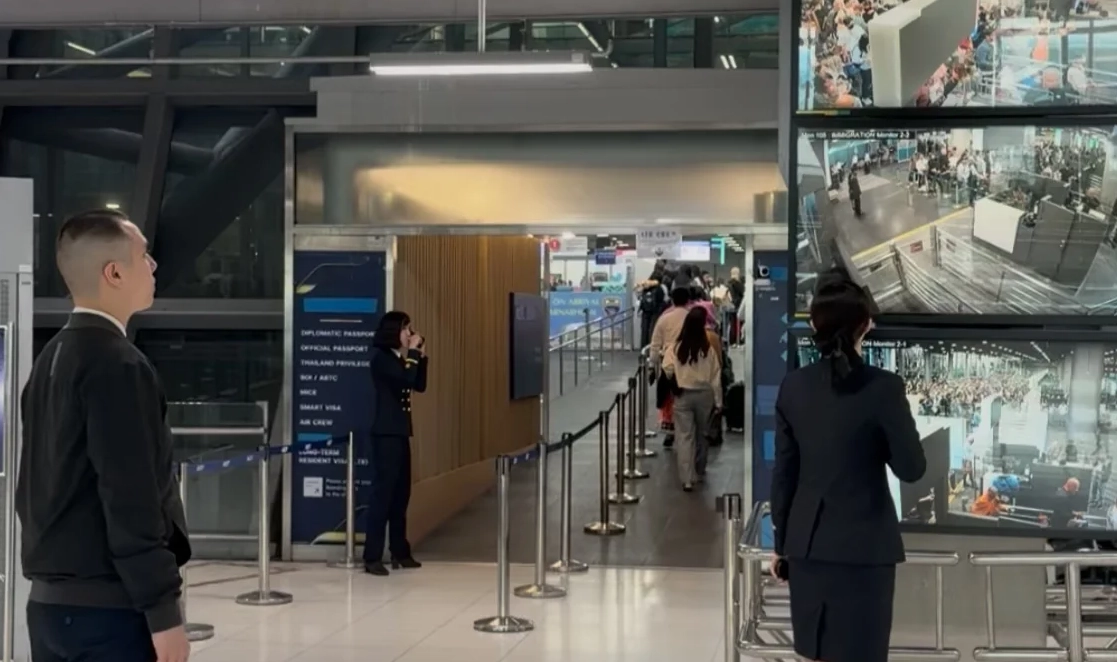
Transit Without Visa vs. Visa on Arrival – Don't Confuse Them
One of the biggest misunderstandings I see: travelers think the 144-hour transit policy is a visa on arrival. It is not. Here's the difference:
| Feature | Visa on Arrival (Port Visa) | 144-Hour Transit Without Visa |
|---|---|---|
| Pre-approval needed | Yes (visa notification) | No |
| Eligible nationalities | All (with conditions) | 53 countries (including US, UK, Canada, Australia, most EU, Japan, Korea, etc.) |
| Purpose | Emergency, business, group tour | Transit to a third country |
| Allowed activities | Limited to the approved reason | Tourism within the designated area (e.g., Shanghai, Beijing, Guangdong) |
| Duration | Usually up to 30 days (L visa) | Up to 144 hours (6 days) |
| Where to apply | At the port with approval letter | No application needed; just show your onward ticket |
The 144-hour transit is much easier for eligible nationalities. If you're flying from New York to Bangkok with a layover in Shanghai, and your country is on the list (check National Immigration Administration website), you can leave the airport for up to 6 days without any visa. No need for an invitation letter.
Insider Advice: I always recommend the 144-hour transit over a port visa for short visits. But remember, you must arrive and depart from the same transit zone (e.g., you can't fly into Shanghai and leave from Beijing). And you need a confirmed onward ticket to a third country (not back to your home country).
FAQ: Common Questions About China Visa on Arrival
Additional practical tips for your China trip:
- Payment: WeChat Pay and Alipay dominate. Set them up with your international credit card before arrival. Cash is accepted but change is a hassle. Most visa counters only take cash.
- Navigation: Google Maps is unreliable. Download Apple Maps (surprisingly good in China) or use AMap (高德) with English mode. Always get a Chinese address written down to show taxi drivers.
- VPN: Essential for accessing Google, Facebook, WhatsApp. Install a reliable VPN before you leave.
- Translation: Baidu Translate or Apple Translate work offline. Many restaurants have picture menus — point to what looks good.
Final word from a guide who's seen it all: Don't gamble on a visa on arrival unless you have the proper documents. I've watched too many travelers take the risk and get escorted back to the departure gate. Get your visa sorted before your flight — it's the only way to guarantee entry. If you qualify for the 144-hour transit, use it; it's the easiest. For everything else, consult the Chinese embassy or a trusted visa agency.
Verified and fact-checked by the editorial team.








No comments yet.