 Wei Zhang
What's Inside This Guide
I've lost count of how many times I've guided first‑timers through Chongqing. The first thing they always say: “This city is impossible to navigate.” Three days later, they're addicted to the chaos. I'll save you the steep learning curve—here's everything I wish someone told me before I moved here.
Let's cut through the noise. Chongqing isn't just about Hongya Cave and hotpot. It's about understanding a city built on vertical layers—where “ground floor” might actually be the 10th floor. You need a plan, and I'll give you mine.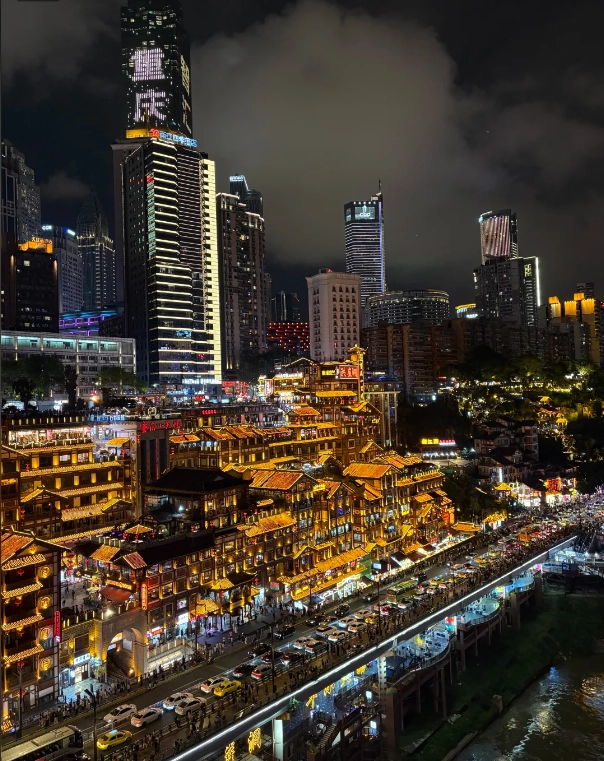
Why Chongqing Should Be Your Next Destination
Chongqing tourism is booming for good reason: it's one of China's most unique urban landscapes. Picture a metropolis where skyscrapers rise from cliffs, elevators are public transport, and the spicy aroma of hotpot fills every alley. It's a city that's simultaneously futuristic and raw. I've seen tourists' jaws drop when they realize the subway goes over a river on a bridge—and then dives underground. This isn't Beijing or Shanghai; it's a whole different beast.
But here's the catch: English is scarce, cash is often useless, and Google Maps will lead you astray. Don't worry—I'll guide you through every hassle.
Top Attractions in Chongqing
The city's iconic sights are a mix of ancient history and modern engineering. Let me break down the must‑sees with no fluff.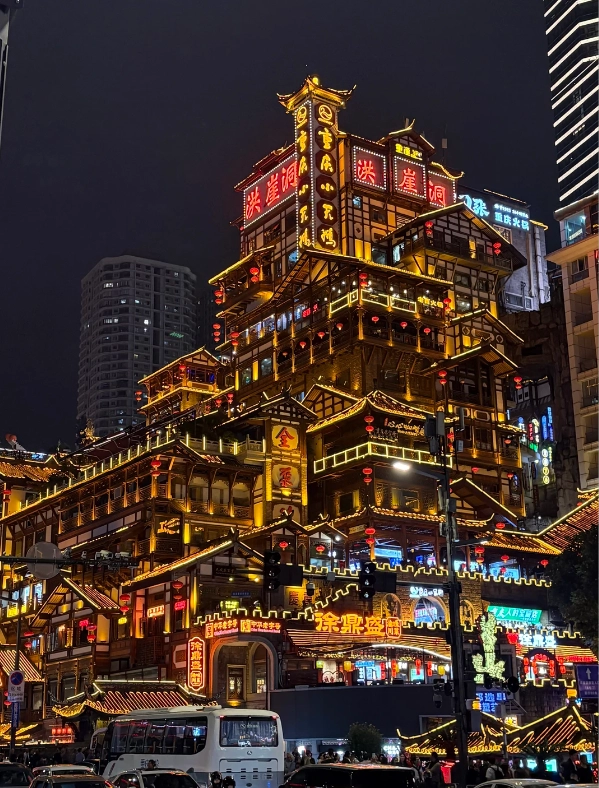
Hongya Cave (洪崖洞)
This 11‑story stilted complex is Chongqing's postcard image, especially at night. But be warned: it's packed with selfie sticks. Go at 7 PM when lights turn on—but skip the elevator lines by entering from the 11th floor (Cangbai Road). Address: No. 88 Cangbai Road, Yuzhong District. Open 10:00–23:00. Free entry, but some floors require a passport scan. Cash not accepted—use Alipay.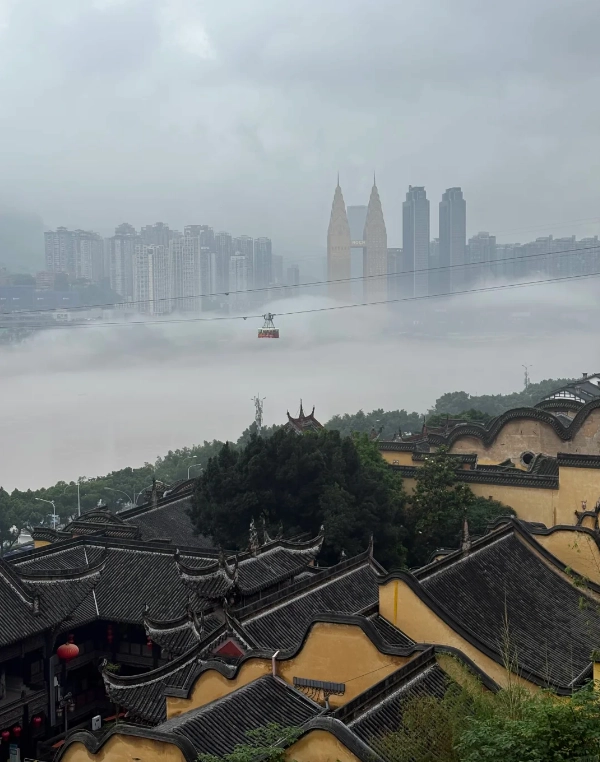
Pro Tip: The best photo spot is across the river on Nanbin Road. Take a 5‑minute taxi from Hongyadong. Don't bother queuing for the internal elevators; they're a nightmare.
Ciqikou Old Town (磁器口)
A restored Ming‑ and Qing‑era river town, now a tourist magnet. It's charming but crowded. Go on a weekday morning to avoid peak chaos. Address: Ciqikou, Shapingba District. Free entry. Highlights: Chen Mahua (fried dough twists) and a riverside teahouse. The alleyways are narrow; watch for pickpockets. To get there, take Metro Line 1 to Ciqikou Station, Exit 1.
I always tell my clients to skip the main street and head right into the side lanes—there you'll find real local snacks and fewer crowds.
Yangtze River Cableway (长江索道)
This 1,166‑meter cable car spans the Yangtze and offers stunning city views. It's a practical commuter tool, not just a ride. Tickets: 20 RMB single (cash/WeChat). Expect a 30‑minute queue on weekends. Best time: late afternoon for golden light. Board from the south station (Nan'an) for shorter lines. Address: No. 1 Xinhua Road, Yuzhong District. Opens 7:30–22:00.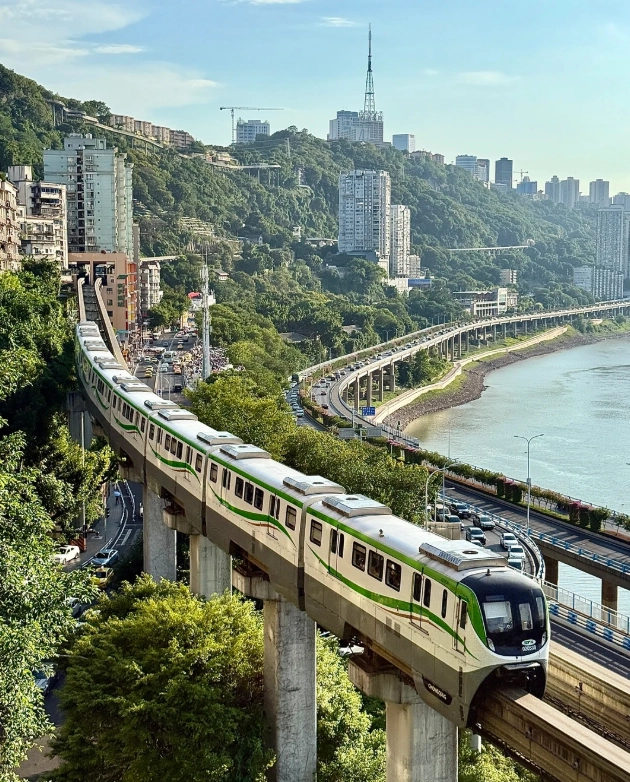
Insider Advice: The cable car carrries only 50 people—if it's packed, wait for the next one. The middle of the car gives the best photo angle.
Wulong Karst (武隆喀斯特) — Day Trip
If you have a spare day, escape the city to see massive natural bridges and a collapsed sinkhole. It's a 2‑hour bullet train from Chongqing North to Wulong (50 RMB). Then a 40‑minute bus. Entrance: 95 RMB. Must show passport. The Three Natural Bridges are jaw‑dropping. Wear sturdy shoes—ancient steps are uneven. I recommend hiring a private driver for about 500 RMB per day if you're in a group.
Navigating Chongqing: Transportation Tips
Get ready to ditch Google Maps and embrace the local transit apps. Here's what works.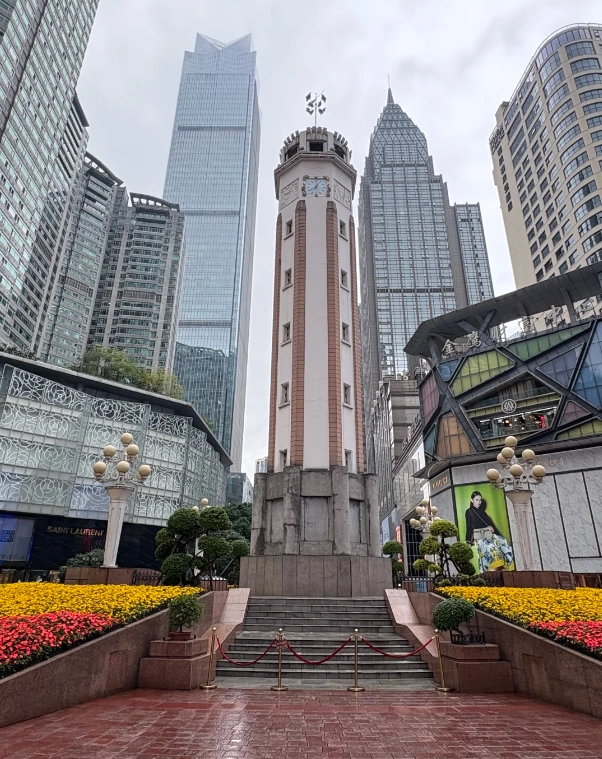
First, Apple Maps works reasonably well in Chongqing, and it's in English. For real‑time navigation, download AMap (高德地图)—its English interface is decent, and it's the only reliable source for bus and footpaths in the hills. Google Maps simply cannot handle the overpasses and tunnels.
Metro is your best friend. Lines 1, 2, 3, and 6 cover most tourist spots. Buy a temporary pass at the station—they accept cash (coins only) or Alipay. Trains run 6:30–23:00. Taxis are cheap—base fare 10 RMB. But note: drivers rarely speak English. Always have your destination written in Chinese (I'll provide key addresses below).
Payment: Alipay and WeChat Pay are mandatory. I've seen foreigners struggle at noodle stalls because they only had cash. Link your international card to Alipay before you arrive. Carry 100 RMB in small bills for emergencies—but expect change to be digital.
VPN: You need one. Most foreign websites are blocked. Install ExpressVPN or NordVPN before you fly. For translation, use Apple Translate or Baidu Translate (it works offline).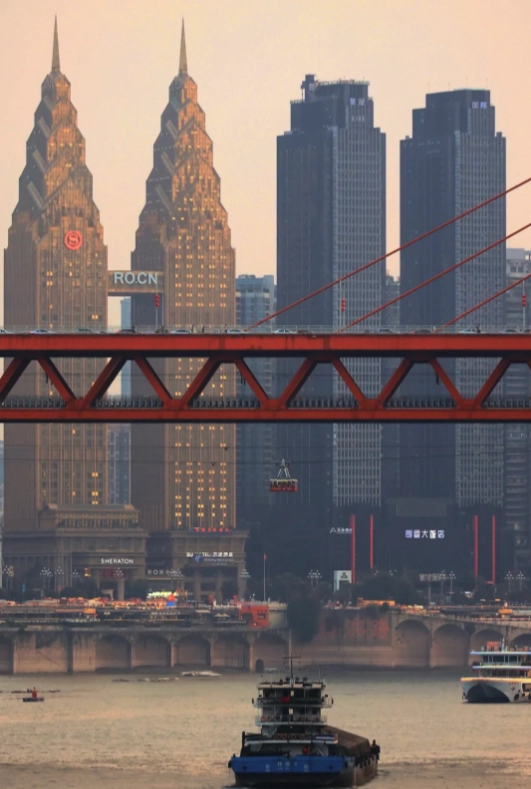
Chongqing Food: What to Eat and Where
Chongqing is the capital of spicy, numbing food. If you can handle heat, you're in heaven. If not, there's still plenty to enjoy.
Hotpot (火锅)
The quintessential Chongqing meal. Go to Zhu San (朱三) near Jiefangbei. Address: 289 Minzu Road. Expect a 40‑minute wait at dinner. The broth is fiery—opt for a yuan yang (half spicy, half mild) if you're a beginner. Average cost: 80–150 RMB per person. Cash not accepted. They have a picture menu, so pointing works.
I always tell clients: order more vegetables. The meat can be overwhelmingly oily. And skip the drinks inside—buy a cold tea from the street vendor for 3 RMB instead.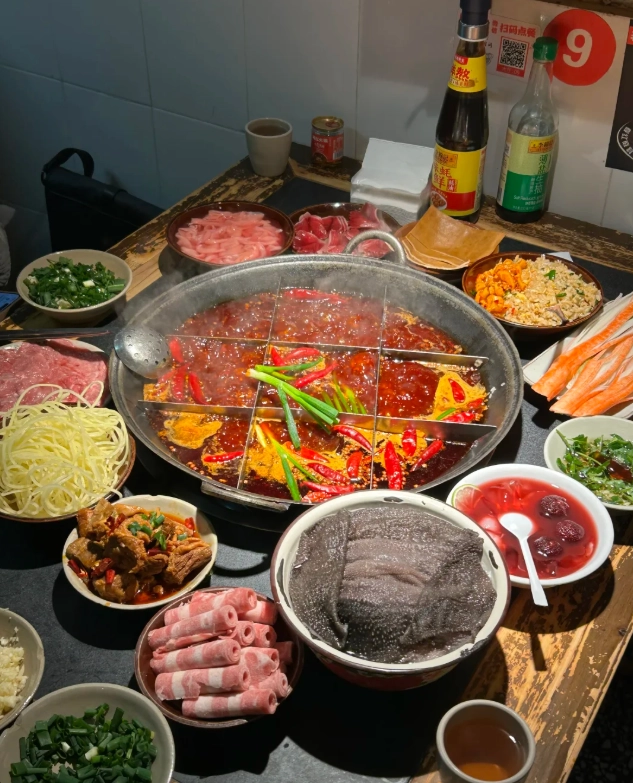
Xiaomian (小面)
Street noodles that pack a punch. My favorite spot: Huayuan Xiaomian (花市小面) at 123 Xiaoshizi Street. It's a tiny hole‑in‑the‑wall, open 6:00–14:00 only. A bowl costs 8–15 RMB. Spice level: choose “wei la” (微辣) if you're scared. Payment: Alipay only.
Most noodle shops don't have English menus. Pull out your phone and show a picture of “Chongqing Xiaomian”—they'll understand.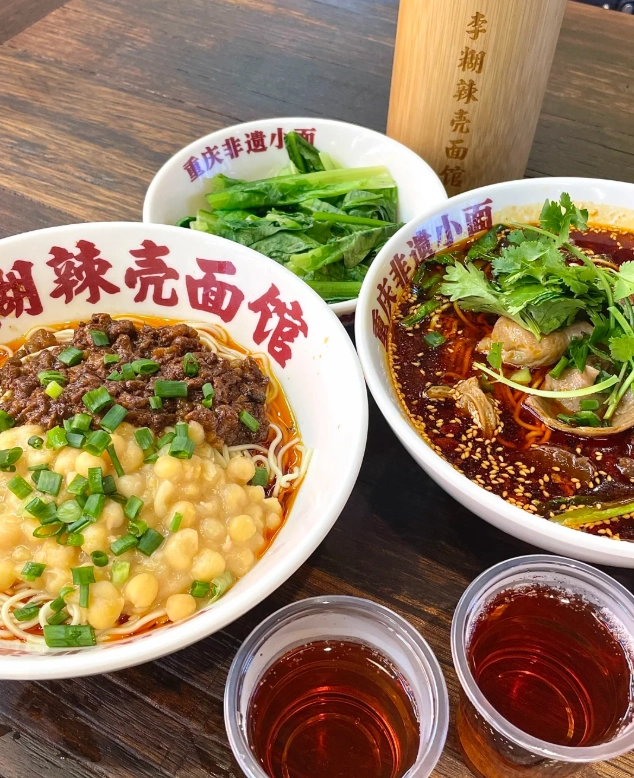
Grilled Fish (烤鱼)
Another local staple. Try Yujiang Huan (鱼江环) at Nanbin Road. The fish is crispy on the outside, tender inside, smothered in chilies and Sichuan pepper. A meal for two costs around 120 RMB. They accept credit cards (but not all international ones—Visa works).
Vegetarians: watch out—many dishes use meat broth. Seek out “Su Shi” restaurants (素食) but they're rare. Most Chongqing food is meat‑heavy and spicy. I'd recommend sticking to hotpot vegetable platters and stir‑fried greens.
Where to Stay in Chongqing
Your best bet is the Yuzhong District (Jiefangbei area) —walkable to Hongya Cave and the cableway. Here are three options for different budgets.
| Hotel | Location | Price (RMB/night) | Best For | English Staff |
|---|---|---|---|---|
| JW Marriott Chongqing | 235 Minzu Road | 600–900 | Luxury, business | Yes |
| Chongqing Suning Hotel | 10 Jiefangxi Road | 250–400 | Mid‑range, couples | Limited |
| Pudding International Youth Hostel | 15 Cangbai Road | 80–150 | Backpackers, solo | Basic |
All three have stable Wi‑Fi, but the hostel can be noisy. The Marriott has a 24‑hour gym and a pool. The Suning is near the metro (Line 1, Jiaochangkou Station, Exit 1). The hostel is inside a historic building—no elevator, so pack light. For families, I recommend the Marriott or Suning; for solo adventurers, the hostel is great for meeting people.
Check‑in requires passport, and they'll scan it. Most hotels require a deposit in cash or card. The hostel doesn't have luggage storage—if you arrive early, ask to leave bags at reception.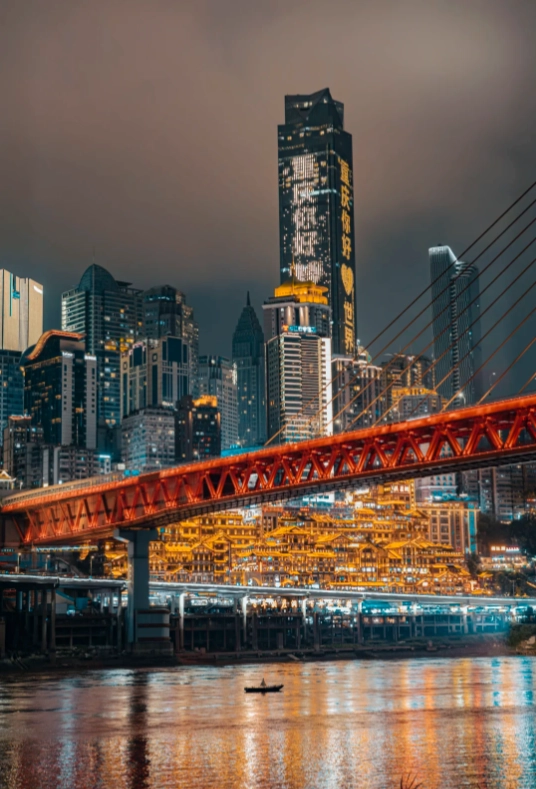
FAQ About Chongqing Tourism
This content has been fact‑checked to ensure informational precision. Prices and schedules are based on personal experience and may change—always verify with official sources before visiting.





No comments yet.