 Yan Zhou
What's Inside
I still remember the first time I led a group of frazzled expats from Nanjing Road to a sleepy water town. By noon, they were bargaining for tea leaves with an elderly farmer, completely offline and smiling. That's the magic of a China rural village tour from Shanghai — you swap skyscrapers for canals, honking for birdsong. But here's the catch: many travelers end up stuck in tourist traps because they don't know where to go or how to navigate. I've spent years guiding visitors to the best hidden spots. Let me show you how to plan an authentic escape without the usual headaches.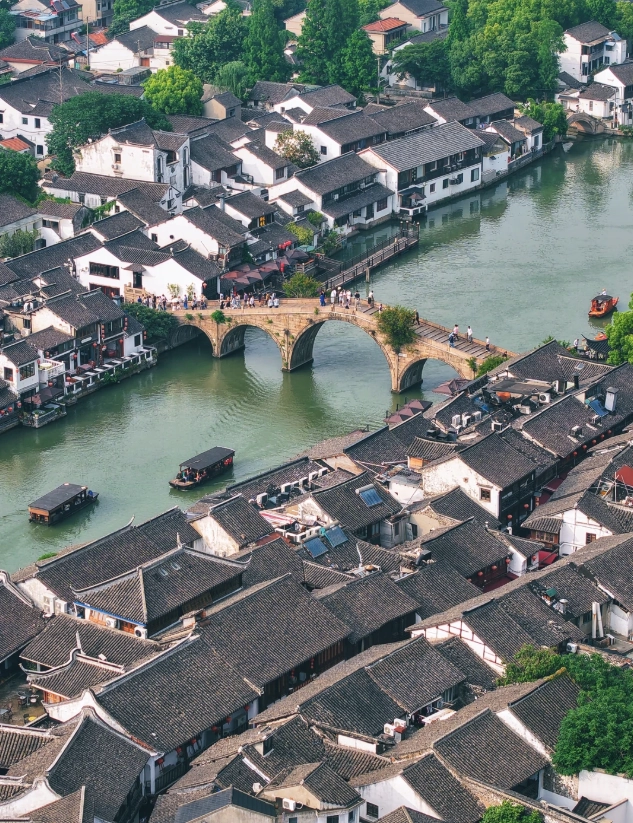
Why Choose a Rural Village Tour from Shanghai?
Shanghai is electrifying, but after a few days, the crowds and pollution can wear you down. A rural village tour from Shanghai offers a breath of fresh air — literally. You'll see ancient bridges, traditional architecture, and rice paddies. Most importantly, you'll experience a slower pace of life that Chinese people themselves treasure. These villages are also incredibly photogenic, with lotus ponds and cobblestone alleys perfect for Instagram.
Insider Advice: Don't try to visit multiple villages in one day. Choose one and soak it in. Rushing will only give you traffic headaches and regret.
Best Rural Villages near Shanghai
There are many options within 2 hours of Shanghai. Here's my honest comparison after dozens of trips:
| Village | Distance from Shanghai | Transit Time | Ticket Price (Adult) | Best For |
|---|---|---|---|---|
| Zhujiajiao | ~50 km | 1 hr by bus/car | Free (combined ticket ~¥80) | Half-day escape, first-timers |
| Xitang | ~90 km | 1.5 hr by train+taxi | ¥95 (day)/¥150 (night) | Photography, romantic evenings |
| Wuzhen | ~130 km | 2 hr by car/train | ¥150 (East Gate)/¥200 (West Gate) | Polished attractions, museums |
| Mogan Mountain | ~190 km | 2.5 hr by car + up | Free (village area) | Hiking, mountain villas, quiet |
My personal favorite? Xitang. It's less crowded than Wuzhen (which I find a bit over-commercialized) and more photogenic than Zhujiajiao. But if you only have half a day, Zhujiajiao is your best bet.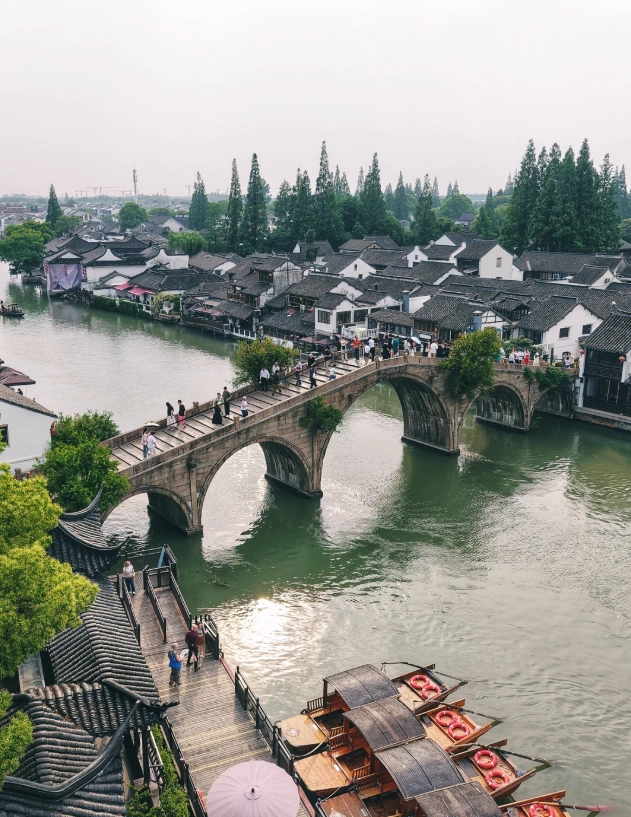
Zhujiajiao – The Venice of Shanghai
Located in Qingpu District, Zhujiajiao is the closest water town to Shanghai. You can get there by city bus (Line 17 to Zhujiajiao Station) or by a direct tour bus from Shanghai Stadium. The entry is free; you only pay for specific attractions like the Kezhi Garden (¥20). I always tell my clients to skip the paid indoor exhibits and just wander the canals. Open 24/7, but shops close around 6 PM. Pro Tip: Go on a weekday morning to avoid crowds. Parking is a nightmare on weekends.
Xitang – The Photographer's Dream
Xitang is about 90 km southwest. Take a high-speed train from Shanghai Hongqiao to Jiashan South (¥40, 30 minutes), then a 20-minute taxi (¥50-60). The evening ticket (¥150) gives you entry after 5 PM and includes the illuminated canals. I recommend staying overnight in a canal-side guesthouse — many have English-speaking owners. But be warned: the cobblestone paths are tricky with luggage. Pay in cash for street food; most vendors don't accept cards or Alipay.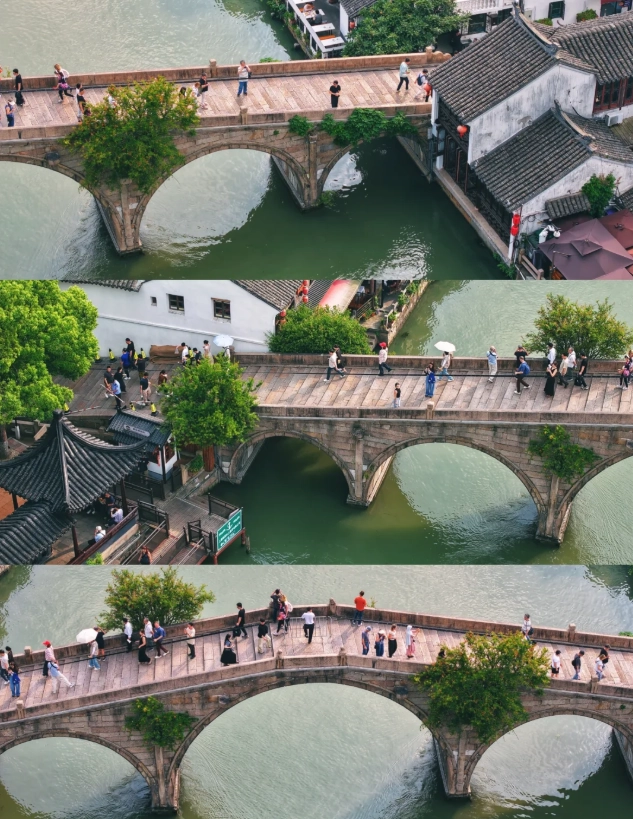
Wuzhen – The Most Developed
Wuzhen is divided into East and West Gates. West Gate is more modernized with light shows and a theater; East Gate is more traditional. A combined ticket costs ¥200. Book at least 1 day ahead on Trip.com using your passport. I find Wuzhen too polished — it feels like a theme park — but if you want convenience (ATMs, clean toilets, English signs), it's your choice. Avoid the local food inside; it's overpriced and bland.
Mogan Mountain – Mountain Retreat
If you prefer mountains over water, Mogan Mountain (Moganshan) is a forested area with bamboo groves and historic villas. It's farther, so plan an overnight stay. Drive or take a bus from Shanghai South Station to Deqing, then a taxi up. No ticket needed for the village; you pay for specific hiking trails (¥50-100). The air is pure, and the villas offer a cozy escape. Insider advice: Bring mosquito repellent and a jacket — evenings get chilly even in summer.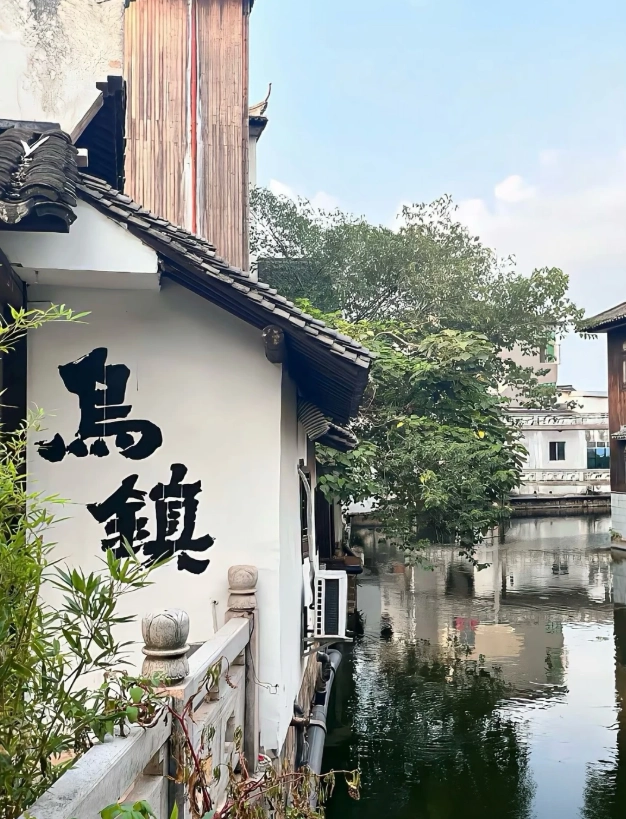
How to Get There: Transportation Guide
Getting to these villages is easier than you think, but Google Maps won't help. Use Apple Maps (it works reasonably well) or download AMap (Gaode) and switch to English. For taxi rides, show the driver the Chinese name of your destination.
By High-Speed Train
For Xitang and Wuzhen, the fastest way is a bullet train from Shanghai Hongqiao. Buy tickets on Trip.com (they accept international credit cards) or at the station with your passport. Trains run every 20-30 minutes. Once you arrive at the nearest station (Jiashan South for Xitang, Tongxiang for Wuzhen), grab a taxi from the official queue. Avoid drivers who approach you inside the station — they often overcharge.
By Bus and Private Car
Zhujiajiao has direct buses from Shanghai Stadium (Line 4 to Zhujiajiao). Cost: ¥12 one way. For a private car, use Didi (Chinese Uber). A trip from downtown Shanghai to Zhujiajiao costs about ¥150-200. Important: Didi only accepts Alipay or WeChat Pay linked to a foreign card. You must have a Chinese phone number to register. If you don't, ask your hotel to call a taxi for you — you can pay cash directly to the driver.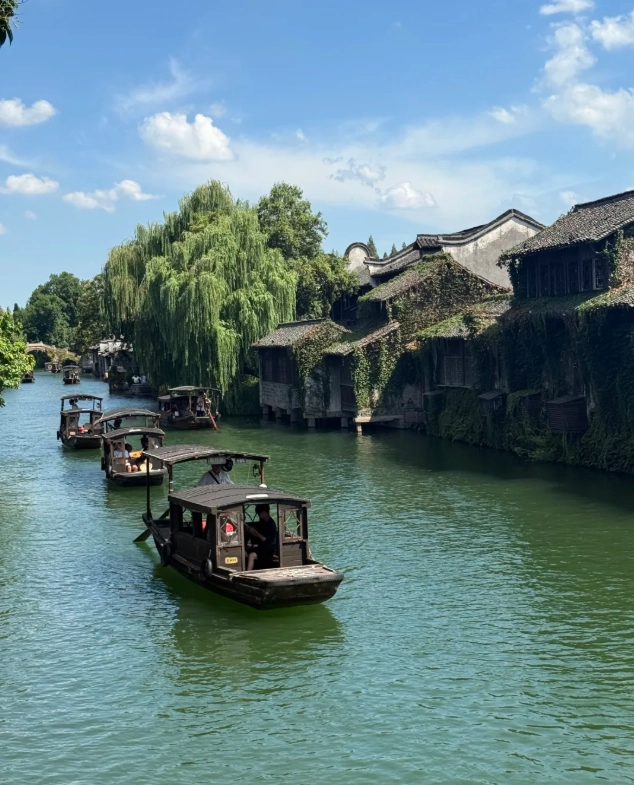
Ticket Booking and Entry Tips for Foreigners
I cannot stress this enough: most villages now require advance reservation using your passport number. The official WeChat mini-programs are in Chinese and a nightmare for foreigners. Instead, use Trip.com or Klook — both have English interfaces and accept international cards. For example, Xitang's night tour tickets sell out fast on weekends, so book at least 2 days ahead. At the entrance, show the QR code and your passport. No need to print anything.
What to Eat in the Villages
Rural food is a highlight. Try stinky tofu (deep-fried fermented tofu, smells strong but tastes mild), wonton soup (local wontons are smaller and more delicate), and river shrimp (tiny, sweet, and usually stir-fried with tea leaves). For dessert, osmanthus cake is a must. Avoid the jianbing (Chinese crepe) sold at tourist stalls — it's often cold and stale.
Most food stalls only accept cash or Alipay. In a proper restaurant, you might be able to use your foreign credit card, but don't count on it. Always carry ¥200-300 in cash for food and souvenirs.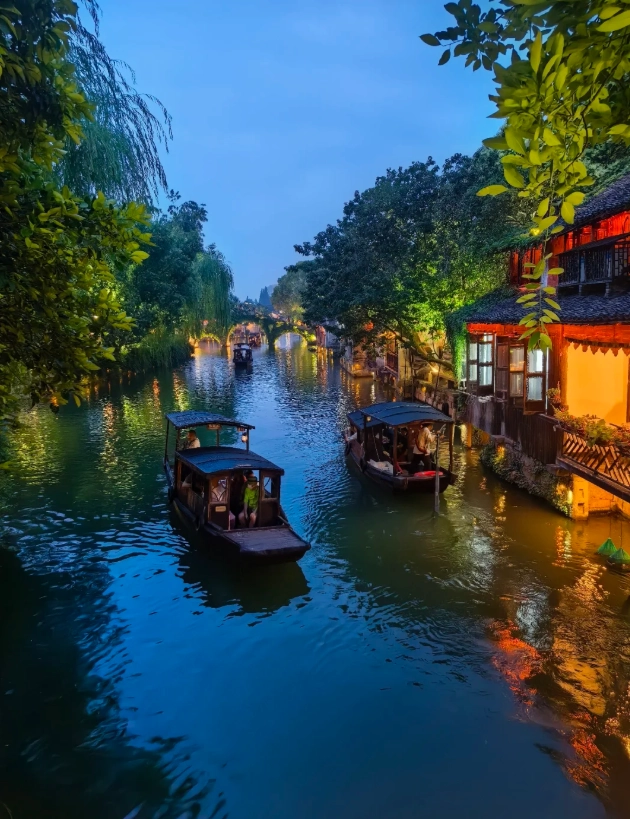
One-Day Itinerary: Best of Zhujiajiao
Here's a realistic schedule I use with my groups:
- 9:00 AM – Depart from People's Square by taxi (45 mins, ¥120).
- 10:00 AM – Arrive at Zhujiajiao. Walk along the main canal, cross Fangsheng Bridge, and take photos before crowds build.
- 11:30 AM – Visit Kezhi Garden (¥20, open 8:30-16:30). It's a classic Jiangnan garden.
- 12:30 PM – Lunch at Yang's Wonton (near the Fangsheng Bridge). Their wonton soup is ¥15 and delicious. Cash only.
- 2:00 PM – Take a gondola ride (¥150 per boat, up to 6 people). It lasts 25 minutes. Ask the boatman to go through the quieter back alleys.
- 3:30 PM – Shopping for tea and silk scarves. Bargain hard! Start at 30% of the asking price.
- 5:00 PM – Catch the bus back to Shanghai Stadium (last bus 5:30 PM). Or hire a Didi (¥150).
If it rains, skip the gondola and visit the Zhujiajiao Post Office Museum (free entry, indoor).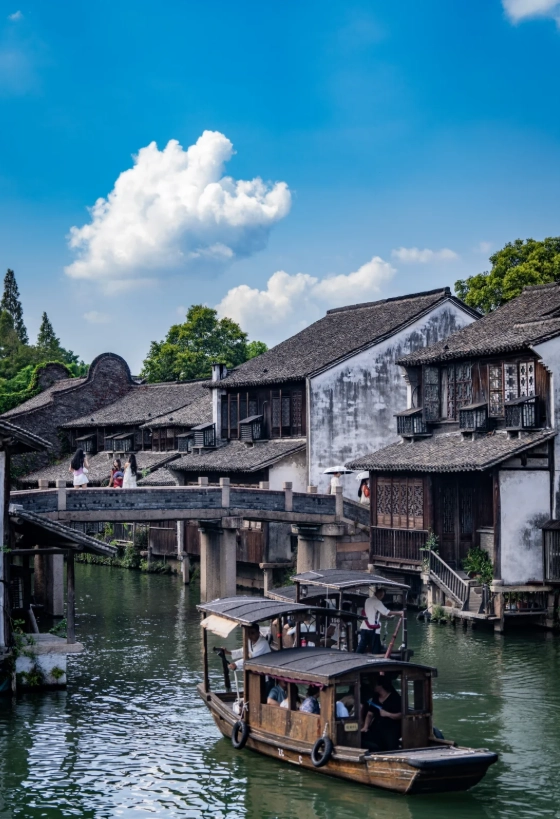
Common Mistakes to Avoid
- Relying on Google Maps. It doesn't work well in China. Use Apple Maps or the English version of AMap.
- Not carrying cash. Many vendors don't accept cards or mobile payments from foreign cards.
- Buying tickets at the door on weekends. Always book in advance for popular villages like Wuzhen.
- Shopping at the first stall you see. Prices drop as you walk deeper into the village.
- Forgetting a VPN. Social media and Google are blocked. Install a reliable VPN before leaving home.
FAQ
Verified and fact-checked by the editorial team.





No comments yet.