 Yan Zhou
Quick Look – What You'll Learn
Let me guess — you've heard China is a cashless society. Alipay this, WeChat Pay that. And then you show up, try to buy a bottle of water from a tiny street cart, and the vendor just stares at your phone. No QR code. No card machine. Just an open palm waiting for a few crumpled yuan.
I've been guiding tours in China for years, and this scene plays out at least once per trip. So how much cash to bring to China? Short answer: 2,000–3,000 CNY (about $280–$420) is a safe starting point for a one-week trip, but let's break it down so you don't end up stranded or stuck with pockets full of useless bills.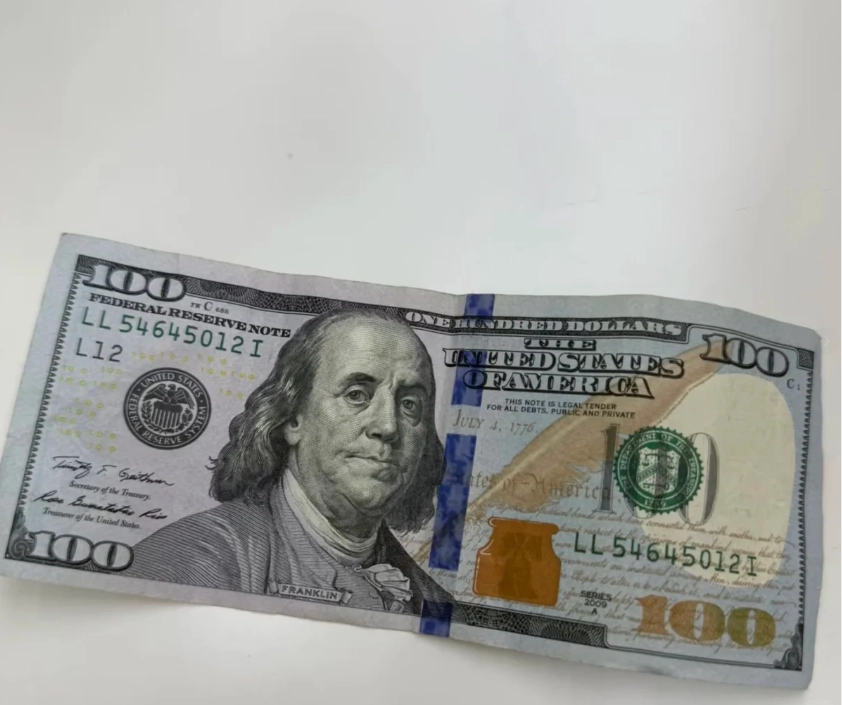
Why Cash Still Matters in Digital China
Yes, Alipay and WeChat Pay are everywhere — in restaurants, hotels, even temples' donation boxes. But here's the catch: many small businesses, taxi drivers (especially older ones), and street food vendors only accept cash. Even some metro ticket machines only take coins and small bills. Tourists relying solely on mobile payment often get into trouble when their international card doesn't link properly or when they run out of battery.
I once had a guest who couldn't buy a metro ticket because the machine rejected his foreign card and he had zero cash. He waited 20 minutes until I found someone to exchange money. Don't let that be you.
The Exact Amount of Cash to Bring
Rather than guess, use this calculation based on real daily expenses for a typical tourist:
| Expense Type | Daily Cost (CNY) | Payment Preference |
|---|---|---|
| Street food & snacks | 50–100 | Cash only (80%) |
| Local taxis (not Didi) | 30–80 | Cash mostly |
| Public toilet fees | 1–3 | Cash only |
| Small souvenirs (street stalls) | 30–150 | Cash preferred |
| Museum entry (advance booking) | 60–200 | Mobile/card |
| Sit-down restaurants | 100–300 | Mobile/card |
For a 7-day trip, I recommend bringing 2,000–2,500 CNY in cash. If you're staying 10 days or more, bring up to 3,500 CNY. For shorter stays (3–4 days), 1,000–1,500 CNY is plenty. Always have a buffer of 500 CNY for emergencies — like when your hotel requires a cash deposit for the room key (rare but happens).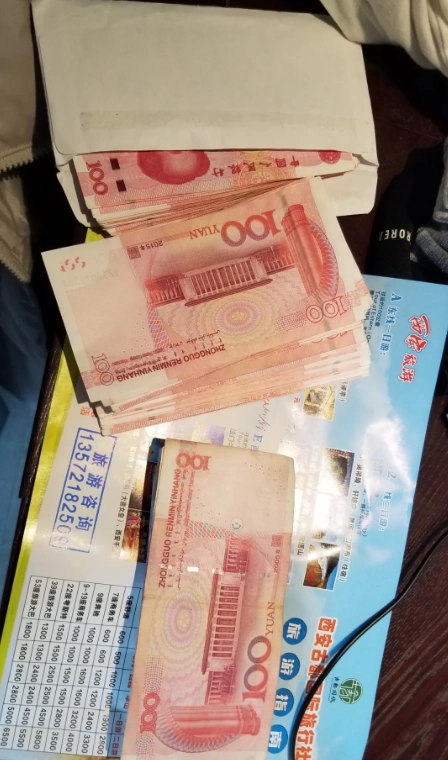
Where to Get Cash in China
Don't bring all your cash from home. It's risky and exchange rates at your local bank are often worse. Instead:
- ATMs at major banks (Bank of China, ICBC, China Construction Bank) accept Visa, Mastercard, and UnionPay. Withdraw in small amounts — max 2,500–5,000 CNY per transaction. Fees vary: your home bank plus Chinese bank (typically 20–30 CNY).
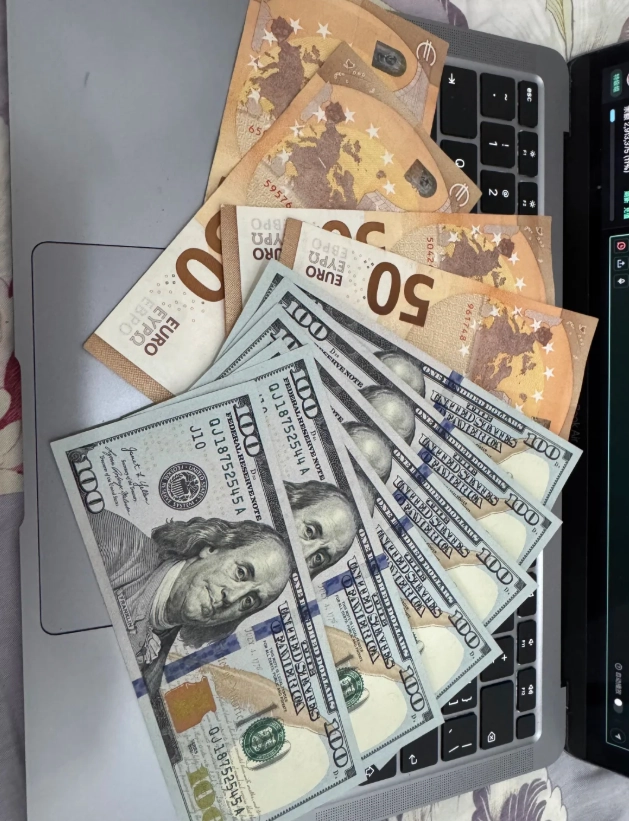
- Airport exchange counters — convenient but give poor rates. Only use for a small amount (e.g., 300 CNY) to get into the city.
- Hotels — some premium hotels exchange currency for guests, but rates are mediocre.
- Banks in city centers — bring your passport; they'll exchange cash (USD, EUR, GBP) but expect paperwork and limited hours (9am–5pm weekdays).
One thing that surprised me: ATMs in China often dispense only 100 CNY notes. That's a problem when you need to pay 2 yuan for a bus ride. Solution: break large bills at any convenience store (FamilyMart, Lawson) by buying a small item.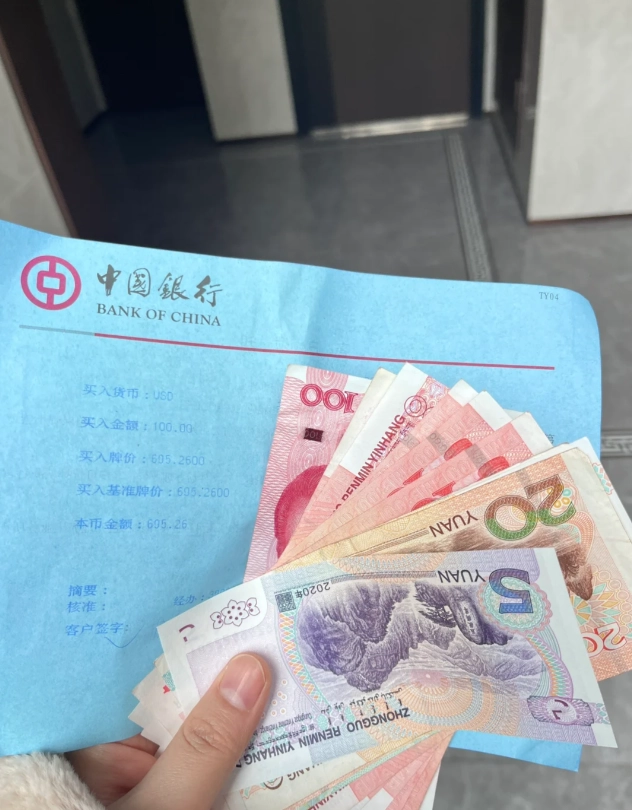
Cash vs. Mobile Payment: Where Each Works
Here's my quick cheat sheet based on hundreds of trips:
- Use cash for: Street vendors, wet markets, small taxis, public toilets, night markets, tips (though tipping isn't common, sometimes locals appreciate small change), and any transaction under 10 CNY.
- Use digital (Alipay/WeChat) for: Supermarkets, chain restaurants, hotel bills, train/plane tickets, major attractions (if you linked a card), and Didi rides.
- Credit cards accepted: Only at high-end hotels, international stores, and some tourist spots. Don't rely on plastic.
Best Denominations to Carry
Chinese currency (CNY) comes in notes of 1, 5, 10, 20, 50, and 100. Coins are rare except for 0.1, 0.5, and 1 yuan — but coins are heavy and mostly used at parking meters. I always tell my clients to aim for this mix:
- 20 yuan notes (the sweet spot for taxis, food, and tips)
- 10 yuan notes (perfect for small purchases)
- A few 5 and 1 yuan notes (for toilets, bus fare, beggars)
- 100 yuan notes (keep these for emergencies or big purchases; break them early)
Never carry only 100s — many small vendors can't change them, especially in rural areas.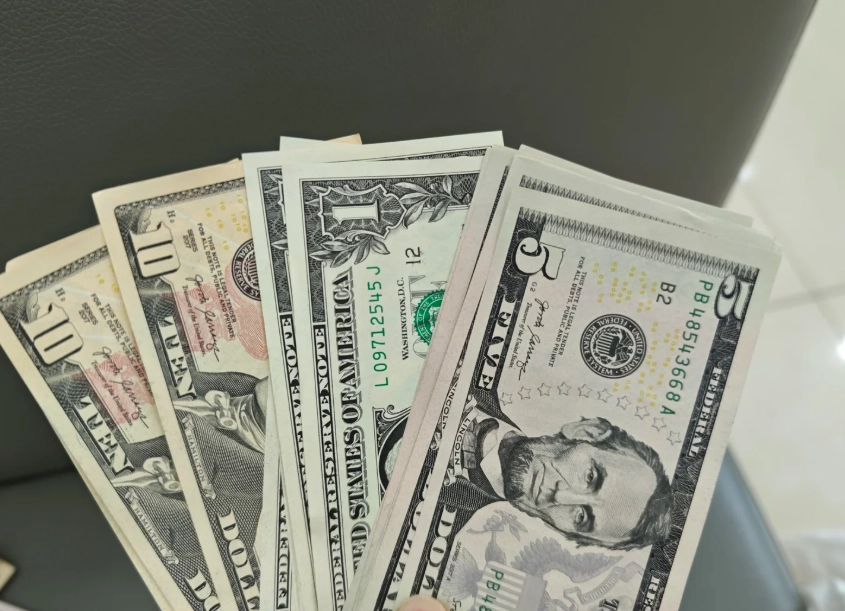
Safety Tips for Carrying Cash
- Split your cash into three places: main wallet, hidden pocket, and hotel safe. If one gets stolen, you're not broke.
- Use a money belt under your clothes for the bulk of your cash. Pickpocketing happens in crowded markets (e.g., Beijing's Silk Market, Shanghai's Yuyuan Bazaar).
- Exchange at official places — avoid street money changers; you'll get fake bills or bad rates.
- Keep a list of emergency contacts (your embassy, hotel front desk) in case you lose everything.
- Download offline maps and translation apps (Apple Translate or Baidu Translate) — they work without internet.






No comments yet.