 Fang Wang
Quick Look: What You'll Learn
I've been guiding travelers through China for over a decade. And every single trip, I see the same mistakes. People lose money. Waste time. Get frustrated. Why? Because the internet is full of outdated advice. Let me fix that right now.
Here's the brutal truth: Most guides tell you to bring cash and use Google Maps. Both will get you stuck. I've watched guests try to pay with a $100 bill at a street stall—the vendor just laughed. I've seen families stranded because they couldn't find a taxi without Google Maps. This guide is born from those painful moments. I'll walk you through exactly what to do—and what to avoid—so your trip runs smoothly from day one.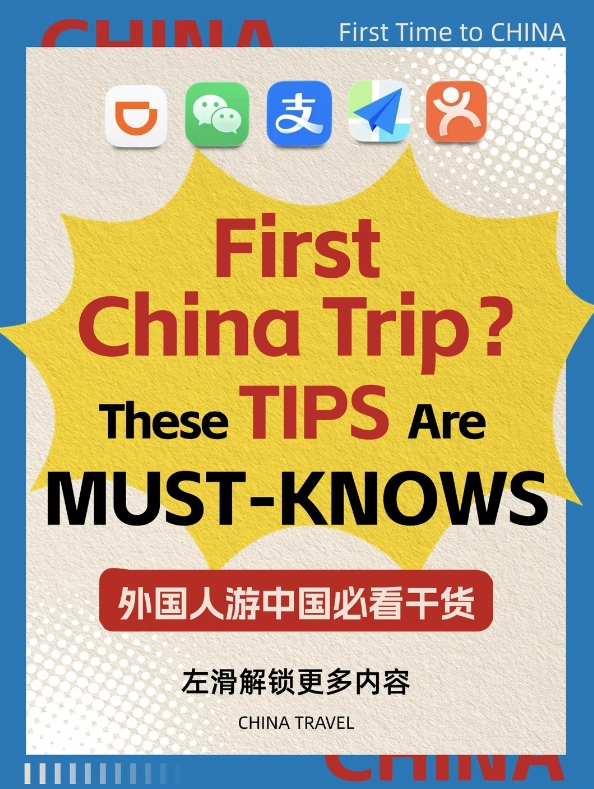
Payment: Cash Is Not King — Here's the Catch
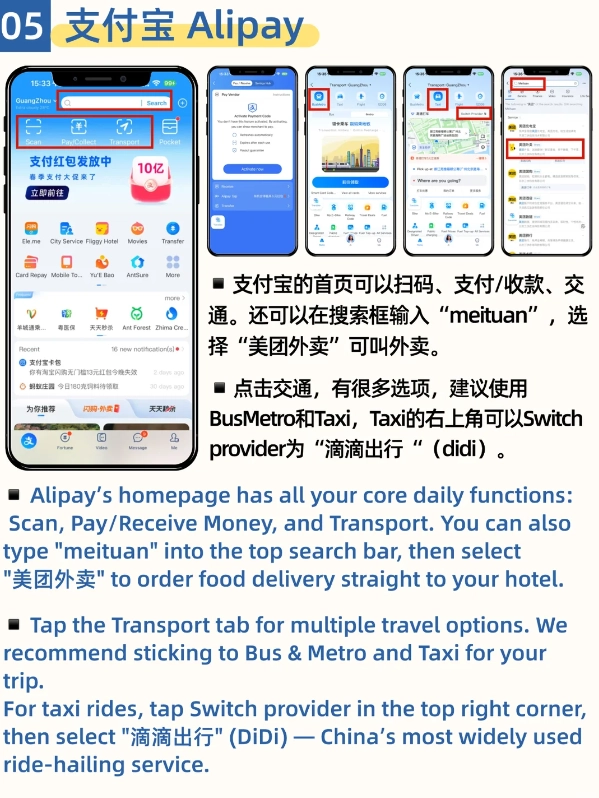
Do: Set Up Alipay or WeChat Pay Before You Arrive
China is nearly cashless. Even street food vendors scan QR codes. Credit cards? Only big hotels and international chains accept them. Cash works for emergencies, but good luck getting change for a ¥100 note at a small shop.
My pro tip: Download Alipay and link your international credit card (Visa, Mastercard, Amex) before you leave. The Tourist Card feature launched in 2024 makes it easier for foreigners. But be warned: not all merchants accept foreign cards via Alipay yet. Always keep ¥200-300 in small bills (¥5, ¥10, ¥20) as backup.
Don't: Assume Plastic (Physical Card) Works Everywhere
Most ATMs in tourist areas accept foreign cards, but bank fees eat you alive. And forget swiping your card at a restaurant—they'll just point at the QR code. One guest once tried to pay with a credit card at a local dumpling joint. The owner didn't even have a card machine. Awkward silence. I had to cover the bill.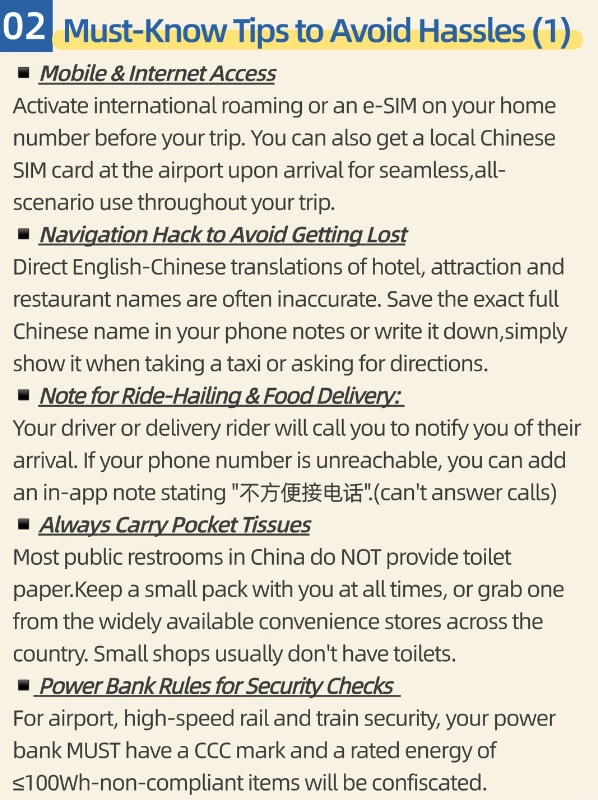
Navigation: Ditch Google Maps — Use These Instead
Do: Use Apple Maps or Baidu Maps (with English Support)
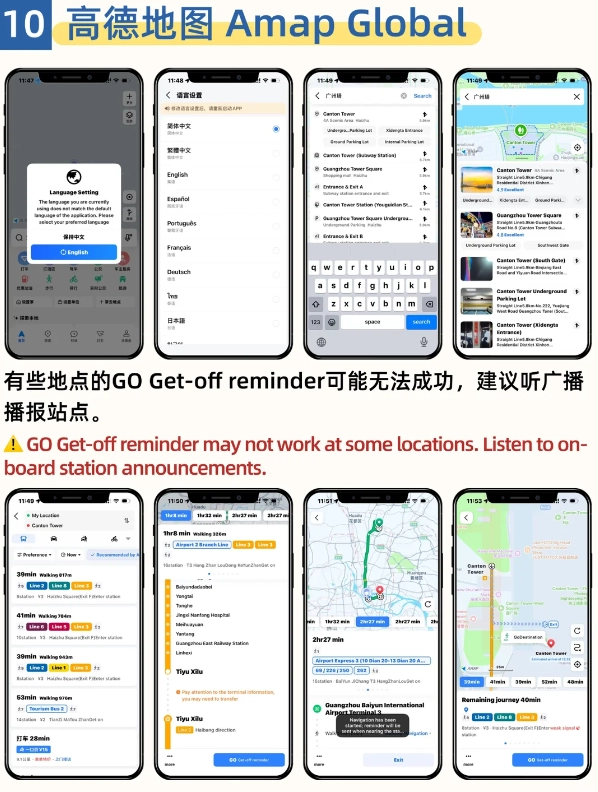
Google Maps is blocked in China. Even with a VPN, it's unreliable—addresses are wrong, traffic data is missing. Apple Maps works surprisingly well because it uses local Chinese data. For bus and subway directions, Baidu Maps is the gold standard, but the English version is clunky. Alternatively, use Didi (China's Uber) for ride-hailing; its app has an English interface and shows your driver's real-time location.
Always have addresses in Chinese. Show your driver a screenshot with Chinese characters. Example: "Forbidden City" should be written as "故宫博物院." Save a local SIM card or use an eSIM (like Holafly) for instant data.
Don't: Rely on Google Maps — Even with a VPN
I've tested it. Google Maps will tell you to walk through a wall. It once routed my guest to a closed gate. After 20 minutes of hiking, they missed their museum slot. Trust me—you're better off with Apple Maps or asking a local.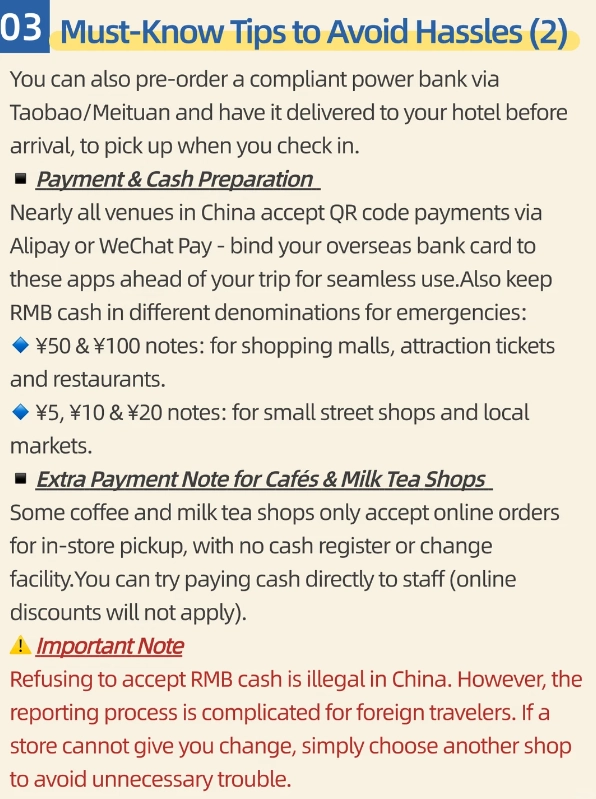
Booking Attractions: The Reservation Trap
Do: Book in Advance — Especially the Forbidden City and Terracotta Army
Almost every major attraction in China requires advance reservation with your passport number. WeChat mini-programs are the official way, but they're in Chinese and often buggy for foreigners. Use Trip.com or Klook — they handle passport registration and send you a QR code.
Real example: I booked tickets for the Forbidden City through Trip.com three days in advance. The process took five minutes. Meanwhile, a German couple at the gate had to join a 40-minute help queue because they didn't reserve.
| Attraction | Booking Window | Best Channel for Foreigners | Price (Adult) |
|---|---|---|---|
| Forbidden City | 7 days ahead (slots fill fast) | Trip.com or official website | ¥60 (low season), ¥80 (peak) |
| Terracotta Army | 1-2 days ahead | Trip.com or Klook | ¥120 |
| Zhangjiajie National Forest | 3-5 days ahead | Trip.com | ¥225 (including bus) |
Don't: Walk Up to the Ticket Window — You'll Be Turned Away
Most popular spots have a daily cap. I've seen tourists travel two hours to the Great Wall at Mutianyu only to be told "sold out." The staff will turn you away. Always check if your passport is required at entry — some spots scan it at the gate.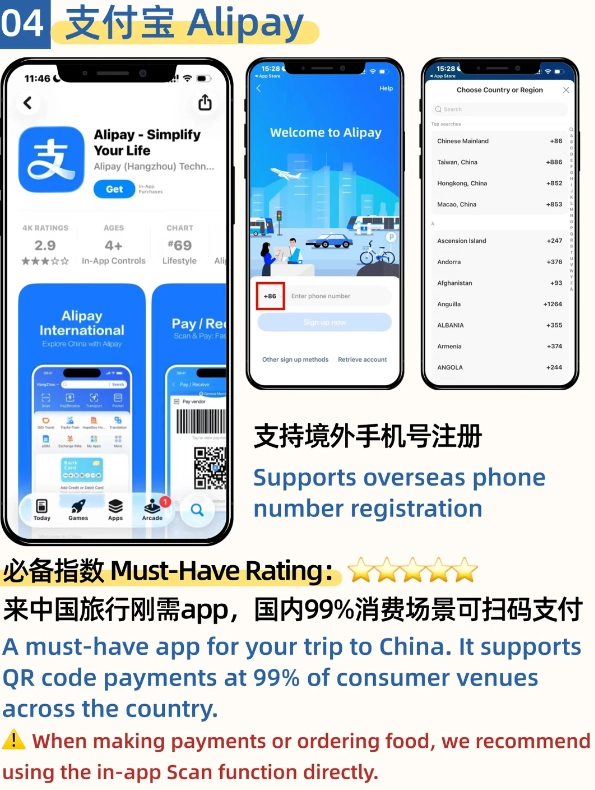
Packing Essentials You'll Forget (But Really Need)
Three things I always tell guests to bring:
- Portable charger — You'll use your phone for maps, payments, and translation. Battery drains fast.
- Hand sanitizer — Public restrooms often lack soap.
- Toilet paper — Many public toilets don't stock it. Carry a roll in your daypack.
Communication: VPN & Translation Apps — Non-Negotiable
Do: Install a Reliable VPN Before You Leave
Facebook, Instagram, Google, WhatsApp are blocked. Your hotel might have a workaround, but you need a VPN on your phone. I recommend ExpressVPN or Astrill (both work in China). Install and test it before you arrive—some VPNs get blocked in real-time.
Do: Use Apple Translate or Baidu Translate
English speakers are rare outside tourist hubs. Apple Translate works offline for Chinese. Baidu Translate is better for complex sentences. For menus, use Google Lens (via VPN) or Baidu's OCR feature. I always snap a photo of the menu and let the app read it.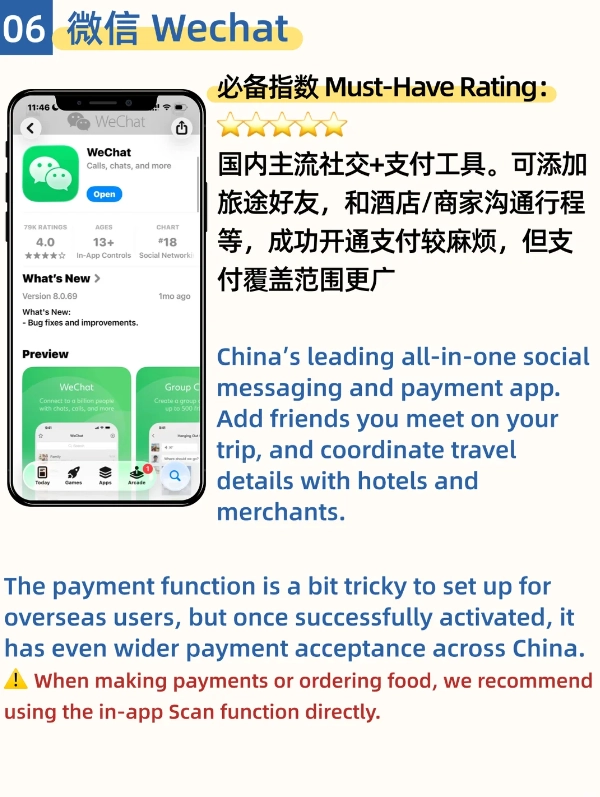
Getting Around: Train vs. Plane vs. Ride-hailing
Do: Use High-Speed Trains for Medium Distances
China's HSR (高铁) is incredible. Beijing to Shanghai in 4.5 hours. Book tickets on 12306.cn (official) or Trip.com. For foreigners, collect your paper ticket at the station using your passport number. Arrive 45 minutes early—queues at security can be long.
Don't: Take a Taxi from the Airport — Use Didi
Taxis often refuse short trips or demand flat rates. Didi (English app) gives you a fixed price and tracks the route. From Beijing Capital Airport to city center: around ¥100-120 (about $14). Taxis will ask for ¥200+. I never take taxis anymore.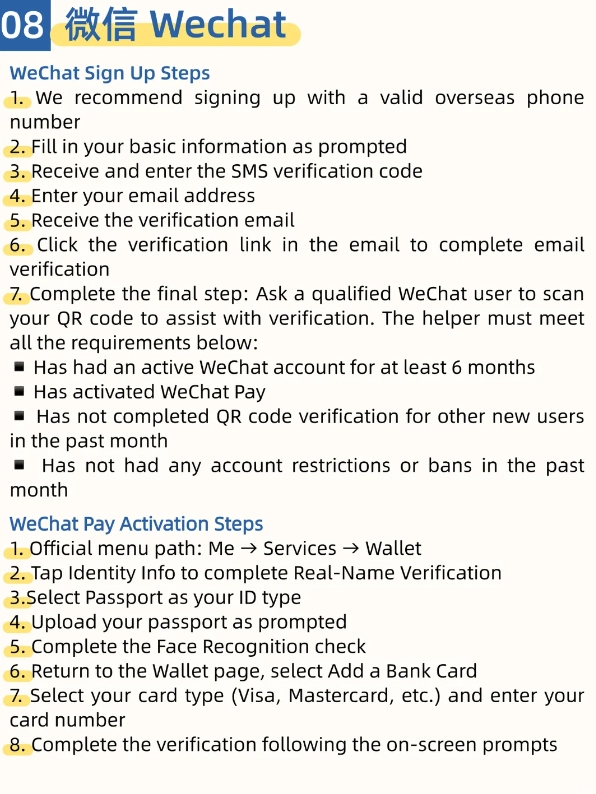
Food & Dining Etiquette
Do: Try Street Food — But Watch for Spice Levels
Chinese street food is addictive. But I've seen tourists accidentally eat a ghost pepper skewer and drink three bottles of water. Always ask "不辣" (bu la = not spicy) if you can't handle heat. Most vendors will adjust.
Don't: Stick Your Chopsticks Vertically into Rice
This resembles incense sticks for the dead. It's a major taboo. Also, don't tap your bowl with chopsticks—beggars do that. Use the communal spoon for shared dishes. If you're unsure, watch a local at the next table.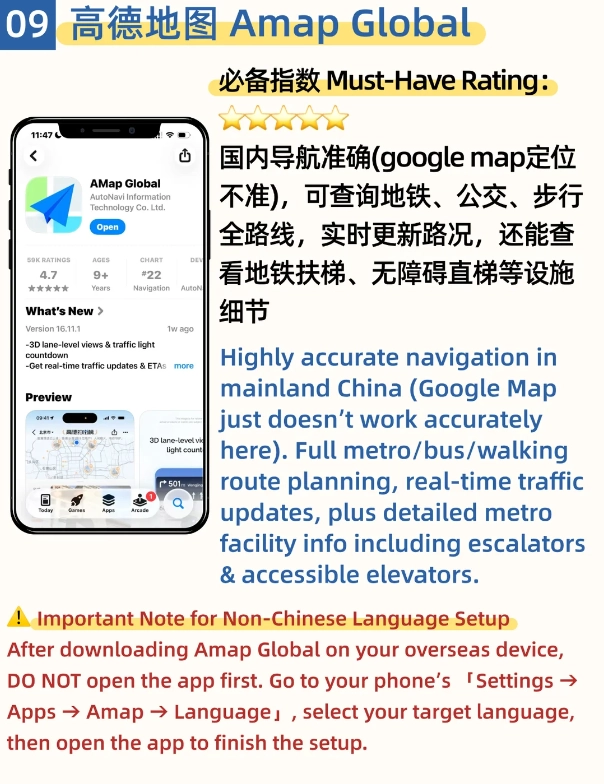
Cultural Taboos: What Not to Do
- Don't touch people's heads — The head is considered sacred in Buddhist culture.
- Don't point with your index finger — Use an open hand instead.
- Don't give clocks or umbrellas as gifts — They symbolize death or separation.
- Don't photograph military sites or government buildings — You might get stopped by police.








No comments yet.