 Hui Lin
What You'll Find Here
I've lost count how many times I've seen bewildered tourists at checkout, frantically tapping their foreign credit card on a QR code reader that only works with Chinese apps. The shopkeeper frowns. The line grows. You start sweating. That's the moment you realize the cash vs mobile payment in China debate isn't academic—it's survival.
Here's the short version: You need both Alipay and a small pile of cash. But getting Alipay to work as a foreigner? That's where most guides fail you. Let me walk you through exactly what to do, where to keep your RMB, and the tricks that'll save you from looking like a lost tourist.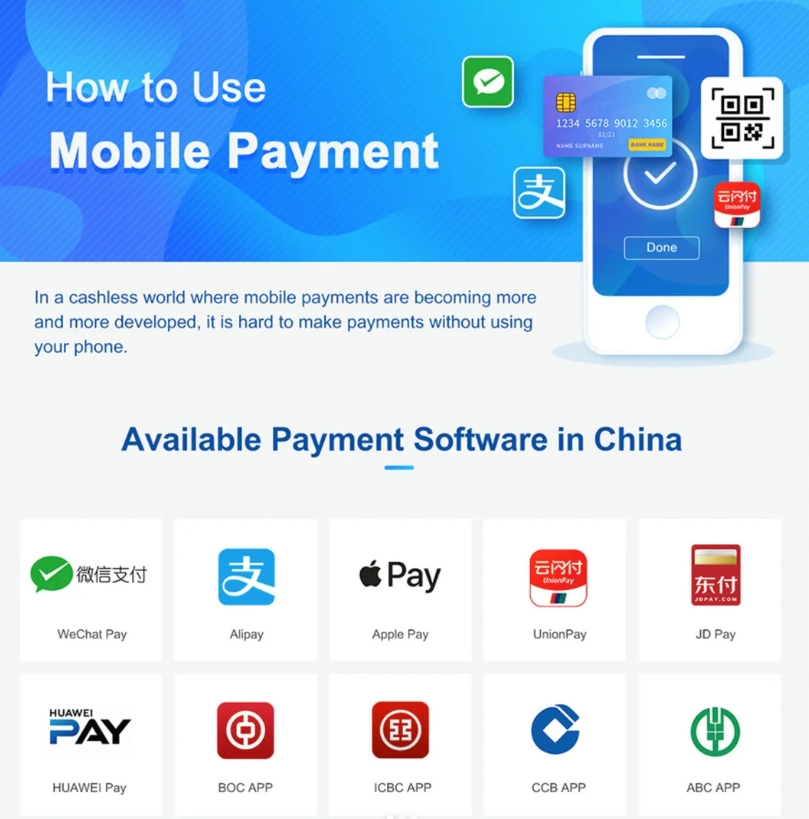
Why Mobile Payment Rules
China is the most cashless society on earth. From buying a 50-cent bottle of water at a street stall to booking a high-speed train ticket, everyone scans a QR code. You'll see QR codes on every counter, every taxi window, even pinned to the shirts of some food vendors. There are two main players: Alipay (by Ant Group) and WeChat Pay (by Tencent). They're accepted almost everywhere—except they weren't originally built for foreigners.
Why locals love them: No need to carry a wallet, instant transfers, cashback rewards, even pay later options. For a tourist, the appeal is the same—you can pay with your phone instead of fumbling with unfamiliar yuan coins. But the catch is that linking your foreign card isn't as simple as a few taps.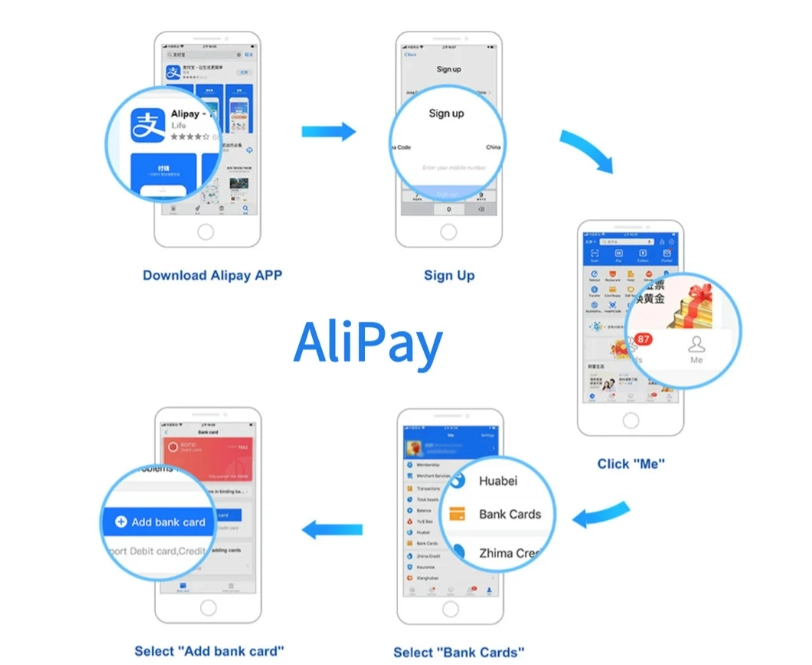
How to Set Up Alipay or WeChat Pay
Alipay: Your Best Bet
Alipay now allows international users to link a Visa, Mastercard, Diners Club, or Discover card. Here's the step-by-step I give every client:
- Download Alipay from your app store (Chinese version or international version—both work).
- Sign up using your foreign mobile number (make sure it can receive SMS while roaming). You'll need to enter the code.
- Go to "Me" > "Bankcards" > "+" to add a card.
- Select "International Card" (not the Chinese bank card option).
- Enter your card details (number, expiry, CVV). You'll also need to upload a photo of your passport for verification—this can take a few minutes to process.
- Once approved, you're good to go. But note: transactions over 200 RMB incur a 3% fee. Also, the daily limit for international cards is around 5,000 RMB ($700).
WeChat Pay: More Complicated
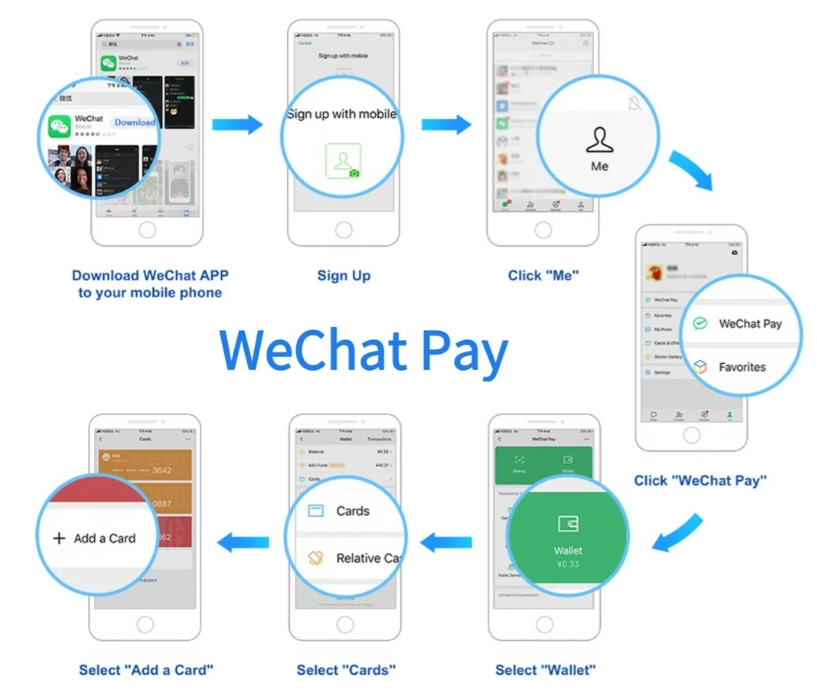
WeChat Pay also supports international cards, but it's harder to set up. You'll need to find the "WeChat Pay" section inside WeChat, then look for the option to activate "International Card"—it's buried in menus. Many of my clients give up and just use Alipay. If you really want WeChat Pay, ask your hotel front desk to help you navigate the Chinese-language prompts. Honestly, unless you're planning to send money to Chinese friends (red packets), Alipay covers everything.
Where Cash Still Works (and Where It Doesn't)
Cash is not dead in China, but it's on life support. Let me give you a reality check.
| Scenario | Cash OK? | Mobile Payment OK? | My Recommendation |
|---|---|---|---|
| Street food / small market stalls | Usually yes, but they may not have change for 100 RMB | Almost always yes (QR code displayed) | Use mobile if possible; have 50 RMB in small notes as backup |
| Restaurants (even cheap ones) | Rarely accepted at chain restaurants | Nearly always accepted | Mobile only |
| Taxi (non-ride-hail) | Yes, but drivers often claim no change | Alipay/WeChat scan works if you manage to use their driver's code | Use Didi (the ride-hail app) and pay via Alipay; cash only as backup |
| Public buses | No, only transit card or mobile code | Yes (local transit app or Alipay transport code) | Set up Alipay transport QR code for the city you're in |
| Subway | No | Yes (Alipay transport code) | Same as above |
| High-speed rail tickets | Foreign credit card extremely rare at counters | Trip.com or 12306 app with Alipay | Book online via Trip.com (accepts international card) and collect ticket at station with passport |
| Hotels (mid-range & up) | Yes, for deposit only sometimes | Yes, but may charge foreign card at front desk | Use your credit card for booking; carry cash for incidental deposits |
| Large shopping malls | No, almost never | Yes, QR code or Apple Pay if linked to Alipay | Mobile only |
As you can see, mobile payment is king. Cash works in emergencies, but relying on it will leave you frustrated. I always tell my groups: carry no more than 200 RMB in small bills for emergency water, small tips, or the occasional taxi driver who hates their payment app.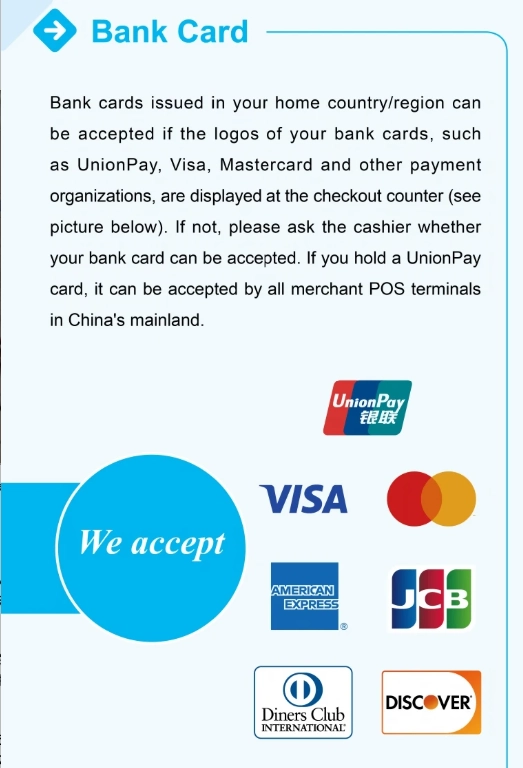
Common Payment Pitfalls & How to Avoid Them
Pitfall #1: Your foreign card gets declined at the counter
This happens way too often. Even I've had my Visa Platinum rejected at a nice steakhouse. Why? Because many Chinese POS machines aren't set up for international card networks. They're optimized for UnionPay. Solution: Never hand over your physical card. Use Alipay linked to that card instead. When you pay via Alipay QR code, it converts the charge to your card seamlessly.
Pitfall #2: Your phone battery dies
It's 2024 and you're still running out of power? Yes, it happens. I've rescued tourists stranded at subway exits because their phone turned off. Carry a power bank. You can buy one at any convenience store for 50-100 RMB. But if you're caught empty, cash might save you—hail a cab and hand them 50 RMB, they'll usually take you to your hotel.
Pitfall #3: The "You need Chinese ID" roundabout
Some Alipay features (like transferring money to friends) require Chinese real-name verification with a Chinese ID. As a foreigner, you're locked out of those. Does it matter? No. You only need basic payment. If a merchant insists on scanning your payment QR code from their end, you can still pay by showing your own QR code for them to scan. Alipay has separate codes for "pay" and "receive." Always tap the "Pay" QR code (the one with a blue icon) so the merchant scans you.
Pitfall #4: Assuming Apple Pay or Google Pay works
It doesn't—at least not natively. Apple Pay in China only works with Chinese bank cards added to Wallet. The only way to use Apple Pay is if you've linked it to Alipay (which then creates a virtual Apple Pay code). But honestly, just open Alipay. It's faster.
Cash vs Mobile Payment: Which Should You Choose?
It's not an either-or. It's a pyramid. Base layer: Alipay with your international card linked. Middle layer: 100-200 RMB in small bills (10s and 20s). Top layer: a credit card for emergencies like hotel deposits or car rentals (though Alipay can handle those too).
When I arrived in China years ago as a fresh expat, I tried to go full cash-only. I lasted three days. Buying a bottle of water at 7-Eleven required a credit card minimum? Not a thing. When I finally caved and signed up for Alipay, my life became infinitely easier. Doesn't matter if you're staying a week or a year—do it before you land.








No comments yet.