 Chen Liu
⚡ Quick Navigation
I'll never forget the look on my American client's face when he tried to buy a bottle of water with a crisp 100 yuan note at a tiny stall near the Forbidden City. The vendor just waved his hand, mumbled something, and pointed to a QR code. My client was flustered. He thought cash was dead in China. But it's not — you just have to know where to use it and how to avoid rookie mistakes. Let me share what I've learned after years of guiding foreigners around the country.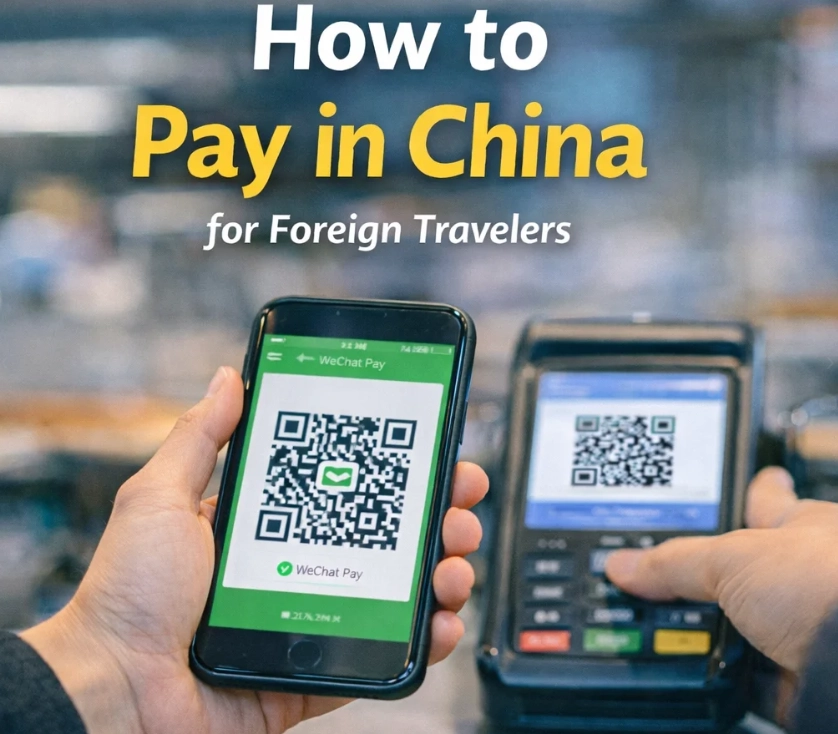
Is Cash Still Accepted in China?
Short answer: yes, but with big asterisks. The law says businesses must accept cash, but in practice, many places (especially tiny street vendors, bike rentals, and some trendy cafes) may refuse because they don't want to carry change. I've had clients told "no cash" at a noodle shop in Shanghai. But major attractions, hotels, supermarkets, and most restaurants will take it. The trick is to have small denominations — 10s and 20s. Nobody wants to break a 100 for a 2 yuan ride.
Where Can You Use Cash (and Where You Can't)
Let's break it down by common scenarios. I've sorted them into a table to make it crystal clear.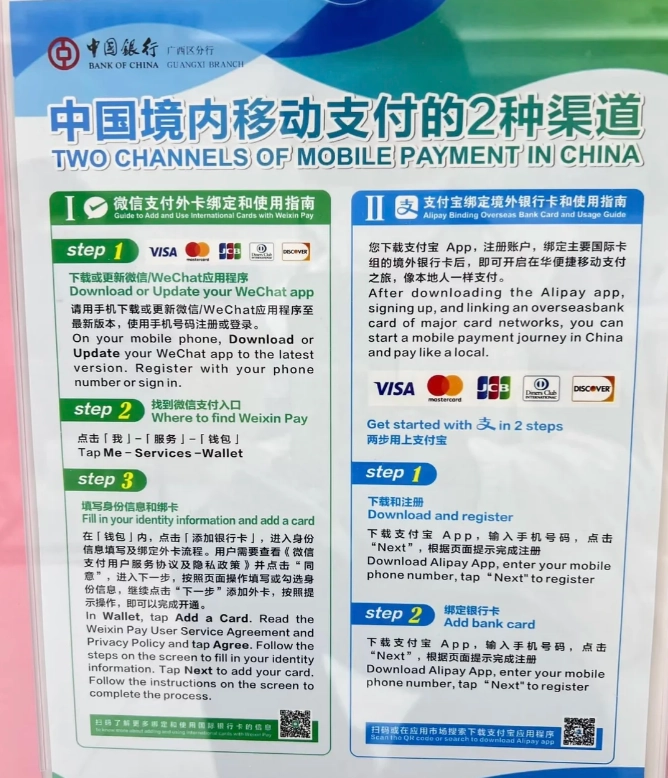
| Place / Situation | Cash Accepted? | Notes from the Field |
|---|---|---|
| Hotel (international chain) | ✅ Yes | They'll take cash for deposit or checkout, but many prefer card deposit holds. |
| Boutique hotel / hostel | ✅ Usually yes | Cash is often welcome, especially for small payments like deposits. |
| Large restaurant / chain | ✅ Yes | They'll accept cash but give you change in small bills if you ask nicely. |
| Street food stall | ⚠️ Hit or miss | Stalls in tourist areas often take cash, but remote ones may not have change. Always ask first. |
| Taxi / Didi | ⚠️ Mostly no | Didi drivers typically expect digital payment. In a taxi, cash can work but drivers rarely have change. Best to use Alipay or WeChat. |
| Public transport (metro, bus) | ✅ Yes (some) | Most metro stations have ticket machines that accept cash (small bills and coins). Buses may accept cash but no change given — exact fare required. |
| Attraction entrance | ✅ Yes (usually) | Official ticket counters take cash, but many require passport for online booking. Cash at the window works if tickets are available. |
| Convenience store | ✅ Yes | 7-Eleven, FamilyMart, etc. always take cash. They'll give you coins in return. |
| Online shopping (Taobao, etc.) | ❌ No | Absolutely need digital payment. No cash on delivery for foreigners generally. |
How to Get Chinese Yuan (CNY)
You have a few options. Let me rank them from best to worst based on my experience.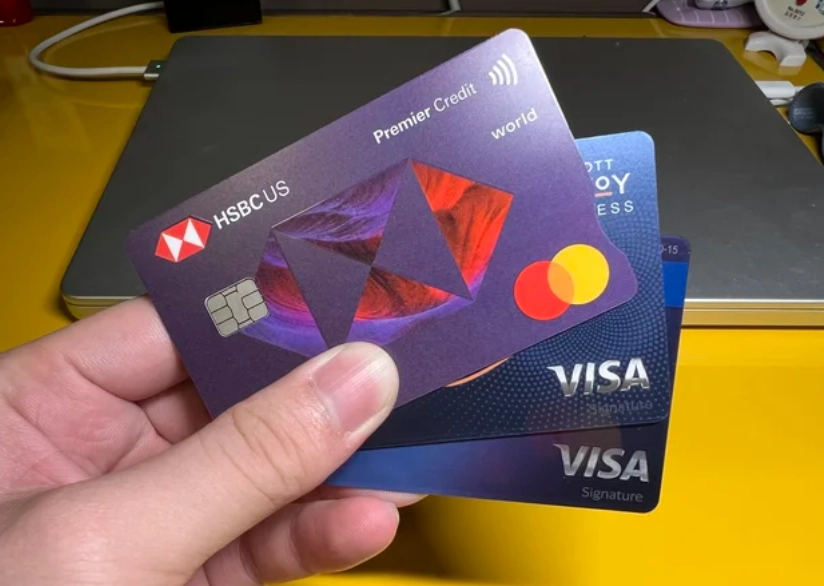
1. Airport bank counters or ATMs (arrivals hall) — Do this as soon as you land. The exchange rate is decent (not great, but convenient). Major airports have Bank of China, ICBC, etc. You'll need your passport. Withdraw from ATM using your foreign card; the ATM will dispense yuan. Avoid the currency exchange kiosks in the departure area — they eat you alive with fees.
2. City bank branches — Better rates than airport, but you'll wait in line. Bring your passport. I recommend Bank of China (BOC) for foreigner-friendly service. Tell the teller you want to exchange foreign currency for CNY.
3. Hotel front desk — Some hotels offer exchange but at poor rates. Only use if you're desperate.
4. Avoid black market money changers on the street — You'll get fake bills or get shortchanged. Had a client lose 500 yuan that way. Not worth it.
Pro Tips for Paying with Cash in China
After years of guiding, I've collected some tricks that make cash work for you, not against you.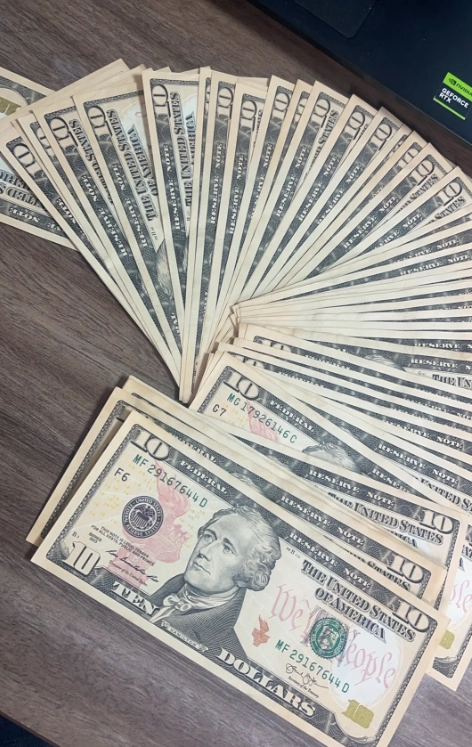
Always Carry Small Bills
The biggest pain point: vendors refusing your 100 yuan note because they don't have change. I keep a stash of 10s and 20s in a separate pocket. Coins (1 yuan, 0.5 yuan) are useful for bus fares and public toilets. Yes, many public toilets charge 1 or 2 yuan, and they only take cash or scan a QR code. So bring coins.
Use Cash for Small Daily Purchases
Many foreigners lean on Alipay, but sometimes that app fails (battery dead, no signal, or just glitchy). Cash becomes your lifeline. I use cash at breakfast stalls, for buying water at scenic spots, and for tipping hotel bellboys (tipping isn't expected, but a 10 yuan note is appreciated for exceptional service).
Ask for Change in Small Bills
When you pay with a 100 at a supermarket, the cashier will likely give you a 50 and some 10s and 20s. But they might hand you a 50 plus a 20 and three 10s — that's fine. If they give you a 50 and a 20 and a 20 and a 10, even better. Don't be shy to ask: "Could you give me smaller bills, please?" in Chinese: "Qing gei wo yi xie xiao chao."
Beware of Fake Notes
Counterfeit bills exist, especially 50 and 100 yuan notes. Buy from reputable sources (banks, ATMs). If a shopkeeper insists your 100 is fake, they might be trying to scam you. I've seen this happen at night markets. Politely say you got it from a bank, and if they refuse, just leave. Don't argue.
Keep Your Cash Dry and Clean
Chinese vendors love crisp notes. Torn or dirty bills are often rejected. Use a wallet or a zippered pocket. Summer humidity can make bills sticky — not a problem until the ATM spits out damp cash. Dry it out quickly.
Common Cash Scams to Avoid
Not to scare you, but scammers target tourists who rely heavily on cash. Here are the top two I've encountered.
The "Change Scam" — You pay with a 100 for a 10 yuan item. The cashier quickly palms a corner of the note and claims you gave a 50 instead, demanding more. Always hold your bill until they put it in the register. Watch their hands. I once saw a vendor in Guangzhou try this on a British couple. I intervened and showed him my phone video. Problem solved.
The "Fake Taxi" — Unlicensed taxis might accept cash, then claim you gave a counterfeit bill. They'll ask you to exchange it with another note. Use official taxis (with a meter and company name) or Didi. If you must pay cash in a taxi, note the driver's ID number on the dashboard.
FAQ about Paying with Cash in China
One last personal story: I had a client who insisted on using only cash for his entire two-week trip. He managed fine — but he had to plan ahead. He withdrew small bills every few days from ATMs, avoided taxis (used metro), and always asked for change at supermarkets. It's doable, but it takes a bit of strategy. Honestly, if you can get Alipay or WeChat working with your foreign card, life becomes much smoother. But if you can't, don't stress — cash still works in China, just not everywhere. Now you know the game.






No comments yet.