 Qiang Huang
You've seen the photos of Ningbo's ancient library and the modern skyline. But here's the catch — most visitors pick the wrong weeks. They shiver in damp January or sweat through July's monsoon heat. That's why I'm writing this guide — to save you from that mistake.
After years of leading tours through this port city, I can tell you that the best time to visit Ningbo isn't just about sunshine. It's about dodging rain clouds, avoiding domestic tourists, and catching the right festivals. Let me break it down so you can book with confidence.
Here's the short answer: aim for late April through early June, and September through November. These windows give you pleasant temperatures, fewer crowds, and the best bit of local color. Below is the full month-by-month breakdown — with insider tips you won't find elsewhere.
Quick Answer: The 8 Best Months
I know you want a fast answer, so here it is: April, May, June (first half), September, October, and November are your golden months. March can work too if you're on a budget, but it's hit-or-miss.
What makes these months special? Comfortable temperatures — usually between 15°C and 25°C — low humidity, and less rain. Plus, you'll beat the huge domestic holiday crowds if you avoid the first week of October (Chinese National Day).
If you're flexible, plan around the Ningbo International Coastal Festival in September or the Ningbo Maritime Silk Road Festival in May — but I'll get into those later.
Ningbo Weather: Four Seasons Explained
Ningbo sits on the eastern coast, so it has a classic monsoon climate. Summer is hot and humid; winter is cold and damp. Let's go season by season so you can see exactly what to pack and when to go.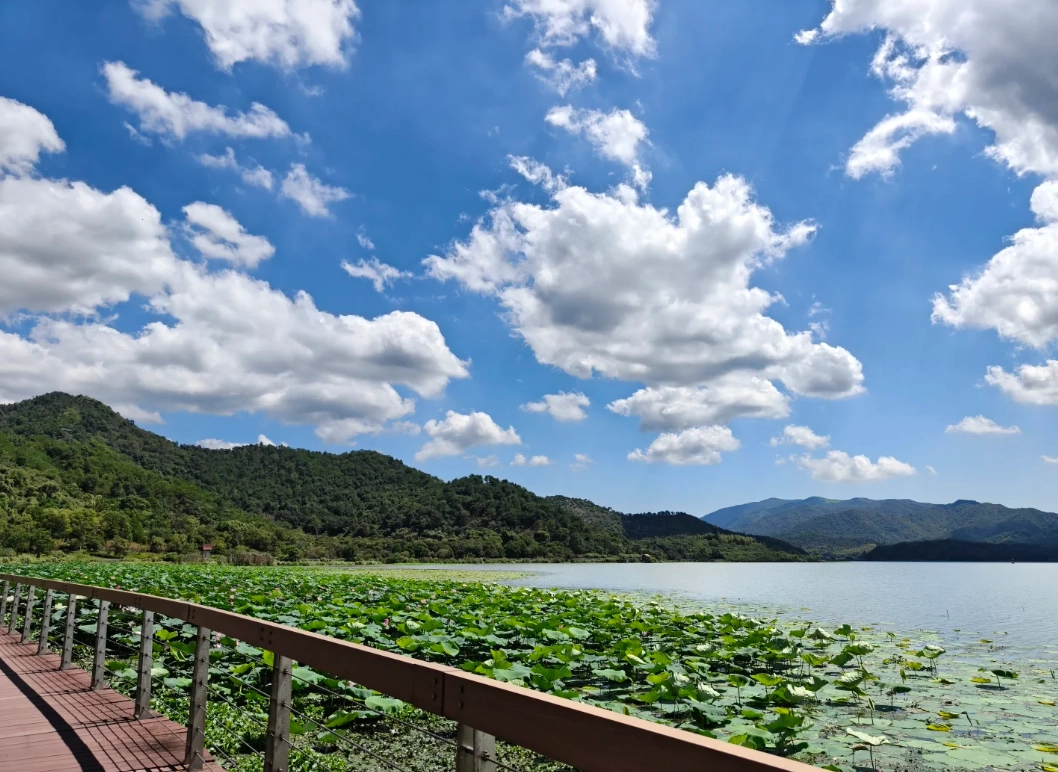
Spring (March – May): The Blooming Season
Spring is one of my favorite seasons to recommend. Temperatures warm from about 8°C in March to 22°C by May. Rainfall is moderate, so bring an umbrella. The city's parks fill with cherry blossoms in March and azaleas in April. The old streets around Tianyi Pavilion look extra magical with fresh green leaves.
Spring is also the season for yuanxiao (sweet rice balls) and seasonal bamboo shoots. If you come in late April, you'll catch the tail end of the spring tea harvest — head to the Siming Mountains to see terraced tea fields and sample the year's first pick.
One warning: spring break (early May) draws huge crowds. If you can, avoid the first week of May or book everything in advance.
Summer (June – August): Hot & Typhoony
Summer is the low season for smart travelers. Expect 30°C+ temperatures, high humidity, and sudden downpours. July and August are also peak typhoon season — though direct hits are rare, you may experience torrential rain. On the bright side, you'll find cheaper hotels and fewer tourists. If you do come, stick to air-conditioned museums and indoor attractions.
For a refreshing change, visit Dongqian Lake in the early morning or late evening. The lakeside breeze makes the heat bearable. But beware of the plum rain in June — a two-week period of continuous drizzle that can make outdoor sightseeing miserable.
Autumn (September – November): The Golden Window
In my opinion, autumn is the absolute best time to visit Ningbo. The summer heat fades quickly, and you get crisp air, clear skies, and comfortable temperatures between 18°C and 25°C. The East China Sea breeze keeps things pleasant. October's osmanthus flowers fill the city with a sweet scent — a sensory treat you won't forget.
September is particularly underrated. Kids are back in school, and domestic tourism drops to a yearly low. You'll have the museums nearly to yourself. By November, the weather cools further, but golden ginkgo trees line the streets, making for perfect photo ops.
Just be aware of the National Day Golden Week (October 1–7) when domestic tourism explodes. If you can't avoid it, book at least two months ahead and plan indoor activities for the first three days.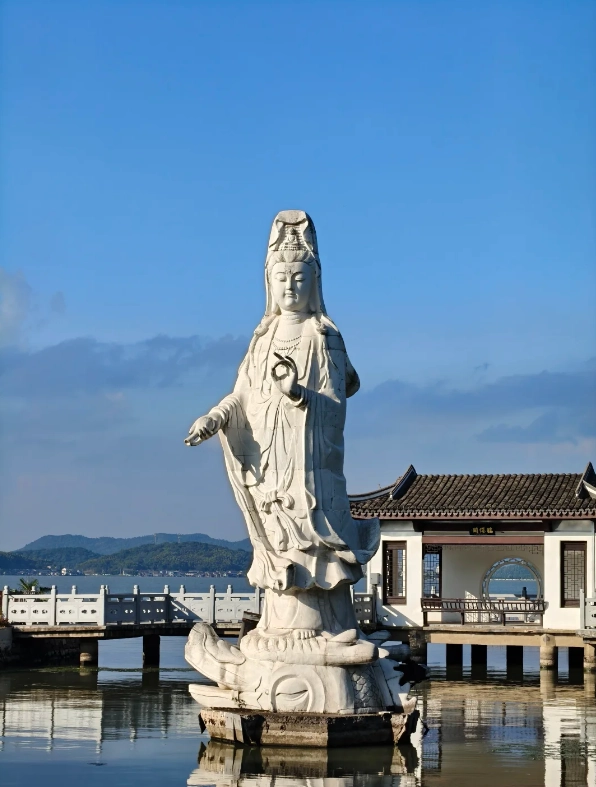
Winter (December – February): Cold, Damp, but Cheap
Winter is for budget travelers who don't mind a chill. Temperatures hover around 2°C–8°C, with occasional icy winds. It rarely snows, but the humidity makes it feel colder than it is. Indoor spots like the Ningbo Museum or the elegant Tiangyi Pavilion are still enjoyable. Hotels often drop prices by 30-40%, so if you're on a tight budget, this is your window.
December bring the Ningbo Food Festival, where you can taste traditional dishes like red-braised pork belly and stinky tofu (yes, it's an acquired taste). February often includes the Lantern Festival, so check the lunar calendar — the ancient streets become a sea of colorful lanterns.
Month-by-Month Breakdown Table
Here's the quick reference I use when planning my client trips. Everything is based on typical conditions — always check the current forecast before packing.
| Month | Avg. Temp (°C) | Rain Days | Crowds | Our Rating |
|---|---|---|---|---|
| Jan | 4-8 | 12 | Low | ★☆☆☆☆ |
| Feb | 5-10 | 10 | Low | ★☆☆☆☆ |
| Mar | 8-14 | 13 | Moderate | ★★☆☆☆ |
| Apr | 12-20 | 10 | Moderate | ★★★★★ |
| May | 17-25 | 9 | High (holidays) | ★★★★☆ |
| Jun | 21-28 | 12 | Moderate | ★★★★☆ |
| Jul | 25-33 | 11 | Moderate | ★☆☆☆☆ |
| Aug | 25-32 | 11 | Low (typhoon risk) | ★★☆☆☆ |
| Sep | 21-28 | 8 | Moderate | ★★★★★ |
| Oct | 15-23 | 7 | High (Oct 1-7) | ★★★★☆ |
| Nov | 9-17 | 8 | Low | ★★★★★ |
| Dec | 4-10 | 10 | Low | ★★☆☆☆ |
Pro Tip: Rain days are based on historical averages, but Ningbo's coast can get sudden showers any time. I always carry a compact umbrella in my daypack — it's saved me many a soaked camera.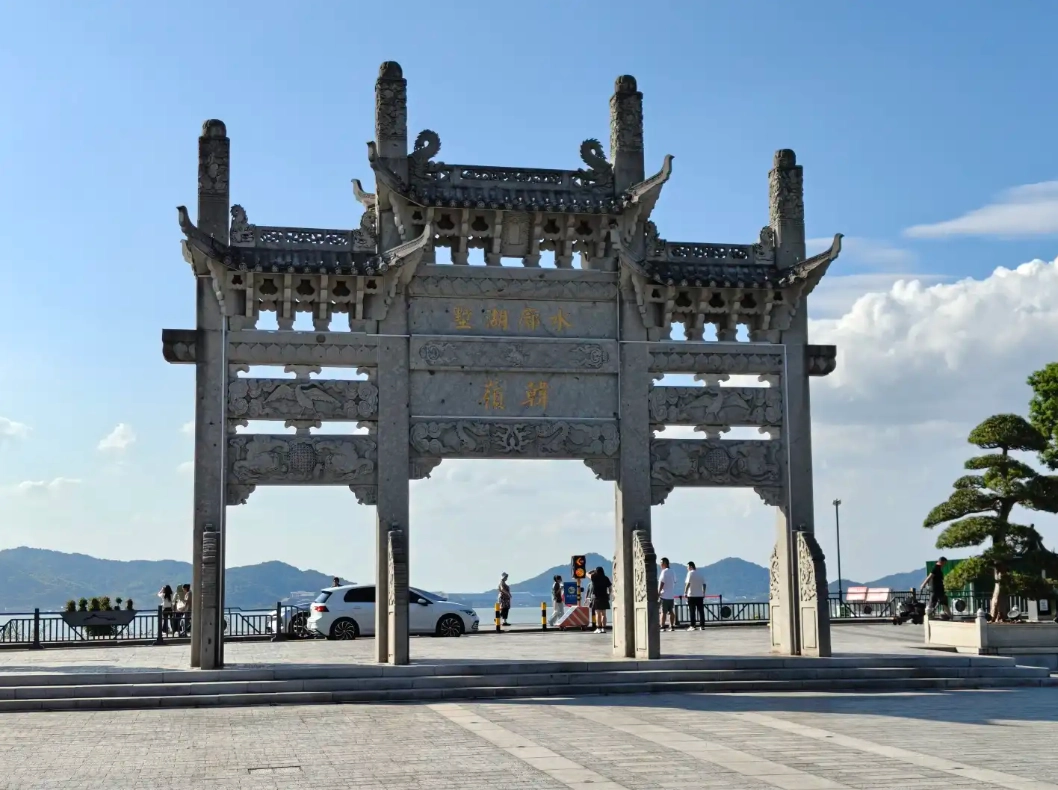
Key Factors: Crowds, Festivals & Activities
Weather isn't the only thing that controls when to visit. Let's look at the social and event calendar that can make or break your trip.
Chinese Holidays & Crowd Patterns
The biggest obstacle to a peaceful visit is the domestic travel rush. Avoid these three periods at all costs: the 7-day National Day (Oct 1–7), the 5-day May Day holiday (around May 1), and the Spring Festival (late Jan/Feb). During these times, trains sell out, hotels triple their rates, and you'll be jostling shoulder to shoulder at the Tianyi Pavilion.
If you can't avoid them, book everything at least two months ahead. Also, be ready to hear louder-than-usual announcements and see long queues for popular restaurants.
Seasonal Festivals You Don't Want to Miss
If you time your visit right, you can catch unique cultural events:
- Ningbo Maritime Silk Road Festival (May): Celebrates the city's historic port. Expect dragon boat races, sea-food street fairs, and theater performances.
- Ningbo International Coastal Festival (September): The best seafood, cooking competitions, and folk art exhibitions along the coast.
- Lantern Festival (15th day of Chinese New Year): Usually in Feb or early March. The old city areas light up with thousands of lanterns for a few nights.
I always tell my clients: check the lunar calendar before you book. Festival dates shift every year, so a quick search for "Ningbo festivals 2026" will do the trick.
Outdoor Activities by Season
Spring and autumn are perfect for hiking in the Siming Mountains or cycling around Dongqian Lake. In summer, beach trips to Xiangshan shoot up in popularity but the heat can be brutal. In winter, indoor cultural spots become your best friend.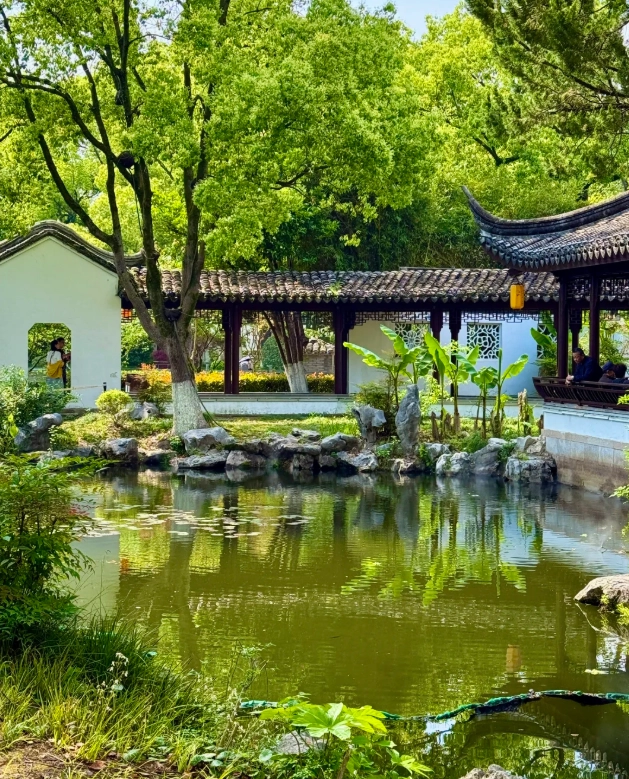
Best Time for Food, Photography & History Lovers
Everyone's "best" is different. Let me split it by your travel style.
For Foodies: Late Summer & Autumn
If you want the freshest seafood, come in September. The shellfish season peaks, and coastal villages host street-food stalls that serve grilled oysters and salted crab. Autumn also brings osmanthus-scented pastries and ripe persimmons. By contrast, winter is the time for hearty dishes like Ningbo's famous red-braised pork — but you'll eat indoors.
For Photographers: Spring & Autumn
Spring (March-April) gives you cherry blossoms and azaleas. Autumn (October-November) delivers golden foliage on the Siming Mountains and clear blue skies over Dongqian Lake. Early mornings and late afternoons are always magical, especially along the Old Bund with its colonial-era buildings.
For History Buffs: Anytime, but Winter Wins
Ningbo's museums stay open year-round and are blissfully empty in winter. The Tianyi Pavilion Library, the Ningbo Museum, and the ancient Chenghuang Temple are all undercover. Winter's lack of crowds means you can take your time without a sea of selfie sticks.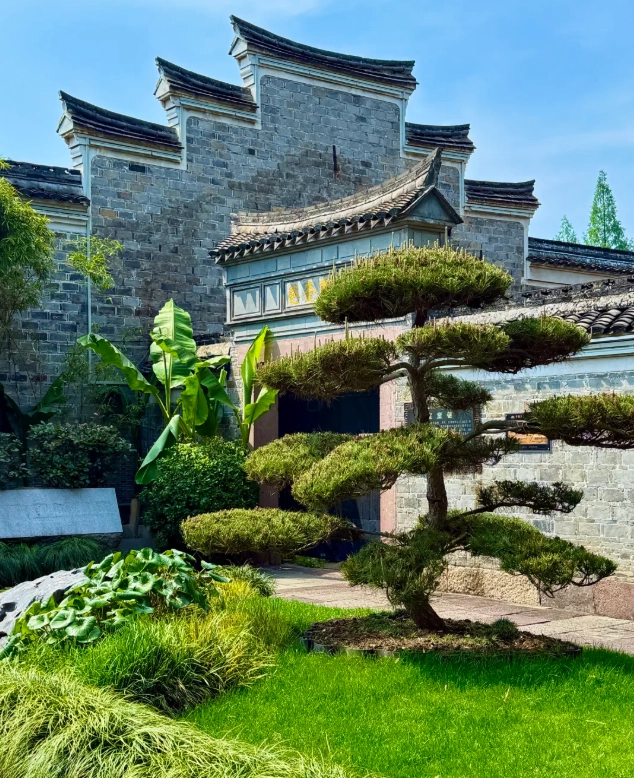
Your Ningbo Timing Questions, Answered
This guide has been checked against official tourism board information and local transport updates. Always confirm opening hours and ticket prices on the attraction's official website before your visit.







No comments yet.