 Fang Wang
Quick Navigation — Your Photo Route Map
Another tour bus pulls up, and everyone jumps out aiming at the same official viewing platform. I always shake my head—that's where you get the same postcard shot everyone posts. The real magic? Tucked five minutes away, past the souvenir stalls. I've been guiding photographers around Dongqian Lake for over six years, and my favorite angle is only accessible before the morning mist burns off. Here's the bottom line: arrive before sunrise, head east, and ignore the groupies. Now let me hand you the full battle plan.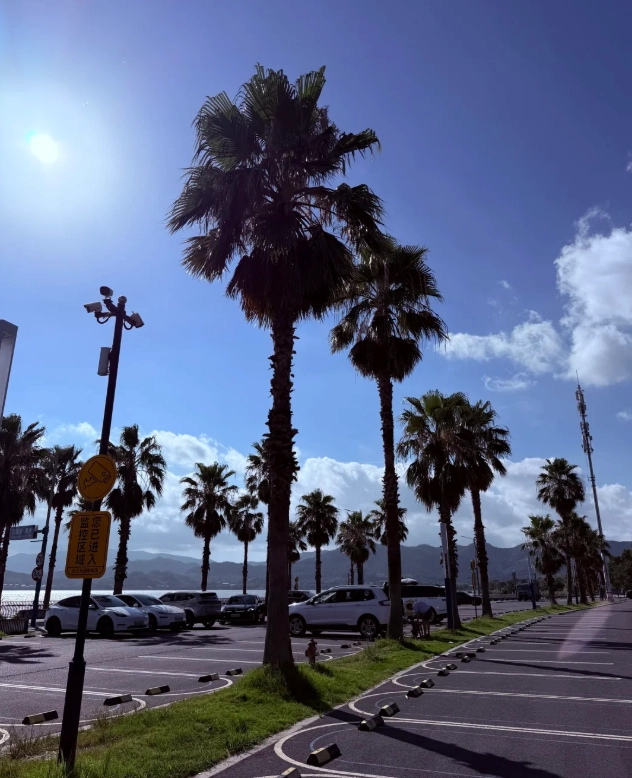
What Makes Dongqian Lake a Photography Hotspot?
Dongqian Lake isn't another man-made reservoir with a pavilion bolted on. It's one of Zhejiang's largest natural lakes, sprawling across more than ten square miles of water and marsh. It’s quieter than West Lake, more authentic than Tai Lake, and far less crowded on a weekday morning.
For photographers, this variety is a jackpot: you've got classic Chinese garden bridge silhouettes, ancient waterfront villages, misty tea terraces, and wetlands full of egrets. In a single day you can move from a calm reflection shot to a rustic street portrait to a wide landscape panorama. That diversity is what makes it my go-to location for weekend shoots.
I've taken clients here during every month. The lake looks utterly different after a typhoon, when the water turns navy and the sky clears to a razor blue. But for beginners, the most forgiving conditions are in early October. The leaves have just started to turn gold, and the humidity drops enough to make distant shorelines crisp.
The 5 Best Dongqian Lake Photography Spots
Here are the five locations I’ve shot at more times than I can count. They’re all reachable by public transport or taxi. I’ve included Chinese names so you can show them to your driver.
| Spot | Best Time | Travel Time from City Center | Crowd Level |
|---|---|---|---|
| Xiaoputuo and Causeway | Sunrise | 40 min taxi | High after 9 am |
| Hanling Old Street | Late afternoon | 35 min taxi | Medium on weekends |
| Shangshui Water Forest | Late morning | 50 min taxi | Low |
| Wetland Park | Sunset | 45 min taxi | Low |
| Fuquan Mountain Tea Terraces | Early morning | 1 hr taxi | Low |
1. Xiaoputuo (Little Putuo) and Lake Heart Causeway
Skip the main gate crowd and walk onto the ancient stone causeway before sunrise. This is the most iconic spot on the lake. The causeway extends into the lake, ending at a Buddhist temple. In the soft dawn light, the building and stone bridge reflect in still water.
Address: 小普陀 (show this to your driver). From Ningbo city center, it’s about 40 minutes by taxi. Or take bus 907 from Yinzhou District and get off at Xiaoputuo station.
Go at dawn. The gates open early for exercise locals—around 6 a.m. If you’re taking a tripod, arrive by 5:30 to catch the orange glow over the water. The best angle is from the midpoint of the causeway, about 200 meters in, where you can frame the temple tower dead center.
Watch out for the morning rush of elderly locals doing tai chi, though. They won’t mind a camera, but if you’re trying to get a clean shot, maybe step off to the side.
Insider tip: There’s a little bamboo grove to the left of the causeway entrance. Not many tourists go there, and it gives a beautiful natural frame with the lake as a backdrop.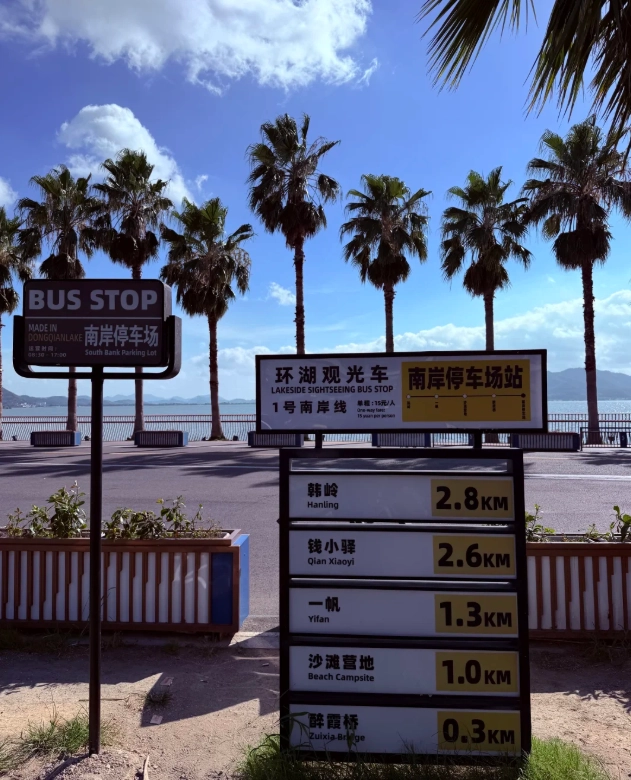
2. Hanling Old Street — Ancient Water Village
This is where you get human and heritage shots, not just pure landscape. Hanling is a preserved riverside village that sits right on the lake’s southeast corner. Old stone bridges, wooden architecture, and laundry hanging from balconies—gritty and honest.
Address: 韩岭老街. Taxi drivers all know it. It’s about 20 minutes from Xiaoputuo by car.
The magic hour here is late afternoon, when the low sun hits the stone walls and turns them amber. Streets can be packed on weekends, but the side alleys are always empty. Don’t be shy poking into them.
One thing many photographers miss: a tiny pier at the north end of the street. Walk past the last noodle shop and you’ll find an opening with a view of the entire lake and the mountains behind. That’s my go-to sentiment shot.
Also: visit the local bakery for a quick pastry—it’s cheap and gives you reasons to linger until the light shifts.
3. Shangshui Village Water Forest — Reflective Trees
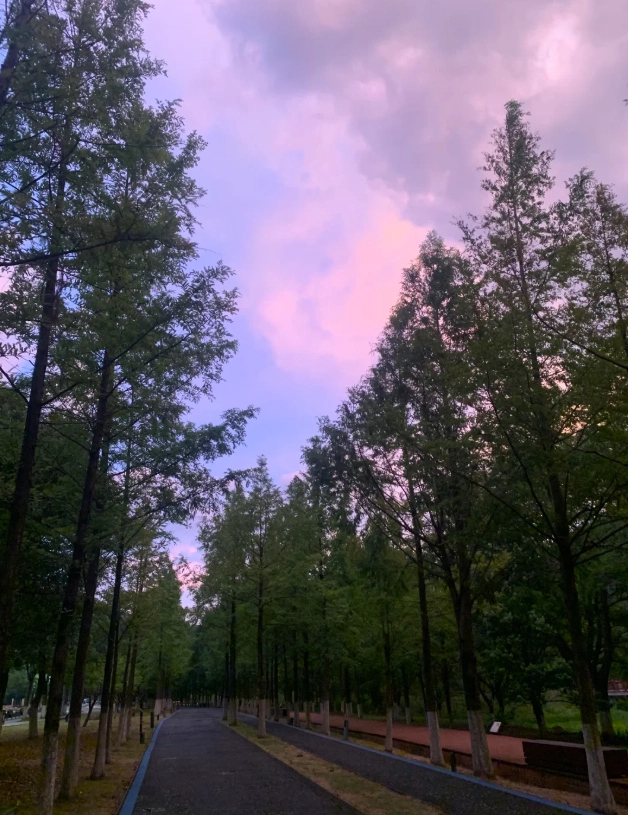
This is the place for dreamy reflections and almost symmetrical compositions. A bit off the standard tourist trail, near Shangshui Village, this marshy grove of poplar trees grows right out of the water. It’s a local favorite for engagement photos, and in winter the bare branches turn the whole scene silver.
Address: 上水村. Put this in your ride-hailing app: “Shangshui Village, Dongqian Lake”. Probably an additional 10–15 minutes from Hanling.
The best light is late morning when the sun is high enough to illuminate the trunks but still produces long shadows on the water. Around 10 a.m. is perfect if there’s a light breeze. On a still day, you’ll get mirror-like reflections, but it’s rare in the afternoon.
Note: the ground can be muddy after rain. Wear boots, and watch out for the farmers’ fishing nets hung up to dry—they make great foreground elements.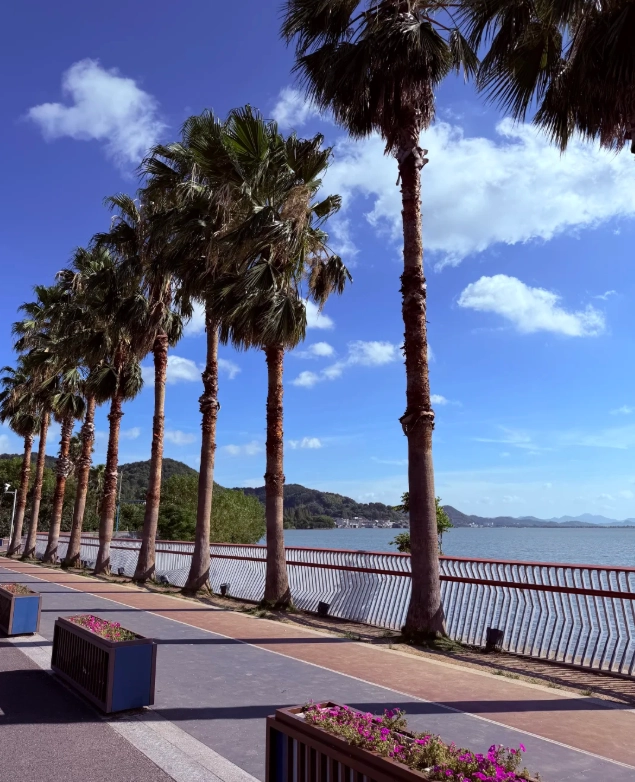
4. Dongqian Lake Wetland Park — Birds and Grasslands
If you’re into bird photography or wide, open landscapes, this is a must. The wetland area on the lake’s north shore is a protected conservation zone. Boardwalks curve through reeds, and egrets and herons fish in the shallows. It’s also a spot for massive sunsets because you’re looking west across the lake.
Address: 宁波东钱湖国家湿地公园 (Ningbo Dongqian Lake National Wetland Park). A taxi from downtown takes about 50 minutes; from other lake points, about 30 minutes.
The park gates usually open at 8:30 and close at 17:00. If you are lucky, early mornings, even before opening, the mist over the reeds is incredibly atmospheric. The staff are friendly; show your passport if asked for entrance registration.
For the best shots, go to the second viewing platform, about a 10-minute walk from the north gate. It’s less crowded and the reeds are taller, creating a natural foreground pattern.
Keep your camera wrapped if it’s windy—dust from the shores is real.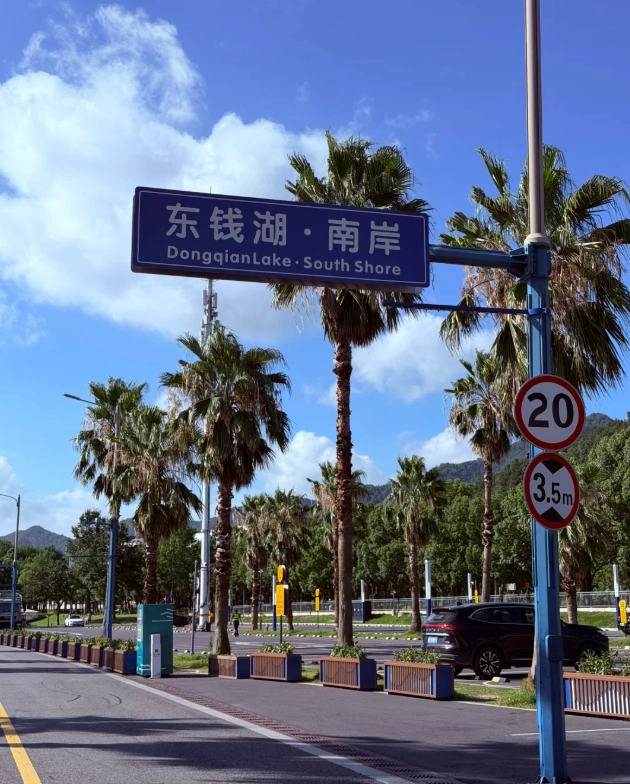
5. Fuquan Mountain Tea Terraces — Aerial View
Bring a telephoto lens for the sweeping view of the lake from the tea-filled hills. Fuquan Mountain is the range that wraps around the southeastern side of the lake. The terraced tea gardens climb all the way up, and from the higher elevations you get a bird’s-eye view of the lake’s bays.
Address: 福泉山 (Fuquan Mountain). To reach the middle of the tea terraces, you can take the official shuttle bus at the foot of the mountain, or hike up (about 40 minutes). The shuttle stops at several viewpoints.
The best time to shoot here is 7:30 to 9:00 a.m. That’s when the sun clears the mountains and the tea rows cast long shadows. Smog is usually lower, and there are fewer hikers.
Note: The area is managed as a plantation. Respect the signs and avoid walking into the fields themselves—tea farmers sometimes wave if you’re about to step on newly sprouted shoots.
You’ll also see the “one tree island” in the middle of the lake from here. A classic composition is to frame the tree with the tea rows leading into the water.
When to Shoot: Best Light and Weather
Photographing Dongqian Lake is a game of patience with light. Each season brings different charms. Spring and autumn have the clearest skies; summer is lush but hazy; winter offers bare trees and occasional frost.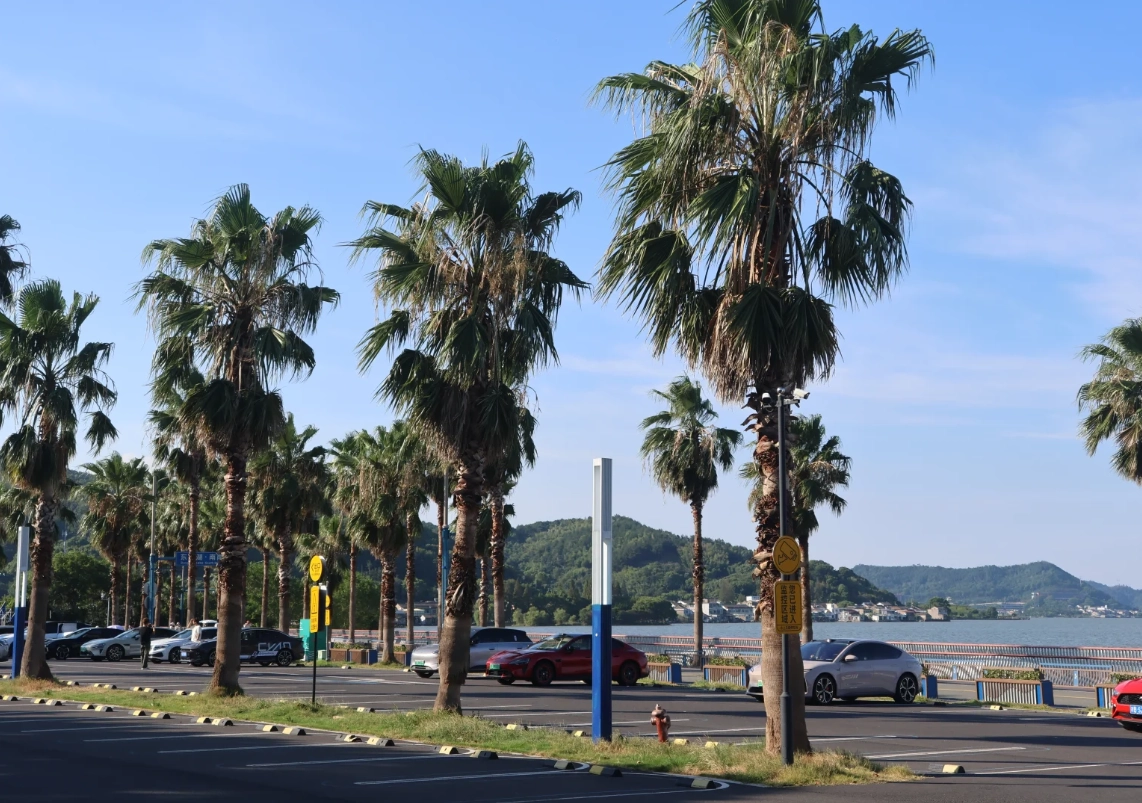
| Season | Best Time of Day | Recommended Spots |
|---|---|---|
| Spring | Sunrise 6–7, Sunset 5–6 | Xiaoputuo, Tea Terraces |
| Summer | Very early 5–6, Late 7–8 | Shangshui Water Forest, Wetland |
| Autumn | Sunrise 6–7, Sunset 5–6 | Hanling, Xiaoputuo |
| Winter | 8–10 for frost, 4–5 for sunset | Water Forest, Wetland |
Pro Tip: If you're trying to predict a clear sky, remember that Ningbo's weather changes fast. A drizzling morning can turn into a perfect sunset. Don't leave too early.
How to Get to Dongqian Lake and Navigate Like a Local
Here’s how you get to the lake from Ningbo. The city’s international airport is about an hour away. From downtown, you’ve got three options: taxi/didi, bus, or subway plus taxi.
- Taxi / Didi: The easiest and still affordable. A ride from Ningbo Railway Station to Xiaoputuo costs about 60–80 RMB. Use DiDi with an international card, or show the Chinese name to the driver.
- Public bus: Bus 907 from Yinzhou District stops near Xiaoputuo. Also, buses 901, 902, and 960 cover various parts. But honestly, the bus takes 70+ minutes, and you may need to transfer. Taxi is worth it for photo shooting convenience.
- Subway: Ningbo Metro Line 4 now connects to Dongqian Lake area. Get off at Dongqian Lake Station (东钱湖) and then take a taxi or Didi to your specific spot.
Navigation: Forget Google Maps. In China, it uses outdated data and often puts you in the wrong place. Use Apple Maps (it works with local data) or download AMap (高德地图) with an English interface. Better yet, have the Chinese names written down to show drivers or use the Didi app with the address.
Payment: Bring no cash? You can use Alipay or WeChat Pay linked to your foreign card. Practically every taxi, vending machine, and kiosk accepts these. Some smaller vendors only take WeChat Pay. Cash is still accepted at most places, but change is annoying. Keep a 100 RMB note as backup.
Tickets: Dongqian Lake itself is free. Individual spots like Xiaoputuo may charge a small entrance fee, but often they don't for the causeway. I'd say bring 50 RMB per person for entrance and shuttle fees, just in case. The wetland park may have an entry fee. Check at the gate; they accept Alipay.
Also, some places require passport for registration, especially for shuttles inside scenic areas. Carry your passport and hotel card.
Practical Tips for Foreign Photographers
- Bring a tripod and remote. Because dawn is dark, you'll need a stable tripod for long exposures over water.
- Rent a bike? You can rent bikes at many spots. A full loop is about 40 km. But if you intend to shoot, I recommend taking a taxi between points—carrying gear long distances isn't fun.
- Pack insect repellant in summer. The wetlands are mosquito heaven.
- Power and connectivity: Buy a local SIM card or eSIM with a VPN pre-installed. Many foreigners use Holafly or China Unicom tourist cards. No international roaming without VPN.
- Drone policies: Drones are strictly regulated in China. You must register it, and flying over large crowds is forbidden. At Dongqian Lake, I’ve seen people flying near the shore but it’s not officially allowed. Check local drone laws and don't risk a fine.
- Waterproof camera cover: The lake breeze can mist your lens. Keep a lens cloth ready.
- Language: Learn a few phrases: 这里可以拍照吗? (Is it okay to take photos here?) and 请问怎么走到湖边? (How do I go to the lake?). Translation apps work.
A 24-Hour Dongqian Lake Photography Itinerary
If you only have a day, here’s how I’d pack it. This route minimizes travel time and hits the best light at each spot.
- 5:00 a.m. Start at Xiaoputuo for sunrise.
- 7:30 a.m. Grab breakfast at Hanling Old Street (noodle shops open early).
- 9:00 a.m. Head to Shangshui Water Forest.
- 11:30 a.m. Lunch at a local restaurant near the lake (ask for bamboo shoot and lake fish).
- 1:00 p.m. Rest / edit photos at hotel, or visit Fuquan Mountain if weather is clear.
- 5:00 p.m. Return to the Wetland Park for sunset.
- 7:30 p.m. Dinner and night shots of Hanling street lights.
Rainy day plan: If it rains, head to Hanling covered walkways or the local museum (Ningbo Museum is only 20 minutes away, but that's another story).
FAQ: Common Questions About Dongqian Lake Photography Spots
Verified and fact-checked by the editorial team.






No comments yet.