 Qiang Huang
Quick Guide — Jump to What Matters
I’ve lived in Ningbo for six years and guided hundreds of foreign visitors through this city. And you know what? The typical two-day plan you’ll find on the internet will leave you exhausted and, honestly, a bit bored. The classic "Tianyi Pavilion + Moon Lake + Old Bund" in one day sounds nice on paper, but it means you’ll be watching the clock instead of soaking in the atmosphere. Here’s the real deal: Ningbo rewards the traveler who slows down, knows the right order to visit, and carries a backup plan for the inevitable payment mess. Stick with me, and I’ll help you actually enjoy your 48 hours here — without falling into the traps that trip up most foreigners.
But first, save this: Most attractions require passport registration and advance booking. If you show up without a reservation, you will be turned away — I've seen it happen too many times. The good news? I’m about to walk you through exactly how to book, how to pay, and how to get around like a local. This isn’t a generic guide; it’s the plan I use for my own friends and family.
Why Most 2-Day Ningbo Itineraries Fail You
The #1 Mistake: Trying to See Too Much
Ningbo isn’t a huge city, but its attractions are spread out. The East Side (Tianyi Pavilion, Moon Lake, Old Bund) feels different from the West Side (Dongqian Lake, Ningbo Museum). Most itineraries try to pack both into one day. That’s a disaster. You’ll spend half your time in taxis, and you’ll miss the early morning charm of Moon Lake when the old locals are doing tai chi. I always tell my clients: Split your two days between the historic core and the scenic outskirts, and don’t cram more than three major spots per day.
The Payment Trap Nobody Warns You About
Here’s the thing that hits every tourist: Ningbo is almost entirely cashless. Small noodle shops, local bakery stalls, and even some ticket windows refuse physical cash. I’ve watched travelers awkwardly hold out a 50-yuan note while the cashier shakes her head. Yes, you can use Alipay or WeChat Pay with an international card — but you need to set that up before you arrive. And if you don’t have a Chinese phone number, getting verified can be a maze. Don’t panic. I’ll show you the workaround later in this article.
Navigation Nightmare: Google Maps Is Useless Here
Open Google Maps in Ningbo, and you’ll see a beautiful map that’s missing half the streets. It’s unreliable for walking directions, and even worse for public transport. Use Apple Maps or download AMap (高德地图) — it has an English interface now. But the real hack? Save the Chinese address for every destination on your phone before you go. That way, you can show it to a taxi driver and avoid the confusion of mispronounced pinyin.
Pre-Trip Practicalities for a Smooth Ningbo Visit
Booking Hotels and Attractions: What I Always Do
For hotels, I rely on Trip.com for its reliable English interface and last-minute cancellations. For attraction tickets, Trip.com or Klook work well for the major sites like Tianyi Pavilion and Ningbo Museum — they accept international cards and let you skip the line. Never assume you can buy a ticket at the gate on weekends. The WeChat mini-program is a nightmare to navigate for non-Chinese speakers, so use English platforms or ask your hotel concierge to book for you. And yes, you’ll need your passport number for all reservations.
Getting to Ningbo and Around: Train, Metro, Taxi
If you’re coming from Shanghai, the high-speed train from Shanghai Hongqiao to Ningbo takes about 2 hours. You can book tickets on Trip.com or the official 12306 app (though 12306 is Chinese-only). Once you’re here, the metro is your best friend — Lines 1, 2, and 3 cover most tourist spots. Trains run from 6 AM to 10:30 PM, and you can pay with Alipay/WeChat directly at the gate. Taxis are cheap, but watch out for drivers who quote double during rain or rush hour. Use Didi (the Chinese Uber) with your Alipay connected to avoid haggling — you can even set the pickup point with your hotel’s address.
Must-Have Apps and Tools for Foreign Tourists
- VPN: Get a reliable one before you land. Netflix, Google, and many Western apps won’t work otherwise.
- Translation: Apple Translate or Baidu Translate both handle Chinese well. I prefer Apple for its offline mode.
- Payment: Add your international card to Alipay or WeChat Pay before arriving. You’ll need to verify with your passport.
- Maps: AMap Global (English) or Apple Maps for accurate navigation. Always have the Chinese address.

Ningbo in 48 Hours: My Exact Day-by-Day Plan
Day 1: The Classic East Side (Tianyi Pavilion, Moon Lake, Old Bund)
Start your day at Tianyi Pavilion before 9 AM — that’s when the crowds are still thin and the light is soft. This UNESCO-listed library is the crown jewel of Ningbo. You can easily spend two hours here. The gardens are smaller than you might expect, but the layout is clever: you’ll wind through traditional courtyards and stumble upon ancient stone carvings. Don’t miss the "Three Uniques" exhibit — the paper, the woodblock prints, and the copper seals. (Insider tip: the restroom just outside the main gate is almost always packed. Use the one in the café near the north exit instead.)
From Tianyi Pavilion, walk to Moon Lake — it’s about 10 minutes on foot. The lake is free, and it’s a living, breathing slice of local life. I always tell my visitors to grab a bench on the south side and just watch. You’ll see retirees playing chess, grandmothers practicing sword dance, and kids chasing kites. There are several small bridges that make for excellent photos — especially the one at the east end, where you can get a classic reflection shot of the city’s skyline.
By noon, you’ll be hungry. I’ll share my go-to lunch spots in the food section below, but suffice it to say — don’t settle for the touristy noodle joints near the lake. Walk a few blocks north to Drum Tower Street for the best local "soup dumplings" (actually called xiaolongbao here, but they’re different from Shanghai’s — juicier and sweeter).
After a hearty lunch, head to the Old Bund (老外滩). It’s a short metro ride or a 20-minute walk. The Bund here is smaller than Shanghai’s, but it has a far more laid-back vibe. The colonial architecture houses trendy bars and boutique shops. Go around 4 PM — the light hits the brick facades beautifully, and you can watch the street transform as the night market vendors roll in. Grab a coffee at one of the riverside cafés and enjoy the sunset over the Yong River. If you’re into history, the Tianhou Palace (a temple to the sea goddess Mazu) at the western edge is a hidden gem — most tourists skip it, but the ornate roof carvings alone are worth the visit.
For dinner, I’ll point you to a local favorite (see below). After dark, take a stroll along the Bund promenade; the LED lights on the buildings are quite a show, and the crowd is overwhelmingly local — a good sign.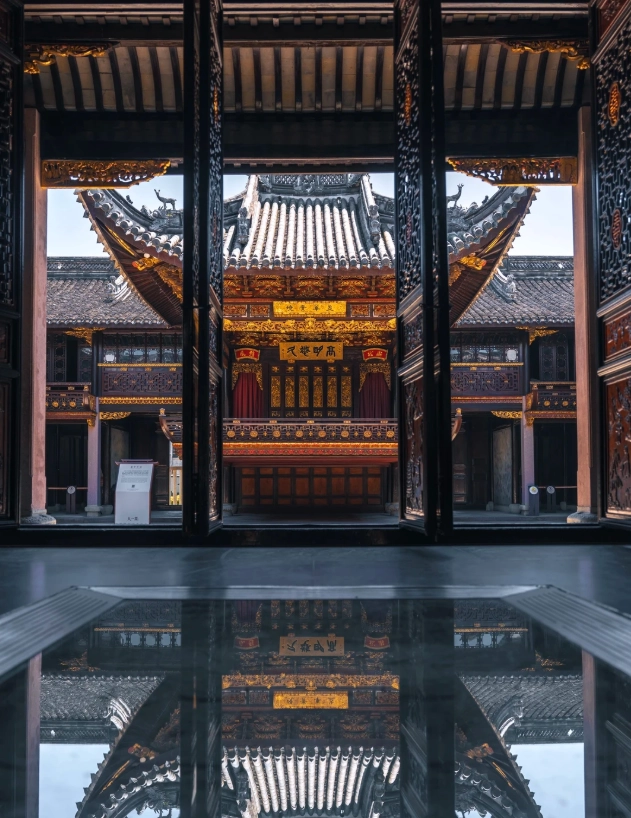
Day 2: The Scenic West Side (Dongqian Lake or Ningbo Museum)
Your second day depends on your energy level and the weather. If you’re feeling adventurous and the sky is clear, head to Dongqian Lake — the largest freshwater lake in Zhejiang province. It’s a 45-minute bus or metro ride from the city center (Line 4 to Dongqian Lake station, then a 10-minute walk). The lake is massive; don’t try to walk the whole thing. Instead, rent a bike near the south gate — it’s about 30 RMB for a half-day. Pedal along the east shore and you’ll find tranquil spots where you’re the only one around. There’s also a small temple on an island south of the lake; you can hire a rowboat to get there, and it’s a surreal experience.
If it’s drizzly or you’re traveling with kids, swap Dongqian Lake for the Ningbo Museum (宁波博物馆). Designed by architect Wang Shu (a Pritzker Prize winner), the building itself is a masterpiece — its facade is made from recycled old bricks and tiles from demolished houses. Inside, you’ll find an excellent collection of Yue celadon ceramics and a detailed exhibit on Ningbo’s maritime history. Entry is free, but you must book a time slot in advance on the official WeChat account (or ask your hotel to do it). Plan for two hours; the café on the second floor is a nice break.
In the afternoon, tie up loose ends: visit the Nanyang Hutong area or simply wander the narrow lanes around the Drum Tower. I’d suggest a gentle walk through the historic Haishu District, where you can see traditional "shikumen" houses side by side with modern art galleries. It’s a great place to pick up unique souvenirs — hand-painted fans, bamboo crafts, and local tea.
Backup Plan for Bad Weather
Ningbo’s weather is unpredictable. If you wake up to pouring rain, don’t try to power through. Instead, pivot to indoor attractions: the Ningbo Museum is perfect (and covered above), but also consider the Ningbo Port History Museum (not far from the Old Bund), or simply spend the morning in a traditional tea house in the old town, watching the rain hit the tiled roofs. I often take my clients to the Tea Garden Café on Dong Hou Street — it’s hidden behind an unmarked door, but the owner speaks wonderful English and will brew you a fantastic Longjing while explaining the local tea culture. It’s not a tourist trap; it’s a real local hangout.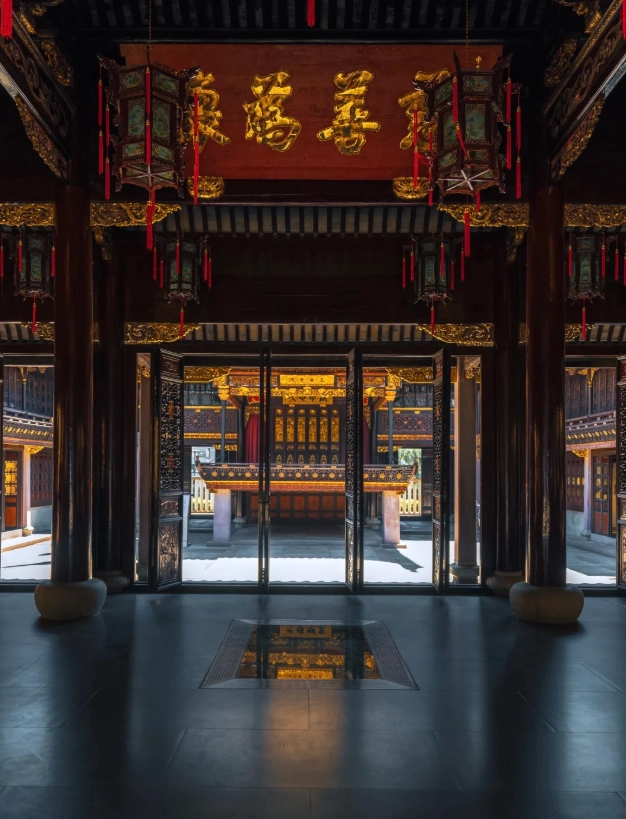
Where My Clients Always Eat: Local Favorites
Food is the heartbeat of Ningbo, and I’ve eaten my way through every alley. Here are the spots I repeatedly bring my clients to — places where you can taste authentic Ningbo cuisine, not the overcooked dishes for foreigners.
Lunch on Day 1: "Old Ningbo" Restaurant (宁波老味道)
- Address: 88 Wangjiang Road, Haishu District (near Tianyi Pavilion)
- Signature dishes: Yanshuai Huangyu (preserved yellow croaker with garlic), Tangcu Pai (sweet-and-sour ribs), and the must-try Xiaolongbao with crab roe.
- Price: 80–120 RMB per person
- Payment: WeChat/Alipay only; no cash, no international cards unless linked.
- Insider note: The queue at 12:30 can hit 40 minutes. I always tell my people to go at 11:15 and grab a seat before the local office crowd arrives. There’s an English menu with pictures — just point if you’re unsure.
Dinner on Day 1: Laobai Wai Seafood Grill (老外滩海鲜烧烤)
This is a nightly street-food market that sets up at 5 PM along the Old Bund. Don’t expect a full restaurant; instead, you’ll hop between stalls. My favorites are the grilled oysters with garlic butter (20 RMB for 5), the squid skewers, and, of course, the local beer. It’s fun, chaotic, and 100% local. Payment is via Alipay/WeChat — so try to have your app ready. Some stalls accept cash, but it’s not guaranteed.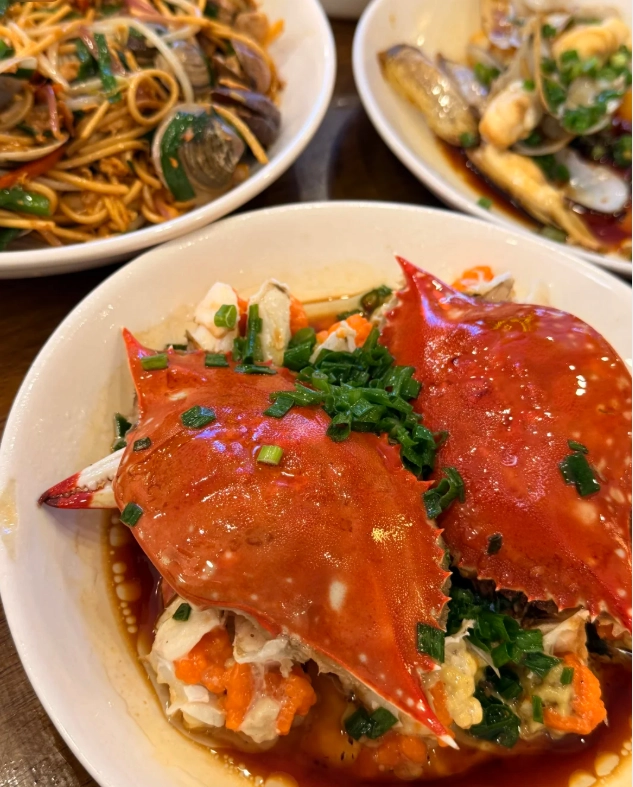
Lunch on Day 2: Noodle House "Bamboo" (竹栏)
Located near the Ningbo Museum, this humble shop serves the best wo tau haan (shredded pork noodles) in town. The broth is rich and slightly sweet, and the noodles are hand-pulled. A bowl costs 18 RMB. It’s a no-frills place — metal tables, paper napkins — but it’s exactly where locals go to refuel. They close at 2 PM, so don’t be late. Also, ask for the jian bing (savory crepe) from the vendor across the street; it’s a perfect snack to eat while walking.
Sweet Treats and Evening Snacks
Your trip isn’t complete without trying Ningbo tangyuan — glutinous rice balls filled with black sesame. The most iconic shop is Dai’s Tangyuan (戴氏汤圆) on Zhongshan Road. It’s tiny, a bit worn, and always crowded — but the tangyuan are tender, warm, and honestly life-changing. Get a small bowl of sesame and one of pork; that combo is what the locals eat. If you’re vegan, skip the pork and double up on sesame.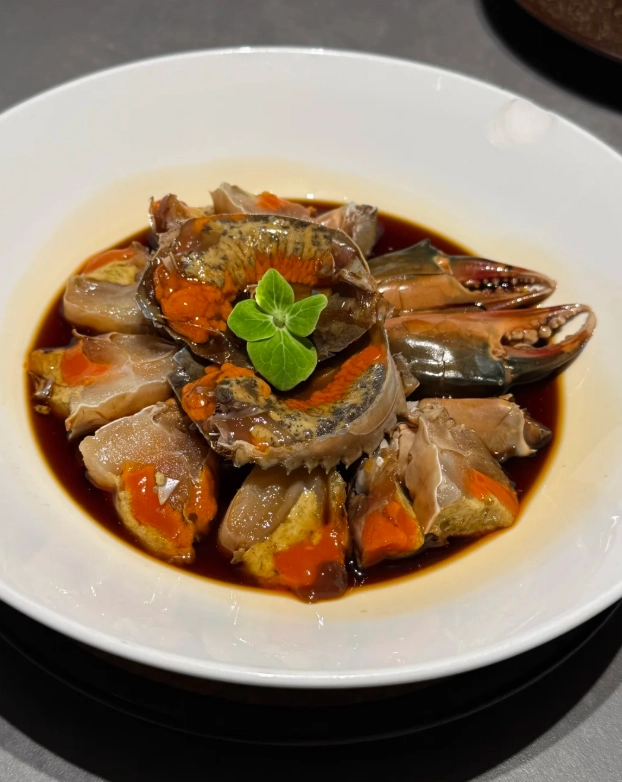
Where to Stay in Ningbo for First-Timers
Choosing a base is critical. You want to be near Metro Line 1 or 2, with easy access to both sides of the city. Here are my top three picks based on your travel style:
| Hotel Name | Area & Distance to Key Sites | Price Range (per night) | Best For |
|---|---|---|---|
| Hotel Indigo Ningbo | Old Bund; walk to attractions | 600–900 RMB | Travelers wanting a boutique vibe & views |
| Millennium Ningbo | Near Tianyi Square; Metro Line 1 | 400–650 RMB | Families and business travelers |
| Cixi Shangri-La | Outside the old town; free shuttle to core | 500–800 RMB | Those seeking luxury & peace |
| Young Hostel Ningbo | Drum Tower area; budget-friendly | 100–150 RMB | Backpackers and solo adventurers |
All these hotels have Wi-Fi that works (mostly) and some English-speaking staff. The Young Hostel is an exception — it’s a hostel, so expect minimal service, but it’s super social. If you’re a light sleeper, pack earplugs — the hostel’s location on a lively street can be noisy well into the night.
Saving Money and Time: Insider Tips for Ningbo
Getting Tickets Without a Chinese Phone Number
This is the #1 fear I hear from clients. Here’s the solution: Use the international booking services like Trip.com or Klook. They have English interfaces, accept your international credit card, and you’ll get a QR code directly to your phone. Show that QR code at the entrance — no passport needed for the scan, though bring your passport as backup. For the free museums (like Ningbo Museum), you can also book via the official English website, but it’s clunky in my experience. I’d rather pay a tiny service fee on Trip.com to avoid the frustration.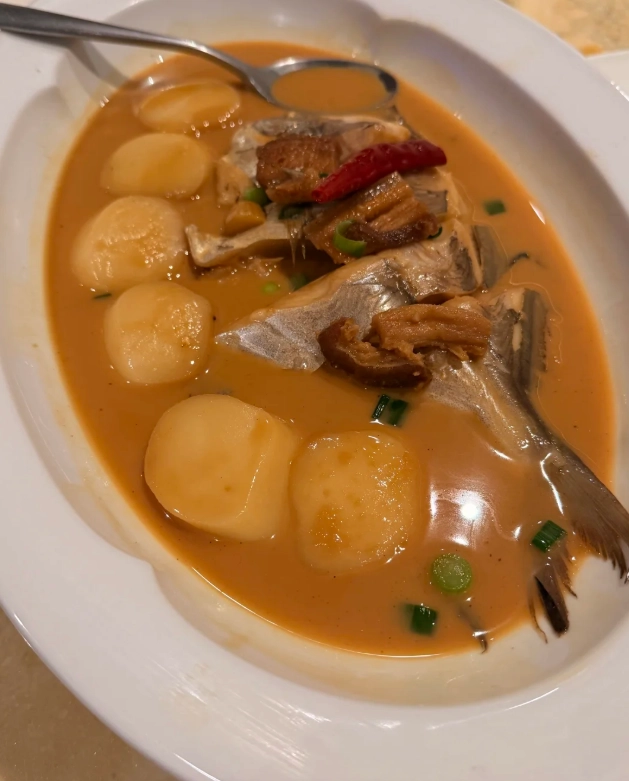
Avoiding the Crowds at Popular Sites
Here’s a pro tip that changes everything: Visit Tianyi Pavilion at 8:30 AM sharp. The doors open at 8:00, but the tour buses don’t roll in until 9:15. That 45-minute window is yours alone. Similarly, the Old Bund is magical at 5 PM, while the night owls are just waking up. And if you want that iconic shot of Moon Lake with no people, go on a weekday — weekends are packed with local families.
Insider Advice: Don’t use black-market guides. If someone offers to "take you to a hidden spot" for a fee, walk away. The official tourist kiosks at Tianyi Square are reliable and run by the government. I lost a client to a scammer once — never again.
Say No to the Tourist Tea House
Every street near a temple will have a "traditional tea house" that charges 50 RMB for a cup. These are for tour groups. The real deal? Ask your hotel concierge for the local chaguan — there’s a hidden one on Chenghuang Temple’s back lane where locals gossip for hours for just 15 RMB a pot. I’d tell you the name, but it’s written in Chinese only. Just follow the sound of elderly women laughing — you’ll find it.
FAQ: Your Burning Ningbo 2-Day Itinerary Questions
Verified and fact-checked by the editorial team.







No comments yet.