 Ting Chen
I've been guiding travellers around Yunnan for years, and Lijiang never fails to surprise me. You see, most visitors blow their budget on overpriced tours and entrance fees—while the real magic here costs nothing at all. Stroll past the ancient waterways at 7 AM, when the stone streets are empty and the Naxi women set out their wicker baskets. That's the Lijiang I love, and it's completely free.
Now, let me save you some money—and your sanity. International cards often fail at ticket booths, and Google Maps will lead you nowhere. But the good news? The best experiences here don't need a ticket. Just a bit of local know-how.
The secret: skip the paid viewpoints like the Wangu Tower entrance fee—instead, climb the free path on Lion Hill for the same sunset shot. Ready? Here's your no-cost route.
Why Free Is the New Luxury in Lijiang
Let me be honest—Lijiang is a tourist trap if you let it be. I've seen couples spend ¥600 on a 'traditional Naxi dinner' that tastes like reheated buffet food. But the real Lijiang—the one that makes you fall in love with Yunnan—doesn't cost a cent. It's in the sound of water running through the ancient canal system, the smell of pine smoke from a local's morning offering, the sight of an old Naxi woman embroidering in her doorway.
The 'free' label here isn't about being cheap; it's about being smart. You'll avoid the crowds that pack the paid spots, you'll get a more authentic cultural experience, and you'll save your cash for what actually matters: a good cup of local coffee or a handwoven shawl.
And here's the catch—most free experiences are the ones locals actually enjoy. The evening promenade along the cobblestone streets? That's a nightly ritual. The morning market where farmers sell wild mushrooms? Free to browse, amazing to photograph.
How Can You Explore Lijiang Old Town for Free?
Walk the Ancient Streets Before the Crowds Arrive
Wake up early—I know, I know. But trust me. Around 6:30 AM, the Old Town is yours. The tour groups don't arrive until 9, and the streets are washed by the municipal workers, making the stones shine like glass.
Start at the famous Black Dragon Pool (it's free with passport registration), then walk south through the ancient waterways. Don't follow the main drag; duck into alleyways like Wenzhi Lane and Xinhua Street. You'll find barrel-vaulted bridges that were built in the Ming Dynasty.
My personal tip: bring a small bottle of water and some bread—you'll want to sit on the stone steps by the water at least once. The silence is surreal.
Insider Advice: Don't even think about using Google Maps here. The alleys are a maze, and the app will show you a grey blur. Instead, download the AMap offline map (turn on English) or simply follow the water—it always leads back to Sifang Street.
Discover Hidden Courtyards and Naxi Crafts
Most tourists queue for the Mu Palace (that's the Wood's Mansion—it costs money), but the real Naxi architecture is scattered all over the Old Town for free. Look for courtyards with the traditional three-sided 'xiang' houses. Many host working artisans.
Walk to the area around Wenchang Palace (文昌宫) — the wide square there is a great spot to watch calligraphy artists practice every morning. Then duck into a tiny workshop near Jishan Lane where a Naxi woodcarver shows his craft. Watching him work is free, and he loves talking about his art. If you buy something, great—but there's zero obligation.
For the best photo op, find the intersection of Wenzhi Alley and Huangshan Road. There's a small criss-cross of canals that reflects the rooftops—a hidden gem even some guides miss.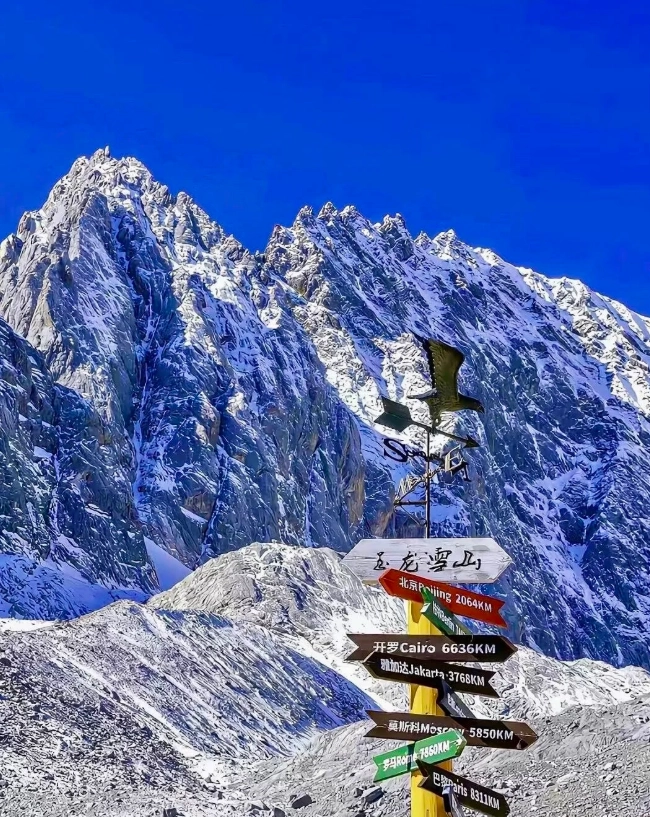
Take the Free Lion Hill Viewpoint
Lion Hill (狮子山) looms west of the Old Town. The Wangu Tower at the top charges an entry fee (about ¥50), but here's the trick: you don't need to pay. Follow the stone steps on the north side—look for the sign that says 'Panxiu Tower'? Actually, just aim for the tea garden behind it. The free walking path starts near the intersection of Xinyuan Lane and Minzhu Road. There's no entrance gate. You'll see a few local people doing tai chi. That's the spot.
Go around 4 PM when the light turns golden. You'll see the entire grey-tiled roofscape of the Old Town, with the Jade Dragon Snow Mountain towering in the background. Bring a snack and stay for sunset—it's a memory that beats any paid viewpoint.
What Are the Best Free Things to Do Beyond the Old Town?
If you have half a day to spare, these three free attractions outside the Old Town are worth every step. I've included a comparison table to help you decide.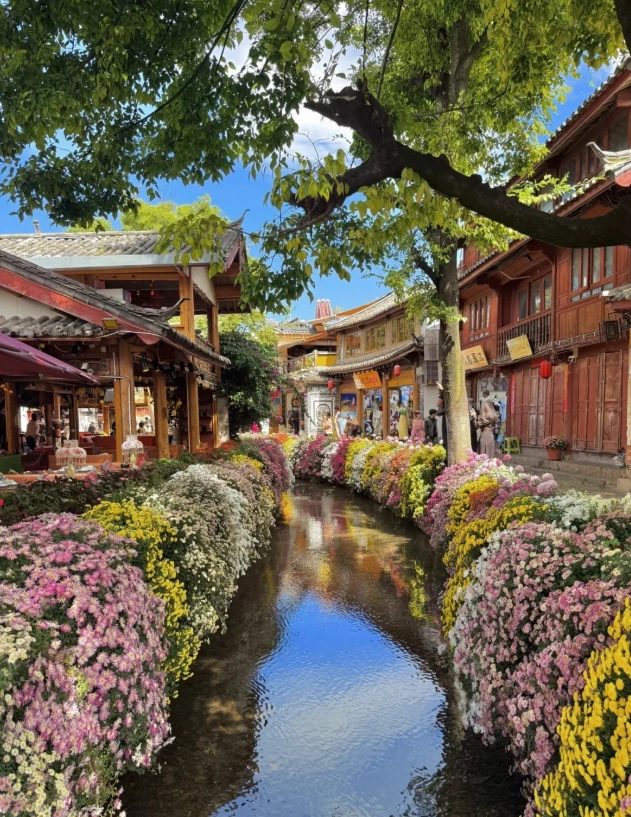
| Attraction | Location | Cost | What You'll See | Best Time | Requires Passport? |
|---|---|---|---|---|---|
| Black Dragon Pool | North of Old Town | Free | Pagoda, lake, mountain reflection | Sunrise | Yes |
| Zhongyi Market | South East of Old Town | Free | Local produce, street snacks, daily life | Morning | No |
| Baisha Village | 12 km north of Lijiang | Free (village only) | Naxi houses, snow mountain views, artisan studios | Late afternoon | No |
Explore the Zhongyi Market for a Taste of Local Life
Zhongyi Market (忠义市场) sits at the southern edge of the Old Town. It's a working market where locals shop for vegetables, spices, and blankets. Foreign tourists rarely visit, so prices are half what you'd pay at the tourist stalls. Grab a cheap breakfast here for under ¥10—try the baba (a flaky flatbread) or a bowl of rice noodles. The market is open from dawn to dusk, and you don't pay a cent to walk around.
Pro tip: Look for the vendor selling fresh yogurt in clay jars. It's tangy, creamy, and costs about ¥5 a cup. You'll thank me later.
Wander the Ancient Streets of Baisha Village for Free
Baisha is a quieter twin of Dayan (the main Old Town). Thirty minutes by bus or taxi from Lijiang, it's a great escape from the crowds. The village itself has no entrance fee. You can see the Jade Dragon Snow Mountain towering above the tiled roofs, visit the old bakery, and watch women making silver jewelry. The famous Baisha Murals are behind a paid ticket (¥50), but the village's atmosphere is free. Enjoy a cup of yak yogurt on a sunny bench.
To get there: take bus 6 from Lijiang Old Town (about 30 minutes) or a taxi for ~¥50. The last bus back is around 18:30, so plan your return.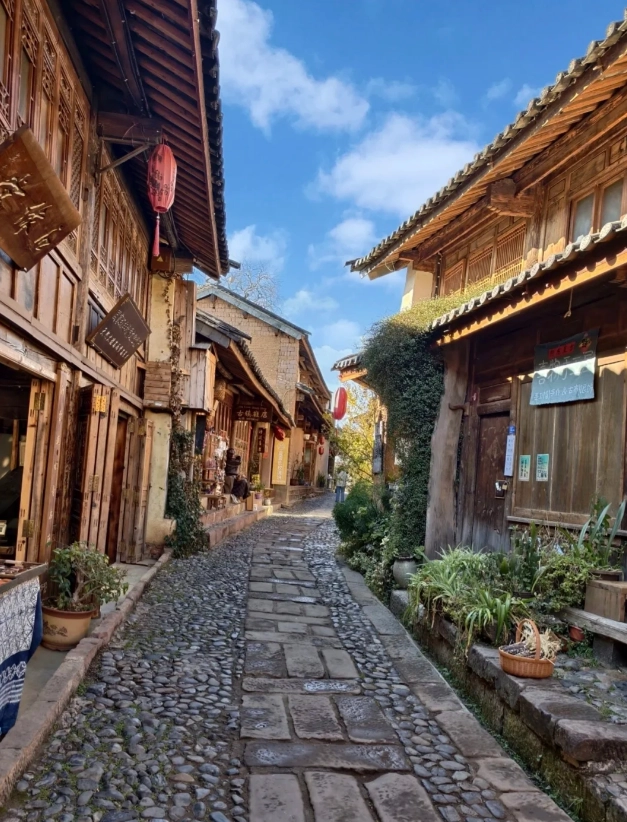
Visit Black Dragon Pool Without Paying a Cent
Black Dragon Pool (黑龙潭) is Lijiang's postcard view: the pagoda reflecting in calm water with the snow mountain in the backdrop. The park has been free for years now, but you must show your passport at the entrance and register. Don't come without it, or you'll be turned away. The best time is at sunrise before the visitors arrive. Bring a picnic lunch and sit by the causeway for a good hour.
Insider tip: The bridge at the east exit gives you a less crowded photo spot—most tourists crowd the main arch.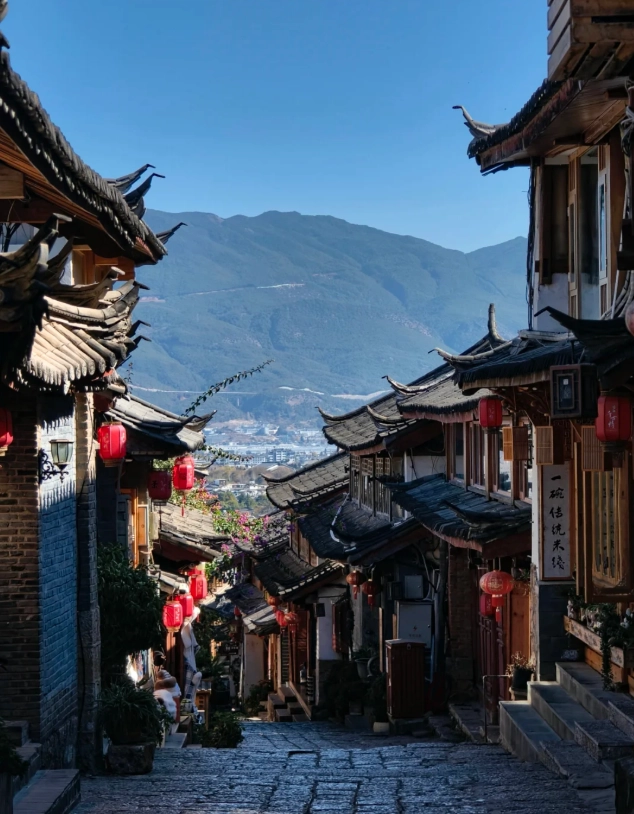
Practical Tips for Enjoying Lijiang on a Budget
Payment in Lijiang: Don't Rely on Cash
Here's the thing—most small vendors only accept WeChat Pay or Alipay. Cash works in some bigger stores, but you'll struggle at local stands. International credit cards? Good luck. The workaround: set up Alipay with your foreign card ahead of time. I've done it, it works for tap-and-pay. Also, keep 50-100 yuan in cash for emergencies—the old ladies selling apples don't take cards.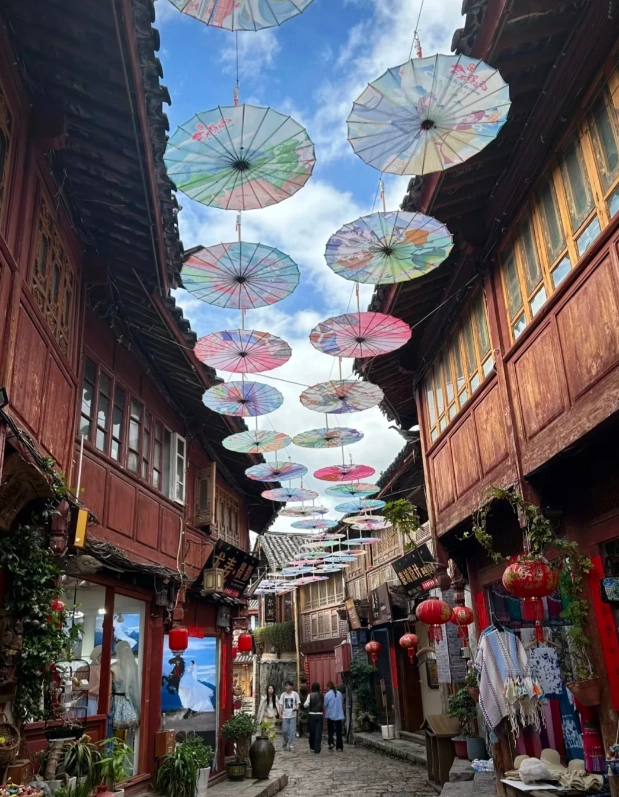
Getting Around: Ditch Google Maps, Use This Instead
Google Maps will show a blurred mess in Lijiang. Apple Maps works okay, but the most reliable for directions is AMap (Gaode Maps) with its English interface. Type your destination in Chinese or show the address to a taxi driver. Use Didi (the Chinese Uber) for hail-free rides—the app has an English version. For buses, just use Google Translate to show the bus number to locals.
Can You Use Your Passport to Book Tickets?
Many attractions require pre-booking through Chinese platforms like WeChat mini-programs. For free spots like Black Dragon Pool, you'll need to show your passport at the gate. If you're booking tours, always use Trip.com or Klook—they have English support and accept international cards. Never pay a random street tout for 'skip the line' passes—they're scams.
Language and VPN: What to Prepare
You can't open Google, WhatsApp, or Facebook without a VPN. Install one before you arrive. Translation: always have Apple Translate or Baidu Translate handy. All road signs in Lijiang are bilingual? Not really—the smaller alleys only have Chinese. So screenshot your destination's Chinese name or use the offline map with Chinese characters.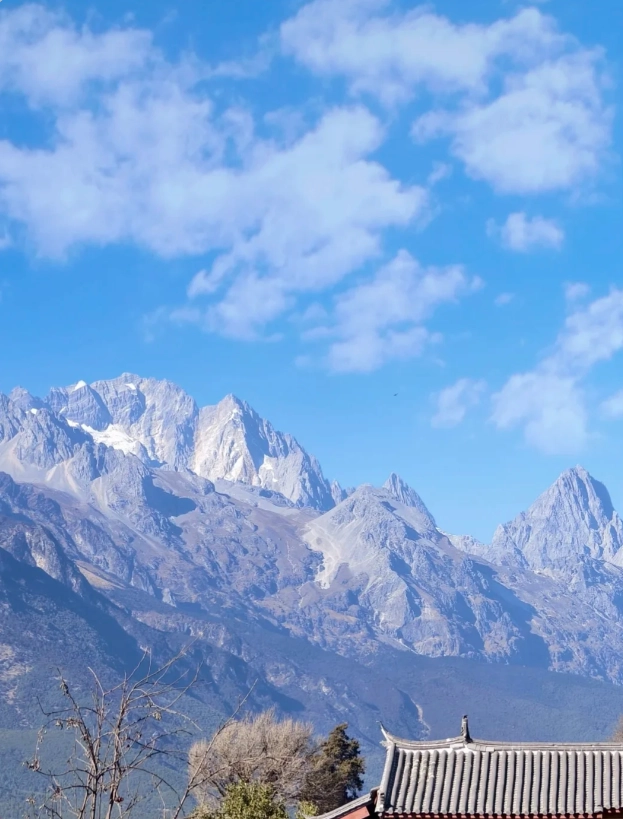
Free Lijiang FAQ: Your Questions Answered
This content has been fact-checked by the editorial team to ensure informational precision.






No comments yet.