 Tao Xu
Quick Guide
What to do in Guangzhou? That's the question every traveler asks. But the answer isn't just Canton Tower or a dim sum brunch. As a local guide, I've spent years taking visitors to hidden corners they'd never find alone. This guide shares my top picks, from sunrise at Baiyun Mountain to late-night skewers on Education Road. Plus, I'll tell you how to pay, navigate, and book without stress.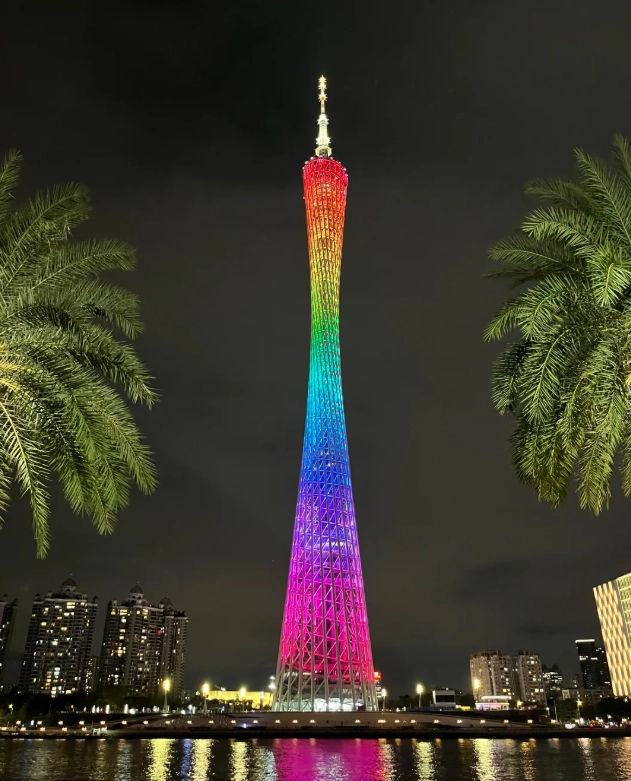
What to Do in Guangzhou: Top Attractions You Can't Miss
Let's kick off with the famous spots, but I'll show you how to see them without the madness.
Canton Tower: Go at Sunset for the Best Views
The Canton Tower is Guangzhou's iconic skyline centerpiece, shooting up 600 meters into the clouds. I always tell my clients to arrive around 4 PM. Here's why: you avoid the brutal midday sun, catch the city lights flickering on, and the queue is usually shorter. The tower has a public observation deck on Level 433 meters, but you'll need a separate ticket for the 450-meter observation room. As of my last visit, the standard entrance fee is around 150 RMB for the 108th floor, and 200 RMB for the 450th floor. Children under 1.2 meters get in free, but bring your passport for booking.
You'll find the tower at No. 222 Yuejiang West Road — the Chinese address is 阅江西路222号. The nearest metro station is Canton Tower Station on Line 3 and APM Line, Exit B. From there, it's a 5-minute walk.
Now, here's a pro tip: if you're short on time or money, skip the top deck and go to the free viewing area inside the tower's base or head across the river to the Guangzhou International Finance Center. But honestly, the view from Level 433 is worth the money, especially right before sunset.
However, be prepared for security checks that require removing your backpack. And yes, you can bring a water bottle, but stays small.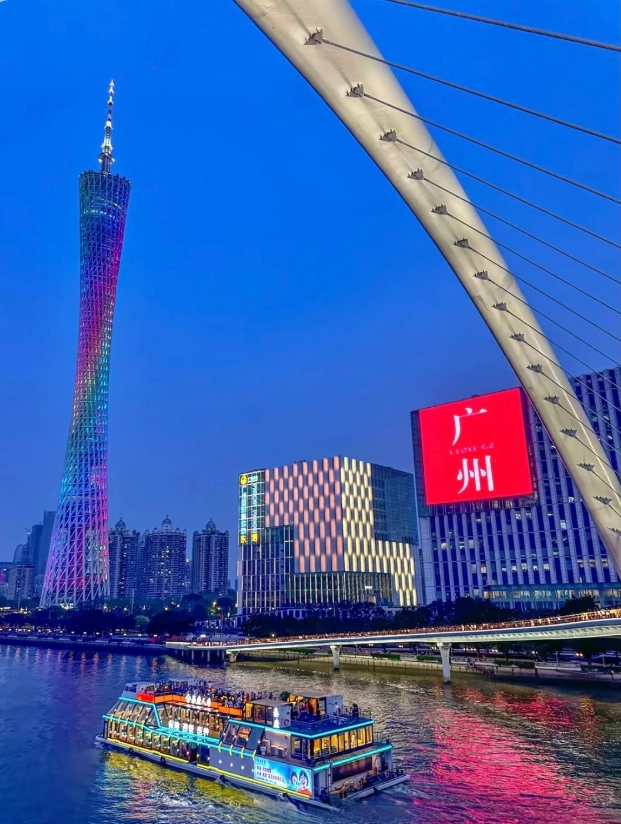
Insider Advice: Avoid the tower between 10 AM and 2 PM when tour groups flood the entrance. The south gate security line stretches into the sun with zero shade. Uber to the north gate instead — it's quieter.
Chen Clan Ancestral Hall: A Masterpiece of Cantonese Architecture
The Chen Clan Ancestral Hall, also known as Chen's Academy, is a 19th-century temple complex that showcases the finest of Guangdong's folk arts. Located at No. 34, Enlong Li — written as 恩龙里34号 — this place blew me away with its intricate carvings on the roofs and interior walls. It's not just a museum; it's a living example of ancestral worship.
The entrance fee is only 10 RMB, making it one of the most affordable attractions in the city. Opening hours are typically from 8:30 AM to 5:30 PM, with last entry at 5 PM. Avoid Mondays because they close for maintenance.
To get there, take metro Line 1 to Chen Clan Academy Station, Exit D. Literally, the station is at the front gate.
For photographers: the morning light hits the front courtyard beautifully between 9 and 10 AM, but the crowds swell after 10. I recommend going right when they open to enjoy the silence. Don't forget to see the embroidery exhibit upstairs — it's easy to miss if you're not looking.
Shamian Island: A Peaceful Escape from the Hustle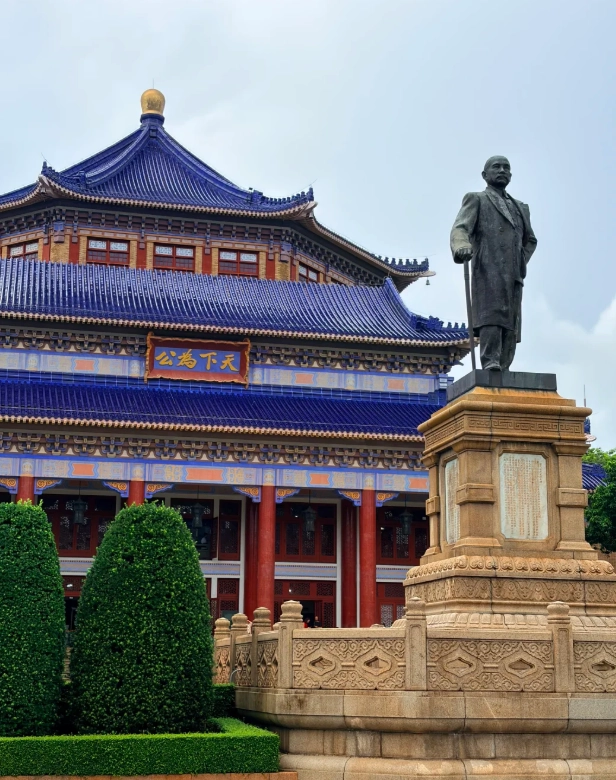
Shamian Island sits on the Pearl River, a leafy slice of colonial-era European architecture. It's a radical shift from the skyscrapers you'll see elsewhere. Honestly, it feels like you've stepped into a quieter corner of Europe. You can spend an afternoon strolling the avenues, photographing the old consulates, and sipping coffee in a courtyard café.
There's no entry fee — it's a public area. The island is open all day, but sunset is magical for photos. My favorite spot is the cathedral entrance on the island's southern edge.
Getting there: take metro Line 1 to Huangsha Station, Exit F, then walk 5 minutes southeast across the bridge. Alternatively, a taxi from the city center costs about 20 RMB.
Now, a heads-up: while the island is serene by day, it becomes a bit rowdy at night with bars open late. If you're not into partying, stick to day visits. Also, there are no public restrooms on the island except for the one at the historic mosque — plan accordingly.
Beijing Road vs. Shangxiajiu: Which Night Market to Choose?
Night markets in Guangzhou are a sensory overload in the best way. Two names come up again and again: Beijing Road and Shangxiajiu Pedestrian Street. Both are free to enter, but they offer different vibes.
Beijing Road is the more commercialized spot, with a glass-enclosed Ming dynasty street ruin at its center. It's great for shoe shopping and bubble tea, but the food stalls are mostly commercial chains. Shangxiajiu, on the other hand, feels older and more local. Sure, the crowds are denser, but you'll find authentic Cantonese snacks like beef offal and sticky rice cutlet. My rule? Hit Beijing Road during the day for shopping, then move to Shangxiajiu around 8 PM for the street food frenzy.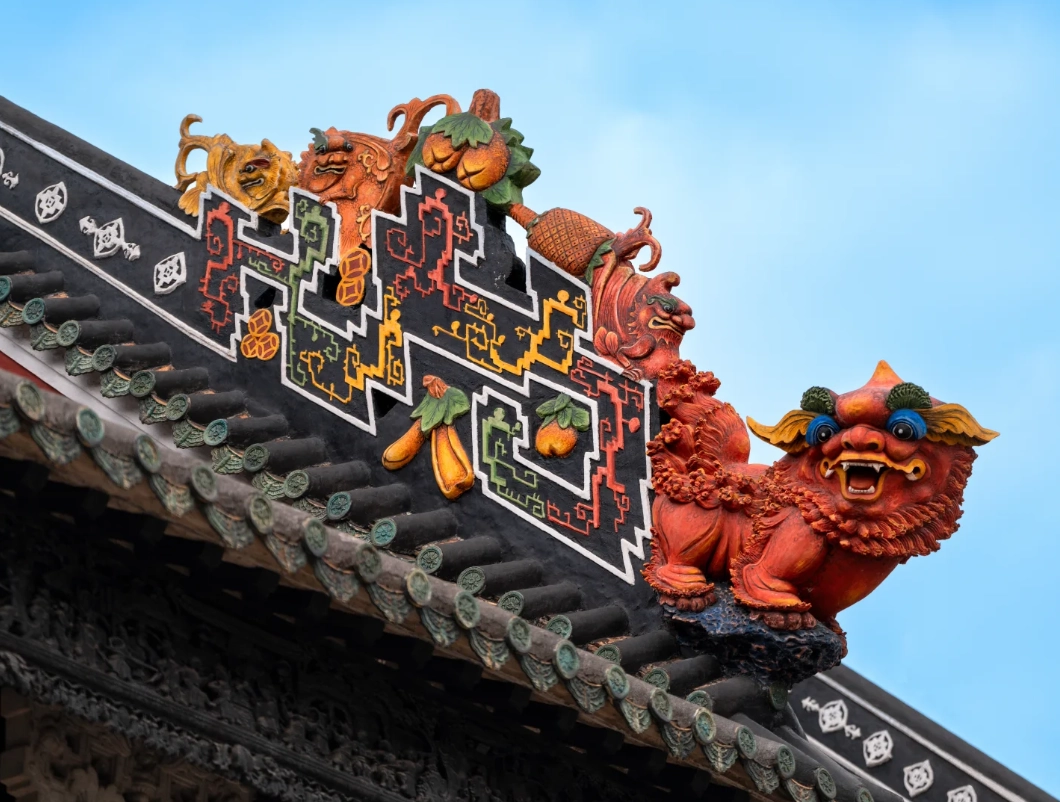
How to Plan Your Guangzhou Itinerary?
Let's be realistic. You probably don't have a month, so here are three efficient routes that I've refined over years of hosting friends.
One Day in Guangzhou: The Rapid-Fire Plan
In just 24 hours, you can taste the essence of Guangzhou if you move smart. Here's my go-to one-day plan:
- Start at 8 AM: Dim sum at Panxi Restaurant, one of the oldest teahouses. Order the steamed shrimp dumplings and rice rolls. Expect to spend about 50 RMB per person.
- 9:30 AM: Walk off the food in nearby Liwan Lake Park, right across the street.
- 10:30 AM: Take a 15-minute taxi to Chen Clan Ancestral Hall — arrive before the 11 AM tour buses.
- 12:30 PM: Lunch at a nearby wonton noodle shop like Cai Lan (才记) on Longjin East Road.
- 2 PM: Hop on the metro to Canton Tower. Sightsee the base, but save your energy for the observation deck at sunset.
- 4 PM: Ascend Canton Tower — yes, that early — to watch the skyline shift from day to night.
- 6 PM: Stroll (or taxi) over to the Pearl River for a 15-minute riverfront walk.
- 7 PM: Dinner at a family-run restaurant like Haiyin Dasha for seafood, then call it a day.
Obviously, you can swap dim sum for congee if you're not a morning person.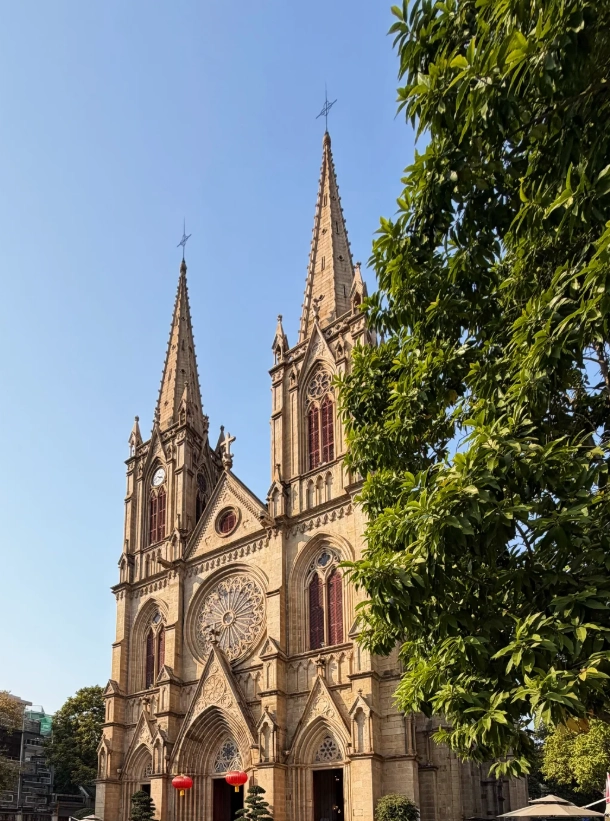
Two-Day Itinerary with a Night River Cruise
Day 2 focuses on heritage and culture. Follow this plan to avoid tourist fatigue.
Day 1: Use the one-day plan but swap the night walk for a Pearl River cruise. Tickets cost around 100 RMB (first class) and depart from Tianzi Port (天字码头).
Day 2:
- 9 AM: Take metro Line 2 to Sun Yat-sen Memorial Hall — a stunning octagonal building.
- 11 AM: Head to Yuexiu Park to see the Five Rams Statue, the city's symbol.
- 1 PM: Lunch near Dongshan Lake, then explore the former residential district Dongshankou with its overhanging ficus trees.
- 4 PM: The rest of the day is flexible. I suggest the Opera House (广州大剧院) or the Guangdong Museum, both in the Zhujiang New Town district.
This plan keeps you indoors during the hottest part of the day if needed.
Three Days for Foodies: Where to Eat Like a Local
For food lovers, make Guangzhou your culinary boot camp. Here's my no-fail food-focused schedule:
Day 1: Morning tea at Guangzhou Restaurant (广州酒家) in Changdi. Afternoon: wander Shamian Island and nibble on snacks at Huangsha Market. Evening: head to the famous Bing Sheng Wonton Noodles (冰生云吞面) in Yuexiu.
Day 2: Dim sum crawl in Chen Clan Street? Actually, there's a cluster of tiny eateries around Liwan Lake.
Day 3: Take a day trip to Shunde (if you have time) for the best Cantonese cuisine, but it's 1.5 hours away by metro.
I'll detail more in the food section below.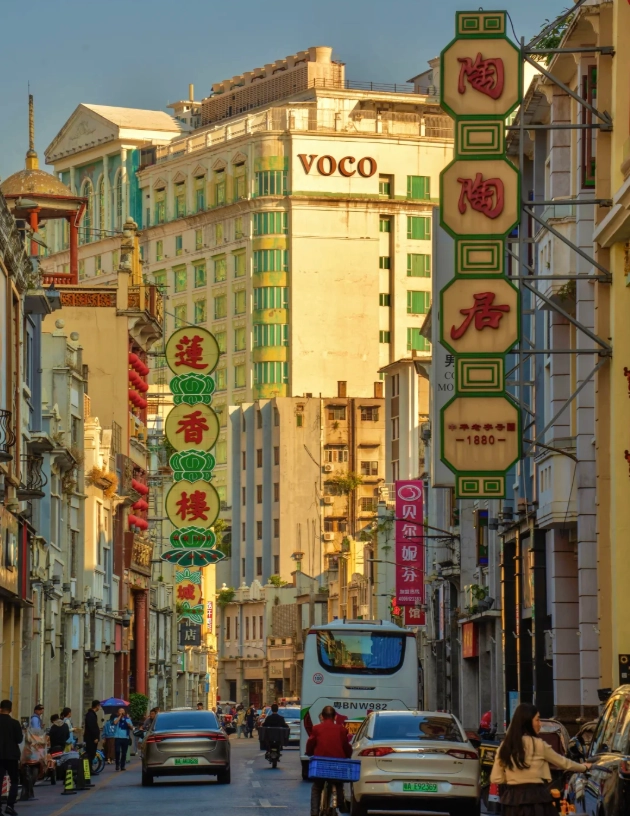
What Should You Know Before Visiting Guangzhou?
Before you land, these practical tips will save you time, money, and confusion.
Payment: Alipay and WeChat Pay Are King
Almost every vendor in Guangzhou, from temple ticket booths to a street-side sweet potato stall, expects payment via Alipay or WeChat Pay. Even as a local guide, I struggle to remember to carry cash. You might wonder: what about credit cards? In my experience, international Visa and Mastercard are accepted only at large hotels and a few luxury restaurants. So how do you pay?
If you have a foreign card, you can download Alipay or WeChat Pay and link your Visa or Mastercard. It works for most transactions, but some mini-program merchants inside WeChat don't accept international cards. Always ask first or keep 200-300 RMB in cash as a backup. ATMs at the airport are easy to use, and they dispense 100 RMB notes.
Insider Advice: When you arrive at Baiyun Airport, grab cash from an ATM before leaving the terminal. The surcharge is small, but it'll save you if your phone loses signal.
Navigating with Apple Maps (Not Google Maps)
Google Maps is gloriously useless in China because of the Great Firewall. You'll see a green field instead of a street map. For turn-by-turn directions, use Apple Maps — it works fine for walking and driving. For public transit, I prefer a localized app called Gaode Maps or Amap, but its English version is called 'AMap Global'. Download it before you land; it covers walking, cycling, and transit.
Pro tip: In any map app, save the Chinese addresses of your destinations. Type in the Chinese characters we provide below, so taxi drivers can read them on their phones.
Booking Tickets with Your Passport
Almost every major attraction in Guangzhou requires booking in advance, and you must show your passport at the gate. It's a security measure, not a hassle. For example, the Canton Tower, the Guangdong Museum, and even some historical houses need reservations.
For most places, you'll need a local phone number to receive SMS codes if you try to book via WeChat. This can be frustrating. Instead, use English-friendly platforms like Trip.com or Klook — they'll handle the booking and even provide e-tickets. Just remember to carry your passport, as security staff will verify it matches the booking name.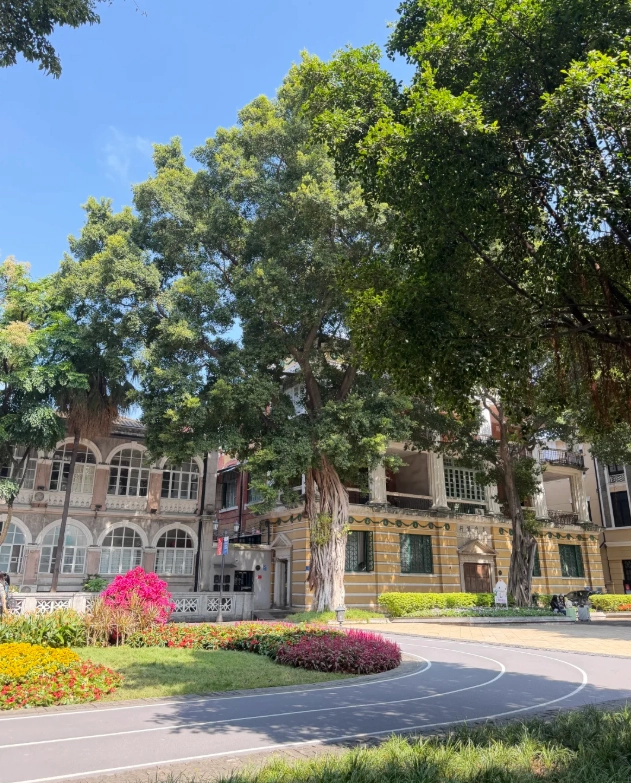
VPN and Translation Apps
You'll need a VPN if you want to use Google, Instagram, or any banned social media while in Guangzhou. My clients often ask how to connect — my advice is to set up a reliable VPN app on your phone before departing. Free ones tend to be unstable. As for language, English is not widely spoken outside the tourist zone. Download Apple Translate or Google Translate for offline phrases. Baidu Translate is an excellent backup.
A priceless habit: screenshot key phrases or addresses in advance. When all else fails, a screenshot will save you.
Where to Stay in Guangzhou: Neighbourhood Guide
Choosing the right base can make or break your trip. Here are my top recommendations for different budgets and styles.
| Neighborhood | Best For | Avg. Price (RMB/night) | Nearest Metro | Notes |
|---|---|---|---|---|
| Zhujiang New Town | First-timers, skyscraper views | 600-1200 | Line 3, Zhujiang New Town Station | Close to Canton Tower, opera house, great dining |
| Tianhe | Shopping, nightlife | 400-800 | Line 3, Tiyu Xilu | Vibrant, lots of malls, easy airport via Line 3 |
| Liwan | Culture, foodies | 250-500 | Line 1, Longxi | Old town with traditional architecture, near Shamian |
| Yuexiu | Budget, historical sites | 200-400 | Line 2, Sun Yat-sen Memorial Hall | Central, close to Yuexiu Park and Beijing Road |
Remember, these prices fluctuate wildly with seasonality. During Chinese holidays like National Day (Oct 1) or Chinese New Year, expect a 30-50% spike.
Guangzhou Food: What to Eat and Where
Guangzhou is the birthplace of dim sum, so you’re in for a treat. Here are three eateries I consistently bring my clients to.
Dim Sum at Panxi Restaurant
Panxi Restaurant (泮溪酒家) is a classic Cantonese teahouse located at 151 Longjin West Road (龙津西路151号). It’s housed in a traditional garden complex, and the dim sum menu is enormous. My go-to order: siu mai, har gau, and a bowl of beef tripe if you’re adventurous. The prices are moderate — around 30-50 RMB per person — and they open early at 7 AM for the morning rush.
The restaurant has two floors; ask for a window seat overlooking the pond. It gets packed by 10 AM, especially on weekends.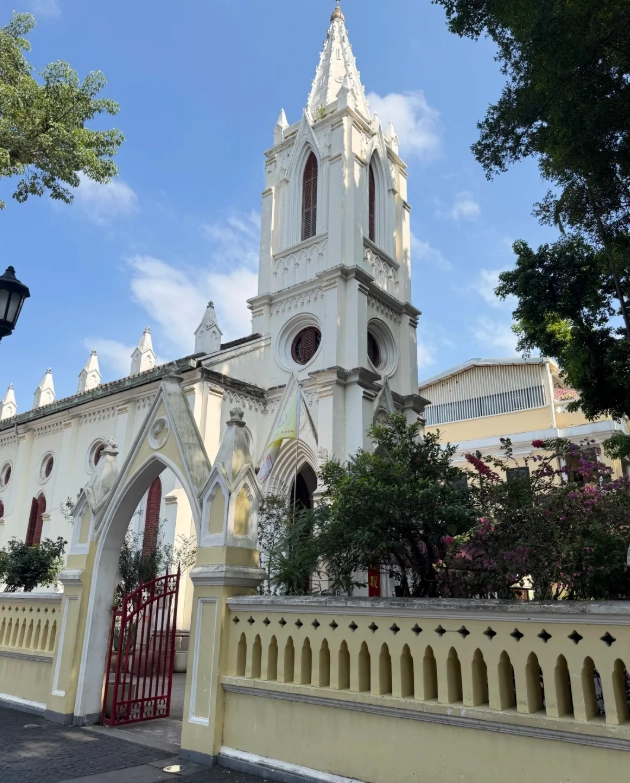
Roast Goose at Jiang Nan
Jiang Nan is a hidden gem for roast goose, located at 33 Jiangnan West Road (江南西路33号). The skin is crackling, and the meat is so tender it falls off the bone. Half a goose costs around 90 RMB, and it feeds two. They’re only open for dinner, from 5 PM to midnight. Cash or Alipay only — no foreign cards.
Now, a warning: the queue can be brutal. I once waited 45 minutes. To skip it, arrive at 5:15 PM sharp.
Sweet Soup at Old Xi Guan
For a perfect ending, head to Xiguan (西关) for sweet soup, or tong sui. Many shops dot the area. One that I love is called 'Wen Chang' (文明), which makes a rich black sesame paste. It's a small, no-frills place, but the paste is so smooth it's like silk. Prices start at 8 RMB. Just point at the menu and smile — that works.
Frequently Asked Questions About Guangzhou Travel
Is Guangzhou safe for solo travelers at night?
Guangzhou is generally safe, even at night. I still recommend sticking to well-lit areas and avoiding the back alleys of the old town after midnight. Use licensed taxis or ride-hail — never walk home through the park at 2 AM.
Can I use my foreign credit card at restaurants and attractions?
At most small eateries and market stalls, no. International cards only work at hotel restaurants, high-end shopping malls, and some tourist shops. I advise carrying RMB cash or using Alipay/WeChat Pay linked to your card. Most ATMs at the airport will accept your card.
Do I need a separate visa for Guangzhou if I'm already in China?
Guangzhou is a city in mainland China, so no separate visa is required if you're already in China. However, you need a valid visa to enter the country in the first place. If you're transiting to Hong Kong, remember that's a different jurisdiction.
What is the best time of year to visit Guangzhou?
I personally love October and November — the summer humidity has broken, and the sky is clear. But if you can handle heat, May and June are also nice. The rainy season from April to June can be unpredictable, so pack an umbrella.
How do I get from Guangzhou Baiyun Airport to the city center?
Take the Airport Express Line (Metro Line 3) directly to Tiyu Xilu in about 40 minutes, costing around 8 RMB. A taxi is around 150 RMB but can take 60-90 minutes depending on traffic. If you have large luggage, the metro is still manageable — most stations have elevators.
Verified and fact-checked by the editorial team.





No comments yet.