 Yan Zhou
Let me be honest. Xiamen often gets overlooked for Beijing or Shanghai. That's a mistake. I've spent years guiding travelers around this subtropical island city, and it never fails to surprise them with its laid-back coastal charm. When you're hunting for the best places to visit in Xiamen, you'll quickly realize that many online guides are either too vague or stuck in the past. So I've put together this practical, from-the-ground-up list of the absolute must-sees, along with the insider details most visitors miss—like which ferry ticket to buy, when to dodge the crowds, and where to find the best local snack. Here's the bottom line: the real magic happens when you pair the classics with a few hidden corners I'll share below. Now, let's dive in.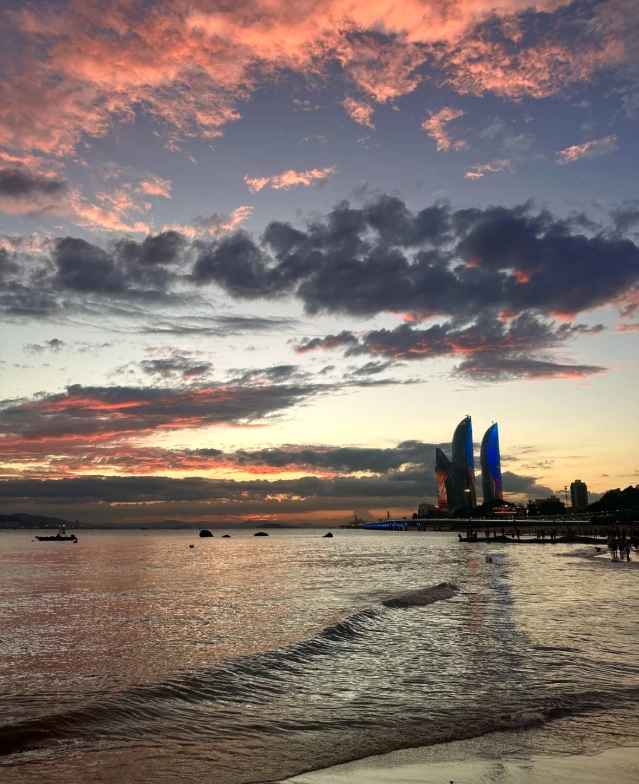
Jump to the Good Stuff
- Why Xiamen Is Worth Your Time
- The Best Places to Visit in Xiamen: A Curated List
- How to Get Around to the Best Places in Xiamen
- How to Book Tickets and Avoid Tourist Traps in Xiamen
- What to Eat in Xiamen: Local Dishes You'll Crave
- Where to Stay in Xiamen: Neighborhoods That Make Sense
- FAQ: Best Places to Visit in Xiamen – Quick Answers
- Final Verdict: My Personal Xiamen Must-Do List
Why Xiamen Is Worth Your Time (Before We Dive In)
Xiamen is a unique blend of subtropical climate, colonial history, and modern Chinese city life. It's one of the few places in China where you can step off a plane and feel the ocean breeze within minutes. The city sits on an island, with Gulangyu just a short ferry ride away. It's an ideal destination for travelers who want to experience China's culture and cuisine without the overwhelming pace of places like Beijing or Shanghai. With its car-free islands, winding alleys, and beachside promenades, Xiamen invites you to slow down. That's exactly why it has earned a permanent spot on my list of best cities to visit in China.
The Best Places to Visit in Xiamen: A Curated List
I've been bringing travelers to all of these places for years. Some are absolute classics, while others are quieter corners that even guidebooks miss. Here's my roundup, with the details that matter for a smooth visit.
Gulangyu Island – The Car-Free Dream
Gulangyu is a car-free island that feels like a world away from the mainland, and it's easily the most iconic spot on any list of best places to visit in Xiamen. To get there, you'll take a ferry from the international cruise terminal near Dongdu. Tickets run about 35–50 RMB round-trip, and you must book in advance—especially on weekends. I always recommend the earliest boat (around 7:10 AM) to beat the tour groups. Once on the island, you can wander for half a day along narrow alleys lined with colonial-era buildings, tiny museums, and artisan shops. Don't miss the Sunlight Rock for a panoramic view, though the climb is steep. For food, head to the local market streets and try the fish ball soup and oyster omelet.
Address: Gulangyu Island, Siming District
Opening Hours: The island is open 24/7; ferry service runs from early morning to around midnight.
Estimated Time Needed: 4–5 hours
Best Time to Visit: Early morning on weekdays to avoid crowds
Nanputuo Temple – Serenity at the Foot of Wulao Peak
Nanputuo Temple is a bustling Buddhist temple at the base of Wulao Peak, and it's completely free to enter—a rare find in China. The temple complex is beautiful, with ornate pavilions, gold statues, and a huge rock-carved Bodhisattva. The back entrance leads to the Five Old Men Peaks hiking trail, which offers stellar views of Xiamen University and the ocean. I always tell my clients to climb at least partway—you'll be rewarded with one of the best photo ops in the city. The temple area is also home to many vegetarian restaurants, perfect for a quick lunch.
Address: No. 515, Siming South Road
Opening Hours: 8:00 AM – 5:00 PM (subject to change)
Admission: Free (but you'll need to register at the entrance with your passport)
Estimated Time Needed: 2–3 hours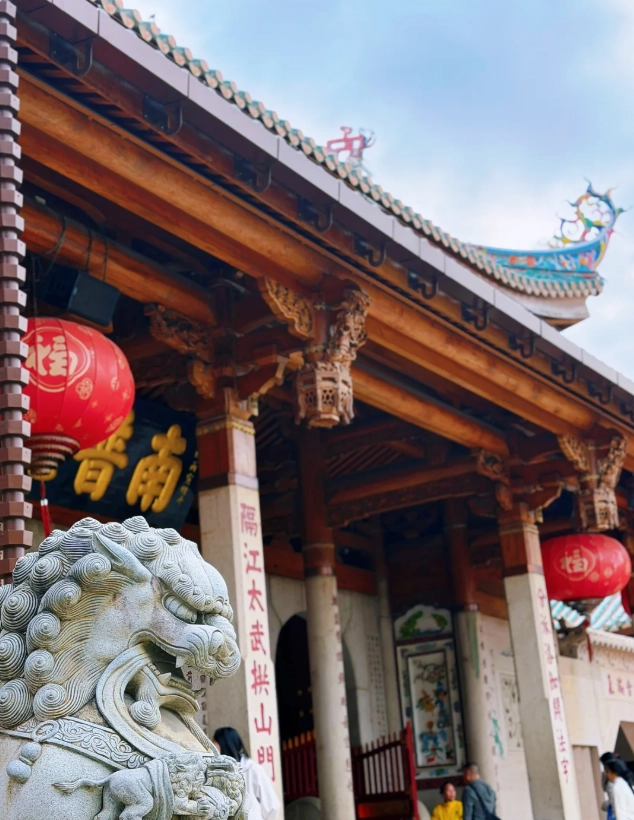
Xiamen University – China's Most Beautiful Campus?
Often called 'China's most beautiful campus,' Xiamen University is just a stone's throw from Nanputuo. Its campus is a lush garden of banyan trees, South Asian–style architecture, and a quiet lagoon. But here's the catch: it's now closed to random visitors unless you reserve a slot in advance, and the reservation system is notoriously tricky for foreigners. The easiest solution is to book a visit through a group tour or ask your hotel concierge to help you secure a spot. You'll need your passport at the gate. Once inside, don't miss the Xiamen University History Museum and the view from the Fujian Street rooftop.
Address: No. 422, Siming South Road
Opening Hours: Open to the public on weekends and some weekdays; exact times vary, always check the official reservation page.
Admission: Free, but reservation is mandatory.
Estimated Time Needed: 2–3 hours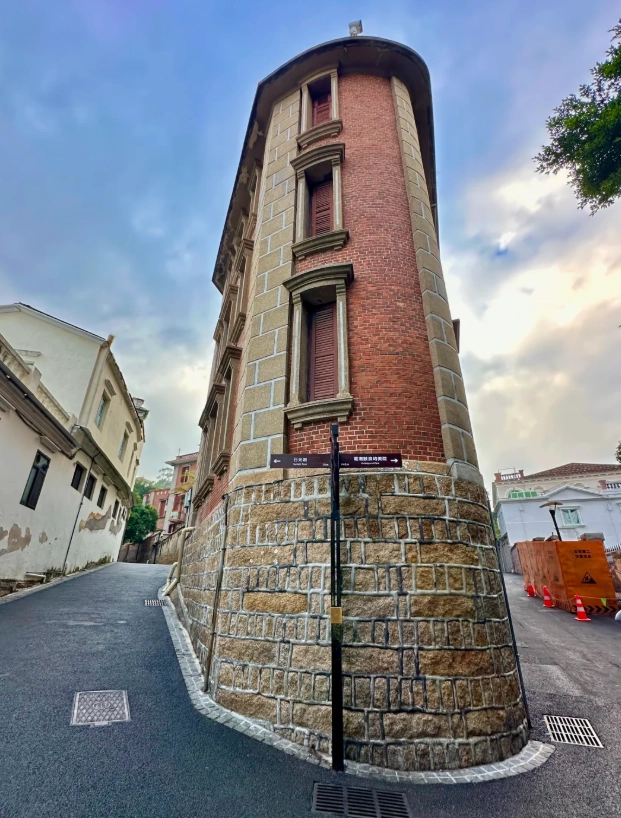
Hulishan Fortress – Cannons and Coastline
Hulishan Fortress is a bizarre yet fascinating military fort built in 1894 to defend the coast. Its main attraction is a massive German-made Krupp cannon from the 19th century—one of the only surviving examples in the world. The fort also has a small museum and a seaside promenade. This isn't a place you'll spend hours at, but it's a quirky stop that makes for a great photo. The entrance fee is around 25 RMB, and you can combine it with a walk along the nearby Huandao Road.
Address: No. 2, Yulu Park Road, Siming District
Opening Hours: 8:00 AM – 5:00 PM (last entry at 4:30 PM)
Admission: 25 RMB (prices may change)
Estimated Time Needed: 1–2 hours
Zhongshan Road – Street Food and Old Shopfronts
Zhongshan Road is Xiamen's most famous shopping street, but honestly, the first few blocks are a tourist-trap nightmare of identical souvenir shops and loud chain restaurants. However, if you walk further south past the main intersection, you'll enter the older part of the street where locals actually shop. You'll find traditional herbal tea shops, old-style bakeries, and tiny noodle stalls. This is the place to sample local snacks like satay noodles, peanut soup, and taro balls. The street is also where you'll catch regular cultural performances on weekends.
Address: Zhongshan Road, Siming District
Opening Hours: A pedestrian street, open 24/7 with shops open roughly from 10 AM to 10 PM
Admission: Free
Estimated Time Needed: 2–3 hours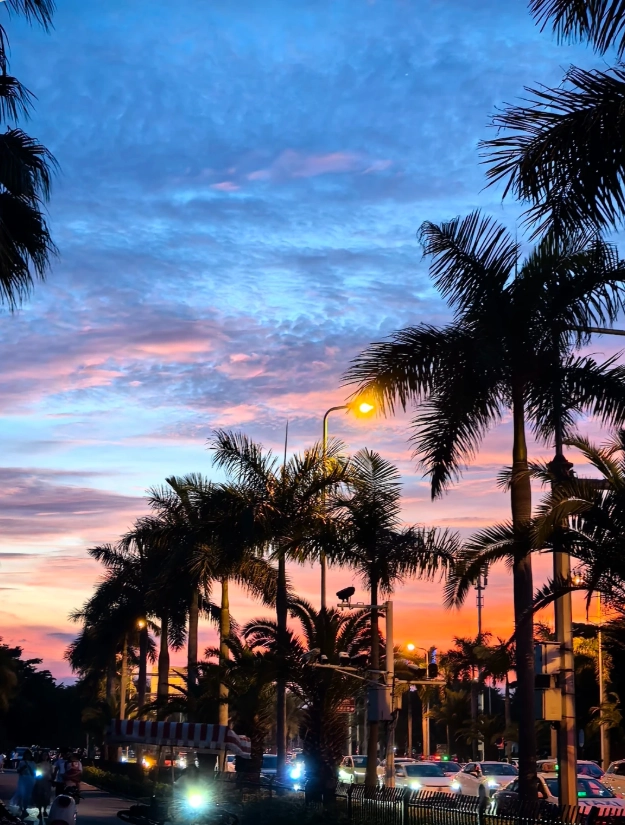
Shapowei – The Artsy Warehouse District
If you're looking for Xiamen's hipster side, Shapowei is your spot. This renovated warehouse district on the waterfront is home to indie cafes, vintage shops, and a growing art scene. It's the perfect place to escape the crowds and spend a lazy afternoon watching the sunset. The graffiti-covered walls and oddball sculptures make for great Instagram content. I love taking clients here after the more traditional sights, as it shows a completely different side of the city.
Address: Shapowei, Siming District (near the Jihua Bridge)
Opening Hours: Most shops open from 10 AM to 10 PM; the area is open all day
Admission: Free
Estimated Time Needed: 1–2 hours
Huandao Road and the Beaches – Where Locals Actually Go
Huandao Road is the scenic ring road that hugs the island's coastline. It's where locals go to jog, cycle, and chill on the beach. The most popular stretch is near Baicheng Beach, just east of the university. There's a dedicated bike path, so rent a shared bicycle and ride along the coast. You'll pass by the "One Country, Two Systems" slogan billboard facing Kinmen, which has historical significance. The beaches here aren't the world's best for swimming, but they're perfect for a sunset picnic.
Address: Huandao Road, Siming District
Opening Hours: Open 24/7 (beach facilities may be closed at night)
Admission: Free
Estimated Time Needed: 2–3 hours for a ride and relax
Jimei School Village – A Legacy of Overseas Chinese
Jimei School Village is a unique educational complex founded by the famous overseas Chinese philanthropist Tan Kah Kee. The architecture blends traditional Chinese styles with European influences, and it's one of the most underrated spots in Xiamen. You'll find the historic schools, a memorial park, and the Ao Garden, which was built as a turtle-shaped memorial to Tan Kah Kee. It's a bit out of the main tourist loop, but if you have an extra half-day, it's worth it. The area is also home to some family-run seafood restaurants that I think serve some of the best local food in the city.
Address: Jimei District, Xiamen (about 45 minutes by Metro Line 1 from downtown)
Opening Hours: Ao Garden is open from 9 AM to 5 PM; the village itself is open all day
Admission: Ao Garden is free; some other attractions may charge a small fee
Estimated Time Needed: 3–4 hours
How to Get Around to the Best Places in Xiamen
Xiamen is well-connected, but here's how to navigate it like a pro. The city has two subway lines, and the entire island is compact, so you can cover a lot in a day. I always tell my clients to use the metro for long jumps, then switch to bus or bike for shorter trips. Taxis are cheap, but beware of drivers who refuse to use the meter—politely ask for it. For a scenic ride, rent a bike or take the bus along Huandao Road.
| Mode | Cost | Best For | Notes |
|---|---|---|---|
| Metro | 2–8 RMB | Long distances | Fast and easy to use; stations have English signs |
| Bus | 1–2 RMB | Short hops | Can be crowded; use Apple Maps for live routes |
| Taxi | Starting at 10 RMB | Convenience | Use Didi app or ask for the meter |
| Shared Bike | ~1–2 RMB per hour | Scenic rides | Look for blue or yellow bikes; park in designated zones |
For most of the attractions listed above, using the metro plus a short walk or taxi will get you there. The island is not huge, so if you're staying near Zhongshan Road, you could even walk to several spots.
How to Book Tickets and Avoid Tourist Traps in Xiamen
Booking tickets in advance is non-negotiable for some of the top attractions. Gulangyu ferry and Xiamen University require reservations. For foreigners, the easiest way is to use a platform like Trip.com, which accepts international cards and has English support. Alternatively, ask your hotel concierge to book through the official WeChat channel. Here's a quick rundown of the essential tips:
- Payment: Carry some cash (¥100–200) for street food and small stalls, but use Alipay or WeChat Pay for everything else. Major international credit cards are often declined at smaller places.
- Navigation: Google Maps is unreliable in China. Download Apple Maps or the AMap Global app beforehand, and save the Chinese addresses of your destinations.
- Language: Not many locals speak English. Use an offline translation app like Apple Translate or Baidu Translate, and have key phrases written in Chinese.
- Internet: You'll need a VPN to access Google, Instagram, and many Western sites. Set it up before you arrive.
- Booking: For attractions that require passport registration, always bring your physical passport. Check if your hotel offers free booking assistance.
What to Eat in Xiamen: Local Dishes You'll Crave
Xiamen food is a mix of fresh seafood and Southern Fujian flavors—sweet, savory, and full of umami. These are the dishes I always tell first-time visitors to try:
- Satay Noodles (沙茶面): A spicy, nutty soup with a choice of toppings. The broth is the star—look for a spot with a long line of locals.
- Oyster Omelet (海蛎煎): A crispy omelet filled with plump oysters and served with sweet chili sauce.
- Toro Sashimi/Ubiquitous "Turtle" Jelly (土笋冻): A jelly made from a type of marine worm—don't knock it till you try it! Served with soy sauce and garlic.
- Peanut Soup (花生汤): A silky, sweet soup made from peanuts, often eaten for breakfast or dessert.
- Ginger Duck (姜母鸭): A hearty duck stew simmered with ginger and sesame oil, perfect for cooler days.
Where to find these? Zhongshan Road and the backstreets near Shapowei are packed with hidden gems. Also, Jimei School Village has a few family-run spots that are incredibly authentic. And don't forget to try the local tropical fruits like mango, longan, and starfruit from street vendors.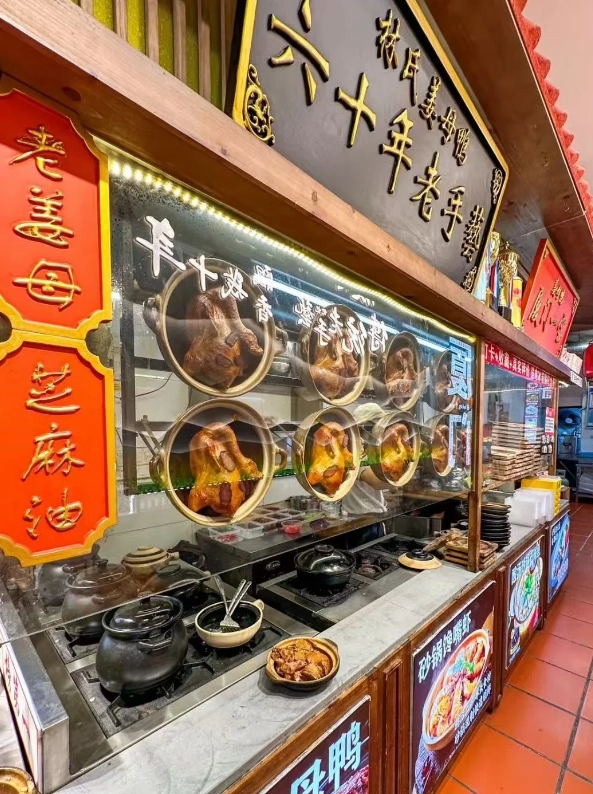
Where to Stay in Xiamen: Neighborhoods That Make Sense
Your choice of neighborhood affects how much time you waste commuting. Here are the best bases for visiting the top sights:
- Zhongshan Road / Old Town: Perfect for first-timers. You're walking distance from the pier, the shopping street, and many attractions. Prices range from budget hostels to mid-range hotels. Expect noise at night if your window faces the street.
- Shapowei / Sai Garden: Trendy and artsy, with plenty of cafes and ocean views. Great for couples and Instagram lovers. It's a bit further from the metro, but taxis are cheap.
- Huandao Road (near Baicheng Beach): Upscale resorts and quiet surroundings. Ideal for families or honeymooners. You'll need to taxi or bus to get to most attractions, but the beach is right outside.
- Jimei District: Budget-friendly and peaceful. If you're on a tight budget and don't mind commuting 30–45 minutes into the island, this is a solid option.
Whichever you choose, make sure the hotel has a stable Wi-Fi and an elevator—you'll thank me after a day of walking. Most front desks speak a little English; if not, have translation apps ready.
FAQ: Best Places to Visit in Xiamen – Quick Answers
Do I really need to book the Gulangyu ferry in advance?
Yes. The ferry terminal often shows 'sold out' for popular departure times, even on weekdays. Booking at least one day ahead is wise, and three days ahead for weekends. The easiest way is to ask your hotel staff to book on the official WeChat platform or use Trip.com. You'll save yourself an hour of waiting in a line.
Is it easy to use international credit cards in Xiamen?
Not really. Many small shops, restaurants, and even some ticket counters only accept Alipay or WeChat Pay. International cards might be accepted at upscale hotels and some chain stores, but it's safer to have a mobile payment setup or carry enough cash to exchange. For withdrawals, use Bank of China or ICBC ATMs, which often support international cards.
Can I visit Xiamen University without a reservation?
No. Since a few years ago, the university limits visitor numbers. Walk-ins without a reservation are turned away. The best workaround is to book a guided tour that includes access, or ask your hotel to secure a slot. Remember to bring your passport for identity checks.
What's the best way to get from Xiamen Airport to downtown?
Take the airport shuttle bus or use Didi (the Chinese Uber). A taxi costs about 40–50 RMB to Zhongshan Road and takes 30–40 minutes, depending on traffic. The metro is not directly connected yet, but a combination of bus and metro works too.
Is Xiamen safe for female solo travelers?
Xiamen is generally very safe, even at night. The main tourist areas are well-lit and filled with people until late. Still, use common sense: avoid empty alleys after midnight, and be wary of strangers offering unlicensed tour services. I've always felt safe here, and I know many female travelers who've had wonderful solo trips.
Final Verdict: My Personal Xiamen Must-Do List
You can't see everything in a weekend, but these are the experiences I consider non-negotiable for a first visit to Xiamen:
- Take the first ferry to Gulangyu and explore before the crowds arrive.
- Climb part of the Wulao Peak behind Nanputuo Temple for the best bay view.
- Rent a bike and ride at least 5 kilometers on Huandao Road at sunset.
- Sample at least four different street foods on Zhongshan Road.
- Watch the sunset from Shapowei with a cold drink in hand.
Stick to these and you'll leave with memories that are actually unique to Xiamen—not just a generic China photo album.
Verified and fact-checked by the editorial team.








No comments yet.