 Qiang Huang
What's Inside This Photo Guide
- Why Ningbo Museum Photography Spots Are Worth Your Lens
- What's the Best Time of Day for Ningbo Museum Photography?
- Top Photography Spots Inside the Ningbo Museum
- How to Shoot the Iconic Ningbo Museum Façade Without Crowds
- Gear & Settings I Use for Ningbo Museum Photography
- Practical Tips for Ningbo Museum Photography: Booking, Tickets & Navigation
- FAQ About Ningbo Museum Photography Spots
Let me be straight with you. The first time I brought a photo tour to Ningbo Museum, I nearly got lost in its maze-like corridors — and I was the guide. But that's exactly why I love this place. It rewards you the longer you wander. However, most visitors miss the best Ningbo Museum photography spots because they follow the crowd to the main staircase and snap the same shot everyone posts. If you want something different, you need to know where to look and when to go. Here's my honest advice: arrive at 9 AM sharp, head straight to the second-floor walkway, and skip the main entrance crowd. Trust me, it works. In this guide, I'm sharing my hard-earned tips from years of leading photographers here, including the exact times to shoot, hidden corners, and the gear that actually helps. Let's get you those unique shots.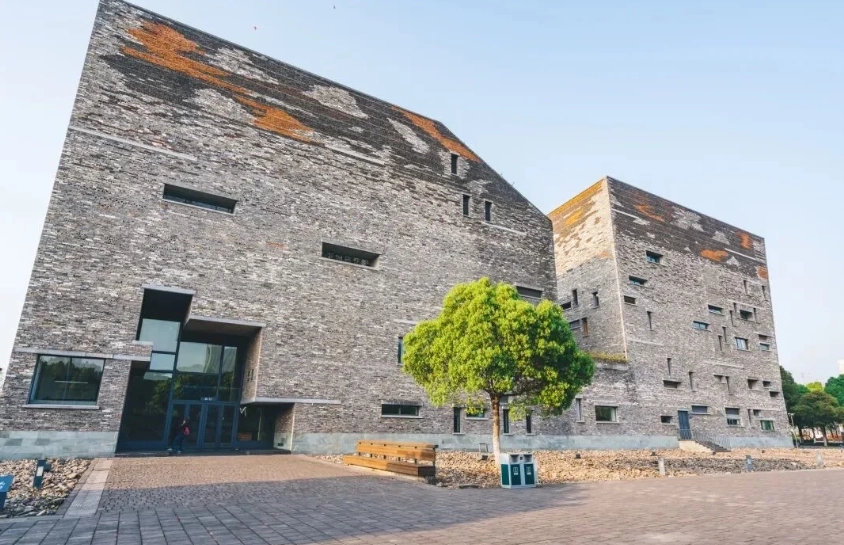
Why Ningbo Museum Photography Spots Are Worth Your Lens
Ningbo Museum isn't just a museum — it's an architectural marvel designed by Pritzker Prize winner Wang Shu. Completed in 2008, the building's facade is made of recycled bricks and tiles from demolished villages, creating a living texture that changes with the light. This is not the kind of place you rush through; it's a place you photograph from every angle.
I've guided hundreds of photographers here, and I still notice new patterns in the shadows each time. The interlocking geometric blocks, the dramatic double staircases, and the quiet courtyards all frame shots you simply can't get anywhere else. Even on a humdrum day, the interplay of raw concrete and old clay gives you endless compositions.
But here's the thing: the museum is relatively small compared to other Chinese institutions. That means crowds quickly fill the most obvious spots. That's why you need a plan — and that's exactly what I'm about to give you.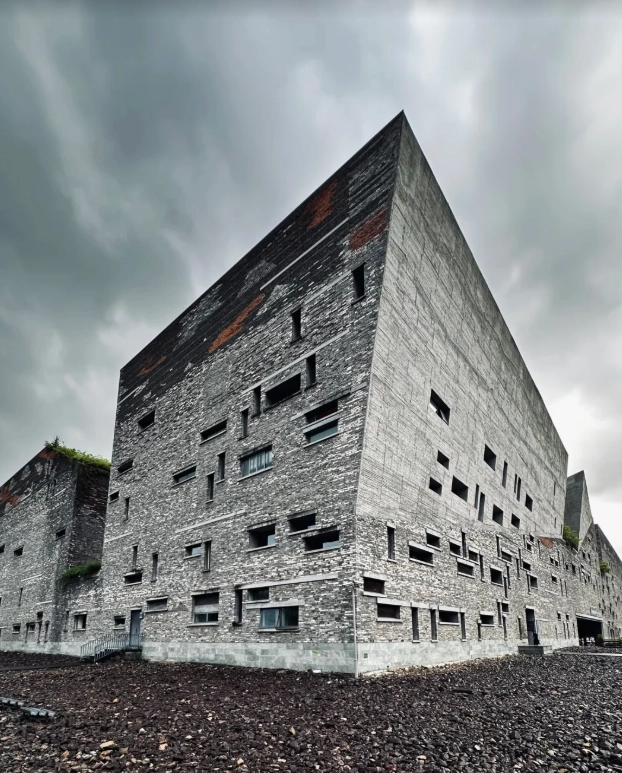
What's the Best Time of Day for Ningbo Museum Photography?
The short answer is: go as early as possible, or come in the late afternoon. The museum opens at 9:00 and closes at 17:00 (Monday closed). I've tested every hour, and here's what I've learned:
- 9:00–10:00 AM: Low, warm sunlight streams through the entrance and skylights. Few people, which means empty corridors and clean frames. This is my absolute favorite slot.
- 11:00 AM–1:30 PM: Harsh overhead light, harsh shadows, and peak crowds. Give it a pass unless you want silhouettes.
- 2:00–3:30 PM: The light angles are okay, but crowds are still thick. Good for architectural details if you've got patience.
- 3:30–4:30 PM: A golden glow hits the west-facing facade. Inside, beams of sun create long, dramatic shadows across the galleries. Bring a tripod if you can — you'll need it.
| Time Slot | Light Quality | Crowd Level | Best For |
|---|---|---|---|
| 9:00–10:00 | Soft, warm | Low | Clean architecture shots |
| 11:00–13:30 | Harsh, direct | High | Silhouettes only |
| 14:00–15:30 | Decent | Medium | Detail shots |
| 15:30–16:30 | Golden, dramatic | Medium | Long shadows, facade |
Note that the museum requires a timed-entry ticket. You'll pick a specific hour when you book. Aim for the first slot of the day if you can.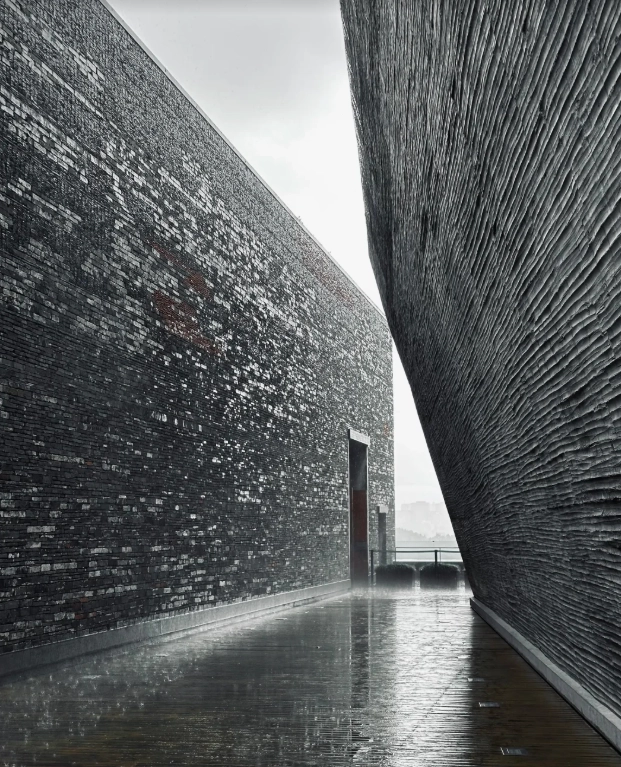
Top Photography Spots Inside the Ningbo Museum
Here are the specific Ningbo Museum photography spots that I always bring my clients to. Each one has its own quirks — and the best camera settings.
1. The Grand Double Staircase
This is the icon, but the trick isn't to stand right in front. Go to the top of the stairs, look down, and use a wide-angle lens. The two arms of the staircase create a beautiful V-shape. I suggest a 16-35mm lens set to around f/8 for maximum sharpness. Shoot in Aperture Priority mode, and keep ISO low (100-200). You'll want a polarizer to cut the glass reflections.
2. The Sky Garden (Rooftop)
Head to the rooftop on the fourth floor for panoramic views and the famous bamboo garden. You'll find a quiet corner with bamboo and a stone path. The contrast between the green bamboo and the grey concrete is gorgeous. Use a 50mm lens for details, or a 24mm for the full scene. Go early to catch the morning mist — well, at least the soft light.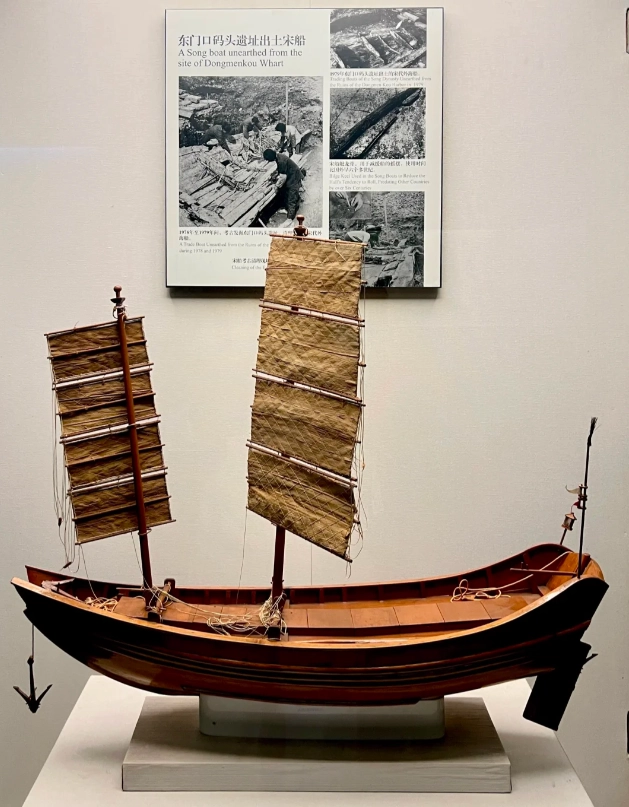
3. The Corridor Maze
These interlocking tunnels are made for geometric photography. Look for spots where the window light cuts across the concrete floor. Shadows repeat in interesting ways. Use a tripod and take multiple exposures if you like HDR. I recommend setting your camera to spot metering to preserve the highlight texture.
4. The Exhibition Halls
These are tricky because the lighting is designed for artifacts, not for portraits. But if you're shooting the exhibits themselves, turn off your flash and bump the ISO to 1600-3200. A fast prime like a 35mm f/1.8 will help you keep shutter speed high. Just be aware that some halls have signs saying no photography — obey those.
5. The Café's Floor-to-Ceiling Windows
Most visitors miss this spot near the exit. The café has huge windows that overlook a water feature. On sunny days, the reflection doubles the visual impact. Use a polarizer to manage the glare. I like to shoot here with an 85mm lens for compression on the water pattern.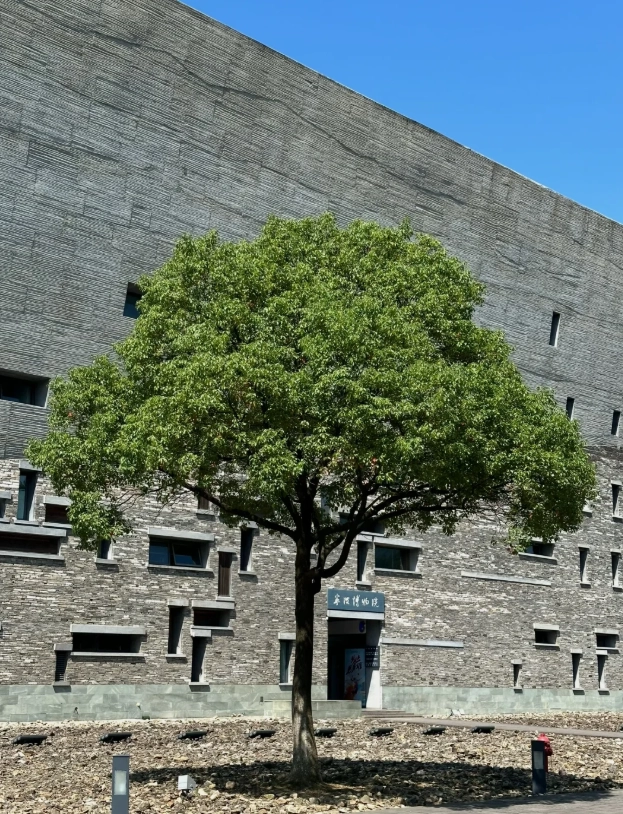
How to Shoot the Iconic Ningbo Museum Façade Without Crowds
The exterior wall is a magnet for selfie-takers. To get it clean, forget the front entrance — walk around to the west side. Here, the brick pattern is identical but the crosswalk is narrower, so people don't linger. Another solution: visit at 9:00 when the doors open and everyone rushes inside. You'll have the whole plaza to yourself.
Pro Tip: Use the surrounding moat to your advantage. The museum sits on a lake, and shooting from across the water gives you a symmetrical reflection. Go there for the golden hour.
For the ultimate minimalist shot, wait for a cloudy day. The diffused light makes the weathered bricks look even more textured.
Gear & Settings I Use for Ningbo Museum Photography
You don't need a full pro kit, but these items will help you get more reliable results.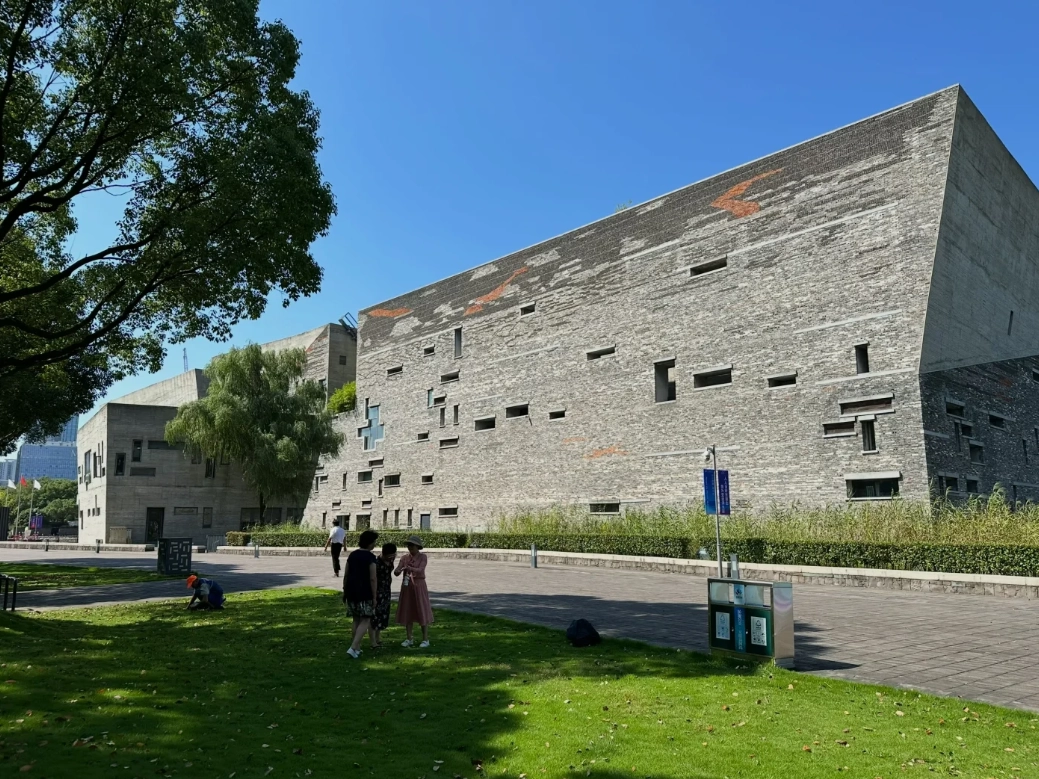
- Wide-angle zoom (16-35mm or 10-22mm): Essential for the staircase and corridors.
- Prime lens (50mm f/1.8): For details and low-light galleries.
- Polarizing filter: Cuts reflections on glass and brick.
- Tripod: For long-exposure shots in dim hallways.
- Extra battery and memory card — you'll burn through both.
For settings, start with Aperture Priority (A or Av mode). Keep ISO at 100-200 when possible, but don't be afraid to raise it inside. I usually set my white balance to "Auto" and shoot RAW so I can adjust later. The museum's interior lighting is a mix of warm and cool, so RAW gives you breathing room.
Practical Tips for Ningbo Museum Photography: Booking, Tickets & Navigation
Now, let's handle the non-photography stuff that can trip you up. You must book tickets in advance — even though admission is free. The official reservation system is a WeChat mini-program that's entirely in Chinese, which can be a headache for foreign visitors. Here's my workaround:
- Use Trip.com or Klook to book your entry slot. These platforms have English interfaces and are convenient for international travelers.
- Have your passport number ready when booking.
- At the entrance, you'll need to show your passport and the confirmation QR code. The security staff are used to tourists who can't speak Chinese — just smile and show your booking.
Getting there: The museum is at 1000 South Shounan Middle Road (鄞州区首南中路1000号). Google Maps is unreliable in China — use Apple Maps or the app "AMap Global" (高德地图). Type in the Chinese address and show it to your taxi or Didi driver. A taxi from Ningbo's city center costs about 40-60 yuan and takes roughly 30 minutes. If you're not familiar with Chinese ride-hailing, register on Didi (it has an English version) or have your hotel call a cab.
Payment: Most cash is still accepted at the museum gift shop and café, but the ticket booking and any taxis will need mobile payment. Make sure Alipay or WeChat Pay is set up with your international card before you arrive. As a backup, keep a few hundred yuan in cash for small purchases.
Language & internet: Download a translation app like Apple Translate or Baidu Translate. And you'll need a VPN to access Google Maps, WhatsApp, and many other international apps — set that up before you arrive.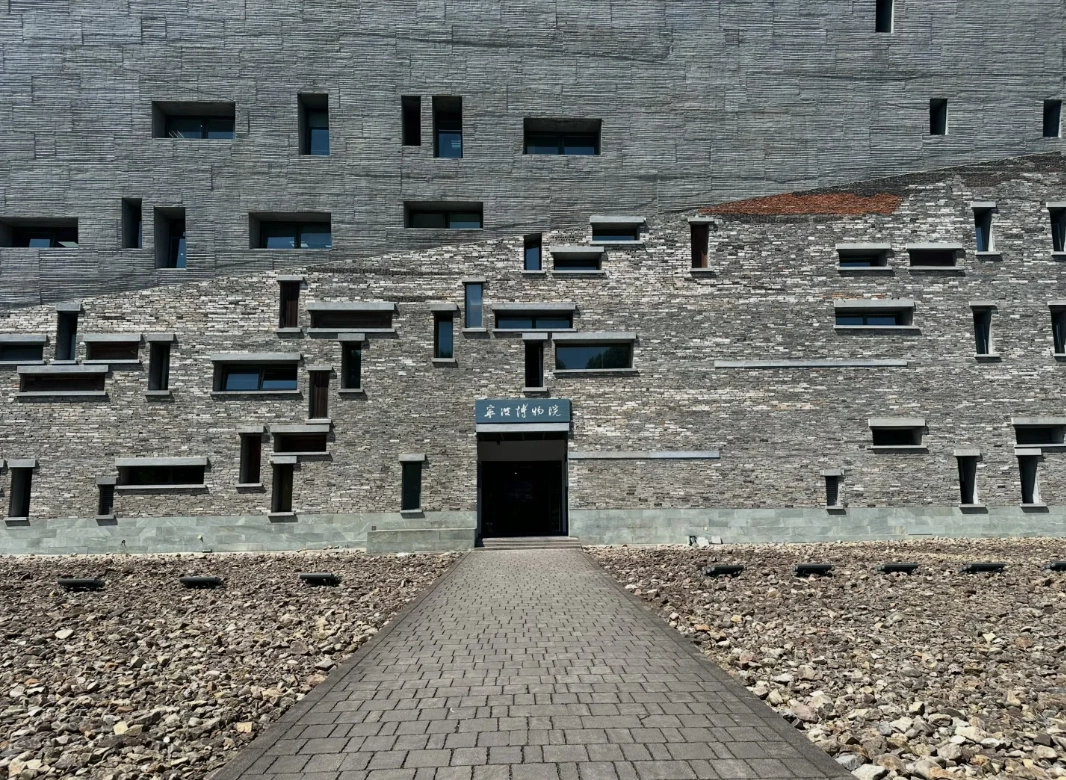
FAQ About Ningbo Museum Photography Spots
That's my full breakdown of Ningbo Museum photography spots. Go early, shoot wide, and don't be afraid to go beyond the obvious. You'll leave with a memory card full of shots that actually stand out.
Verified and fact-checked by the editorial team.





No comments yet.