 Qiang Huang
I see it every week — a backpacker huddled over a phone, zooming into a map that's lying to them. They look up, hopeless. That was my cue to offer a local's advice. If you're searching for a Ningbo backpacking guide that actually addresses the chaos of digital payments, passport bookings, and blurry map translations, you've just found it. Here's the deal: I've spent years swapping traveler horror stories into smooth itineraries. And the ultimate conclusion? You can see Ningbo's best sights on less than ¥300 a day — if you know exactly where to tap your phone and when to turn left.
Jump Right to the Good Stuff
- How to Get Around Ningbo on a Shoestring Budget
- Where to Stay in Ningbo: Hostels That Won't Steal Your Sleep
- Free and Cheap Ningbo Attractions That Don't Suck
- Ningbo Street Food: A Survival Guide
- How to Book Tickets and Reserve Attractions as a Foreigner
- What to Avoid: Common Backpacker Mistakes in Ningbo
- Sample 24-Hour Ningbo Itinerary for Backpackers
- Frequently Asked Questions (FAQ) about Ningbo Backpacking
How to Get Around Ningbo on a Shoestring Budget
Ningbo's public transport is a gift for budget travelers — but only if you know how to tap, scan, and avoid getting lost. I've tested every trick in the book, so here's what actually works.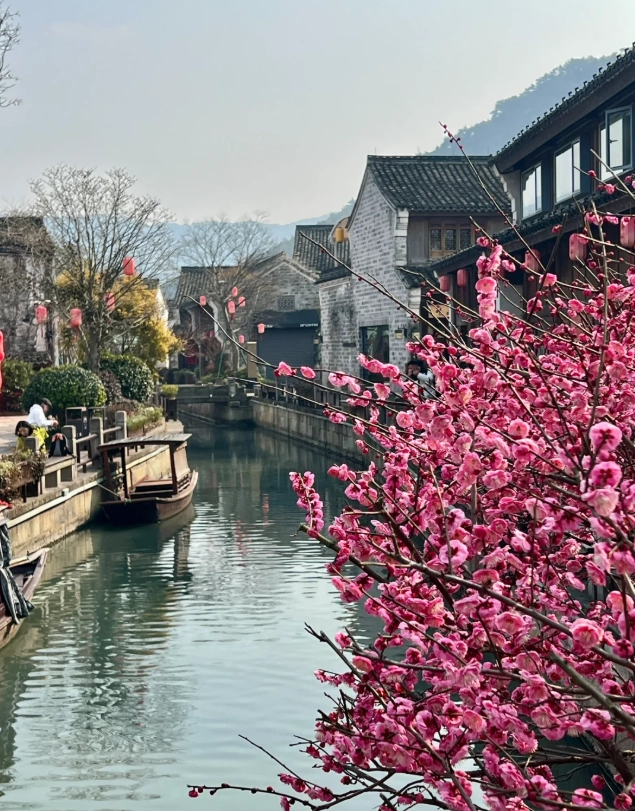
Getting into the City from the Airport and Train Station
Take the metro. It's the only sane option. Ningbo Lishe International Airport is connected via Metro Line 2, and the ride to downtown (around Gulou or Tianyi Square) takes about 40 minutes and costs roughly ¥6–8. Expect to pay around ¥7. The train stations (Ningbo Railway Station and Ningbo South Station) are also on the metro network — Line 2 and Line 4 intersect at Ningbo Railway Station. That means you can hop from any major transit point to the center for under ¥5. Here's the catch: the entrances can be hidden if you're looking for English signage. I always tell my clients to follow the subway sign, not the exit numbers on Apple Maps.
Riding the Metro Like a Local
You don't need a physical ticket if you have Alipay. Set up your Alipay to the transport option (called 出行 on the screen), add a transit card for Ningbo, and then scan your phone at the gate. The fare is deducted automatically. If you'd rather use cash, you can buy a single-ride token from the vending machine — but bring small bills and coins because it spits change randomly. I've seen many foreigners fumbling at the machine, so if that's you, just ask the staff at the service window for help. They won't bite.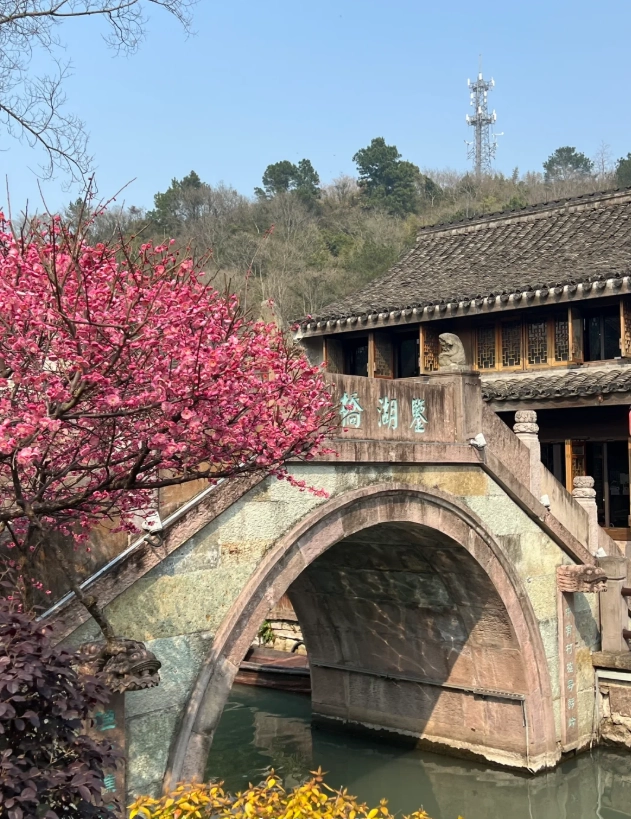
Tapping to Pay: Alipay and WeChat for Public Transport
Most buses and the metro accept both, but Alipay feels smoother. WeChat Pay is also accepted, but the interface is more cluttered. For buses, you might need to scan a QR code that's unique to each bus route. On the metro, you'll simply tap the QR code reader on the gate. Here's a silver bullet: if you have an Apple device, you can use Apple Maps to search for transit directions — it actually shows the correct Ningbo bus and metro lines, unlike Google Maps which is notoriously unreliable. I rely on Apple Maps for everything from metro exits to finding the hidden noodle stall.
| Transport Mode | Cost | Speed | Difficulty |
|---|---|---|---|
| Metro | ¥2–8 per trip | Fast, punctual | Easy once you set up Alipay |
| Bus | ¥2 | Slow, stops often | Moderate; need to match Chinese names |
| Didi / Taxi | ¥15–40 for city rides | Fast during off-peak | Easy with Alipay, but drivers may not speak English |
| Rickshaw (人力三轮车) | ¥10–20 for short trips | Slow, charming | Negotiate price first |
Pro Tip: If you're near the Old Bund, use the shared electric scooters (like HelloBike). They're scattered everywhere and cost about ¥3–5 for 15 minutes. It's the best way to cruise the riverfront.
Where to Stay in Ningbo: Hostels That Won't Steal Your Sleep
Ningbo has a surprising number of clean, affordable hostels — but they're not all equal. I've had nights at one place where the walls were so thin I heard the guy's phone buzz. Here's how to pick well.
Best Neighborhoods for Backpackers
Tianyi Square (天一广场) is your best base. It's central, packed with cheap restaurants, and two metro lines run beneath it. A short walk takes you to the old town, the river, and nightlife. The area around Ningbo Railway Station is convenient for early train departures but feels less safe after 10pm. The Old Bund (老外滩) has a lively bar scene — great if you want to party, but you'll pay a bit more for dorms and the noise can get to you.
What to Look for in a Budget Hostel
- 24-hour reception — you WILL miss a late metro, and you don't want to be locked out.
- Free luggage storage — I always ask because many smaller hostels only have lockers.
- Air conditioning — Ningbo summers are brutally hot and humid, so don't risk it.
- A charger socket at the bed — non-negotiable for a phone-addicted traveler.
From my experience, hostels near Ningbo University have the best vibe and prices, but they're a solid 30-minute metro ride from the core. If you only have two days, stay central. Here's a quick comparison based on typical rates I've seen:
| Area | Dorm Price (per night) | Distance to Core | Best For |
|---|---|---|---|
| Tianyi Square | ¥70–120 | 0 min | First-timers, solo travelers |
| Near Railway Station | ¥50–90 | 10 min by metro | Early birds, budget purists |
| Old Bund | ¥90–150 | 5 min walk to river | Nightlife lovers, couples |
| Near Universities | ¥40–70 | 30 min metro | Long-term backpackers, students |
Insider Advice: Search for Ningbo youth hostels on Trip.com or Agoda and filter by the Private Room type if you want to avoid the chaos. Most hostels in Ningbo don't have English names, so use the Chinese address when booking an Uber. I've copied a typical one: 宁波市海曙区天一广场附近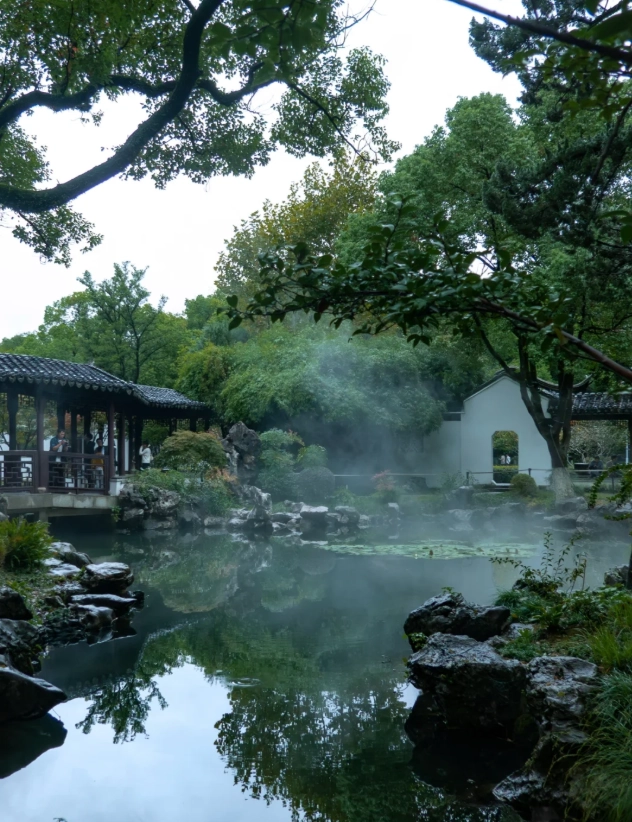
Free and Cheap Ningbo Attractions That Don't Suck
I won't sugarcoat it — some so-called must-see spots are overrated traps. But Ningbo has plenty of spots that cost you almost nothing and still feel like a true Chinese adventure.
The Lakeside Escape: Dongqian Lake (东钱湖)
Dongqian Lake is free, vast, and the perfect antidote to city noise. Take Metro Line 4 to Dongqian Lake Station, then walk or rent a bike for about ¥20–30 for the day. Cycle along the southern shore, where you'll catch locals fishing and kids flying kites. My favorite short route: start at the Water Park, head to Xilin Temple, then loop back. It's roughly a 2-hour bike ride and totally flat. The lake is huge — don't try to walk it.
Historical Charm: Tianyi Pavilion & the Moon Lake Area
Tianyi Pavilion is the oldest private library in China — and worth the ¥30 entry. Go early (right at opening, usually 8:00 AM) to beat the tour groups. The ticket also covers a few adjacent buildings, so budget a full hour. Next to it, Moon Lake (月湖) is completely free and surprisingly peaceful. I love sitting on the west bank with a cup of soy milk, watching old men play an intimidating game of Chinese chess. Just don't step on their boards.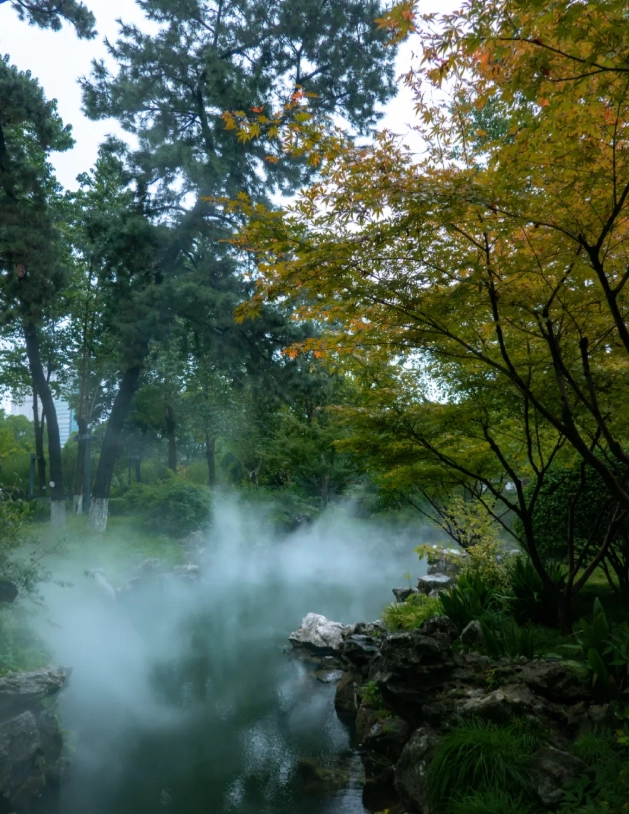
A Local's Secret: The Old Bund and Riverfront
Skip the tourist-trap bars and walk along the Yong River instead. The Old Bund is a preserved area of European-style buildings from the late 19th century. It's free to enter. During sunset, the riverfront promenade offers one of the best photo ops in the city — come at 5:30 PM when the sky turns cotton-candy pink. There's also a daily night market on the main road, with whimsical trinkets and overpriced drinks. My advice: buy your drink elsewhere and just soak in the atmosphere.
Ningbo Street Food: A Survival Guide
Ningbo food is a glorious mash-up of salt, sugar, and seafood. But the Google-reviewed spots often serve mediocre versions. Here's what I actually order with my own money.
Must-Try: Sweet Soup Balls (汤圆) and the Real Deal
The best tangyuan (sweet glutinous rice balls) aren't in fancy restaurants — they're in the morning stall near Gulou. Look for a steamy cart with a line of aunties. Fillings are modest: black sesame, lard, and sugar. I always order the lotus seed version and ask for a bit of the soup water. It's a comfort food that still haunts me. Most stalls sell them for ¥5–10 per bowl.
A Savage Food Crawl: Chengmiao Night Market
Go to Chengmiao (城隍庙) Night Market not for the famous seafood, but for the offbeat skewers. I'm not talking about the overpriced tourist stalls in the center. Walk to the back corner where locals crowd around a tiny stand that sells stinky tofu and grilled gluten. It's cheap (¥2–5 per stick), and the flavor is punchy. The night market also has small restaurants with plastic stools — perfect for a group. Expect to spend ¥30–50 for a filling meal.
Pro Tip: Look for a small eatery with a hand-painted sign saying 老字号 (old brand) or 百年老店 (century-old shop). If it's been around that long, it's doing something right. Also, always carry wet wipes — napkins are a luxury at these places.
How to Book Tickets and Reserve Attractions as a Foreigner
Ningbo's ticketing system is a digital labyrinth if you're not prepared. I've seen a couple almost give up getting into Tianyi Pavilion because they didn't know about the passport requirement. Let's break it down.
The Passport Rule: Who Requires a Physical Ticket?
All major attractions now require real-name registration with your passport. This isn't unique to Ningbo — it's a nationwide policy. At Tianyi Pavilion, you'll need to show your passport at the ticket window to buy a physical ticket. Some smaller spots like Dongqian Lake are free and don't require checks. But for tickets that need booking in advance (like the island ferry to Putuo), you must input your passport number online. In most cases, you can’t just waltz in with a QR code from Trip.com if the system is tied to national ID. My rule: always carry your passport.
Using Mini-Programs vs. Trip.com vs. Klook
Trip.com is my go-to for advance bookings because it's English-friendly. But for same-day tickets, only WeChat mini-programs work in many cases. The catch: mini-programs are in Chinese, and the payment integration is messy for foreigners. If you're stuck, try the English interface on Trip.com or Klook. They often have portals for major attractions with a small markup. One thing to note: even if you book on Trip.com, you'll still need to show your passport at the entrance to verify your identity. Don't lose that confirmation email — they'll ask for it.
What to Avoid: Common Backpacker Mistakes in Ningbo
I've watched backpackers make the same mistakes over and over. Here's how to dodge the most annoying ones.
The Google Maps Trap
Stop using Google Maps for walking directions in Ningbo. It's not just inaccurate; it's lying to you — often sending you on impossible paths through construction walls. I've had travelers cry over getting hopelessly lost. Use Apple Maps for street names and AMap (高德地图) for navigation, but set the language to English (it's under Settings → Language). Or simply ask a local to type your destination into their phone. Most Chinese search engines work with pinyin, so show them the Chinese address.
The “Free Ride” Scam at the Train Station
Ignore anyone at the station who promises a free ride to your hostel. They're typically unlicensed drivers who'll charge you ¥100 for a trip that costs ¥30 by Didi. I always tell travelers to walk straight to the official taxi queue or open Didi and type the hostel's Chinese name. If you're tired and just want a cab, make sure they use the meter — point at 打表 (meter) and they'll get the hint.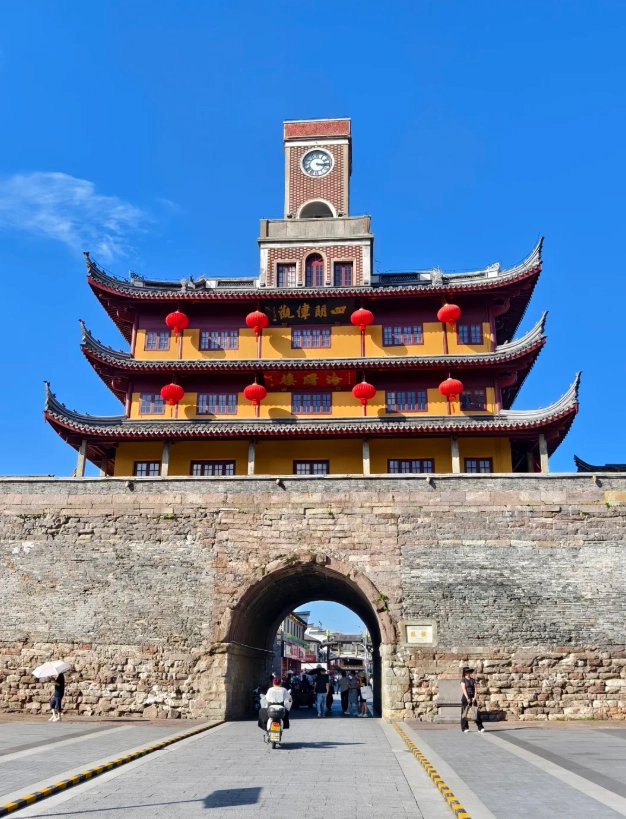
Insider Advice: I also warn against using cash for everything. Some street vendors will pretend they don't have change for a ¥50 note. Keep smaller bills (¥5, ¥10, ¥20) for street food and markets.
Sample 24-Hour Ningbo Itinerary for Backpackers
If you only have one day, here's how to maximize your time without rushing like a maniac. I designed it to include my favorite food stops and photo spots.
Morning: Breakfast and a Slow Start
Grab a quick breakfast of baozi (steamed buns) and soy milk near your hostel. Aim to leave by 8:00 AM. Take the metro to Gulou Station (Line 1/2). Explore Gulou Tower and the surrounding ancient street — it's free and quiet at this hour. Don't lose time buying souvenirs here; prices are inflated.
Midday: History and a Cheap Lunch
Head to Tianyi Pavilion (around 9:30 AM) and spend an hour there. Walk to Moon Lake right after, and grab lunch at a local diner — look for a menu with pictures. I love the “Ningbo-style” braised pork (红烧肉) with rice; it costs around ¥20–25. Then take Line 2 to Dongqian Lake, but only if you have the energy. Otherwise, spend the afternoon wandering the Old Bund.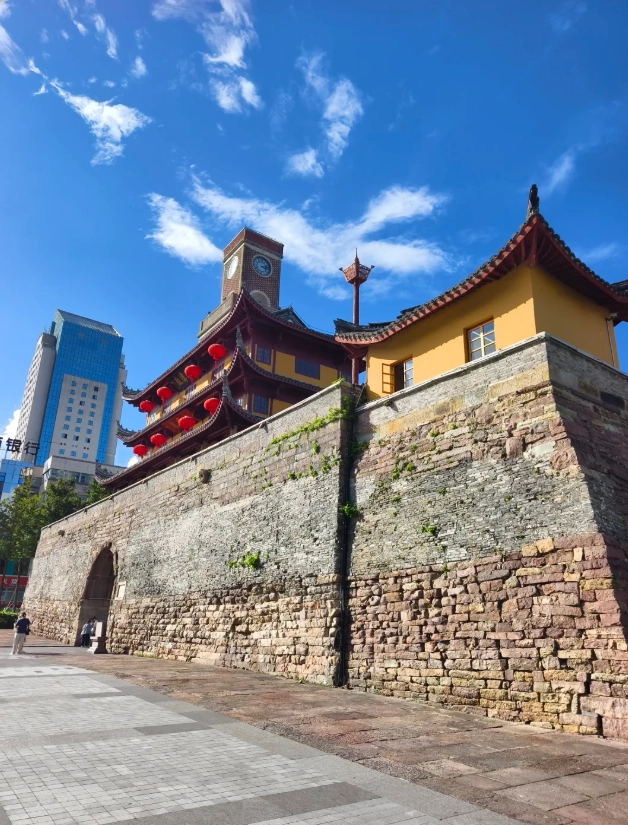
Afternoon: Rickshaw Ride and a Sunset Walk
Rent a bike or take a rickshaw along the Yong River. I suggest walking from the Old Bund to the Liangzhu Culture Site (free) and then crossing the river to Riverside Park. You'll see families flying kites and couples taking selfies. Stop at the “Norway” church (interesting architecture) and then grab a bubble tea for ¥10–15.
Evening: Night Market and a Late-Night Bowl of Noodles
Finish the day at Chengmiao Night Market. Eat your way through skewers and a bowl of spicy noodles. Then head to a local shaoxing wine bar near Tianyi Square if you want a drink. Expect to spend ¥80–120 for the entire day's food if you're not binge-eating.
Frequently Asked Questions (FAQ) about Ningbo Backpacking
That's it, my friend. Ningbo may not be on everyone's radar, but that's exactly why it's a secret gem for backpackers. Skip the Beijing crowds and the Shanghai prices — hide out here for a few days, eat your weight in tangyuan, and discover a side of China that's crawling with authenticity and hardly any other tourists (yet). If you have a specific question that I didn't answer, drop it in the comments — or better, come and ask me over a bowl of noodles.





No comments yet.