 Fang Wang
What's in This Guide?
- When Is the Best Time for a Ningbo Autumn Trip?
- How Do You Prepare for a Ningbo Autumn Trip?
- How to Spend 3 Days in Ningbo This Autumn?
- Where to Eat in Ningbo in Autumn?
- Where to Stay for Your Ningbo Autumn Itinerary?
- What Does a 3-Day Ningbo Autumn Trip Cost?
- How to Get Around Ningbo Without Speaking Chinese?
- What to Do in Ningbo on a Rainy Autumn Day?
- FAQs: Ningbo Autumn Itinerary Tips
I still remember the first time I brought a group from the UK to Ningbo in late October. We were killing time near the old city wall when a sudden gust of wind showered us with sweet osmanthus blossoms. One traveler who said he was only in China for business ended up extending his stay by three days. That's the kind of city Ningbo is — it never makes the postcard lists, but it quietly gets under your skin.
Here's the catch though: most English-language guides will tell you to "just walk the old street" and "try the local market." That's lazy advice. Without a solid Ningbo autumn itinerary, you'll end up frustrated by WeChat-only booking systems, taxi drivers who don't recognize "Tianyi Pavilion" in English, and the deadliest mistake of all — arriving at midday when the best spots are swallowed by tour groups.
So let me save you the headaches. This is the exact Ningbo autumn itinerary I've refined over six years of leading English-speaking travelers. I'll throw in things no textbook guide mentions, like how to skip the main entrance crowd at Tianyi Pavilion by using the lesser-known west side.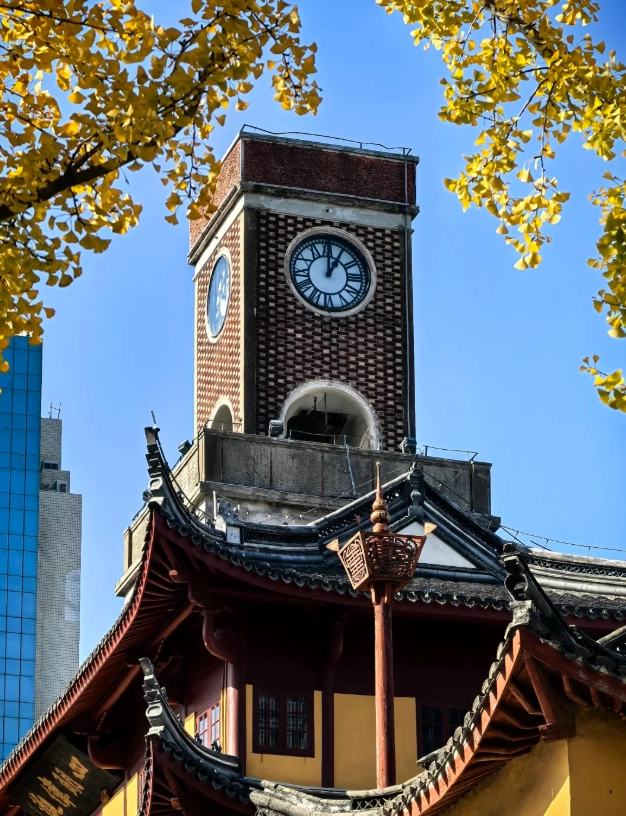
I always tell my groups: skip the "Scenic Spot" labels and eat where locals line up. The crab won't lie to you.
When Is the Best Time for a Ningbo Autumn Trip?
Ningbo's autumn is short but spectacular. The sweet osmanthus (guihua) fills the air from late September through mid-October. The real magic happens from mid-October to late November, when the temperature stays between 15–22°C and the rice fields around Dongqian Lake turn golden. But avoid the Chinese National Day holiday (October 1–7) at all costs. I always tell my clients: if you can only choose one window, book the last two weeks of October. The weather is stable, and the crab is at its fattest.
How Do You Prepare for a Ningbo Autumn Trip?
Payment: Forget Cash, Master Your Apps
Your digital wallet is your lifeline here. Many local shops in Ningbo's alleys don't accept cash or foreign credit cards. Set up Alipay with your international Visa or Mastercard before you land. WeChat Pay works too, but the English interface is clumsier. If you only have time for one, make it Alipay — it's accepted almost everywhere, including metro gates and taxi QR codes.
Navigation: Why Google Maps Will Let You Down
Google Maps is not reliable in China. For your Ningbo autumn itinerary, download Apple Maps (which has English) or set up AMap Global (the international version of Gaode). I usually keep both: Apple Maps for walking, and AMap for taxi rides because it gives local drivers the best route. Always show the Chinese address to your driver.
Booking Attractions: Your Passport Is Essential
The days of showing up and buying a ticket are over. Major places like Tianyi Pavilion require real-name booking with your passport number. You can book through the official WeChat mini-program — which is a nightmare to navigate in Chinese — or use Trip.com, which lists most Ningbo attractions and gives you a barcode. Don't skip this step; even in autumn you'll be turned away without a reservation.
VPN and Translation Apps
Sort out a VPN before you fly. Not because you'll be doing anything shady, but because many sites you rely on will be blocked. For translation, Apple's built-in Translate app works offline and has a conversation mode that has saved me on more than one occasion. Baidu Translate is great for scanning menus and street signs.
What to Pack for Ningbo in Autumn
Layers, an umbrella, and a power bank are non-negotiables. Autumn weather can swing from 25°C at noon to 12°C in the evening. Pack a lightweight down jacket or fleece, but also a few t-shirts. A compact umbrella is essential—rain showers appear quickly. And bring a VPN router or at least a VPN subscription installed on multiple devices.
How to Spend 3 Days in Ningbo This Autumn?
Here's the rhythm I use for my small groups — one day in the old city, one day by the lake, and one day for eating and strolling the Bund. Note that I put the cultural heavyweight first, because jet lag helps you wake up early.
Day 1: Tianyi Pavilion, Moon Lake & Nantang Old Street
Start with Tianyi Pavilion, the oldest private library in Asia. This is a cluster of Ming-style buildings with ponds, rocks, and ancient manuscripts. Book your ticket for the earliest time slot (around 8:30 am) to beat the tour buses. I always have my groups enter through the west side — there's a less obvious entrance near the lake that locals use. It saves you at least 20 minutes of chaos at the main gate.
Details you'll need:
| Item | Information |
|---|---|
| Address | 10 Tianyi Street, Haishu District (海曙区天一街10号) |
| Ticket | 30 yuan adult, 15 yuan for children/students |
| Hours | 8:30–17:30 (last entry 16:30) |
| Time needed | 2–3 hours |
| Booking | Required; book via Trip.com or WeChat with passport |
After Tianyi, cross the street to Moon Lake (月湖) — it's free and peaceful. Locals practice tai chi there in the morning. I like to sit on a bench at the west end for 10 minutes before lunch. It's a great place to watch the city slow down.
For lunch, walk to Nantang Old Street, about 15 minutes away. This restored canal-side street is full of snack shops. Try oil-tongue (油赞子) — a crispy fried snack — and the local rice cake (年糕). Many restaurants here only take phone payments, so make sure Alipay is set up.
In the afternoon, explore the alleys behind Nantang to escape the crowds. If you're tired, grab a coffee at a riverside café along the canal. The light in late afternoon is beautiful for photos.
As evening falls, head to the Drum Tower (鼓楼). The ground floor is a food alley with excellent stinky tofu and crab roe soup buns. The tower itself is free to climb, but the views are best just before sunset.
Day 2: Dongqian Lake and Hanling Ancient Village
Dongqian Lake is the fifth largest freshwater lake in China and your escape from the city. Rent a bike and ride along the eastern shore; the autumn air is crisp and the golden rice fields are stunning. A full loop is about 12 km — take your time.
Getting there: take Metro Line 4 to Dongqian Lake station, then a taxi or bus to the lake. Or just hire a Didi from downtown — it costs around 50–60 yuan one way. Show the driver this Chinese address: 浙江省宁波市鄞州区东钱湖镇.
At the lake, don't miss Hanling Ancient Village (韩岭老街). It's a compact Ming-Qing village with beautiful canals and a quieter vibe than many other ancient towns in Zhejiang. Admission is free. I recommend spending 2–3 hours wandering through the old streets and popping into a tea house by the water.
If you want a longer trip, the coastal town of Shipu is famous for crab, but it's a 1.5-hour drive. For a relaxed one-day lake excursion, Hanling is enough.
Day 3: The Bund, Food Halls & a Crab Feast
Ningbo's Bund (老外滩) actually predates Shanghai's by 20 years. Stroll along the waterfront paths and admire the mix of European and Shikumen-style buildings. On weekends, the area becomes a lively bar district, but in the morning it's peaceful.
For breakfast, try the historic snack shop Gang Ya Gou (缸鸭狗). Their fermented rice ball soup (酒酿圆子) is the perfect warm start on a cool autumn day. They have several branches across town — just search for the nearest one on AMap.
Midday: visit the Ningbo Museum — it's free but you must book ahead. The building itself, designed by Wang Shu, is a concrete-and-brick masterpiece. The interior covers local history from Hemudu culture onward.
For your final dinner, don't leave Ningbo without a crab feast. I always take groups to Ninghai Shifu (宁海食府) near the Bund. They serve the famous drunken crab (醉蟹) and baby crabs fried in rice wine. Ask the staff to show you how to open the "crab's heart" — it's a fun interaction and they love teaching you. Expect to pay around 180–300 yuan per person. Be warned: the place is popular, so arrive by 5:30 pm to avoid a long wait.
Where to Eat in Ningbo in Autumn?
Ningbo cuisine is salty, fresh, and seafood-forward. In autumn, the hairy crab (dazhaxie) and the local fish cake are musts. Here's my shortlist:
- Gang Ya Gou (缸鸭狗) — century-old snack shop. Must-try: crab soup buns and fermented rice balls. Multiple branches.
- Ninghai Shifu (宁海食府) — coastal seafood specialties. The drunken crab is a revelation. Around 180–300 yuan per person.
- Nantang Old Street — street food galore. Don't miss the baked river crab and sticky rice wraps.
One important tip: many restaurants pause service between 14:00 and 17:00. If you're hungry in the afternoon, stick to snack shops or cafés.
Where to Stay for Your Ningbo Autumn Itinerary?
For first-timers, I suggest staying in one of these two areas: the Old Bund for atmosphere and nightlife, or Tianyi Square for central convenience and shopping.
| Area | Pros | Cons | Price range | Best for |
|---|---|---|---|---|
| Old Bund | Charming riverside, bars, easy walk to restaurants | Can be noisy at night | 500–1,200 yuan (mid-range) | Couples, late-night strollers |
| Tianyi Square | Central, metro hub, lots of shopping | Lack of character | 400–1,000 yuan (mid-range) | Families, first-time visitors |
Check whether the hotel has an elevator, stable Wi-Fi, and whether front-desk staff can speak basic English. In my experience, international chains like Hyatt Regency Ningbo are the safest bet, but smaller boutique hotels near the Bund offer more local character.
What Does a 3-Day Ningbo Autumn Trip Cost?
A transparent budget is the key to relaxing travel. Here's a rough breakdown per person for 3 days, excluding international flights:
| Item | Budget (yuan) | Mid-range (yuan) |
|---|---|---|
| Accommodation (per night) | 150–300 | 400–800 |
| Food (daily) | 80–150 | 200–400 |
| Transport (daily) | 20–40 | 80–150 |
| Attractions | 30–50 | 100–200 |
| Total (3 days) | ~900–1,700 | ~2,000–4,100 |
Prices vary, but this gives you a ballpark. Many temples and lakes are free. The biggest unexpected cost is usually alcohol at the Bund, so budget accordingly.
How to Get Around Ningbo Without Speaking Chinese?
The metro system is clean and cheap. Use Alipay's "Transport" feature to scan the QR code at the gate. Taxis are less convenient — drivers rarely speak English, so have your destination written in Chinese. Didi (the Chinese Uber) is built into Alipay, so you can book a car without needing Mandarin. Just set your pickup point from the map.
One piece of advice: during rush hour (7:30–9:00 and 17:30–19:00), avoid taxis and rely on the metro. The drive from the Bund to Tianyi Square that takes 10 minutes at 10 am can easily take 40 minutes at 6 pm.
What to Do in Ningbo on a Rainy Autumn Day?
Don't panic if the forecast looks wet. The Ningbo Museum is a great indoor escape, and so is the Urban Planning Museum. Both are free but require passport booking. For a cozier option, duck into one of the many independent cafés around Tianyi Square — they're perfect for people-watching with a cup of local coffee.
If you still want to tick off a famous site, the Bund area has covered walkways and a few shops that are fun even in the rain.
FAQs: Ningbo Autumn Itinerary Tips
This content has been fact-checked to ensure informational precision.







No comments yet.