 Fang Wang
- Why Visit Ningbo Museum?
- How to Book Tickets & Avoid the Queue
- Getting to the Museum: Metro, Taxi & Navigation
- What to See Inside: A Curated Walkthrough
- Best Time to Visit & Photography Spots
- Pairing the Museum with a Day Trip Itinerary
- Where to Eat & Grab Coffee Nearby
- Practical Tips for First-Timers
- FAQ – Common Questions About This Day Trip
You know that sinking feeling when you plan for weeks and still get stuck at a museum entrance? That’s what happened to a client of mine last spring. We spent 40 minutes in the wrong line because the booking system only accepts Chinese characters. Ningbo Museum is stunning, but it’s also full of digital landmines for international travelers.
Your Ningbo Museum day trip can turn into a stressful puzzle without clear info. Most English guides online tell you nothing about the WeChat reservation chaos, the confusing metro exits, or the fact that you can actually waltz past the tour groups if you time it right.
Here’s the shortcut I’ve refined over years of guiding: reserve through an English-friendly platform, arrive before 9:30, and enter from the West Gate while tour groups queue at the main entrance. Now let’s dig into the full plan.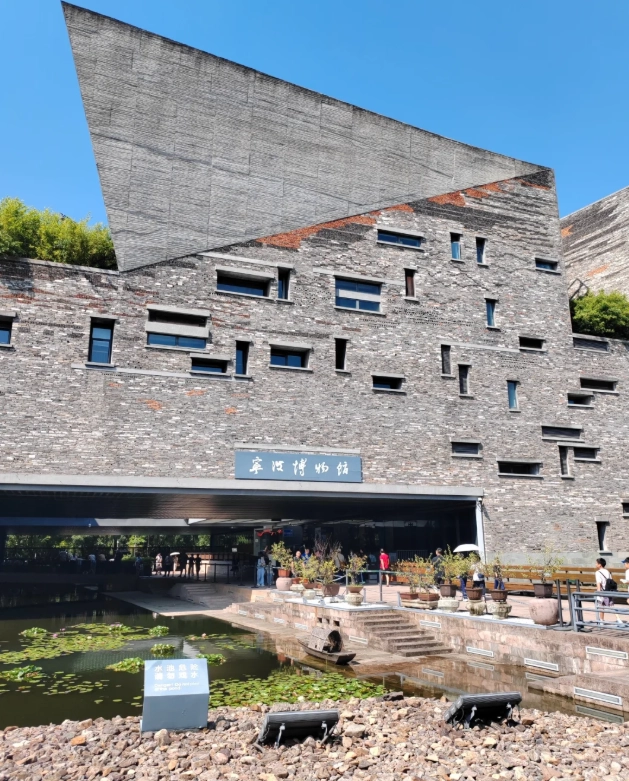
Why Visit Ningbo Museum?
First, let’s get one thing straight: this isn’t your typical provincial museum. Ningbo Museum is a masterpiece of modern Chinese architecture, designed by Pritzker Prize winner Wang Shu. The building itself — with its recycled brick walls and sweeping cantilevered forms — is worth the trip alone.
Inside, you’ll find a deep dive into the port city’s history, from Hemudu culture (7,000 years ago) to the Maritime Silk Road. The permanent collection is excellent, but the temporary exhibitions often bring in artifacts from around the world. For foreign visitors, the museum is a perfect intro to the region’s past and present.
Plus, it’s free — a rarity among China’s top museums. The catch? You need to reserve a spot in advance.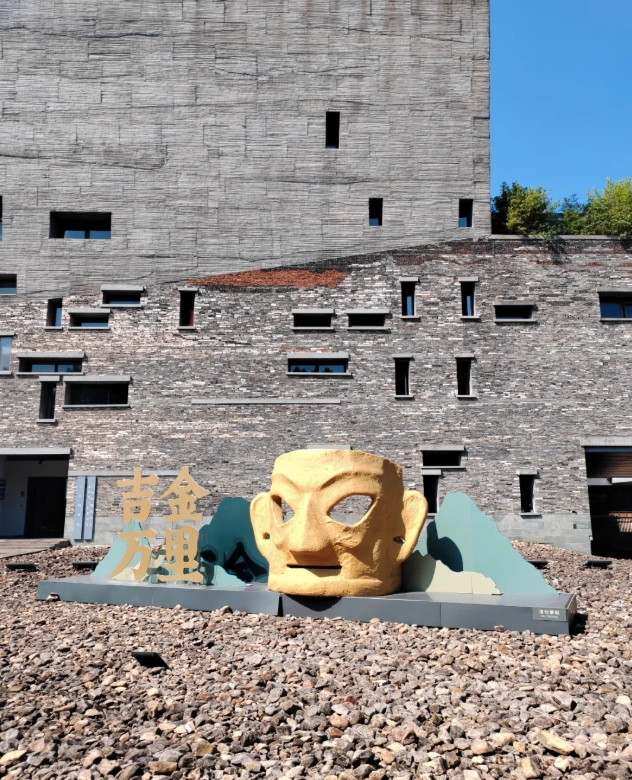
How to Book Tickets & Avoid the Queue
Free Tickets, But You Must Reserve
Entry is free, but a reservation is mandatory. You won’t get in without one, and walk-ins are almost never allowed. The official channel is the “Ningbo Museum” WeChat mini-program, but it’s entirely in Chinese and can be a nightmare to navigate, even for me after six years of living here.
Step-by-Step Booking: WeChat vs. English-Friendly Options
Here’s the practical booking strategy that works for international visitors. If you’re comfortable with WeChat, you can ask your hotel receptionist or a Chinese friend to book for you. But honestly, I always tell my clients to use Trip.com or Klook. These platforms have English interfaces and often let you book with your passport number. It costs a small service fee, but it saves you hours of frustration.
When you arrive, bring your passport — you’ll need it to match the reservation. The staff scans the QR code from your booking confirmation, then verifies it with your passport. It’s fast once you’re at the front.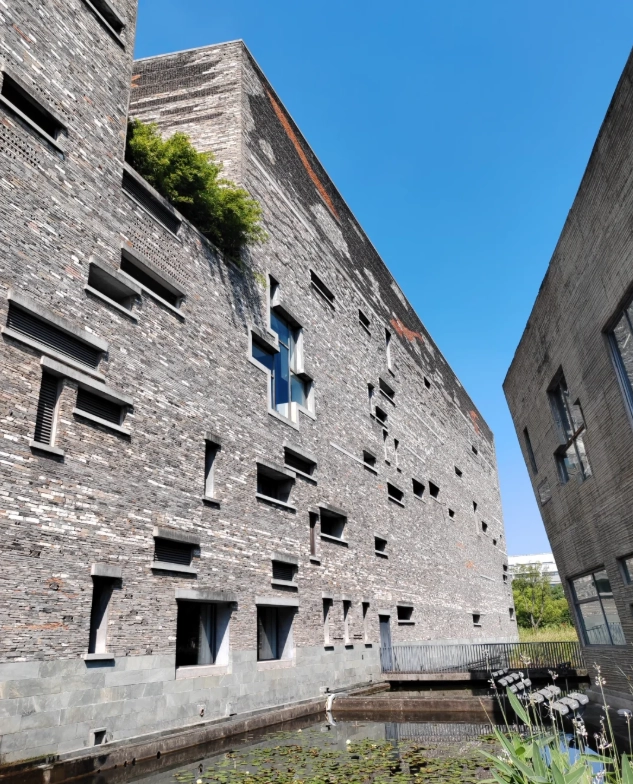
Getting to the Museum: Metro, Taxi & Navigation
The most reliable way is the metro. Take Line 3 to Yinzhou Government Station (鄞州区政府站), exit from Exit C, and walk about 15 minutes. Alternatively, hop in a taxi or use a ride-hailing app like Didi. The address is 1000 Shounan Middle Road, Yinzhou District (鄞州区首南中路1000号) — show this to the driver.
Important navigation tip: Google Maps is unreliable in China. Use Apple Maps or download AMap (GaoDe) — the Amap app has an English option (“AMap Global”). For metro routing, Apple Maps uses local data and works fine. Always have the Chinese address written out on your phone in case you need to ask for directions.
| Method | Travel Time | Cost | Best For |
|---|---|---|---|
| Metro Line 3 | ~35 min from city center | ¥2–5 | Budget travelers, avoiding traffic |
| Taxi / Didi | ~20–30 min | ¥30–50 | Groups, hot or rainy days |
| Bus (routes 166, 620, etc.) | ~40–60 min | ¥2 | Local experience, if time allows |
What to See Inside: A Curated Walkthrough
The Architecture: A Masterpiece by Wang Shu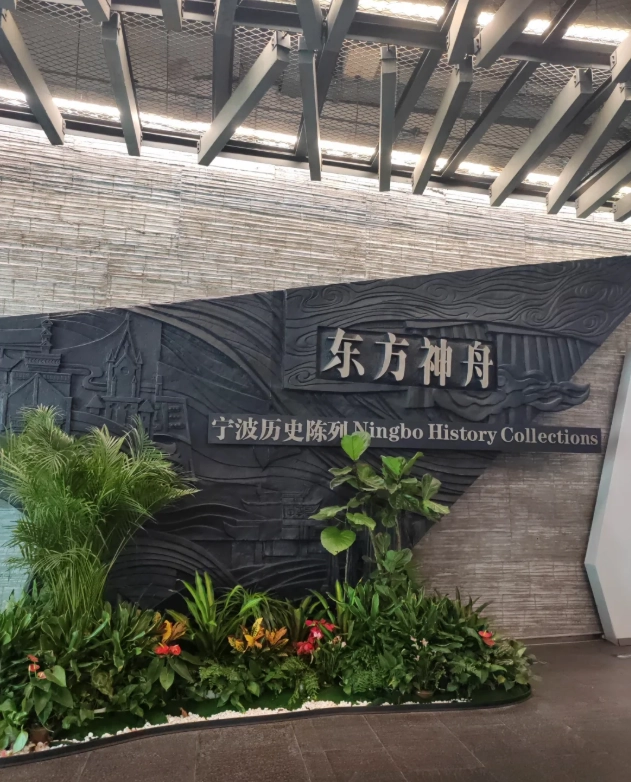
Walk around the outside before you go in. The facade is made of recycled bricks and tiles from demolished local villages. The textures change with the light — make time for this, not just the inside. I always tell people to spend at least 15 minutes just observing the exterior from different angles.
Exhibition Highlights
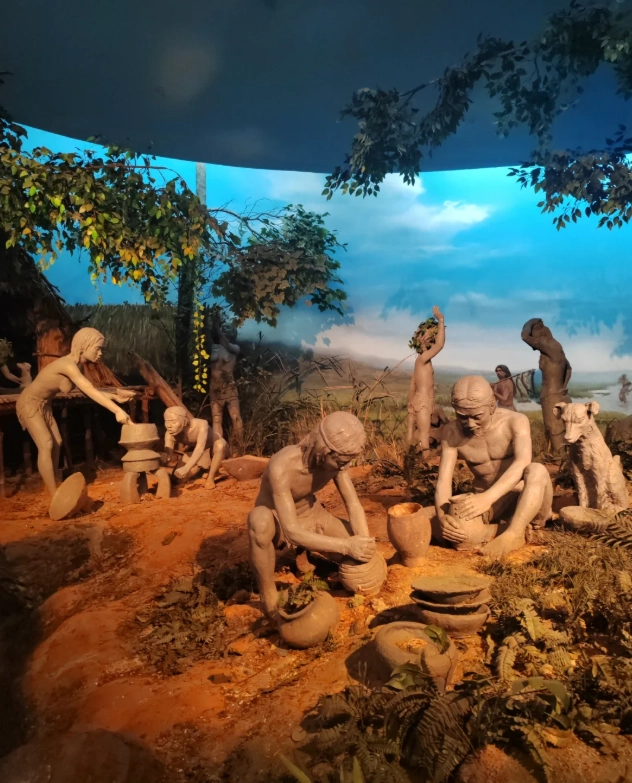
The permanent history exhibition on the upper floors is the star. It’s arranged chronologically, starting with the Hemudu culture. Look for the iconic Hemudu clay pig and the ancient boat models. The Maritime Silk Road section is fantastic for understanding Ningbo’s trade heritage.
The temporary galleries (usually on the first floor) are worth a peek — they often feature contemporary Chinese art or international loans. But remember, the building itself is the real exhibit. Don’t rush.
Best Time to Visit & Photography Spots
Arrive right at 9:00 when the doors open. The light is soft, and you’ll have the galleries nearly empty for a full hour. Tour groups start flooding in around 10:30. If you want that iconic shot of the museum’s courtyard, do it before 10:00.
For the exterior, afternoon light is beautiful on the brick walls, but watch out: the main entrance faces south, so it’s backlit midday. I always bring clients to the west side around 15:30–16:00 for the warm tones. Inside, the large staircase with the geometric shadows is a photographer’s dream — come early to avoid strangers in your frame.
Closed on Mondays (except public holidays). Last entry is at 16:00, and they start clearing galleries around 16:30. Aim for at least 2–3 hours inside.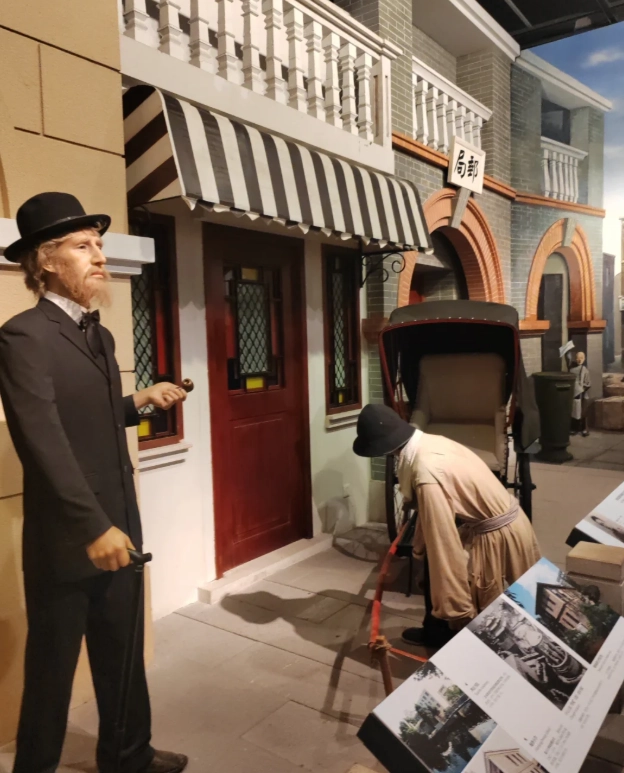
Pairing the Museum with a Day Trip Itinerary
Morning: Arrive Early and Beat the Tour Groups
9:00 – Enter the museum immediately. Take the metro to Yinzhou Government Station and walk straight to the West Gate. You’ll be among the first inside. Spend the first hour on the upper floors where the light is best. 10:30 – Snag a coffee at the museum cafe. It’s small but decent, with Chinese tea options too. Then hit the temporary galleries.
Afternoon: nearby Attractions & Lunch
13:00 – Exit and take a short taxi ride to Ningbo’s charming Nanyan Old Street (南塘老街), about 10 minutes away. This is a restored street with traditional snacks and small shops — perfect for lunch. Try the local “dumplings in broth” or the stinky tofu (if you dare). 15:00 – Head to Tianyi Pavilion, China’s oldest private library, about 15 minutes from Nanyan. It’s a peaceful side trip, but if you’re tired, skip it and instead rest at a tea house on the street.
Add-on for energy: If you’re still going strong, visit the Ningbo City Wall (Drum Tower area) near the city center. It’s free and gives you rooftop views of the old town. But don’t overdo it — the museum deserves your full attention.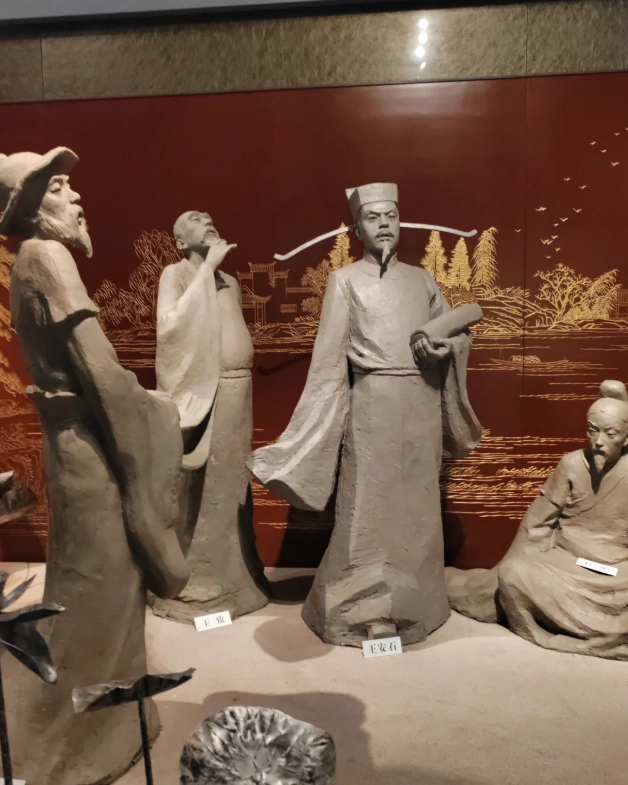
Where to Eat & Grab Coffee Nearby
The museum cafe is fine, but nothing special. For a proper meal, head out to Nanyan Old Street. I always recommend Old Ningbo Restaurant (老宁波) at the corner of the street. Their “red braised pork” is rich and sweet — classic Ningbo flavor. A bowl of rice with it is heavenly. Prices are about ¥50–80 per person. Get there before 11:45 to beat the lunch rush.
For coffee lovers: The area around Nanyan has a few decent cafes. Look for Shallow Side Coffee — they do a great flat white, and the staff understand basic English. If you’re stuck on the museum side, the nearest Starbucks is in the nearby government complex, about 10 minutes on foot.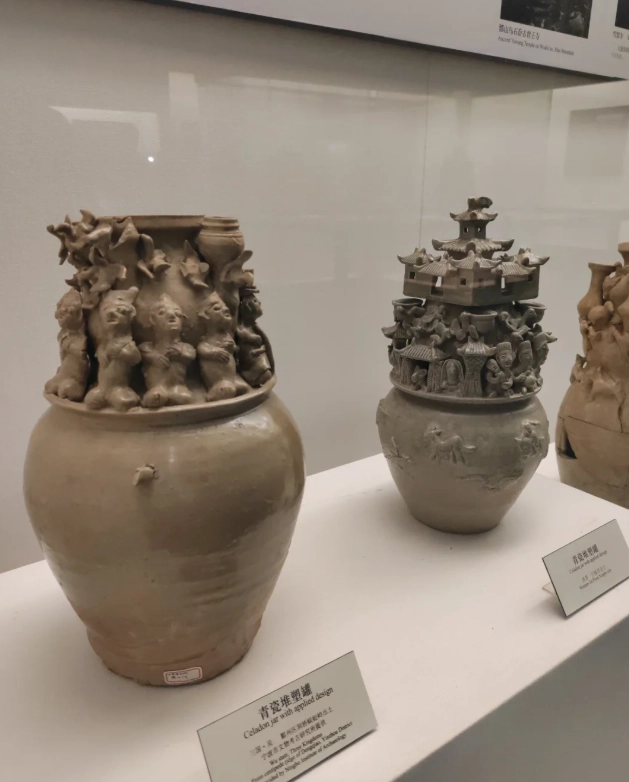
| Restaurant | Location | Signature Dish | Price Range |
|---|---|---|---|
| Old Ningbo Restaurant | Nanyan Old Street, West entrance | Red braised pork | ¥50–80 |
| Shallow Side Coffee | 36 Nanyan Street | Flat white | ¥30–45 |
| Museum Cafe | Inside museum | Convenient snacks | ¥20–40 |
Practical Tips for First-Timers
- VPN required: Google, Instagram, and WhatsApp won’t work without a VPN. Set this up before you arrive.
- Translation apps: Download Baidu Translate or Apple Translate. The museum’s signage is bilingual (English and Chinese), but much of the temporary exhibit text is Chinese only.
- Payment: Both WeChat Pay and Alipay work well. Link your international card in advance. The museum gift shop and cafe are cashless in most cases, though cash is technically accepted.
- Dress for the seasons: Ningbo is hot and humid in summer, and humid with no heating in winter. Bring layers. The museum is air-conditioned, but the outdoor walk from the metro station is long.
- Book a guide? If you want deeper context, hire an English-speaking guide through platforms like Trip.com, or rent the audio guide device at the info desk (available in English).







No comments yet.