 Fang Wang
- Why Most Travel Guides Get Ningbo's Climate Wrong
- Month-by-Month Weather Reality Check
- Why April Is My Top Pick
- October: The Cool-Season Winner
- Insider Tips for Planning Around the Best Month
- What to Pack for Perfect Ningbo Weather
- Where to Stay & Eat Near the Highlights
- FAQ: Your Ningbo Travel Questions Answered
Standing at Dongqian Lake, drizzle soaking my jacket, I watched British tourists shiver in thin tees. The day before, it had been sunbathing weather. That's Ningbo for you — a climate that makes forecast apps lie. But after guiding hundreds of visitors here, I can tell you the exact window when this city shines: April and October. These months hit the sweet spot: no choking humidity, no Sudden Torrential Downpours (Ningbo's specialty), and — yes — noticeably fewer mega crowds.
Most online guides say "spring or autumn" and leave it there. That's lazy. Let me give you the real dashboard — temperatures, rainfall stats, even the exact days when locals flood the parks — so you can book with confidence. Here's the thing: I've seen tourists arrive in July, expecting "sunny China," and spend three days hiding from typhoon rain. Don't let that be you.
Here is my unfiltered take on the best month to visit Ningbo, based on walking these streets for over a decade.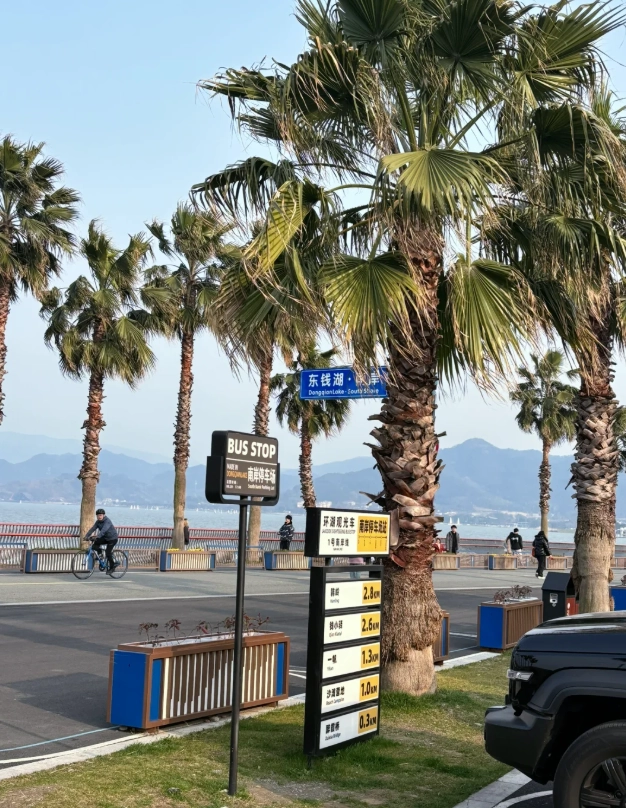
Why Most Travel Guides Get Ningbo's Climate Wrong
Ningbo sits on China's east coast, which means it's caught between the Pacific Ocean and local monsoons. The common advice "visit in spring" is dangerously vague. Spring here runs from March to May, and March can still be sweater-and-scarf cold. Even April has cold fronts. And autumn? September often welcomes typhoons. Strictly speaking, the best months are late April to early May and mid-October to early November.
Here is the catch most bloggers miss: Ningbo has two distinct rainy periods — the plum rain season (mid-June to early July) and the post-summer typhoon season (August to September). If you come in those months, expect daily downpours that appear from nowhere.
Also, locals themselves don't follow the tourist season. They travel during the Chinese public holidays: Labour Day (May 1-5) and National Day (Oct 1-7). During these weeks, every major site feels like a subways car during rush hour. I always tell my clients: avoid these exact dates at all costs — unless you enjoy queuing for 40 minutes just to glimpse the Tianyi Pavilion's stone lions.
Another non-obvious problem: air quality. In winter (Dec-Feb), coal heating and stagnant air can make visibility hazy. So while the city is “quiet,” you'll get grey photos and might end up with a cough. Spring and October, on the other hand, often bring crisp, clear skies — perfect for photography.
Month-by-Month Weather Reality Check
I've broken down each month so you can see exactly when to book and when to stay away. This table is based on my own observations over many trips, plus historical climate data from the Ningbo Meteorological Bureau. Use it as a quick reference.
| Month | Avg High / Low (℃) | Rainfall (mm) | Crowds | Verdict |
|---|---|---|---|---|
| Jan | 8 / 2 | 70 | Low | Cold & grey – avoid |
| Feb | 10 / 4 | 80 | Low | Still cold, Lunar New Year chaos |
| Mar | 14 / 8 | 110 | Moderate | Drizzles, warming up |
| Apr | 19 / 13 | 100 | Moderate | Perfect – my top choice |
| May | 24 / 17 | 120 | High (Labour Day) | Great weather but crowded |
| Jun | 27 / 22 | 190 | Medium | Plum rain – muggy |
| Jul | 32 / 26 | 150 | High | Blistering heat, typhoons |
| Aug | 31 / 25 | 180 | High | Hot, typhoon risk |
| Sep | 27 / 22 | 160 | Medium | Early typhoons, still humid |
| Oct | 22 / 16 | 90 | High (National Day) | Fantastic – after Oct 7 clear out |
| Nov | 17 / 11 | 70 | Low | Autumn gold, calm |
| Dec | 11 / 6 | 60 | Low | Chilly, quiet |
As you can see, April and October are the sweet spots. But there's a surprise: November is actually a hidden gem — cooler but still sunny, and visitor numbers drop dramatically.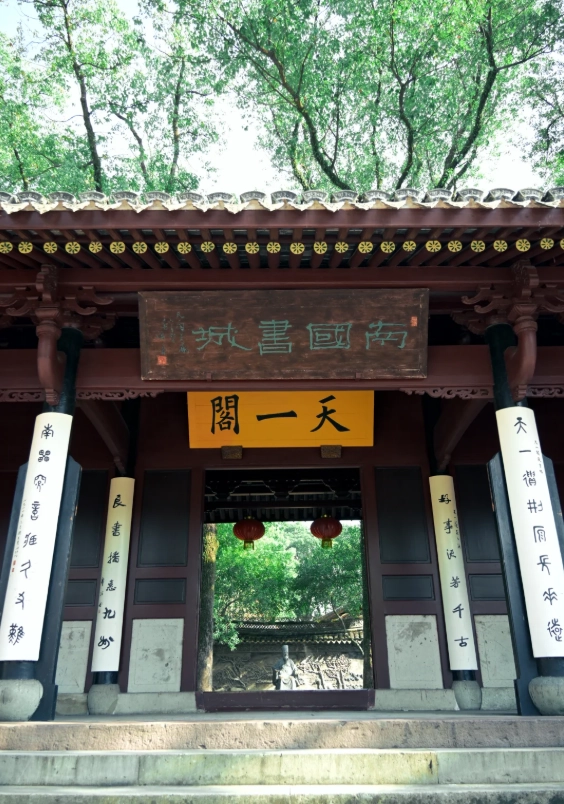
Why April Is My Top Pick
April gives you everything—cherry blossoms, tea-picking season, and that slight linger of spring freshness. I remember one April morning at the Zhejiang University of Technology's Yushan campus, where the cherry trees turn the whole walkway pink. My clients from Australia couldn't stop snapping photos.
But the real reason I love April isn't the flowers—it's the air. In April, Ningbo's pollution level drops to its lowest of the year because the winds sweep in from the sea. The skies get that deep blue hue that looks like a screensaver. You can see the mountain ridges around Dongqian Lake without any haze.
What to do in April
- Visit Dongqian Lake: Rent a bike or just walk the lake loops. The weather is perfect for outdoor activities—long sleeves, no sweat. Note: bringing a light jacket for the lake breeze.
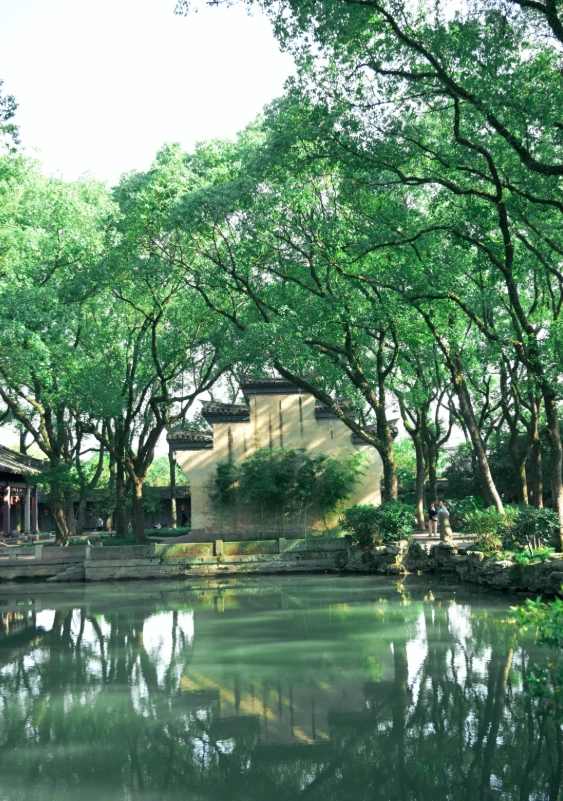
- Explore the Tianyi Pavilion Library: The gardens are in full bloom, and because it's not a mega tourist mecca yet (that starts in May), you'll get quieter walks.
- Tea-picking in Yuyao: April is the plum season for fresh green tea leaves. Head to the nearby Yuyao mountains—locals happily let you join the picking for next to nothing.
Insider Advice: Avoid the first week of April if you can — it often coincides with the Qingming Festival (April 4-6). Chinese families go to cemeteries, and roads around the countryside get crowded. Book your train tickets at least 3 days in advance if you're traveling then.
October: The Cool-Season Winner
If you can't handle any mild humidity or want more golden leaves, choose October over April. In October, the sweat season is officially over. The heat disappears completely, skies stay clear, and the seafood from the East China Sea comes into its prime.
My absolute October ritual is taking a ferry to Xiangshan. The island has an ochre-colored coastline that looks like something from a painting. Plus, it's the perfect temperature for hiking along the cliffs — I've done it in 48°C heat in July (never again) and in cool, breezy October (pure joy).
October timing trick
Here's where most guides fail you: the first 7 days of October are the Chinese National Day holiday — absolute nightmare. Crowds from all of China flood everywhere. But from October 8 onward, the city empties dramatically, and the weather stays wonderful. I always tell clients to pivot their trip to mid-October if they can.
In fact, I took a smaller group out on October 9 last year, and we had Tianyi Pavilion almost to ourselves — something unthinkable a week earlier.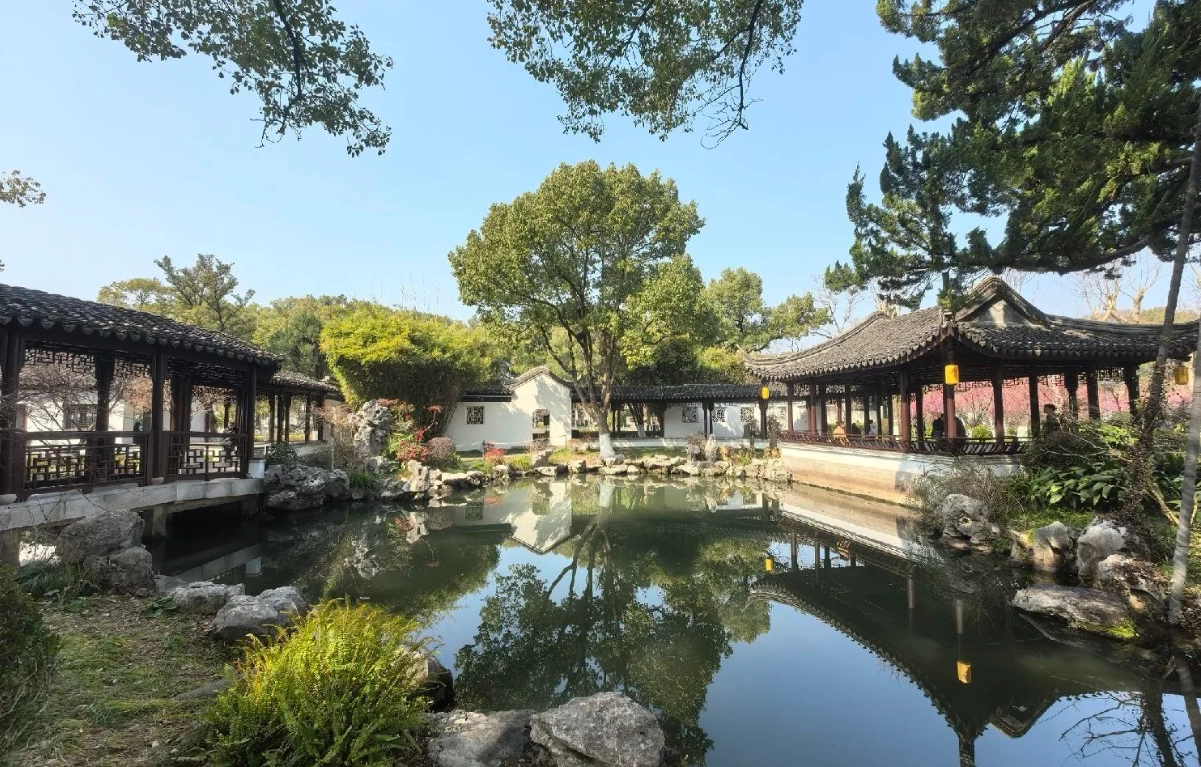
Insider Tips for Planning Around the Best Month
Once you nail the month, these practical details will save you money, time, and sanity.
Payments: Go cashless, but carry a little backup
In Ningbo, nearly every vendor accepts Alipay or WeChat Pay — even tiny street stalls selling roasted sweet potatoes. As a foreigner, you can use international cards linked to these apps. But here's a hitch: some payment QR codes might refuse foreign cards on the first try. Just ask the vendor to switch to “overseas” mode, or keep a bit of cash (Chinese yuan) for those rare cases. Cash is still accepted at most tourist places, but expect weird looks if you try to pay with cash at a metro ticket machine.
Navigation: Forget Google Maps
Google Maps is not officially supported in China, and its mapping data is painfully inaccurate. Download Apple Maps (it's more reliable) or AMap Global (an English-friendly version of the popular Gaode Maps). For taxi drivers, always show them the Chinese address — I include them in the sections below so you can copy/paste.
Booking & tickets
Major attractions like Tianyi Pavilion and Dongqian Lake require you to reserve a time slot, often with passport numbers. The WeChat mini-program process is in Chinese, and honestly, even I find it annoying. Use Trip.com or Klook — they handle foreign passports properly and give instant confirmation. Also, most attractions give discounts for children 120cm-150cm and seniors over 65. Bring your passport to verify age.
Transport from the airport/train station
Ningbo Lishe International Airport is about 30 minutes from downtown by taxi. The metro line (Line 2) connects the airport to the city center in about 20 minutes and costs ¥5. It's easy and avoids surging taxi fees. From the high-speed train station (Ningbo Station, 宁波站) — it's directly on metro Line 2, and you can reach attractions like the Old Bund (老外滩) in 3 stops.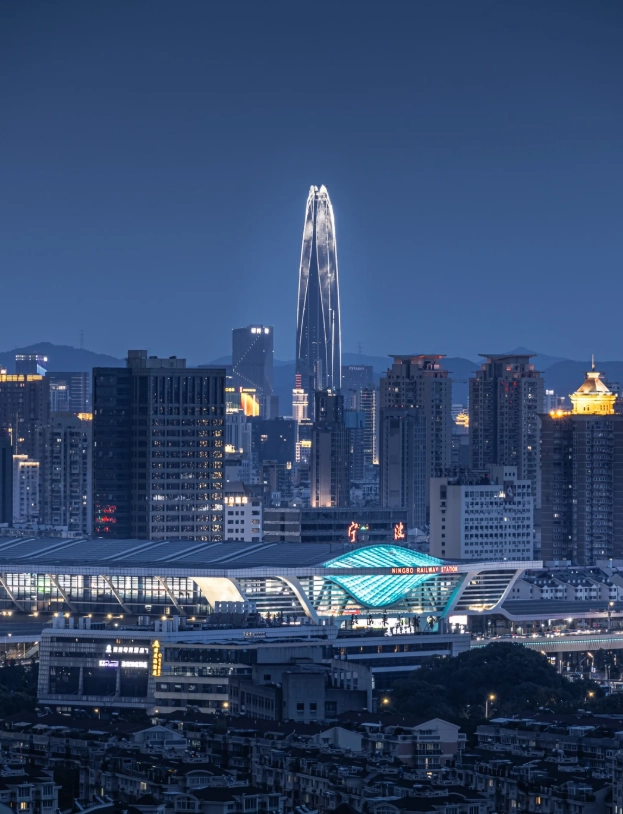
What to Pack for Perfect Ningbo Weather
The key in April/October is layering—mornings can feel like 10°C, but afternoons touch 22°C. I always recommend a light down jacket or a windbreaker that you can remove. A scarf is brilliant — it protects against the lake breeze and the air-conditioning in museums.
- Waterproof shoes — rain bursts still happen even in the best months.
- Power bank — you'll be using maps and translation apps constantly.
- A reusable water bottle — there are filtered water dispensers in most large museums.
- Small umbrella or a decent hood — April showers are real.
Don't forget to install a VPN before you arrive. In China, Google, Instagram, and Facebook are blocked. A good VPN lets you keep using maps, messaging, and your social feeds. For offline translation, download the Chinese language pack in Apple Translate or Baidu Translate (which often works better for complex locals).
Where to Stay & Eat Near the Highlights
If you're visiting for the best month, choose accommodation that minimizes transfer time so you can maximize sightseeing.
Stay in the city center
I normally put my clients in the Zhangqi District (鄞州区) or near Tianyi Square. This area is walkable to the Old Bund, Tianyi Pavilion, and the riverfront. A good mid-range option is the Grand Pacific Hotel, just steps from the metro. Rates fluctuate between ¥400-800 a night depending on weekend vs midweek. For boutique pockets, try Motel Monaco near the Bund — it's artsy, and the rooftop bar has a great view, but it's not ideal if you have mobility issues because there's no elevator.
Don't miss these food spots
Ningbo cuisine is famous for its seafood and slightly sweet soy-based flavors. Here are three places I personally bring guests:
- Lao Wai Tan (Old Bund) night stalls — Try the “Drunken Chicken”, a cold appetizer with local rice wine. It's bold, tangy. Usually ¥30 per portion.
- “Ningbo Shun” restaurant on Tianyi Square — Their river snail and braised fish are exceptional. Google Maps rating 4.6, open 17:00-22:00. It's always crowded, so go early or be prepared to wait — I remember a 45-minute wait on a Saturday night.
- Street-side “Tangyuan” (glutinous rice dumplings) — You'll see boiling cauldrons everywhere. Get the black sesame filling. These are the city's true soul.

Pro Tip: Most street stalls only accept mobile payments or cash. If you're using Alipay, make sure your card is already linked. And if you need an English menu, ask for “English menu” — many restaurants have one hidden behind the counter.
FAQ: Your Ningbo Travel Questions Answered
Truth check: all the tips I gave today come from years of leading tourists through Ningbo's perfect-weather days. I've been rained on, chased by typhoons, and even snowed on, but when April and October roll around, I pack my camera with confidence. Those two months define this city's charm—clear skies, pleasant breezes, and the soft energy of locals going about their day.
Verified and fact-checked by the editorial team.







No comments yet.