 Fang Wang
Quick Navigation
- 5 Days in Ningbo Itinerary: A Local's Day-by-Day Breakdown
- Getting Around Ningbo: Transport Tips for Your 5 Days
- Where to Stay in Ningbo: Neighborhoods for Your 5 Days
- Eating Through Ningbo: What to Try in 5 Days
- Essential Tips for Your 5 Days in Ningbo: Payments, Tickets, and Apps
- FAQs About Planning Your 5 Days in Ningbo
Five days in Ningbo. Sounds simple, right? But I've watched too many travelers waste their first day stuck at the wrong gate of Tianyi Pavilion, clutching cash that no one accepts. Let's fix that.
My 5 days in Ningbo plan cuts through the noise and gets you straight to the city's soul. I've spent years escorting first-timers through this port city, and I know exactly where the bottlenecks hide — and where the magic happens.
Here's your biggest win: head to the west gate of Tianyi Pavilion before 8:30 AM. You'll beat 90% of the tour buses and get those quiet library halls without a single selfie stick in your frame. That's the kind of insider edge this guide gives you every single day.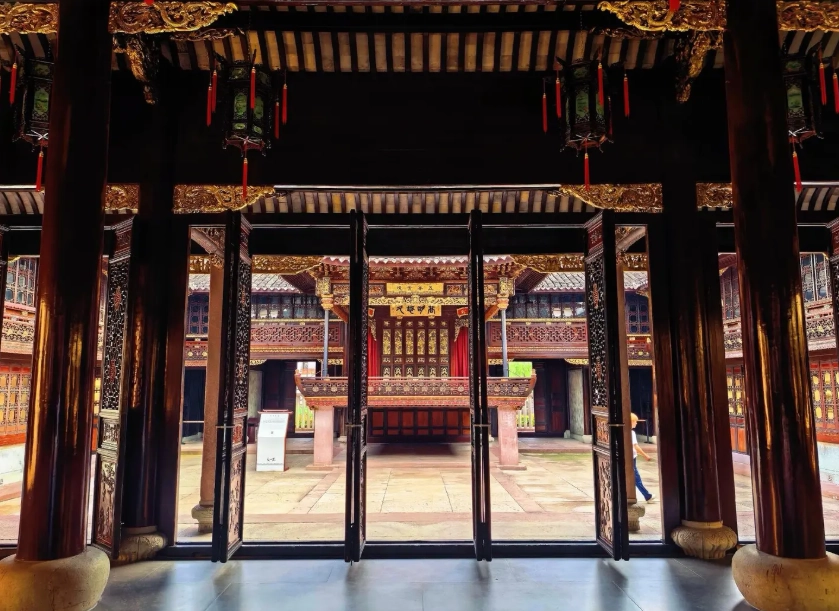
5 Days in Ningbo Itinerary: A Local's Day-by-Day Breakdown
Let's be honest — you could easily spend a week here and still miss half the city. This 5-day Ningbo itinerary balances heavy hitters with local favorites, and I've factored in travel time so you won't feel like a marathon runner in sneakers.
Day 1: Historical Ningbo — Tianyi Pavilion, Moon Lake, and the Old Bund
The morning starts at Tianyi Pavilion, China's oldest private library. You'll need your passport to buy the ticket — around 30 RMB — and I strongly suggest booking through Trip.com instead of the on-site queue, especially on weekends. The pavilion opens at 8:30 AM, and I always tell my clients to arrive by 8:15 to grab the first slot. The garden behind the library is ridiculously photogenic, but here's the catch: the light gets harsh after 10 AM, so do your photo-walk before that.
From Tianyi Pavilion, follow Moon Lake (Yuehu) south along the water. It's a 10-minute stroll through local life — old men playing Chinese chess, watercolor painters, and the occasional acoustic guitarist. I usually stop at the small tea house on the southwest corner for a Plum Green tea and a bowl of rice dumplings; it's the perfect rest before the next leg.
In the afternoon, grab a taxi (about 15 minutes) to the Old Bund (Lao Waitan). This strip of colonial-era buildings got a makeover, but it still keeps that rough East Asian waterfront vibe. You can walk the entire thing in 30 minutes, then cross the pedestrian bridge to the Drum Tower area. Stop by the Drum Tower itself — it's free to climb and gives you a decent aerial view of the old city block.
For dinner, I'll take you to a tiny restaurant on Zongbao Road called "Yinzhou Seafood." It's unassuming, but the hairy crabs (in season) are famous among locals. Expect to pay around 50-80 RMB per person. They don't have an English menu, so I always bring my clients here and translate the daily specials.
Pro Tip: Don't buy the "combo ticket" that includes the Moon Lake Water Garden. It's a waste of money — the garden is just a modern park with a few rocks.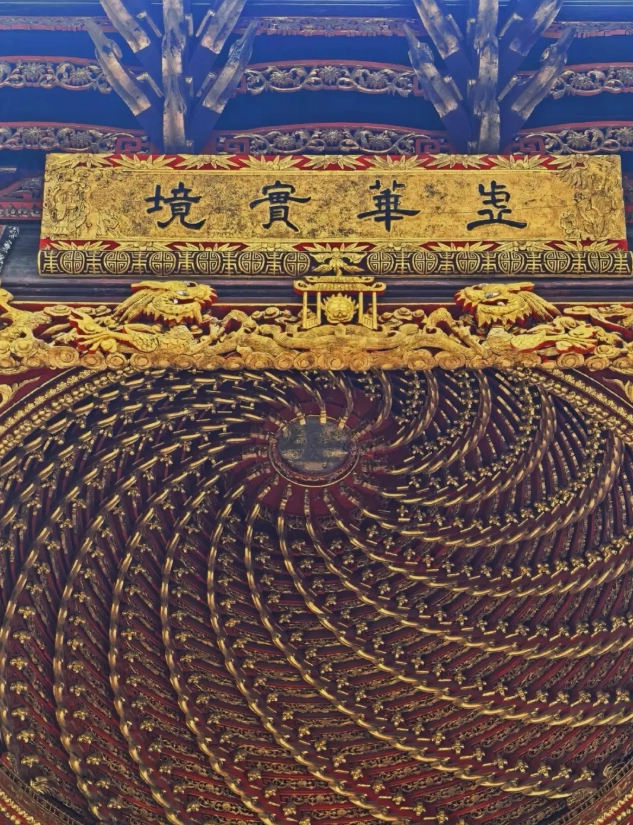
Day 2: Buddhist Culture and the Great Buddha at Tiantong Temple
Tiantong Temple is one of the most important Chan Buddhist monasteries in China, and it's only 40 minutes by bus from the city center. Head to Ningbo East Station early — the bus leaves at 7:40 AM, and missing it means waiting another 40 minutes. The entrance fee is around 30 RMB, and you'll want to show up with cash or Alipay; the ticket booth occasionally has card issues.
Once inside, you'll see why locals call it the "Western Blossom." The halls are massive, but the real gem is the ancient cedar grove behind the main hall. Find the stone bench under the big cedar and just sit for five minutes — the birdlife is surreal.
For lunch, the temple has a small vegetarian canteen that serves a 20 RMB meal of tofu and greens. It's basic but authentic. If that doesn't work for you, there's a decent noodle shop just outside the south gate.
Back in the city, I'd suggest a late afternoon exploration of the Chenghuang Temple food court. It's the best place to sample pork dumplings (the ones with thick wrappers and rich broth) and a sugary chestnut cake — definitely not for the health-conscious, but worth every bite.
Insider Advice: Check the temple's schedule before you go — some halls close for meditation sessions at noon. Call ahead or ask your hotel to call.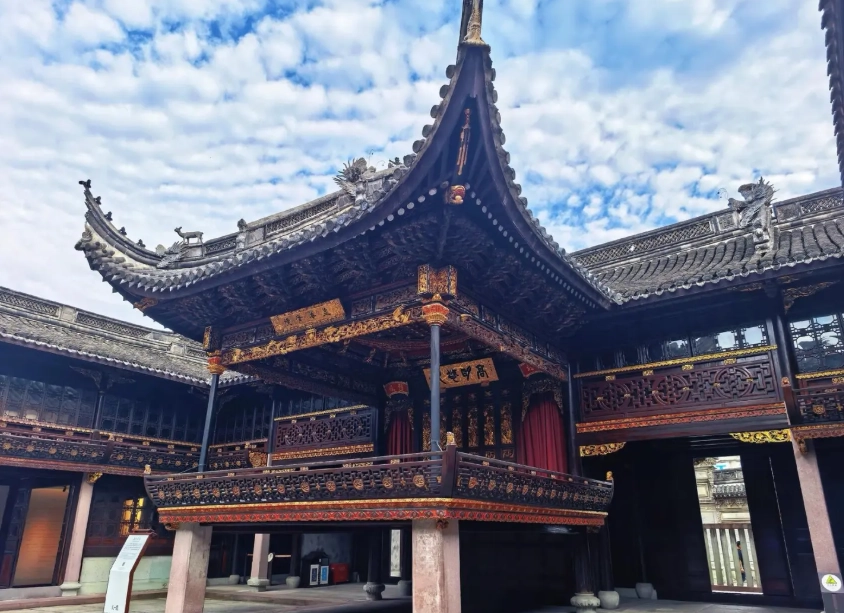
Day 3: Dongqian Lake — Biking, Temples, and Seafood
Dongqian Lake is the soul of Ningbo's outdoor scene. Hire a bike at the lake's north gate (around 30 RMB for a half-day rental) and ride the east bank. The entire loop is about 15 kilometers, but you only need the southern stretch — that's where the Hanling Stone Carvings Park is. The park costs 30 RMB and has some of the most intricate Buddhist rock carvings I've seen in China.
Most tourists turn around here, which is a mistake. If you continue one kilometer south, you'll hit Hanzhang Temple, a working monastery with a beautiful koi pond and a bamboo forest. It's free, and you'll probably have the whole place to yourself.
For lunch, keep riding until you hit the small village of Hanzhang. There's a family-run spot called "Grandma's Kitchen" that serves river shrimp and fried flatfish; the portions are generous for two, and the bill usually lands around 60-80 RMB for a feast.
If the weather's heavy, swap the bike for the sightseeing bus (10 RMB) and skip the stone carvings; the real gem is the lake views from the eastern promenade.
Pro Tip: The lake is completely exposed to wind. Don't wear a skirt or flappy shorts — you'll be wrestling with them the whole time.
Day 4: Cicheng Ancient Town and the Coastal Escape
Cicheng is where you'll find Ming dynasty streets without the tourist gloss of Venice. Take subway Line 4 to Cicheng station, then walk 10 minutes to the east gate. The entrance ticket is around 60 RMB and includes the main courtyard house and the Confucian temple. Open from 8:30 AM to 5 PM, but I'd go before 9 AM to see the locals open their shutters in the alleys.
Grab a bowl of "Salted Bamboo Shoot Noodles" at the first shop inside the gate — it's the kind of breakfast that sticks with you. Then wander the main street, detour into the tiny artisan courts off the west alley, and climb the small drum tower for a view of the black-tile roofs.
In the afternoon, head back toward the coast. Take a taxi (about 40 minutes) to the Beilun district's Yangsha Mountain Beach. Honestly, the beach isn't a white-sand paradise, but there's an old naval fort and some nice coastal walks. If you'd rather not fight the traffic, skip the beach and instead visit the Ningbo Museum in the city — it's free and has a fantastic exhibit on the city's maritime history.
Insider Advice: Cicheng's lantern festival (if you're there in early summer) is a beautiful, low-key alternative to the crowded big-city celebrations.
Day 5: Modern Ningbo — Museums, Shopping, and Food Streets
This day is about the other side of Ningbo. Start at the Ningbo Museum, designed by Wang Shu, a Pritzker Prize winner. The building facade is a collage of recycled brick and tile from old Ningbo buildings — a masterpiece you can photograph from a hundred angles. It's free, but you need to reserve a slot on the official WeChat mini-program or Trip.com at least a day ahead; passport required.
After the museum, take a taxi to the Tianyi Plaza shopping district for lunch. Unlike the old town, this place is all glass towers and smooth escalators, but the food court on the 4th floor has a branch of the famous "Gangya" (港雅) restaurant, where you can order their signature red-braised pork. One bowl of rice and you'll understand why locals line up at dinner.
For final Souvenirs, head to the South Street food market — it's a covered bazaar that gets humming after 3 PM. I always steer my clients to the smallest stalls, where old ladies sell tea eggs, salty duck, and dried bamboo shoots. Buy the dried bamboo shoots — they travel well and taste incredible in soups back home.
Wrap up your trip with a sunset walk along the Yongjiang River waterfront. There's a pedestrian bridge that turns into a light show after dusk, and you'll see families flying kites and couples taking selfies. It's the perfect way to say goodbye to this easy-going city.
Pro Tip: If you've got an evening flight, leave this day completely flexible. Sometimes the museum takes two hours, sometimes half a day, depending on how deep you want to dive into the brickwork.
Getting Around Ningbo: Transport Tips for Your 5 Days
Navigating Ningbo is simpler than most Chinese cities because the metro system covers the core sights. Lines 1 and 2 run like a giant L-shape through the old town, and Line 4 extends to Cicheng. You'll still use taxis for the lake and temple outings.
Here's a quick comparison of your transport options:
| Mode | Cost (approx) | Best For | Notes |
|---|---|---|---|
| Metro | 2-7 RMB per trip | Downtown hops, Drum Tower, Tianyi Pavilion | Pay with Alipay QR code; English signs at all stations |
| Taxi / DiDi | 10-40 RMB depending on distance | To Dongqian Lake, airport, Old Bund at night | Always use DiDi; never accept rides from touts |
| Bus (e.g., to Tiantong Temple) | 2-5 RMB | Budget and scenic routes | Buses have voice announcements in Chinese only — keep Google Translate handy |
| Bike rental | 2-3 RMB per 30 min | Dongqian Lake, Moon Lake loop | Use the blue shared bikes; app supports English |
Important: Google Maps is unreliable in China. Use Apple Maps or AMap Global for walking directions, and for public transit, I rely on the "Ningbo Metro" app for real-time schedules.
Also, download the DiDi app (Chinese Uber) before you arrive. It supports English, and payment through Alipay is painless. If you don't have data, every hotel and major attraction has free Wi-Fi, but you'll still need a VPN for anything outside mainland services.
What's the best way to get from Ningbo Lishe International Airport to the city?
The airport metro station is on Line 2, and it takes just 25 minutes to reach the city center. A taxi is about 30-40 RMB and takes 20 minutes without traffic. For the 5 days in Ningbo plan, I'd take the metro to avoid losing time to rush-hour snarls.
Where to Stay in Ningbo: Neighborhoods for Your 5 Days
For first-timers, the area around Dongmenkou (East Gate) is the sweet spot. It's a 10-minute walk from Tianyi Pavilion, and the old city's most interesting alleys start right at your doorstep. You'll pay a bit more, but you'll save on transport and gain walkability.
Here's my shortlist of hotels that handle international guests well:
| Hotel | Area | Avg Price/Night | Best For | Key Detail |
|---|---|---|---|---|
| Ningbo Marriott Hotel | Dongmenkou | 650-850 RMB | Families, business | Excellent English, 5 min walk to metro |
| URBAN (Zhiwei) Boutique | Old Bund | 450-600 RMB | Couples, design lovers | Rooftop bar with river view |
| GreenTree Inn (Yuehu branch) | Moon Lake | 180-280 RMB | Budget, solo | Basic clean rooms, no fuss |
| Cicheng Ancient Town Guesthouse | Cicheng | 300-500 RMB | Culture seekers | Traditional courtyard, limited English |
When booking, look for properties that explicitly say "international guests" or "foreign passport accepted." Some budget hostels still refuse foreign bookings under the old policy, but it's rare now. I recommend filtering by "could be available for foreign guests" on Trip.com to avoid headaches.
One thing I've learned the hard way: always check for an elevator. Many old courtyard hotels in Cicheng are three floors, and dragging luggage up is no joke.
Eating Through Ningbo: What to Try in 5 Days
Ningbo cuisine is a love letter to coastal ingredients — salty, fresh, and a little sweet. Think seafood, bamboo shoots, and the famous red-braised pork. But finding the right spots is key.
Must-try dishes:
- Hairy crab (毛蟹) at Yinzhou Seafood — rich, briny, and best in autumn.
- Salt-baked chicken at any chain like "Zhanggui" — tender, but often a large portion.
- Rice dumplings (青团) at the Chenghuang Temple food court — sweet or savory.
- Ningbo-style dumplings (汤圆) at the Old Bund's "Tearoom" — they're huge and come in black sesame or pork.
- Red-braised pork (红烧肉) at Gangya restaurant — sweet, melt-in-your-mouth fatty.
I always tell my clients to eat at places with picture menus if you don't read Chinese. Failing that, use the Western-friendly route: point at what the next table is having. It's the easiest way to discover hidden gems.
For coffee lovers, there's a small Starbucks on Zhongshan Road that's fine, but the better choice is "Cabin" café, a local roastery near Moon Lake. Their pour-over is surprisingly good.
Meals typically cost 30-80 RMB per person. Set expectations: lunch is a quick affair, dinner is where locals linger and chat.
Essential Tips for Your 5 Days in Ningbo: Payments, Tickets, and Apps
Let me save you from the digital trap that trips up so many visitors. Yes, you need Alipay. Yes, you need WeChat Pay. But here's the thing — most places in Ningbo will not accept cash. I've seen travelers with a stack of RMB get turned away from dim sum counters because they couldn't tap their phone. So install Alipay, add your international card, and test it at a convenience store before you hit your first attraction.
Tickets and reservations: the big sites like Tianyi Pavilion and the Ningbo Museum require your passport for booking. For WeChat mini-programs, if the interface is all Chinese, don't panic. Use Trip.com or Klook — both have English versions and can process these bookings for you. I've booked every major attraction through Trip.com in the past year and never had a problem.
VPN is non-negotiable. Forget to bring a working VPN and your social media becomes a zombie. Download a reputable VPN before you land, because many VPN providers are blocked if you try to install in mainland China.
Translation apps: Apple Translate works offline, but I prefer Baidu Translate for its photo mode — it can translate menu screens in real time. It's far from perfect, but it gets the job done.
Insider tip: Taxis in Ningbo are reliable, but the drivers may not understand English. Always have your destination written in Chinese, and use the DiDi app where possible — the app shows the driver your destination automatically.
Another thing: many bathrooms in old town attractions are squat toilets. If that's an issue, plan your stops at modern malls (Tianyi Plaza has excellent restrooms).
FAQs About Planning Your 5 Days in Ningbo
This content has been fact-checked to ensure informational precision.







No comments yet.