 Qiang Huang
Ningbo? Wait, that’s not a place you hear about every day. But this port city in Zhejiang has its own rhythm — and its own set of tourist traps. I’ve been guiding expats around China for years, and Ningbo always surprises me with how laid-back it is compared to Shanghai, yet still full of small dangers if you’re not careful.
If you’re searching for Ningbo safety tips, you probably already know that pickpocketing and taxi overcharging are real. Let me give you the honest picture: the city is generally safe, but three scams target foreigners quite regularly.
My golden rule after countless trips? Never exchange money on the street, and always use Alipay or WeChat Pay with your international card linked — those tiny things will save you 90% of trouble. And don't forget to install a VPN before you arrive — otherwise, Instagram and WhatsApp will be blocked, and you'll have to rely on WeChat for everything.
Is Ningbo Safe for Tourists? Honest Truth from a Local Guide
Yes, Ningbo is safe by Chinese and international standards. The crime rate for violent incidents is extremely low. However, petty theft and scams exist, especially in areas with high tourist density. In my experience, the most dangerous thing is not a person but the summer heat — always carry water and sunscreen.
Pro Tip: When a stranger walks up to you on the street with a “lucky charm” or a “friendship invitation” to tea, just say no and walk away. No polite excuses needed — I’ve seen too many tourists lose face (and money) by being too polite.
One thing I always tell my clients: Unlike big cities, Ningbo doesn’t have a central "danger zone" you need to avoid at all costs. The police presence is high, and local people are generally friendly and curious rather than hostile. But pickpockets work crowds, so keep your backpack on your front and your phone in a zipped pocket when you ride the metro or visit busy markets.
Weather and Air Quality: The Overlooked Safety Risks
If you come between June and September, typhoons and thunderstorms can disrupt travel. I once had a group stuck on Dongqian Lake during a sudden downpour — it wasn't dangerous, but we were soaked. Always check the weather forecast, and on rainy days avoid low-lying areas near rivers.
The air quality in Ningbo is far better than in many northern Chinese cities, but summer heat can trigger fatigue. Listen to your body — take midday breaks in air-conditioned malls like Takashimaya or in the shade of the old trees at Zhongshan Park.
Ningbo Scams to Avoid: No-Nonsense Guide for Foreigners
Over the years, I've collected a list of scams that keep targeting tourists here. Some are classic, others have a local twist. Let me walk you through the ones that actually catch people, so you don't become a statistic.
1. The Taxi Overcharge Scam
Taxis without a meter or drivers who "don't know the way" will cost you triple the normal fare. This happens most often at the airport and railway station. I always tell my clients to use Didi via the Didi app (it's in English now), or at least insist on "Dǎ biǎo" (use the meter).
Insider Advice: If a taxi driver refuses to turn on the meter, just get out. And have your destination written in Chinese on your phone — I usually plug it into the Amap Global app and show the driver the route.
2. The Tea House Friendship Scam
A friendly student or "art student" invites you for an authentic tea ceremony, and then you get slapped with a bill for 200 RMB per cup. I've seen this play out at Chenghuang Temple (the City God Temple area) and near Tianyi Square. The best defense? Don't accept random invitations on the street.
3. The Fortune Teller / Monk Scam
A "monk" stops you, extends a bracelet, and asks for a donation in exchange for luck. Genuine monks rarely do this in tourist areas. If you accidentally take a bracelet, they will aggressively demand money. Simply return it or walk away.
4. The “Art Gallery” or “Calligraphy” Scam
Someone hands you a piece of calligraphy or a painting, claiming it's a gift, then presses for payment. This one is less common but still around. Just say "Bù yào, xièxiè" and keep moving.
Ningbo Safety at Night: Areas to Walk & Places to Avoid
Ningbo becomes quiet after 10 PM, but the main tourist areas like Laowaitan (Old Bund) are still lively and safe. The market streets near Dongmenkou are well-lit and full of WeChat-pay food vendors. That said, I prefer to avoid the narrow alleys around the railway station late at night — they're not dangerous per se, but they're empty and dark.
Here’s a quick rundown based on my own walking tours:
- Safe and lively: Laowaitan (Old Bund) — especially along the Yong River promenade.
- Safe but quieter: Tianyi Square, even late in the evening.
- Use caution after dark: The backstreets behind Ningbo Railway Station and the wholesale areas near Chenghuang Temple.
If you plan to have a drink at Laowaitan, use a ride-hailing service to get back to your hotel. I've never had a problem, but a car is always safer at 2 AM.
Pro Tip: Pay attention to your phone. I've watched tourists walk straight into electric bikes on the bike lanes — they're silent and illegal to ride on sidewalks, but they still appear. Hold your phone like it's a precious artifact.
Transportation Safety: Taxis, Metro, and Ride-Hailing Without the Headache
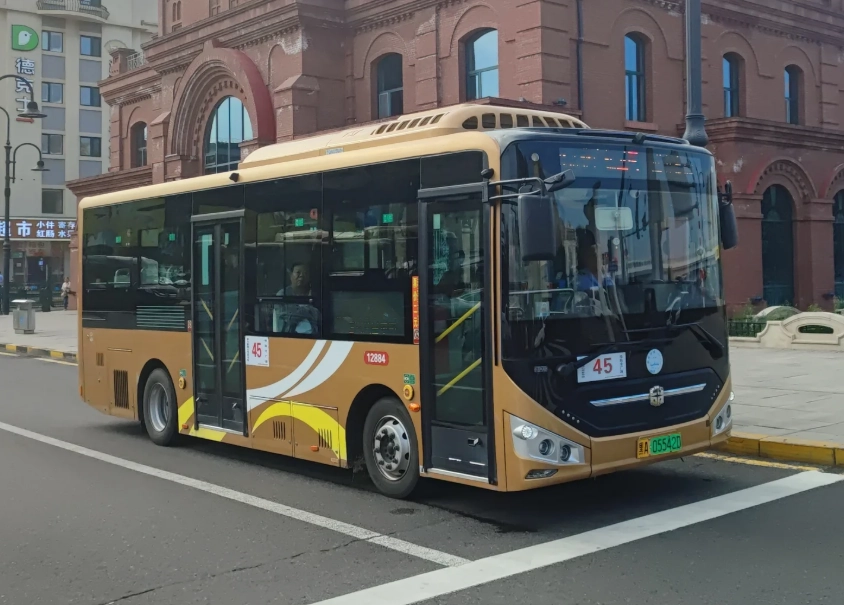
The easiest and safest way to get around Ningbo is the metro and Didi. The metro is spotless and secure, with security checks at every entrance. The buses are fine, but often overcrowded and without English signage, so I rarely recommend them to international visitors.
Metro Safety Essentials
You can use Alipay’s “Transport Card” to ride the metro directly — no need to buy a ticket. Look for the QR code scanner at the turnstile. Apple Maps is your best friend for metro exits, because Google Maps simply doesn't work in China.
Ride-Hailing vs. Taxi: Which Is Safer?
I’ll be straight with you: Didi is safer and cheaper than a regular taxi. It’s all tracked, you pay in the app, and there’s a panicked SOS button. Here’s a comparison I used to give my clients:
| Feature | Didi (Ride-Hailing) | Regular Taxi |
|---|---|---|
| Pricing | Fixed in-app estimate, no haggling | Meter can be “broken” or overcharged |
| Language | In-app chat with auto-translate | Italians? Try charades. |
| Safety | GPS track and driver rating | Anonymous driver, hard to trace |
| Payment | Alipay/WeChat/Cash linked through app | Cash or Alipay, but no foreign cards |
By the way, when you use Didi, always check the license plate carefully. I have had clients almost get into the wrong car because they thought the driver would call their name. The driver will usually confirm the last digits of your phone number via the app.
Health and Emergencies: What to Do if Something Happens
Ningbo has several modern international-grade hospitals, and the emergency numbers in China are the same nationwide. Make a note:
- Police: 110 (English operator available)
- Ambulance: 120
- Fire: 119
- Tourist Complaints: 12345 in Ningbo (local service hotline)
If you need medical help, head to the International Clinic at Ningbo First Hospital — they often have an English-speaking doctor on call. You'll need to pay with Alipay or cash; they will not accept foreign credit cards at most public hospitals. So keep a few hundred RMB in cash for emergencies.
One safety point nobody talks about: tap water is not drinkable in Ningbo. Even locals boil it. Always buy bottled water, and check that the cap seals properly when you buy from a street vendor.
Insider Advice: Hotels like the Pan Pacific Ningbo (near Laowaitan) have hotel doctors, but for anything serious, you want to go to the hospital directly. Insurance? I always tell my clients to buy one that covers China, because the medical system here requires upfront payment even for emergencies.
Solo Travelers and Women: Extra-Specific Ningbo Safety Tips
As a woman walking alone at night in Ningbo, you’ll get friendly stares but rarely harassment. China's street harassment level is much lower than in many other countries. However, I always tell my women clients to use the same street smarts they’d use at home. Avoid dark alleys, particularly the ones behind the wholesale markets near Chenghuang Temple. Stick to main roads.
For solo travelers (male or female), the main risk isn't physical — it's getting scammed because you're alone. The tea house scam is heavily targeted at solo male tourists. If you're eating alone at a night market, keep your phone and wallet in your pocket, not on the table.
And if you feel unsafe at night, just order a Didi and talk to the driver. The app shows you the driver's face, rating, and route tracking — share your trip with a friend via the Didi app for extra safety.
Ningbo Safety FAQs: Your Biggest Worries, Solved
Verified and fact-checked by the editorial team.






No comments yet.