 Qiang Huang
Quick Route Map
Get this: 90% of one-day Suzhou visitors only see the Humble Administrator's Garden and then claim they've 'done' the city. That's a crime. On my first walking tour here, I watched a couple from Barcelona almost cry because they missed the Pingjiang Road charm at dusk—because their 08:00 return train to Shanghai was already booked. So, how many days to spend in Suzhou? My honest answer: at least 2 full days, ideally 3 if you want to breathe. And that's not tourist talk—it's the difference between checking off boxes and actually feeling the water-town soul.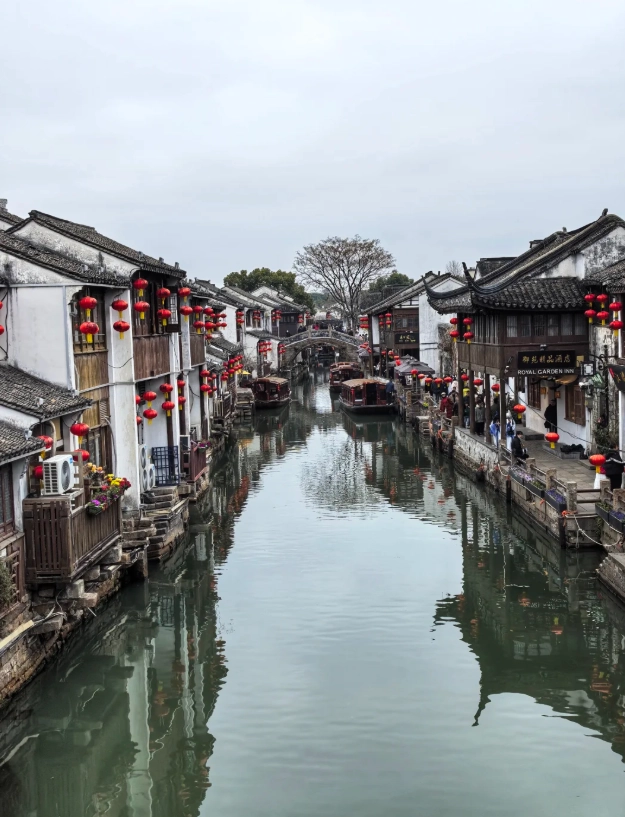
The Short Answer: 2-3 Days, but Here's the Catch
Let me break it down simply. If you only have one day, you can see the Humble Administrator's Garden, stroll Pingjiang Road, and catch a canal boat ride. That's a sample, not a meal. With two days, you add the Suzhou Museum, the Shangshan (Shantang) Street, and a visit to a silk factory. That's a proper visit. With three days, you can take a side trip to Tongli or Zhouzhuang water towns or bike around Jinji Lake. That's the full experience.
| Days | What You Can See | Who It's For |
|---|---|---|
| 1 day | Garden highlight + Pingjiang Road | Transit layover, rough idea |
| 2 days | Classic gardens, museums, local alleys | Most first-time visitors |
| 3+ days | Add water towns, modern Suzhou, slower pace | Culture lovers, photographers |
Personally, I'd never recommend a single-day visit. Suzhou's magic is in its rhythm—the way morning mist hangs over the canals, the way locals sip tea on stone benches. That takes time to absorb.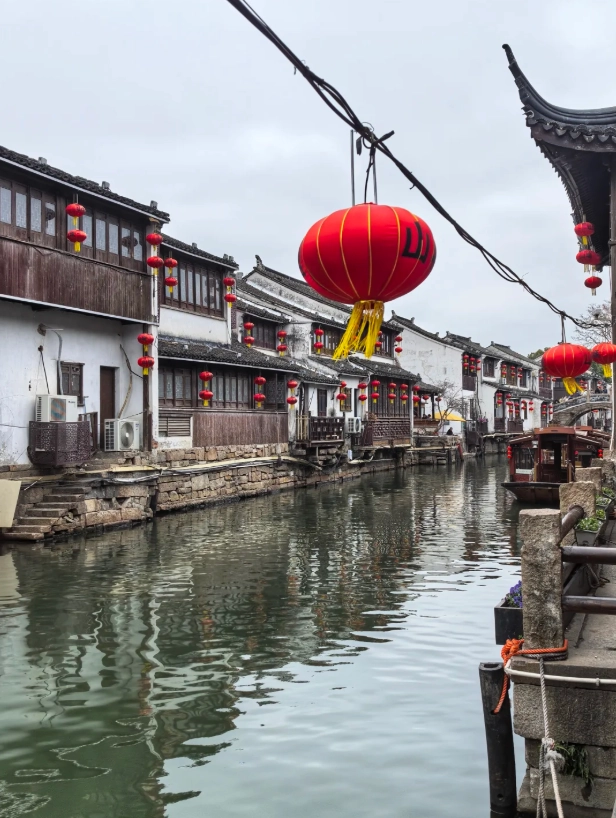
Pro Tip: If your schedule only allows one day, skip the Humble Administrator's Garden and go to the smaller Master of Nets Garden instead. It's 20% of the crowd but 90% of the charm. Open until 7 pm in summer, and the evening gardens are unforgettable.
How to Make Every Day Count in Suzhou
Day 1: Classical Gardens and Grand Canals
Start early at the Humble Administrator's Garden. I mean 8:30, right when it opens. The light is soft, and the reflection pool is pure magic. Get there by metro to Suzhou Station then a 15-min walk, or just take the #55 bus. Address for your driver: 178 Dongbei Street, Gusu District. You'll need your passport to buy the ticket (about 80 RMB). Skip the audio guide—you'll waste half the time fiddling with it. Instead, follow the local pack of retirees doing tai chi.
Then, take a 10-minute stroll to the Lion Grove Garden. Yes, it's close. But here's a secret: instead of queueing for another ticket, walk right past it and find the Suzhou Museum next door. It's free but you must reserve via the Museum's official WeChat account. If that's too complicated, use Trip.com to book a slot. The museum is a masterpiece designed by I.M. Pei, and it's airy and quiet—perfect for midday escape from heat.
In the afternoon, wander to Pingjiang Road, which runs parallel to the museum. That's the classic canal street with shops, tea houses, and boat rides. Here's my honest take: the boat ride is touristy but worth it once—just don't pay more than 100 RMB. Grab a mid-afternoon snack of stinky tofu (trust me) from a hole-in-the-wall vendor.
Wrap up with a canal-side dinner at Wumen Coffee? No, that's not a real restaurant. Better: find any soup dumpling (xiaolongbao) shop on Pingjiang Road. They're all decent. A bowl of local “squirrel-shaped mandarin fish” is a must-try but it's a bit sweet—some Westerners love it, others run. I always make my clients try one bite.
Tonight, if you're not exhausted, walk toward Guanqian Street (about 20 min on foot). The night markets are a sensory explosion. Nightlife isn't Suzhou's strength, but there's a craft beer bar called Bottle & Hope on Pingjiang Road that's popular with expats. (Open till midnight, cards accepted? Actually many bars here prefer Alipay.)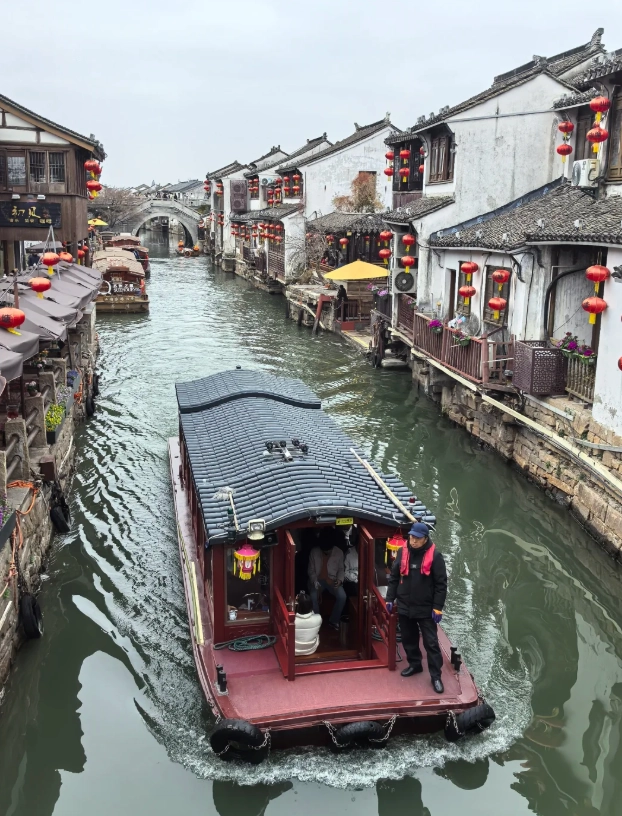
Day 2: Silk, Streets, and Local Eats
Morning: head to Suzhou Silk Museum and the attached factory store. You'll learn how silk is made—and you'll be pressured to buy. That's fine. Just know that the prices are fixed and bargaining is rare. It's a good place to get gifts. Take metro Line 4 to Beisita Station. Entrance is free; a guided tour costs extra but worth it for the brocade history.
Afternoon: visit Master of Nets Garden if you haven't yet, or go to the Shangshan (Shantang) Street. This is the street locals actually use. It's long—about 3 km—and less polished than Pingjiang. But that's the point. You'll see people hanging laundry, kids playing, tofu factories. There's a crêpe-like snack called “pan-fried bun” (shengjian) that's amazing. Just look for a stall with a long queue.
Late afternoon: take a rickshaw ride through the old city. Negotiate the price before sitting down (e.g., 50 RMB for a 30-min ride). If the driver tries to take you shopping, just shake your head.
For dinner, I'll confess: I always take my groups to Songhelou, a legendary restaurant on Guanqian Square. It's been around since 1822, and their sweet-and-sour mandarin fish is textbook. But expect a 30-min wait at 7 pm. The menu has photos, so pointing works. Budget about 80-120 RMB per person. They accept cash and major credit cards now, but Alipay is smooth.
Day 3: Water Towns or Modern Suzhou
If you have an extra day, you have two great options. Option A: do a water town day trip to Tongli or Zhouzhuang. Tongli is closer (30 min by bus from Suzhou’s south station) and less touristed. The entrance fee is 100 RMB, but you can wander free after 5 pm if you're staying overnight? Check current rules—the official ticket office sells 2-day passes.
Option B: see Suzhou's modern side. Head to the Suzhou Industrial Park area near Jinji Lake. There's a great Ferris wheel (now permanently closed? Actually I'm not sure—be careful. So warn: verify if it's running) but the skyline and the Needle Tower are photogenic. You can also visit the Eslite Bookstore, a futuristic space on the lake. It's a 30-min subway ride from the old town.
For the evening, take a night boat cruise on the Grand Canal. The lights reflected on the water are postcard-perfect. Book in advance via Klook to skip the ticket line (about 120 RMB).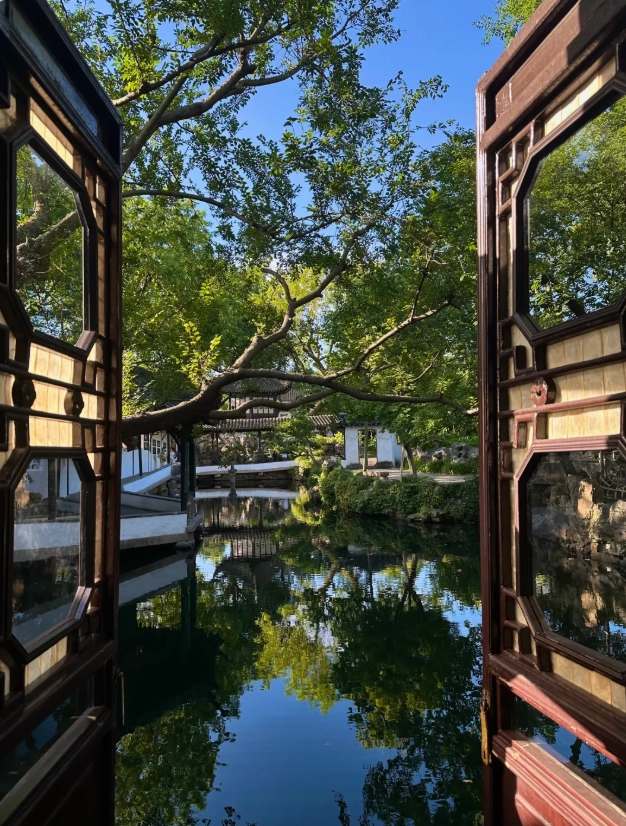
What Most Travel Guides Won't Tell You About Suzhou
Payments: Alipay Is King (But There's a Workaround)
Every guide says “bring cash.” But in reality, even noodle shops now expect you to scan a QR code. As a tourist, you can set up Alipay with your international credit card—yes, you can. Add it to your phone before you come. Once in China, you can use Alipay to pay for everything: taxis, museums, even street food. WeChat Pay is also accepted but Alipay's international version is friendlier for foreigners. If you absolutely can't get it to work, carry at least 500 RMB in cash. Some local vendors will gladly take it, but they'll mutter under their breath.
Booking Tickets: The Passport Nightmare
Starting from a few years ago, major attractions in Suzhou require real-name registration—that means your passport number when booking. The official WeChat mini-programs are often only in Chinese, and the interface can be brutal. My go-to workaround: use Trip.com or Klook. They'll handle the passport entry and give you a QR code to scan at the gate. Do this at least one day in advance for the Humble Administrator's Garden; it sold out on weekends.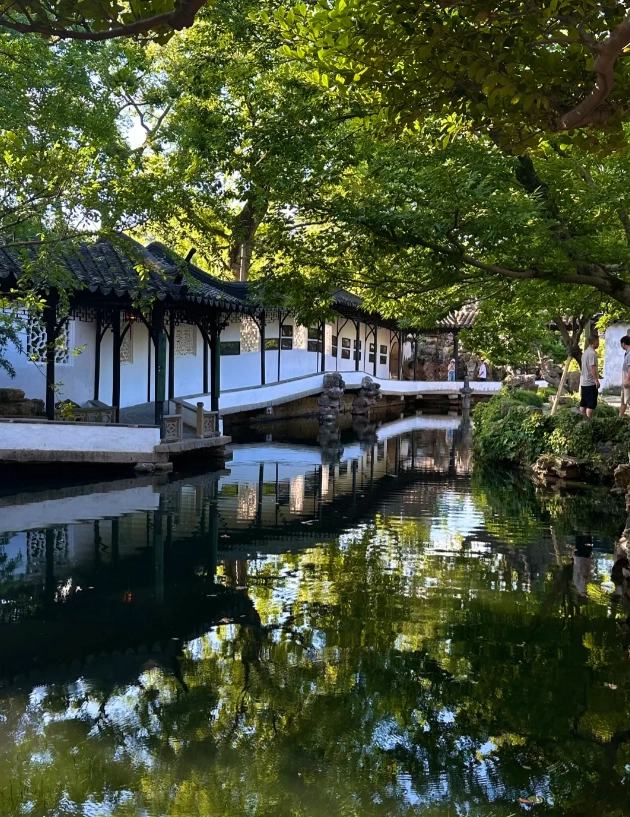
Google Maps Is Useless Here — Do This Instead
Don't rely on Google Maps inside China; it's banned and outdated. Apple Maps works surprisingly well because it uses Gaode (AMap) data. Download “AMap” (official name: Amap Global) before you arrive. It has English options and will give you accurate bus and subway routes. For walking directions, I still find that asking your hotel or using paper maps is fun—but for efficiency, AMap is the way.
Don't Forget the VPN and Translation Apps
Yes, you'll need a VPN if you want to use Instagram, Facebook, or most Google services. Set it up before you land. Also, download an offline translation pack in Apple Translate or Baidu Translate. You'll thank me when you need to explain a food allergy or ask where the toilet is. Suzhou is a tier-1 city in terms of travel infrastructure, but English is still not widely spoken outside hotels.
Quick Cost Breakdown for a Suzhou Trip
| Item | Price (per person) | Notes |
|---|---|---|
| Humble Administrator's Garden | 80 RMB | Peak season (Apr-Jun, Sep-Nov); 70 RMB in low season? |
| Suzhou Museum | Free | Reservation required |
| Master of Nets Garden | 40 RMB | Night tour 100 RMB |
| Canal boat (Pingjiang) | 100 RMB | Negotiable if you share |
| Metro ride | 2-6 RMB | Cheap, use Alipay scan |
| Dinner at Songhelou | 80-120 RMB | Mid-range |
| Street snack | 10-20 RMB | Soup dumplings, stinky tofu |
I say budget about 250 RMB per day (roughly $35) for sightseeing, food, and local transport. That's without a hotel. A budget hotel runs 200-400 RMB, mid-range 500-800 RMB, luxury 1000+ RMB. It's a bargain compared to Shanghai.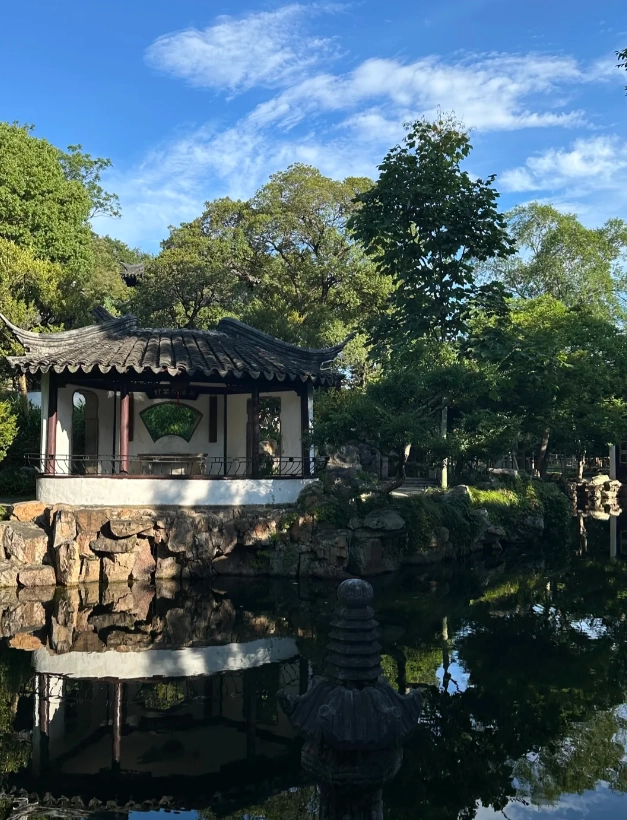
FAQ: Your Suzhou Trip Questions, Answered
My Final Two Cents: Slow Down, Suzhou Is a Sip, Not a Shot
I've been leading tours in Suzhou for years, and the biggest mistake I see is tourists rushing. They wake up, cram, and post Instagram stories from a rickshaw. Suzhou is your chance to experience a China that's been a watery sweet spot for centuries. So yeah, how many days to spend in Suzhou? If you can, give it three. Your mind will slow down, your taste buds will wake up, and you'll leave with a calm heart—not just a camera roll.





No comments yet.