 Ting Chen
What's Inside This Guide?
The first thing you'll smell in Chongqing is hotpot. I mean that literally. Every other storefront seems to be boiling broth. And your brain immediately goes: yes. But is Chongqing worth visiting for a first-time traveler to China? My answer after 10 years of guiding here is a solid yes—with conditions.
The city is unlike anywhere else in China. It's a mega-city built on mountains, with subways that run through apartment buildings and a skyline that looks like a sci-fi set. But it also comes with steep hills, brutal summer heat, and a payment system that confuses many tourists. In this guide, I'll walk you through everything you need to know, including 13 insider tips that I've learned from dozens of tours. Let's dig in.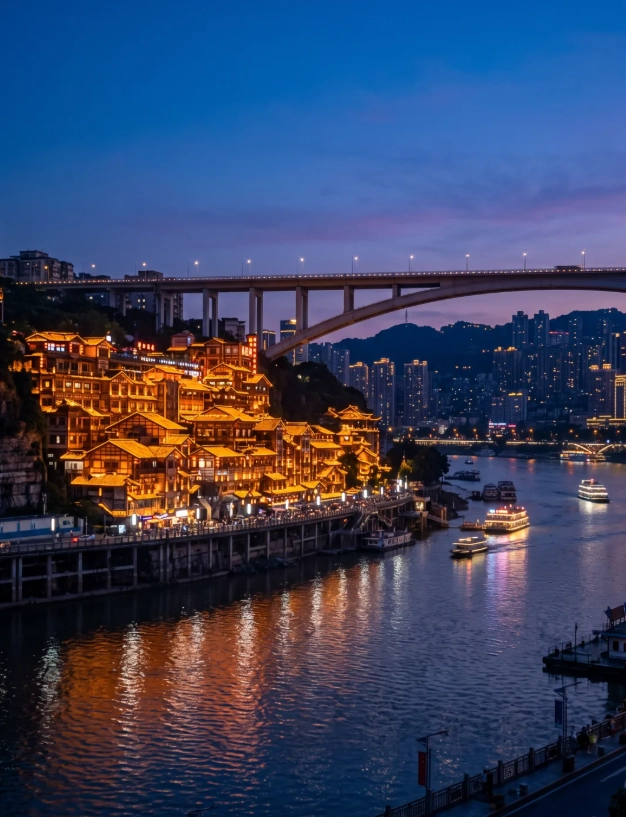
Is Chongqing Worth Visiting? My Honest Verdict
Here's the short answer: Yes, Chongqing is absolutely worth visiting, but not for everyone. If you're expecting a comfortable, flat city with smooth logistics, you'll be exhausted. If you're open to an adventure among giant neon riverside buildings, mysterious old towns, and unforgettable food, you'll leave with a permanent impression.
Over the years, I've brought travelers who swore mid-trip that they'd never walk again, only to beg for one more day at the end. The contrast is what makes it special—ultra-modern and rough-around-the-edges all at once.
Why Chongqing Is Worth It: 6 Big Wins
Let me give you the reasons that make my clients nod their heads within the first 24 hours.
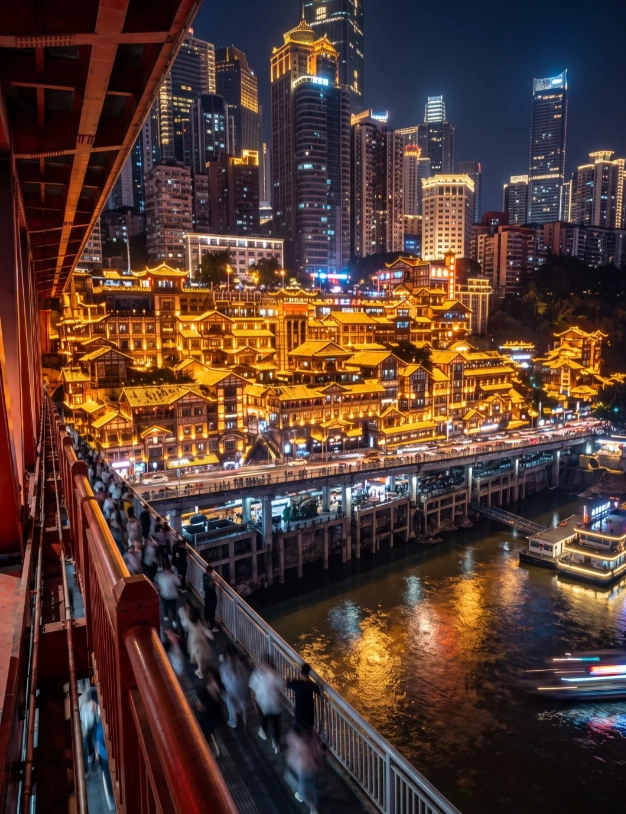
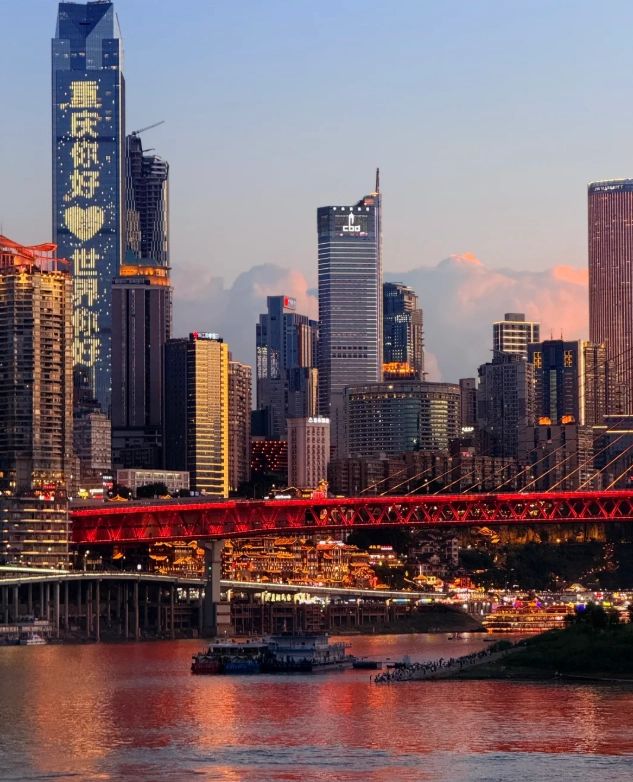
- 1. The Skyline Is Unreal. You haven't seen a night view until you've watched the lights of Hongya Cave and the deep orange glow reflecting off the Yangtze River. It's the stuff of cyberpunk dreams.
- 2. The Food Is Superb. Chongqing is the birthplace of hotpot, but don't forget the noodles, skewers, and sweet bingfen. Your taste buds will get a workout.
- 3. The Terrain Is Fascinating. You'll walk out of a 1st-floor apartment building and find yourself on the 10th floor of the street below. The city plays with altitude like a toy.
- 4. The Cost Is Low. A bowl of noodles costs around 10 yuan, and hotel rooms are a fraction of Shanghai prices. You can eat amazingly well for under 60 yuan a day.
- 5. The People Are Genuine. Chongqing locals are famously straightforward and friendly. If you ask a stranger for directions, they'll often walk you to the station if they're not busy.
- 6. The Yangtze & Jialing Rivers. Big rivers split the city in ways you feel at every turn. Take a small sightseeing cruise to understand how geography shaped this place.
When Chongqing Might Not Be Worth It
Now the honest talk. If these things sound like deal-breakers, maybe pick a different city.
- Heat & Humidity: June through August can feel like walking through hot soup. If you hate sweating just crossing the street, avoid summer.
- Tears and Stairs: Chongqing is steep. You'll climb stairs through some neighborhoods even if you want to take a street-level shortcut. It's tough on knees.
- Holiday Crowds: For Chinese National Day or Labour Day, forget enjoying the main sights. It's just bodies and selfie sticks.
- Language Barrier: English is scarce, especially outside Jiefangbei. Signage is mostly in Chinese. You'll rely on translation apps and patience.
- Digital Chaos: Booking everything through WeChat might make you want to cry. But hey, that's where my tips will help.
Chongqing Worth Visiting: Essential Prep for Payments, Maps, and Booking
This is where most trips go wrong. You can't just show up with a Visa card and expect everything to work. Let me break it down.
Payments: Alipay or WeChat Pay Are Non-Negotiable
Almost every store, taxi, and food stall uses QR codes. Cash is rarely used, and if you do use cash, you'll often leave without change (they'll give you large coins—annoying). Set up Alipay and WeChat Pay with your international credit card before you fly. Do this now. Test it with a small payment once you land.
Pro Tip: If you're stuck and the cashier is staring at you, just hand them your passport and Google Translate. They'll understand. But really, set up the apps.
Maps and Navigation
Google Maps is a mess in China. Locations are sometimes off by 300 meters, and it'll tell you to walk through a mountain. Instead, use Apple Maps (yes, it's actually better here) or the international version of Amap (高德地图), sometimes called AMap Global. Both let you switch to English and show transit and walking routes that respect Chongqing's verticality.
Tip: When taking a taxi, have your destination written in Chinese. Show the driver your phone screen.
Booking Attractions with Your Passport
Major paid sights—like the Yangtze River Cableway or Hongya Cave (yes, even free places)—require a reservation with a real-name passport number. The easiest route is to book on Trip.com or Klook, which have English interfaces and chat support. If you prefer to DIY, prepare your WeChat to scan QR codes to enter.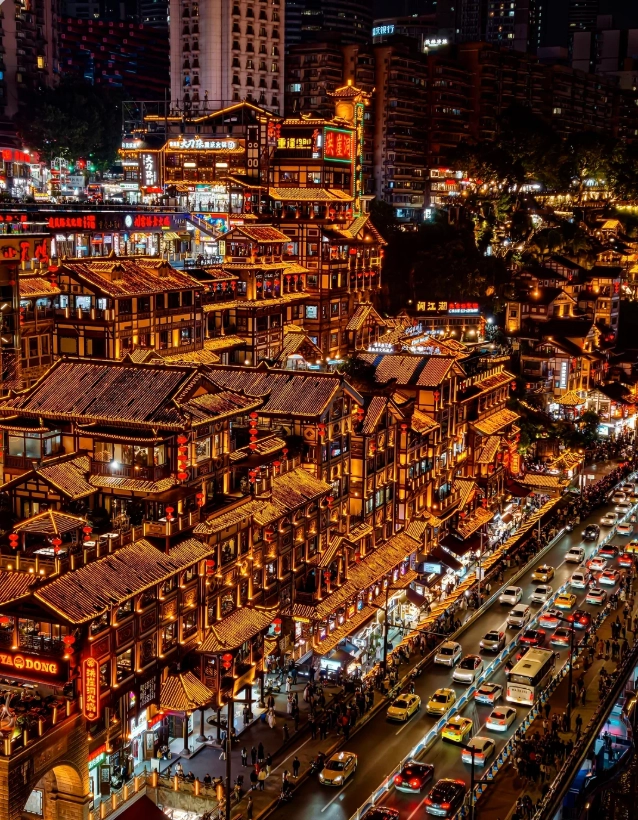
VPN & Translation Essentials
You'll need a reliable VPN before you arrive. Without it, you won't access Google, WhatsApp, or Instagram. For translation, download the offline packs for Apple Translate or Baidu Translate — they work without needing a data signal.
Top Attractions Worth Your Time in Chongqing
You don't need a long list—just the ones that matter. Here are my tried and true favorites with all the details you need to plan around them.
| Attraction | Address | Ticket & Booking | Best Time | Time Needed |
|---|---|---|---|---|
| Hongya Cave | 88 Binjiang Rd, Yuzhong District | Free but must reserve; bring passport | Evening after 7pm for lights | 2-3 hrs |
| Yangtze River Cableway | Xinhua Rd, Yuzhong (near Xiaoshizi) | 30 RMB round trip; book online | Weekday late afternoon | 1 hr |
| Ciqikou Ancient Town | Ciqikou, Shapingba District | Free entry, no booking | Early morning before 10am | 1.5-2 hrs |
| Liziba Light Rail Station | Liziba Station, Line 2 | Free to watch | Early or late for less crowds | 30 mins |
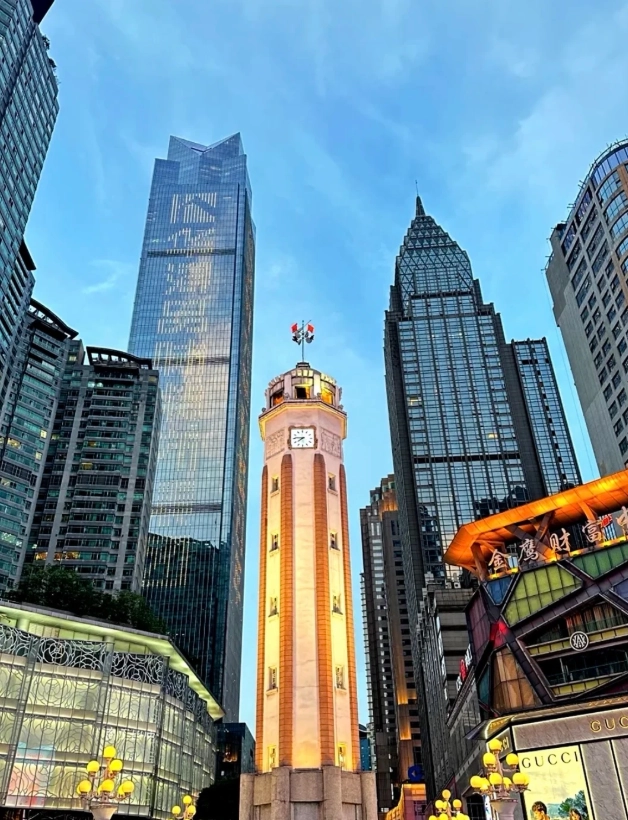
| Jiefangbei Pedestrian Street | Yuzhong District | Free, 24/7 | Evening for shopping lights | 1 hr |
Insider Advice: The absolute best photo of Hongya Cave isn't from the cave itself—it's from the riverside walking path on Nanbin Road, across the river. But don't try to go back and forth in a rush. Pick one side and enjoy it fully.
Is Chongqing Worth Visiting for Food? You Bet
Look, if you're a foodie, Chongqing is worth visiting on that note alone. This is the city that gave the world spicy hotpot, and it doesn't stop there.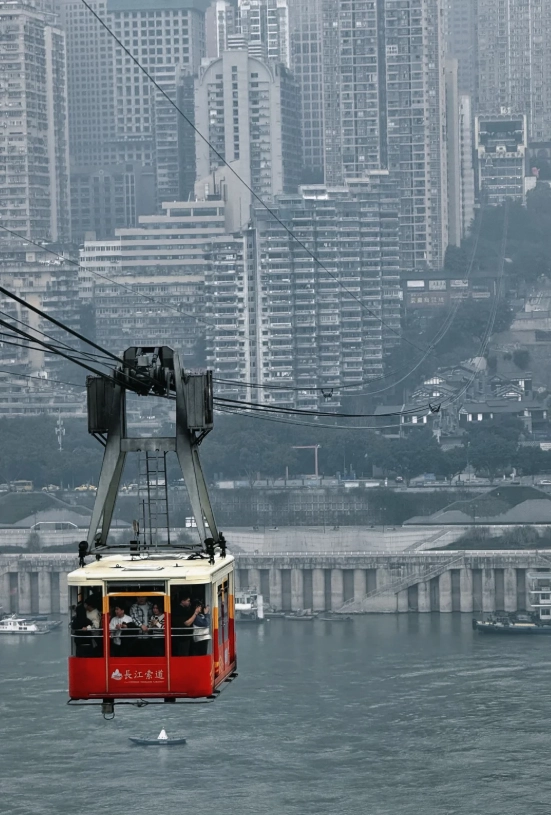
My every-time picks:
- Hotpot: Avoid the big chains on Jiefangbei. Ask your hotel to recommend a local guo near their area. The broth is numbingly spicy, not just hot. If you can't handle it, request a yuanyang (half clear) pot. But be warned—locals might look at you funny.
- Xiaomian (Little Noodles): A breakfast staple. Tossed with chili oil, Sichuan pepper, and a crispy bean. Look for a shop with a queue of office workers. You'll pay 10-15 yuan.
- Bingfen: A dessert of shaved ice solidified with plant extract, topped with brown sugar and raisins. It's a sweet relief after spicy food.
- Chuanchuan: Skewers cooked in a bubbling pot. Refreshingly casual—you pay by the stick.
My ritual: end every meal with a bowl of 冰粉. It's like the city's unofficial digestif.
24-Hour Chongqing Itinerary: How to Make It Worth It
Suppose you're arriving for a day trip (or have a long layover). Here's a realistic plan that balances the must-sees without making you cry.
Morning: Start with Ciqikou
- 8:30 AM: Take Metro Line 1 to Ciqikou Station. After leaving Exit 1, walk 10 minutes to the ancient town entrance. The streets are quiet before 9:30am, so you can actually enjoy the old architecture.
- 10:00 AM: Hop back on the metro and head south to Xiaoshizi (Line 1 or 6). From there, walk to Jiefangbei and see the monument—the surrounding mall is open, but the vibe fills up later.
- 11:30 AM: Lunch at a local noodle shop near Jiefangbei. I love the 10-yuan xiaomian at the side street stalls. Follow your nose.
Afternoon: Cableway & the Light-Rail Show
- 1:00 PM: Walk to the Yangtze River Cableway station (about 10 minutes from Jiefangbei). Buy the round-trip ticket to avoid line on the other side. The ride takes 4 minutes each way—the view over the river is epic.
- 2:30 PM: Take Metro Line 2 to Liziba. Go to the viewing platform near Exit 2 and wait for a train to pass through the building. Trains come every few minutes; the show runs all day.
- 3:30 PM: If you have energy, walk down the hillside to the riverside park. Or, if it's too hot, duck into the Three Gorges Museum (free, at People’s Square) for some air-con and history.
Evening: Hongya Cave & the Night Cruise
- 5:30 PM: Return to the Hongya Cave area. Since you've already booked your slot, enter near the gate the police point to. Wander the shops and alleys as the light fades.
- 7:30 PM: Cross the Qiansimen Bridge on foot to the other side for the classic cityscape view. It's a 15-minute walk but worth it.
- 8:30 PM: If you still have steam, grab a river cruise from the Chaotianmen dock. Prices vary, but you can often book with a hotel concierge. Or simply sit in the riverside park on Nanbin Road with a beer.
Plan B for rain or heat: Swap Ciqikou for the museum or the underground 1929 Art Gallery in a bunker. And always check the weather app—you don't want to be caught on the bridge during a downpour.
13 Insider Tips to Make Chongqing Worth Your Time
I've scattered these throughout the article, but here’s the complete list to save as a screenshot.
- Install Alipay and WeChat Pay before you fly. Link your credit card and test it with a small purchase after arrival.
- Back up your passport data. You'll need it to scan at metro stations and when entering sightseeing areas—keep a photo and the physical passport.
- Download offline maps and translation packs in Chinese. This saves you if your SIM goes dead in the hills.
- Don't use Google Maps. Use Apple Maps or Amap. For taxis, show the Chinese address to the driver.
- Bring a VPN that you've tested. Without it, you can't order a car or translate if your app demands foreign internet.
- Always carry small bills (10-20 yuan). Some small shops won't break a 100.
- Reserve Hongya Cave in advance. It's free but has a daily capacity. If you can't use WeChat, book via Trip.com or ask your hotel to do it.
- The fastest way to book the cableway is walking to the station. It's often less crowded than the one on the other side at 4pm.
- See the light show from across the river at Nanbin Road. The view is just as good (if not better) and you won't be trapped in the crowd.
- Ask for “bu la” if you can't eat spicy. Even then, the broth might be tangy. Keep some yogurt for the fire.
- Wear proper walking shoes. The paths are slippery in rain—I've seen many a fall.
- Use the rooftop of the Raffles City complex for free city views. Yes, it's a mall, but the observation deck is open to all, no ticket needed.
- Check the weather forecast for the day before your trip. The humidity can be brutal, and an umbrella is essential even if it says “cloudy.”
FAQ: Is Chongqing Worth Visiting? Your Questions Answered
It's challenging. The city is full of stairs and steep slopes. However, you can still visit many sights by taxi and find elevator access. The Yangtze River Cableway is accessible, and Hongya Cave has some escalators, though many streets require climbing. If you use a wheelchair, you'd have trouble in Ciqikou and Liziba. I'd still suggest a guided day tour to avoid getting lost.
If you can handle heat, yes. July and August are scorching with high humidity, so plan activities for early morning and late evening. Indoor attractions like the Three Gorges Museum or the underground art gallery are welcome respites. Stay hydrated and use rideshare instead of walking long distances.
Technically yes, but you'll be frustrated. Big malls and chain stores accept cash, but small food stalls and some taxis won't have change. Even if they do, you'll end up with a pocket full of coins. Set up Alipay—you'll enjoy the trip a hundred times more.
Two to three days is ideal. One day gets you the highlights, two days lets you relax and sample more food, and three allows for a side trip like the Dazu Rock Carvings or a river cruise. More than three might be overkill unless you love stairs.
Verified and fact-checked by the editorial team. Prices and opening hours can change—always confirm on official channels or ask your hotel.






I’m not usually a comment-leaver, but this guide deserves a 5. It gave me a budget-friendly route through Ciqikou and the old town without any paid add-ons, and the tip about buying a metro card at the airport saved me so much time. One random moment — a noodle shop owner waved me over when he saw me using the article’s photo and gave me a bigger portion. That’s the kind of insider edge you can’t get from a search engine. Definitely worth visiting, just avoid weekends if you can.
This city is pure cyberpunk and yes, it is worth visiting at least once. The article’s tip about waiting until dark before going to Hongyadong is the single best piece of advice I read all year. Watching the layered roof lights stretch down the cliff while the river hummed below felt like a movie scene. I also loved the crossing at Longmenhao with fewer crowds. The 13 tips saved me from the tourist traps and led me straight to the real views. Would recommend to any photographer, no hesitation.
Coming from someone who lives for street food, Chongqing was a full sensory overload in the best way. Tip #6 led me to this tiny old hotpot place in Yuzhong where the chilli oil was bubbling so hard the table shook. My mouth went numb after three bites and I never wanted it to stop. The river breeze at night, the neon reflections, the smell of peppercorn everywhere... 100% worth it for food lovers. I’m already planning a return trip.
Good guide, solid 4 stars from me. The advice about using the rail transit around Liziba is spot on. Only reason I’m not going 5 is that the article barely mentions how brutally tiring the verticality is. There were some hotel staff who helped us with a taxi when the address showed up weird on the phone, which made the trip easier. If you’ve got knee problems, just know there will be a lot of stairs. Otherwise worth it.
I read the 13 tips before going and I want to fairly say that Chongqing didn’t click for me the way it does for everyone else. The city is huge, crazy steep, and honestly a bit claustrophobic after a few days. I followed the article’s advice and still found the Hongyadong area mostly gift shops and neon lights over a construction site. The hotpot was good, but the queueing and humidity made it exhausting. Not a bad trip, but I left thinking it’s okay to skip unless you’ve got unlimited time.