 Jian Zhao
What's Inside
Let me be blunt: you don't need to spend a single yuan to experience Dunhuang's soul. I've led countless travelers past the ticket booth at Mingsha Mountain and watched their faces when they realize the best sunset view is free — just down the road.
Most visitors book a full-day tour that empties their wallets and exhausts them. But the real gems — the Dunhuang Museum, Leiyin Temple, the Danghe River promenade — cost nothing and offer more authentic moments than the crowded paid sites. So, what are the best free things to do in Dunhuang? Let me show you exactly how to do it right.
Here is the ultimate truth: if you only have one day, start at the museum before 10am, then walk to the temple, end the day at the river for sunset. That's the complete free itinerary. Now, let's dive into the details.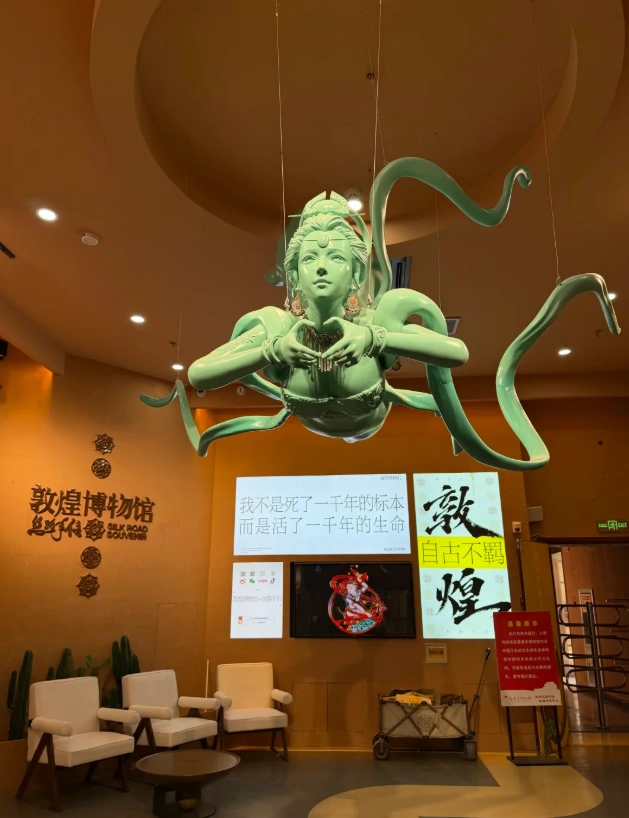
Why Are Free Attractions in Dunhuang Worth Your Time?
Because they give you the real local pulse — without the pressure of a ticking tour bus clock. I've been guiding in Dunhuang for years, and the best conversations I've had with travelers happened while we were strolling along the Danghe River or sipping a 2-yuan apricut tea in the night market, not inside a packed Mogao Cave replica. Free doesn't mean lesser. These spots are woven into the city's daily rhythm, and you can stay as long as you like, leave when you want, and return the next day if it grabs you.
Also, Dunhuang's paid attractions are spread out and expensive. A single ticket to Mingsha Mountain or Yadan Gopo costs enough to feed you for three days. If you're on a tight budget or simply hate overpriced tourist traps, the free circuit I'll outline below is the smartest way to feel the desert city's vibe without regret.
What Are the 5 Best Free Things to Do in Dunhuang?
1. Dunhuang Museum — Free History, No Crowds
The Dunhuang Museum is arguably the best free attraction in the city, offering a deep dive into Silk Road history. Nestled at 2 Ming Shan Road, this underrated museum displays a collection that even rivals some paid exhibitions. You'll find rich murals, old Buddhist scriptures, and detailed models of the ancient trade routes. The exhibit panels are bilingual — English and Chinese — which is a breath of fresh air for foreign tourists.
Address: 2 Ming Shan Rd, near the city center. Opening hours are generally Tuesday to Sunday, 9:00 to 17:00, and closed on Mondays. But remember to bring your passport — you might need to register at the entrance, even though it's free. I always tell my clients to visit the museum first, because it sets the scene for everything else you'll see in Dunhuang. The artifacts explain why this city was a melting pot of cultures. You'll leave with a deeper appreciation of the desert crossroads.
Insider tip: The museum has a small gift shop and a café, but the coffee is weak and overpriced. Skip it. Also, the toilets near the entrance tend to have long queues during the mid-morning rush. I always ask visitors to come early — right before 9am — so they can grab a quiet spot by the Han Dynasty exhibit.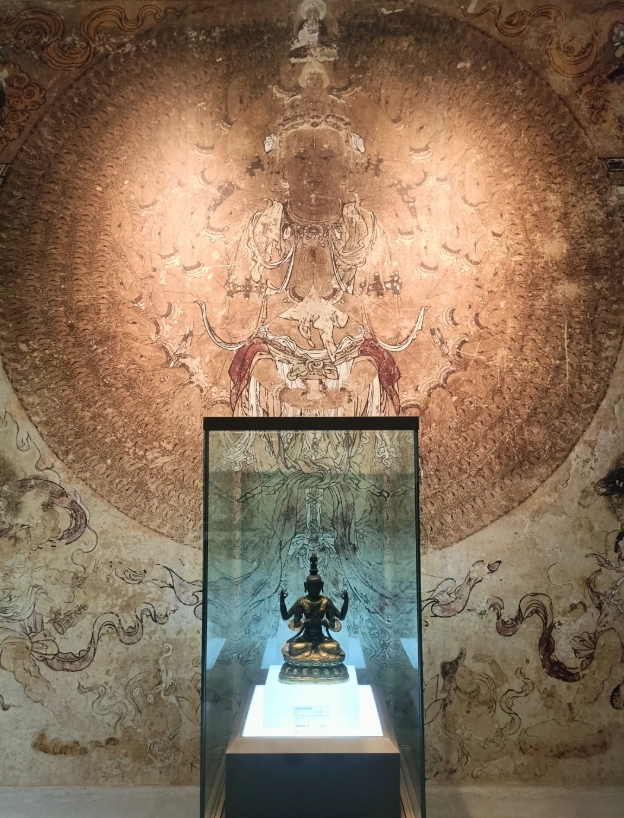
2. Leiyin Temple — A Quiet Escape with Zero Entrance Fee
Leiyin Temple, tucked away on the southern edge of town, is a serene Buddhist site that won't cost you a penny. It's locally known for its striking golden Buddha statue and peaceful courtyards. The temple is still active, so you'll see monks doing their daily routines — which feels far more authentic than any reconstructed set you'll pay for elsewhere.
Address: Located near the roundabout at the southern end of Gobi Road. It's a short taxi ride of about 10 yuan from the city center. I suggest coming in the late afternoon, when the light hits the temple roof and creates a calm orange glow. The temple closes around dusk, but you'll have plenty of time to wander the halls. Dress modestly — cover shoulders and knees. It's a place of worship, not just a tourist stop.
Pro Tip: If you're lucky, you may see a chanting ceremony around 5pm. That alone is worth the trip.
3. Danghe River Promenade — Best Free Sunset in Town
The Danghe River promenade is the perfect free spot to catch a legendary desert sunset. This beautifully landscaped riverbank winds right through the city. Locals call it 'Danghe Fengqing Huan' — a wide, welcoming path with benches, fruit trees, and small bridges. On clear days, the sky turns from gold to pink to purple — a free spectacle that beats any paid viewpoint.
I usually take my groups here around 6pm, about 40 minutes before sunset. We grab a spot near the central bridge, watch the reflection of the sky in the water, and snap photos that look like professional postcards. If you're into photography, bring a wide-angle lens and come a bit earlier.
Note: The promenade is quite long. You can walk for hours if you want, but the sweet spot is between the West Bridge and the central statue. Also, during summer, be ready for locusts buzzing around — they're harmless but might startle the faint-hearted.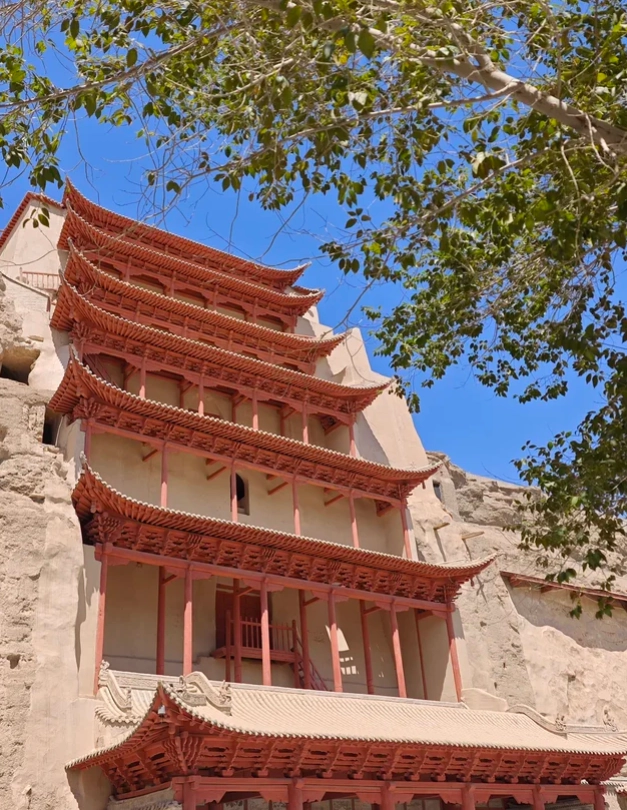
4. Shazhou Night Market — Browse for Free, Eat for a Few Yuan
Shazhou Night Market is the social heart of Dunhuang, and just strolling through it costs absolutely nothing. Once the sun drops, the streets fill with stalls selling handmade crafts, desert souvenirs, and the most mouth-watering street food you'll find in western China. The atmosphere is electric — local families, backpackers, and the occasional tour group mix together under colorful lanterns.
You won't have to spend to enjoy the vibe. But if you're hungry, try the skewers — lamb with cumin and chili, about 3-5 yuan each — or the famous apricot juice (5 yuan a glass). I always tell my clients to carry small notes, though, because not every stall has card or phone payment. Yes, Alipay and WeChat Pay are everywhere, but there's always one stubborn old vendor who only takes cash.
Go around 8pm, when the crowd is at its peak and the lanterns are fully lit. The market stays busy until midnight, so you can take your time.
5. Old Town Lanes — Free Street Art and Local Life
The old town lanes around the Drum Tower (Gulou) offer a free slice of Dunhuang daily life, complete with murals and traditional architecture. After visiting the busy sites, I like to guide people into these narrow alleys behind the main shopping street. Here, you'll see old houses with wooden doors, locals playing chess, and the occasional camel walking past — yes, they actually lead camels through the streets sometimes! The walls are decorated with colorful paintings depicting Silk Road scenes. It's a living gallery, no ticket required.
Start at the Drum Tower (the old white tower in the city center), then wander east toward the river. The lanes aren't impossible to navigate — just stay close to the main roads and delight in getting lost. But keep an eye on your phone map because the alleys can be confusing after dark. The vivid murals are best photographed in the morning light, so consider swinging by before the museum opens.
In summary, these five free experiences, combined, give you the essence of Dunhuang — its history, its spirituality, its natural beauty, its food, and its people. That's more than many paid tours deliver.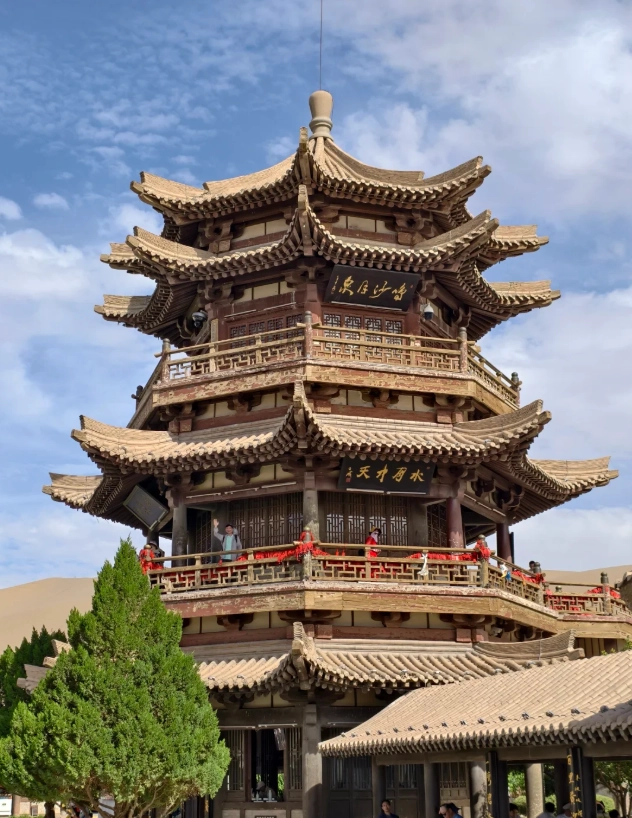
| Attraction | Location Hint | General Opening Hours | Best Time to Visit | Suggested Duration |
|---|---|---|---|---|
| Dunhuang Museum | 2 Ming Shan Rd | Tue-Sun, 9am-5pm (closed Mon) | Morning, before 10am | 1.5 hours |
| Leiyin Temple | South edge of Gobi Rd | Daylight hours | Late afternoon, 4-6pm | 45 minutes |
| Danghe River Promenade | Along Danghe River | Always open | Sunset, about 6pm | 1-2 hours |
| Shazhou Night Market | City center, near the square | Evening until late | After 8pm | 1-3 hours |
| Old Town Lanes | Around Drum Tower | Always open | Morning or late afternoon | 1-2 hours |
How to Reach These Free Spots Without Getting Lost
The easiest way to move around Dunhuang freebies is on foot or by taxi — but forget Google Maps. I cannot stress this enough: Google Maps is a ghost in China. Instead, download Apple Maps if you have an iPhone, or use AMap (same as Gaode Maps). Both work well in English. Better yet, ask your hotel desk to write the Chinese names for the spots, then show them to the taxi driver.
Distances are small. From the museum to Leiyin Temple, it's about a 15-minute walk. From the temple to the night market, a 10-minute ride costing around 8 yuan. The Danghe promenade winds right through the city center, so you'll likely cross it multiple times. And the Drum Tower lanes are smack in the middle of everything.
If you want to follow the exact route I recommend, do this: Start at the Dunhuang Museum in the morning. When you exit, turn left and walk 500 meters to the intersection. From there, you can see the Drum Tower in the distance — head toward it. That's your gateway to the old town lanes. For Leiyin Temple, take a taxi from the Drum Tower — it'll take 5 minutes and cost around 8-10 yuan. As you're heading there, ask the driver to wait if you're not ready to walk back, because taxis are rare around the temple.
For the Danghe promenade, just follow the riverbank from anywhere downtown. The sunset spot I prefer is near the Stone Bridge, about 2 minutes from the Grand Emporium building. If you're using AMap, you can literally search 'Danghe Fengqing Huan' and it'll show the promenade.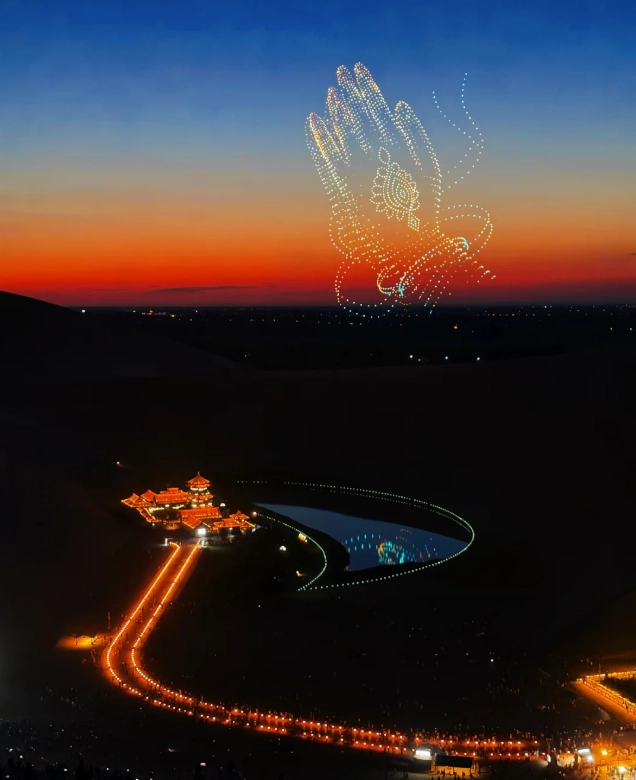
What Are the Insider Tips for a Zero-Cost Dunhuang Day?
Now let me save you some money and headaches with a few rules I've learned from guiding countless visitors.
First, always carry your passport. Even free attractions like the museum require entry registration with a passport. No passport, no entry — no exceptions.
Second, don't rely on cash. I know I said some stalls in the night market only accept cash, but for everything else, Alipay and WeChat Pay are king. Set up your Alipay with an international credit card before you arrive. You can even link it to your passport in a few minutes at the airport. If you don't have data, remember: you need a VPN to use Google services, but Alipay works fine on the local network.
Third, the crowd the museum. Between 10am and 12pm, tour groups swarm the place. Go as soon as it opens, and you'll have the halls nearly to yourself. The same applies to the night market — avoid the first hour, because vendors are still setting up and a few haven't even turned on their lanterns.
Fourth, be mentally prepared for repetitive store owners. At the night market, if you show interest in a souvenir, the seller will follow you for a mile. Politely say 'No, thanks' and walk on. They're not pushy the way you might imagine, but they are persistent.
Fifth, and this is something I tell every single visitor: don't book a hotel near the night market if you're a light sleeper. The music and crowds continue past midnight. But that's a topic for another guide.
Pro Tip: Download a translation app like Apple Translate or Baidu Translate. You'll need it to read menus, ask for directions, and chat with locals who don't speak English. In the museum, the labels are bilingual, but in the old town lanes, you'll encounter pure Chinese signage.
One more thing — and this might sound weird, but be careful with the sun. Even in winter, the UV at high altitude is brutal. I've seen travelers with sunburned noses after just an hour by the river. So slather on SPF 50+ and wear a hat. You'll thank me later.
And if you're tempted to tip? People don't expect tips in China. Just a smile and a 'xie xie' (thank you) works wonders.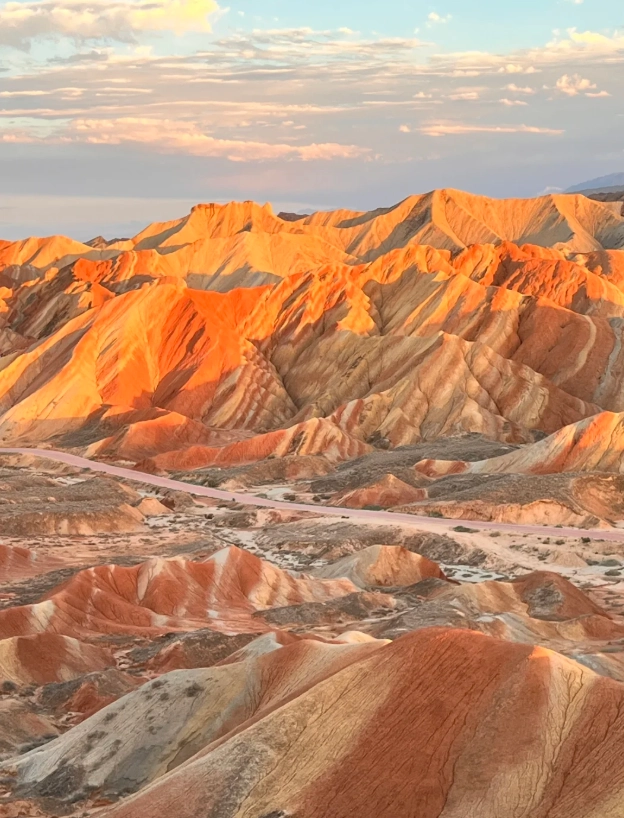
FAQs About Free Things to Do in Dunhuang
Are these free attractions really free for international visitors?
Yes, they are. Dunhuang Museum and Leiyin Temple require no entrance fee for anyone, including foreigners. Shazhou Night Market is a public market, so you can wander freely. The Danghe promenade and old town lanes are public urban areas. The only thing you'll spend money on is food, drinks, or souvenirs if you choose.
Do I need to book the Dunhuang Museum in advance?
In most cases, no. You can just show your passport at the entrance. However, during major holidays like Chinese New Year or National Day, the museum may limit daily visitors. To be safe, ask your hotel to call the museum if you're traveling on these dates. In my three years of guiding, my clients have never been turned away for not having a reservation.
Can I use my credit card at the night market?
Probably not. Most night market stalls accept only Alipay, WeChat Pay, or cash. International credit cards rarely work. So bring some small-denomination RMB notes — 50 yuan is more than enough for an evening of snacking. Also, some street vendors might not have change for large bills, so keep 1, 5, and 10 yuan notes handy.
Is it safe to walk around the free sites alone?
Dunhuang is extremely safe. I've walked the Danghe promenade at 10pm and only met joggers and couples. The old town lanes are quiet but well-lit. The night market has a lively, family-friendly atmosphere. The only caution is to keep an eye on your phone in crowded markets, as with anywhere. Petty theft is rare but not impossible. I've never had a client complain of an incident.
How much time do I need for the free attractions?
You can see all five comfortably in a single day, if you start early. I allocate 1.5 hours to the museum, 45 minutes to the temple, 1 hour to the promenade, 1.5 hours to the old town lanes, and then as much time as you like at the night market. That's roughly 6 hours of solid exploring with rest breaks. If you prefer a slower pace, split it into two days and add a trip to the paid Mo Gao Caves — which I highly recommend if you have budget.
So there you have it — a completely free day in Dunhuang that feels rich, authentic, and surprisingly full. Whether you're a budget backpacker or a splashy honeymooner, I promise these spots will give you the real pulse of this desert city. Now go out and enjoy the free things — your wallet (and your soul) will thank you.
Verified and fact-checked by the editorial team.
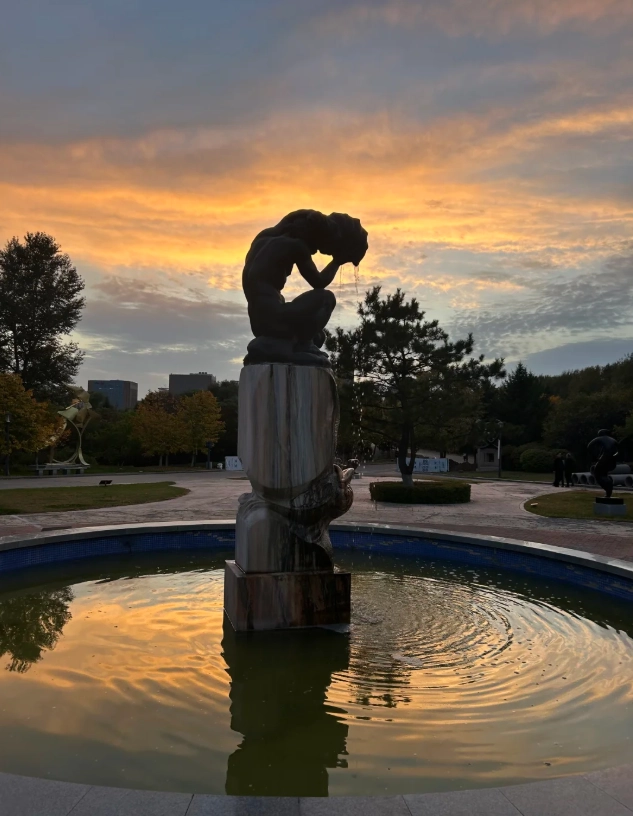





Found this article a day before my trip and it totally changed my plans. Instead of paying to ride a camel, I wandered the night market with zero pressure to buy — just lanterns, sizzling skewers, and that sweet smoke hanging in the air. It was magical in a simple way. Okay, I did end up buying a yogurt, but the walk itself was free. Great tips for slow travelers like me.
Absolutely brilliant article. I went for the low-cost stuff because I'm on a long budget trip, and the Dunhuang Museum alone was worth it — the silk fragments and painted pottery are stunning, and you only need to show your passport to get in. Then I strolled along the Danghe and got to see local life: old men playing cards, kids on bikes, a dog napping in the sun. That's the side of Dunhuang no paid tour can give you. Highly recommend.
This is the kind of guide I wish I'd found earlier. The river promenade in the evening was unforgettable: the sky went from orange to purple, families were laughing on the benches, and the Danghe shimmered under the last light. No ticket, no rush — just the sound of water and wind. I'd recommend this article to anyone who wants to see the real Dunhuang without spending a cent.
Solid list that saved me a bit of cash in Dunhuang. I followed the river walk tip and the museum suggestion, and both took up a good half-day. The only reason I'm not giving five stars is that the directions to the promenade were a little vague — I ended up on the wrong side of the river first. Once I crossed the bridge, it was lovely. Worth a read if you want to stretch your money.
This article was okay, but I felt a bit let down by the night market being presented as a no-cost gem. Browsing costs nothing, sure, but the stall owners are constantly trying to push samples and coax you into buying, so it's hard to just enjoy the lights. The museum was genuinely free, though the line was messy and labels were almost entirely in Chinese. Useful, but not exactly the calm, hidden-gem experience I expected.
This article has decent ideas, but we were a little let down. The Shazhou Night Market section sounded like a lovely low-pressure stroll, but in reality every vendor tried to grab our attention the second we paused — and the same dried dates were two or three times more expensive than the normal market. The river walk was okay, though the stretch near the bridge was crowded and not especially pretty. On the plus side, the museum recommendation is accurate, so it's not a complete waste. I guess I expected more honesty about prices and crowd timing. Three stars: useful basics, but too rosy.
Really helpful guide with solid free spots — we used most of it and had a nice time. The Danghe River promenade was clean and peaceful, and the Shazhou Night Market was fun to wander through. I'm giving 4 stars instead of 5 because the article didn't include basic practical details like opening hours: we arrived at the museum right before closing time, and the night market doesn't really get lively until after 8pm. If the title said '5 no-cost gems,' it should also say when to catch them. Still, great starting point for a cheap day in Dunhuang.
What I loved most about this article is that it made me slow down. Instead of rushing between ticketed sights, I followed the free itinerary and felt like I actually experienced Dunhuang, not just photographed it. The museum was cool and quiet inside — a nice break from the desert heat — and the night market advice about browsing without buying took away all the awkwardness. I ended my day on a bench by the river, just watching the sky change color. This article made me feel like I had found the real rhythm of the city. Highly recommend sharing it with anyone who thinks Dunhuang has to be expensive.
As a solo traveler on a tight budget, this list saved me. The Dunhuang Museum is completely free and honestly world class — I spent two hours in the Silk Road exhibits and learned more than I expected. The suggestion to walk along the eastern side of the Danghe River at dusk was perfect too: local families out with kites, the water glinting, and the sand ridge glowing in the last light. All at no cost. I bought water and nothing else that afternoon. Forget the paid tourist trail for a day — this guide gets it right.
This article was spot on. I had already booked the big paid attractions, but the free spots ended up being the best part of my trip. The walk along the Danghe River at sunset was gorgeous — the water was calm, the willows were full, and the dunes in the distance turned a soft peach color. I also followed the tip to just wander Shazhou Night Market without feeling pressured to buy, and that made all the difference. Smelled the lamb skewers, watched the stall owners roll out fresh apricot candies, and left without spending a yuan. Genuinely one of my favorite evenings in Dunhuang.