 Yan Zhou
Xiamen Quick Guide — Jump to:
Stepping off the plane in Xiamen, the humidity hits you like a warm slap. I've lost count of how many tourists I've seen glued to their phones, trying to make Google Maps work in a city where it's basically a guessing game. Here's the truth: you don't need a complicated plan. You need the right list.
Most guides will tell you to see everything. I'm here to tell you to see less, but better. The real must-see in Xiamen isn't just about ticking off attractions — it's about experiencing the island vibe without burning out.
After years of leading tours here, I've nailed down the sights that truly deserve your time. And I'll show you how to visit them without getting scammed, lost, or exhausted. Ready? Let's jump in.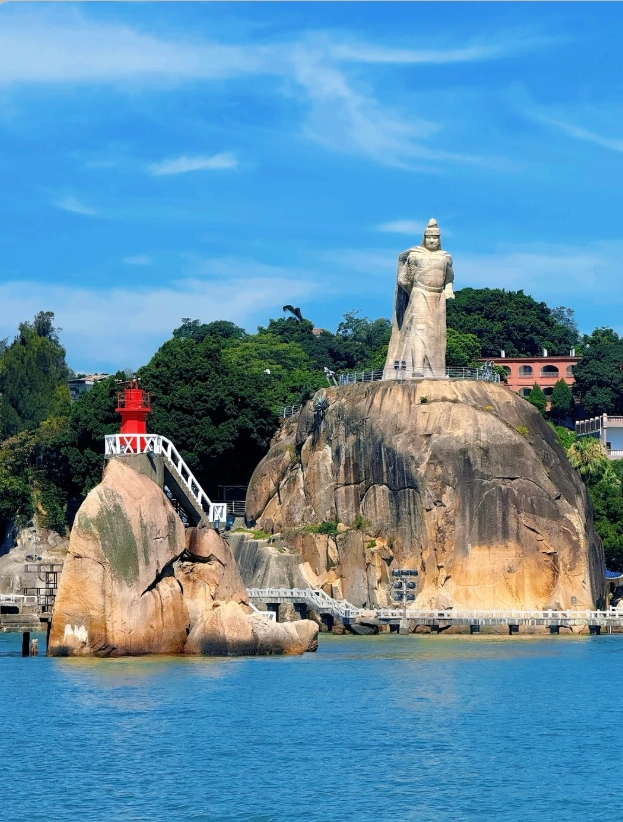
Why Trust My Xiamen Must-See List?
I'm a licensed tour guide who has spent over a decade living in Xiamen. I've personally visited every spot on this list dozens of times — with clients, with friends, and alone. I know which ticket booths are chaos, which paths are shaded, and which times make the best photos. This isn't a copy-paste from a travel blog; this is my daily playground.
The 10 Must-See Sights in Xiamen (Ranked by a Local Guide)
Here's my honest breakdown. I've ordered them by impact, not popularity. You could skip #10 if you're short on time, but never skip #1.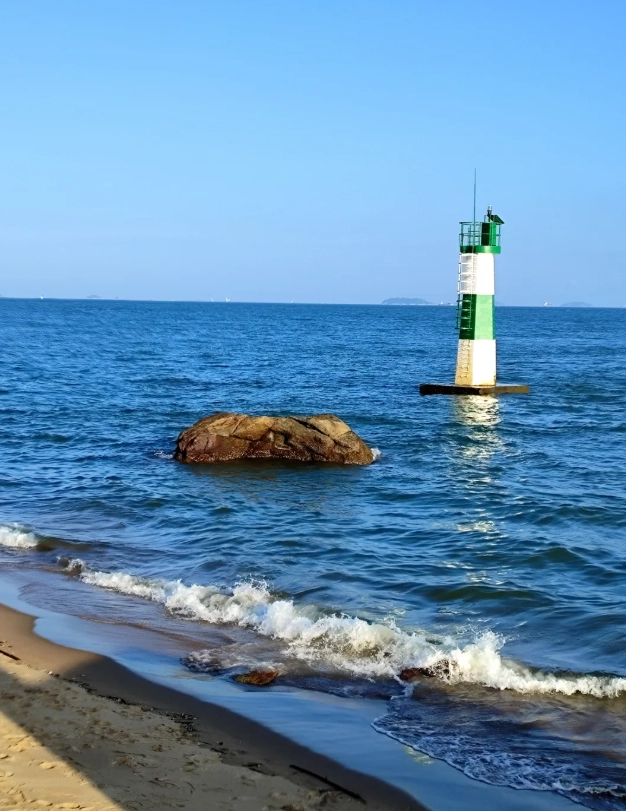
1. Gulangyu Island — The Crown Jewel
Gulangyu Island is the single most iconic must-see in Xiamen, and for good reason. This car-free island is a UNESCO World Heritage Site, packed with colonial architecture, tiny alleys, and the best sea views. The ferry is the only way to get there. You'll need to book your ferry ticket in advance using your passport — reserving on Trip.com or the official WeChat mini-program works.
- Address: Gulangyu Island, Siming District, Xiamen (厦门市思明区鼓浪屿)
- Ferry: From Xiamen's International Cruise Terminal (for tourists) or the local Dongdu Terminal. The tourist ferry costs around 35 RMB round-trip and takes about 20 minutes.
- Opening Hours: Ferry runs 7:00–18:30 (summer hours vary).
- Tickets: Some historic buildings on the island require a combined ticket (~90 RMB), but you can also wander the free areas.
- Tips: Avoid weekends — the island gets unbearably crowded. Go on a weekday morning before 10 AM. Bring cash, as some tiny snack stalls don't accept cards. The island is all walking, so wear comfortable shoes.
My experience: The best photo spot is at the Sunlight Rock viewpoint, but the queue can be terrible. Instead, climb the small hill behind the Shuzhuang Garden — you'll get nearly the same vista with zero line.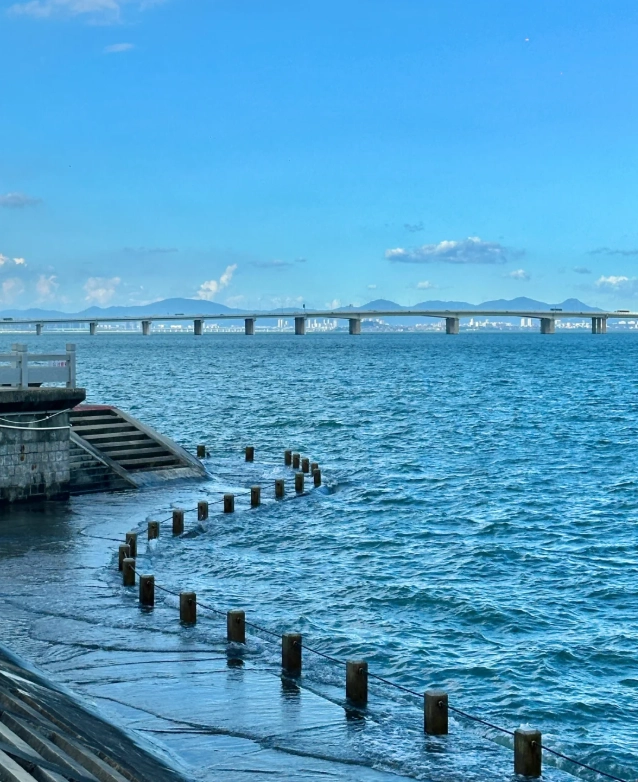
Pro Tip: Ferry tickets sell out fast on holidays. Book at least 2 days ahead via Klook or Trip.com, not through your hotel (they add a markup).
2. Nanputuo Temple — A Spiritual Oasis
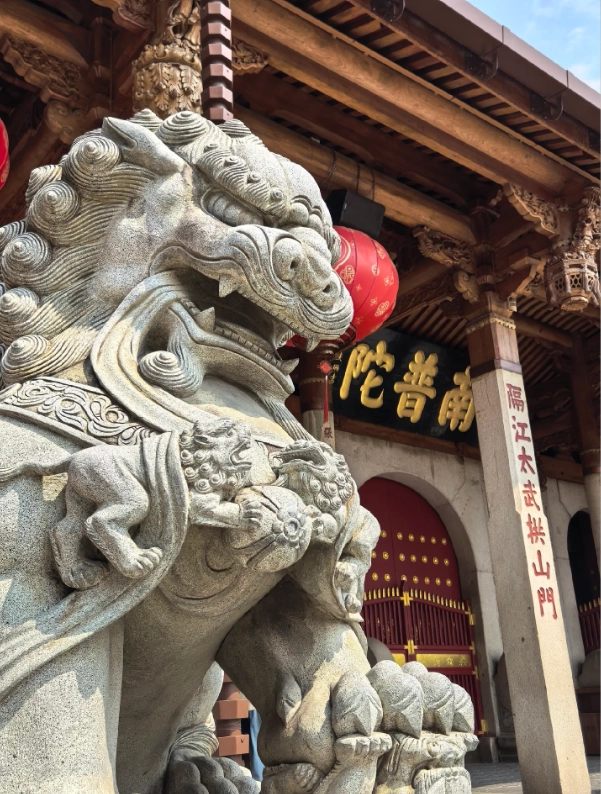
Nanputuo Temple is a serene Buddhist complex at the base of Wulaofeng Mountain, and it's completely free. It's one of the most active temples in southern China, with incense smoke curling up through ancient trees. You don't have to be Buddhist to appreciate the calm — but you do need to dress modestly.
- Address: No. 515, Siming South Road, Xiamen (厦门市思明区思明南路515号)
- Opening Hours: 8:00–17:00 (last entry 16:30)
- Admission: Free, but you must reserve a spot with your passport via the official WeChat mini-program or the on-site machine.
- Getting There: Take bus line 1 or 21 to the “Nanputuo Temple” stop, or take the metro Line 1 to Xiamen University station and walk 10 minutes.
- Duration: 1.5–2 hours
My experience: The best time to visit is early morning, around 7 AM, when the monks are chanting and crowds are absent. There's a vegetarian noodle shop on the left side of the temple — my clients always love it.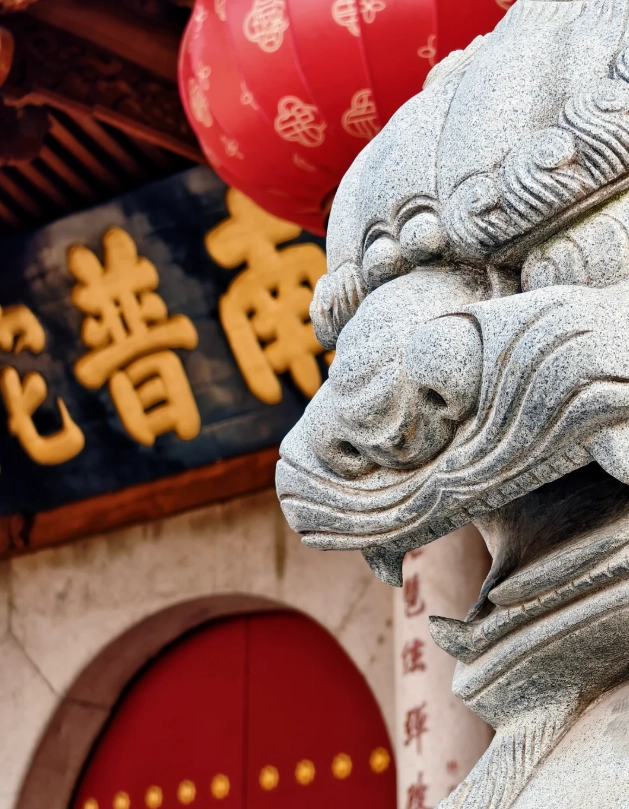
Pro Tip: After Nanputuo, walk up the stone path to the top of Wulaofeng for a panoramic view of Xiamen University and the sea — it's a hidden gem.
3. Xiamen University — The Most Beautiful Campus in China
Xiamen University's campus is a must-see for any visitor, boasting palm-tree-lined avenues and views of the South China Sea. It's nicknamed the “Most Beautiful University in China” and it's easy to see why. However, it's not open freely — you must book a campus visit with your passport at least 3 days ahead via the official “U厦大” WeChat mini-program, or you can go through an authorized tour agency on Trip.com.
- Address: No. 422, Siming South Road, Xiamen (厦门市思明区思明南路422号)
- Opening Hours: 8:00–18:00 (closed to visitors during final exam periods, usually in June and January)
- Admission: Free, but reservation is mandatory.
- Getting There: Metro Line 1 to Xiamen University station, exit 2.
- Duration: 1–2 hours to wander
My experience: The best entrance is the south one near the beach. Don't miss the tunnel walls covered in graffiti — it's a local favorite. If you can't get a reservation, walk along the campus perimeter — you'll still catch the architecture.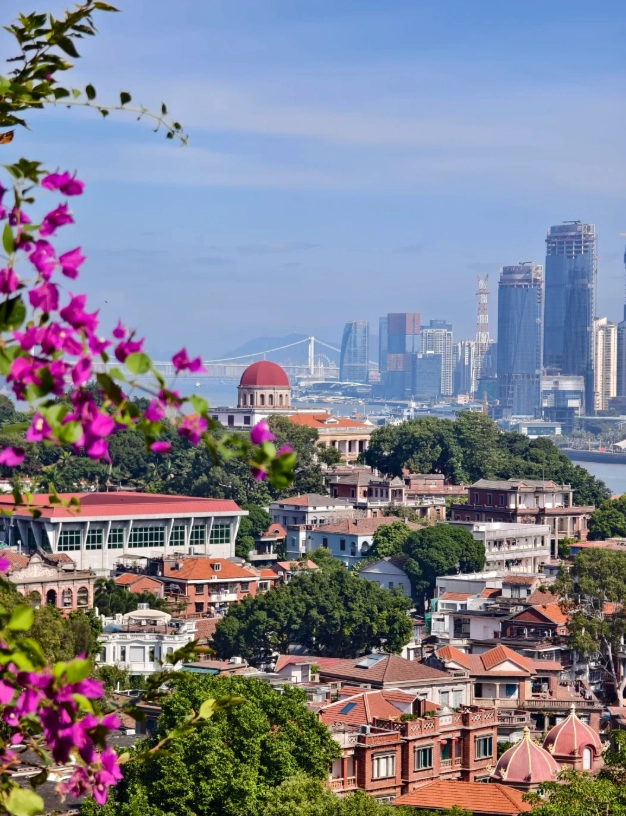
Pro Tip: Bring a passport. Security guards will check it, no exceptions.
4. Shapowei — The Artsy Harbor
Shapowei is the charming old fishing harbor turned hipster quarter, full of cafés, street art, and laowai-watching spots. It's my personal go-to for a relaxed afternoon, and it still feels off the radar for many tourists.
- Address: Shapowei, Siming District (厦门市思明区沙坡尾)
- Opening Hours: Shops and cafés open around 10 AM; bars until late
- Admission: Free
- Getting There: Bus line 86 to “Shapowei” stop or a 10-min walk from Xiamen University.
- Duration: 1–2 hours
My experience: The harbor has a peculiar smell — it's a working fish port, so prepare yourself. The best coffee is at “Cafe Sambal” on the corner, with a view of the colorful fishing boats. It's the perfect spot for people-watching.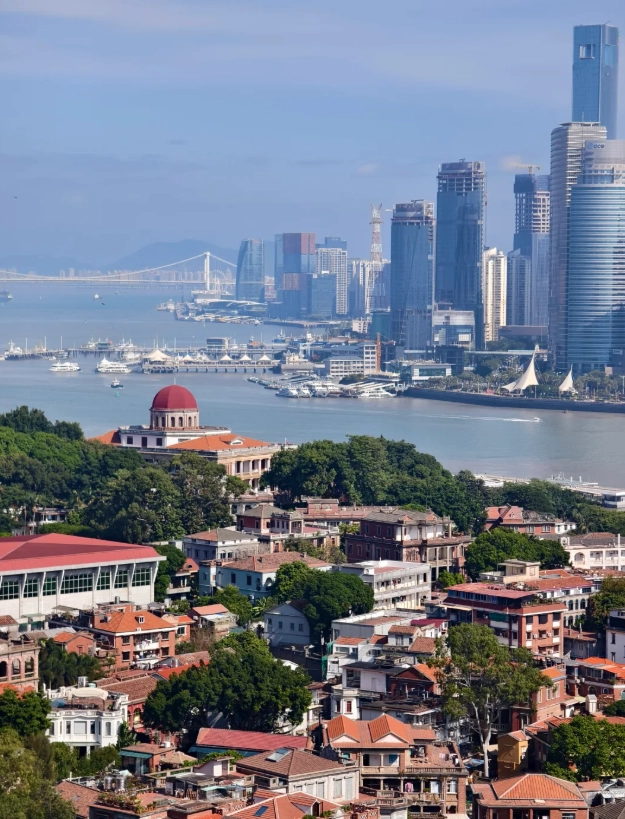
Insider Advice: Visit Shapowei at golden hour (5 PM) — the light on the old buildings is magical, and the food stalls start serving skewers.
5. Huandao Road — Cycling by the Sea
Huandao Road (Ring Road) is the coastal highway connecting Xiamen's best beaches, and it's absolutely stunning. Rent a bicycle or take a leisurely taxi ride along the shoreline. The road passes by Yanwu Bridge, which has a dedicated pedestrian path.
- Address: Starts at Gulangyu ferry pier, winding south to Huandao East Road
- Admission: Free
- Best Sections: From White City Beach to the Music Square. The road is 43 km, but you don't need to bike it all.
- Getting There: Take bus 29 along the road, or grab a shared bike (Mobike / HelloBike) — they're everywhere.
- Duration: 1–3 hours depending on how far you go
My experience: The cycle path near the Music Square has a small, hidden lookout tower. Climb up for a panoramic view of the coast — not many people know it exists.
Pro Tip: Do this in the late afternoon (2–5 PM) to avoid the midday heat. The sea breeze is refreshing, but the sun is brutal. Bring sunscreen.
6. Zhongshan Road Walking Street — Old Xiamen Charm
Zhongshan Road is the classic pedestrian shopping street, lined with preserved arcades and stalls selling everything from dried squid to vintage kitsch. It's more geared toward tourists, but it's still a must-see for its architecture and energy.
- Address: Zhongshan Road, Siming District (厦门市思明区中山路)
- Opening Hours: 24/7, but most shops open 9 AM–10 PM
- Admission: Free
- Getting There: Metro Line 1 to Zhongshan Park station, or bus 10/21.
- Duration: 1–2 hours
My experience: The food is mediocre and overpriced here. Instead, eat at the small noodle shop at the northern end of the street — the one with the yellow sign. Locals line up for it.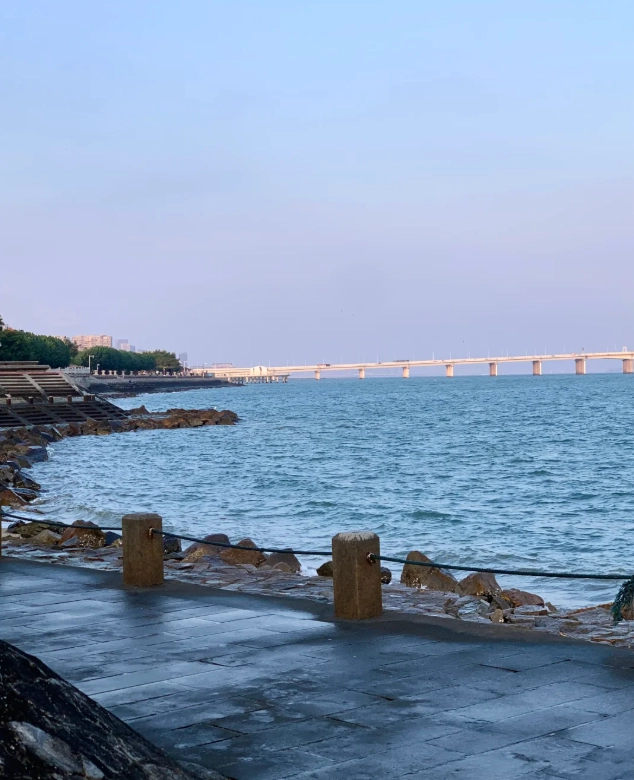
Pro Tip: Go at night — the street glows with neon, and the nearby side alleys have better snacks. Watch your pockets in the crowded sections.
7. Xiamen Botanical Garden — A Green Escape
The Xiamen Botanical Garden is a massive oasis with a jaw-dropping desert plant section and views of the city from its upper trails. It's a great place to escape the humidity and crowds, especially if you're traveling with kids (they love the giant cacti).
- Address: No. 25, Huyuan Road, Siming District (厦门市思明区虎园路25号)
- Opening Hours: 6:30–18:00
- Admission: 40 RMB (adults), 20 RMB for students, free for kids under 1.2m. Booking is recommended via Trip.com.
- Getting There: Bus line 87 to “Botanical Garden” stop, or a 20-min walk from Xiamen University.
- Duration: 2–3 hours
My experience: The treehouse restaurant near the rose garden has a hidden balcony — not on the map, but a staff member will point you there if you ask nicely. The view is worth the trek.
Pro Tip: Take the shuttle bus (10 RMB) to the top and walk back down. It saves you hours of uphill climbing.
8. Jimei School Village — Architectural Wonder
Jimei School Village is a collection of historic schools built by overseas Chinese philanthropist Tan Kah Kee, featuring unique buildings that blend Chinese and Western styles. It's on the mainland side of Xiamen, less crowded, and feels like an open-air museum.
- Address: Jimei District, Xiamen (厦门市集美区嘉庚路)
- Opening Hours: 24/7, but school buildings may be off-limits during classes
- Admission: Free (some buildings require a passport registration)
- Getting There: Metro Line 1 to Jimei School Village station, or take bus 920.
- Duration: 1–2 hours
My experience: The dragon boat pool (Longzhou Pool) is gorgeous at sunset. It's a bit far from the city bubble, but I promise it's worth the metro ride.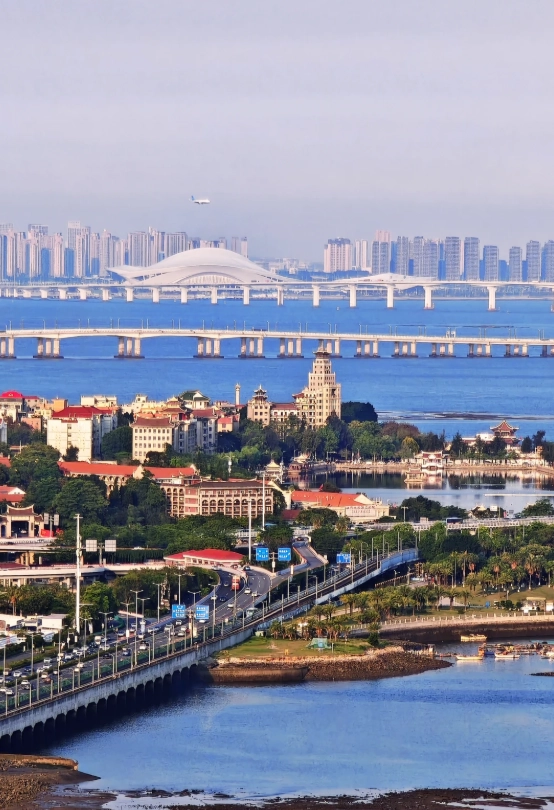
Pro Tip: Stop by the “Jimei Dragon Boat Pool” for a photo op — the local dragon boat teams practice here, and the colors are spectacular.
9. Zengcuo'an — The Laid-Back Village
Zengcuo'an is a transformed fishing village packed with hostels, bars, and trinket shops, now a hub for budget travelers. It's chaotic, touristy, but undeniably fun. I'll be honest: I don't bring my regular clients here unless they're into backpacker culture. Still, for a first-time visitor, it's a must-see for its vibe.
- Address: Zengcuo'an, Siming District (厦门市思明区曾厝垵)
- Opening Hours: 24/7
- Admission: Free
- Getting There: Bus 29 or 47 to “Zengcuo'an” stop.
- Duration: 1–2 hours
My experience: The main street is a tourist trap. The side alleys, though, hide amazing little cafés. Try “The Sunflower” café — the owner is a Chinese-American who makes the best lemonade on the island.
Pro Tip: Visit at night when the bars come alive. During the day, it's a sweaty mess.
10. Bailuzhou Park — Local Life at Its Best
Bailuzhou Park is a wide-open green space in the city center, where locals fly kites, practice tai chi, and get their wedding photos taken. It's not a typical must-see in travel guides, but it gives you a real slice of Xiamen life. If you have extra time, this is the place to decompress.
- Address: South of the lake, near the government buildings (厦门市思明区湖滨南路)
- Opening Hours: 24/7
- Admission: Free
- Getting There: Metro Line 1 to Lotus New Village station, then walk 10 minutes.
- Duration: 1 hour
My experience: The evening fountain show (8 PM) is a hit with kids. But my favorite time is early morning — you'll see old men singing opera, women dancing, and a real sense of community.
Pro Tip: Grab a bubble tea from the shop across the lake and sit on the grass. Watch the local life unfold — it's the cheapest therapy in Xiamen.
Quick Comparison of Top Xiamen Attractions
Here's a summary to help you plan your days. Prices and times are approximate and subject to change — always double-check with the official site.
| Attraction | Admission (RMB) | Opening Hours | Reservation Needed? |
|---|---|---|---|
| Gulangyu Island | 35 (ferry) | 7:00–18:30 | Yes (passport) |
| Nanputuo Temple | Free | 8:00–17:00 | Yes (passport) |
| Xiamen University | Free | 8:00–18:00 | Yes (passport) |
| Shapowei | Free | 24/7 | No |
| Huandao Road | Free | 24/7 | No |
| Zhongshan Road | Free | 24/7 | No |
| Botanical Garden | 40 | 6:30–18:00 | Recommended |
| Jimei School Village | Free | 24/7 | No |
| Zengcuo'an | Free | 24/7 | No |
| Bailuzhou Park | Free | 24/7 | No |
How Do You Get Around Xiamen Without Getting Lost?
Xiamen's public transport is excellent, but it's built for locals, not tourists. Let me break it down.
Metro (Subway)
Xiamen has two metro lines that connect the main tourist spots. Line 1 runs from the north (Jimei) to the south (Xiamen University), and Line 2 runs east-west. You can buy single-journey tokens at the station with cash or a mobile payment, or use the Xiamen Metro app (Chinese only, but it works with your passport).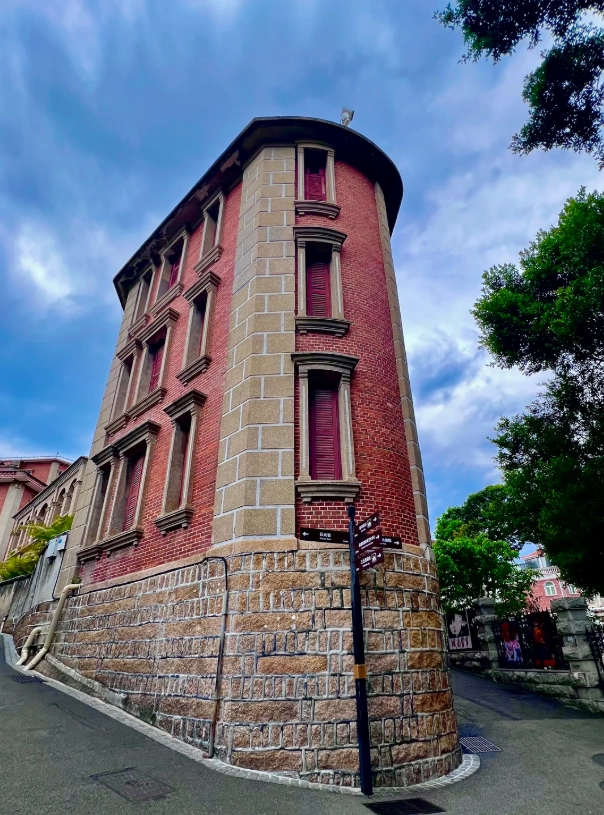
Buses
Buses are cheap (1 RMB) but slow during rush hour. You can use the bus route search on Apple Maps (it's surprisingly accurate for Xiamen). For English-friendly navigation, download the AMap Global app — it's the Chinese equivalent of Google Maps, but with an English interface. It's a lifesaver.
Taxis & Ride-Hailing
Uber doesn't work in China, but Didi Chuxing does — just like Uber. You can use the English version of the Didi app, or use Alipay to call a ride directly (linked to your international card). Always have the address of your destination written in Chinese to show the driver.
Pro Tip: If you're using a ride-hailing app, set your pick-up point to a landmark like a hotel or a metro exit. App pin drops are often inaccurate if you're in a park.
What Should You Know Before Visiting Xiamen's Top Attractions?
These are the little details that can make or break your day.
Payment: Cash is Not King Here
Most places in Xiamen don't accept cash — they expect Alipay or WeChat Pay. As a foreigner, you can easily link your international credit card to these apps. I've done it for dozens of clients. Download Alipay, verify your passport, and link your Visa or Mastercard. For WeChat Pay, you may need a Chinese bank card, so Alipay is the safer bet.
Some smaller shops and street stalls still take cash, but they may not have change for large bills. Carry a mix of 10 and 20 RMB notes.
VPN: Essential for Your Phone
Google services are blocked in China, including Google Maps and Gmail. If you want to use them, you'll need a reliable VPN installed on your phone before you arrive. My clients swear by Astrill or ExpressVPN. Without a VPN, you can still use Apple Maps (which works fine) and Baidu Maps (Chinese-only).
Language: Bring a Translator App
English is not widely spoken outside tourist areas. Download an offline translation app like Apple Translate or Microsoft Translator. The most useful phrase to learn is “Bu zhidao” (I don't know) — just kidding. Learn “Duibuqi” (sorry) and “Xie xie” (thank you). A smile goes a long way.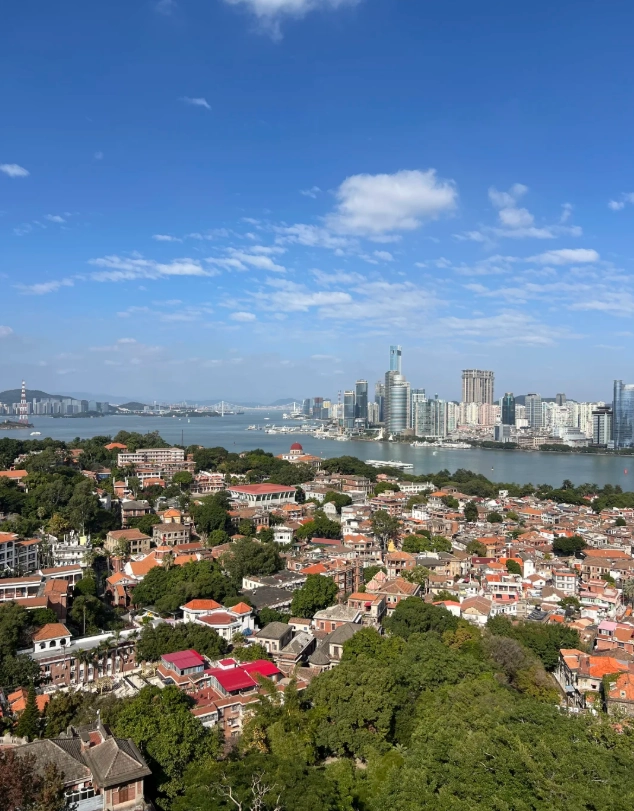
How to Build a Perfect 3-Day Xiamen Itinerary
Here's my no-nonsense plan for maximizing your time, based on years of guiding. The schedule is tough but doable. Adjust based on your fitness.
Day 1: The Classics
- Morning (8 AM): Start at Nanputuo Temple. Beat the crowds, enjoy the incense.
- Mid-morning (10 AM): Walk to Xiamen University. Stay 1-2 hours.
- Lunch (12:30): Grab noodles at the informal shop near the university's south gate.
- Afternoon (2 PM): Take a taxi (20 min, ~15 RMB) to Shapowei. Explore the harbor and cafés.
- Evening (6 PM): Walk to Zhongshan Road (20 min through the streets). Have dinner there — but avoid the main drag; order seafood at one of the quieter side alleys.
Day 2: Island & Sea
- Morning (7:30 AM): Take the ferry to Gulangyu Island. Spend 4-5 hours exploring.
- Lunch (2 PM): Eat on the island (try “Hai Li Jiang” for local snacks).
- Afternoon (3 PM): Take the ferry back and ride a bike along Huandao Road for 1-2 hours.
- Evening: End at Zengcuo'an for dinner and drinks.
Day 3: Green & Culture
- Morning (8 AM): Take metro Line 1 to Jimei School Village (30 min).
- Lunch (1 PM): Try the famous local “jiali” noodles in Jimei.
- Afternoon (3 PM): Return to the city and visit Xiamen Botanical Garden (take the shuttle up).
- Evening (6 PM): Relax at Bailuzhou Park. Watch the fountain show at 8 PM.
Pro Tip: If you only have 24 hours in Xiamen, do Day 1 plus a morning on Gulangyu. It's tough, but you'll see the two icons: the island and the university vibe.






The Railway Culture Park is the definition of a hidden gem. They turned an old railway line into a leafy walking corridor with original signal lights, gravel tracks, and giant banyans providing cool shade all the way through. Kids ran along the sleepers while a local couple took photos under the crape myrtles. It felt nostalgic, quiet, and completely free. This should be on every Xiamen itinerary.
Yundang Lake at golden hour is pure magic. I took a slow walk along the boardwalk past old men playing chess, joggers weaving through the trees, and egrets wading by the shallows. The water reflected the city lights like honey. It's calm, free, and full of everyday Xiamen life. The western stretch near the Bay Bridge was especially pretty. A perfect low-key evening plan.
Cycling Huandao Road was the highlight of my whole trip. I rented a bike near Xiamen University and followed the coast all the way toward Hurun Sunshine Station. The salty breeze, the wide blue sky, and those massive banyan trees full of local chatter made it unforgettable. I even stopped to watch a group of aunties practicing a fan dance. If you do one thing from this list, make it this.
Nanputuo Temple is absolutely worth a visit. The moment you step in, the smell of incense and the sound of chanting pull you into a calmer pace. I loved the shaded paths behind the main hall with views toward Xiamen University. The only letdown was the vegetarian restaurant selling out of most dishes by 1pm. Still, it's free, it's atmospheric, and it left me feeling grateful.
I really wanted to love Shuzhuang Garden based on this list. The hillside views and the piano museum are genuinely nice, but on a Saturday it was so packed I could barely stop to enjoy them. The ferry queues were brutal, and the 90 yuan admission felt steep for what is essentially a busy park. Maybe if I'd gone on a quiet weekday I'd rate it higher.
I travel for food and messy street photography, and this guide basically wrote itself around people like me. The Eighth Market tip was spot on: oyster omelet sizzling on a flat grill, old men drinking tea and arguing about Mahjong, bowls of peanut soup that take about two minutes to finish. It doesn’t feel like a listicle—it feels like a local friend driving you around and yelling 'this one's good!' Highly recommend.
This article completely changed my slow afternoon in Xiamen. I came in with no plan, opened this list at the hostel, and picked the two easiest walks. The old alleys behind Wanshi Mountain were exactly what I love—mossy steps, laundry hanging above, a cat darting into a doorway. Honestly, the descriptions read like a friend’s text message, not a formal guide. I recommended it to the Dutch couple I met at dinner, and they loved it too. Must read before going.
I found some good ideas here, but I was a little let down because the title says locals actually love these places. The list includes a few obvious ones that are already all over Instagram, and the 'local' angle felt thin. The temple section was fine, but the directions to the side gate were unclear—I ended up following a narrow, dusty road beside a construction site for twenty minutes before finding the entrance. It’s not a bad read, just not as personal as I expected.
This list is a great starting point for a first-time visitor, but I wouldn't say every single spot is a must-see. We loved Shapowei and the railway park, but the recommended 'hidden beach' turned out to be a muddy stretch between construction sites when we got there. The article's descriptions are short and the photos are nice, but a few locations need better directions. Overall useful, just go in with flexible expectations.
I usually don’t leave comments on travel articles, but this one was genuinely useful. I read it on the ferry to Gulangyu and skipped the main tourist path straight to the residential lanes. The tip about the quiet spot near the old missionary graves was perfect. I had sunset light, hardly anyone around, and the sound of piano scales drifting out of a window. Felt like I saw the island the way locals do. Thank you!