 Qiang Huang
What’s Inside?
I’ve been guiding trips to Nanjing for over a decade. When that first tour bus pulls into the parking lot near Sun Yat-sen Mausoleum, I still watch travelers marvel at those 392 steps. But here’s the thing — the real Nanjing is hiding closer to the ground than the mountain.
If you only have one day, start at 7 AM at the Mausoleum and end at Confucius Temple after sunset. And whatever you do, skip the lazy river cruise — it’s a tourist trap.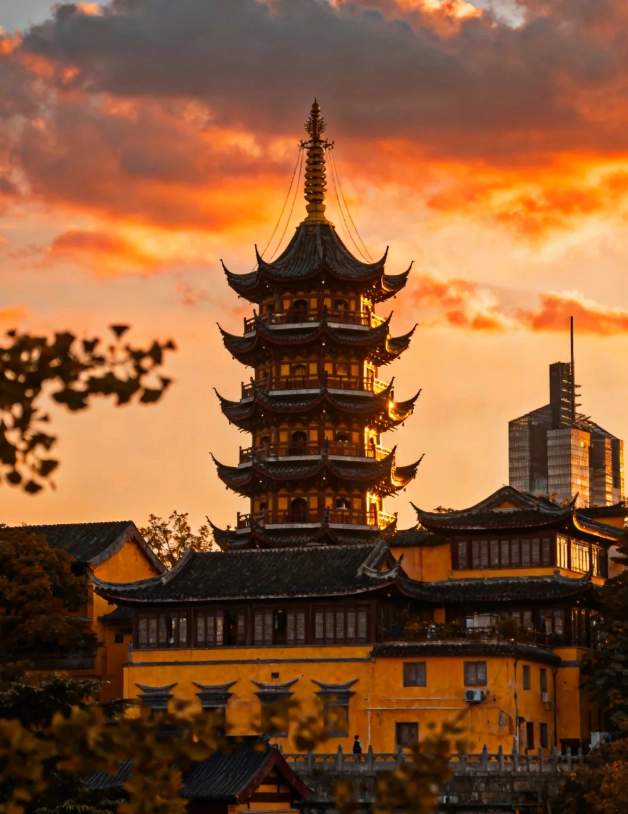
Nanjing Tourist Attractions: The 7 Spots I Take Every First-Timer To
After years of leading groups through this city, these are the places I never skip. Here’s a quick snapshot before I go deeper:
| Attraction | Best Time | Ticket Price | Time Needed | Nearest Metro |
|---|---|---|---|---|
| Sun Yat-sen Mausoleum | Early morning | Free (reservation required) | 2-3 hours | Line 2, Muyuan Station |
| Ming Xiaoling Mausoleum | Afternoon | 70 RMB approx. | 2-3 hours | Line 2, Muyuan Station |
| Confucius Temple | Evening | Free area | 2-4 hours | Line 3, Confucius Temple Station |
| Presidential Palace | Morning | 35 RMB approx. | 2 hours | Line 2, Daxinggong Station |
| Nanjing City Wall (Xuanwumen) | Late afternoon | 30-50 RMB | 1-2 hours | Line 1, Xuanwumen Station |
| Nanjing Museum | Mid-morning | Free (reservation required) | 3-4 hours | Line 2, Minggugong Station |
| Xuanwu Lake Park | Sunset | Free | 1-2 hours | Line 1, Xuanwumen Station |
Sun Yat-sen Mausoleum
Start your visit at 7:00 AM sharp, and don’t stop until you’re standing on the top platform overlooking the lush hills. The mausoleum is free, but you must reserve a slot in advance using your passport. I always book through Trip.com because the official WeChat mini-program is a pain for foreigners to navigate. You’ll enter through the memorial archway, pass the pavilion, and then hit those 392 stairs. Here’s a pro tip: walk up the left side — the right side is always clogged with tour groups.
I’ve watched too many travelers collapse on the steps. Take your time, drink water, and use the restrooms before you start the climb — the ones at the base are much cleaner than the ones near the top. The view from the top is worth every step, especially when the morning mist rolls over the pine trees.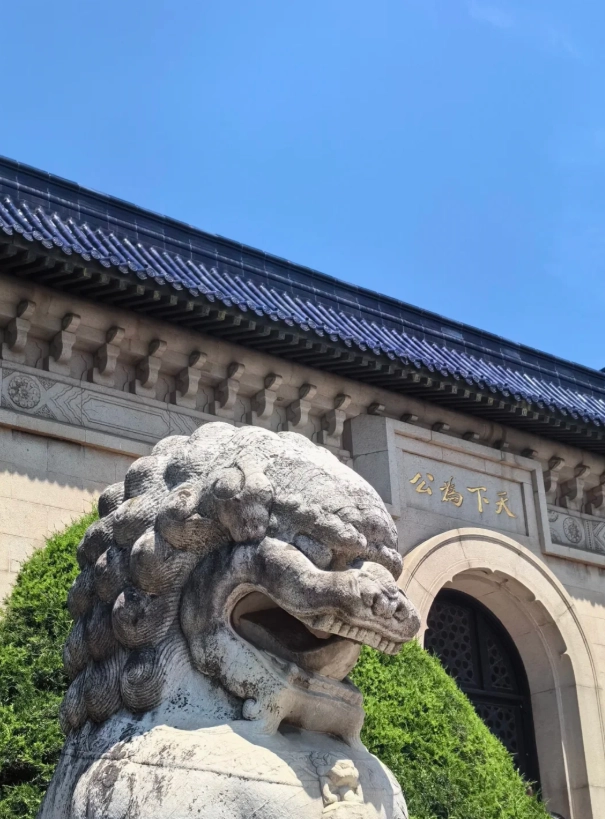
Pro Tip: The shuttle bus from Muyuan metro station costs about 10 RMB but queues can be long. If you’re fit, it’s a 20-minute uphill walk through beautiful tree-lined paths — I’d rather walk and save the energy for the steps.
Ming Xiaoling Mausoleum
If Sun Yat-sen is the mountain, Ming Xiaoling is the forest — and it’s far more peaceful. This is the tomb of the Hongwu Emperor, the founder of the Ming Dynasty, and it sits in the same scenic area as Sun Yat-sen. The ticket costs around 70 RMB, and it’s best visited in the afternoon when the sun filters through the ancient cypress trees. The famous Spirit Way with its stone elephants is the highlight — go early or late to avoid crowds and get unobstructed photos.
Most tourists rush through this site in under an hour, but I always tell my clients to slow down. There’s a hidden path near the Baocheng mound that most guides ignore — it leads to a quiet pond where you can hear birds instead of tour megaphones.
Confucius Temple (Fuzimiao)
Come here after dark, when the red lanterns reflect on the Qinhuai River and the crowds feel almost cinematic. The temple complex itself is free to enter, but the surrounding shop-lined streets are a magnet for tourists. I’ll be honest — most of the stores sell the same junk you’ll find anywhere in China. But the atmosphere is something else. Grab a bowl of duck blood soup from a street vendor — it’s salty and spicy, and it’ll wake you up.
For the best view, cross the bridge to the west side and walk along the riverbank. The lights turn on around 6:30 PM, and the scene is straight out of a period drama. If you’re a photographer, bring a tripod and shoot a long exposure of the reflection.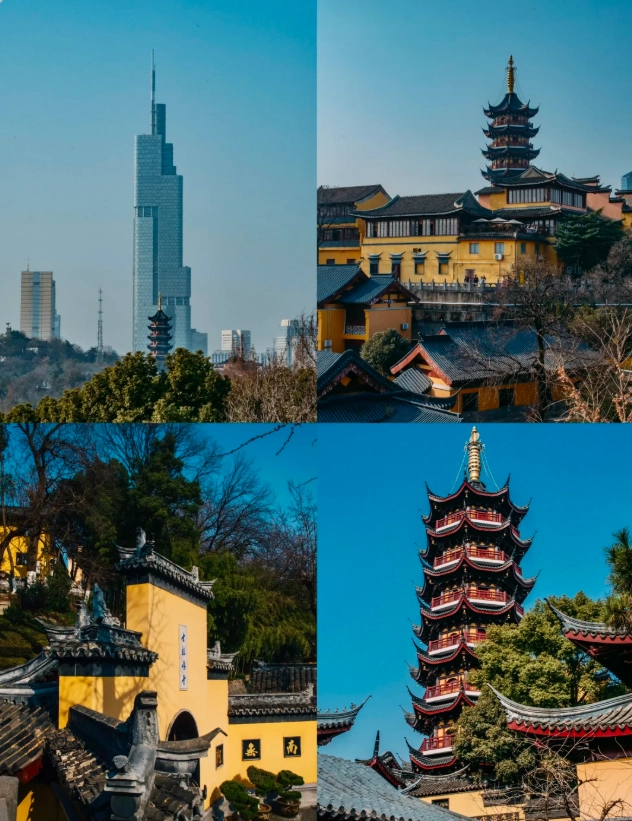
Pro Tip: The most famous duck blood soup place is at the southern end of the old street. I can’t guarantee the precise quality on any given day — it’s all about luck. But trust your nose; follow the smell of star anise.
Presidential Palace
This sprawling complex is a crash course in modern Chinese history, from the Taiping Rebellion to the Republic of China. You’ll find it on East Changjiang Road, and the ticket is around 35 RMB. I recommend renting an audio guide or taking a guide — otherwise you’ll just see a lot of empty rooms. The grounds are a mix of traditional courtyards and Western-style buildings, and it’s easy to spend two hours wandering.
One thing that annoys me: there’s no good coffee inside. Plan ahead and grab one from the café near the entrance before you go in. The gardens in the back are a peaceful escape, but by noon, school groups flood in. Go first thing in the morning or late afternoon.
Nanjing City Wall (Xuanwumen Section)
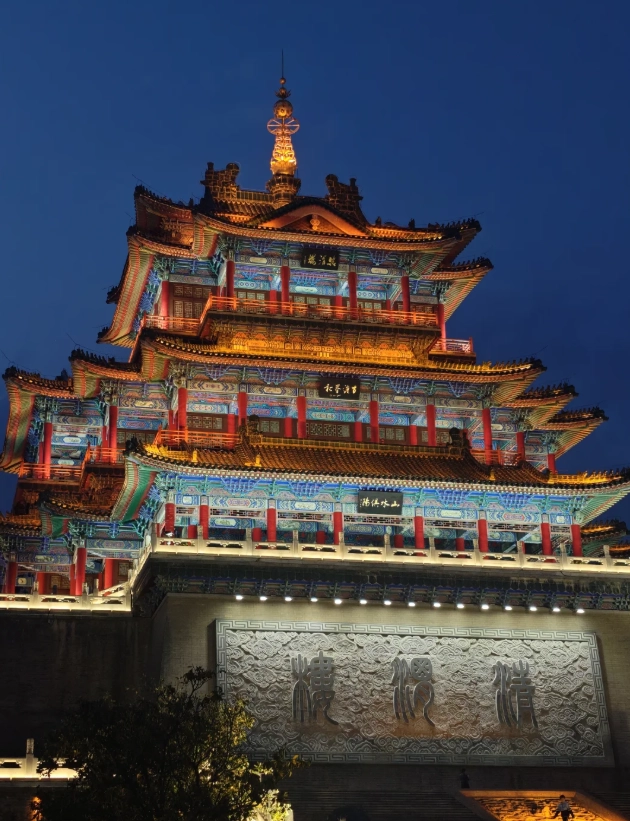
Walk the wall at sunset and watch the city lights blink on — it’s a moment you’ll never forget. The wall is the most complete in China, and the Xuanwumen section is the most accessible. Entrance is 30 RMB, and you can walk along the massive bricks for over an hour. I always tell travelers to bring a hat — there’s very little shade up top.
The wall connects to Xuanwu Lake Park, so you can combine the two. The trick is to start from the Xuanwumen metro station, climb the wall, walk toward the lake, and descend into the park as the sun dips low. It’s the kind of route that makes you feel like a local.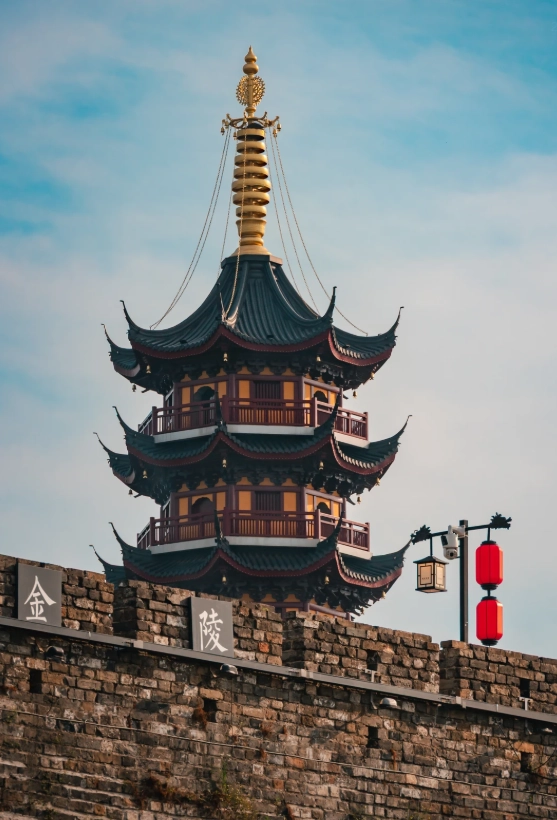
Nanjing Museum (Nanjing Bowuyuan)
This is one of China’s top three museums, and it’s completely free — but getting in requires a reservation. I can’t stress this enough: don’t show up without booking. The official app has an English version, but it can be buggy. Use Trip.com or ask a friend to book through WeChat. Once you’re in, head straight to the Archaeological Hall — the ancient artifacts are stunning, and the temporary exhibits are world-class.
I once spent three hours here and only covered two floors. The museum has a ridiculous number of exhibits, so prioritize the galleries that interest you. The restaurant on the top floor is decent, but prices are inflated. Eat at a local noodle shop nearby instead.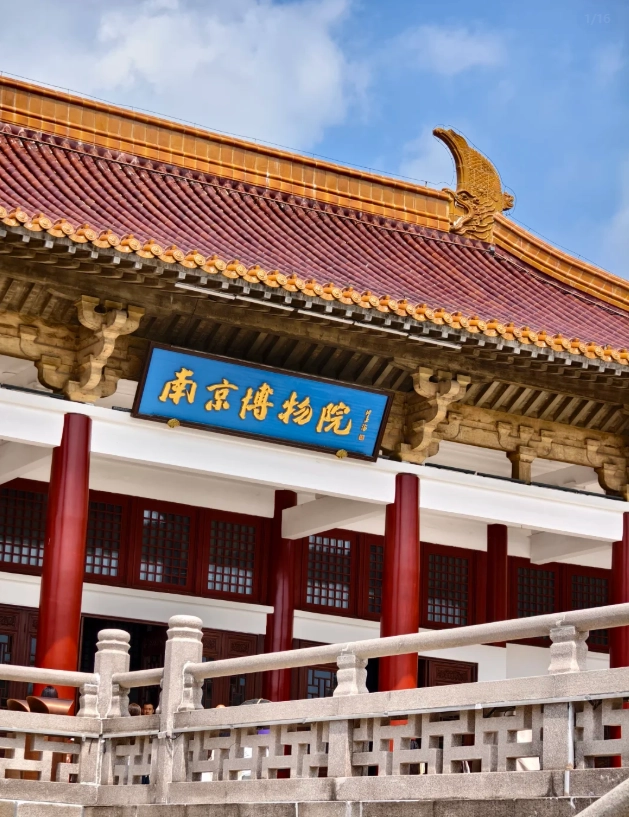
Xuanwu Lake Park
This lake is where locals go to breathe. It’s a huge green space in the city center, completely free, and best visited at sunset. You can rent a pedal boat, walk along the causeway, or simply sit on a bench and people-watch. I love the view of the Purple Mountain behind the lake — it’s the same mountain that holds Sun Yat-sen’s Mausoleum.
Here’s an insider tip: the best photo spot isn’t from the lake’s east bank, but from the west side, near the entrance by the Xuanwumen metro station. The evening light reflects on the water and the city skyline creates a warm backdrop. Also, bring mosquito repellent — the lake has bugs that will don’t care about your travel insurance.
How to Plan Your Nanjing Tourist Attractions Visit Without Losing Your Mind
Planning a multi-day sightseeing trip in Nanjing is about prioritizing and pacing. Here’s a realistic itinerary that I’ve tested with hundreds of clients:
- Day 1: History + Evening Neon
Start at Sun Yat-sen Mausoleum (8 AM), then walk or taxi to Ming Xiaoling Mausoleum (lunch nearby). In the late afternoon, hop to Presidential Palace for two hours. End with a stroll and dinner at Confucius Temple. - Day 2: Museum + Nature
Book the 9 AM entry to Nanjing Museum, spend the morning indoors. After lunch, take the metro to Xuanwumen, walk the city wall, then descend into Xuanwu Lake Park for sunset. If you still have energy, the adjacent Jiming Temple is a quiet gem.
If you only have 24 hours in Nanjing, here’s the magic combination: wake up at 6 AM, grab a quick breakfast, and be at Sun Yat-sen Mausoleum by 7. After that, skip Ming Xiaoling and go straight to the Presidential Palace around 10 AM. Lunch near the palace, then spend the afternoon at the Nanjing Museum. Finally, take a taxi to Confucius Temple for the evening scene. This sounds packed, but it’s doable if you book everything in advance.
Weather alert: July and August are brutal — hot and humid. If you’re visiting then, schedule indoor activities like the museum and the Presidential Palace between noon and 4 PM. Always carry water and an umbrella, as afternoon thunderstorms are common.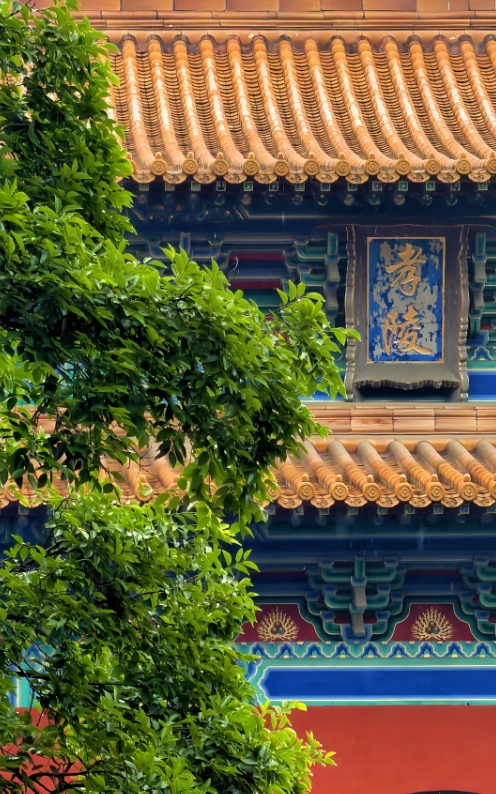
Money-Saving Tips for Nanjing Tourist Attractions
You don’t need to spend a fortune to enjoy Nanjing. Here are the tricks I share with my budget-conscious clients:
- Book free attractions (Sun Yat-sen Mausoleum, Nanjing Museum, Xuanwu Lake) first and see how much time you have.
- Buy the combination ticket for the Purple Mountain scenic area if you plan to see both Sun Yat-sen and Ming Xiaoling — it saves about 20%.
- Eat where locals eat, not in the tourist corridors near major attractions. A bowl of Nanjing’s famous duck-blood soup costs 15-20 RMB at a local shop, but 40+ RMB at a place facing Confucius Temple.
- Use the metro — it costs pennies and covers all the main spots. Taxis are cheap but subject to traffic jams during rush hours.
- Stay near a metro station, not directly in the old center. You’ll save on hotels and the metro gets you anywhere fast.
Where to Stay to Reach Nanjing Tourist Attractions Quickly
For first-time visitors, the area around Xin Jie Kou or the Daxinggong metro station strikes the best balance of convenience and value. Here are three options I often recommend:
| Hotel | Distance to Top Sites | Price Range (per night) | Best For |
|---|---|---|---|
| Yifan Hotel (Xinjiekou) | 2 stops to Presidential Palace, 4 to Mausoleum transfer | 400-600 RMB | Travelers who want modern comfort |
| Blue Jay Youth Hostel | Walking distance to Confucius Temple | 100-200 RMB (dorm/bed) | Backpackers and solo travelers |
| Holiday Inn Express (Daxinggong) | Next to metro, 1 stop to Presidential Palace | 350-500 RMB | Families and business travelers |
All these have Wi-Fi, elevators, and staff who speak some English. For a more local vibe, consider a traditional courtyard guesthouse near Confucius Temple — just be aware that noise can carry at night.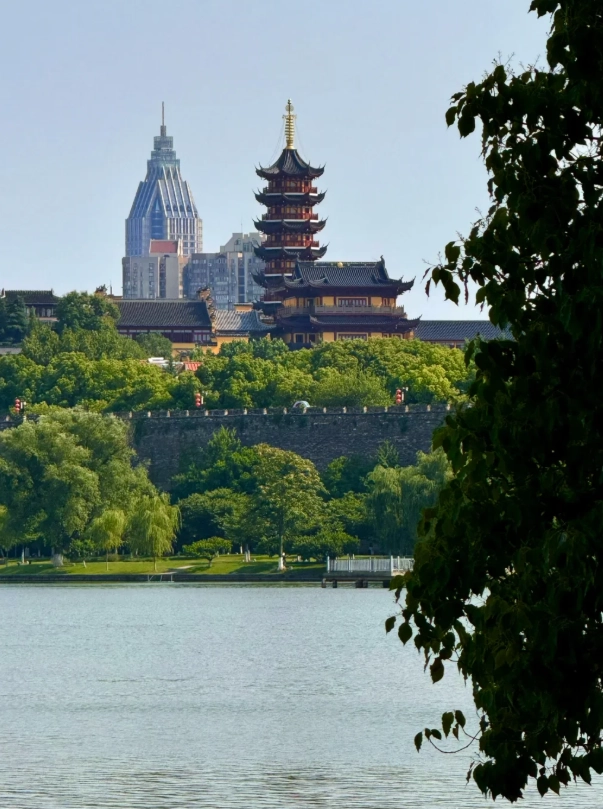
FAQs About Nanjing Tourist Attractions (Answered by a Local Guide)
Verified and fact-checked by the editorial team.





Took the metro out to Qixia Mountain on a weekday afternoon. Locals said the temple gets packed in November for the red leaves, so I went in late spring and had the stone pagodas almost to myself. The old Qixia Temple is beautiful, and the climb up to the peak gives a killer view of the river and the flat city below. The cable car was closed, but the hike wasn’t too steep. A great way to escape the city and feel like you’re standing inside an ancient painting. Also, the tofu skin knot snack near the east gate was delicious.
The Memorial Hall for the Nanjing Massacre is not a ‘fun’ attraction, but it is the most important place I visited in Nanjing. The museum is deeply moving, with personal testimonies and artifacts that make history feel immediate. The architecture is incredibly powerful—the silent stones and curved walls brought me to tears. It is extremely well done and absolutely necessary. If you only have time for one spot in the city, choose this one. Allow at least three hours, and be ready to feel it deeply.
Ming Xiaoling Mausoleum completely exceeded my expectations. The Sacred Way with the stone elephants is amazing early in the morning, when the light filters through the trees and there are almost no people around. The walk up to the tomb is dramatic, and the surrounding park is very well maintained. Bring water and wear proper shoes. For 70 yuan, it’s honestly a steal—one of the most impressive heritage sites I’ve seen in China. Easily the highlight of my trip to Nanjing.
Cycled around Xuanwu Lake on a Sunday morning and it was really peaceful along the west side, with lotus ponds and old willow trees. It’s a huge city park, so don’t expect untouched nature—you share the path with loud exercise groups and a few fishermen. Still, the view of the city wall and Purple Mountain from the north shore is stunning. We rented a shared bike and finished the loop in about two hours. Would be five stars if the trail signs were clearer and the path was less cracked in places.
I really wanted to love this place after reading all the hype. Maybe I came on a bad weekend, but the main walking street was shoulder-to-shoulder and felt more like a shopping mall than a historic site. The snack stalls were overpriced and all seemed to sell the same thing. The old architecture looks nice from the bridge at night, but I honestly couldn’t hear myself think. It’s fine for a quick photo stop, but I wouldn’t queue up for anything here.
Decent list but not quite what I expected. I downloaded this thinking it would reveal hidden local gems, but it ended up covering places that show up on every Nanjing itinerary. I went to one of the 'locals love' spots on a weekend and it was completely overrun with selfie sticks. The writing is fine, but I'd recommend combining this with a more off-the-beaten-track source. Not a waste, but not a wow.
Solid article with some good picks. I agree with most of the seven, especially Jiming Temple and the city wall. The only reason it's not 5 stars is because a few entries read like typical travel blog advice—yes, Confucius Temple is in every list—and I would've swapped one of the commercial stops for something like a local breakfast spot. Still, directions were accurate, and it made my morning walk in the old town really pleasant.
Perfect quick reference. I only had two days in Nanjing and this gave me a solid plan without overstuffing it. Xuanwu Lake was a huge highlight, and the suggestion to climb the wall gradually is smart—I made it all the way before sunset. Wish I could thank the writer in person. 10/10.
Loved how this is written from a local angle. As a Nanjing newbie, I tried four spots on this list: Xuanwu Lake, the ancient city wall, Presidential Palace and the always-crowded Fuzimiao. The author didn't steer me wrong—the city wall at golden hour had the best breeze and skyline. Straightforward and not touristy. Highly recommend if you want a real feel for Nanjing.
This guide saved my trip! I've been living in China for two years but never got past Confucius Temple. Followed the article to Ming Xiaoling and the path through Purple Mountain was unreal—so many locals doing badminton stretches and chatting in the woods. The tip about going early was exactly right. Already sent it to my parents.