 Ming Yang
Quick Guide: Here's what we'll cover.
Ever been stuck in Shangri-La with nothing to do? I have — with a group of clients who'd booked just 24 hours. It was chaos. So how many days to spend in Shangri-La? Let me save you the math.
Most overseas travelers underestimate this high-altitude town. They think a day trip from Lijiang is enough. But the altitude, the remote sights, and the booking chaos will eat your time. I've seen too many tired tourists.
Here's the truth: you need at least two full days to see the highlights, but three days is ideal — especially if you want to acclimate to the altitude. Book your key attractions before you arrive, and forget international cards at the door.
How Many Days Do You Actually Need in Shangri-La?
I always tell my clients: plan for at least two full days, and three if you can manage it. Why? Because Shangri-La sits at around 3,300 meters. Your body needs time to adapt. And the main sights — Songzanlin Monastery, Pudacuo National Park, and the old town — are spread out. You'll lose half a day just getting from one to another.
Let me break it down for you:
| Duration | What You Can See | Best For | My Honest Take |
|---|---|---|---|
| 1 Day | Old Town + Songzanlin Monastery | Layover or quick trip | You'll feel rushed and miss the park. |
| 2 Days | Add Pudacuo National Park | Most travelers | Sweet spot for highlights. |
| 3 Days | Add Napahai Lake or a day trip | Photographers, slow travelers | Relaxed pace, better acclimatization. |
When you travel from Lijiang by bus, it takes about 4 hours each way. So if you only have one day in Shangri-La, you'll literally spend half your time on the road. That's why I tell everyone: book at least one night in Shangri-La. Otherwise, you're just ticking a box.
Here's the catch: the altitude messes with sleep. Even if you're fit, you might wake up with a mild headache. So a two-day itinerary gives you a buffer to enjoy yourself without rushing.
Shangri-La in 1 Day: The Express Itinerary
If you absolutely must squeeze Shangri-La into 24 hours, here's how to do it without collapsing.
Pro Tip: Start at 8:00 AM from the old town. Skip breakfast at the hotel — the street stalls in Dukezong Old Town have the best Tibetan noodles.
Morning: Dukezong Old Town
Head to the old town's giant prayer wheel (龟山公园). It's the world's largest golden prayer wheel — spinning it three times is a local tradition. Arrive before 9:00 AM to beat the tour groups.
Walk around the old streets. Most shops open later, so the mornings are peaceful. You'll see traditional Tibetan-style houses and the ancient city walls. Give yourself 2 hours here.
Late Morning: Songzanlin Monastery
Take a taxi from the old town to Songzanlin Monastery — about 15 minutes, around 20 CNY. The monastery is often called the "Little Potala Palace." You must climb 143 steps to the main hall. At this altitude, take it slow.
Admission is around 90 CNY (students half price). You can book online via Trip.com or Klook — I recommend booking ahead because the ticket office lines can be long. Bring your passport for the name check.
Spend 2–3 hours here. The view from the top looking over the valley is worth every step.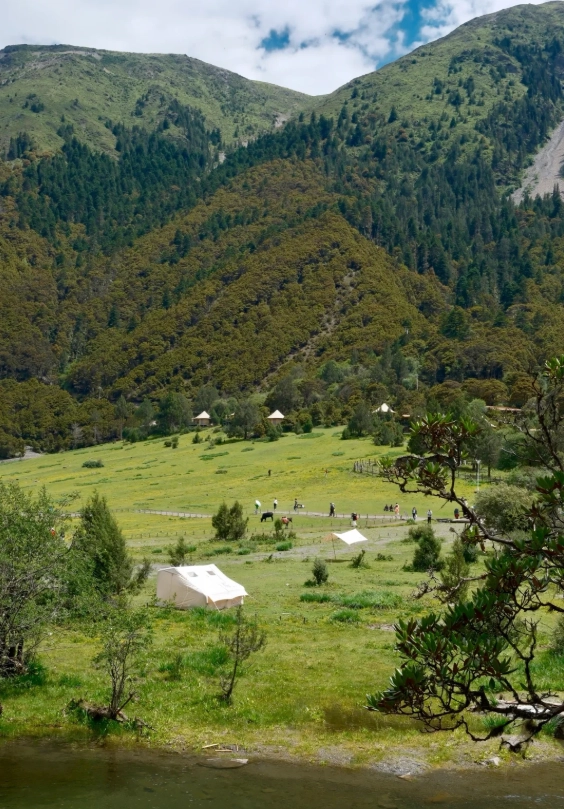
Afternoon: Return and Relax
After the monastery, grab a late lunch back in the old town. Try Tibetan butter tea and tsampa (roasted barley flour). Head back to the old town for a short rest.
In the evening, join a free guided walk around the old city or just people-watch in the main square. If you're lucky, there's a local dance performance at sunset.
My advice: This day is active but doable. However, if you miss the last bus back to Lijiang (around 6 PM), you'll be stuck. So plan to stay overnight — you'll thank me.
Shangri-La in 2 Days: The Balanced Plan
This is the itinerary I recommend for 90% of first-time visitors. It gives you a real taste of Shangri-La without exhausting you.
Day 1: Old Town + Monastery
Same as the 1-day plan above, but with a more relaxed pace. Start at 9:00 instead of 8:00. Add a stop at the Shangri-La Museum (free) in the afternoon to learn about local history.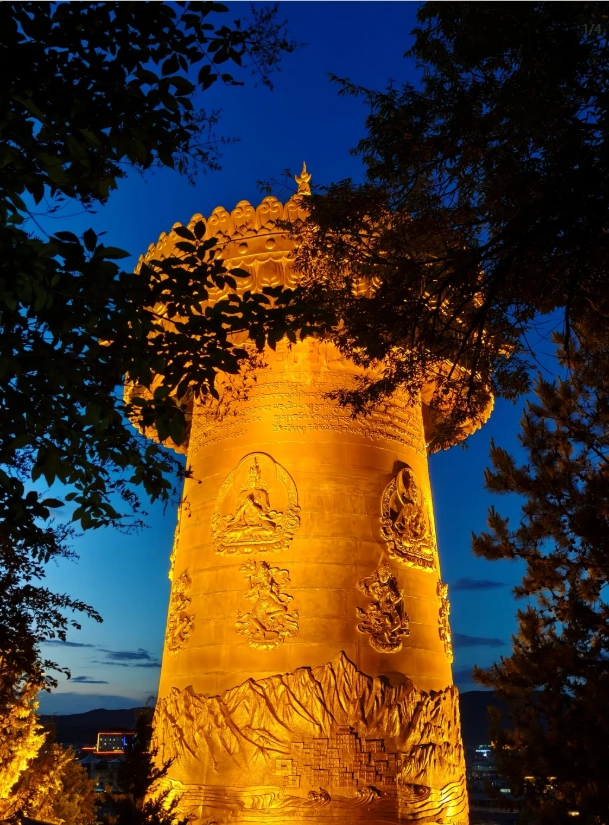
Day 2: Pudacuo National Park
Pudacuo is the star. It's about a 40-minute drive from the town, and there's a shuttle bus. The park opens at 8:00 AM — get there early because the internal sightseeing buses get crowded.
Entrance fee is around 100 CNY, plus another 60 CNY for the shuttle. You can buy tickets on Trip.com or at the gate. Remember, you'll need your passport.
The park has two main lakes: Shudu Lake and Bita Lake. The shuttle takes you to each stop. You can walk the wooden boardwalks around the lakes. Dress in layers — the weather here changes fast.
Spend 4–5 hours in the park. Then return to town for a hot pot dinner. There's a famous Tibetan hotpot place called "The Taste of Tibet" near the old town (you'll see it by the long queue). I always order the yak meat hotpot — it's perfect for warming up after a cold day.
That's a satisfying two-day trip. But if you have a third day, you can go deeper.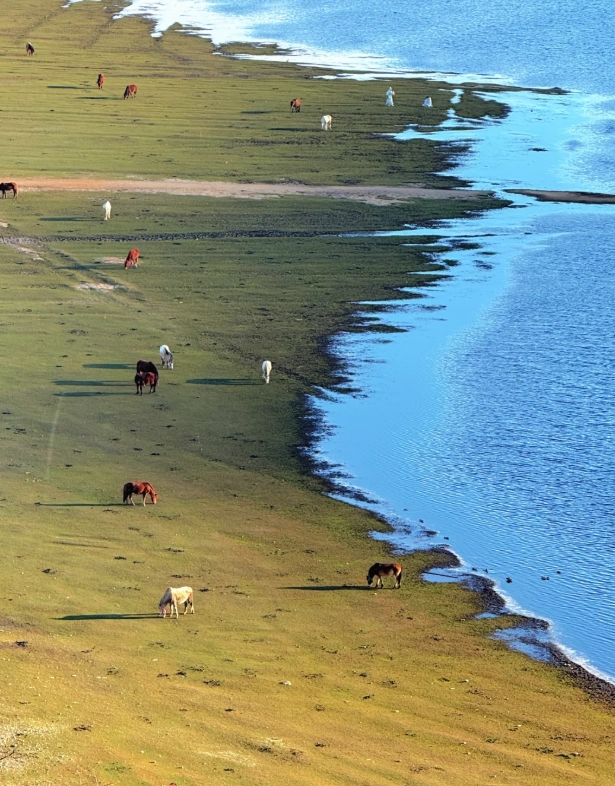
Shangri-La in 3 Days: The Complete Experience
With a third day, you can explore beyond the classic sights. Here are my top picks:
Option A: Napahai Lake (纳帕海)
This wetland is only a 20-minute ride from town. In spring and summer it's a green meadow with horses and yaks; in winter it becomes a lake with migrating black-necked cranes.
Rent a bike or join a half-day tour from the old town. I prefer going in the late afternoon — the light is golden and there are fewer tourists.
Option B: Meili Snow Mountain (梅里雪山)
This is a longer trip — about 4 hours by car. You'll need an early start. If you're up for it, you can see the sacred Kawagebo peak. It's famously difficult to view because of clouds, but sunrise at Feilai Si is unforgettable.
I've been there twice and only saw it once. Check the weather before committing to the drive.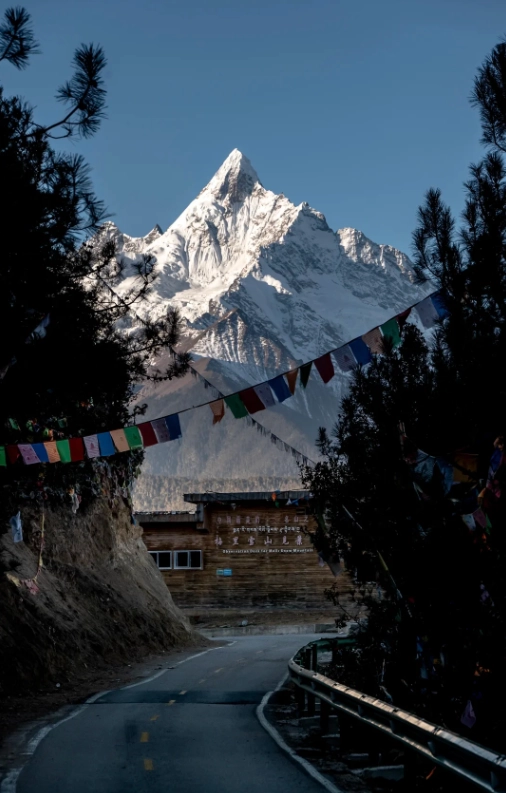
Option C: Dig a bit into Tibetan Culture
Visit the Diqing Tibetan Autonomous Prefecture Museum, or join a cooking class to learn how to make yak butter cookies. These fill your day without long travel.
Insider Advice: If you're short on time, skip Meili unless you have a very specific purpose. The drive is rough, and you'll spend more time in the car than at the mountain.
With three days, you'll also have time to adjust to the altitude and maybe even work out at the local gym if you're an early riser.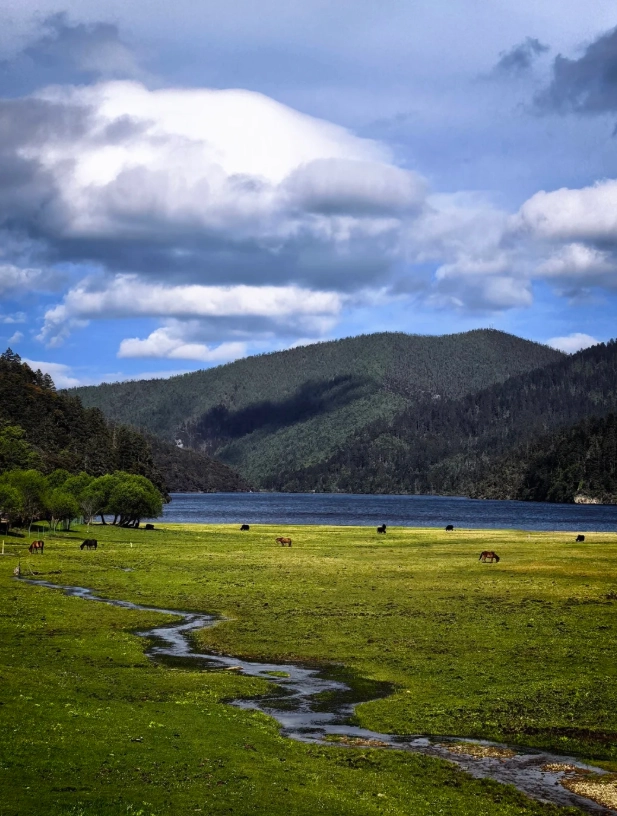
Essential Tips for Your Shangri-La Trip
Here are the things I wish every tourist knew before arriving:
- Payment: Most places in Shangri-La accept Alipay and WeChat Pay. But international Visa/Mastercard? Good luck with that. The good news: the old town has ATMs that accept foreign cards. I always tell my clients to carry 500 CNY in cash as backup.
- Navigation: Google Maps is useless here. Use Apple Maps or download AMap (高德) with the English interface. Get an offline map before you arrive.
- Booking: For Songzanlin Monastery and Pudacuo, pre-book on Trip.com or Klook — those sites have English interfaces and take international cards. WeChat mini-program booking is a nightmare, even for me.
- Altitude: Avoid heavy meals and alcohol on the first day. Drink lots of water. The local remedy is ginger candy — it really helps.
- Language: Mandarin is not everyone's first language here — many locals speak Tibetan. Have a translation app ready (Apple Translate works offline).
Let me add one more thing: the best time to visit is April-June and September-November. Summer (July-August) is rainy, and winter (December-February) is freezing, though the snow makes it magical.
Frequently Asked Questions About Shangri-La Trip Length
I get asked these questions all the time on my tours. Here are straight answers:
Verified and fact-checked by the editorial team.







Exactly what I needed before landing in Yunnan. We stayed four days, with the first one for acclimatization and the rest split between old town, Songzanlin, and the lake loop. The old town's wooden lodges and rooftop prayer flags looked incredible in the late afternoon light. The article's tip about taking the public bus to the monastery instead of a taxi saved us money, and the 'don't overstay' warning kept us from stretching it into a boring week. If you're searching for how many days to budget, stop scrolling and read this.
I'm a slow traveler and usually think 'avoid overstay' means 'too fast for me', but this article convinced me to stick to a five-day plan with day trips instead of a full week. That was the right call. Songzanlin at dawn, with mist in the valley and smoke from morning fires mixing with pine and juniper, is something I'll never forget. I even ate yak cheese flatbread from a tiny hole-in-the-wall and it was amazing. Great advice—respect the altitude and the itinerary, then move on to wherever is next.
This guide is spot on. Three full days in Shangri-La was exactly right. I watched the golden prayer wheel turn at dusk while the wind snapped the freshly strung prayer flags, and the cold made the colors even sharper. Early morning at Shudu Lake, frost was still on the boardwalk and the mountains reflected like glass. I didn't want to leave, but I also didn't need another day. Follow this and you'll leave wanting more, not looking for the exit.
This article's advice kept me from overplanning, and it worked. I gave myself four days with a slow acclimatization day, then followed the suggestion to head toward the lake on a clear day. It was cold and grey, but the silence above the treeline was something else. My guesthouse hot water gave out, and the thin walls meant I heard every truck on the road, but the noodles with pickled vegetables on the corner made up for it. Solid itinerary if you want a relaxed trip without getting bored.
I read this before booking a week in Shangri-La and cut it down to four days. Honestly, even four felt like one too many. The old town looks like a postcard for a few hours, but after the prayer wheel and Songzanlin, the charm wears off. My room was freezing at night and the so-called heating was a weak wall unit that sounded like a lawnmower. Songzanlin itself was incredible, but the rest was dusty streets, half-finished buildings, and identical shops selling the same scarves. Maybe I'm not the target audience, but two full days would have been enough for me.
I'm pretty experienced with high altitude travel, but this article fixed a mistake I almost made. I was going to spend 6 days in Shangri-La with no real plan; the article's 'avoid overstay' warning helped me focus on the best spots and leave after 4 days with a smile instead of boredom. My girlfriend and I followed the suggested morning walk around the old town before the tour groups arrived. The peaceful streets, tinkling horse bells, and clear alpine sun made it special. Great writer, zero wasted words.
I read this on the bus from Lijiang and immediately redid my itinerary. Instead of 3 rushed days, I gave Shangri-La 4 full days and it was the best decision. The article nails the timing: enough time to see the old town, Napa Lake, and the monastery without overstaying. I loved the small details—like how the air smells of roasted barley in the morning and how the light hits the yellow trees in late October. The advice to book the last bus out of town kept me from a long day with nothing to do. Highly recommend.
This is the only guide I read for Shangri-La and honestly it was all I needed. The central idea of avoiding overstay seems clickbait-ish, but it's actually about pacing yourself and not cramming too much. I booked five days and used the article's idea to take the old town slowly, acclimate by the lake, then hike the next day. The views around the monastery with snow on the mountains and incense in the air were amazing. If you're on the fence, read this and trust it.
As someone who usually plans two days in every city, this article made me stop and think. It suggests slowing down in Shangri-La, and the warnings about altitude and low oxygen made sense. We ended up staying four nights and that felt right. I wish there were more food recommendations and maybe a map, but the suggestion to visit Songzanlin Monastery in the early morning was spot on. The cold air and quiet prayer flags were unforgettable. Solid guide, just a bit short on a few practical details.
Read this before my trip to Shangri-La. The advice on altitude was solid, but I felt the article kept repeating itself. It kept saying 'don't overstay' without ever giving a clear number of days or a real itinerary. I still had to piece together my own plan from other blogs. It's fine for a quick read, but I wouldn't call it essential. The photos and tone were nice, but I needed more logistics and fewer reminders to pack warm clothes.
Hands down one of the best decisions I made on my Yunnan trip was spending four nights here. The article says avoid overstay, but I think it depends on what you're looking for. I'm a photographer, and the light in the old town plus the monastery at golden hour gave me endless shots. Even the rainy afternoon was beautiful – the cobblestones shining, monks in red robes hurrying past with umbrellas. I used one whole day just to sit in a café and sketch the prayer flags. If you love culture and slow living, this place is a gem. Not a single regret.
The article is spot on about avoiding overstay, but only if you rush through the main sights. My husband and I spent five leisurely days here and loved every minute. We took a slow walk around Napa Lake, saw black-necked cranes at dawn, and had a memorable dinner at a local family's home where they served spicy mushroom hotpot and sang folk songs. The altitude bothered me only the first day; after that, it was pure magic. If you're a slow traveler like us, don't fear the 'overstay' warning – just go with your own pace.
I came for two nights and wished I'd booked five. Shangri-La isn't just a sightseeing spot; it's a feeling. The crisp air, the constant tinkle of temple bells, the local Tibetans smiling through their weathered faces – it got under my skin. I walked to the Sun-Moon Plaza every evening just to watch the sky turn pink over the snow-capped peaks. The hostel owner taught me a few phrases in Tibetan, and that small connection changed everything. If you read the article and worry about overstaying, ignore that – you need at least four days to really breathe here.
Three nights was just right for me. Hit Songzanlin monastery early morning when the light made the golden roofs glow – unforgettable. The old town is touristy, but I found a tiny teahouse with yak-butter tea and homemade barley cakes, and just sat there watching pilgrims spin the prayer wheels. I do agree with the overstay warning though: on the third morning I ran out of easy trails without hiring a car, and the cold winds made me antsy. Still, highly recommend if you plan well.
I followed the article's advice and stuck to two full days, and honestly that was already a bit much. The old town is pretty, but once you've walked the main square and seen the monastery, the rest feels repetitive. We had a rough second day because the altitude got to me – severe headache and no energy. The scenery around Pudacuo is stunning, but the constant oxygen shortage took the fun out of hiking. Maybe if you're super fit it's different, but for me this place is a one-day stop, not a multi-day stay.