 Hui Lin
Your Quick Guide Around
- What to Do in Beijing: 5 Attractions That Deserve Your Time
- What to Do in Beijing: How to Get Around Without Google Maps?
- What to Do in Beijing: How to Book Tickets and Pay Without a Meltdown?
- What to Do in Beijing: Realistic 3-Day Itinerary for First-Timers
- What to Do in Beijing for Food: Beyond the Basics
- What to Do in Beijing: Frequently Asked Questions (FAQ)
Let me start with something that might surprise you: I used to dread taking my clients to the Forbidden City. Not because it’s not incredible — it is. But because the entrance process used to be a nightmare of paper tickets and enormous queues. Now, it’s all digital — and that creates a whole different set of problems for foreigners. This guide isn't a polished tourism brochure. It's the street-smart reality of what to do in Beijing, learned through years of walking these alleys. Let's break it down.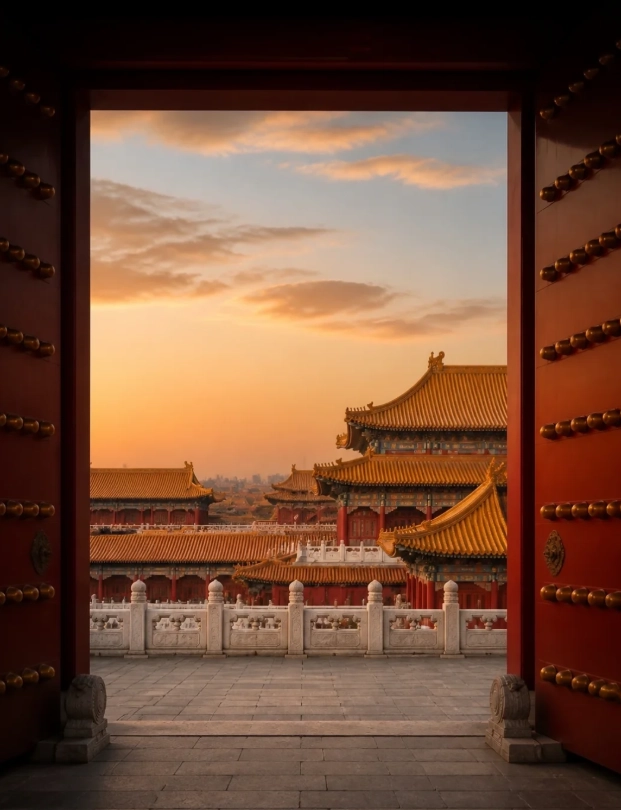
What to Do in Beijing: 5 Attractions That Deserve Your Time
Don't try to see everything. Pick these five, and you'll have a solid core. Here's a quick comparison table, then I'll go into the details.
| Attraction | Best Time to Visit | Adult Ticket | Booking Needed? | Time to Allocate | My Insider Tip |
|---|---|---|---|---|---|
| Forbidden City | Late afternoon (2:00-3:00) | approx. 60 RMB (peak), 40 RMB (off-peak) | Yes, passport required | 3-4 hours | Enter from the East Gate (Donghua Men) to avoid the main queue |
| Great Wall (Mutianyu) | Early morning (7:30) | approx. 45 RMB + cable car | Yes, via Trip.com/Klook | 4-5 hours | Take the cable car up, walk down through the wall |
| Temple of Heaven | Early morning (8:00) | approx. 15 RMB park, extra for inner buildings | Usually not required | 2 hours | Go at 8 AM to see locals doing tai chi |
| Summer Palace | Mid-morning (10:00) | approx. 30 RMB | Not required, busy on weekends | 3 hours | Enter from the North Gate to avoid crowds |
| Nanluoguxiang Hutong | Evening | Free | No | 1-2 hours | Touristy — walk a few blocks west for real life |
Forbidden City (故宫)
This is the single most visited place in Beijing, and for good reason. Address: 4 Jingshan Qianjie, Dongcheng District. Take Line 1 to Tian'anmen East, exit A, then walk north — you'll see the morning queue. But don't go at 9 AM with the hordes. Here's the secret: most tour groups leave by 4 PM, so the hour before closing (around 4:00 PM) is unexpectedly peaceful. Booking is mandatory — use the official 'Palace Museum' WeChat mini-program (in Chinese) or book through Trip.com with your passport number. Show your passport at the ticket gate. Bring your own water — the in-house prices are steep. And the restrooms near the entrance are always busy; go to the one by the Juncture of the Imperial Garden instead.
Great Wall — Mutianyu (慕田峪)
Skip Badaling if you value your sanity. It’s the most famous but also the most crowded. Mutianyu is 80 km northeast — about 2 hours by car, less if you leave early. Take the direct tourist bus from Dongzhimen (but check the current schedule). Or book a private car through e.g., Klook. The cable car up costs around 100 RMB one way; the toboggan down is fun, but I always walk down the wall itself — you get the real atmosphere. Tickets can be bought on-site, but it's faster to book in advance. And wear grippy shoes — some sections are steep.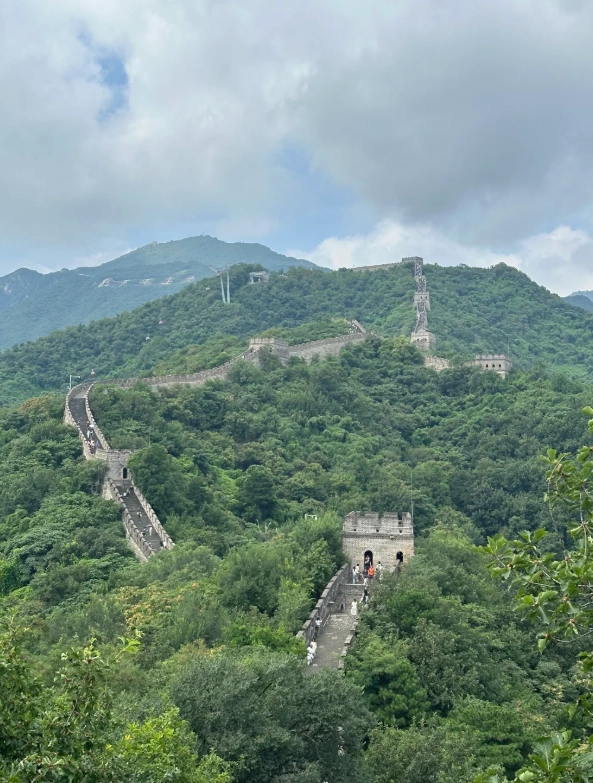
Temple of Heaven (天坛)
This is where Beijingers come to exercise, and that’s the most memorable part. It's a massive park; you'll see tai chi, ballroom dancing, singing groups. The iconic Hall of Prayer for Good Harvests is inside the 'inner' area — you pay extra to enter. Arrive at 8 AM, before the tour groups. Address: 1 Tiantan East Road, Dongcheng District. Metro Line 5, Tiantan East Gate station. The park itself is open daily from 6 AM to 9 PM, but the inner buildings close at 5:30 PM. Plan around that.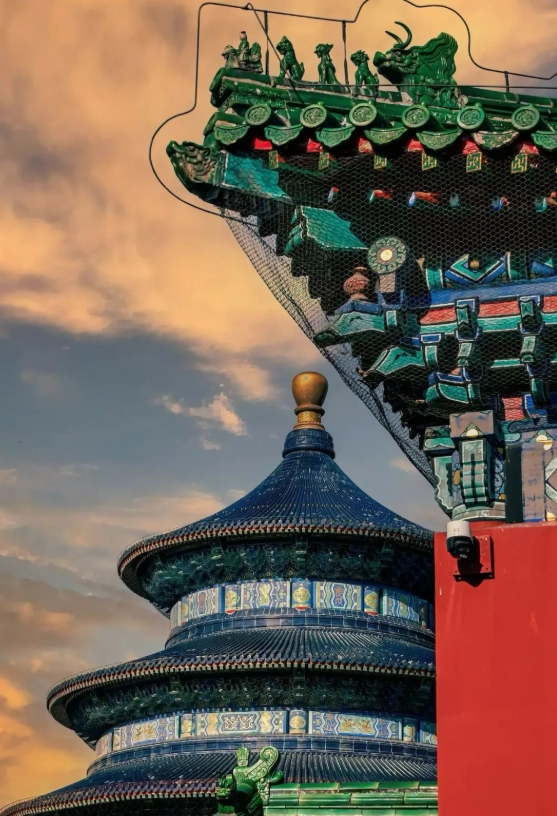
Summer Palace (颐和园)
All the grandeur of Chinese imperial gardens without the suffocating crowds of the Forbidden City. It’s huge, so give it a few hours. Entry via the North Gate (Beigongmen) puts you near the eternal views of Kunming Lake. A boat ride on the lake is worth the extra yuan. Note that the grounds get packed by 11 AM, so either start early or arrive after 3 PM. Address: 19 Xinjiangongmen Road, Haidian District. Take Line 4 to Xiyuan, then a short cab.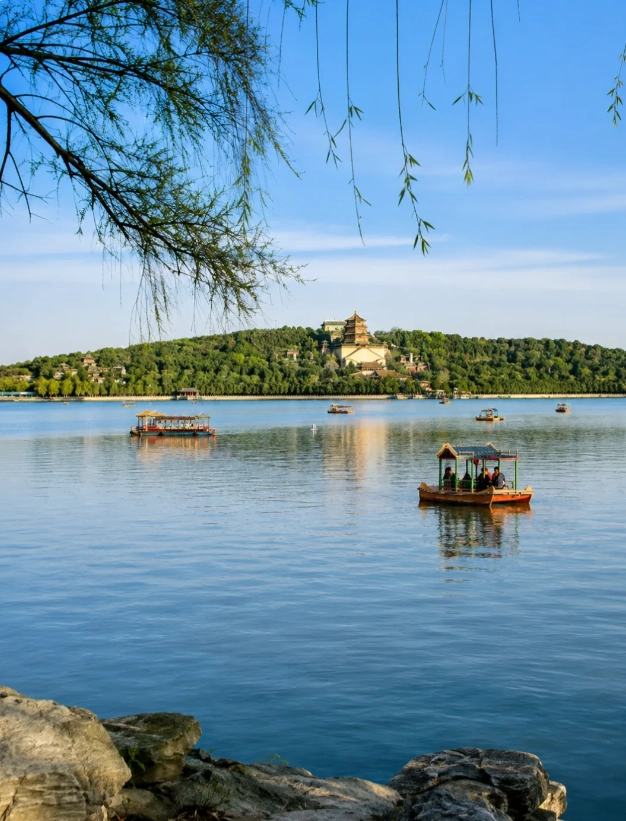
Hutongs — Nanluoguxiang and Beyond
Nanluoguxiang is a tourist trap dressed as an old alley. But if you step one block west to the parallel lanes — like Shaoyaoju Hutong — you'll find real courtyards, a barber shop with an old chair, and old men playing chess. It’s free, and it’s easy to wander for 2 hours. Head there in the evening when locals are out.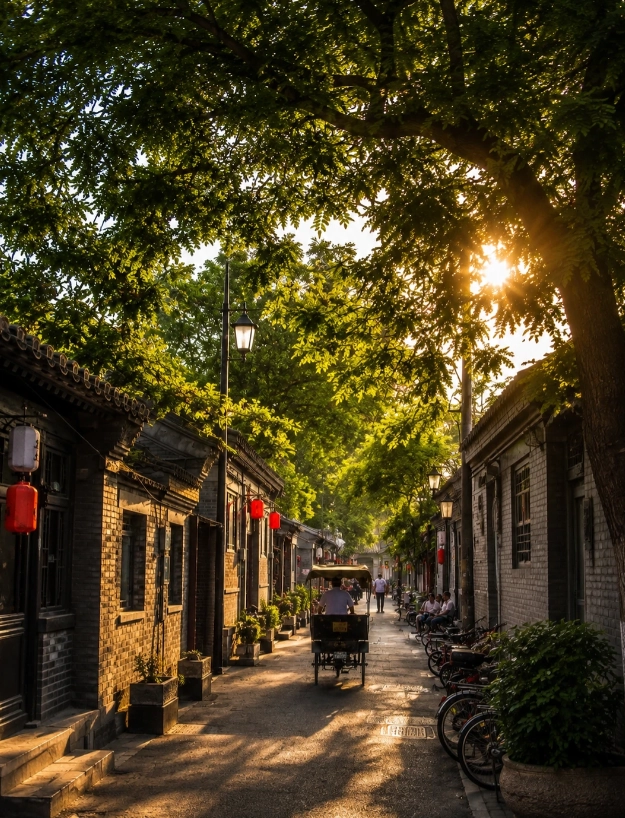
What to Do in Beijing: How to Get Around Without Google Maps?
Google Maps is useless here. The map data is often outdated or simply blocked. Use Apple Maps (for iPhone) — it works surprisingly well with English names and public transit routes. Or better, download the app 'AMAP' (高德地图) and switch it to English in the settings. It’s the same app locals use, so it gives you accurate bus and Metro info.
For taxis: forget waving one down; use ride-hailing apps. Didi (Chinese Uber) has an English interface. The app shows your destination in Chinese, so it's easy. Have your hotel's address written in Chinese on your phone, because the driver might not read English. Also, always check the license plate before getting in, because near tourist spots there are unofficial 'black' cabs that charge 10x.
The Beijing Subway is phenomenal — it's cheap, fast, and signs are bilingual. Buy a Yikatong card at any station (with cash or card), or use Alipay's transit QR code (once you have Alipay set up). I always tell my clients to use the Metro for anything within the Third Ring. For attractions like the Great Wall, a booked car or bus is easier. Trains run from 5 AM to 11 PM, and the average ride costs around 3 RMB. Be prepared for security checks at every station — they take 30 seconds but are mandatory.
What to Do in Beijing: How to Book Tickets and Pay Without a Meltdown?
Cash is not king in Beijing. Even though the law technically requires businesses to accept cash, most small vendors simply don't have change. So set up Alipay or WeChat Pay. Here's the deal: both apps accept international credit cards now. In Alipay, add your Visa or Mastercard, and you're ready. You'll need your passport for verification. For WeChat Pay, it's similar but the interface can be more confusing. I recommend Alipay for tourists — many venue booking mini-programs inside Alipay have English versions.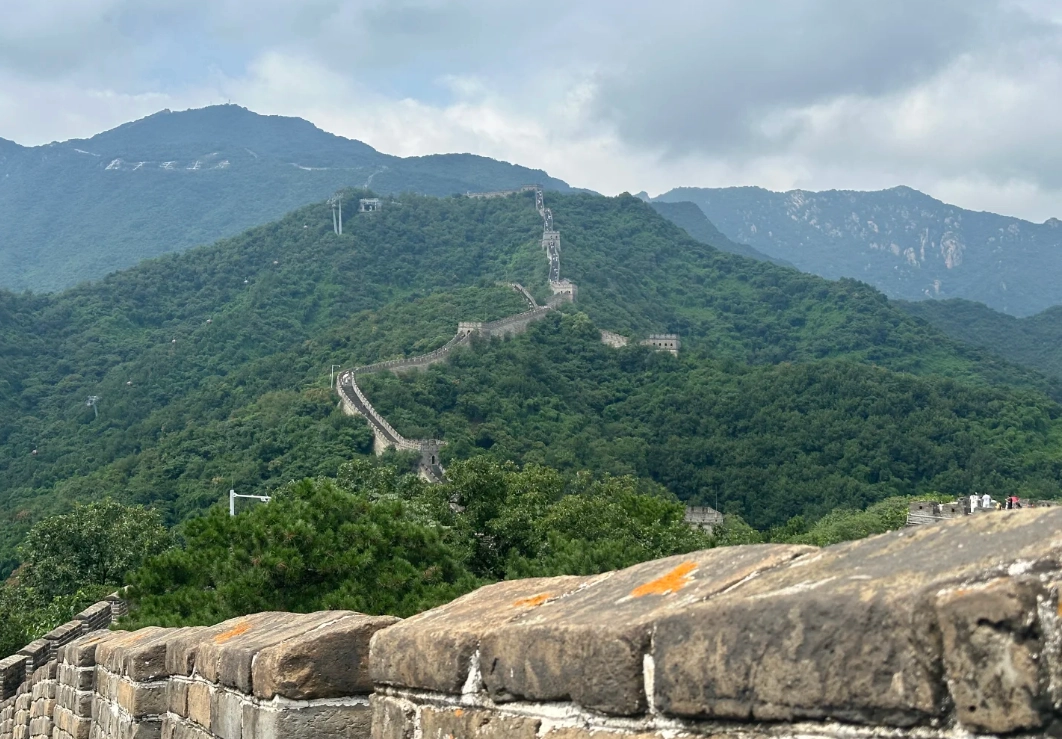
Pro Tip: Before you board the Metro, make sure your phone is charged. You'll need it for Alipay, maps, and your ticket QR codes.
For attraction tickets: don't show up without booking the Forbidden City. You can book via Trip.com or Klook — they add a small fee but save you the Chinese mini-program headache. For others like the Temple of Heaven and Summer Palace, you can usually buy at the gate, but seasons change. When in doubt, book in advance through a platform that supports English. There are ATMs everywhere, and you can withdraw cash with your foreign card, but you'll often be charged a fee. It's still useful to have a few hundred RMB in cash for small purchases like bottled water or toilet paper. But for everything else, use Alipay. I've seen people pay for a single cucumber with a QR code — that's how digital it is.
What to Do in Beijing: Realistic 3-Day Itinerary for First-Timers
This is the exact plan I give to my friends when they visit. It balances the highlights with breathing room, and it works even in bad weather.
Day 1: The Imperial Heart
This day is non-negotiable for your first visit — it covers the most iconic sights.
7:30 AM — Start at Tiananmen Square (free) — get there early to see the flag-raising (if you're into that) or just the vast square.9:00 AM — Walk to the Forbidden City via the main gate. You'll need your ticket and passport.
1:00 PM — Grab lunch at one of the small restaurants in Jingshan Park, just north of the Forbidden City. Or exit the east gate and find courtyard noodles nearby. (Ask your hotel for a map to 'Jingshan' — it's a 2-minute walk.)
2:30 PM — Climb Jingshan Park for the classic view over the Forbidden City. Yes, it's a bit of a hill, but the view is worth it.
4:00 PM — Take a rickshaw or walk through the hutongs west of the Drum Tower (e.g., the area around Shichahai). End your day with a dinner at a hutong restaurant.
Day 2: Great Wall Day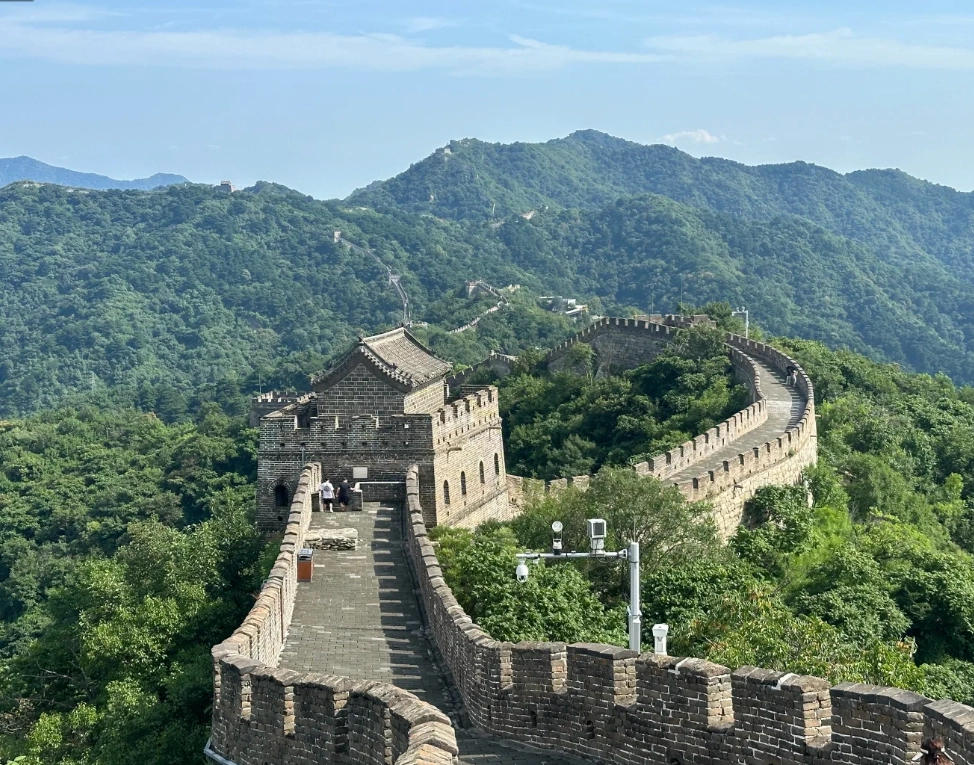
This day is tiring but unforgettable — the Wall is the Wall.
7:00 AM — Depart for Mutianyu. I recommend booking a private car through Trip.com or Klook — it's around 600-800 RMB for a day, and totally worth it. You can also take a public bus, but it takes longer and is less comfortable.9:00 AM — Arrive at Mutianyu. Beat the crowds by taking the first cable car up.
12:00 PM — Have a picnic lunch on the wall (bring your own snacks) or eat at one of the restaurants at the base. The food there is decent and not too pricey.
2:00 PM — Drive back to Beijing. Traffic can be heavy, so allow an extra hour.
4:00 PM — Visit the Olympic Park (Bird's Nest and Water Cube) — they're free to photograph from a distance. The area is modern and photogenic, but you don't need more than an hour.
Day 3: Temples and Scenery
This is your chance to see how locals live and play.
8:00 AM — Temple of Heaven. Do the morning tai chi viewing, then explore the park. There's no need for a guide — just walk and soak it in.11:00 AM — Head to the Summer Palace. It’s a bit of a trip across town, so allow 1 hour for travel. Take a taxi or Didi — it's around 80 RMB.
1:00 PM — Have lunch near the Summer Palace's North Gate. There are several decent noodle shops.
2:00 PM — Explore the Summer Palace, including the Long Corridor and a boat ride. If you're tired, skip the boat and just walk the lakeside.
6:00 PM — Finish at a Peking duck restaurant. My favorite is Siji Minfu, but there are many. Make a reservation for 6 PM to avoid a 90-minute queue. The duck is crispy, the pancakes are endless — a perfect ending.
If it's raining cats and dogs, swap Day 3 for the Capital Museum (free, but reserve) or the underground shopping street at 王府井 for a quirky alternative. If you're traveling with elderly parents or small children, cut Day 2's afternoon plan and rest at the hotel. The Great Wall itself is a workout; a day trip is enough.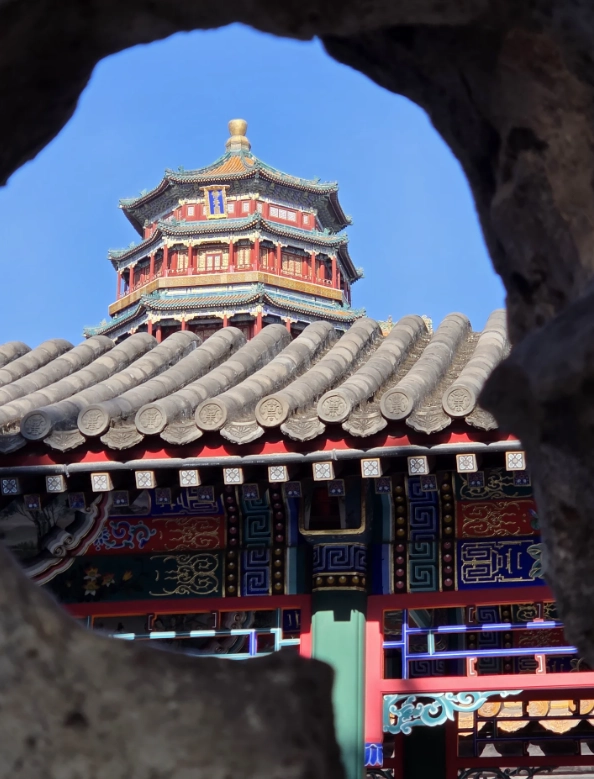
What to Do in Beijing for Food: Beyond the Basics
You will survive on more than Peking duck. Street food is where the real flavors are. Here are my essentials:
- Jianbing (煎饼) — A breakfast crepe with egg, crispy cracker, and lots of sauce. Stand-out spot: the one near the north-west corner of the Drum Tower (doesn't have a name). Pay with Alipay; it costs ~10 RMB. Get it hot — it's best when fresh.
- Zhajiangmian (炸酱面) — Spicy soybean paste noodles. Try the branch at the old 'Fang Shan' restaurant near Beihai Park. It's a bit pricey but authentic.
- Lamb hotpot from Donglaishun (东来顺) — A Beijing institution. Locations all over. Order a 'yangrou' (lamb) platter and some vegetables. The sesame sauce is addictive.
- Sichuan snacks at a local canteen — Go to '胡大' (Hu Da) in the Guijie (Ghost Street) for crayfish. It's spicy, loud, and chaotic — exactly what you want. This place gets packed after 8 PM, so go early.
These places are easy to find with AMap. For food safety, let me ease your mind: I've brought countless tourists to these spots without a single sick stomach. Just avoid anything that looks like it's been sitting out for hours. Also, if you're vegetarian or halal, look for shops advertising '素食' (su shi) or '清真' (qing zhen) — the Street food is heavily meat-based, but these markers will guide you.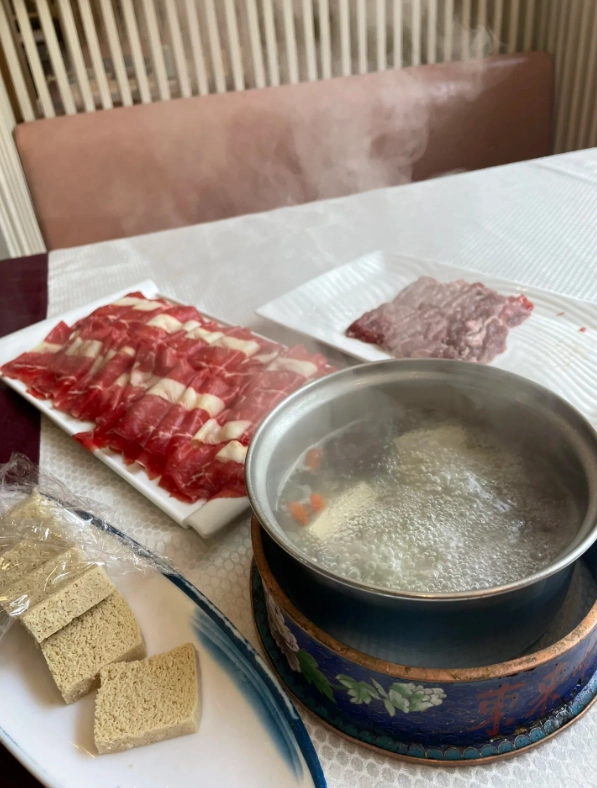
What to Do in Beijing: Frequently Asked Questions (FAQ)
Verified and fact-checked by the editorial team.





No comments yet.