 Lei Li
Quick Navigation: Skip to What You Need
- Why Beijing at Night Beats the Daytime Crowds
- How to Plan Your Beijing Night Itinerary?
- Best Beijing Night Activities: My Top 15 Picks
- What Are the Biggest Nighttime Hassles in Beijing?
- FAQ: What to Do in Beijing at Night – Your Questions Answered
- Final Insider Advice for a Safe and Enjoyable Beijing Night
Beijing after dark? It's a different city. Most tourists vanish into their hotel rooms by 10 PM — huge mistake. I've spent years guiding travelers through Beijing's night scene, and I can tell you: the magic starts when the crowds leave. But here's the catch — most online guides repeat the same clichés like touristy snack streets and overpriced river cruises. That's why I'm sharing a real insider's list of what to do in Beijing at night, from hidden temple courtyards to all-night dumpling dens. If you only do one thing tonight, skip the Summer Palace and head to the Great Wall under the stars — it's open for night visits on select dates, and the crowd-free experience is unreal. Now, let's dig into the details.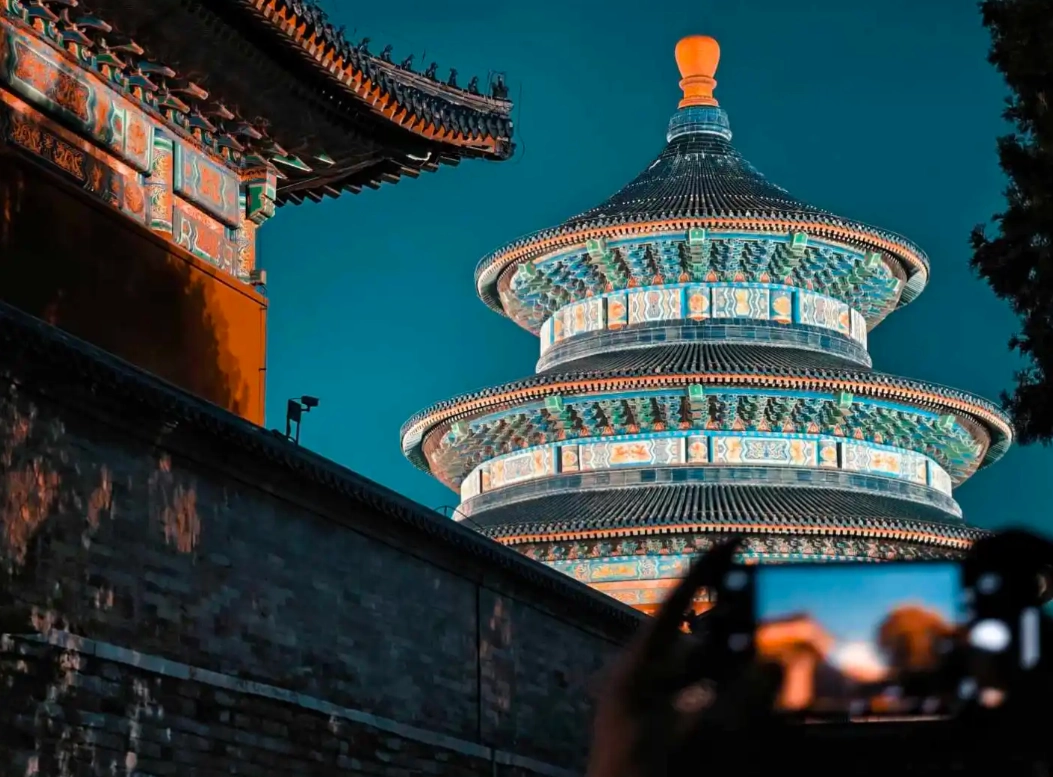
Why Beijing at Night Beats the Daytime Crowds
During the day, Beijing is a marathon of jostling elbows and impatient queues. At night, the city transforms. The soupy summer heat breaks, the neon signs flicker on, and the ancient streets glow under warm lantern light. I've seen travelers snap ten times better photos here after sunset than they did at noon — softer shadows, fewer tourists, and a completely different mood.
More importantly, many nighttime activities are less crowded and more affordable. You can grab a lakeside table at 9 PM without a reservation, and most night markets let you sample foods at half the price of their daytime versions. Also, the public transport runs late enough to get you back to your hotel safely — the last subway usually leaves around 11 PM, but buses and taxis run 24/7.
But let me be honest: you need a plan. Beijing is huge, and not everything is worth your time after dark. That's why I've handpicked 15 experiences that actually deliver, and I've included the exact transport details and costs so you won't waste a single minute trying to figure things out.
How to Plan Your Beijing Night Itinerary?
The first step is to decide whether you want culture, food, or nightlife. Beijing offers all three, but they're spread across different districts. For a smooth evening, pick a cluster of activities that are close to each other.
Here's a simple planning table based on the main zones:
| Zone | Night Activities | Best Time | Time Needed |
|---|---|---|---|
| Houhai/Shichahai | Boat ride, hutong bars, lakeside stroll | 7 PM – 10 PM | 2-3 hours |
| Wangfujing/Peking | Night market, street snacks | 7 PM – 10 PM | 1-2 hours |
| Chaoyang | Sanlitun nightlife, skyscraper bars | 10 PM – 2 AM | 3+ hours |
| Qianmen | Illuminated street, theater | 6 PM – 9 PM | 2 hours |
Pro tip: Leave your daytime plans open so you have energy for the night. I always tell my clients to take a 2-hour nap between 5 PM and 7 PM — you'll be fresh for the evening. If you're visiting in winter, start earlier (around 6 PM) because the cold can really bite.
And keep a backup plan for rain. Many night-time attractions are outdoors, so if the weather is bad, switch to a Peking opera, a bar, or an indoor night market like Wangfujing Mall.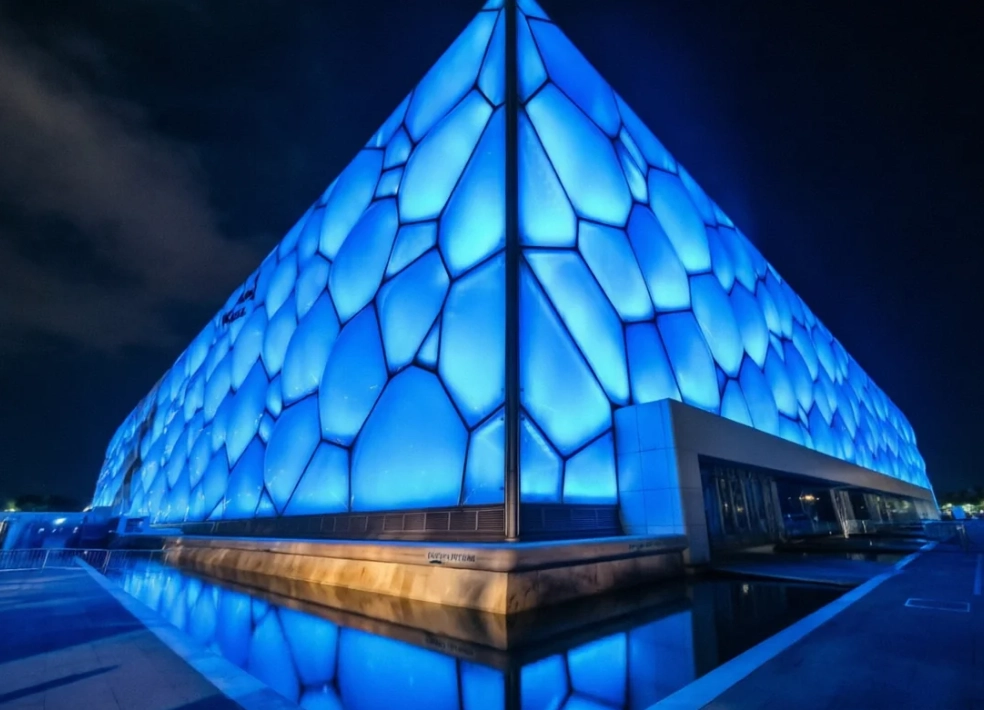
Best Beijing Night Activities: My Top 15 Picks
Here are my personal favorites, each with the details you need for a hassle-free night. I've marked the ones I consider truly unmissable with a ⭐.
1. Stroll Around Houhai Lake
Houhai Lake is the after-dark heart of Beijing's old hutong area. The lake shimmers with lantern light, and the surrounding alleys brim with bars, live music, and snack stalls. I always start my night walks here because the concentration of experiences is unbeatable.
- How to get there: Take Subway Line 8 to Shichahai Station (Exit A), then walk south about 5 minutes to the lake.
- Cost: Free to roam. A beer at a lakeside bar costs 20-50 RMB.
- Best time: Arrive by 7:30 PM to catch the last boat rides (around 30-40 yuan for a 20-minute cruise).
Pro tip: Head to Silver Ingot Bridge (Yindingqiao) for a classic photo — the mountains in the background are stunning as the sun drops.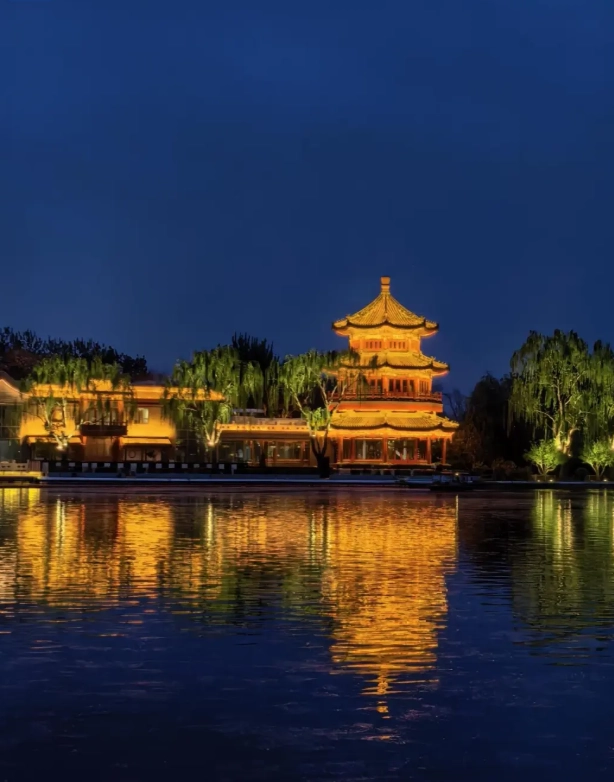
2. Explore Nanluoguxiang Hutong
Nanluoguxiang is a picturesque hutong street that comes alive at night. Boutique shops, quirky cafes, and street vendors line the lane, all lit by traditional lanterns. It's a great place to try local snacks like chuanr (skewers) and sugar-coated hawthorn.
- How to get there: Subway Line 6 to Nanluoguxiang Station (Exit A) — the street starts right there.
- Cost: Free entry, food stalls from 5 RMB.
- Best time: Weekday evenings are much quieter than weekends.
Insider advice: The best snack stall is a tiny shop tucked right at the west entrance — look for a long line of locals. It's not on any online map, but you'll smell the cumin.
3. Taste Street Food at Wangfujing Night Market
Wangfujing Night Market is the place to try adventurous street food. Scorpions, starfish, and exotic fruits sit alongside more familiar fried noodles. It's touristy, sure, but it's also a safe place to sample things you won't find back home.
- How to get there: Subway Line 1 to Wangfujing Station (Exit E), then walk east for 2 minutes.
- Cost: Skewers start at 10-20 RMB. Bargaining doesn't really work here.
- Best time: Go between 7 PM and 9 PM when all stalls are open.
Watch out: some stalls charge extra for “sauce” — ask for the total price before ordering.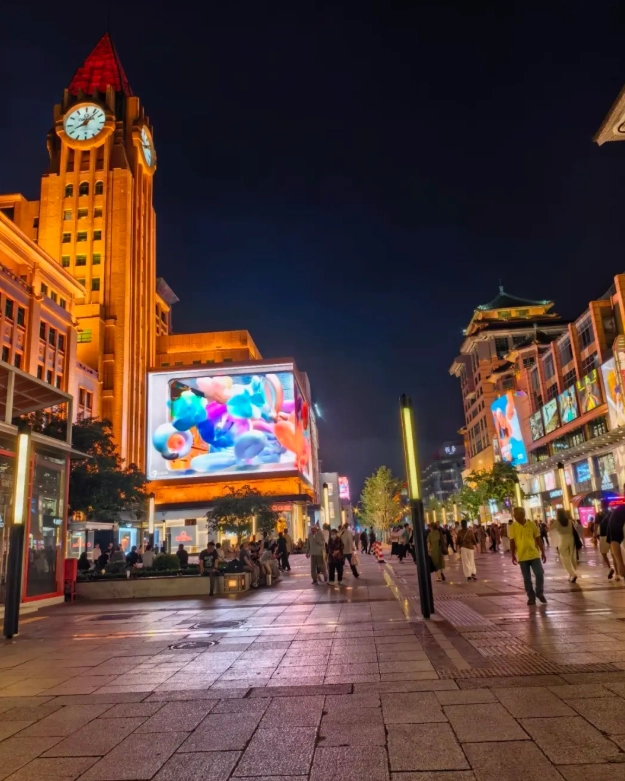
4. See the Olympic Park Lights
The Bird's Nest and Water Cube are strangely beautiful at night. The steel lattice glows against the dark sky, and the reflective pools double the visual impact. It's actually my go-to spot for a relaxing evening walk with a bit of modern China flair.
- How to get there: Subway Line 8 to Olympic Sports Center Station (Exit I), then walk 10 minutes north.
- Cost: Outside viewing is free; indoor tours end by 6 PM, so stick to the exterior.
- Best time: 7:30 PM to 8:30 PM — right after the lights come on.
Pro tip: There is also a huge mall underneath, where you can grab a late-night bubble tea or dessert.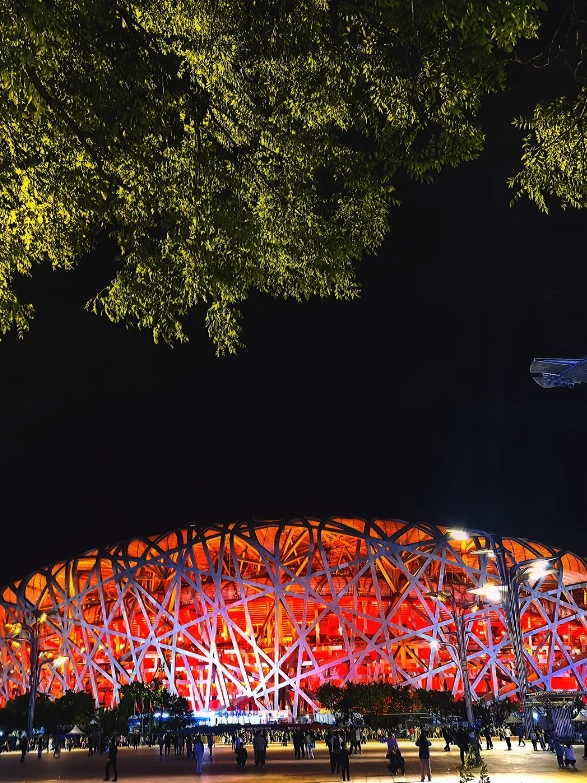
5. Climb Jingshan Park for the Dusk View
Jingshan Park gives you a panoramic view of the Forbidden City rooftops at dusk. The park is small, but the 45-minute climb up the artificial hill rewards you with a sweeping vista that's especially magical when the sun sets and the city lights begin to twinkle.
- How to get there: From the north gate of the Forbidden City, walk across the street to the park's south gate.
- Cost: Admission is 2-5 RMB, depending on the season.
- Best time: Arrive at least 60 minutes before sunset to get a good spot on the main viewing platform.
Note: The park gates close at dusk (around 6:30 PM in summer). Check the exact closing time, but aim to be out by then.
6. Take a Mutianyu Great Wall Night Tour
Mutianyu is the only section of the Great Wall that regularly hosts nighttime tours. The wall is illuminated with soft lights, and you can walk the ancient stones under a starry sky — an experience that completely blows the daytime crowds away.
- How to get there: Book a shuttle or drive from downtown (about 1.5 hours). Many tour operators on Trip.com include hotel pickup.
- Cost: Night access typically costs 180-300 RMB (includes cable car or shuttle bus).
- Best time: Tours run seasonally, usually from mid-March to mid-November. Reserve at least 2 days in advance.
Insider advice: Bring a light jacket even in summer — the wall sits high up and gets windy.
7. Watch a Peking Opera at Chang'an Grand Theatre
Chang'an Grand Theatre is one of the few venues with regular English-subtitled shows. The ornate costumes, acrobatic movements, and dramatic singing give you a true taste of Chinese drama. Even if you don't understand a word, the visual spectacle is worth it.
- How to get there: Subway Line 1 to Jianguomen Station (Exit A), then walk east 200 meters.
- Cost: Tickets range from 80-300 RMB depending on seat.
- Best time: Shows usually start at 7:30 PM and run about 2 hours.
Pro tip: Book via Trip.com or Klook to get a seat with a good view of the performers' faces — the side seats get you closer to the narrow stage.
8. Eat Hotpot on Guijie (Ghost Street)
Guijie is Beijing's infamous late-night food street, packed with hotpot and crayfish joints. The street stays busier after midnight than most cities at 6 PM. If you want to eat like a local, this is where you come for a sizzling, spicy dinner.
- How to get there: Subway Line 5 to Beixinqiao Station (Exit C), then walk east along the main drag.
- Cost: A hotpot meal for two runs 100-200 RMB.
- Best time: Late-night (11 PM - 1 AM) is relatively quieter, but still busy on weekends.
Insider advice: Choose a restaurant with a live crab tank — it means it's fresh. Also, ask for a copy of the English menu (most have one hidden).
9. Experience Sanlitun Nightlife
Sanlitun is Beijing's premier nightlife district, with bar streets and upscale clubs. From rooftop bars to underground techno venues, you'll find every style if you know where to look. I prefer the quieter side streets with dimly lit cocktail spots.
- How to get there: Subway Line 10 to Tuanjiehu Station (Exit A), then walk north 10 minutes.
- Cost: Drink prices range from 40-100 RMB. Cover charges at clubs are rare before 11 PM.
- Best time: Many places don't get lively until after 11 PM.
Pro tip: The sleek malls nearby (Taikoo Li) have light installations that make for great photo opps even if you're not buying anything.
10. Walk Along Qianmen Street (Dazhalan)
Qianmen Street is a restored commercial avenue with classic Chinese architecture and illuminated signs. At night, the red lanterns and neon give it a timeless feel. It's a great place to shop for souvenirs or just soak in the atmosphere.
- How to get there: Subway Line 2 to Qianmen Station (Exit C), the street begins right outside.
- Cost: Free to walk; shops and snacks have a wide range.
- Best time: Evening hours (6 PM - 9 PM) are pleasant, with fewer tour groups.
Insider advice: Check out the small alley running parallel to Qianmen (Meishi Street) for more authentic food stalls and less incense smoke.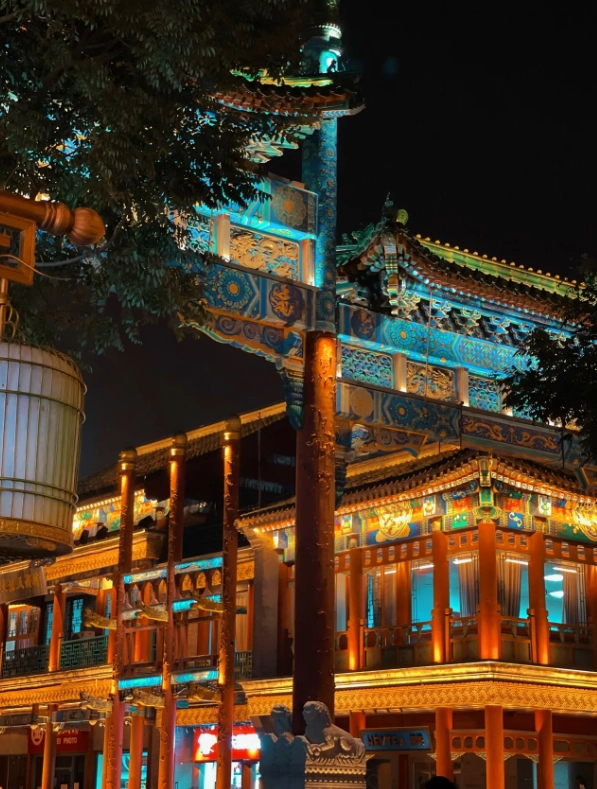
11. Sip Cocktails at China World Summit Wing's Bar 80
Bar 80 sits on the 80th floor of China World Summit Wing, offering jaw-dropping panoramic views of the city's skyline. It's not cheap, but it's the perfect spot to celebrate a special occasion or simply enjoy a quiet drink above the clouds.
- How to get there: Subway Line 1 or 10 to Guomao Station (Exit C), then walk 3 minutes to the hotel.
- Cost: Cocktails start around 80 RMB; non-alcoholic drinks around 50 RMB.
- Best time: Sunset to 9 PM for the best city lights.
Note: There's a dress code — no shorts or flip-flops.
12. Cruise the Liangma River by Night
The Liangma River night cruise is a newer attraction that showcases modern Beijing's glittering waterways. You'll float past art parks, bridges with colorful lights, and sleek skyscrapers — a relaxing contrast to the hutong walks.
- How to get there: Take Subway Line 10 to Tuanjiehu Station, then taxi 10 minutes to the Liangma River Pier (near Solana Mall).
- Cost: Cruise tickets are about 120-150 RMB per person.
- Best time: Check the departure schedule — cruises typically run 7 PM - 10 PM on weekends.
Insider advice: Book in advance on Klook or Trip.com to secure a window seat.
13. Discover Illuminated Temple of Heaven Grounds
After closing time, the Temple of Heaven offers a unique night view from outside the halls. The massive stone terraces and the surrounding park are lit up beautifully, and you can stroll around the grounds for free or a small fee if accessible.
- How to get there: Subway Line 5 to Temple of Heaven East Gate Station (Exit A).
- Cost: Park entrance is 15-20 RMB (less in winter). The inner halls close at 5 PM, but the outer areas stay open until 9 PM.
- Best time: 7 PM to 8 PM for the soft lighting effect.
Pro tip: Bring insect repellent in summer — the gardens are lush and mosquitoes love it.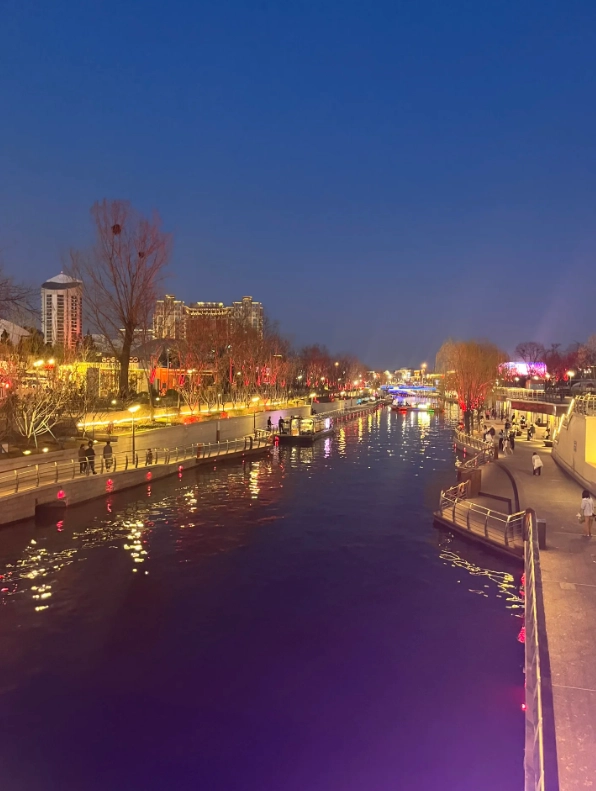
14. Enjoy a Late-Night Foot Massage
A traditional Chinese foot massage is a perfect way to end a long day of walking. Many massage places stay open until midnight or even 24/7. It's affordable, and you'll instantly feel the tension drain.
- How to get there: You'll find dozens in any area — look for signs saying 足疗 (zú liáo).
- Cost: A 60-minute foot massage costs 80-150 RMB in regular spots.
- Best time: Any time after dinner; many locals go after 10 PM.
Insider advice: Choose a place with clearly posted prices and a certificate on the wall. If you're in a tourist area, ask your hotel front desk for a recommended spot.
15. Join a Night Hutong Food Tour
A guided night food tour is the easiest way to sample multiple local specialties without stress. You'll follow a guide through winding hutongs, stopping at vetted vendors for dumplings, noodles, and grilled skewers — all with historical context.
- How to get there: Tours typically meet near the Gulou (Drum Tower) or Nanluoguxiang. Book on Trip.com or Klook.
- Cost: Expect to pay 300-500 RMB per person for a 3-hour tour with 8-10 stops.
- Best time: Most tours start at 5:30 PM or 6:30 PM.
Pro tip: Even for a tour, ensure you have Alipay/WeChat set up — you might want to buy extra snacks at the last stop.
These are my top 15. Obviously, you don't have to do all of them. Pick two or three that align with your taste, and build your evening around them.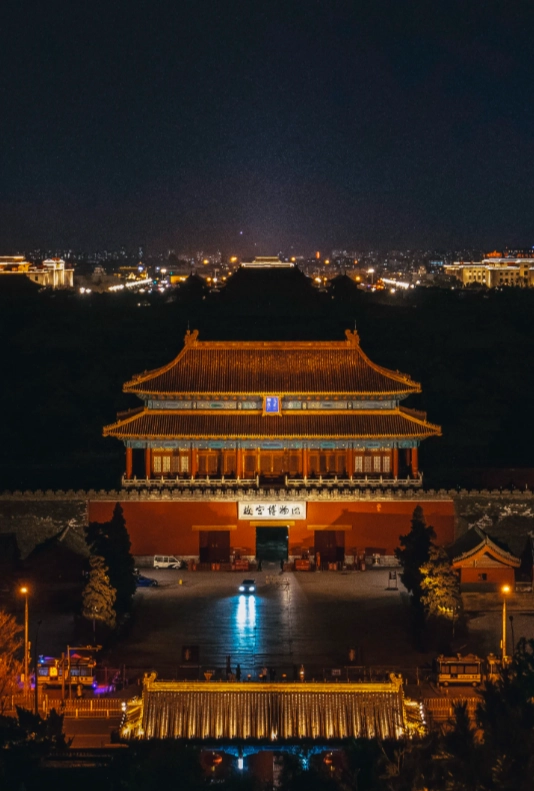
What Are the Biggest Nighttime Hassles in Beijing?
No place is perfect, and Beijing has some specific challenges for foreign visitors. Here's how to dodge the most common headaches.
Digital Payments Are the Norm
Almost all vendors, even night market stalls, expect mobile payment. Cash is accepted in most places but often with fumbling and slower service. International credit cards are rarely accepted at small night spots. Your best bet is to link your international card to Alipay or WeChat Pay before you go. If that fails, carry 200-300 RMB in small notes as backup.
Maps and Navigation
Google Maps is unreliable in China. It often shows inaccurate walking routes and doesn't work well for cab hailing. I rely on Apple Maps for English support, but for better local accuracy, you might want to download AMap (高德地图) and turn on the English interface. It's free and works with international phones. Always show the Chinese address to your taxi driver — that's the quickest way to get to your destination without miscommunication.
Booking and Reservations
Many night attractions, especially Great Wall tours and Peking opera shows, require advance booking with your passport for security. The official WeChat mini-programs are often in Chinese and require a local bank card to pay. To save yourself the headache, book through English-friendly platforms like Trip.com or Klook — they handle the passport registration and payment seamlessly.
Language Barrier
English is not widely spoken in night markets or by taxi drivers. Download a translation app like Apple Translate or Baidu Translate, and save offline dictionaries. I also recommend carrying a business card from your hotel in Chinese — the receptionist can write down the destination for you.
Internet Access
The Great Firewall blocks many popular foreign websites and apps, including Google and WhatsApp. To stay connected, you'll need a reliable VPN installed before you arrive, or a local SIM card with roaming data. Keep your VPN on for booking confirmations and accessing social media.
FAQ: What to Do in Beijing at Night – Your Questions Answered
Final Insider Advice for a Safe and Enjoyable Beijing Night
My last tip? Leave your expectations of a quiet night behind. Beijing's night scene is vibrant, sometimes chaotic, but always memorable. Embrace the crowds, eat the strange food, and talk to locals — they're usually more friendly at night than during the day.
Remember to bring a portable charger, foldable umbrella, and a light jacket. The weather can shift quickly, especially in spring and autumn. Also, save the address of your hotel in Chinese on your phone at all times.
If you only have one night, here's my perfect micro-itinerary: Start with sunset at Jingshan Park, wander down to Houhai for a boat ride, then dive into Guijie for a late-night feast. It's a compact, quintessential Beijing evening — and it's exactly what I'd do with my own friends.
Verified and fact-checked by the editorial team.





Went to Wangfujing snack street because the article mentioned it, but honestly it was a bit of a letdown. It's very touristy and crowded, and the squid skewers I tried were lukewarm and overpriced. Stinky tofu was interesting to try, but the whole experience felt more like a souvenir show than a real local food night. Maybe better to ask a Beijinger where they actually eat at night.
The acrobatics show in Chaoyang was absolutely skilled — the contortionists and the motorcycle cage were world-class. Still, I can't give it full marks because the ticket pricing felt a bit inflated for tourists and our seats weren't too comfortable. If you're going, skip the VIP upgrade; the view from the middle section is perfectly good. Overall a fun night, but go in with realistic expectations.
Houhai at night was the one thing I almost skipped, but I'm so glad I didn't. We found a small wooden boat driver near the bridge and glided around the lake while the willow trees and bar lights reflected on the water. Someone played the erhu under a red lantern on the shore. It felt straight out of a movie. Genuinely one of my favorite memories in China.
I've lived in Beijing for almost three years, and I still bring every visitor to the Olympic Park at night. The Bird's Nest and Water Cube glow like something from a sci-fi movie after dark. With the crowds gone, you can actually take your time and get great photos. The shared bikes make the loop even easier. Highly recommended for the list.
I followed this article to rent a shared bike and do a night loop around the Forbidden City. It was honestly magical — the golden lights bouncing off the moat, the empty palace walls, and the cool evening air. We stopped at a tiny breakfast shop open late for hot soy milk and chive pockets. This is the kind of Beijing you rarely see in photos. Worth every minute.