 Fang Wang
Quick Dive In
- Why Nanjing Should Be on Your China Bucket List
- The 10 Best Places to Visit in Nanjing
- How to Book Tickets and Beat the Crowds in Nanjing
- Getting Around Nanjing: Metro, Taxi, and DiDi
- Where to Stay in Nanjing for First-Time Visitors
- What to Eat in Nanjing: Local Dishes You Can't Miss
- FAQs for Foreign Travelers in Nanjing
Three days in Nanjing and you’ll feel China’s 2,000-year pulse. I’ve guided hundreds of travelers here, and the city never fails to surprise. The real challenge isn’t deciding what to see — it’s wrestling with ticket apps, cashless payment systems, and a subway map that seems to shift every time you blink. Most blogs just list names like “Sun Yat-sen Mausoleum” without telling you that you must pre-book with your passport or that your foreign credit card won’t work at the gate. Here’s the bottom line: Nanjing rewards travelers who plan ahead. Get your WeChat Pay linked, download AMap, and arrive early. This guide covers the 10 best places, plus the exact steps to skip the chaos.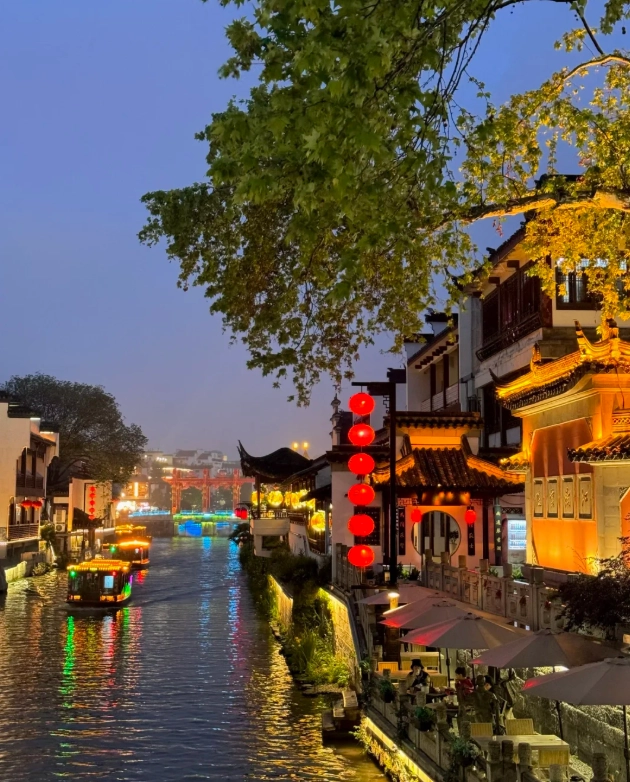
Why Nanjing Should Be on Your China Bucket List
Nanjing is one of China’s six ancient capitals, and it wears its history on every corner. The Yangtze River, the old city walls, the French plane trees lining the streets — it’s a place where the past feels present. Unlike Beijing or Shanghai, Nanjing still carries a relaxed, human-sized character. You won’t get lost in a sea of glass towers. You’ll get lost in winding alleys that open onto serene lakes and centuries-old tombs.
But don’t let the calm fool you. Nanjing is a major city, and the logistics of visiting attractions can be intimidating for foreigners. Payment is almost entirely cashless, many sites require booking with your passport number, and English is not always spoken. So, let’s get you prepped.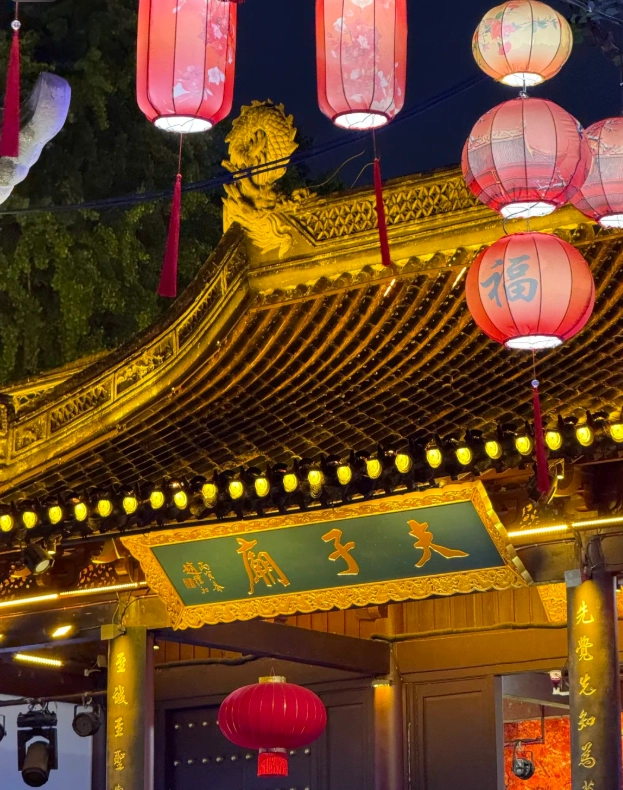
The 10 Best Places to Visit in Nanjing
I’ve ranked these based on wow-factor, historical importance, and practical visiting ease. If you only have a day or two, start with the top three.
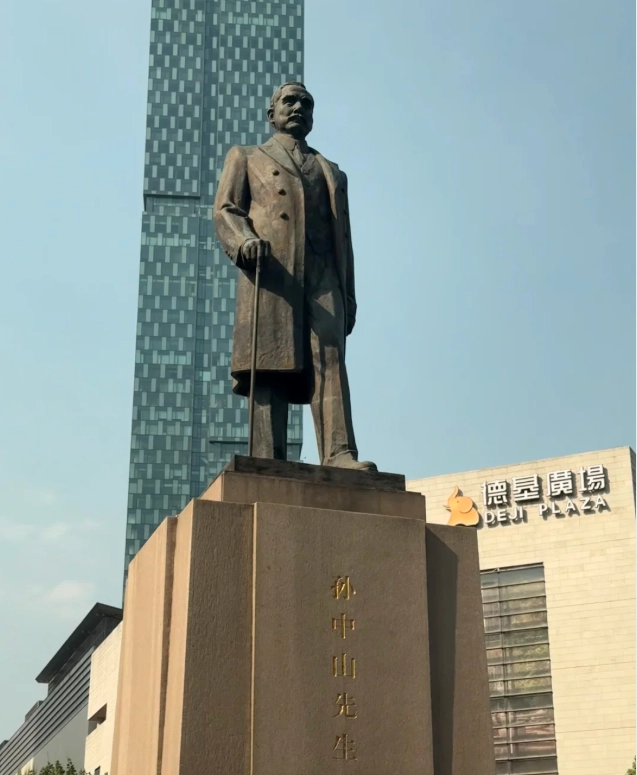
1. Sun Yat-sen Mausoleum
This is the heart of Nanjing, and the site’s sheer scale still stuns me every single time. It’s a memorial to Dr. Sun Yat-sen, the founding father of modern China. The 392 steps lead to a stunning white marble hall, and the view from the top over the forested purple mountain is worth every drop of sweat. The mausoleum is free, but you must reserve a time slot using your passport. Go early (before 8:30 a.m.) or in the late afternoon to avoid tour groups. I always tell my clients to take the shaded path on the left side; it’s less crowded and cooler.
- Address: Sun Yat-sen Mausoleum, Zhongshan Road, Xuanwu District
- Metro: Line 2 to Xiamafang Station, Exit 2, then walk 20 minutes or take the mini-shuttle
- Hours: 8:30 a.m. – 5:00 p.m. (closed Mondays for maintenance)
- Tip: Bring water and wear good shoes. There are vending machines but they often sell out by midday.
2. Ming Xiaoling Mausoleum
This 600-year-old tomb of the first Ming emperor is an underrated gem that most foreign visitors skip — don’t be one of them. The Sacred Way, lined with enormous stone elephants and guardians, feels like stepping into a fairy tale. The ticket costs about 70 yuan, and you can book via the official WeChat mini-program or on Trip.com. The site is huge, so plan at least 3 hours. The best light for photos is between 3:30 p.m. and 5:00 p.m. when the sun hits the stone animals from the side.
- Address: Ming Xiaoling Mausoleum, East of Purple Mountain, Xuanwu District
- Metro: Line 2 to Muyuan Station, Exit 2, then walk 15 minutes
- Hours: 8:30 a.m. – 5:30 p.m. (last entry at 4:30 p.m.)
- Pro Tip: Combine this with Sun Yat-sen — they share the same complex. Wear insect repellent in summer.
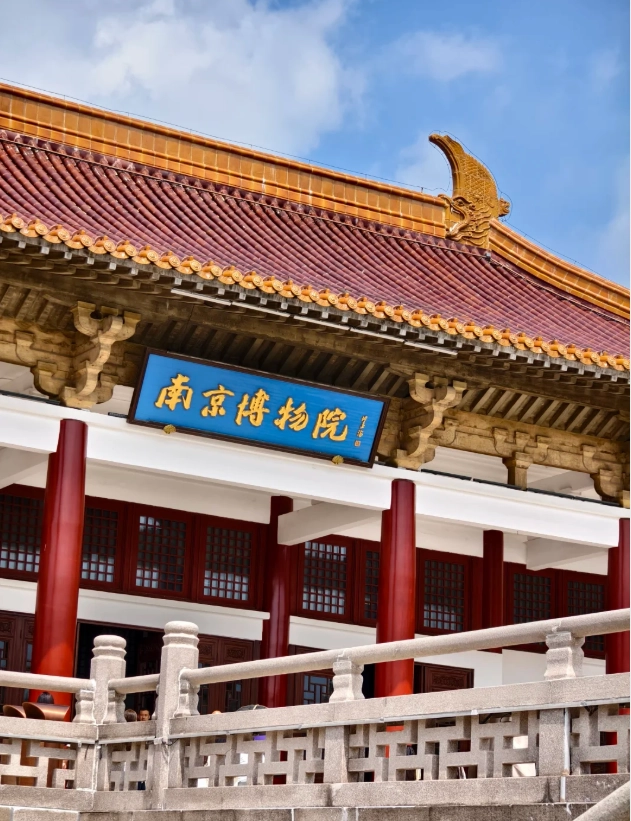
3. Nanjing Museum (Nanjing Bowuyuan)
One of China’s first modern museums, and it’s completely free — but you absolutely must pre-book. The museum holds over 400,000 artifacts from the Ming and Qing dynasties. The building itself is a masterpiece. You need to reserve a slot with your passport on the official website or via a Chinese app. I recommend getting a ticket for 9 a.m. and starting at the Art Hall — it’s the quietest. Expect to spend 2-3 hours. The museum is closed on Mondays.
- Address: No. 321 Zhongshan East Road, Xuanwu District
- Metro: Line 2 to Minggugong Station, Exit 1, walk 5 minutes
- Hours: 9:00 a.m. – 5:00 p.m. (no entry after 4:00 p.m.)
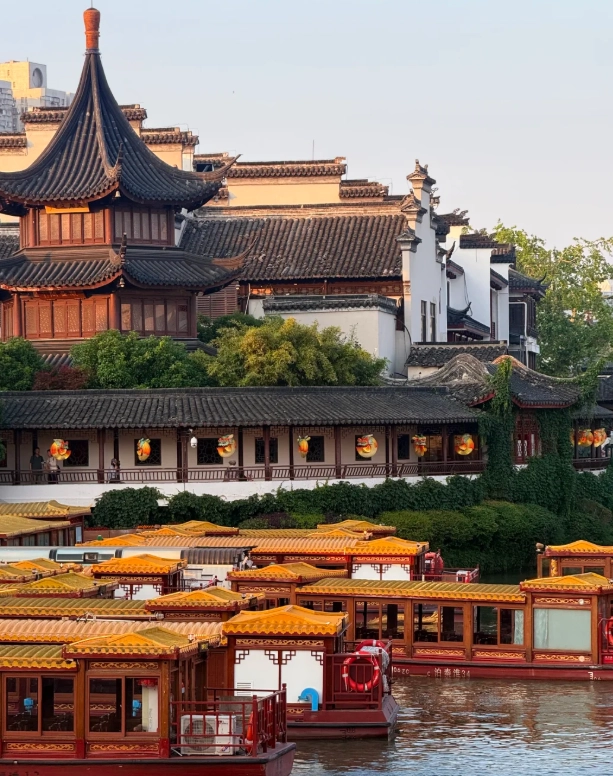
4. Confucius Temple (Fuzimiao)
Stroll past the ancient temple, colorful boats, and street food stalls along the Qinhuai River — it’s a sensory overload, and I love it. The area is free to enter, but the inner buildings like the Confucius Temple itself cost about 30 yuan. This is the liveliest spot at night when lanterns reflect on the water. Away from the main promenade, hidden alleys hide some of the best local snacks. Try the duck blood and vermicelli soup (鸭血粉丝汤) and salted duck (盐水鸭).
- Address: No. 1 Gongyuan Street, Qinhuai District
- Metro: Line 3 to Fuzimiao Station, Exit 2, walk 2 minutes
- Hours: Open all day; shops till 10 p.m.
5. Xuanwu Lake
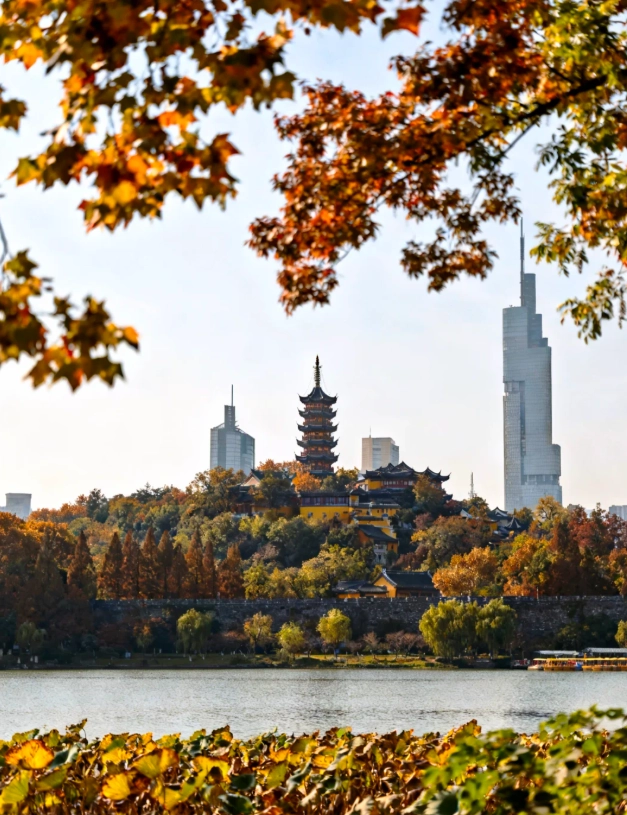
This free, sprawling lake park is where Nanjing comes to breathe. Rent a paddleboat, walk the causeways, or just find a bench under a willow tree. It’s perfect for a lazy afternoon. You can see the old city wall from here. The best photo spot is at the exit near the Jiming Temple side, especially at sunset.
- Address: Xuanwu Alley, Xuanwu District
- Metro: Line 1 to Xuanwumen Station, Exit 2, right through the park gate
- Hours: 24/7 for the park, boats until 6 p.m.
6. Presidential Palace
The site that witnessed the birth of modern China — from the Taiping Rebellion to the Republic era — and it’s a fascinating muddle of architectural styles. The ticket is 40 yuan. The historical complex is large with gardens and exhibition halls. It can get crowded mid-morning. I suggest arriving right at 8:30 a.m. for a quieter experience. Allow 2 hours.
- Address: No. 292 Changjiang Road, Xuanwu District
- Metro: Line 2 to Daxinggong Station, Exit 5, walk 6 minutes
- Hours: 8:30 a.m. – 5:00 p.m. (closed Mondays)
7. Jiming Temple
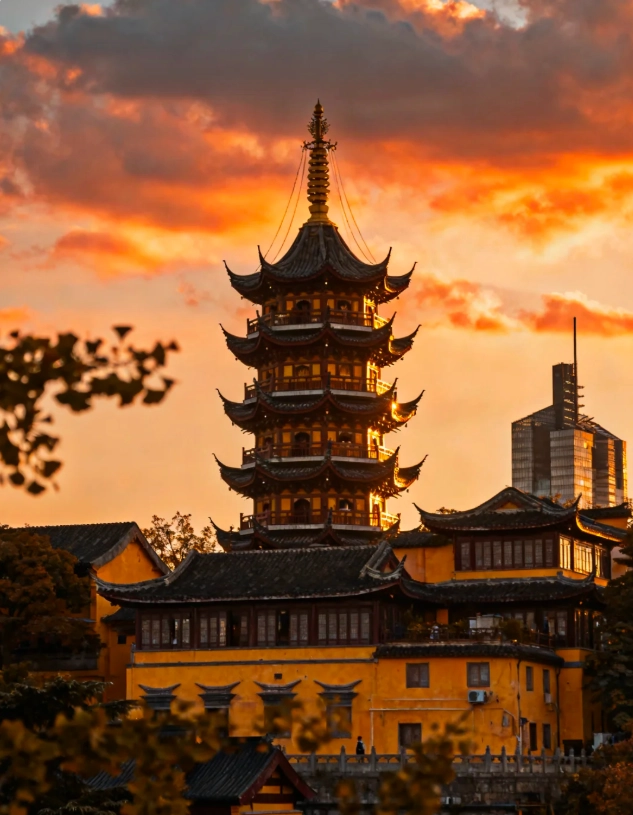
A golden Buddha, steep staircases, and an entrance fee of just 10 yuan – this small temple is a hidden gem in the heart of the city. It sits at the edge of Xuanwu Lake, so you can easily combine the two. In spring, the cherry blossoms are out of this world. But even in autumn, the ginkgo trees are stunning. Go early to see monks chanting.
- Address: No. 1 Jixiang Temple Road, Xuanwu District
- Metro: Line 3 to Jiming Temple Station, Exit 2, walk 3 minutes
- Hours: 7:00 a.m. – 5:30 p.m.
8. Purple Mountain (Zijin Shan)
You don’t need to go far for epic views – Purple Mountain National Park is right in the city. It’s free, and you can hike up in about 1.5 hours from Xiamafang, or take the cable car for 50 yuan round trip. On a clear day, you see the entire city sprawl. The top has a small planetarium. Most tourists never make it here, so you’ll feel like a local.
- Address: Purple Mountain National Park, Xuanwu District
- Metro: Line 2 to Xiamafang Station, Exit 2, then follow the hiking signs
- Hours: 24/7 for the trailhead; cable car runs 9 a.m. – 5 p.m.
9. Qixia Mountain
If you’re in Nanjing in November, this is unmissable – the red foliage creates a surreal landscape. Tickets cost about 40 yuan in peak season. It’s a bit outside the city center, about a 40-minute taxi ride or the No. 206 bus from the train station. The mountain hosts one of the oldest Buddhist temples, Qixia Temple. Plan for half a day, and wear sturdy shoes.
- Address: Qixia Town, Qixia District
- Metro: Line 2 to Xuedalu Station then taxi/bus; bus 206 from Nanjing Railway Station
- Hours: 8:00 a.m. – 5:00 p.m.
10. Nanjing Massacre Memorial Hall
A deeply moving experience that educates on one of history’s darkest chapters – free admission, but you must book a slot. The architecture is somber, and the grey walls weigh heavy. The museum is quiet and respectful. It’s not about sightseeing; it’s about paying respect. Bring your passport to enter. Allow at least 2 hours.
- Address: No. 418 Shuiximen Street, Jianye District
- Metro: Line 2 to Yunjinlu Station, Exit 2, walk 10 minutes
- Hours: 8:30 a.m. – 4:30 p.m. (closed Mondays)
- Insider Advice: Go on a weekday morning to avoid tears and crowds.
Quick Reference Table
| Attraction | Ticket (approx.) | Opening Hours | Nearest Metro | Reservation Required? |
|---|---|---|---|---|
| Sun Yat-sen Mausoleum | Free | 8:30-17:00 | Xiamafang (L2) | Yes |
| Ming Xiaoling | 70 yuan | 8:30-17:30 | Muyuan (L2) | Recommended |
| Nanjing Museum | Free | 9:00-17:00 | Minggugong (L2) | Yes |
| Confucius Temple | Free (inner ~30 yuan) | All day | Fuzimiao (L3) | No |
| Xuanwu Lake | Free | 24h | Xuanwumen (L1) | No |
| Presidential Palace | 40 yuan | 8:30-17:00 | Daxinggong (L2) | Recommended |
| Jiming Temple | 10 yuan | 7:00-17:30 | Jiming Temple (L3) | No |
| Purple Mountain | Free (cable car 50 yuan) | 24h | Xiamafang (L2) | No |
| Qixia Mountain | 40 yuan | 8:00-17:00 | Xuedalu (L2) + bus | No |
| Nanjing Massacre Memorial | Free | 8:30-16:30 | Yunjinlu (L2) | Yes |
How to Book Tickets and Beat the Crowds in Nanjing
Let’s be honest — the WeChat mini-programs are often in Chinese, and it can be a nightmare to set up. My standard advice is to us a combination: for major sites like Sun Yat-sen and Nanjing Museum, book via Trip.com where English is supported. You just enter your passport number and you’re done. For the rest, most don’t require a booking unless noted. Here’s the catch: always carry your physical passport. Security guards will check it at the entrance.
To beat the crowds, avoid national holidays (especially October 1-7). Midweek is always easier. Aim to arrive within the first 30 minutes of opening time.
Pro Tip: If you show up without a reservation, sometimes you can still get in by filling out a paper form with your passport number, but this is not guaranteed. Don’t risk it — book online.
Getting Around Nanjing: Metro, Taxi, and DiDi
Google Maps is virtually useless in China. I can’t stress this enough. Download AMap (it has an English version now) or use Apple Maps. For each attraction, I’ve listed the nearest metro station. The Nanjing metro is cheap (2-5 yuan) and clean. Taxis are also affordable, but using Didi (the Chinese Uber) is easier. Set your destination in Chinese — I’ve included the Chinese names in each attraction list, so show them to your driver.
From Nanjing Lukou International Airport, take the S1 metro line to Nanjing South Railway Station, then transfer to Line 1 or 3 to the city center. The ride costs about 6 yuan and takes 40 minutes. Or take a Didi for about 100 yuan.
Insider Advice: When hailing a taxi, do not agree to a flat fare. Always insist on the meter (打表). This is rare, but sometimes drivers try to overcharge tourists.
Where to Stay in Nanjing for First-Time Visitors
For your first trip, stay in the Xuanwu District near Zhongshan Road. This puts you close to the metro and many attractions. If you love history, the Qinhuai District near Confucius Temple is atmospheric. For budget, choose a hostel near Xuanwu Lake. Average hotel price: 400-800 yuan/night for a mid-range room.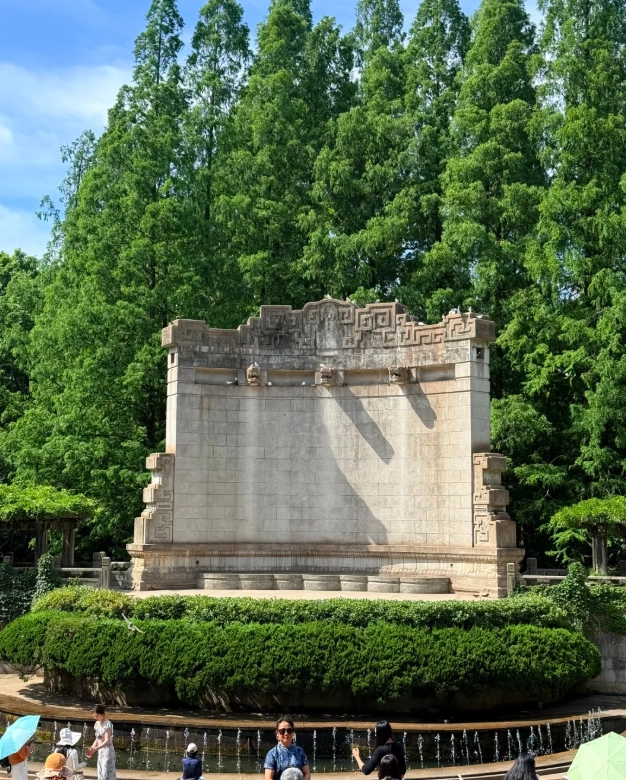
| Area | Pros | Cons | Best For |
|---|---|---|---|
| Xuanwu District | Near metro, central, many sights | Can be busy | Most travelers |
| Qinhuai District | Scenic, nightlife, food | Noisy at night | Food lovers |
| Jiangning District | Quiet, modern | Far from old town | Business / budget |
What to Eat in Nanjing: Local Dishes You Can't Miss
Nanjing food is salty and savory. Try salted duck (盐水鸭) and duck blood vermicelli soup (鸭血粉丝汤). For these, head to a local chain like Dandao Duck Blood Noodles or any small shop in the hutong. A bowl costs about 15-20 yuan. Also, don’t leave without trying pan-fried buns (金陵汤包) — the juice is hot, so bite carefully! Most restaurants accept Alipay/WeChat. Cash is rarely accepted, so be ready.
My personal go-to is the food street inside Lao Men Dong (老门东) — it’s less touristy than Confucius Temple, and the sesame biscuits are unreal.
FAQs for Foreign Travelers in Nanjing
Verified and fact-checked by the editorial team. This content has been fact-checked to ensure informational precision.
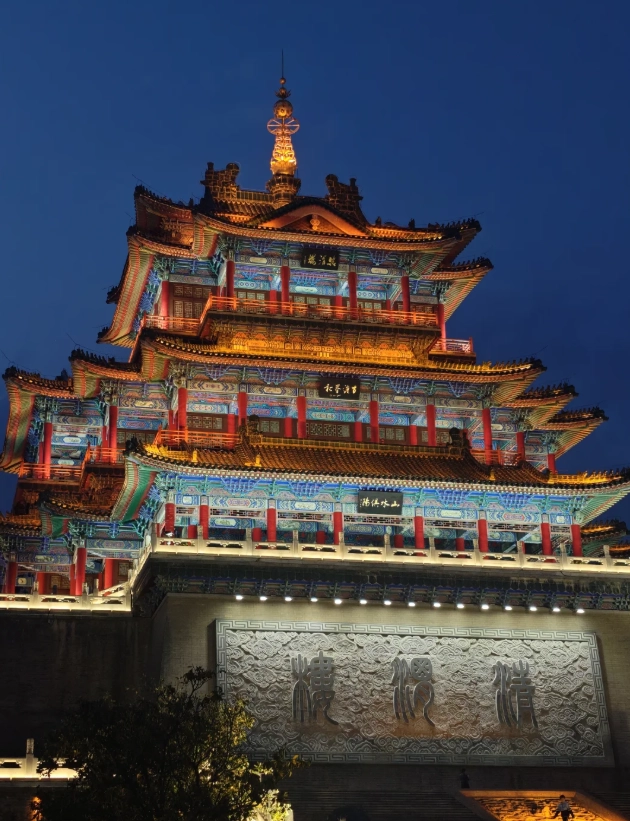
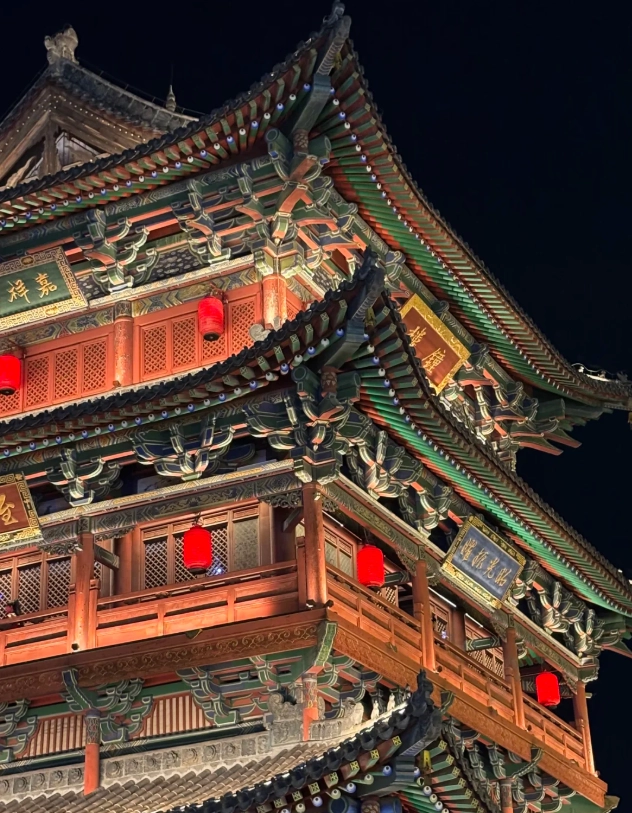





Nanjing is all about local flavors and hidden corners, and Laomen East delivered. Instead of fighting the crowds at Fuzimiao, I wandered into a tiny alley near Zhonghua Gate and found a hole-in-the-wall noodle shop. Two bowls of duck blood vermicelli later, I was completely hooked. The broth was rich, spicy, and deeply comforting. Later I strolled along the eastern side of the Qinhuai River — the city wall glowed gold and the reflections in the water were stunning. I even stopped at a little tea house where old men were playing chess and laughing. This felt like the real Nanjing, not a tourist version. I’d come back just for that evening.
If you only do one thing in Nanjing, make it the Purple Mountain area. I started at Sun Yat-sen Mausoleum at dawn, then walked through the forest path toward Ming Xiaoling. The sacred way with the giant stone elephants was surreal — a light mist was rolling through the trees and it felt ancient. Most tour groups rush straight to the main tomb, so if you take the little lane behind the mausoleum, you’ll have the stone animals almost to yourself. In autumn the maple and ginkgo trees are unreal. Bring water and good shoes — you’ll want to wander for hours.
Nanjing Museum was the highlight of my trip, hands down. It’s free but you need to reserve ahead, which I almost missed. The jade and porcelain collections are world-class, and the art gallery upstairs was so quiet I felt like I had the place to myself. Best secret: the restored Republic-era street in the basement — it looks like a tiny old town from the 1920s, complete with vintage shops and street signs. I ended up spending four hours here without even realizing it. Absolutely recommended for anyone who loves history and photogenic corners.
Sun Yat-sen Mausoleum is an impressive place to visit. The climb up the 392 steps is tough, especially in the summer heat, but the view from the top is worth it. The architecture blends beautifully with the forest around it, and there’s a real sense of calm once you’re up there. I only knocked off a star because it gets very busy by mid-morning, and there aren’t many shaded spots to rest on the way up. Still, if you get there early, it’s a peaceful and memorable experience.
I really wanted to love the Confucius Temple area, but it just didn’t do it for me. The lanterns along the Qinhuai River are pretty at night, but the whole place is extremely crowded and commercialized. Every other shop sells the same mass-produced souvenirs, and the snacks were way overpriced for what you get. The boat ride itself was okay, but the line took almost an hour and the recorded commentary felt robotic. Maybe I should have come on a weekday or explored the side streets more, but honestly I left a bit disappointed.