 Qiang Huang
Your Quick Route Through This Post
- Why Nanjing Deserves a Spot on Your China Itinerary
- What Are Nanjing's Must-See Attractions?
- How to Get Around Nanjing Like a Local
- Where to Eat in Nanjing – Beyond Duck Blood Soup
- Where to Stay in Nanjing – Best Areas for Every Budget
- An Expert's 24-Hour Nanjing Itinerary
- Practical Tips for Foreign Travelers
- FAQ – Your Top Questions Answered
- Final Verdict – Should You Visit Nanjing?
Let's be blunt. Is Nanjing worth visiting? Absolutely — but only if you know how to dodge the crowds.
I've been guiding travelers through China for a decade, and Nanjing is the city I return to again and again. It's not just a history lesson; it's an emotional experience. Yet most foreigners arrive unprepared. They rely on Google Maps, which lies in China. They try to pay by card, which rarely works. And they end up in exhausted lineups at the wrong time of day.
Here's my straight answer: Nanjing is worth visiting for its World Heritage sites, its quietly stirring museums, and its surprisingly eatable streets. But without the right digital setup, you'll lose hours. Let me show you exactly how to plan a stress-free trip.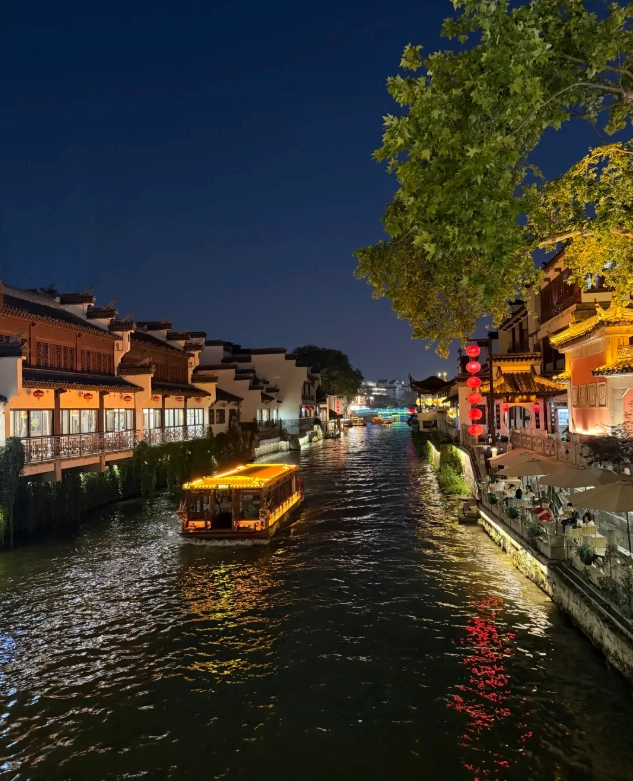
Why Nanjing Deserves a Spot on Your China Itinerary
More Than a Museum City – It's a Living Memory
Nanjing is China's former capital, and it carries that weight with grace. It's a city where you can walk the same stone path an emperor took in the 14th century, then duck into a modern bistro for coffee. That contrast is exactly why Nanjing feels different.
I'll never forget my first trip to the Ming Xiaoling Mausoleum. The Sacred Way, lined with giant stone animals, is so serene you can hear your own heartbeat. It made me understand why the Ming Dynasty chose this spot.
Beyond the big sights, the city's everyday life is addictive. Hairy crabs in autumn, osmanthus-scented breeze in September, and old neighborhoods like Nandachang where grandmas still dry chili peppers on bamboo trays.
If you're wondering is Nanjing worth visiting purely for atmosphere — yes. Come in October, when the osmanthus makes the whole city smell like apricot candy.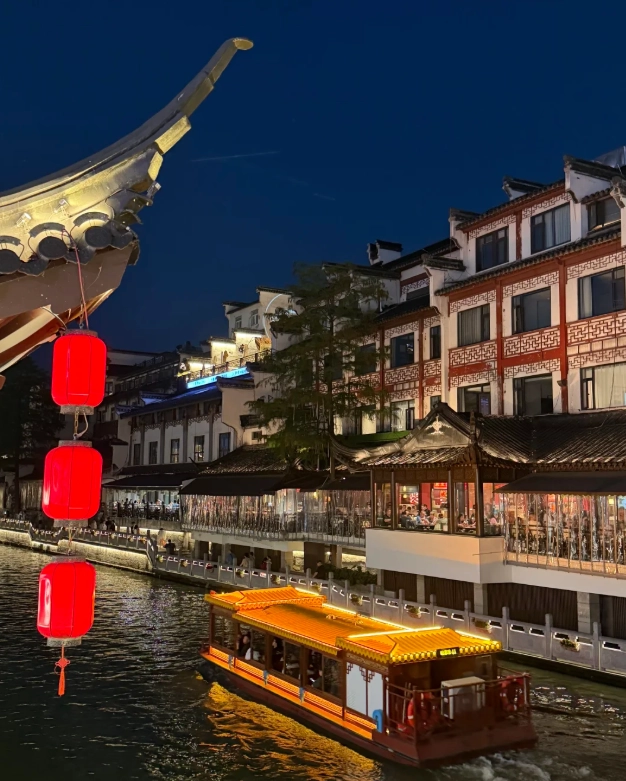
What Are Nanjing's Must-See Attractions?
Sun Yat-sen Mausoleum – A Stairmaster to Respect
Sun Yat-sen Mausoleum is free, but you still need to reserve your entrance slot. You can book on Trip.com or the official WeChat mini-program, but if the mini-program looks like hieroglyphics, just ask your hotel to help — or book on Trip.com, which is English-friendly and reliable.
Here's the deal: it's 392 steps from the base to the top. I always tell my clients to bring water and wear shoes with grip, because the marble gets slick after rain. The trick is to arrive when it opens at 7:00 AM. Not only do you beat the tour buses, but the morning light makes the blue-tile roof glow.
Address: No. 7 Mausoleum Road, Xuanwu District (玄武区中山陵7号). Take Metro Line 2 to Muyuan (苜蓿园站), then hop on the scenic shuttle (20 CNY) or walk 20 minutes uphill.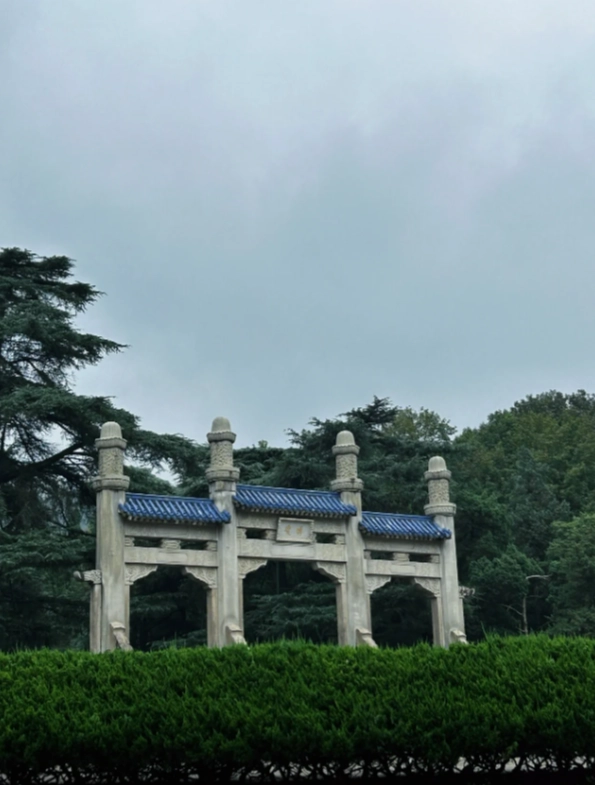
Pro Tip: If you walk up from the Muyuan Metro station, you'll pass a little forest path that most tourists miss. It's shaded, peaceful, and adds only about 15 minutes. At 10 AM, the main staircase will be packed — so go early.
Ming Xiaoling Mausoleum – The Best-Preserved Imperial Tomb in China
Entry costs 70 CNY, or 100 CNY for a combined ticket with the whole Purple Mountain area. This UNESCO World Heritage site is a short ride from Sun Yat-sen, and the Sacred Way is the real star.
I've escorted at least 50 groups through here. The stone elephant grove is where everyone takes that dramatic photo, but what most people don't know is that the right-hand path off the main Sacred Way leads to an ancient pagoda with almost no visitors.
Address: 9 Shixiang Road, Xuanwu District (玄武区石象路9号). Open 6:30 AM to 6:30 PM. Arrive by 2 PM to catch the golden light, especially in autumn when the Ginkgo trees explode into yellow.
Use a translation app to read the Chinese info boards — they tell a better story than the English guidebook summaries.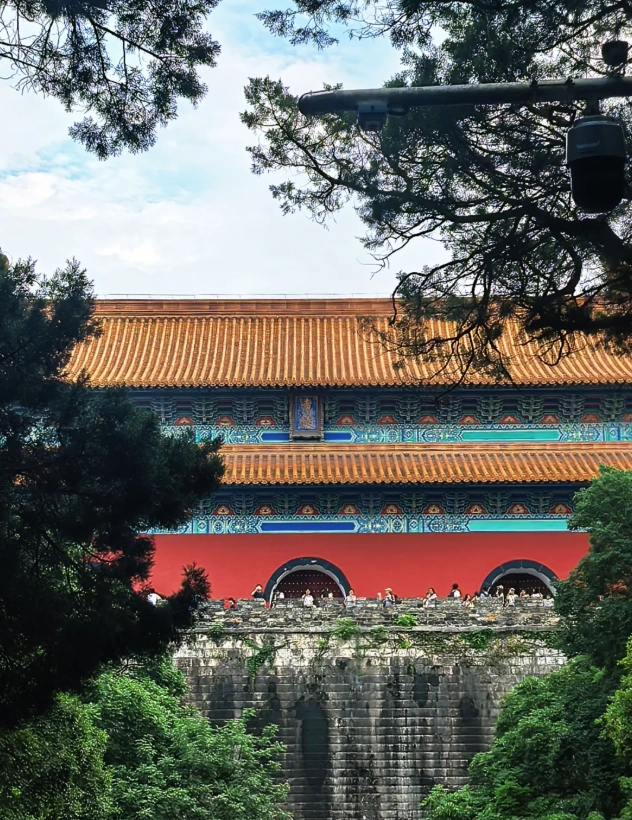
The Nanjing City Wall and Museums – More Than Just Old Stones
The Ming City Wall is free to walk in sections — the Xuanwu Lake Gate section is a popular jogging spot. But the real gem is the Nanjing Museum (南京博物院), which is free but requires a passport and advance reservation.
The museum's digital display of ancient Chinese painting is unmatched. I won't spoil it, but it explains so much about Chinese culture in one room.
If you're pressed for time, skip the wall and choose the museum. But those who like architecture will love walking the wall at sunset, when the old city lights up.
How to Get Around Nanjing Like a Local
Subway: Your Best Friend in Nanjing
Nanjing's subway is cheap, safe, and covers almost every attraction. Signs are bilingual, and ticket machines accept WeChat/Alipay QR codes. A single ride costs around 2-6 CNY.
Get the “Nanjing Metro” app or just use Alipay's transport card — no need for a physical card.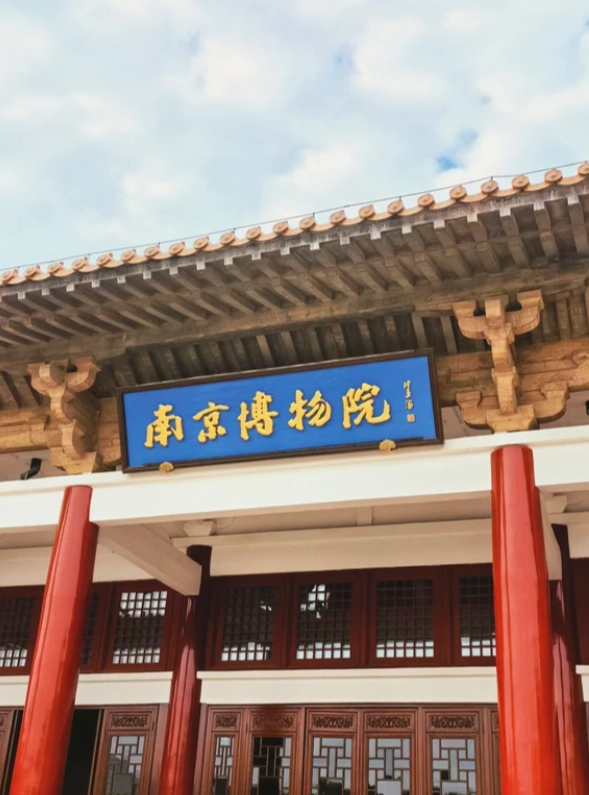
Taxis and Ride-Hailing: What You Need to Know
Taxis are metered, but drivers rarely speak English. Always have your hotel's business card or a Chinese address written on paper. For ride-hailing, Didi is the local Uber, but its English version is patchy. If you can't use it, ask your hotel to call a taxi for you.
Also, watch out for black-market cars near tourist spots. They may overcharge 3-4x. Use a metered taxi or app.
Navigation Apps: Why Google Maps Will Fail You
Google Maps is blocked and inaccurate in China. Download Apple Maps — it's surprisingly accurate when you travel even though it uses local data. Also, consider high-definition map apps like Baidu Maps or AMap (the English name is AMap or Gaode Maps).
Here's the catch: AMap is in Chinese, but for walking directions, just search the Chinese address I've provided. To be extra safe, take a screenshot of the route before leaving Wi-Fi.
Where to Eat in Nanjing – Beyond Duck Blood Soup
Many foreigners think Nanjing's food is all about duck blood soup — and yes, it's a must-try, but the city's food scene is layered.
Vermicelli with Duck Blood (鸭血粉丝汤) – The Iconic Breakfast
You'll find dozens of shops, but my gold-standard is “Yi Sheng Yuan” (易记老字号). They've been serving this since the 1980s. Get the regular bowl (14 CNY) and add a salted duck leg (15 CNY). The broth is light, not gamey, and the duck blood is silky.
Address: No. 6, Caochang Street, Xuanwu District (玄武区曹街6号). Busy until 9 AM, so go at 7:30 if you want a seat.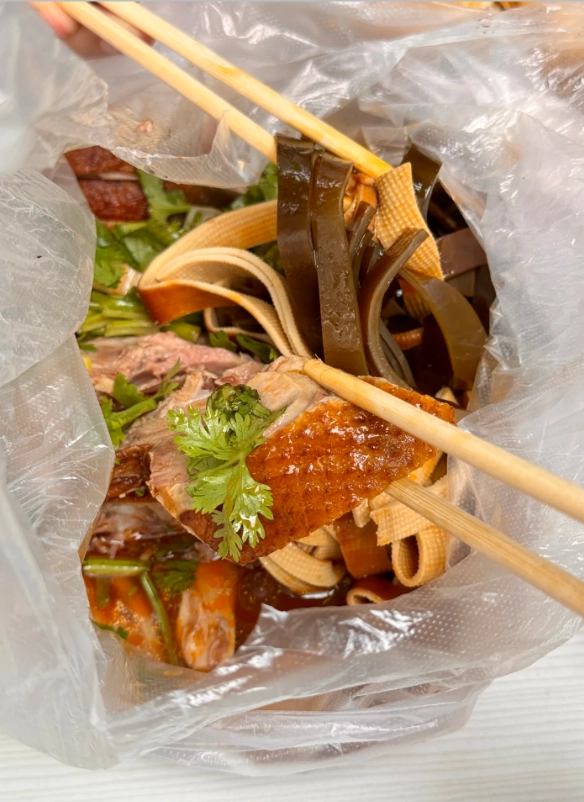
Salt-Boiled Duck (盐水鸭) – A Local Obsession
Nanjing ducks are famous, and salt-boiled is the classic way. The meat is juicy and not too salty. Pick up some at “Hankou Road” night market or a proper restaurant. For a sit-down, head to “Da Pai Dong” (南京大牌档) at Deji Plaza — they have picture menus and English names.
Soup Dumplings (小笼包) – The Sweet Surprise
Nanjing's soup dumplings are sweeter than Shanghai's. My favorite is “Yi Yuan Tangbao” (意缘汤包) near Confucius Temple. Remember to poke a hole in the skin, sip the soup, then dip in vinegar with ginger.
Don't be scared by the density of Confucius Temple — it's touristy but the dumpling stand at 12:30 PM is worth the wait.
Where to Stay in Nanjing – Best Areas for Every Budget
Your trip's success depends on where you base yourself. I usually advise staying near the Xinjiekou metro station for walkability, or near Laomendong (老门东) for a historic vibe.
| Area | Best For | Nightly Rate (CNY) | Pros | Cons |
|---|---|---|---|---|
| Xinjiekou (新街口) | First-timers, shoppers | 350-600 | Central, metro junction, lots of food | Can be chaotic, older hotels |
| Lao Men Dong (老门东) | Culture lovers | 250-450 | Historic feel, quieter night market | Fewer metro lines, taxi needed |
| Confucius Temple (夫子庙) | Night owls | 200-400 | Tourist heart, river views, nightlife | Very crowded, often overpriced |
I personally recommend a mid-range hotel near Xinjiekou. The Metro lines 1 and 2 cross there, so you can reach anywhere in under 30 minutes. Plus, there is a 24-hour convenience store on every corner.
An Expert's 24-Hour Nanjing Itinerary
This itinerary is designed for a day trip from Shanghai or a whirlwind layover. But it also works as your first day in Nanjing.
- 7:00 AM – Arrive at Sun Yat-sen Mausoleum. You'll have the place almost to yourself, and the light is perfect.
- 9:30 AM – Walk to Ming Xiaoling Mausoleum (about 20 minutes downhill). Spend 1.5 hours exploring the Sacred Way.
- 11:30 AM – Metro to Xinjiekou. A quick 10 minutes, then grab lunch at a local food hall. My pick: 鸭血粉丝汤 at a tiny shop near Exit 14.
- 1:00 PM – Side trip to Nanjing Museum. Reserve ahead for the free entry. Spend 2 hours here.
- 3:30 PM – Head to the Ming City Wall. Walk a section between Chaoyang Gate and Wuding Gate for the best skyline blend.
- 5:30 PM – Take a taxi to Laomendong. This is an old neighborhood with restored buildings and warm lanterns.
- 7:00 PM – Dinner at Nanjing Da Pai Dong. Try the salted duck and the sweet tofu.
- 9:00 PM – Optional Qinhuai River night cruise. A bit touristy but the lights are pretty.
For a slower pace, swap the museum for a coffee at a hipster cafe called “Fishtank” — ask your driver to navigate.
If it's raining, shift the outdoor sights to the afternoon and use the morning for the museum.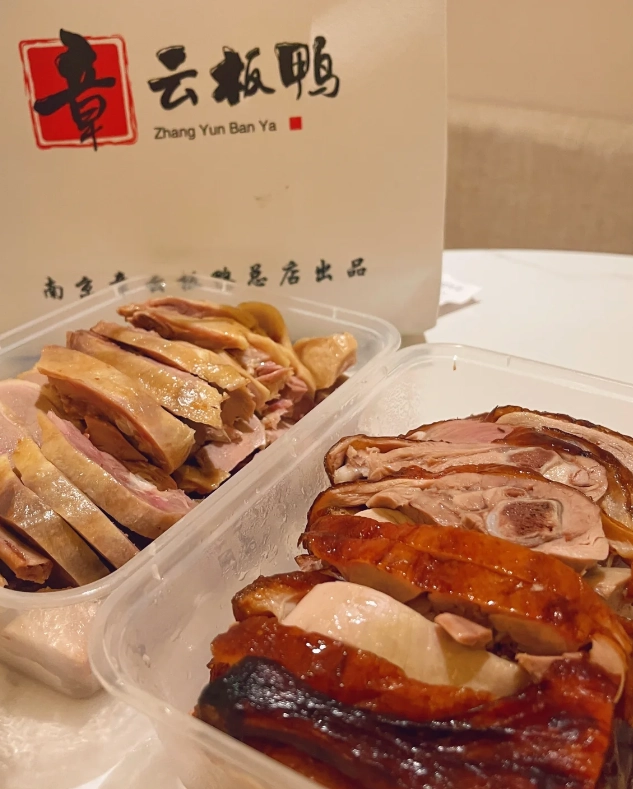
Practical Tips for Foreign Travelers – Payments, Apps, and What to Pack
Payments: Cash is No Longer King
Almost all shops, even tiny stalls, expect mobile payment. You can pay by scanning QR codes with Alipay or WeChat Pay if you've linked an international card. Some smaller vendors might not accept cash, so always have some small bills as backup.
Rebooking tickets and paying for metros? Alipay has a transport card feature that works seamlessly.
VPN and Connectivity
Without a VPN, your usual apps (Google, Facebook, Instagram) won't work. Install a reliable VPN before you arrive. I also recommend downloading the Apple Translate app for offline Chinese — it supports full conversation mode.
Booking Attractions
Popular sights like Sun Yat-sen Mausoleum and Nanjing Museum require prior reservation. For an English interface, use Trip.com or Klook. They offer instant confirmation and don't require a WeChat account.
What to Pack
- Comfortable walking shoes – you will walk 15k+ steps.
- A small umbrella for sudden showers.
- A power bank – your phone will work hard.
- Your passport – needed for every booking.
FAQ – Your Top Questions About Visiting Nanjing Answered
Final Verdict – Should You Visit Nanjing?
Yes, Nanjing is worth visiting — with conditions. It's not a city for a whirlwind tour; it rewards those who take the time to understand its layers. The crowds can be exhausting, the weather extremes are real, and the digital barriers are frustrating. But the moments of quiet beauty — the stone elephant under morning mist, the taste of a perfectly salted duck, the view from the mausoleum steps — make it unforgettable.
Are you the kind of traveler who wants to feel a place rather than just see it? Then pack your patience and come.
Verified and fact-checked by the editorial team.







As a history nerd, I've been to all the big Chinese cities, and Nanjing is the one that sneakily leaves a mark. This article hit the same notes I'd share with a good friend. The Ming City Wall feels like you can smell the moss and rain when you touch it; the Nanjing Museum isn't flashy but it's deep. The writer's honest tone sets it apart from typical travel blogs. If you want a city that feels real, not just famous, come here. Five stars.
I'll keep this short: read this article and then book your flight. I travelled to Nanjing last spring and every single bite was a story - duck blood soup from a hole-in-the-wall in the morning, hot xiaolongbao at the food street, and a bowl of crispy duck at a tiny restaurant by the lake. The article nailed the local food scene without sounding like a listicle. Highly recommended for anyone who eats their way through a city.
This is the most honest piece about Nanjing I've read in a long time. I'm a local who has lived here for a decade, and the article captures the city's quiet dignity perfectly. Walking along the Qinhuai River at dusk, watching the neon lights reflect on the water while the old city wall sits there unbothered - that's the real Nanjing. The writer gets it. If you're still deciding whether to come, come. But don't rush it. Let the city breathe.
Decent article! The local perspective is clear, and I especially liked the part about Nanjing having its own pace. I visited last October and the Confucius Temple area was a lot more laid-back than I expected - the smell of osmanthus in the air was unforgettable. The only reason I'm not giving 5 stars is that it could have included a few more off-the-beaten-path spots, like the little lakeside area near Mochou Lake. Still, it's a helpful and charming read.
I really wanted to love this article, but it felt a bit incomplete. The writer's local pride comes through, and I do think Nanjing is worth visiting, but the piece glosses over the summer misery. I went in June and the humidity was brutal - my shirt was soaked before I even reached the Sun Yat-sen memorial. Also, the article didn't mention how crazy busy the metro can get during rush hour. It's a fine overview, but I expected more practical honesty from a local.