 Lei Li
Let me stop you right there. Beijing is loud. It's huge. It's messy. And it's one of the most incredible cities on Earth.
I've guided dozens of first-timers here, and they all ask the same thing: 'Is Beijing worth visiting?'
After years leading tours, I can tell you the answer isn't a simple yes or no. It's a 'yes, if you know what you're doing.' Most travelers get stuck in crowded tourist traps and miss the real Beijing. If you rely on English-language blogs that copy the same itineraries, you'll likely feel overwhelmed, overcharged, and disappointed.
Here's my bottom line: Beijing is absolutely worth visiting — for its history, food, and the sheer energy you won't find anywhere else. But you need to prepare for a city that doesn't care about your comfort. You'll need the right tools, the right mindset, and a plan that avoids the tour-bus rush hours. This guide will give you exactly that — with my personal tips, honest reviews, and step-by-step itineraries. Let's dive in.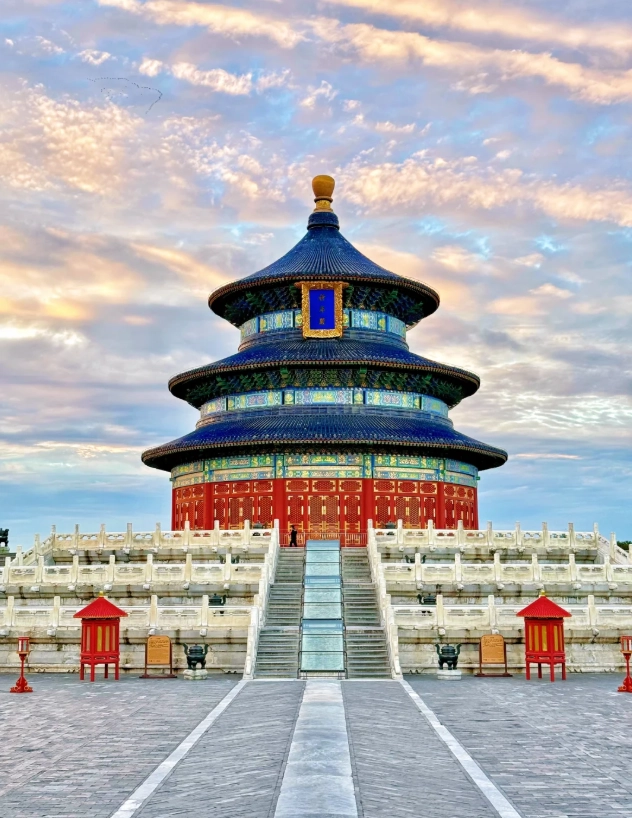
- Is Beijing Worth Visiting? My Honest Verdict
- Top Attractions That Deliver (and One to Skip)
- How to Get Around Beijing Without Losing Your Mind
- What Nobody Tells You About Money, Apps, and WeChat
- A Realistic 3-Day Itinerary for First-Timers
- Where to Eat: My Personal Picks
- FAQs: Your Burning Questions Answered
Is Beijing Worth Visiting? My Honest Verdict
Let me break this down for you. If you're into ancient history, world-class museums, and seeing relics that used to belong to emperors, Beijing will blow your mind. If you hate crowds, extreme weather, and constant hawking, you'll need to adjust your expectations.
Beijing is worth visiting if you:
- Love history and want to see the Forbidden City, Great Wall, and Temple of Heaven in real life.
- Want to taste authentic Peking duck and street food that's been perfected over decades.
- Enjoy walking through hutong alleys that feel frozen in time.
- Are curious about how a city can blend ancient traditions with futuristic skyscrapers.
Beijing might not be worth it if you:
- Prefer calm, meticulously planned cities — Beijing is chaotic and sprawling.
- Can't tolerate pollution (though it's improved, bad smog days still happen).
- Expect everything to be in English — it's not. You'll face language barriers.
- Think you can "just wing it" — without preparation, you'll waste hours.
In my experience, about 8 out of 10 first-timers leave Beijing saying it was a highlight of their trip. The other 2 felt overwhelmed — usually because they didn't have a solid plan. That's where this guide comes in.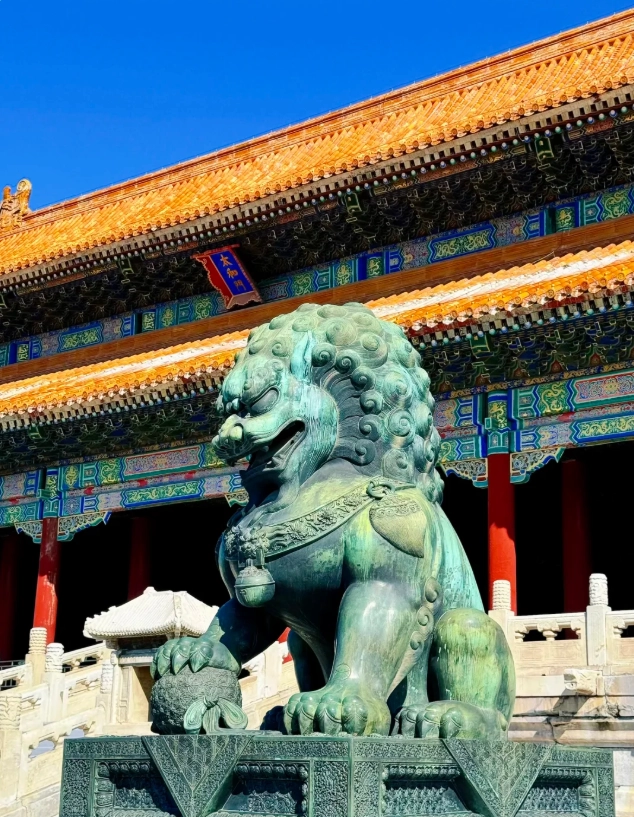
Top Attractions That Deliver (and One to Skip)
The Forbidden City — Book Your Ticket Now
The Forbidden City is the crown jewel of Beijing, but it requires advance booking with your passport. Ticket price is around 60 RMB (peak season). You must book online through the official WeChat mini-program or an English-friendly platform like Trip.com or Klook. Tickets are released 7 days ahead and often sell out fast, so don't wait until the last minute. Enter from the south gate (Meridian Gate) and exit from the north gate. Plan at least 3-4 hours. Avoid Mondays — it's closed.
The Great Wall — Choose the Right Section
Yes, you should see the Great Wall, but skipping the Mutianyu section will change your experience completely. Badaling is the most famous but also the most crowded. Mutianyu is less packed, more scenic, and has nicer facilities. It's about 1.5-2 hours from downtown by car. Ticket is about 40 RMB, and the cable car costs extra. I always bring my clients to Mutianyu — the views are just as good without the chaos.
To get there, you can hire a private driver (ask your hotel), take a direct bus, or join a day tour through Trip.com or Klook. The journey takes 2 hours, so start early. Bring snacks and water — the food stands at the base are overpriced.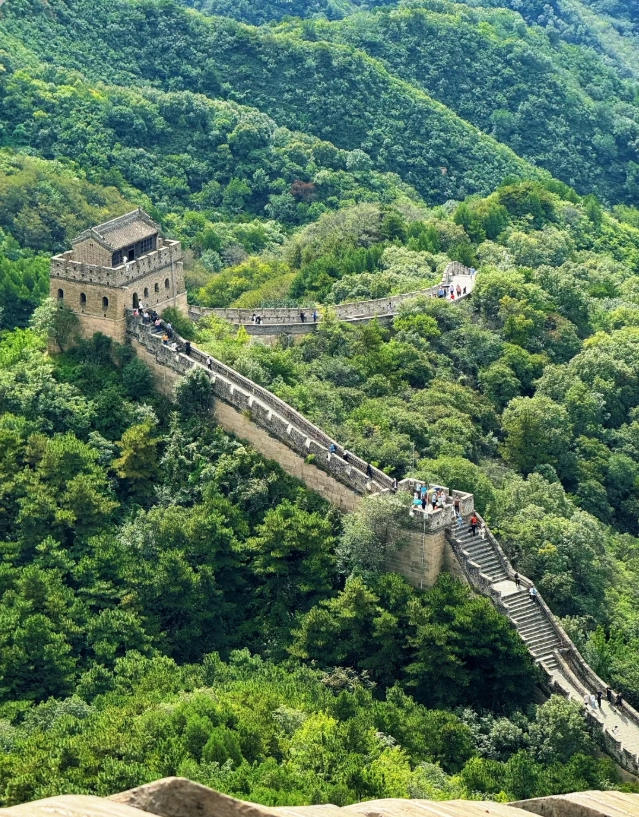
Temple of Heaven — Where Locals Actually Gather
The Temple of Heaven is not just a beautiful structure — it's a local park where seniors and families gather to exercise and chat. The complex is huge, and you'll see people playing cards, singing, and doing tai chi. The main hall is iconic, but the surrounding park is equally enjoyable. Through-ticket is about 34 RMB. No advance booking needed — you can buy at the entrance. Go in the morning to catch the liveliest local scene.
Summer Palace — The Beauty Spot You Can't Miss
If you want a break from the crowds, the Summer Palace's enormous lake and gardens are a lifesaver. The ticket is around 30 RMB (park only) or 60 RMB for the through-ticket. The best time to go is mid-afternoon — the light is golden and the crowds have thinned. Walk along the lake or rent a boat for a unique view of the classical buildings. It's massive, so wear comfortable shoes.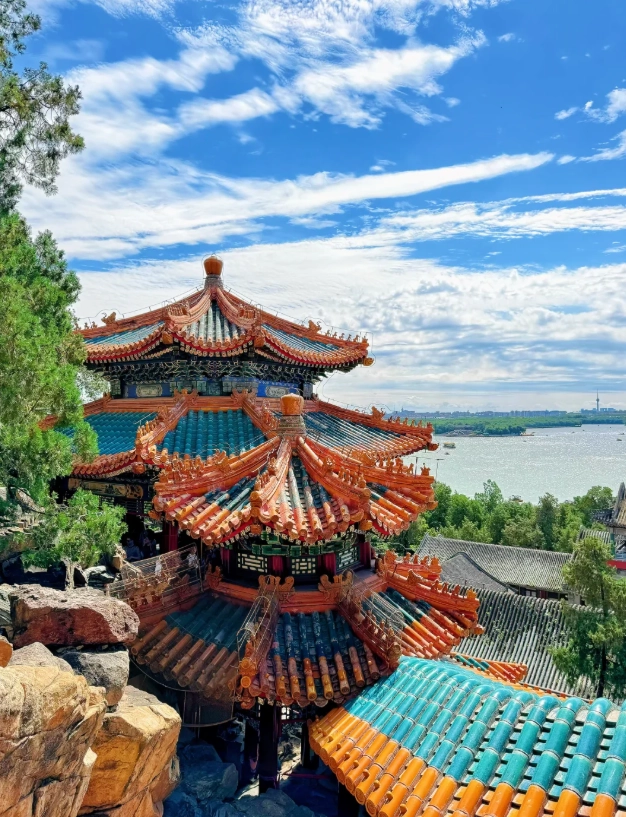
Hutong Streets — The Hidden Soul of Beijing
Walking through a hutong is like stepping back in time — but not all hutongs are created equal. Nanluoguxiang is famous but crowded and commercial. For a more authentic feel, head to Wudaoying Hutong or the alleys around Shichahai Lake. Rent a bike or take a rickshaw (negotiate the price — a 20-minute ride should be around 50 RMB). This is where you'll see everyday Beijing life.
One place I'd personally skip is the Wangfujing snack street — it's all reheated food and inflated prices. Real street food lives in the hutongs near the Drum Tower or Xidan.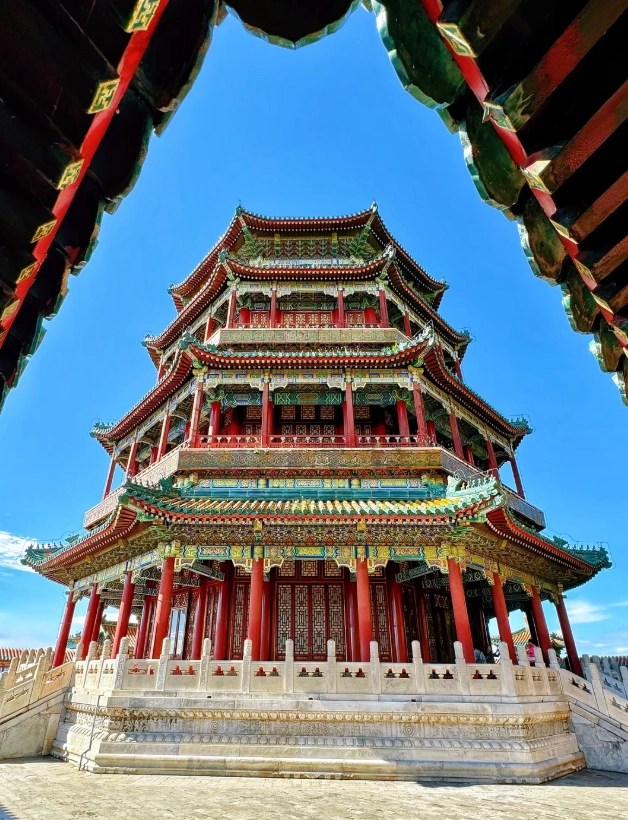
| Attraction | Ticket Price (Approx.) | Booking Needed? | Time Needed | Best Time to Visit |
|---|---|---|---|---|
| Forbidden City | 60 RMB | Yes, in advance | 3-4 hours | Early morning |
| Great Wall (Mutianyu) | 40 RMB + cable car | Can book on Trip.com | 4-5 hours including travel | Morning |
| Summer Palace | 30-60 RMB | Not usually | 3 hours | Afternoon |
| Temple of Heaven | 34 RMB | Not usually | 2 hours | Morning |
How to Get Around Beijing Without Losing Your Mind
Your phone will be your best friend and your worst enemy in Beijing — if you don't prepare your navigation tools. Google Maps often sends you in circles here. I always tell my clients to download Apple Maps (it uses Gaode data) or the AMap (高德地图) app with the English interface. Save your destinations in advance with the Chinese names too, so you can show them to taxi drivers.
- Subway: The cheapest and fastest way. Buy a Yikatong card or use Alipay's transport feature. Signs are bilingual, and fares are low.
- Buses: Cheap but harder to navigate, especially with language barriers. Skip if you're short on time.
- Taxi: Official taxis are metered. Make sure the driver starts the meter. Use Didi (the Uber of China) for a more reliable ride.
- Bike sharing: Great for short trips. Use Meituan or HelloBike — download the app and scan the QR code.
Here's a common pitfall: the subway station exits matter. For example, to reach the Forbidden City, take Line 1 to Tian'anmen East Station. The nearest exit is A — but check the map inside the station, as exits can be far apart. I've seen so many travelers walk 20 minutes in the wrong direction because they picked the wrong exit.
What Nobody Tells You About Money, Apps, and WeChat
Cash is almost useless in Beijing — you need Alipay or WeChat Pay to function smoothly. Small shops, street food stalls, and even some restaurants won't accept cash. The good news: both Alipay and WeChat Pay now support international Visa and Mastercard. Link your card in the app before traveling. Keep some cash as backup — around 200-300 RMB — for rare cases where cards fail.
You'll also need a VPN. China blocks Google, Instagram, Facebook, and many Western sites. Set up a reliable VPN on your phone and laptop before you land. I recommend paying for a premium service — the free ones often drop out.
For booking attractions, most require real-name registration with your passport. The official WeChat mini-programs are in Chinese only — a nightmare even for me. Use Trip.com or Klook instead; they handle the booking and you'll receive a QR code. If you do end up using the Chinese app, ask your hotel's front desk to help. Honestly, the whole system is a pain for foreigners, but once you're inside, it's worth it.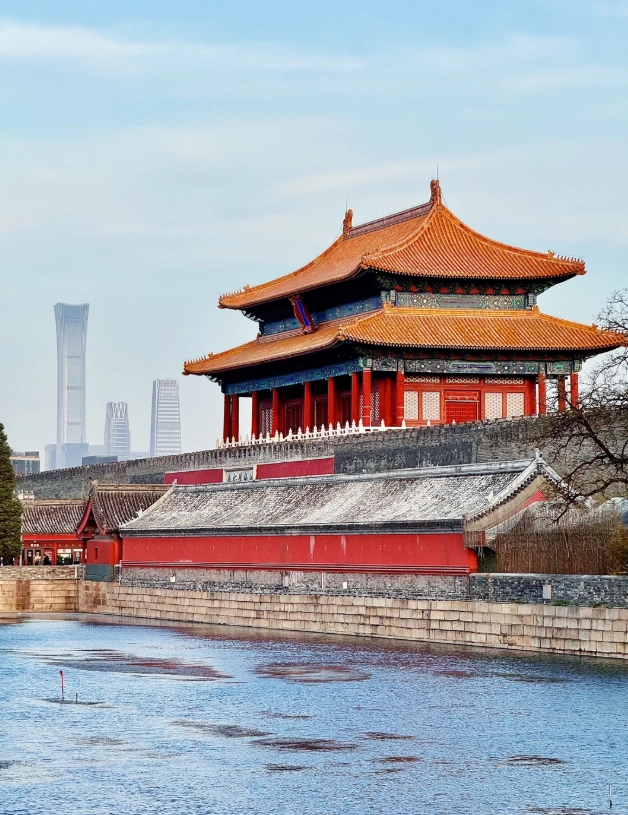
A Realistic 3-Day Itinerary for First-Timers
This itinerary is designed to cram in the highlights without making you feel like a zombie. You can adjust it based on your energy and weather.
Day 1: Forbidden City, Jingshan Park, and Hutongs
- 8:00 AM: Take Metro Line 1 to Tian'anmen East Station. Walk to the Meridian Gate entrance. Queue up early to beat the crowds.
- 8:30-11:30: Explore the Forbidden City. Rent an audio guide and follow the central axis.
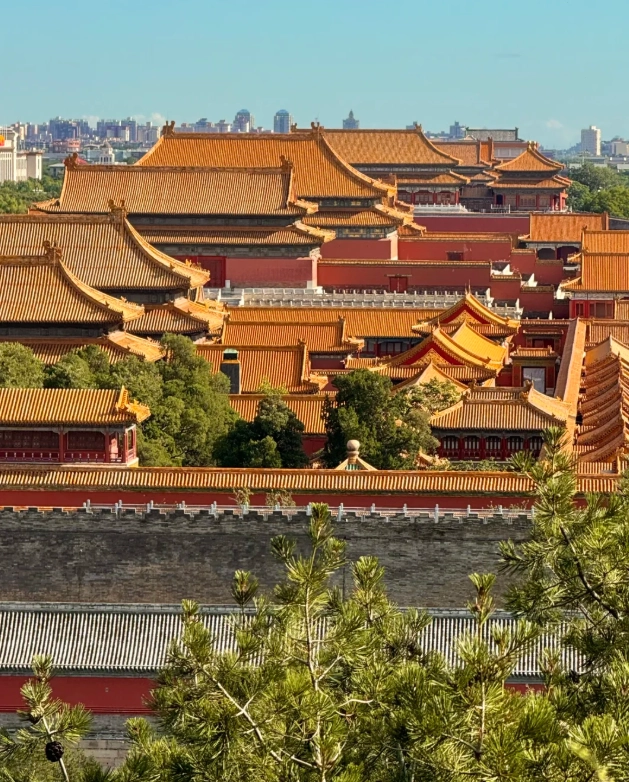
- 11:30-12:30: Exit from the north gate to Jingshan Park. Climb the hill for a panoramic view of the Forbidden City — it's a short but steep walk.
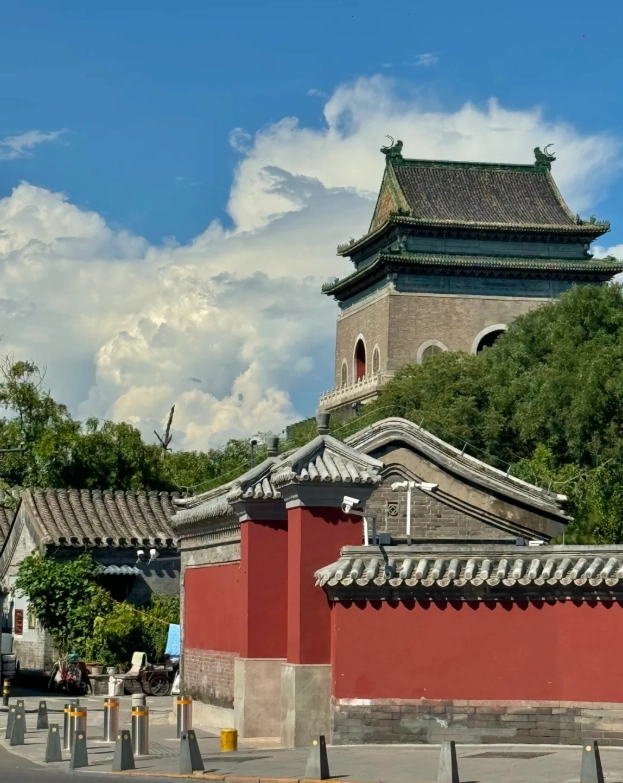
- 12:30-13:30: Lunch near the Drum Tower. Look for a small restaurant with a long line of locals — that's a sure sign of good food.
- 13:30-15:30: Walk through the hutongs around Prince Gong's Mansion. Rent a bike to cover more ground.
- 15:30-17:00: Visit Shichahai Lake and take a 20-minute rickshaw ride (negotiate the price first — about 50 RMB).
- 17:00: Return to the hotel to rest.
- 19:00: Dinner at Quanjude (Peking duck classic) or a local hotpot place.
Day 2: Great Wall and Olympic Park
- 7:00 AM: Pick up a private driver or join a small-group tour to Mutianyu. Book through your hotel or via Trip.com.
- 9:00-12:00: Walk the Great Wall. Take the cable car up to save energy.
- 12:00-13:00: Lunch at the base — keep it quick. Bring snacks to avoid overpriced food.
- 13:00-15:00: Drive back to Beijing. Stop at the Bird's Nest (National Stadium) and Water Cube for photos.
- 15:30-17:30: Rest at your hotel. If you're not tired, visit the 798 Art District instead.
- 18:30: Dinner at Haidilao hotpot — it's more than a meal, it's an experience.
Day 3: Temple of Heaven and Summer Palace
- 7:30 AM: Take Metro Line 5 to Temple of Heaven East Gate. Walk through the park and watch locals exercise.
- 9:30-11:30: Visit the main hall and the circular mound altar.
- 11:30-13:00: Lunch near the temple. Try a local dumpling place.
- 13:00-14:00: Take a taxi to Summer Palace (about 30 minutes, depending on traffic).
- 14:00-17:00: Explore Summer Palace. Rent a boat on Kunming Lake if the weather is nice.
- 17:00: End the day with dinner at Baoyuan Jiaozi (dumplings) or any place with a queue.
Plan B (for rain or extreme heat): Swap the Great Wall day for the National Museum (free with ID) or the Capital Museum. Both are air-conditioned, fascinating, and easy to navigate.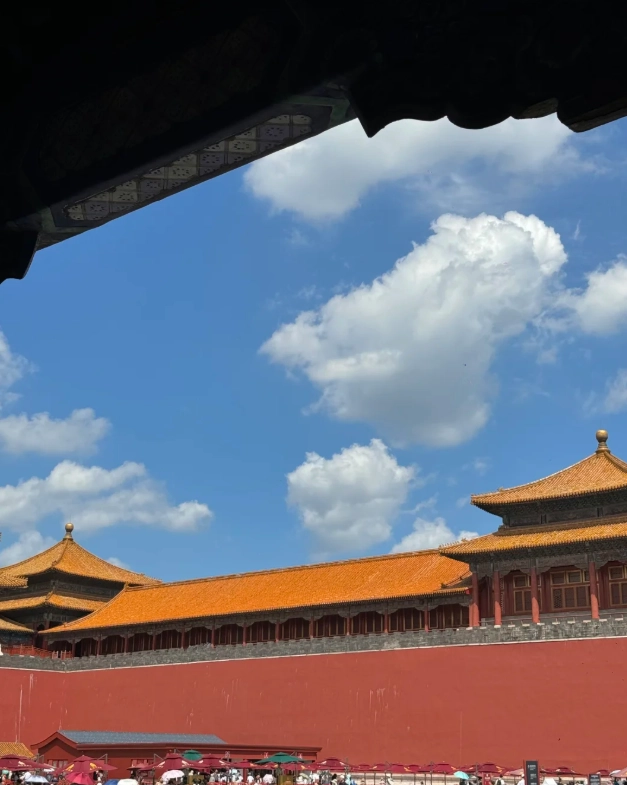
Where to Eat: My Personal Picks
Beijing's food scene is as huge as the city, with a few must-try dishes and places I bring all my guests.
- Peking Duck: Quanjude (全聚德) is a classic. The original branch in Qianmen has a grand atmosphere but high prices. I prefer the Sijiminfu (四季民福) — less touristy and more affordable.
- Zhajiang Noodles: Try at a local spot like Wangyunqiao (一碗居). It's a saucy noodle dish layered with vegetables and pork — simple but addictive.
- Jianbing: This savory crepe is best from a street cart in the morning. Look for a crowd near office areas like Guomao. It's a perfect on-the-go breakfast.
- Dumplings: Baoyuan Jiaozi (馅老满) has over 50 fillings. My go-to is the pork and celery. Go early — lines form fast.
FAQs: Your Burning Questions Answered
This content has been fact-checked to ensure informational precision.





I appreciate the effort, but this article feels a bit out of date now. The sections about hitting the Great Wall and Temple of Heaven before the crowds didn't match my experience at all. We got to Temple of Heaven at 8am and it was already packed with tour groups, plus the main hall was under scaffolding. The walking routes also skip the lack of shade—by 2pm I was melting with very few places to sit. The 'game plan' works on paper, but not if you're travelling with anyone who needs a slower pace. Still gave me a few ideas, which is why I'm not rating it lower. A middle-of-the-road 3.
A really solid guide with an honest tone. I liked that it didn't oversell Beijing as a 'hidden gem' and instead focused on the history and energy. The game plan is doable, though I wish it had warned me about the security queues at the Forbidden City—we burned nearly 40 minutes just getting through the gates. Also, more food recommendations beyond the obvious Peking duck spots would've been helpful. That said, it made me commit to the trip, and I'm glad I went. So yes, Beijing is worth visiting. Strong 4/5.
I'm normally a spontaneous traveler who hates plans, but this article convinced me to try a loose itinerary and wow, it made all the difference. We followed the 3-day game plan almost exactly, and even when it started raining and we swapped hutongs for the Summer Palace, the advice about flexible pacing saved us. The line about 'make peace with the haze' made me laugh, but it was actually comforting. Beijing isn't a pristine postcard—it's interesting, chaotic, and alive. This guide made me feel like a smart traveler, not a sheep. Would absolutely recommend to anyone asking 'is Beijing worth visiting?' Yes, yes, yes.
I'm a Beijing native and still found this article genuinely useful. It doesn't romanticize the city—it's loud, crowded, and a little chaotic—but it also doesn't dismiss it. The Mutianyu-over-Badaling note is exactly the kind of practical advice travelers need. I sent it to my cousin before her first trip and she said the subway directions and 'by interest' sections made her feel a lot less overwhelmed. I especially liked seeing the Eastern Qing Tombs mentioned; too many guides stick to the same three sights. This one respects the city's depth. Five stars from a local who's tired of lazy travel writing.
As someone who’d always been nervous about visiting Beijing alone, this guide was the push I needed. The three-day game plan is actually walkable—I managed Temple of Heaven at opening, then wandered through the hutongs and finished with a bowl of zhajiangmian near Guijie. It didn’t feel like I was being herded through one souvenir stall after another. The advice to swap the Olympic Park for 798 Art District was spot on; I burned three hours in the galleries and loved every minute. If you’re on the fence about whether Beijing is worth it, read this and book the flight. Five stars, no question.