 Qiang Huang
Quick Routing: What's Actually Worth Your Time
- The Must-See Historical Sites in Nanjing
- How to Explore Nanjing's Natural Beauty
- What to Eat in Nanjing: A Foodie's Checklist
- How to Plan Your Nanjing Trip: Itineraries for 1 to 3 Days
- Practical Nanjing Travel Tips: Payment, Transport, and Booking
- Frequently Asked Questions About What to Do in Nanjing
Look, Nanjing isn't the loudest city in China. It doesn't have Dubai-style skyscrapers or Beijing's grand squares. But that's exactly why it's such a breath of fresh air for travelers. I've been leading tours here for years, and every time, I watch my clients grow quiet in the best way possible as they stand on the ancient city wall at sunset. This guide is packed with things I've learned the hard way, so you can hit the ground running and actually experience the soul of this city—without wasting time on tourist traps.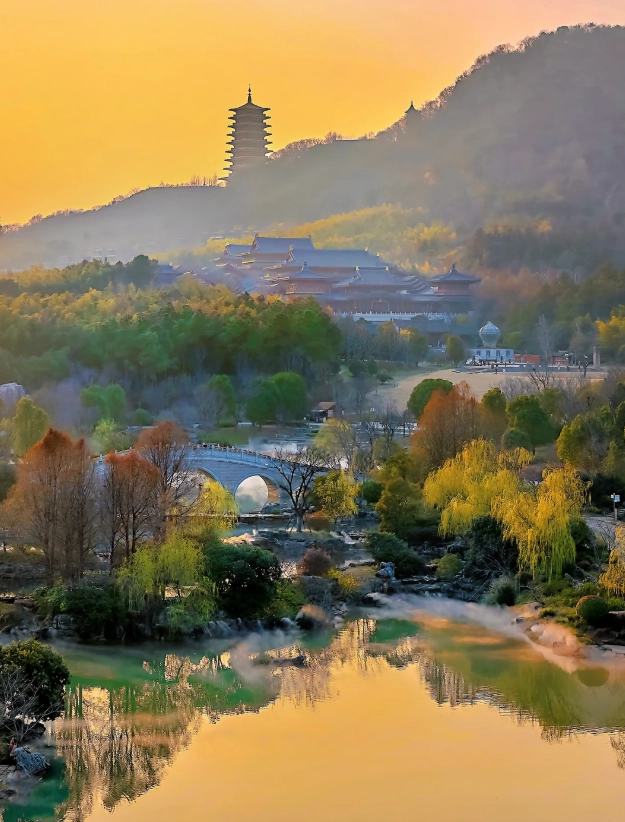
The Must-See Historical Sites in Nanjing
Nanjing's history is a tangled web of dynasties, wars, and resilience. You can't leave without visiting at least two of these. Let me break down which ones are worth your time and how to beat the crowds.
Sun Yat-sen Mausoleum (Zhongshanling)
This is the city's icon. The mausoleum complex sits on Purple Mountain, and the view from the top is absolutely soul-stirring. The entrance is free, but you must book a time slot using your passport. The easiest way is through Trip.com or by asking your hotel to scan a QR code for you. The walk up is 392 steps, so pace yourself. I always tell my clients to arrive before 8 a.m. to see the sun rise through the trees and avoid the tour bus flood at 9:30. Bring water—there's a surprisingly limited number of vending machines.
Pro Tip: Don't waste money on the sightseeing tram going up. The walk through the wooded path is the highlight.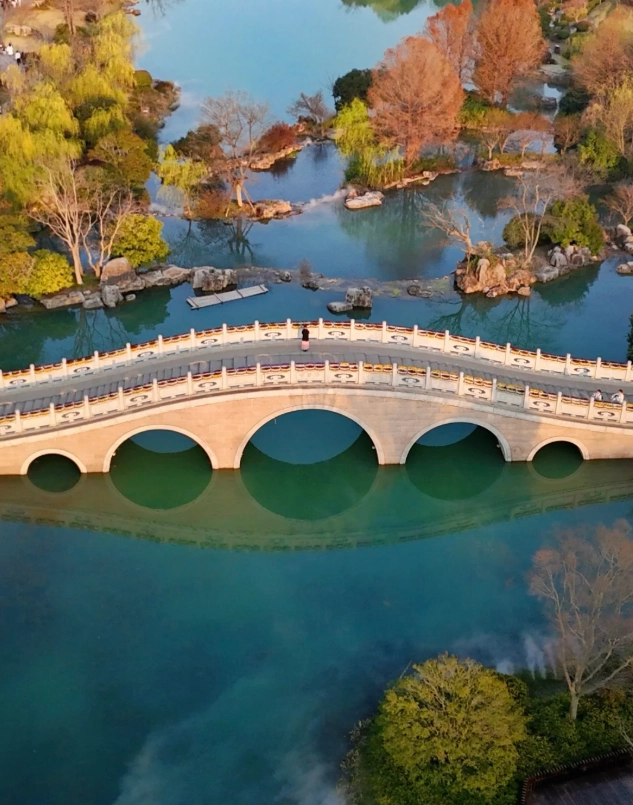
| Detail | Info |
|---|---|
| Address | 7 Sun Yat Sen Mausoleum Rd, Xuanwu District |
| Opening Hours | 8:30 am - 5:30 pm (Mar-Oct), 8:30 am - 5:00 pm (Nov-Feb) |
| Cost | Free (reservation required) |
| Time Needed | 3-4 hours |
| Metro | Line 2 to Xiaolingwei, then bus or 20-min walk |
Ming Xiaoling Tomb
This UNESCO-listed tomb is often overshadowed, but it's a must. The Sacred Way with its stone animals is one of the most atmospheric spots in Nanjing. It's usually less crowded than the mausoleum, especially on weekday afternoons. Ticket is around 70 RMB, and it's best combined with the mausoleum on a half-day trip.
I remember bringing a couple here last spring. They said the long tree-lined path felt like they'd stepped into another world. That's exactly what it is.
Presidential Palace
This sprawling complex is a time capsule. It houses remains from the Ming Dynasty, the Taiping Heavenly Kingdom, and the Republic of China. Entrance fee is 40 RMB. Go late afternoon to dodge school groups. Don't miss the garden at the back—it's a quiet sanctuary.
Insider Advice: Hire an English audio guide for 20 RMB; it's worth it. The free Wi-Fi is spotty.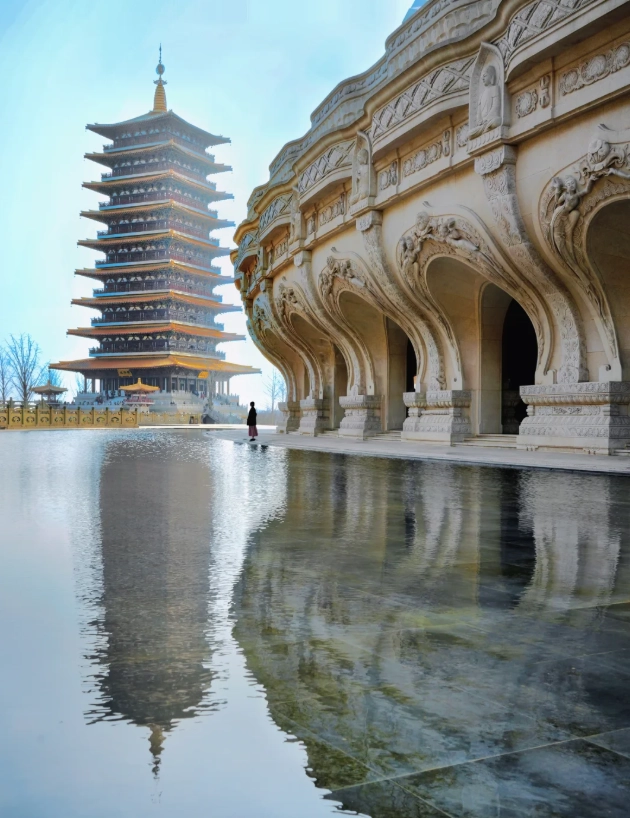
Nanjing City Wall
The best-preserved city wall in China runs for over 35 kilometers. The most scenic section is from Zhonghua Gate to the East Water Gate. Rent a bike or walk the top in late afternoon light. Entry costs about 50 RMB for the Zhonghua Gate section.
Nanjing Museum
This is one of China's largest museums, and it's free. You need to reserve a slot. The collection spans from ancient bronzes to Ming porcelain. I always recommend the 'Underground Palace' exhibit—a scale model of a royal tomb. Great Plan B for hot or rainy days.
How to Explore Nanjing's Natural Beauty
After all that history, you need some greenery. Nanjing is called the 'City of Forests' for a reason. Here's how to enjoy it without killing your legs.
Xuanwu Lake is a classic. Rent a paddleboat and float past the ancient walls. It's completely free, and the lake is ridiculously photogenic at sunset. But here's the thing—the most beautiful part is the Lake Heart Island, which you can reach by a causeway. Most tourists don't walk past the first bridge.
If you want hills, climb Purple Mountain via the Wangshu Trail. It's a moderately easy hike that takes about 90 minutes, and you'll be rewarded with a panoramic view. There's also a cable car, but I think hiking is the way to go—you'll pass through bamboo groves that feel almost mystical.
For something romantic, visit the Qinhuai River at night. The Confucius Temple area is along it, but the best view is from Wuyi Lane bridge, away from the main tourist strip.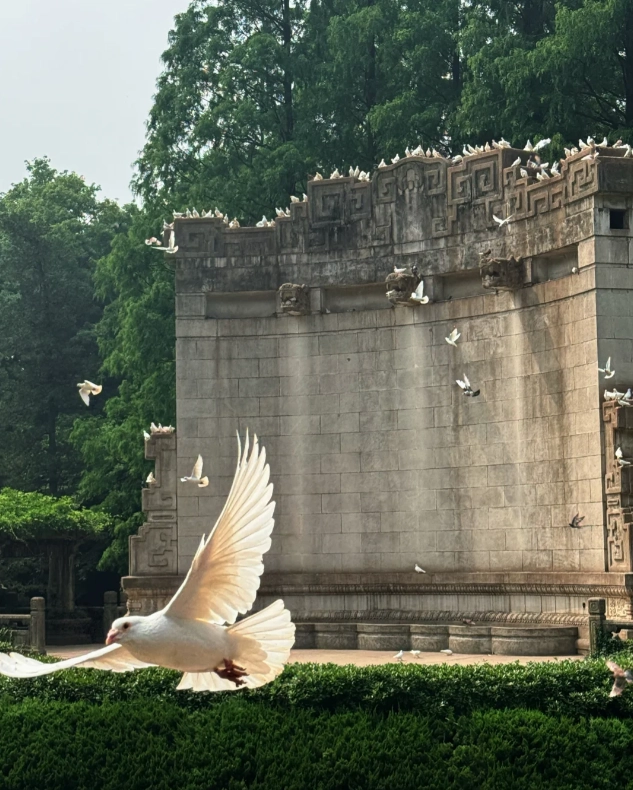
What to Eat in Nanjing: A Foodie's Checklist
Nanjing food is all about salted duck, duck blood soup, and sesame cakes. Here are my go-to spots and dish recommendations.
Salted Duck (Yanshui Ya)
The iconic dish. Many restaurants serve it, but locals love the old store at Hanfu Xiaoqu (汉府小区). You'll see a long queue of locals at lunchtime. The duck is tender, salty, and not greasy. Order it cold with a side of rice.
My pick: At the Nanfang Night Market, there's a stall called Yang Er's Duck that I've been visiting for 5 years. It's not in any guidebook, but the owner remembers my order: half a duck, light on salt.
Actually, for the real deal, I'll give you two restaurants:
- Gansu Shengchao (甘氏生炒) — Specializes in salted duck. Average 50 RMB per person.
- Little Zhang's Board (小张板鸭) — A hole-in-the-wall with incredible duck. Be prepared to wait if you arrive after 6 pm.
Duck Blood and Vermicelli Soup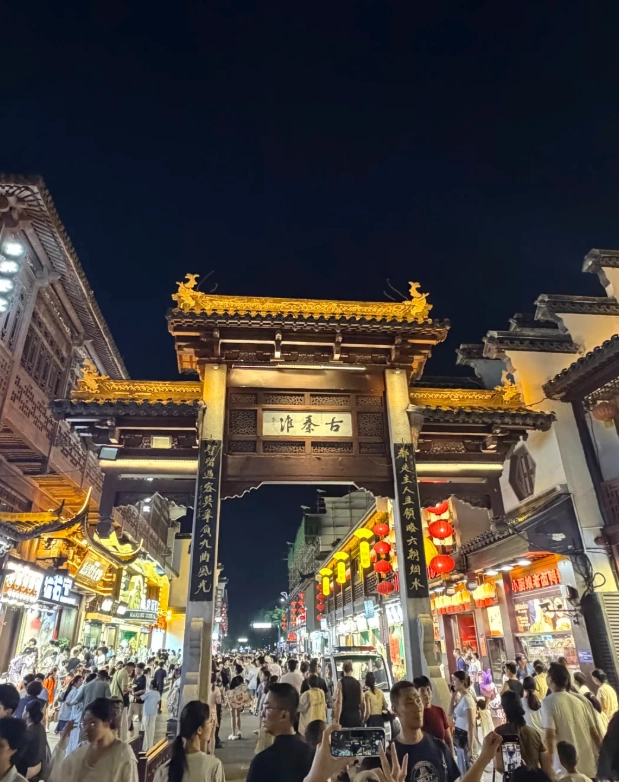
This afternoon snack is a must-try. The combination of silky duck blood, vermicelli, and rich broth is hearty. The most famous spot is 'Ru's Duck Blood' (汝氏鸭血粉丝). Expect a queue, but it moves fast. Average 25 RMB.
One thing to know: the soup is served piping hot, and the vermicelli will be slippery. Use the round spoon if you're struggling with chopsticks.
Other treats to try
- Nanjing Pan-fried Beef Dumplings — look for the stall in Old East District; they're juicy and crispy.
- Plum Cake (Meihua Gao) — a red bean filled treat, best at the small cart near the Ming Palace Museum.
- Qinhuai Eight Delicacies — a set of small snacks at the Qinhuai Hotel restaurant, but it's pricey.
How to Plan Your Nanjing Trip: Itineraries for 1 to 3 Days
Now, let's put it all together. Whether you have a stopover or a long weekend, here are realistic plans that won't tire you out.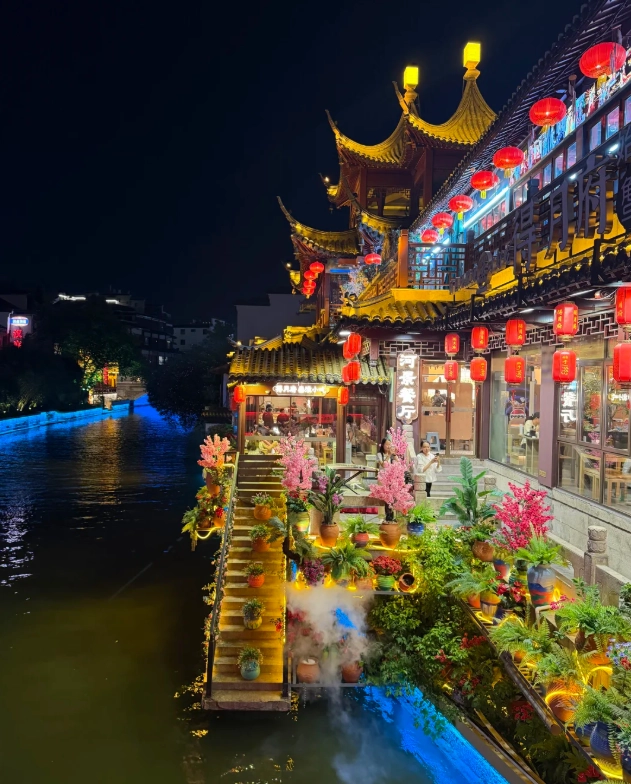
One Day in Nanjing: The Ultimate Highlight Sprint
Start super early at Sun Yat-sen Mausoleum (7:30 am), then walk down to Ming Xiaoling Tomb (about 2 hours). Grab a quick lunch at the nearby food street. In the afternoon, head to the Presidential Palace (worth 2-3 hours). End your day at the Confucius Temple and walk along the Qinhuai River as the lights come on. This is ambitious but doable.
Backup plan for rain: Swap the outdoor tombs for the Nanjing Museum and a long lunch at a tea house.
Two-Day Nanjing: Add the City Wall and Museums
Day 1 follow the one-day plan. On Day 2, walk the City Wall from Zhonghua Gate in the morning, then explore the Nanjing Museum in the afternoon. In the evening, try a local foot massage—there are plenty of places on Taiping Road.
Three-Day Nanjing: Slow Travel and Hidden Gems
Spend Day 3 on a relaxed morning at Xuanwu Lake, then visit the Niushou Mountain scenic area, which has a massive bronze reclining Buddha. It's a bit outside the city—take Metro Line 10 to the final stop. In the evening, stroll through the Old East District and try every street food you can.
For each itinerary, remember to book tickets the night before for the mausoleum and museum. Use the Metro for speed—it's clean and cheap.
Practical Nanjing Travel Tips: Payment, Transport, and Booking
This is where most foreign travelers stumble. Let me save you the headache.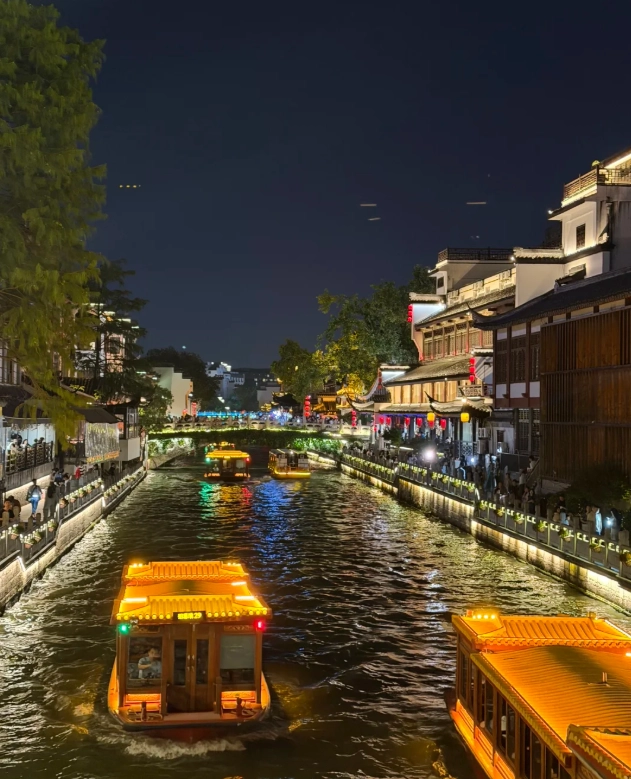
Payments: Cash is Dying
Like the rest of China, Nanjing is a cashless society. You'll need Alipay or WeChat Pay linked to your international card. Set this up before you arrive—it takes 10 minutes with a VPN. Some restaurants in tourist areas might take international credit cards, but don't count on it. Carry 200 RMB as an emergency only.
Pro Tip: Add a tourist card to your Alipay for metro access—it's faster than buying tokens.
Navigation: Forget Google Maps
Google Maps is unreliable in China. I recommend Apple Maps for English navigation, or download the Amap (高德地图) app and switch it to English. Better yet, have your hotel write your destinations in Chinese characters, then show it to taxi drivers.
Getting Around Nanjing
The Metro is your best friend. It covers all major attractions. A single ride costs 2-6 RMB. Taxis are cheap, but rush hour traffic can be brutal. Use Didi (China's Uber) with an English interface—you can even link your Alipay.
Here's a quick transport comparison:
| Mode | Cost | Time | Best For |
|---|---|---|---|
| Metro | 2-6 RMB | Fast, no traffic | Most trips |
| Taxi | Start 11 RMB, +2.5 RMB/km | 20-40 min across city | Late night, luggage |
| Didi | Similar to taxi | Same | When taxis are unavailable |
| Bus | 2 RMB | Slow | Local area travel |
| Bicycle | 1.5 RMB/30min | Good for scenic areas | Xuanwu Lake, Old City |
Booking Tickets
Many attractions (Sun Yat-sen Mausoleum, Nanjing Museum, Presidential Palace) require advance reservation with your passport. Official WeChat mini-programs are in Chinese, but you can often book on Trip.com or Klook for a small service fee. Or just ask your hotel—they're used to it.
Language and Internet
Install a translation app (Baidu Translate or Apple Translate) and download Chinese offline packs. You'll need a VPN for Google, Facebook, and Instagram. Get a local SIM card or eSIM from China Unicom or Telecom—airport kiosks can set it up in minutes.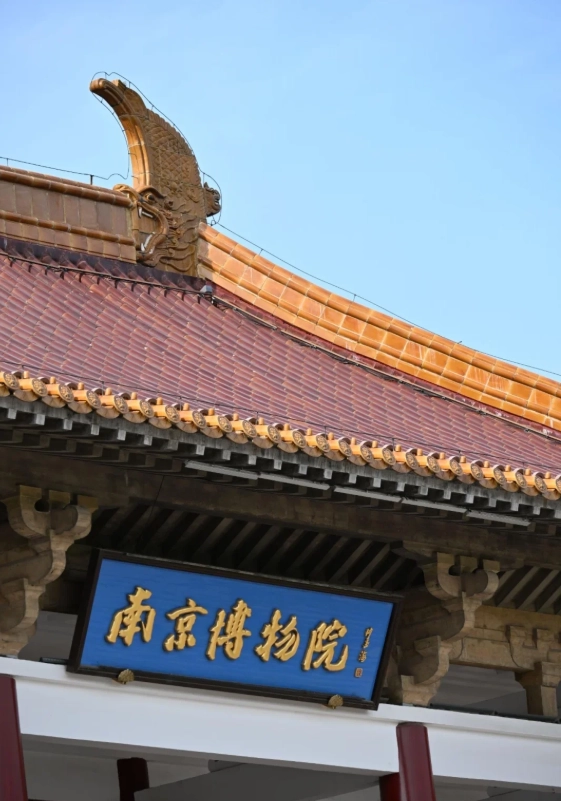
Frequently Asked Questions About What to Do in Nanjing
Verified and fact-checked by the editorial team. Prices and times are estimates—always double-check on official channels.





As a solo traveler, I always worry about going somewhere with a bad crowd. This guide made Nanjing feel approachable. The specific scam warning about the fake monk handing out bracelets near the temple gave me so much confidence. I also followed the tip to visit Ming Xiaoling in the early morning, before the tour buses arrived—I had the stone path almost to myself. This article is a must-read before you go.
Read this on the high-speed rail from Shanghai and immediately changed my plans. We skipped the Qinhuai River boat ride after the article explained the loud commentary and inflated ticket, then walked around Xuanwu Lake at golden hour instead. The tone is straightforward and practical, not breathless or sponsored. It felt like getting advice from a buddy who just came back from Nanjing.
This is the only travel article I actually screenshotted and kept pulling up during the day. It reads like a local who knows exactly where the crowds and scams hide. The recommendation for duck blood soup near the hospital instead of the tourist stretch was genius—we ended up eating with locals and paying half the price. I trust every single tip in here.
I almost skipped the city wall walk because the weather looked iffy, but this guide convinced me to go at sunset. The view over Xuanwu Lake was incredible, and the tip about avoiding the overpriced snack street near Fuzimiao was spot on. We found a tiny noodle shop instead. I'd give it 5 stars if it had more detail on the Nanjing Museum, but overall it really improved our trip.
This guide was okay for a first-time visitor, and I liked that it didn't just list the famous spots. The warning about the souvenir stalls at Confucius Temple was useful, but I still ended up stuck in a tea-tasting trap two blocks away that the article barely mentioned. Good starting point, but I hoped for a few more exact names and prices to avoid the hustlers.