 Ting Chen
Let’s get one thing straight — Lijiang is not a single-day stop. I’ve seen too many travelers rush through the old town in two hours and leave thinking it’s overrated. They missed the point entirely. When I first moved to Yunnan, I made the same mistake. Now, after years of guiding friends and clients here, I can tell you the real magic happens when you slow down and know exactly where to look. The top things to do in Lijiang aren’t just about ticking boxes — they’re about experiencing a place that still beats with ancient rhythms, if you know where to step.
Here is the catch most online guides ignore: the most famous sights — the Old Town, Jade Dragon Snow Mountain — are also the most overcrowded. If you blindly follow a 3-day itinerary from some travel blog, you’ll spend half your time standing in line and getting scammed by taxi drivers. I always tell my clients to start at 6 a.m. when the streets are empty and the light is golden. That alone will change your entire experience.
So here’s my golden rule: treat the Old Town as a morning ritual, not an afternoon errand. Now, let me walk you through the top things to do in Lijiang that I actually recommend to my own friends.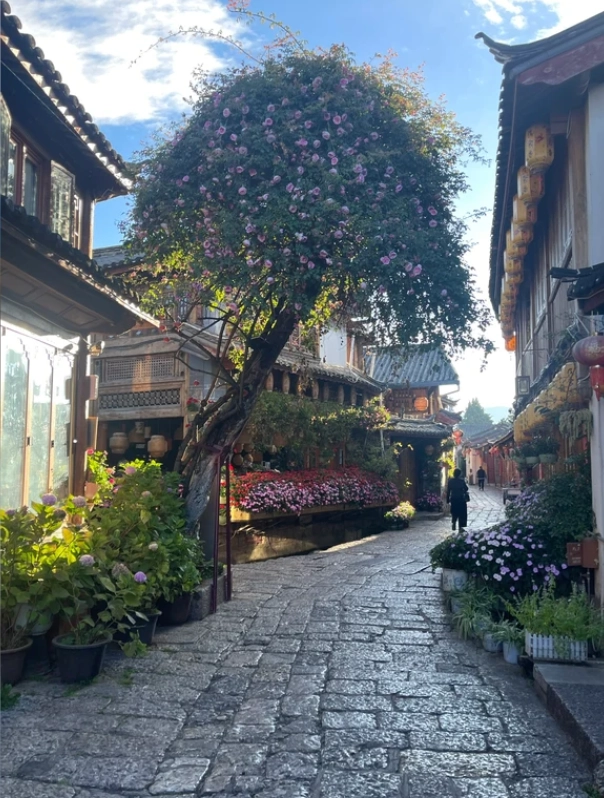
Why You Need a Local's Guide for Lijiang?
I can keep it simple: because the internet is lying to you. Most English-language guides are written by people who spent 48 hours here and never left the tourist track. They’ll tell you to see the Old Town, ride the cable car, and take photos. That’s like visiting Rome and only seeing the Vatican. Lijiang is a region with a living culture, dramatic landscapes, and surprises at every turn. A local perspective helps you understand where to go and, equally important, what to skip.
For instance, did you know that the iconic view of the Old Town from Lion Hill is actually better at sunset than at sunrise? Most people go in the morning because that’s what guides say, but the afternoon light paints the rooftops a golden hue. It’s these little details that make a difference. I’ve spent years walking these streets and still discover something new every time.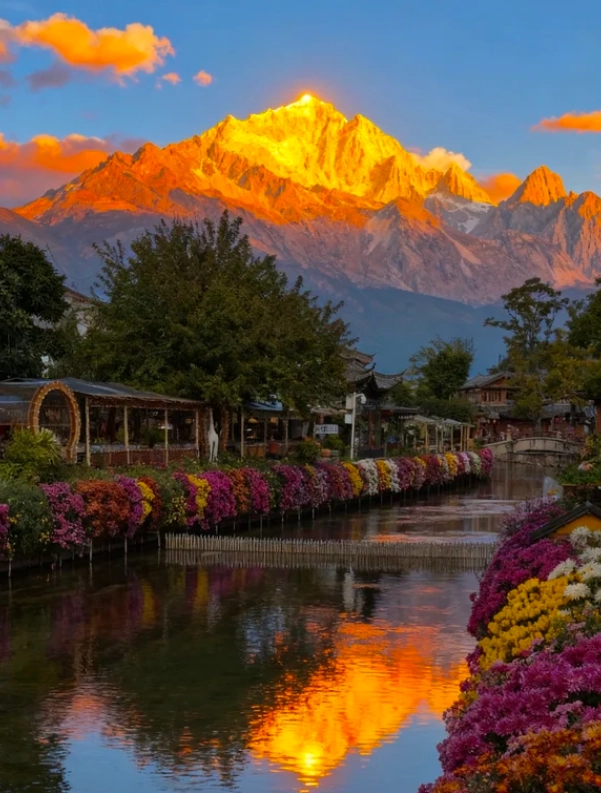
Top 10 Things to Do in Lijiang
Below are my personal picks for the top things to do in Lijiang, ranked not just by fame, but by how much they make you feel the spirit of the place. All details like tickets and opening hours are correct as of my last visit, but always double-check for changes.
| Attraction | Ticket Price (Adult) | Opening Hours | Best Time to Visit |
|---|---|---|---|
| Lijiang Old Town | Free (old town maintenance fee may apply) | Always open | Early morning or late evening |
| Yulong Snow Mountain | ¥100 (entrance) + cable car ¥120-160 | 7:30–16:00 | Morning (before 10) |
| Blue Moon Valley | Included in Yulong entrance fee | 7:30–17:00 | 10:00–14:00 |
| Shuhe Ancient Town | Free | Always open | Morning or afternoon |
| Black Dragon Pool | Free (need to show old town maintenance fee receipt in the past) | 7:00–19:00 | Early morning for reflection |
| Impression Lijiang Show | ¥280-320 | Multiple shows daily (usually 9:00, 11:00, 14:00) | Check schedule |
| Baisha Village | Free (murals ¥20-30) | Village always open; museum 8:00–17:30 | Morning or late afternoon |
| Lashi Lake | ¥30-50 for entrance, activities extra | 8:00–18:00 | Morning |
| Mu's Residence (Mufu) | ¥50 | 8:30–17:30 | Right after opening |
| Zhongyi Market | Free | Early morning to late afternoon | Morning for fresh produce |
1. Lijiang Old Town (Dayan Ancient Town)
The heart of Lijiang is a maze of cobblestone lanes, running streams, and wooden houses. It’s easy to get lost, and that’s the charm. But here’s the insider truth: after 10 a.m., the place is packed with cruise-ship groups. So I always tell guests to wake up early. Around 6:30, you’ll have the streets to yourself. The only sound is the water flowing gently by. You can watch locals open their shops and see the town at its most authentic. The official address is at the center of Lijiang city, but you can start from Sifang Street (the square). You don’t need a ticket, but occasionally they may ask for an old town maintenance fee — ask at your hotel if it’s still required.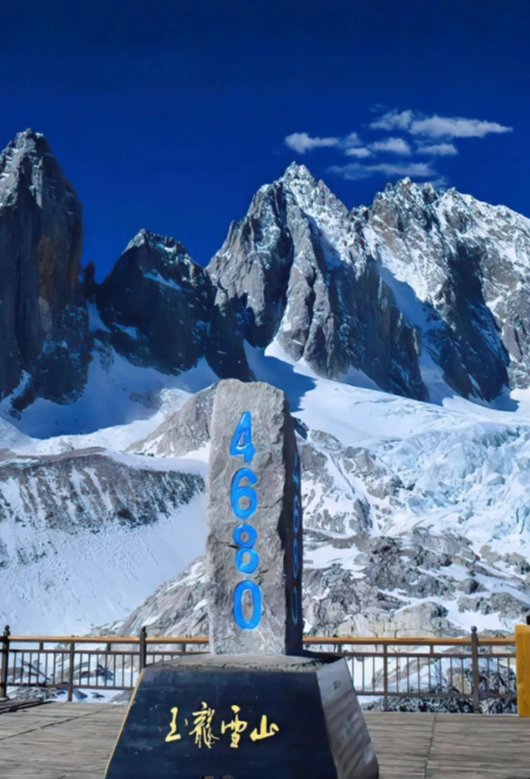
2. Yulong Snow Mountain (Jade Dragon Snow Mountain)
This glacier-capped peak is the highlight for many. It’s about 50 kilometers from the old town. You’ll need a full day and a bit of luck with weather. The cable car goes up to 4,506 meters, so bring warm clothes and consider buying oxygen cans (¥20-30) in town. Buy your tickets online through Trip.com or the official WeChat account — they often sell out days in advance, especially in July and August. The entrance fee plus the large cable car costs roughly ¥220-280. Take a shared taxi from Lijiang for about ¥50 one way; the driver will wait or you can arrange a pick-up. My biggest tip: go straight to the big cable car as soon as the park opens at 7:30. Otherwise, you’ll queue for hours.
3. Blue Moon Valley
Right below the snow mountain, this tourist area is a series of turquoise blue lakes that look fake in photos. They’re real. It’s inside the Yulong Snow Mountain scenic area, so you don’t pay extra. The best time for photos is around 10 a.m. to 2 p.m. when the sun hits the water directly. Wear bright colors for contrast. Take the eco-bus from the entrance (¥20) to the first lake, then walk downhill. You’ll see why locals call it “a piece of heaven on earth.”
4. Shuhe Ancient Town
If the old town in Lijiang feels like Disneyland, Shuhe is the real deal. It’s quieter, more residential, and still has that old-world charm. It’s only a 15-minute taxi ride from Dayan (around ¥20). The town is free to enter. I often spend a whole afternoon here, sipping coffee and watching the local grandmothers sunbathe. The tea house culture here is strong; try a local Yunnan black tea at a courtyard café. It’s a perfect escape from the crowds.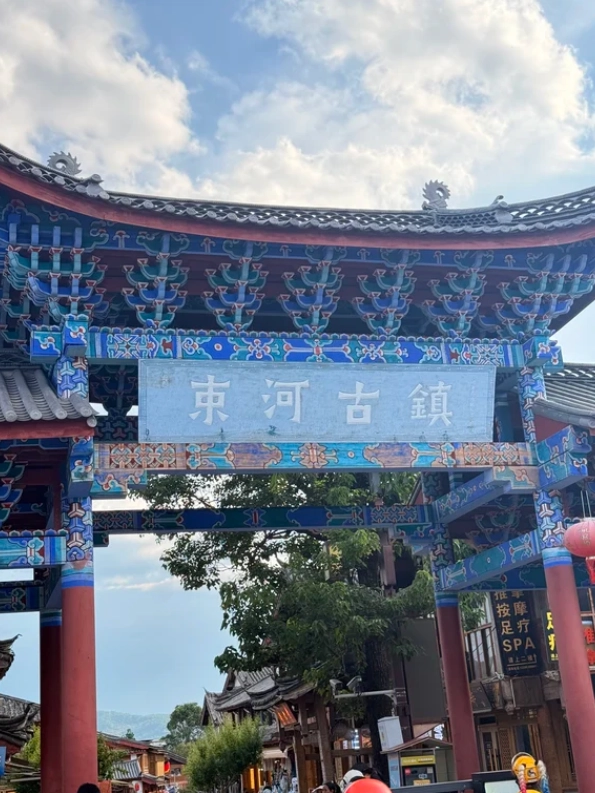
5. Black Dragon Pool
Black Dragon Pool is the classic postcard spot — the Jade Dragon Snow Mountain reflected perfectly in the lake. It’s just a short walk north of the old town. Entrance has historically been free, but you may need to show your old town maintenance fee ticket. If you didn’t pay it, you might have to buy an entry ticket (about ¥50). The best time is at sunrise, around 7:00, when the water is calm. By 8:30 groups arrive, and so does the wind, ruining the reflection. Bring a wide-angle lens.
6. Impression Lijiang
This open-air performance by Zhang Yimou takes place against the backdrop of the snow mountain. It’s a spectacle, with hundreds of performers from local ethnic groups. Yes, it’s touristy, but it’s also a genuine insight into Naxi, Yorgo, and Bai traditions. The tickets are pricey (¥280-320), but you can often get discounts from hotels or tour agents. There are three shows a day. For the best experience, attend the late afternoon show, as the light during midday is harsh. Bring sunglasses — the sun is strong.
7. Baisha Village and Murals
Baisha is another ancient town, smaller and less restored than Shuhe. It’s home to the Baisha Murals, a collection of Buddhist paintings from the Ming dynasty that mix Han, Tibetan, and Naxi styles. The village itself is free, but the mural museum charges about ¥30. It’s a 20-minute drive from the old town (taxi around ¥60). This is where you can see authentic Naxi architecture without any commercial façades. A handful of artists have opened studios here; I always visit my friend’s workshop to see traditional Dongba wood carving.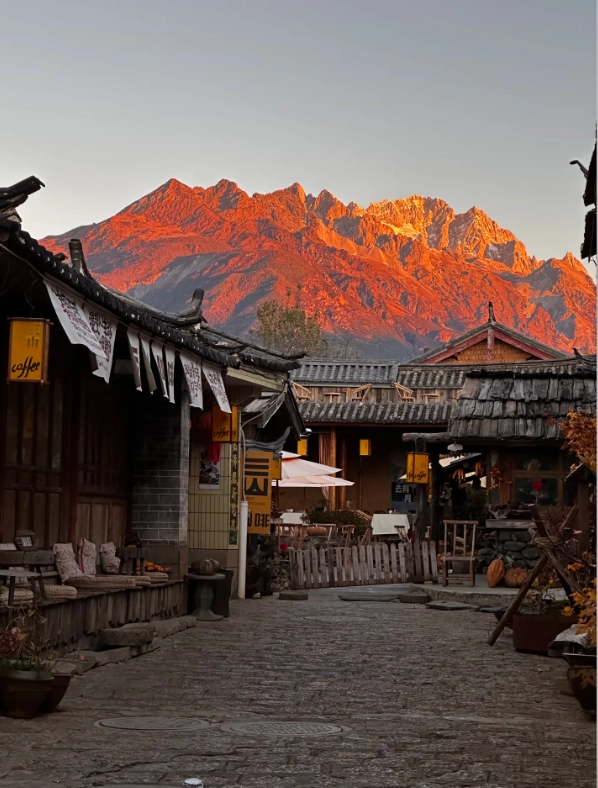
8. Lashi Lake
Lashi Lake is a wetland area famous for migratory birds and horseback riding. The area has a chicken and egg situation: it’s full of agents offering “cheap” tours that end up costing you more. If you go independently, you can take a bus from Lijiang (bus #12 to the lake area) and walk around. The entrance is around ¥30, and horse rides start at ¥80. I suggest skipping the horse ride if you’re on a budget, as the path can be dusty and you’ll be charged extra for gloves and helmets. Instead, rent a bicycle and ride around the lake — it’s free and more active. Bring insect repellent.
9. Mu's Residence (Mufu)
This grand mansion was the seat of the Mu family, who ruled Lijiang for 470 years. It’s right in the old town, but you’ll pay ¥50 to enter. It’s a huge complex with lush gardens and a stunning view of the mountains from the back. When I go, I always notice the intricate carvings on the pillars — each one has a story. Follow the audio guide (included) to understand the history. Allow at least two hours. The absence of crowds in the outer courtyards is a luxury; most visitors only skim the main hall. Go all the way to the garden at the top for a panoramic shot.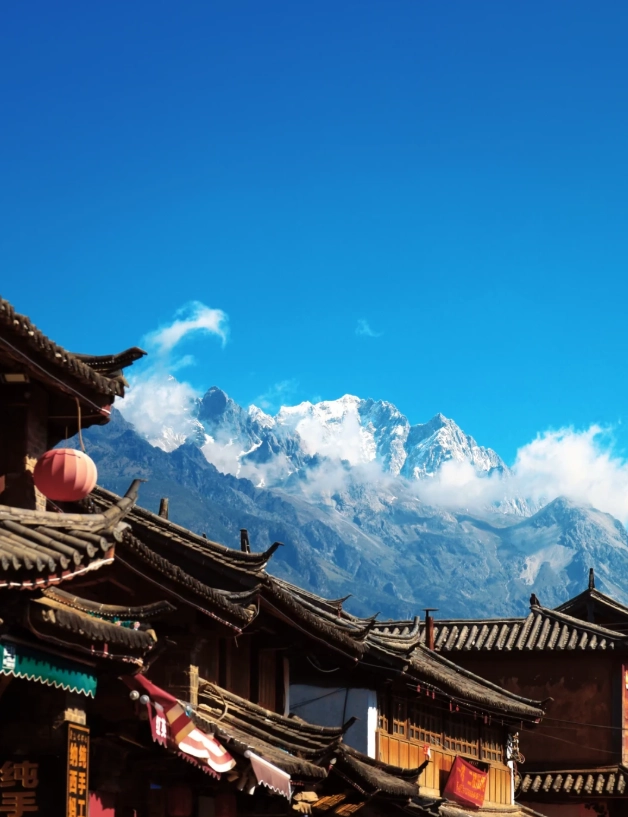
10. Zhongyi Market
End your list with a visit to the local wet market. It’s about a 10-minute walk from the old town’s southern gate. Here you’ll see the real Lijiang: grandmothers bargaining over fresh matsutake mushrooms, mountains of dried chilies, and butchers chopping meat. You can buy snacks and local candies for tiny prices. It’s a sensory overload — in a good way. The market is busiest in the morning; by noon, many stalls close. Don’t ask for the price and walk away without buying; it’s considered rude. Just make sure to use your phone for payment because many vendors don’t accept cash.
How to Structure a Lijiang Itinerary Even with a Tight Schedule?
If you truly only have 48 hours, these are the must-dos:
- Day 1 morning: Wake up early and walk the Old Town when it’s still empty. Have a breakfast of yak butter tea and baba bread at 7:30.
- Day 1 late morning: Visit Mu's Residence right after breakfast (gate opens at 8:30).
- Day 1 afternoon: Take a taxi to Shuhe, have lunch, and enjoy the slow pace.
- Day 1 evening: Watch the Impression Lijiang show at 14:00 (late show is better) — book beforehand.
- Day 2: Dedicate the whole day to Yulong Snow Mountain and Blue Moon Valley. Start at 7:30 to maximize time.
- Day 2 late afternoon: Explore Black Dragon Pool and catch the sunset reflection.
If you have one extra day, add Baisha Village and Lashi Lake. That basically covers the top things to do in Lijiang without making you feel rushed.
Weather is a factor. If the mountain is closed due to wind, swap it with a trip to the old town’s Lion Hill (there’s a pagoda you can climb for a small fee). For rain, visit the museums in the old town — the Naxi Dongba Culture Museum is a good indoor option.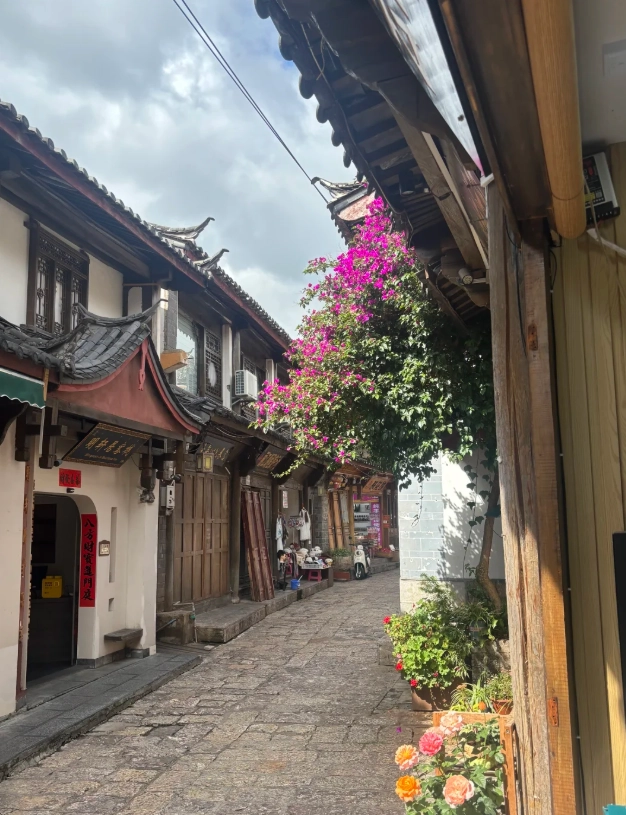
Lijiang Travel Essentials: Payments, Data, and Navigation
Before you dive into the activities, let’s sort out the practicalities that can trip up international visitors.
Payments and Fees
Cash is not king in Lijiang. Most places, even street stalls, accept Alipay or WeChat Pay. As a foreigner, you can link your international credit card to these apps, but it takes time. Get it sorted before you arrive. Some smaller restaurants and markets might not take foreign cards, so always carry about ¥100 in cash as backup. For hotels and formal shops, they’ll accept your physical card — just confirm the merchant is verified.
Navigation
Google Maps works, but it’s often inaccurate for this area. I recommend using Apple Maps (it integrates well with local data) or AMap, which has an English version. Download offline maps of Lijiang as coverage can drop on the mountain. When taking a taxi, show the driver the address in Chinese — they don’t speak English. Here are key addresses in Chinese:
- Lijiang Old Town: 丽江古城
- Yulong Snow Mountain: 玉龙雪山
- Shuhe: 束河古镇
Data and VPN
Yes, you need a VPN before coming. China blocks many foreign websites and apps, and once you land, it’s hard to set up. Download a reliable VPN and test it before departure. For translation, use Apple Translate or Baidu Translate — they both work offline. Enable the offline language pack for Chinese to avoid data charges.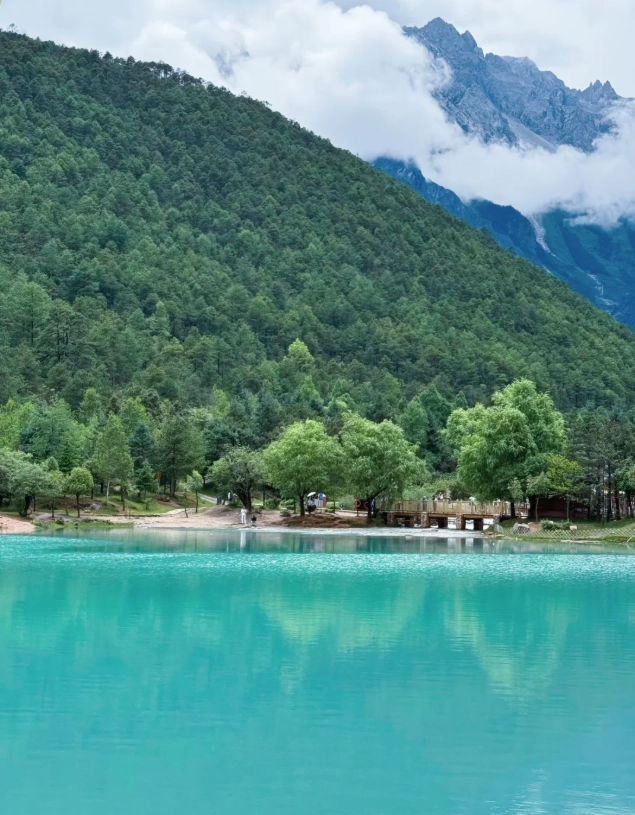
Tickets and Reservations
Most sights, especially the snow mountain and shows, require advance booking. You must use your passport number. Use international platforms like Trip.com or Klook to avoid the hassle of WeChat mini-programs, which are often in Chinese only. If you’re struggling, ask your hotel receptionist to help — they’re usually happy to assist. A polite request can save you hours on a confusing app.
Frequently Asked Questions About Lijiang
Verified and fact-checked by the editorial team.





No comments yet.